You're not alone if you’ve ever hesitated before buying a vacuum dryer—especially when your materials range from heat-sensitive pharmaceuticals to high-volume lithium battery powders. The wrong choice doesn’t just waste money—it can ruin batch quality and delay production. That’s why we’re breaking down how to make a smart selection using real-world data from over 500 clients across 40+ countries.
Start with three key questions:
For example, a lab processing 5 kg/day of thermolabile compounds needs different specs than a factory handling 500 kg/day of lithium carbonate. We’ve seen companies save up to 30% in energy costs simply by matching equipment specs to actual use cases—not chasing “high-end” features.
| Parameter | Why It Matters | Ideal Range (Based on Industry Data) |
|---|---|---|
| Vacuum Degree | Affects drying speed and product integrity | 1–10 mbar for most applications |
| Temperature Uniformity | Critical for consistent quality | ±1°C or better (per GB/T 26879) |
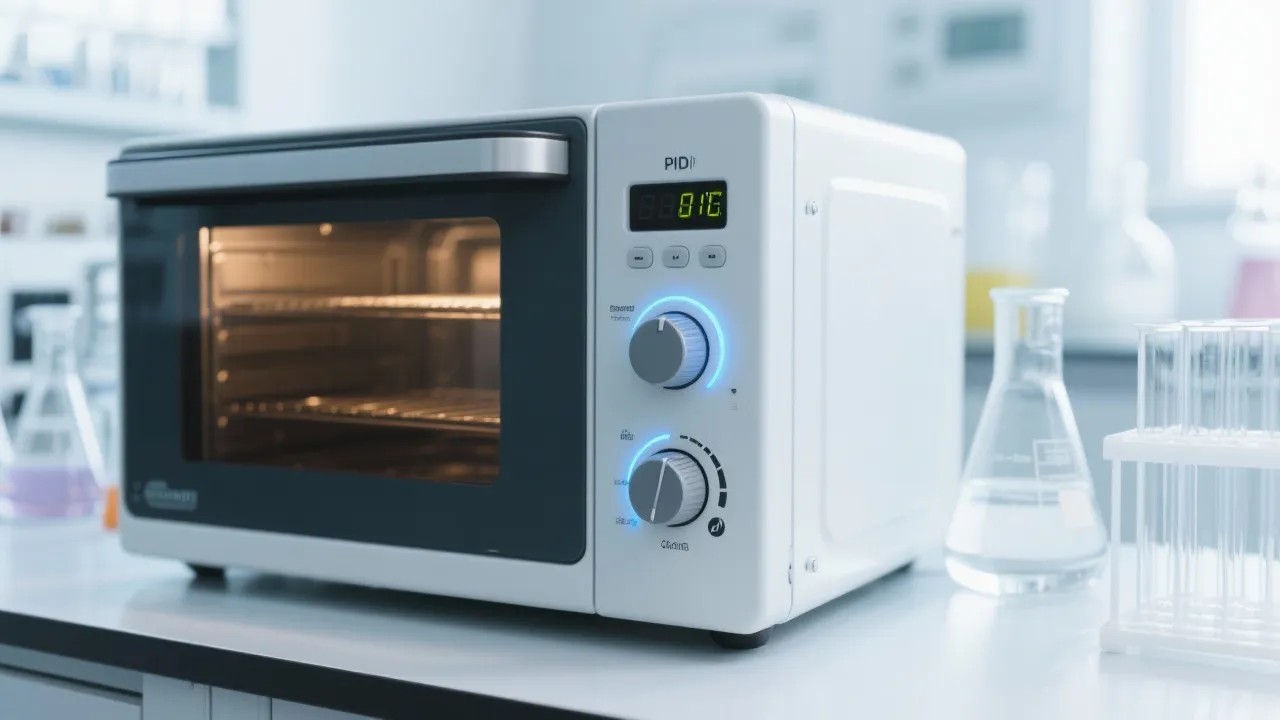
| Heating System Stability | Prevents overheating and degradation | PID-controlled, multi-zone heating |
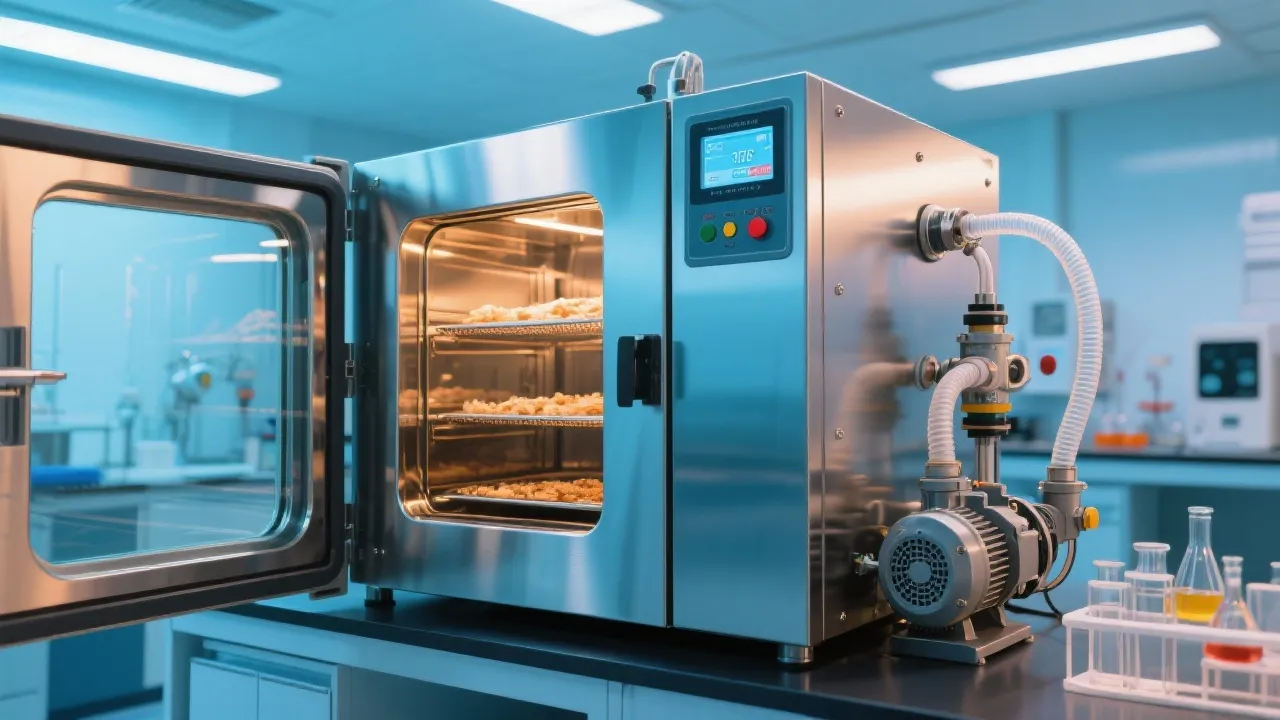
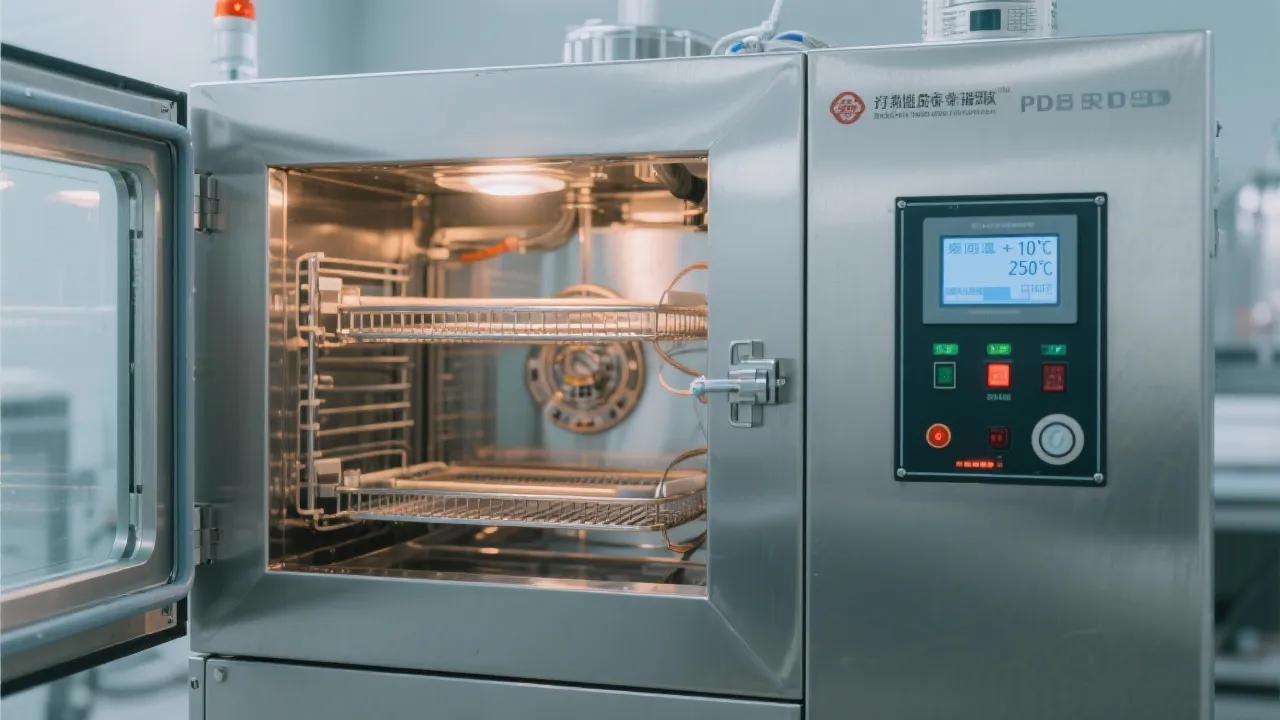
Our customers often ask: “What makes one vacuum dryer better than another?” Take the Zhengzhou Keda DZ-4BCII model—it’s used in food, pharma, and battery material industries globally because of its proven performance. For instance:
We serve over 500 global clients—and 92% report improved accuracy in equipment selection after applying our guidelines. This isn’t just theory. It’s based on 13 years of export experience with industrial dryers in Europe, North America, and Southeast Asia.
“Don’t buy the highest vacuum pump just because it sounds impressive. Match the specs to your actual needs—or risk wasting thousands.”
Many buyers fall into traps like:
Remember: choosing the right vacuum dryer isn’t just about upfront cost—it’s about total ownership value over 5+ years.