
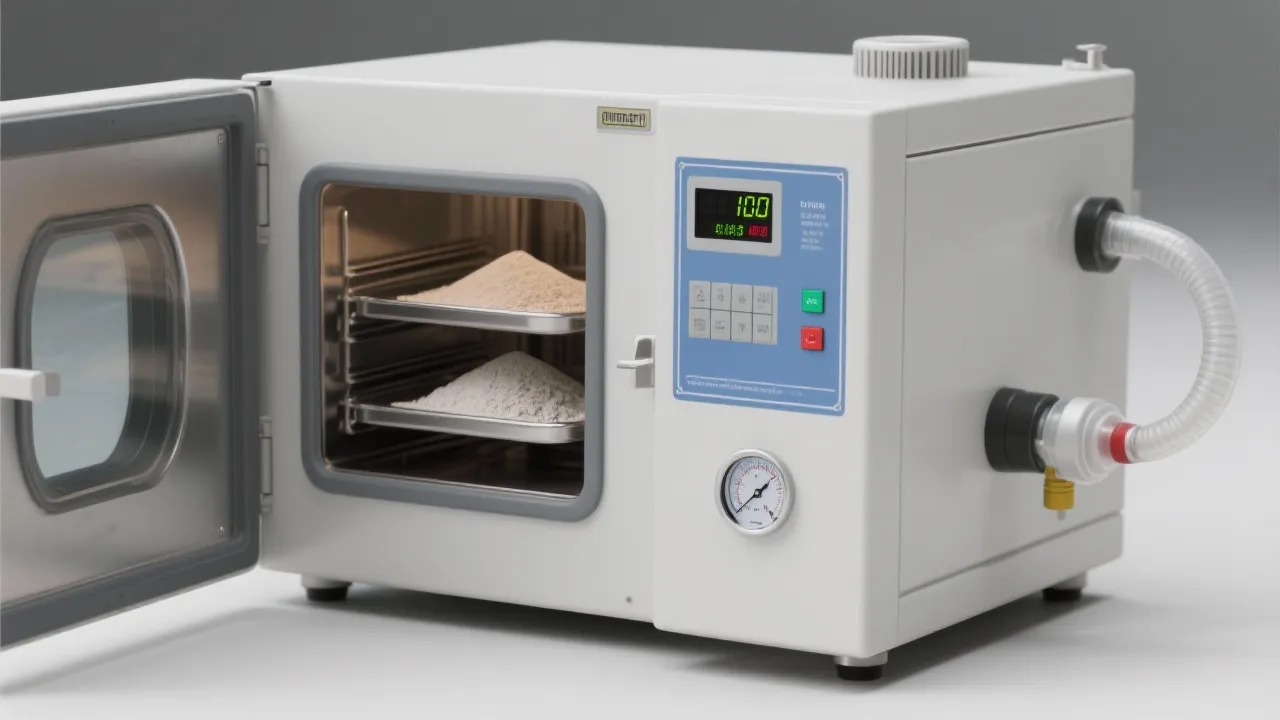
How to Choose the Right Vacuum Dryer: Matching Key Parameters to Industry Needs
28 12,2025
Zhengzhou Keda Mechanical Instrument Equipment Co., Ltd.
Product related content
This article explores the core working principles of vacuum dryers and their applications in material degassing, electronic component curing, and chemical sample drying. It explains how precise temperature control and vacuum level settings can be tailored to meet specific industrial process requirements. By analyzing the physics of evaporation under vacuum and heat transfer mechanisms, readers gain insight into optimizing drying efficiency and product quality. Practical guidance on selecting compatible vacuum pumps, avoiding common pitfalls like carbonization or solvent residue, and real-world case studies enhance credibility and applicability. Ideal for researchers and production engineers seeking to improve process reliability and drive technological advancement in manufacturing.
Understanding Vacuum Drying Technology: Matching Parameters to Industry Needs
When it comes to precision drying in high-tech industries—from semiconductor manufacturing to pharmaceutical research—vacuum drying boxes are no longer optional; they’re essential. But choosing the right model isn’t just about specs—it’s about matching process requirements with real-world performance.
How Vacuum Drying Works: A Scientific Breakdown
In a vacuum environment, water and solvents evaporate at much lower temperatures than under atmospheric pressure. For example, while water boils at 100°C at sea level, it can boil at 30–40°C under 0.01 bar vacuum—a key reason why heat-sensitive materials like polymers or biological samples benefit from this method.
This principle is based on vapor pressure equilibrium: as air is removed, the partial pressure of moisture drops below its saturation point, enabling rapid evaporation without thermal degradation. This mechanism reduces drying time by up to 60% compared to conventional ovens, especially for materials that degrade above 60°C.
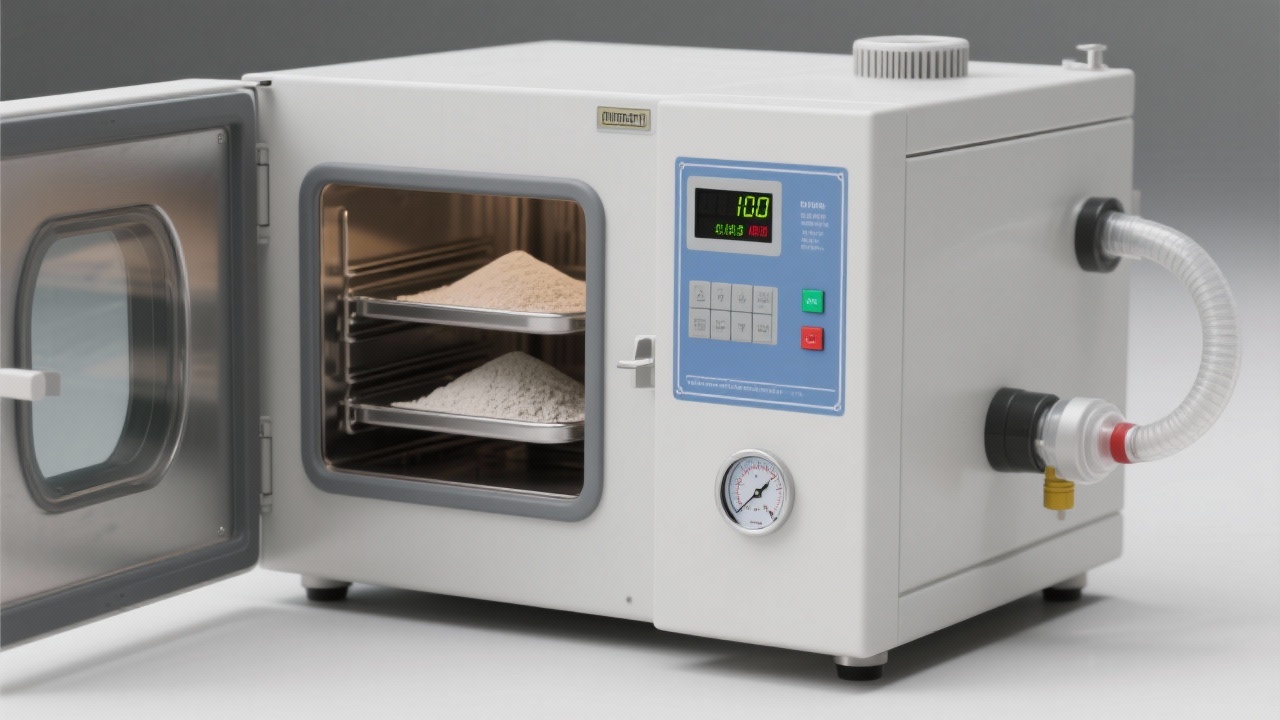
Industry-Specific Parameter Matching
Not all applications are equal. Here's how top-performing vacuum dryers adapt:
- Material Degassing (e.g., composites, adhesives): Requires precise control between 30–60°C and vacuum levels of 0.001–0.01 bar to avoid bubbles or voids.
- Electronic Component Curing: Needs stable temperature profiles (typically 80–120°C) and fast pump-down times (<10 min) to ensure uniform resin hardening without warping.
- Chemical Sample Preparation: Often demands ultra-low vacuum (<0.0001 bar) and inert gas purge options to prevent oxidation during long-term drying (up to 72 hours).
According to a 2023 study published in the Journal of Materials Science, improper parameter selection leads to 34% higher defect rates in printed circuit boards due to residual solvent migration—an issue easily avoided with proper vacuum setting calibration.
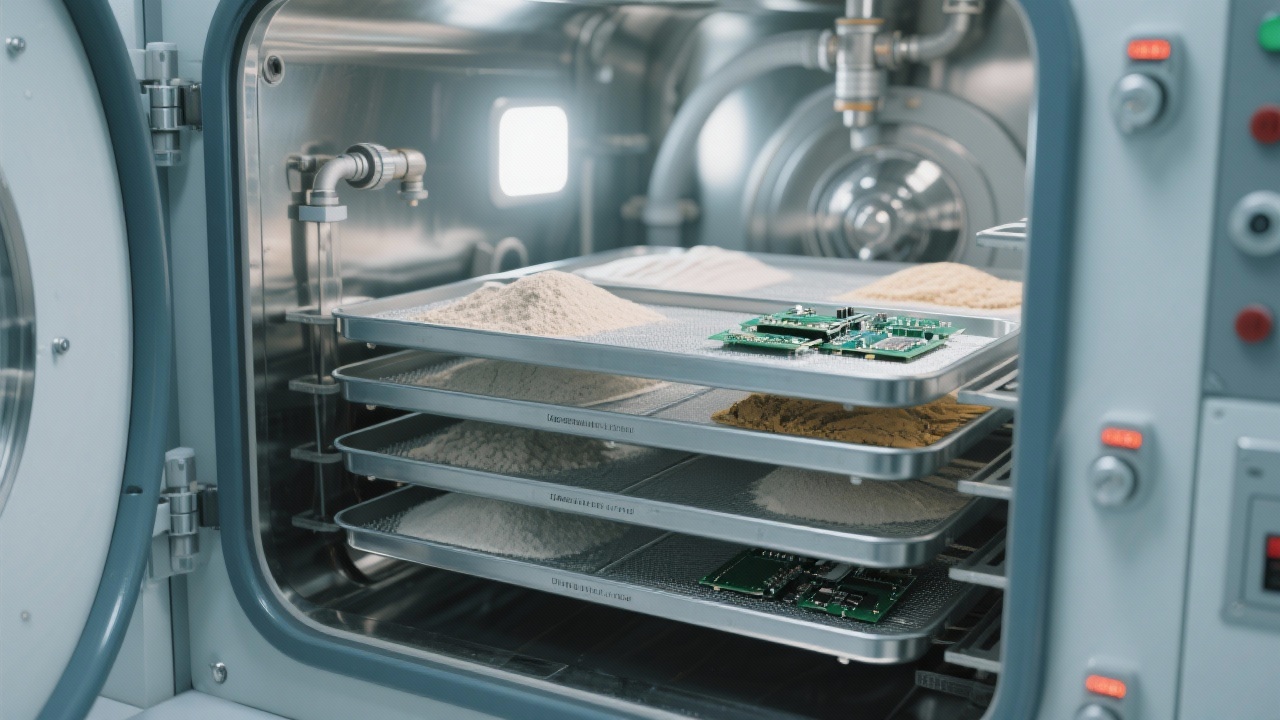
Avoiding Common Mistakes: Safety & Efficiency Tips
Even experienced users sometimes overlook critical factors:
- Overheating Risk: Setting the temperature too high (>150°C) when processing organic solvents can lead to pyrolysis or even fire hazards.
- Pump Compatibility: Oil-sealed pumps may contaminate sensitive samples—consider turbomolecular or scroll pumps for clean processes.
- Residual Moisture: Always verify final vacuum hold time; poor sealing or inadequate pumping can leave 0.5–2% moisture in porous materials.
One client in the battery electrode manufacturing sector reported a 40% improvement in coating adhesion after switching from manual to automated vacuum ramp control—a simple change that boosted yield significantly.
Your Next Step: Optimize Before You Buy
If you're evaluating vacuum drying equipment for your production line or lab, consider these three questions first:
- What’s the maximum temperature your material can tolerate?
- Do you need batch consistency or continuous processing?
- Is safety certification (like CE, UL) required for your market?
Don’t guess—measure. The difference between success and failure often lies in understanding the physics behind your process.
Get Our Free Process Optimization Guide
Download our comprehensive 12-page PDF covering best practices for selecting vacuum dryers in electronics, pharma, and advanced materials—plus case studies from global clients.
Download Now – No Email Required