
Have you ever experienced inconsistent results in your lab drying process—despite using the same sample and procedure? You're not alone. In pharmaceutical research, electronics manufacturing, and materials science, temperature stability isn't just a preference—it’s a requirement for reproducibility and quality.
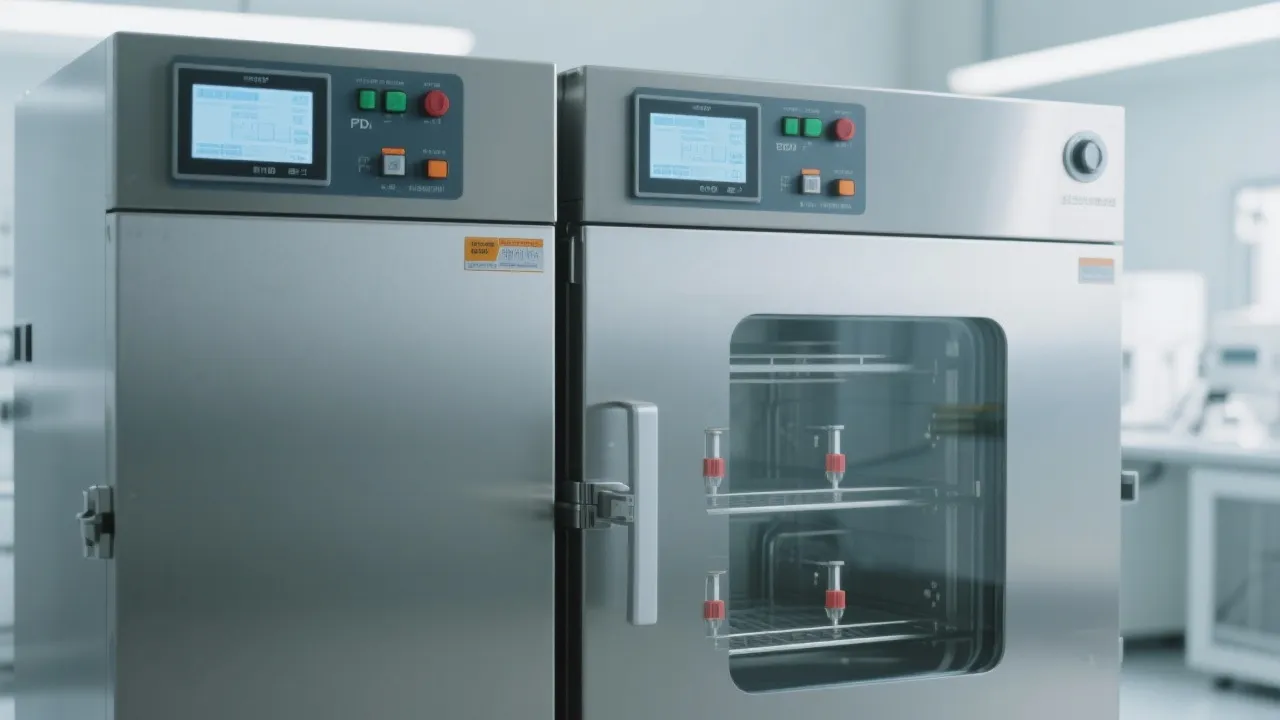
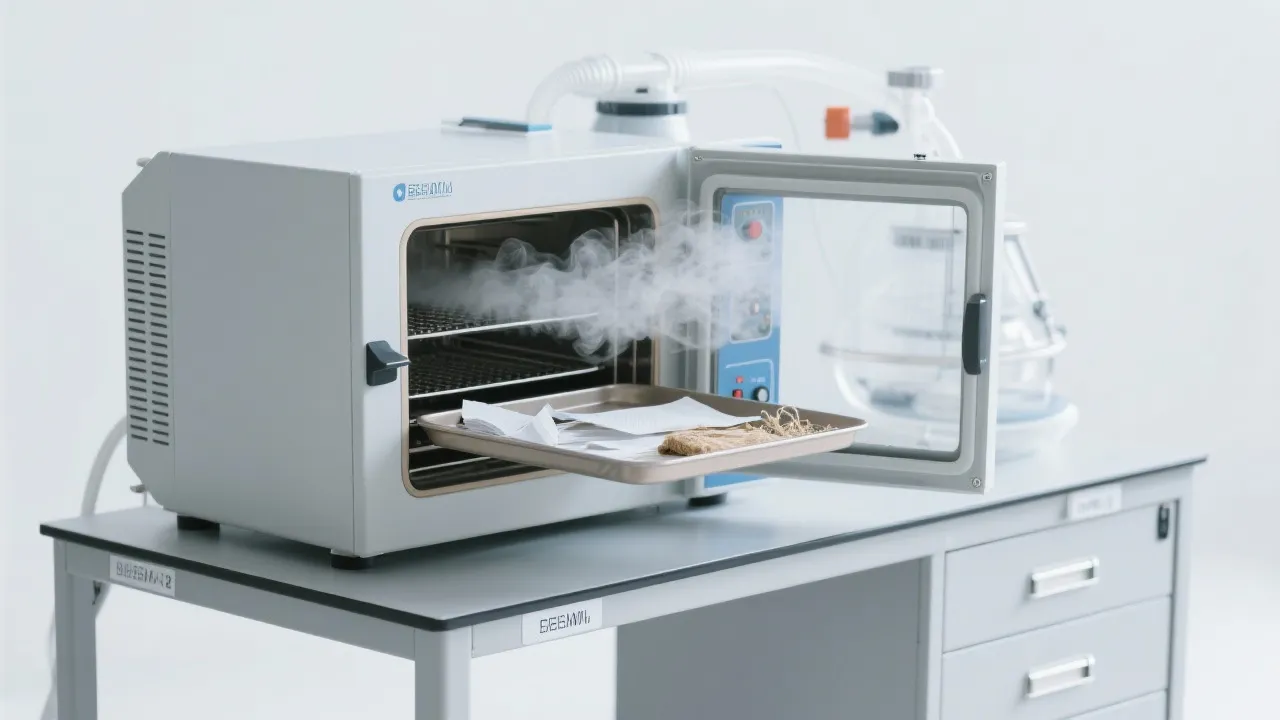
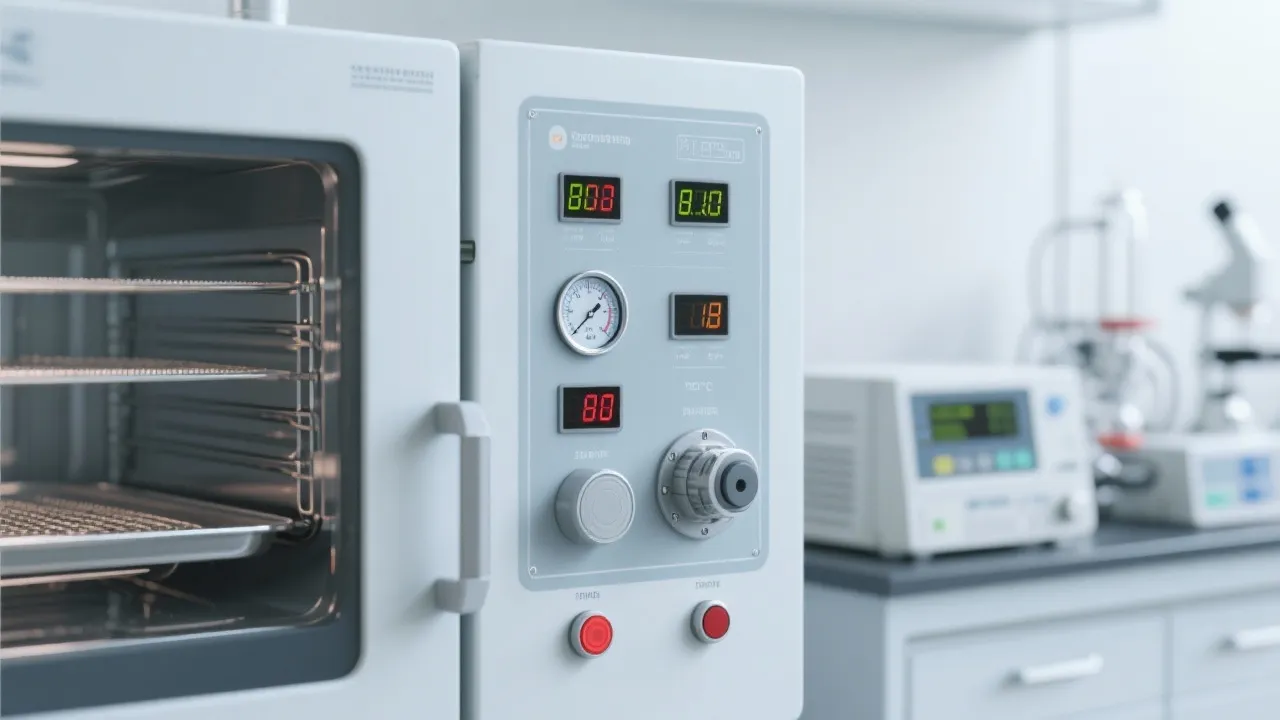
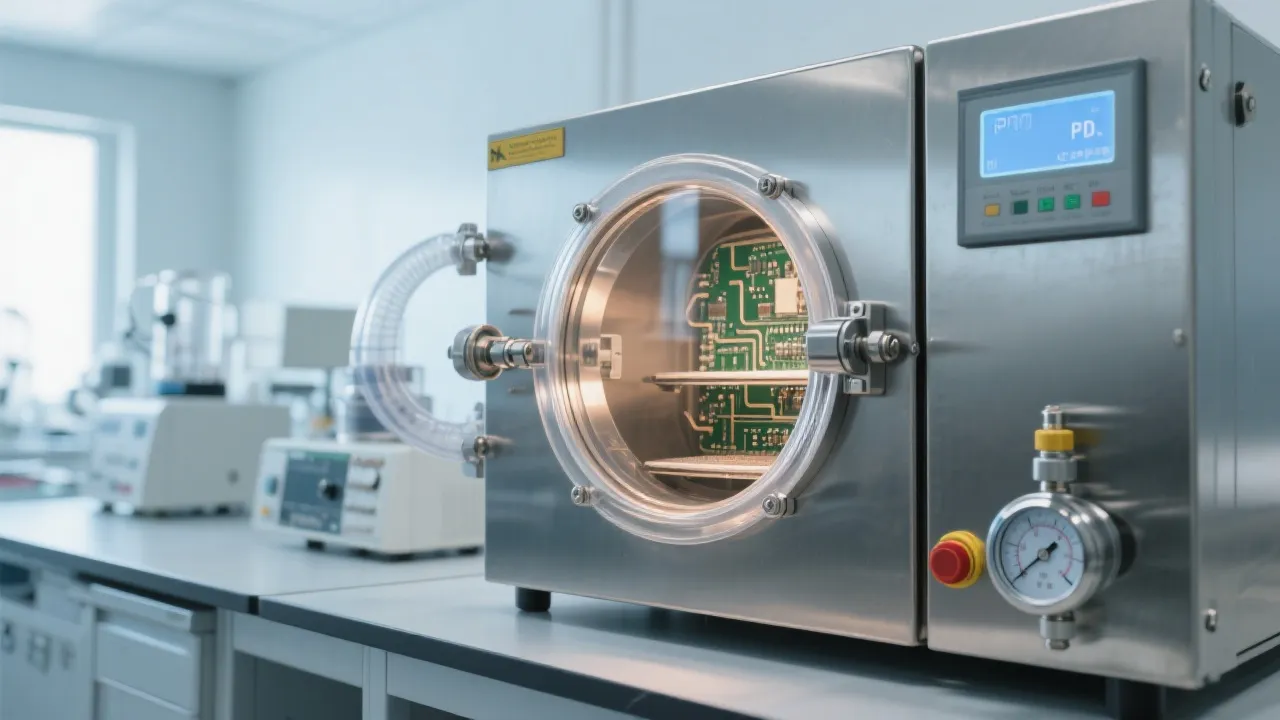
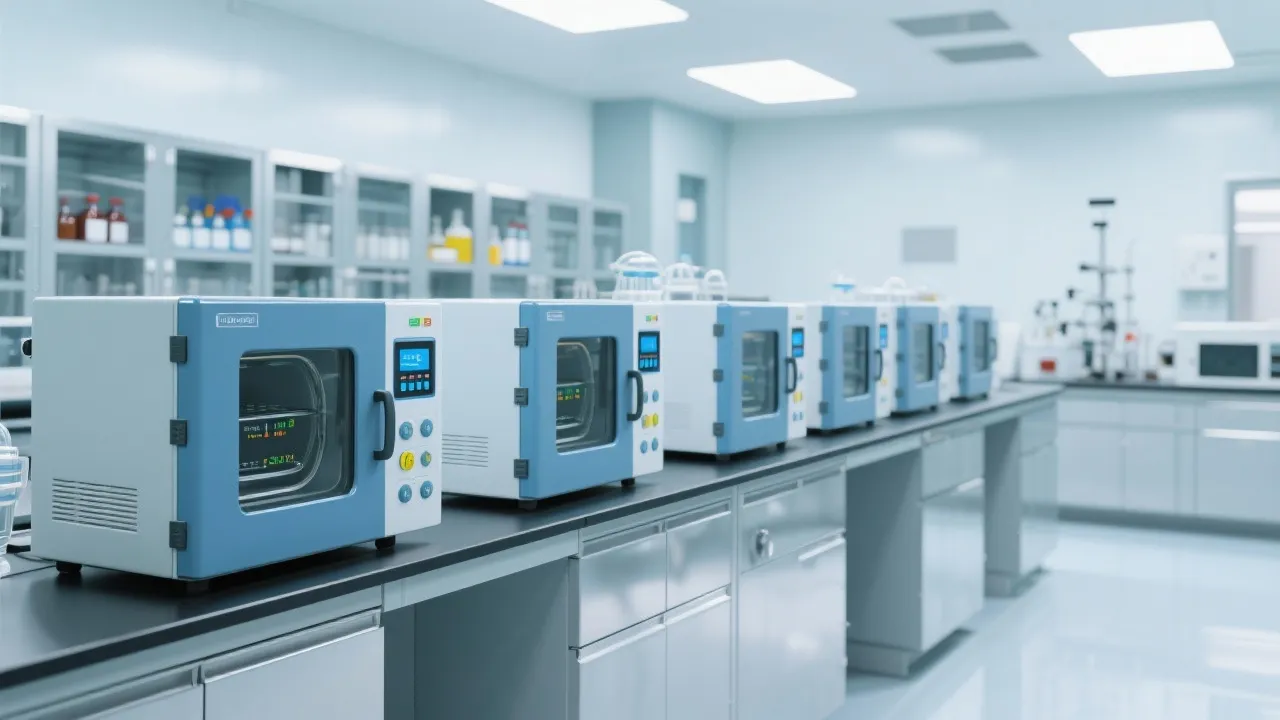
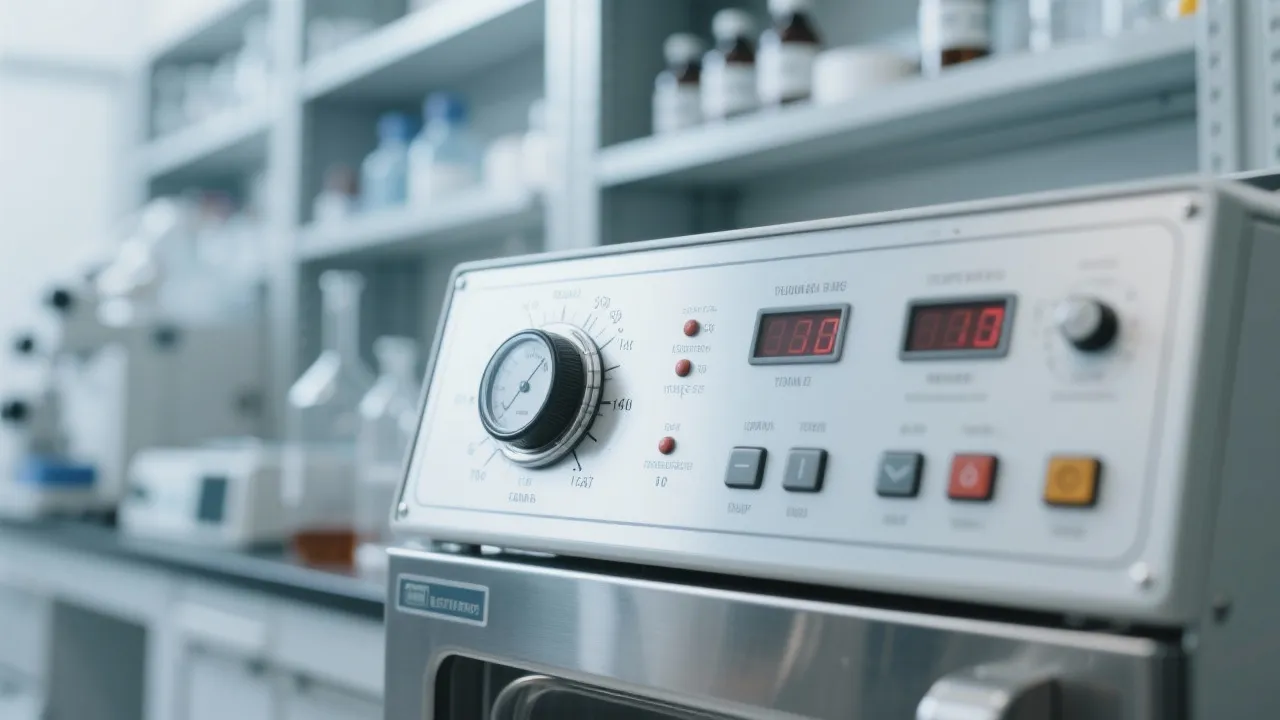
PID (Proportional-Integral-Derivative) control is the invisible engine behind precise thermal regulation in vacuum dryers like our DZ-1BCII. Think of it as a smart thermostat that doesn’t just react to temperature changes—it anticipates them.
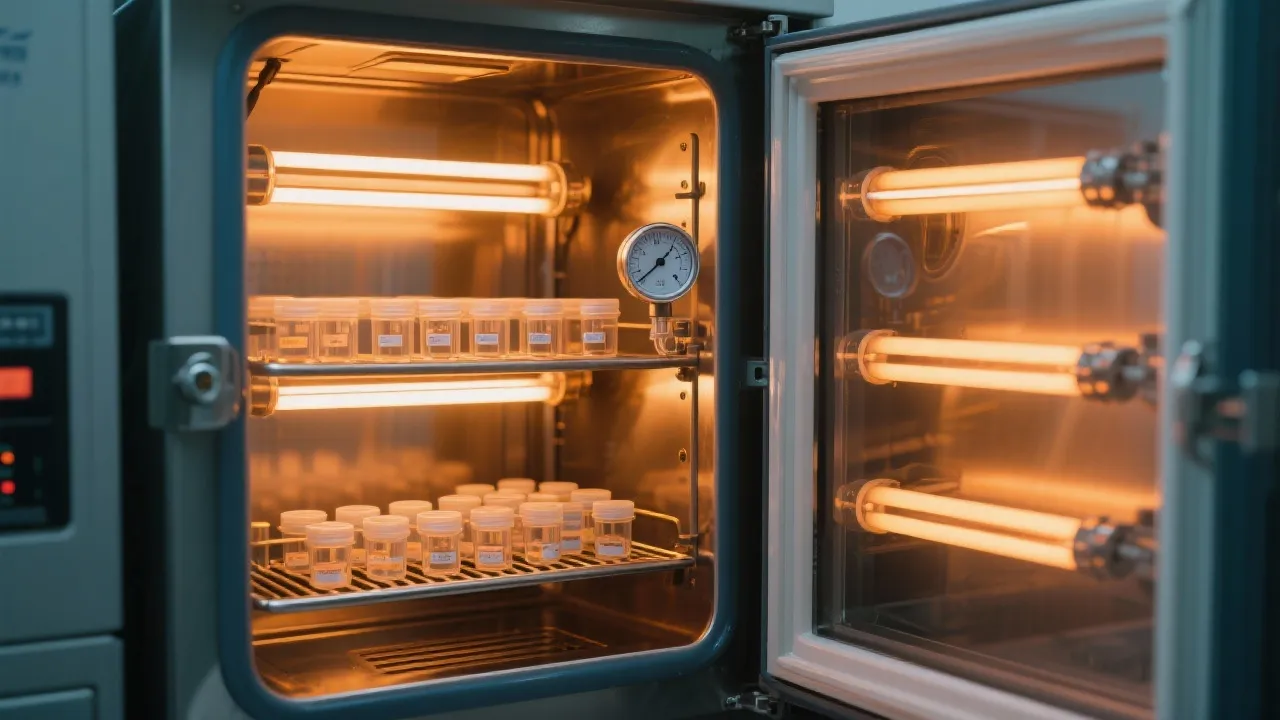
Together, these three elements create a system that responds faster, stabilizes quicker, and maintains accuracy within ±0.5°C—critical for sensitive applications such as drug formulation or PCB curing.
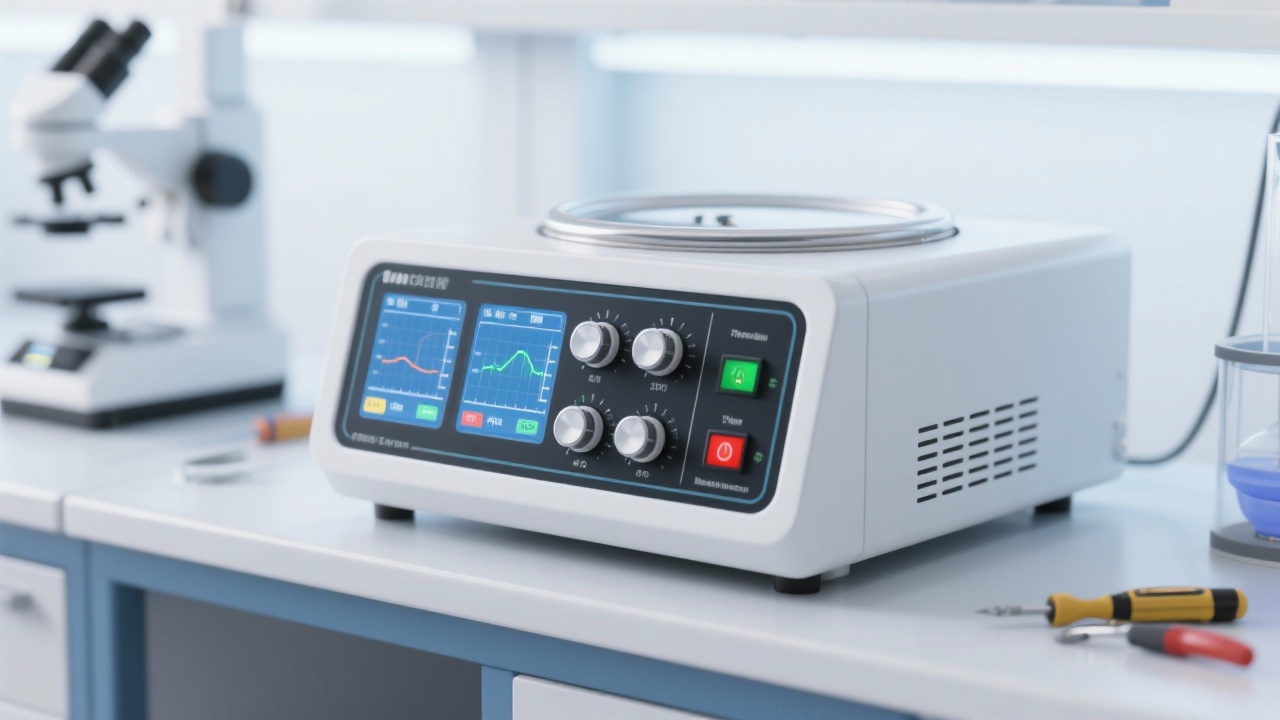
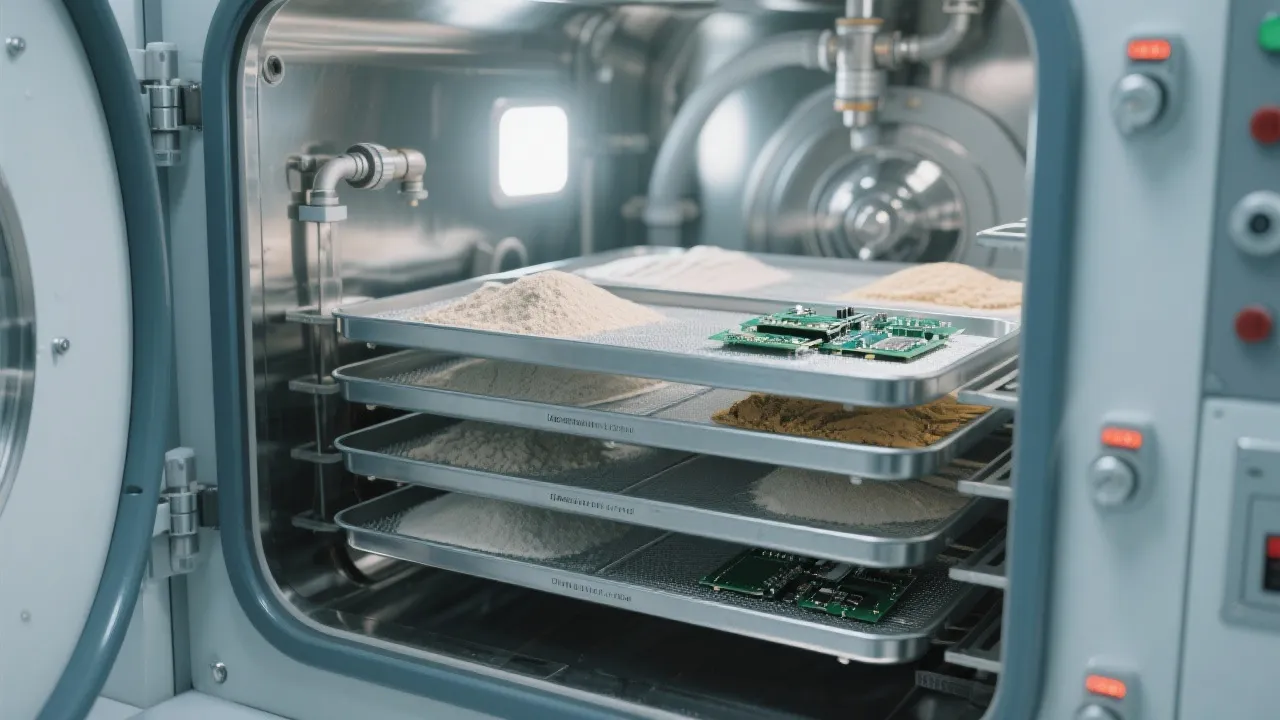
In a leading pharmaceutical lab in Switzerland, researchers reported a 40% reduction in batch-to-batch variability after switching to a dual-zone PID-controlled vacuum dryer. Similarly, an electronics OEM in Singapore reduced component failure rates by 35% by eliminating hotspots during drying—a direct result of uniform heating enabled by advanced PID algorithms.
“We used to spend hours troubleshooting inconsistent drying results. Now, with consistent temperature profiles, we can focus on innovation—not repetition.” — Dr. Lena Müller, Senior R&D Scientist at BioPharmaLab
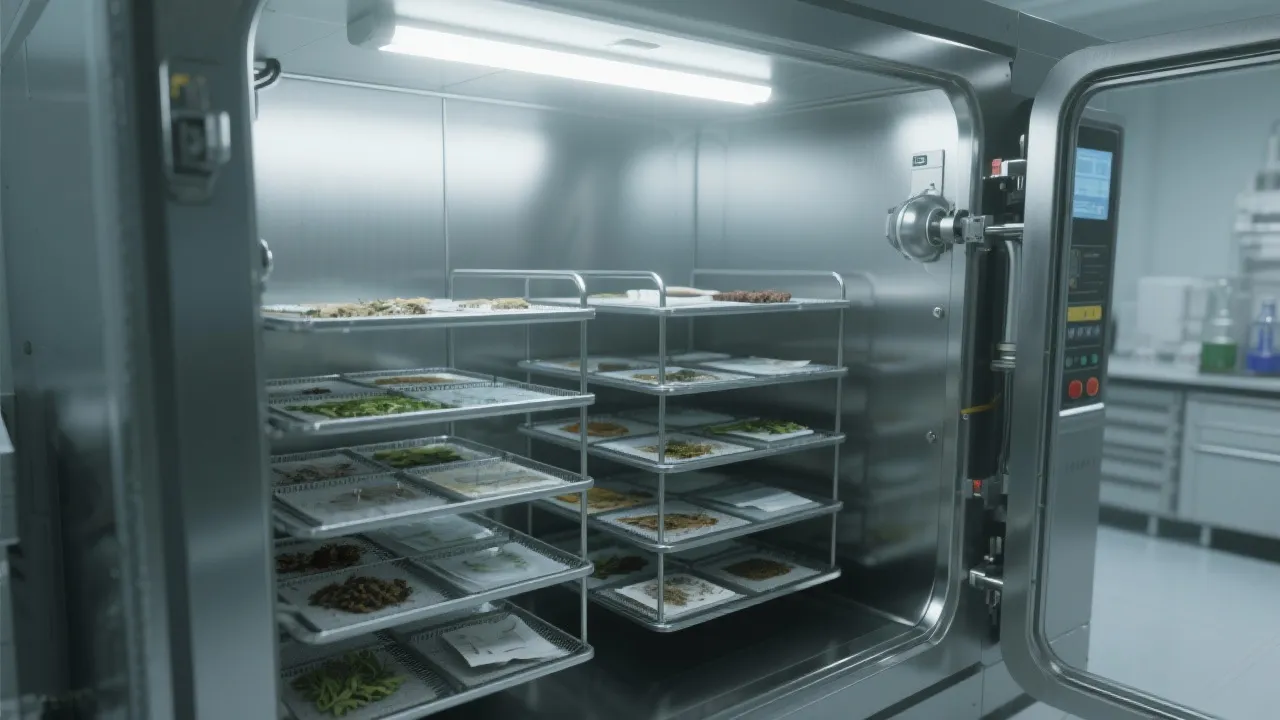
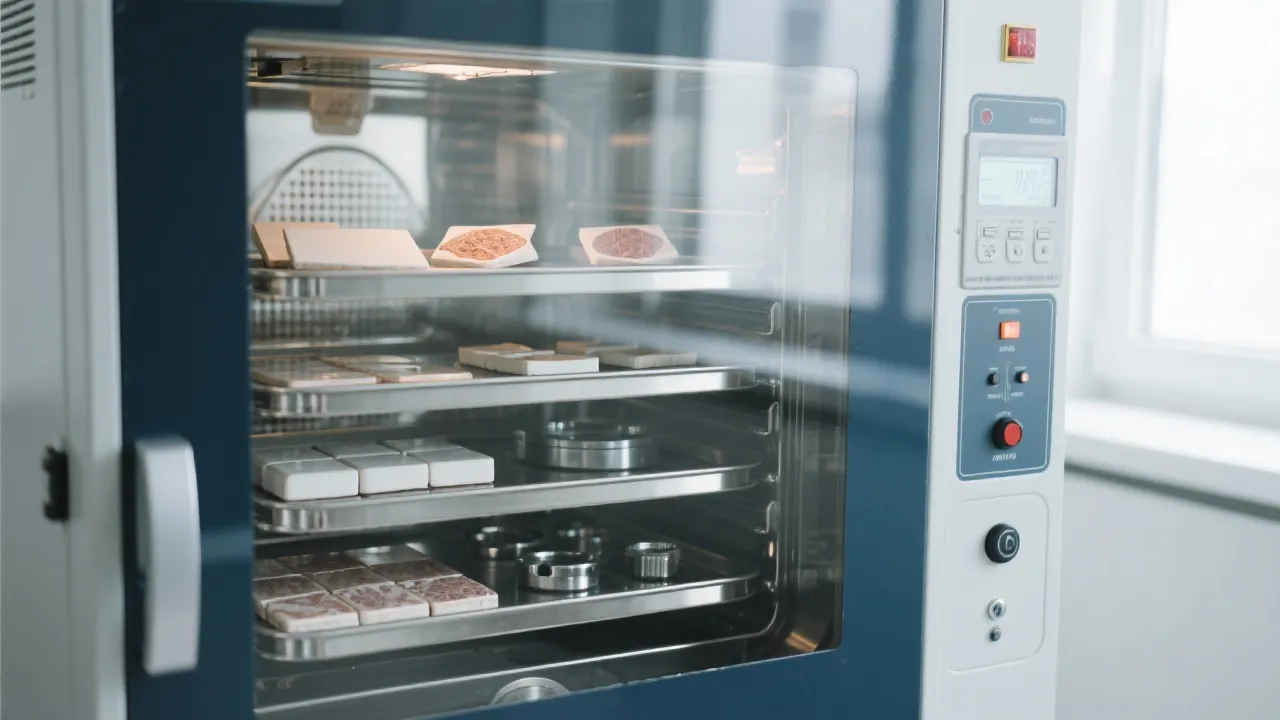
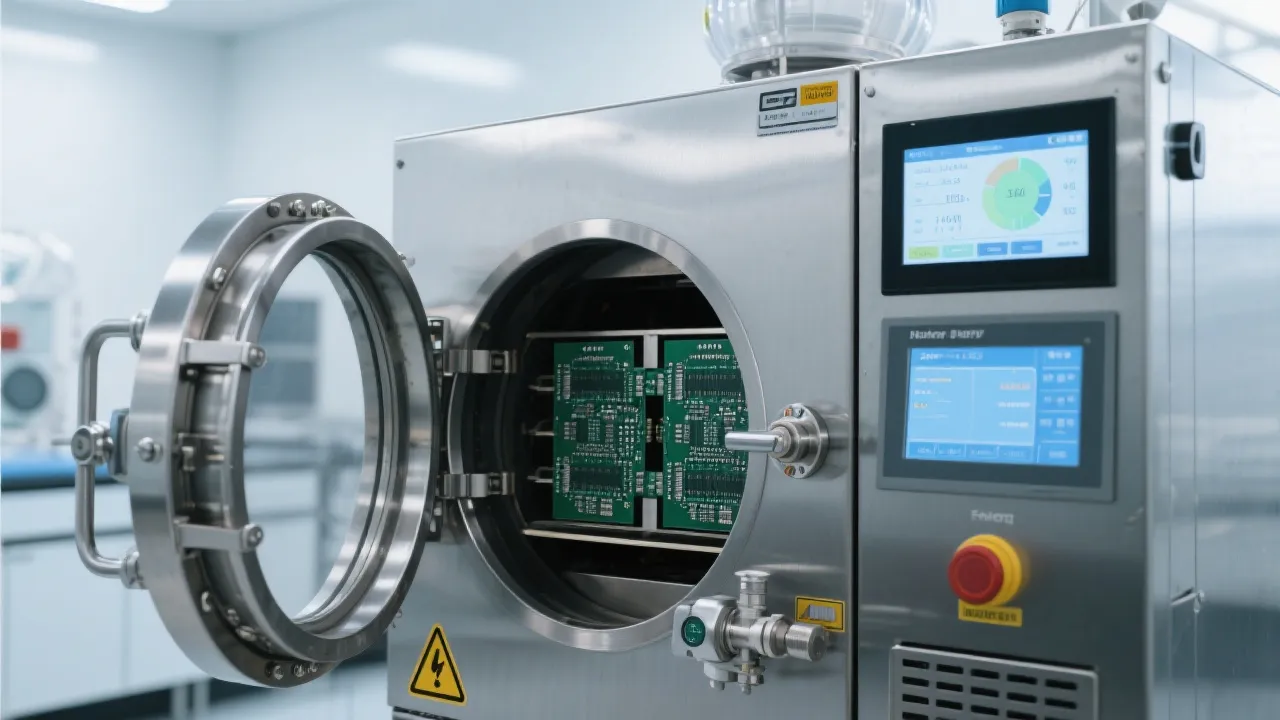
These aren’t isolated cases—they reflect what happens when precision meets design. Our DZ-1BCII model uses dual-zone PID control to ensure even heat distribution across the chamber, reducing cycle times by up to 25% while improving product integrity.
To get the most from your vacuum dryer:
Let every drying cycle be repeatable. Let every experiment be trustworthy. With intelligent PID control, you’re not just drying—you’re enabling discovery.
Discover how our DZ-1BCII vacuum dryer delivers reliable, repeatable results—engineered for scientists who demand excellence.
Explore the DZ-1BCII Series