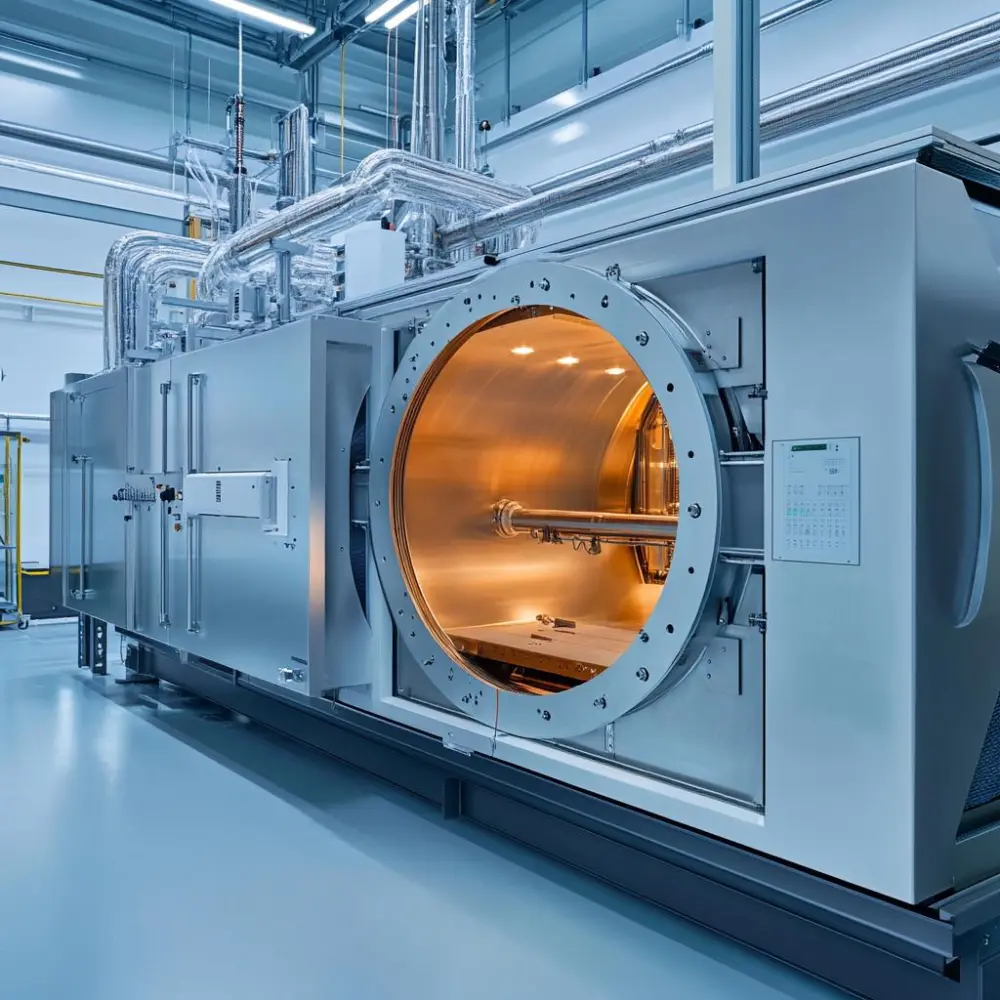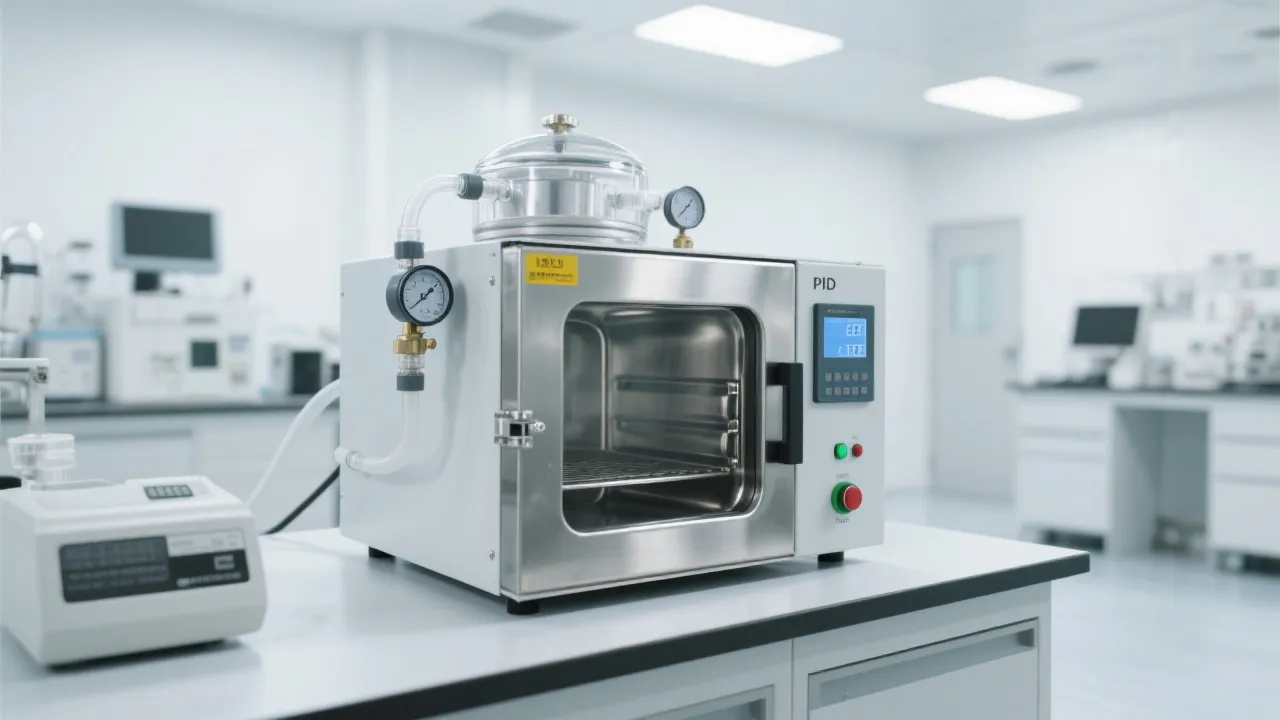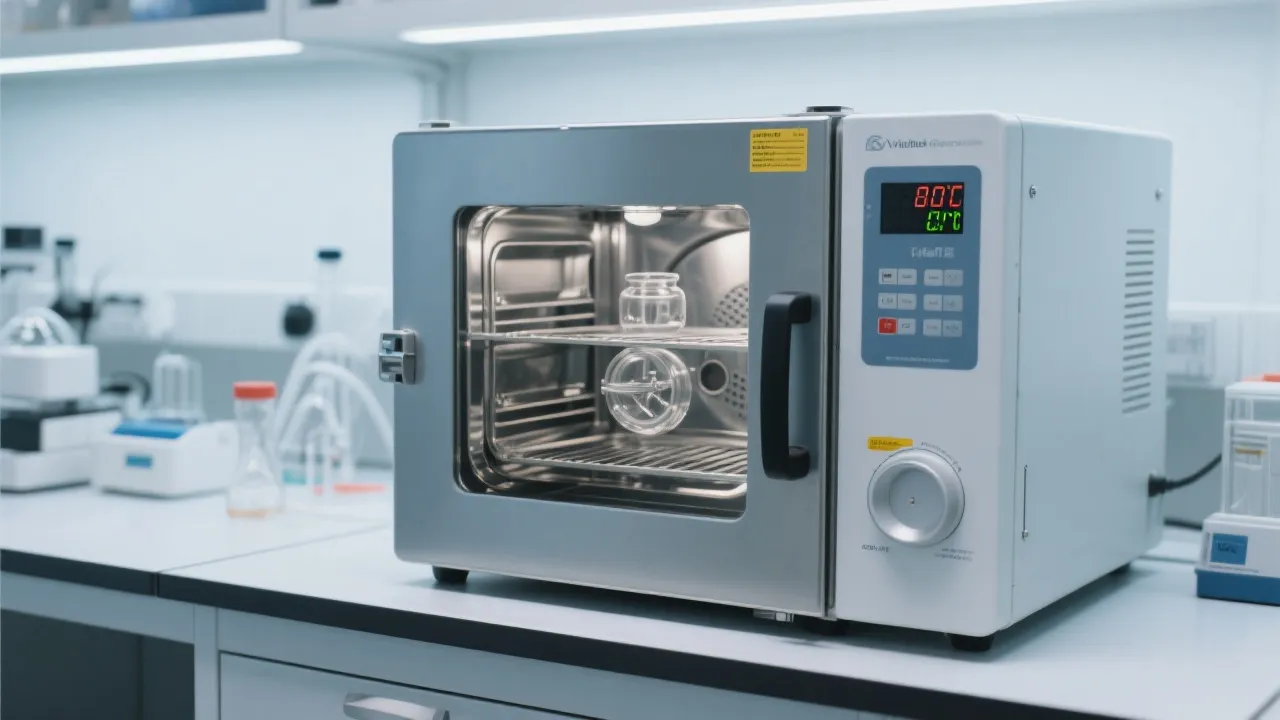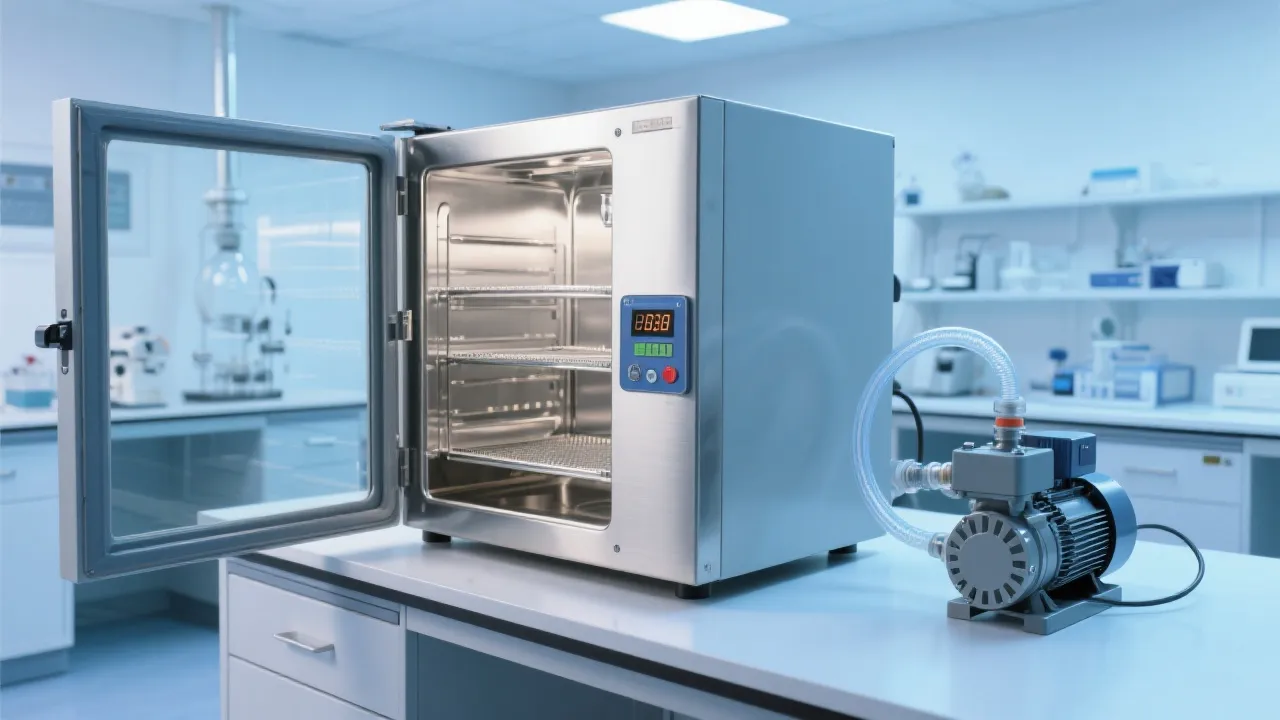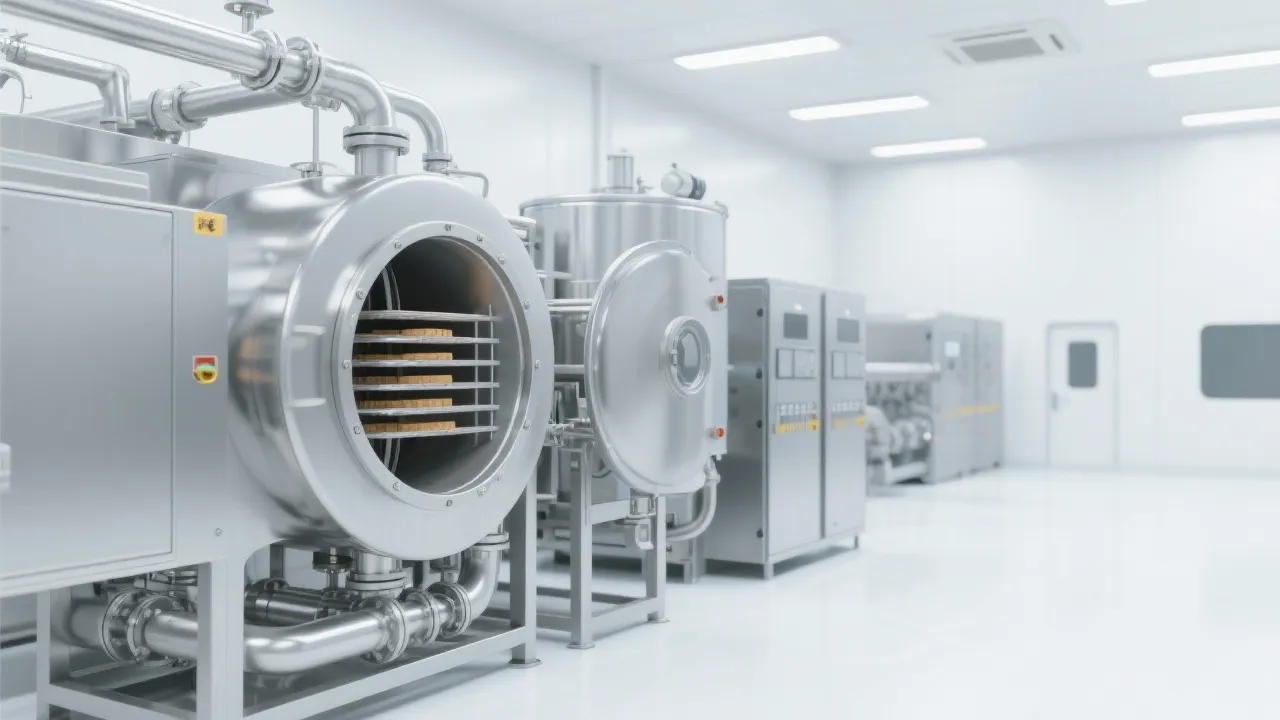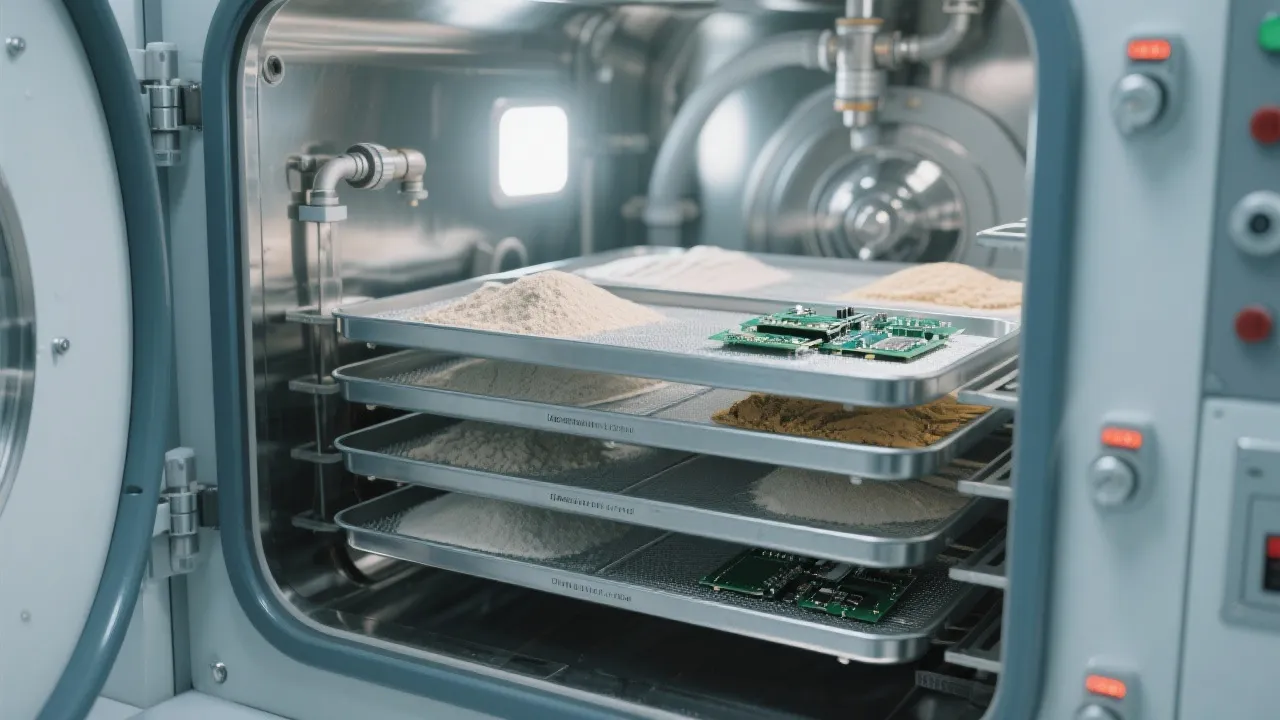

In industrial and laboratory settings, material heat treatment remains a critical process for enhancing mechanical properties, chemical stability, and dimensional accuracy. However, one of the most persistent challenges—especially with metals, ceramics, and advanced polymers—is oxidation during high-temperature exposure. This article explores how vacuum drying technology, particularly the DZ-3BCII Digital Vacuum Dryer from Zhengzhou Keda Machinery Instrument Equipment Co., Ltd., effectively mitigates this issue through precise environmental control.
When materials are heated above 150°C in ambient air, oxygen reacts with surface atoms to form oxides—a process that degrades strength, corrosion resistance, and aesthetic quality. Studies show that even brief exposure at 300–400°C can reduce tensile strength by up to 12% in aluminum alloys. By creating a controlled low-pressure environment (typically < 0.1 mbar), vacuum dryers eliminate oxygen molecules, preventing unwanted oxidation while accelerating moisture removal.
The DZ-3BCII model integrates two core innovations:
These features collectively improve product consistency by over 30%, according to field tests conducted in Chinese R&D labs using stainless steel and titanium alloy samples.
From semiconductor manufacturing to pharmaceuticals, vacuum drying is now standard practice. For example:
• A German automotive supplier reported a 40% reduction in post-treatment defects after switching to vacuum drying for magnesium alloy parts.
• A U.S.-based biotech firm used the DZ-3BCII to stabilize enzyme powders without denaturation, achieving shelf-life extension from 6 months to 18 months.
Such outcomes highlight not just technical superiority but also ROI improvement—from reduced waste to faster throughput.

When selecting equipment, consider:
For small-scale R&D or pilot batches, the DZ-3BCII offers ideal balance between precision and cost-efficiency—with an average energy consumption of only 1.8 kW/hour per cycle.
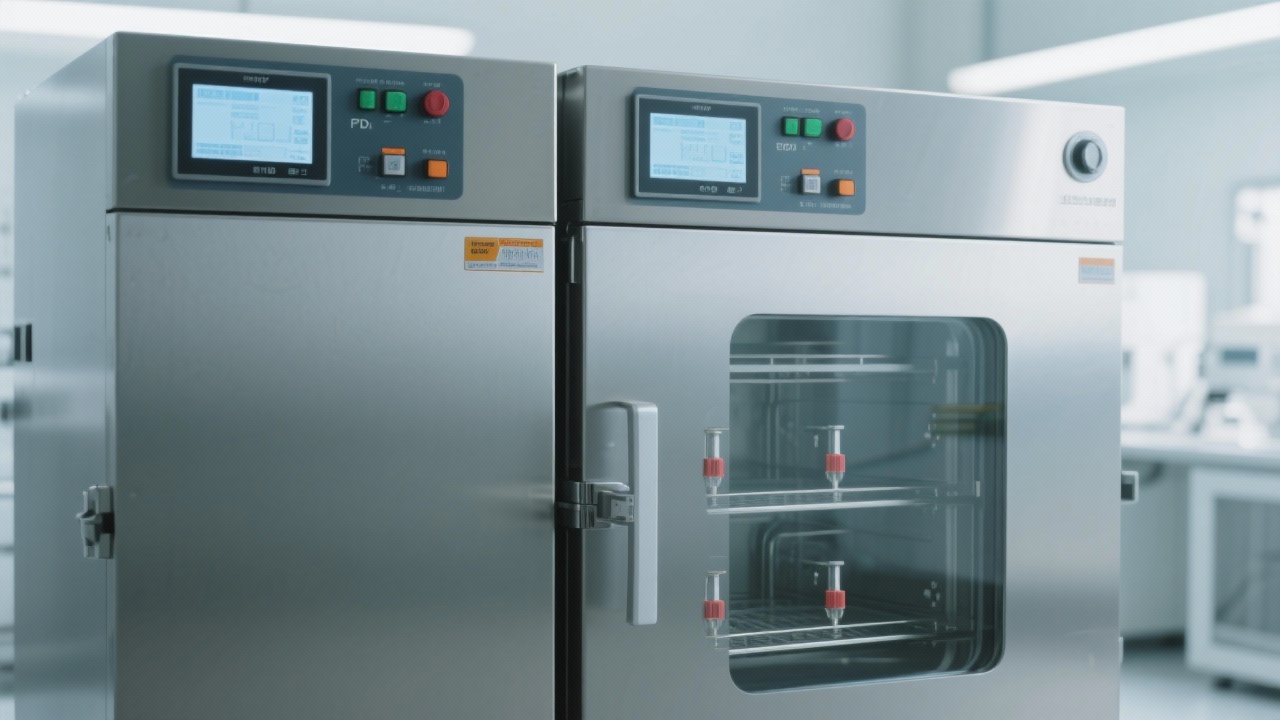
If you're serious about improving material integrity, reducing scrap rates, and meeting global quality standards—whether in lab research or full-scale production—it’s time to rethink your drying strategy.