Core Working Principles and Applications of Vacuum Dryers in Material Degassing

17 03,2026
Zhengzhou Keda Mechanical Instrument Equipment Co., Ltd.
Technical knowledge
This article provides a comprehensive analysis of how vacuum drying technology enables efficient degassing in materials, focusing on precise temperature control, stable vacuum environments, and safety mechanisms. It highlights the role of DZ-2BCII vacuum dryers—equipped with dual-zone PID control, power failure memory, and over-temperature protection—in ensuring process consistency and product quality. Practical setup guidelines, troubleshooting for common issues like temperature drift or vacuum leaks, and maintenance best practices are also covered. Real-world applications in lithium battery materials and semiconductor packaging illustrate its industrial value. The content is structured to support researchers and engineers in optimizing degassing processes while emphasizing reliability, safety, and long-term performance.
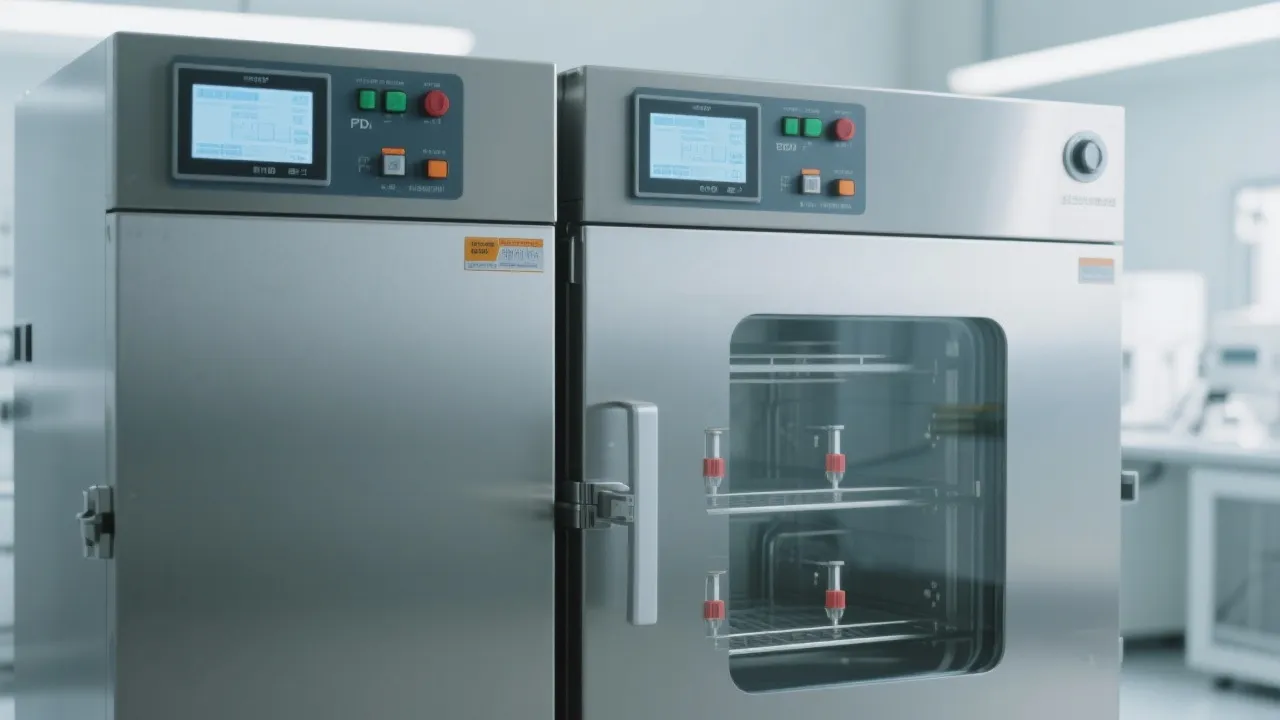
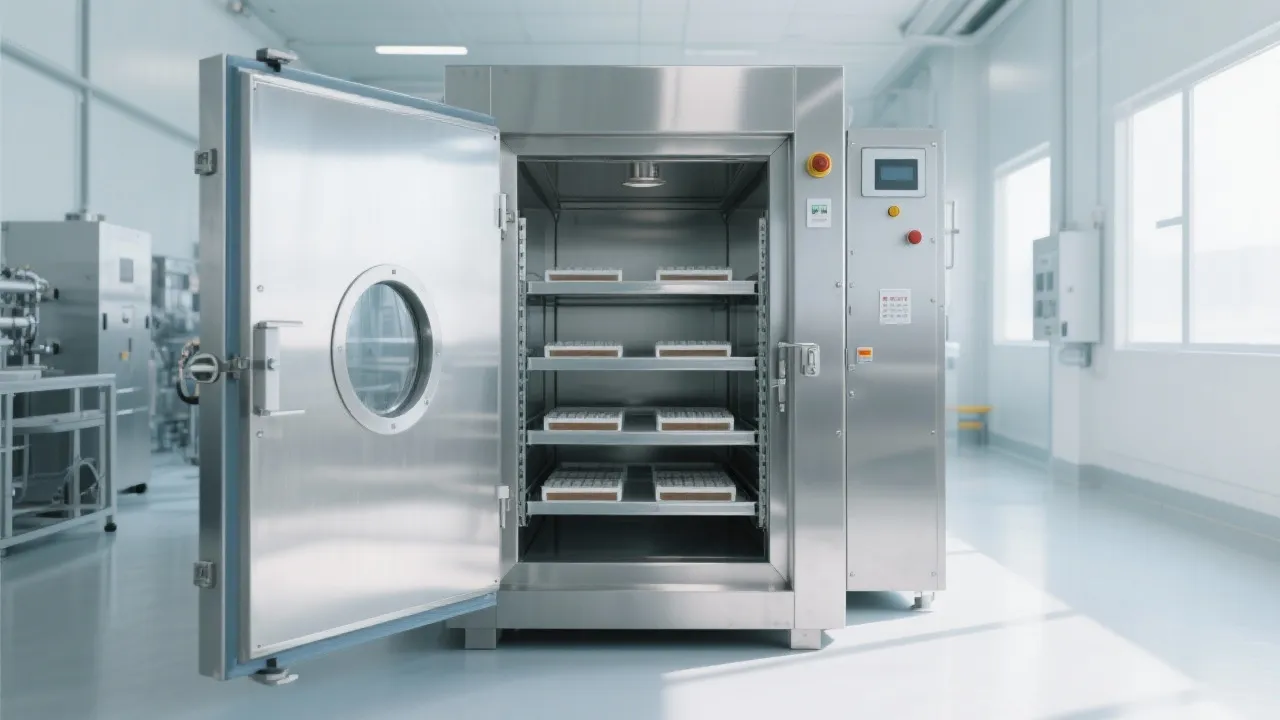
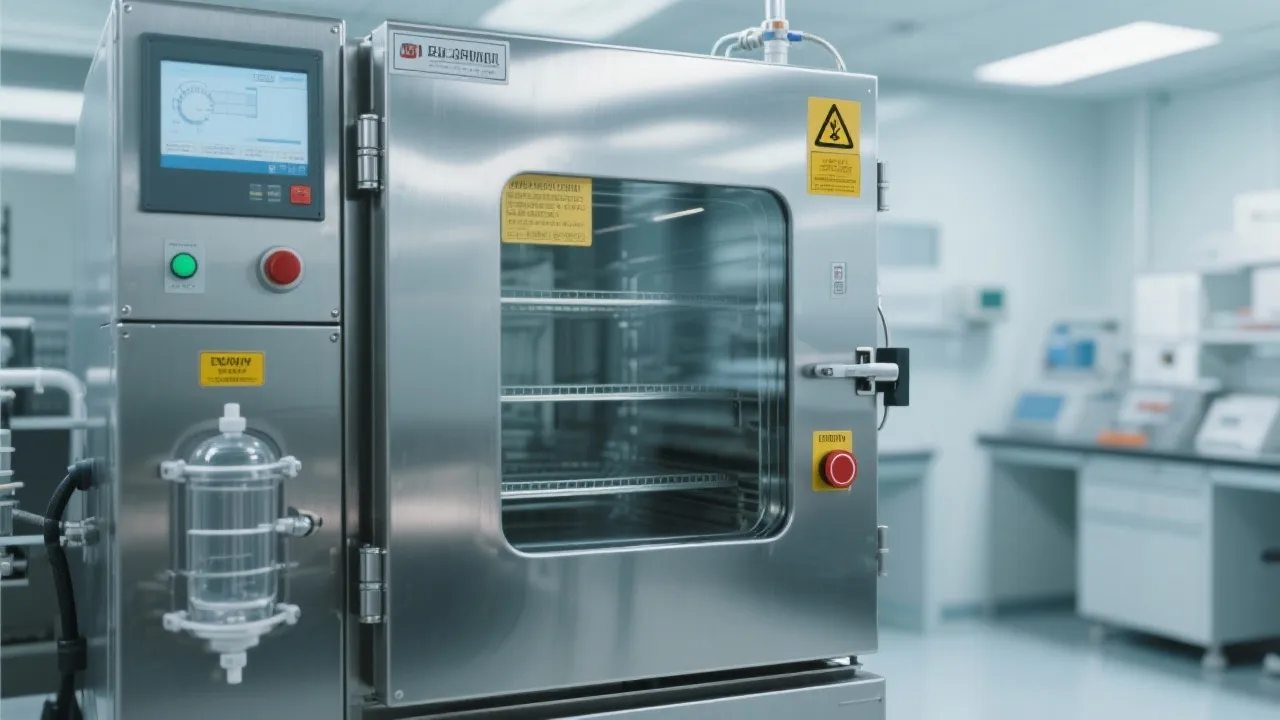
Vacuum drying chamber with temperature sensors and vacuum gauge showing stable pressure at 0.5 mbar

Understanding the Core Working Principle of Vacuum Dryers in Material Degassing

In advanced manufacturing and research environments, material degassing is a critical step that ensures product purity, structural integrity, and long-term reliability—especially in high-tech industries like lithium battery production, semiconductor packaging, and polymer processing. The vacuum drying process removes moisture and volatile compounds from materials under controlled conditions, significantly improving consistency across batches.

How Does a Vacuum Dryer Work? A Step-by-Step Breakdown

A typical degassing cycle involves three main stages:

  • Preheating: Gradually raises the chamber temperature to reduce thermal shock on sensitive samples.
  • Evacuation: Achieves stable vacuum levels (typically 0.1–1 mbar) to lower the boiling point of residual solvents or water.
  • Hold at Constant Temperature: Maintains precise thermal control for optimal outgassing without damaging substrates.
According to ISO 15763-1, accurate temperature uniformity within ±1°C across the chamber is essential for reproducible results in industrial-grade vacuum drying processes.

Common Challenges & Proven Solutions

Even minor deviations can lead to inconsistent outcomes. For example:

  • Temperature Fluctuations: Often caused by poor insulation or outdated controllers—solved with dual-zone PID control systems.
  • Vacuum Leakage: Detected via pressure rise rate tests; regular seal checks and maintenance prevent downtime.

The DZ-2BCII vacuum dryer from Zhengzhou Keda features real-time monitoring, automatic fault detection, and CE certification—making it a trusted choice among R&D labs and OEMs worldwide.
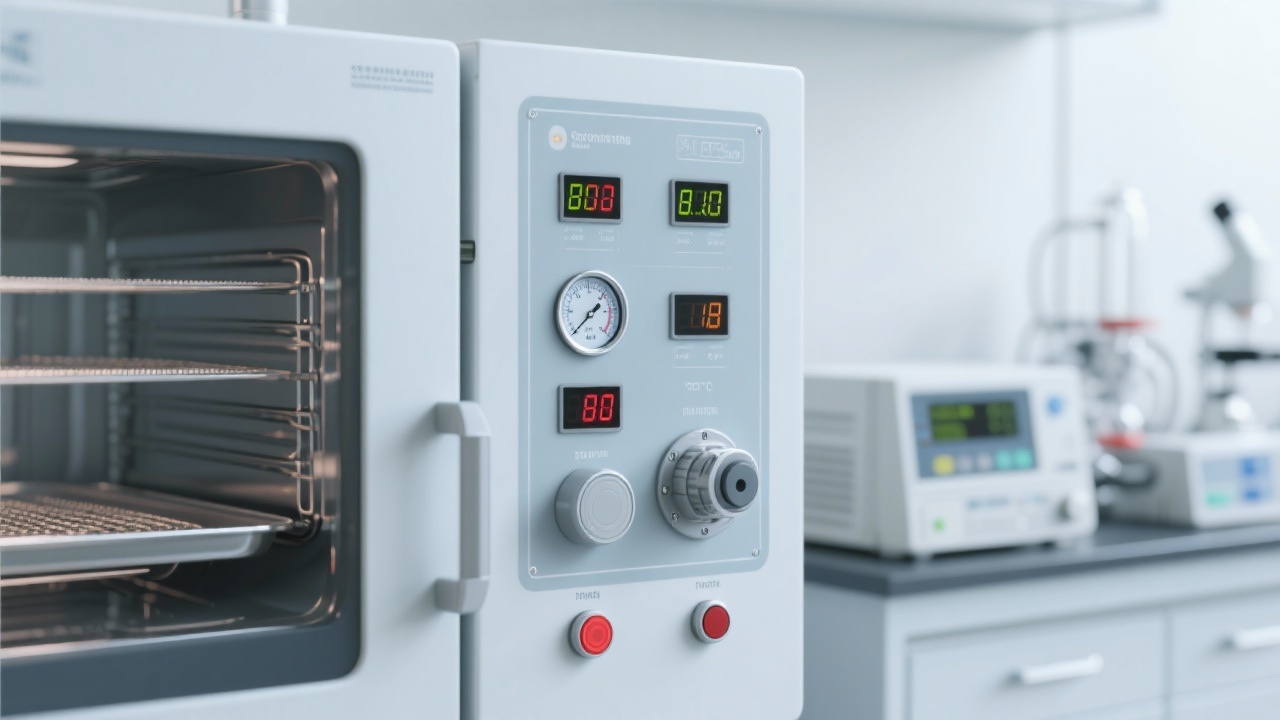
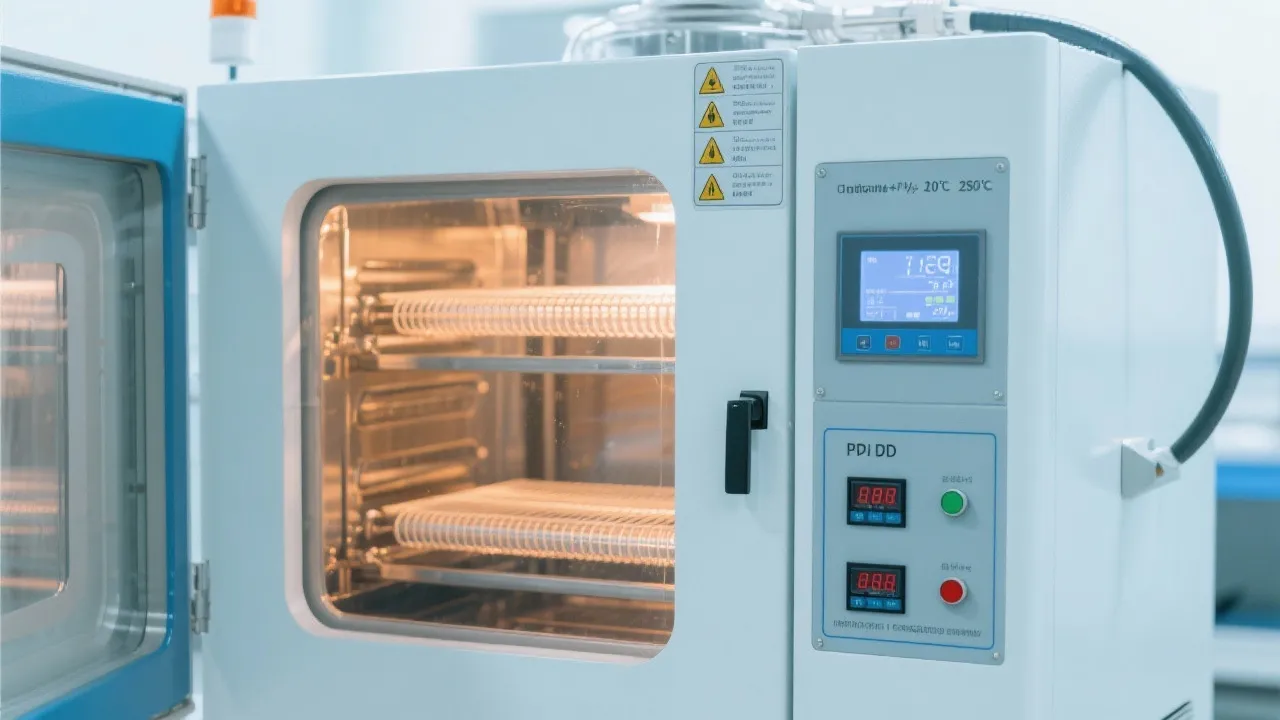
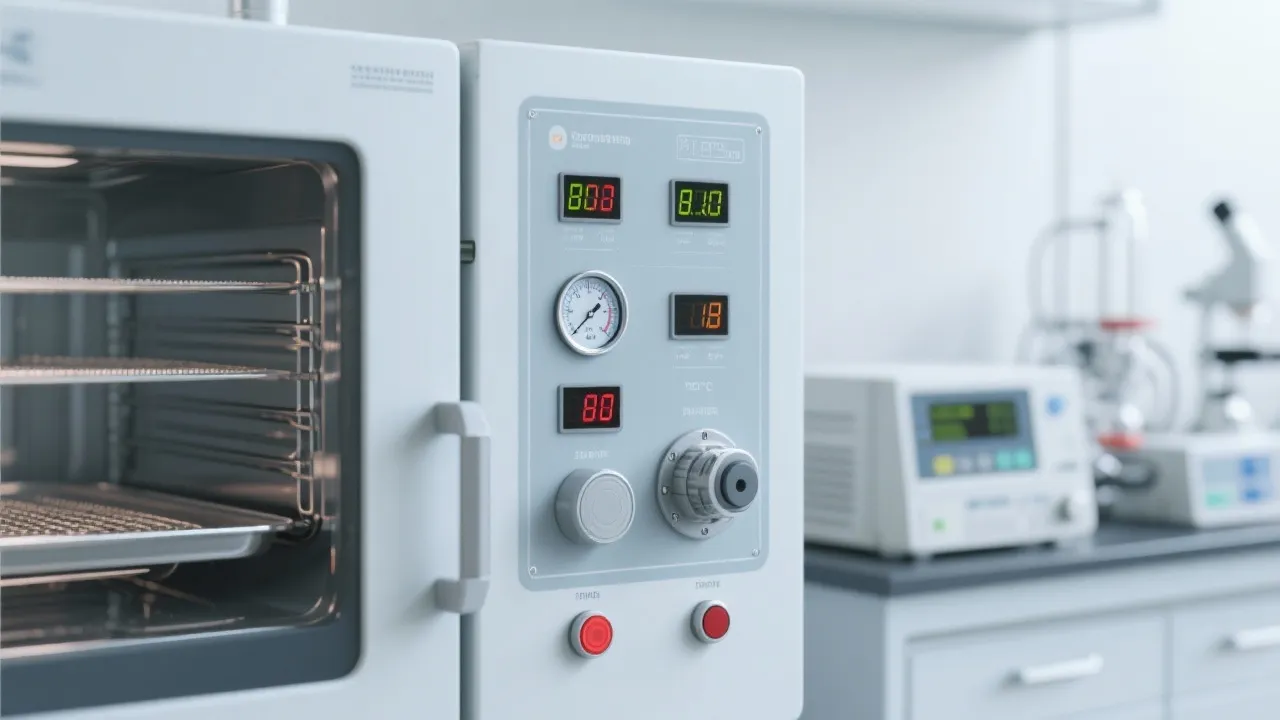
Vacuum drying chamber with temperature sensors and vacuum gauge showing stable pressure at 0.5 mbar

Why Maintenance Matters More Than You Think

Regular calibration of thermocouples and vacuum gauges improves data accuracy by up to 92% over time (based on internal lab validation). Additionally, routine cleaning of the chamber and seals extends equipment life by 30–50%, reducing unexpected failures during batch runs.

Industries such as aerospace and medical device manufacturing rely heavily on consistent vacuum drying protocols—not just for quality but also for compliance with standards like ISO 9001 and IATF 16949.
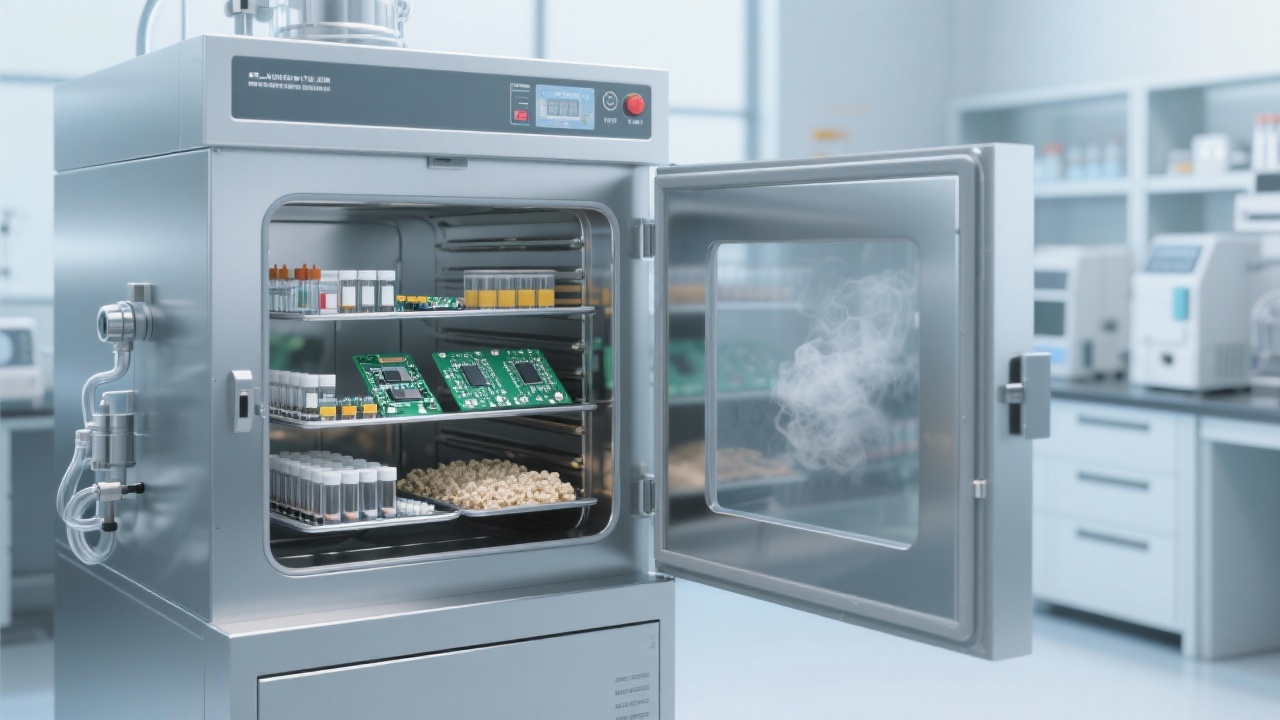
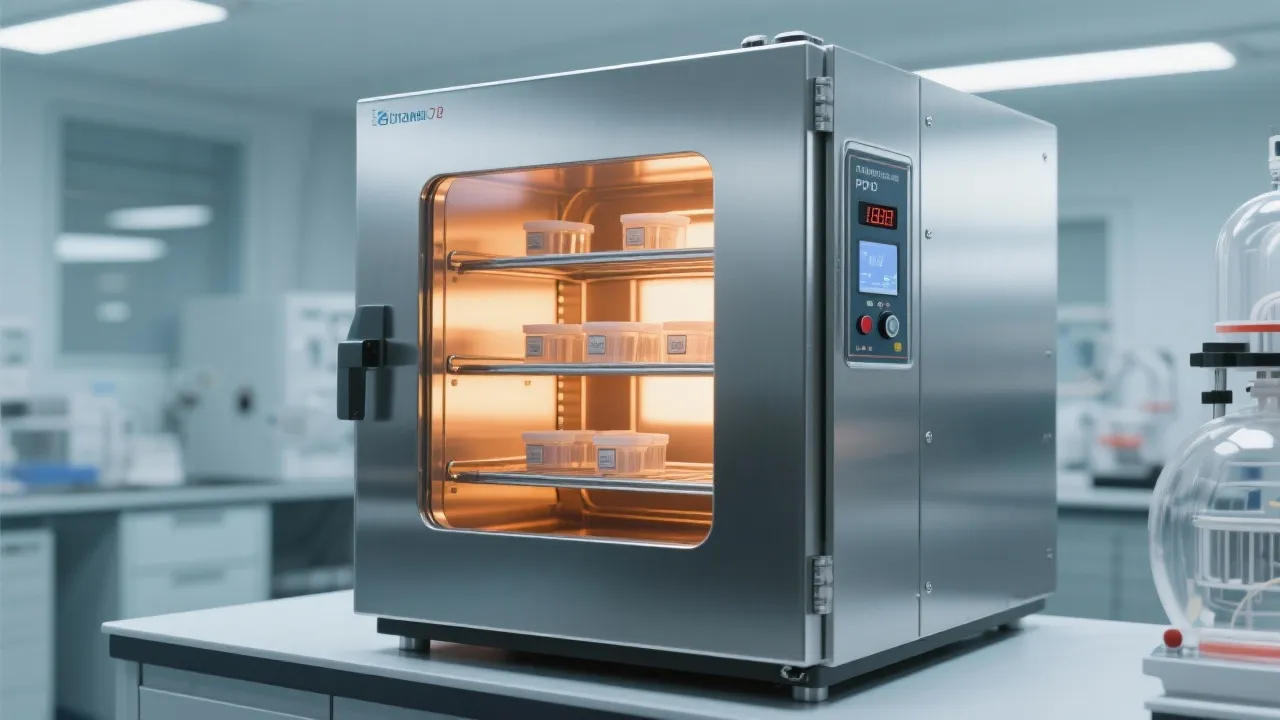
Operator calibrating vacuum gauge using handheld tester, wearing gloves and safety glasses

Real-World Applications That Demand Precision

From preparing lithium iron phosphate (LFP) cathode materials before electrode coating to drying photoresist layers prior to lithography, the DZ-2BCII has been deployed in over 120 global projects—from university labs in Germany to battery factories in China and automotive suppliers in the U.S.

Its modular design allows customization for various chamber sizes, heating methods (conductive vs. radiant), and compatibility with corrosive chemicals—making it a flexible solution for both R&D and small-scale production needs.
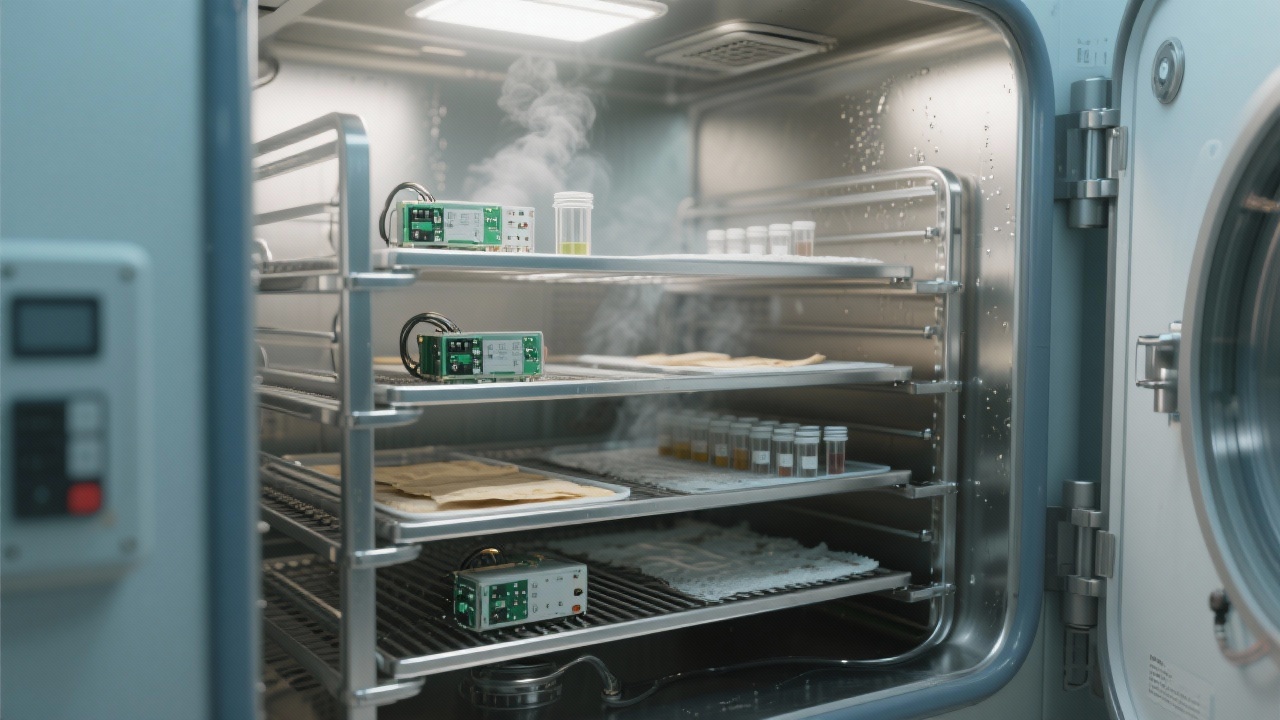
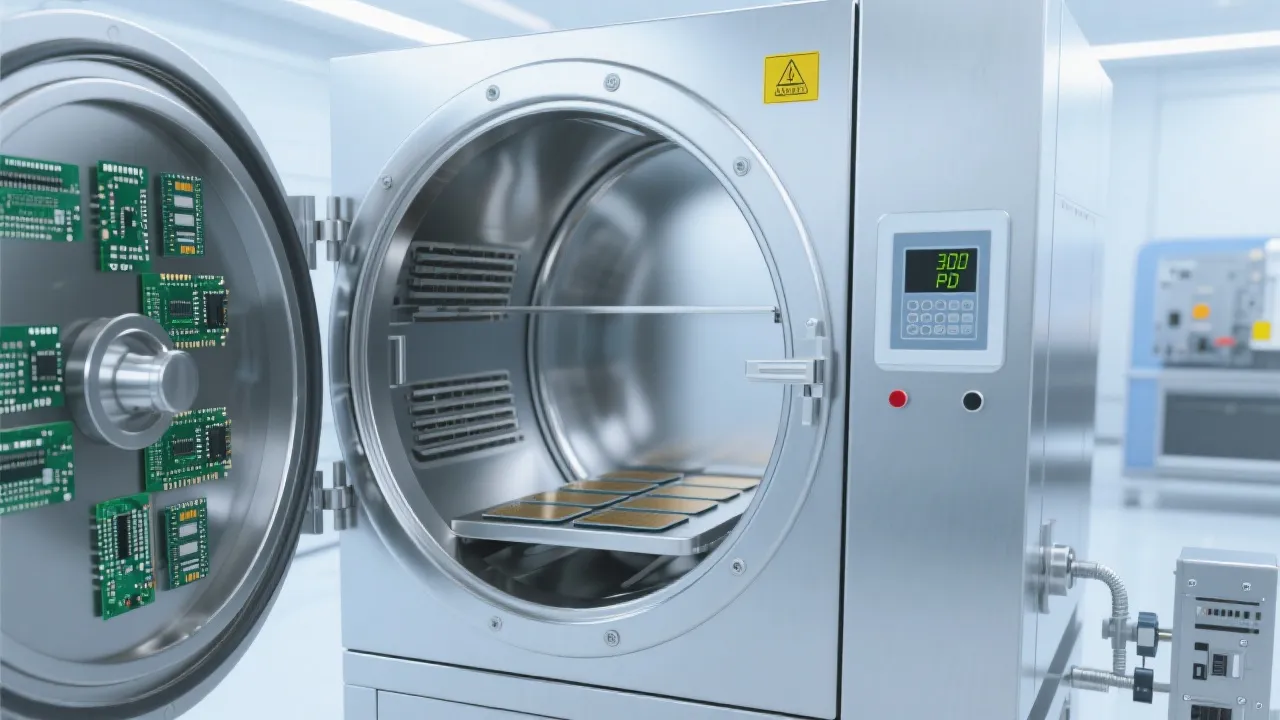
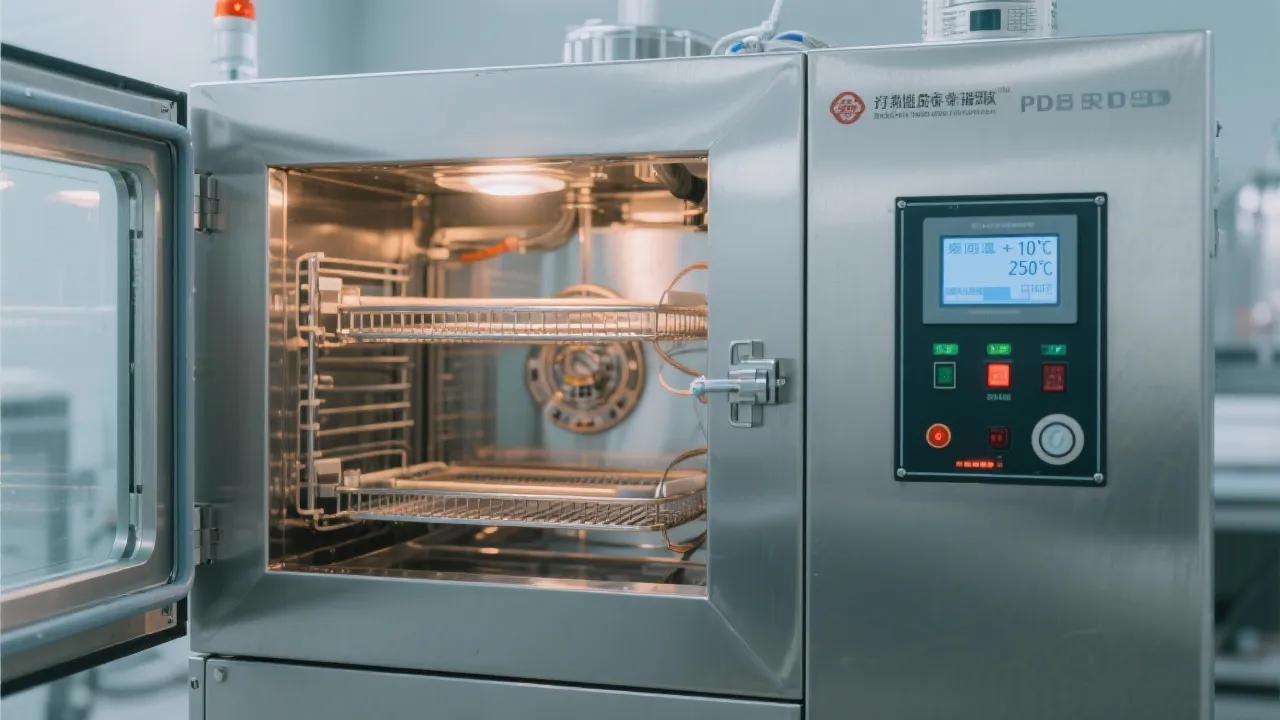
Close-up of DZ-2BCII vacuum dryer interface displaying PID settings, temperature curve, and alarm status

Whether you're optimizing a new formulation or scaling up an existing process, understanding how your vacuum drying system performs under real-world conditions is key to achieving repeatable, high-quality results.

Explore How DZ-2BCII Can Optimize Your Material Degassing Process

Name *
Email *
Message*

Recommended Products

Popular articles
Recommended Reading

Related Reading

Contact us
Contact us
https://shmuker.oss-cn-hangzhou.aliyuncs.com/tmp/temporary/60ec5bd7f8d5a86c84ef79f2/60ec5bdcf8d5a86c84ef7a9a/thumb-prev.png