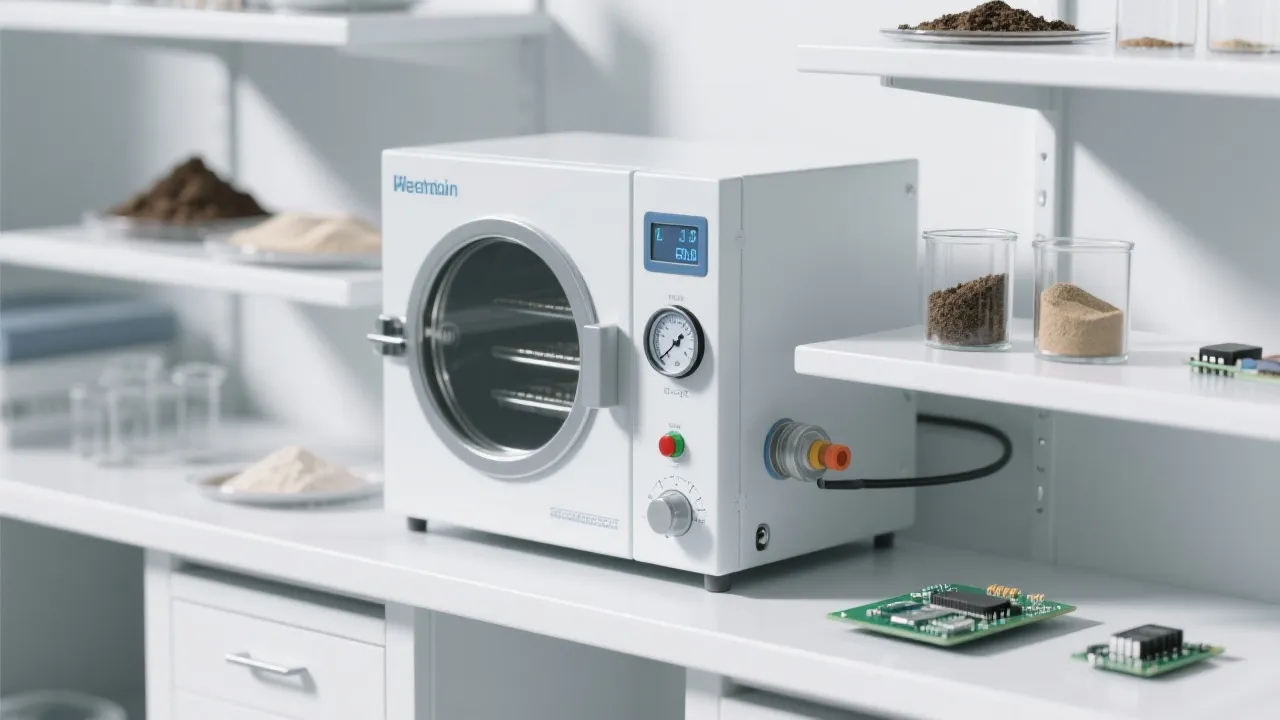
How Laboratory Vacuum Dry Ovens Solve Thermal Sensitivity Challenges in Material Processing
10 03,2026
Zhengzhou Keda Mechanical Instrument Equipment Co., Ltd.
Technical knowledge
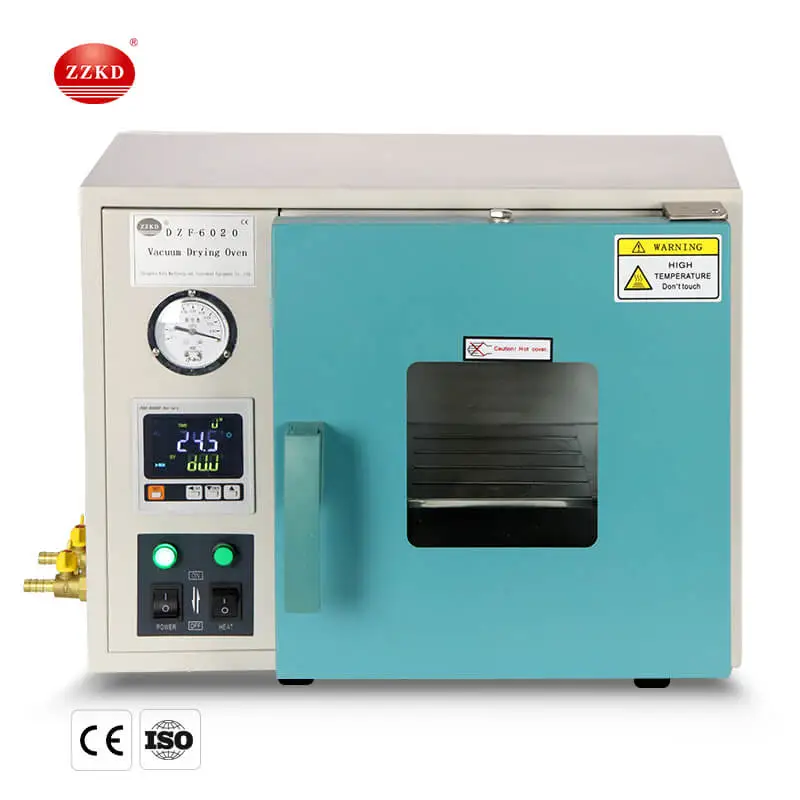
This article explores how vacuum drying technology, particularly the DZF-6020 laboratory vacuum oven, addresses critical challenges in handling heat-sensitive materials. By creating a vacuum environment up to 0.098 MPa, it lowers the boiling point of moisture, enabling low-temperature dehydration and sterilization without damaging sensitive compounds. Ideal for pharmaceuticals, electronics, and materials research, this equipment offers precise PID temperature control, 304 stainless steel chamber durability, energy efficiency (800W), and optional explosion-proof configurations—ensuring safer, more consistent, and reliable experimental outcomes.
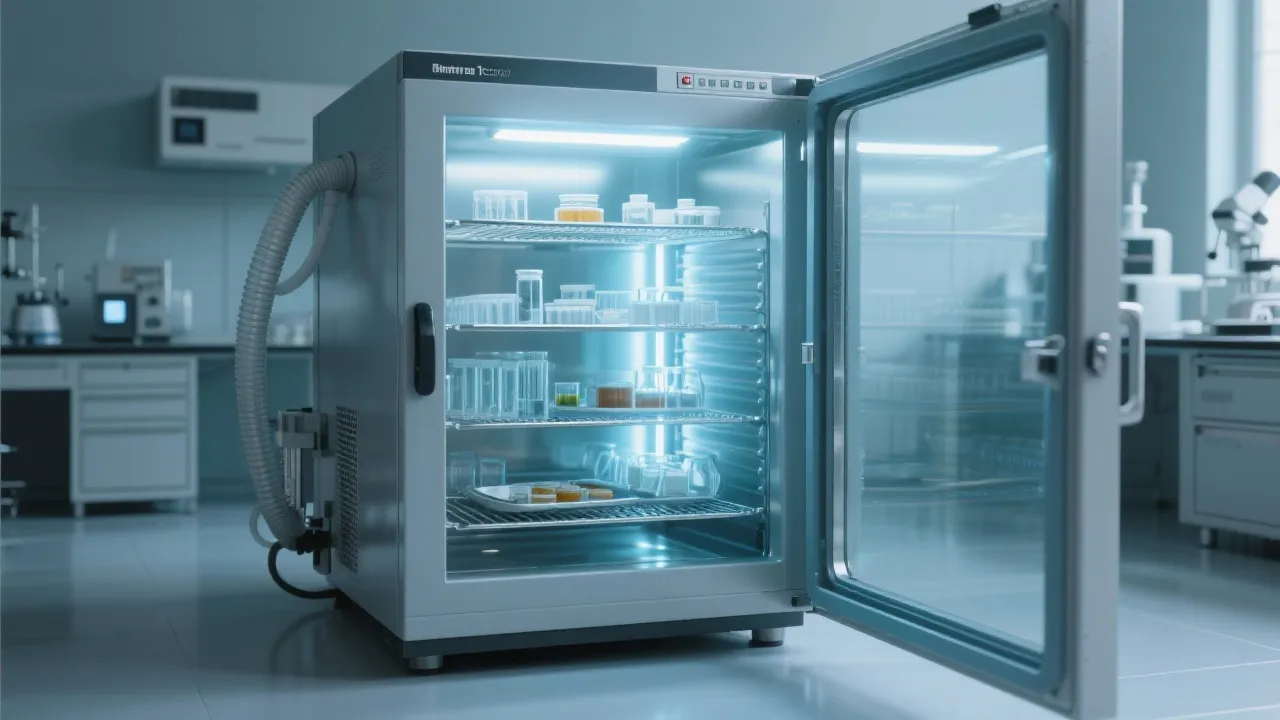
Solving Heat-Sensitive Material Challenges in the Lab with Vacuum Drying Technology
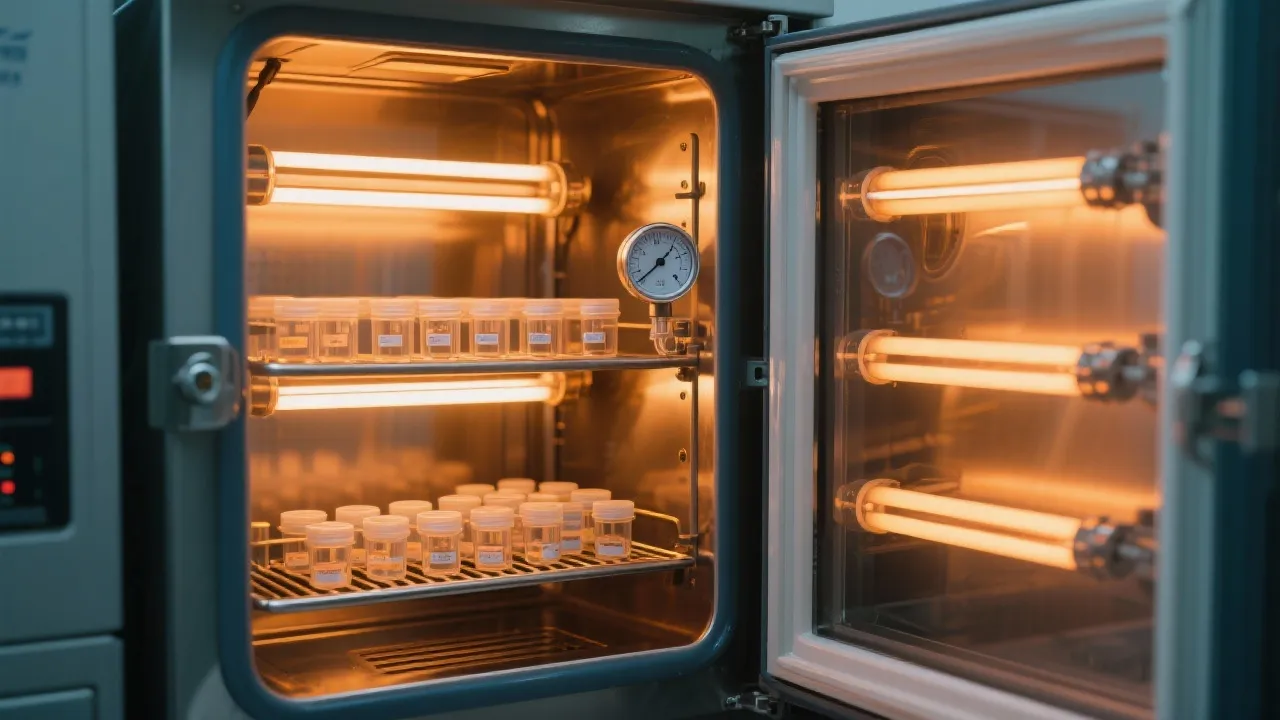
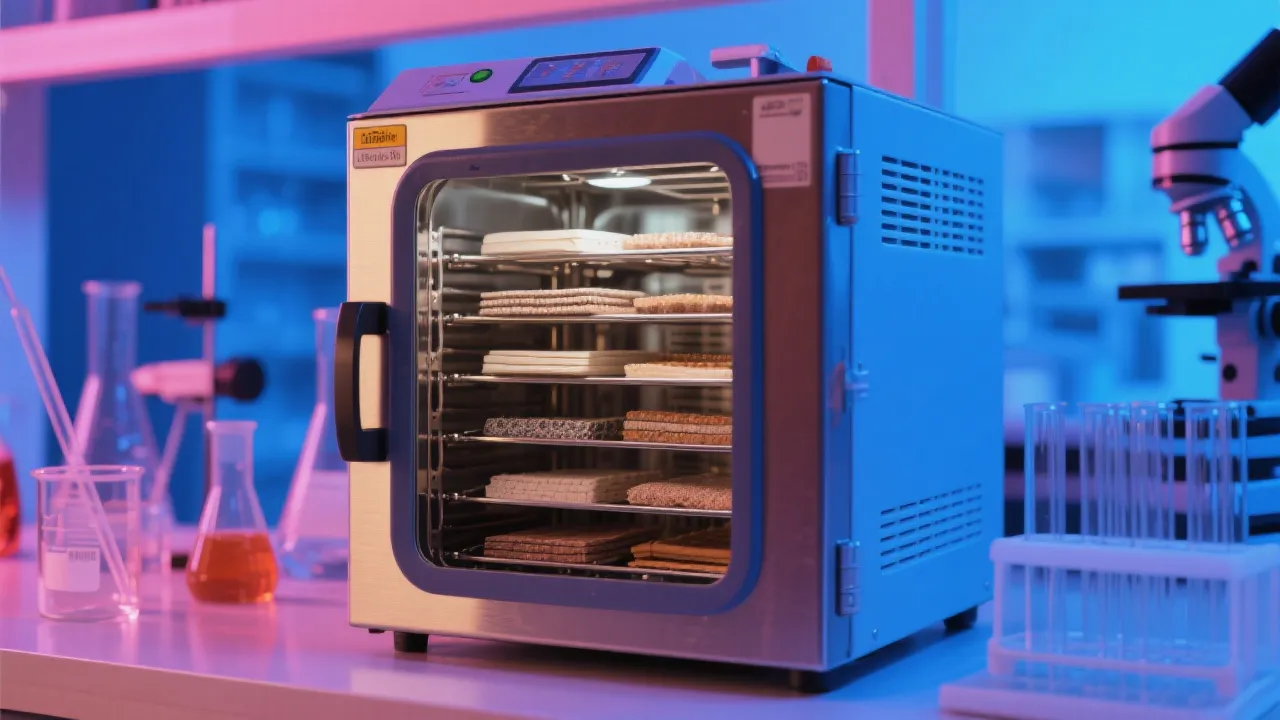
In laboratory environments, handling heat-sensitive materials—such as pharmaceutical compounds, organic polymers, or electronic components—often presents a critical challenge: how to dry them efficiently without degradation, oxidation, or even combustion? Traditional ovens may cause irreversible damage due to high temperatures and atmospheric exposure. That’s where the DZF-6020 Laboratory Vacuum Drying Oven steps in—not just as equipment, but as a scientific solution.
Customer Pain Point: High temperature = material decomposition.
Solution Contrast: Vacuum environment = safe drying at lower temps.
How Does Vacuum Drying Work?
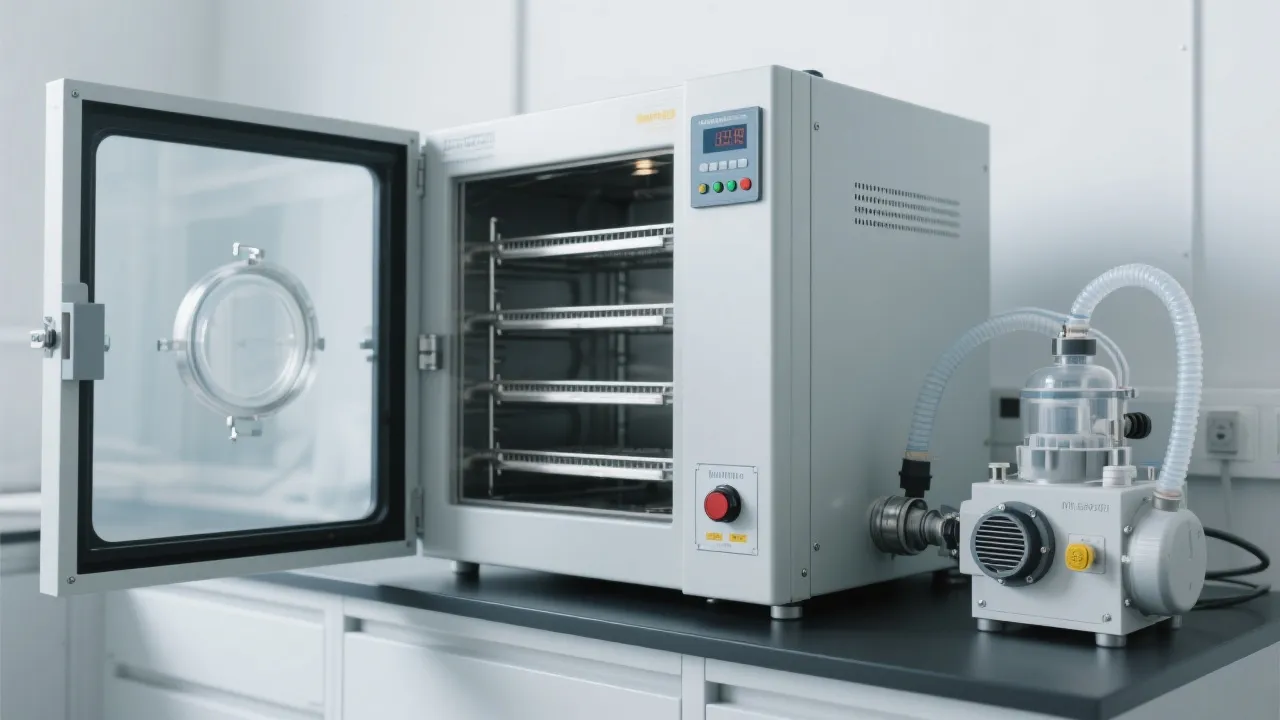
The core principle lies in physics: under vacuum (up to 0.098 MPa), water and solvents boil at much lower temperatures than at atmospheric pressure. This means sensitive substances can be dried effectively at 40–60°C instead of 100°C+, preventing thermal breakdown. The DZF-6020 leverages this by maintaining precise control over both vacuum level and temperature using PID algorithms—ensuring consistent results across batches.
Why Researchers Trust DZF-6020
- High Vacuum Performance: Achieves up to 0.098 MPa vacuum—ideal for volatile or reactive materials.
- PID Smart Control: ±0.5°C accuracy ensures repeatability in critical experiments.
- 304 Stainless Steel Chamber: Resists corrosion from acids, bases, and humidity—perfect for long-term use in chemistry labs.
- Energy Efficient: Only 800W power consumption makes it cost-effective for daily operations.
- Optional Explosion-Proof Version: Adds safety for flammable solvents—essential in industrial R&D settings.
This isn’t just about convenience—it’s about reliability. In pharmaceutical development, inconsistent drying leads to failed batch validation. In electronics, moisture residues cause short circuits. With DZF-6020, researchers report improved reproducibility, reduced waste, and enhanced lab safety—all while keeping energy costs low.
Real-World Applications Across Industries
From drug formulation to semiconductor manufacturing, the DZF-6020 has become a trusted tool:
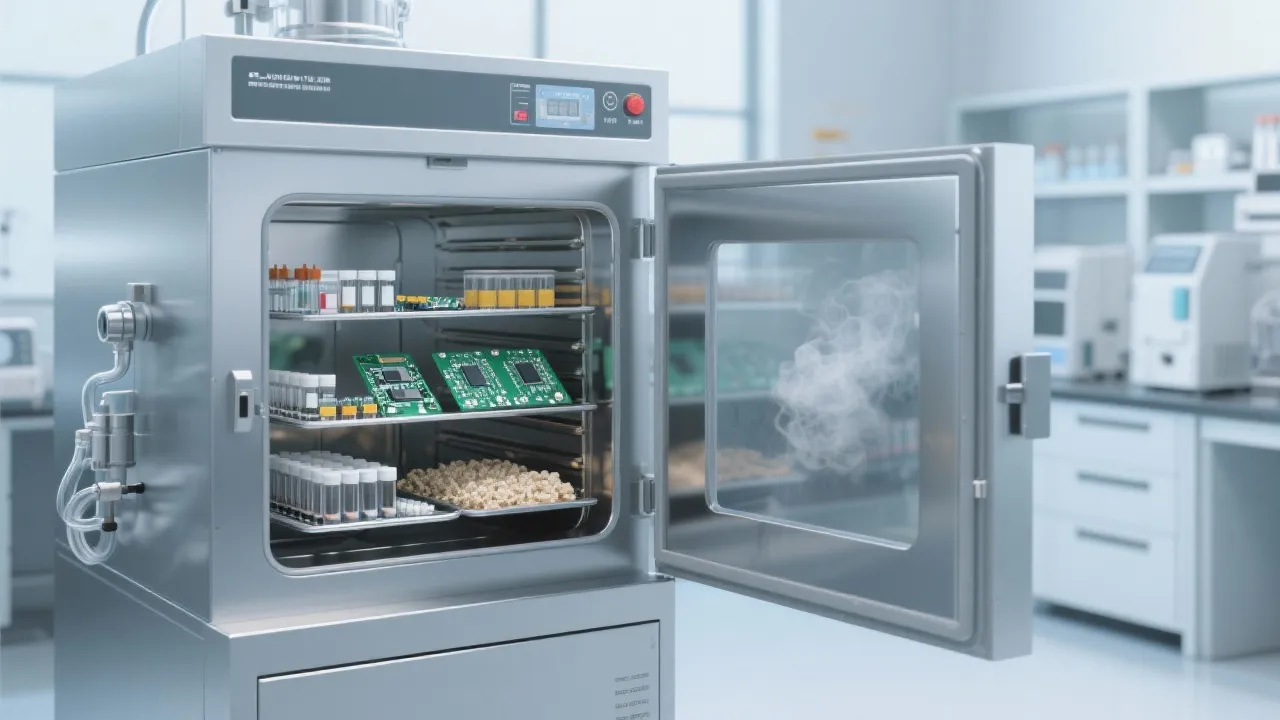
- Pharma Labs: Drying antibiotics without denaturation—improving shelf life and efficacy.
- Electronics Research: Removing residual solvents from printed circuit boards safely.
- Materials Science: Processing nano-powders that degrade above 70°C.
Each application highlights one key outcome: “Let sensitive materials stop being so ‘fragile’”—because now they’re handled with precision, not guesswork.
Ready to Upgrade Your Lab's Drying Process?
Discover how the DZF-6020 can boost your experiment stability, reduce failure rates, and enhance safety protocols—without breaking the bank.
Get the DZF-6020 Technical Brochure Now