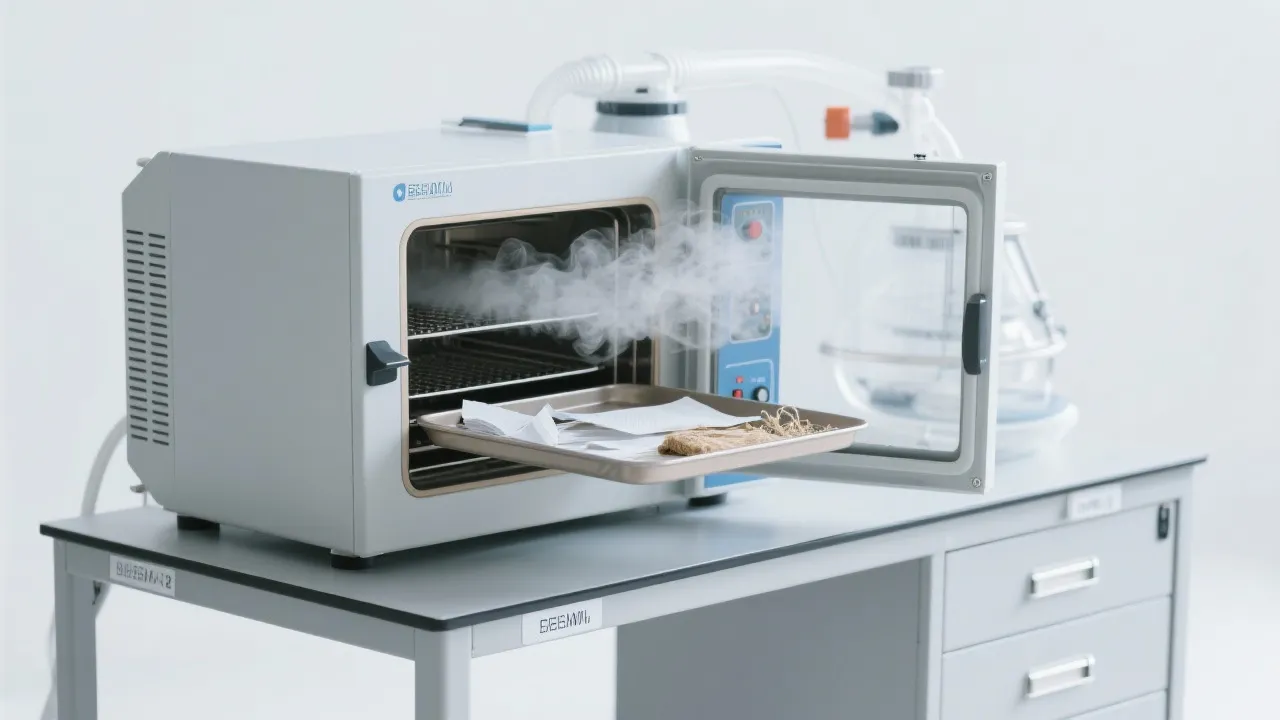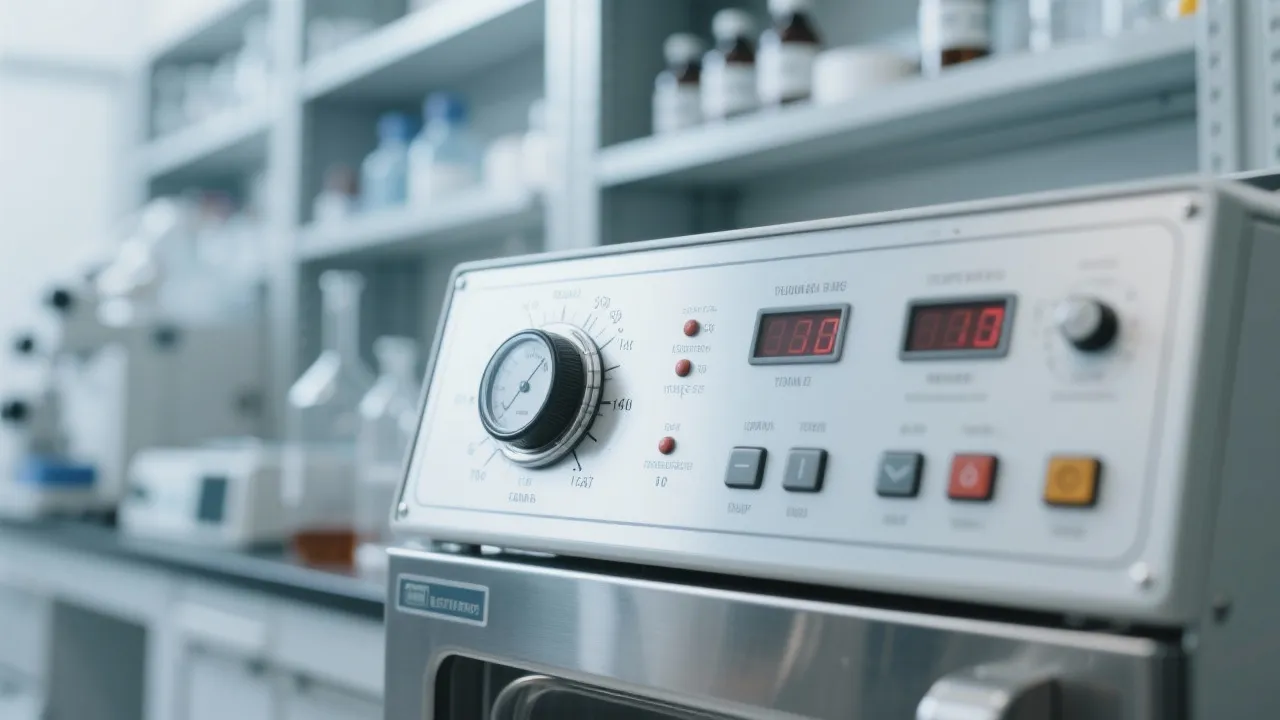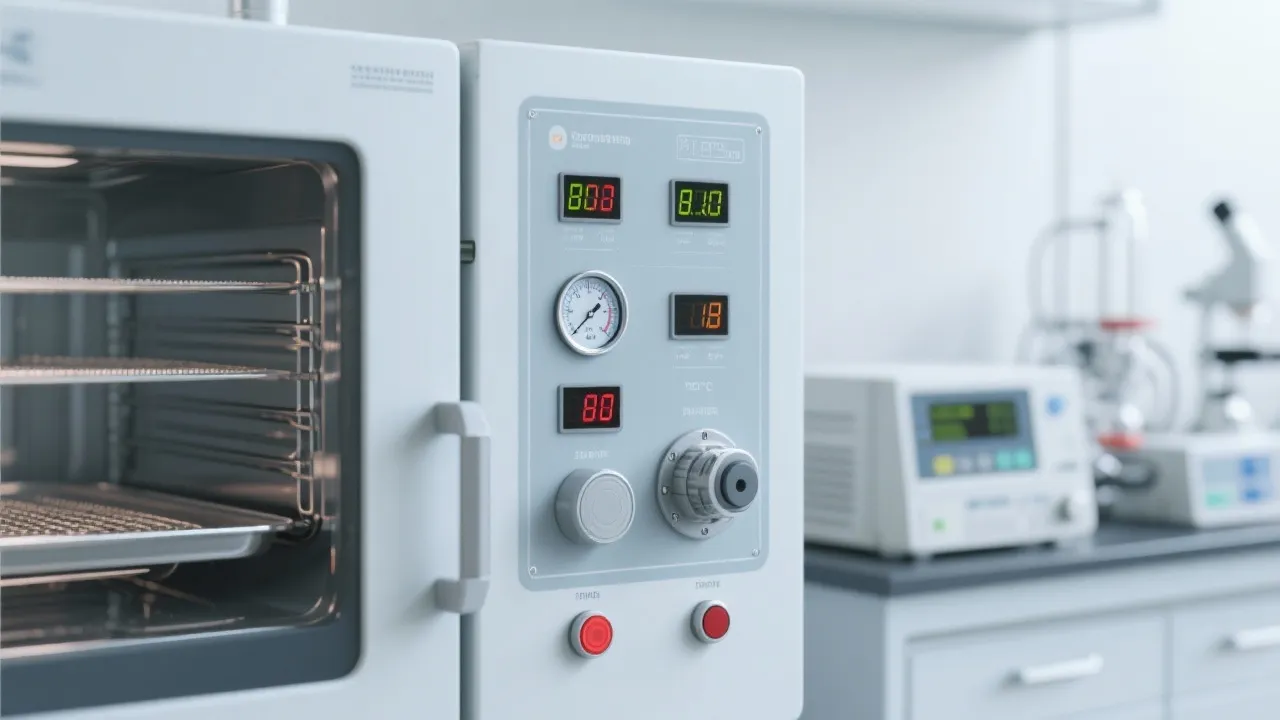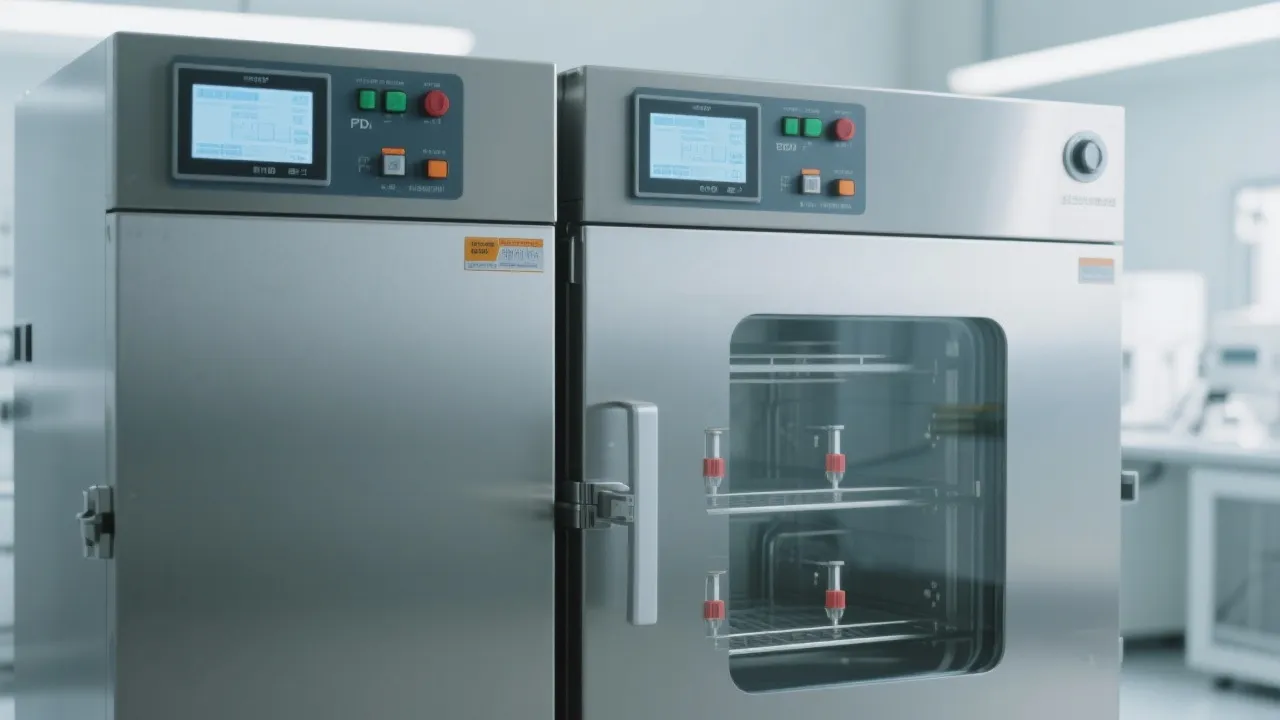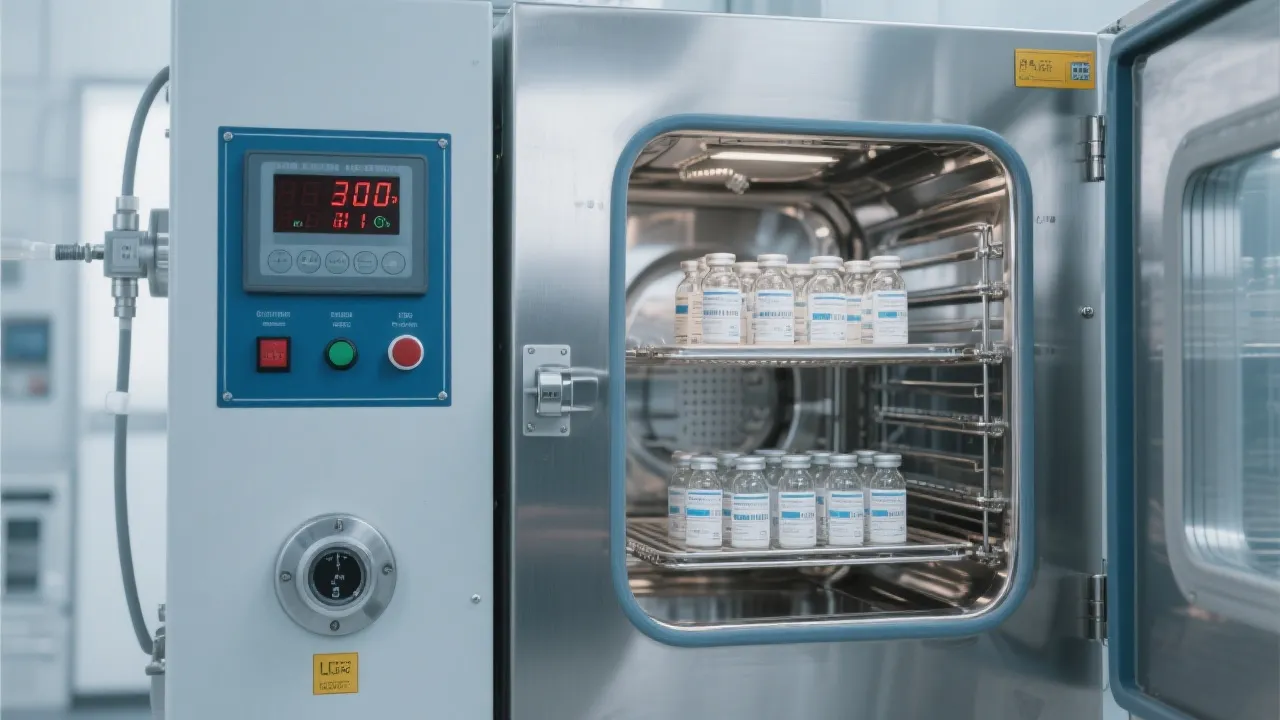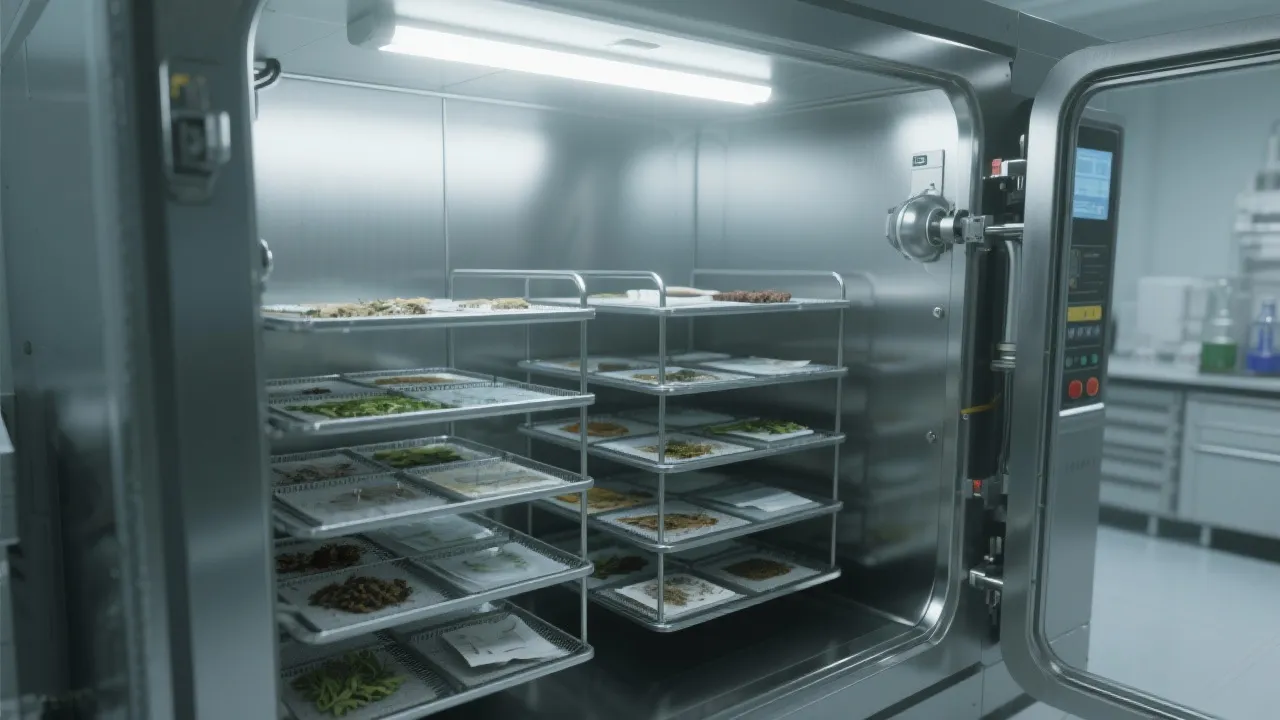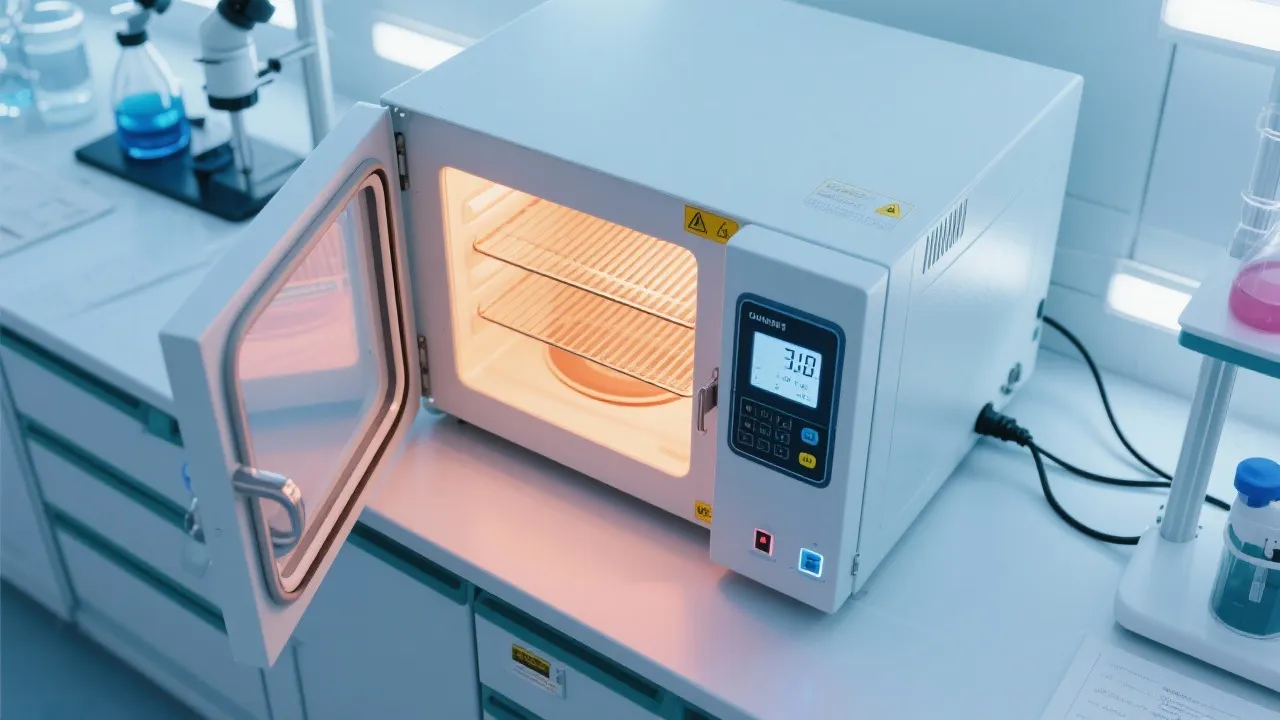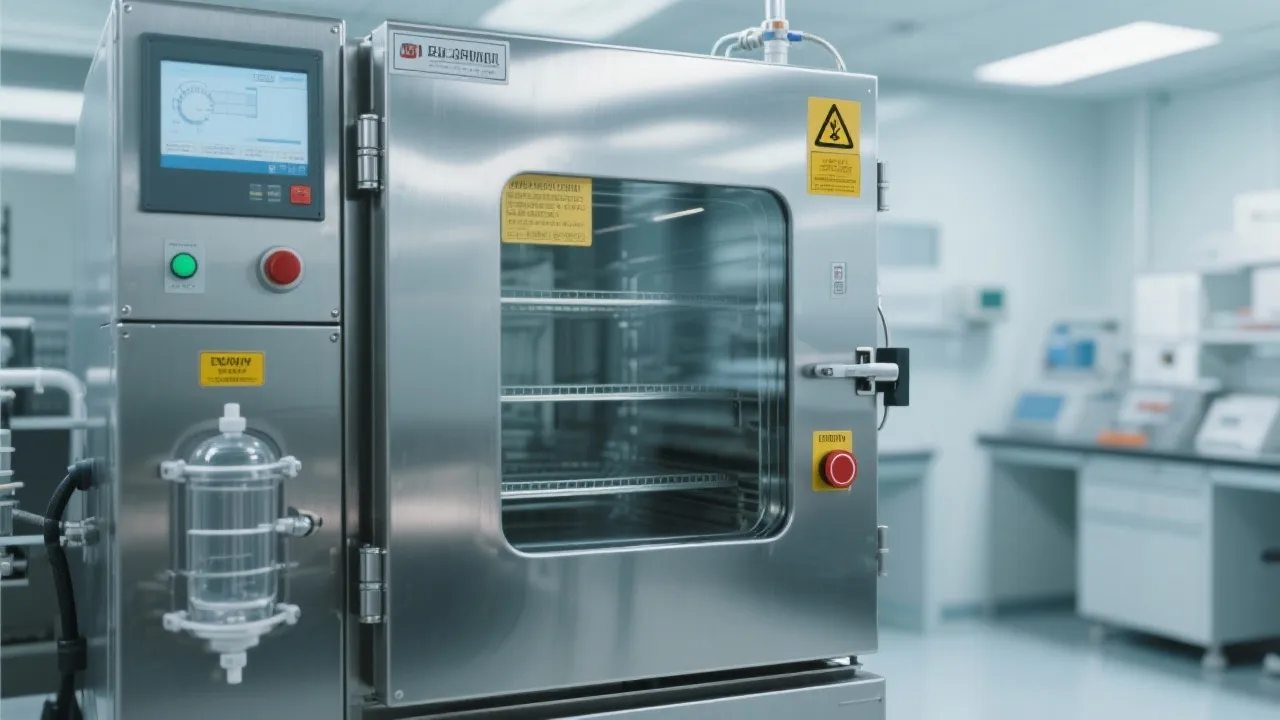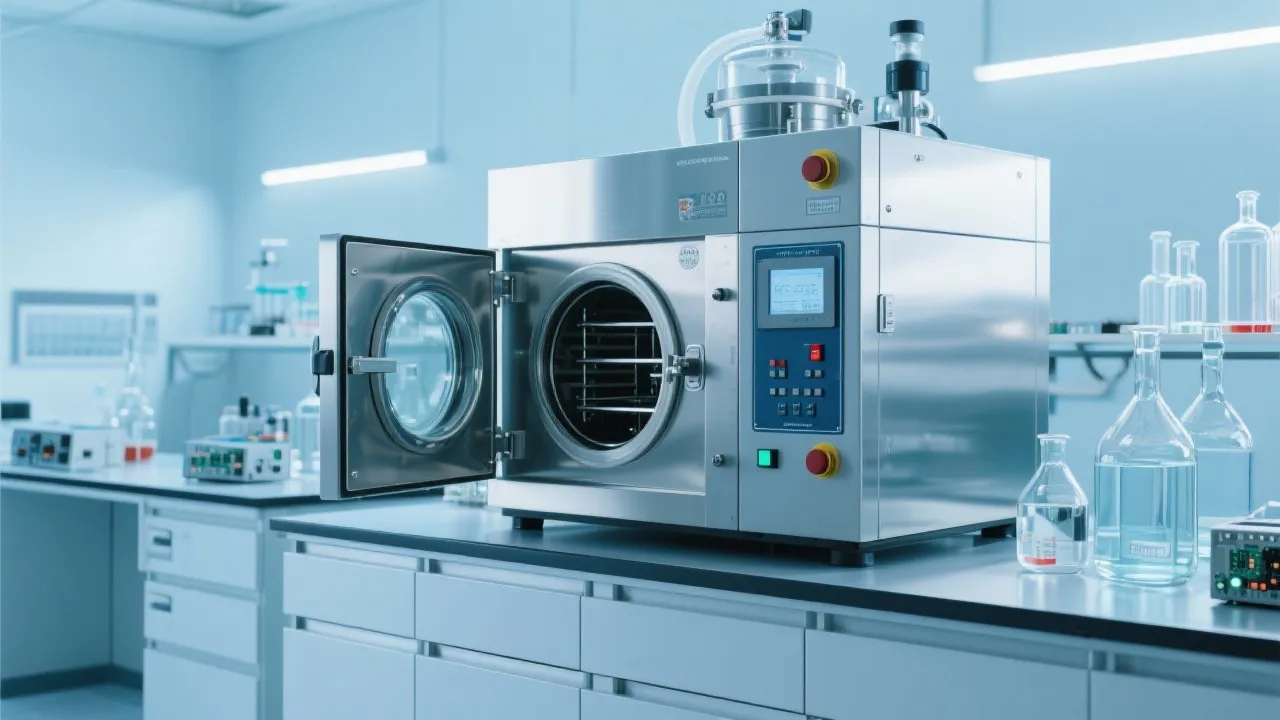
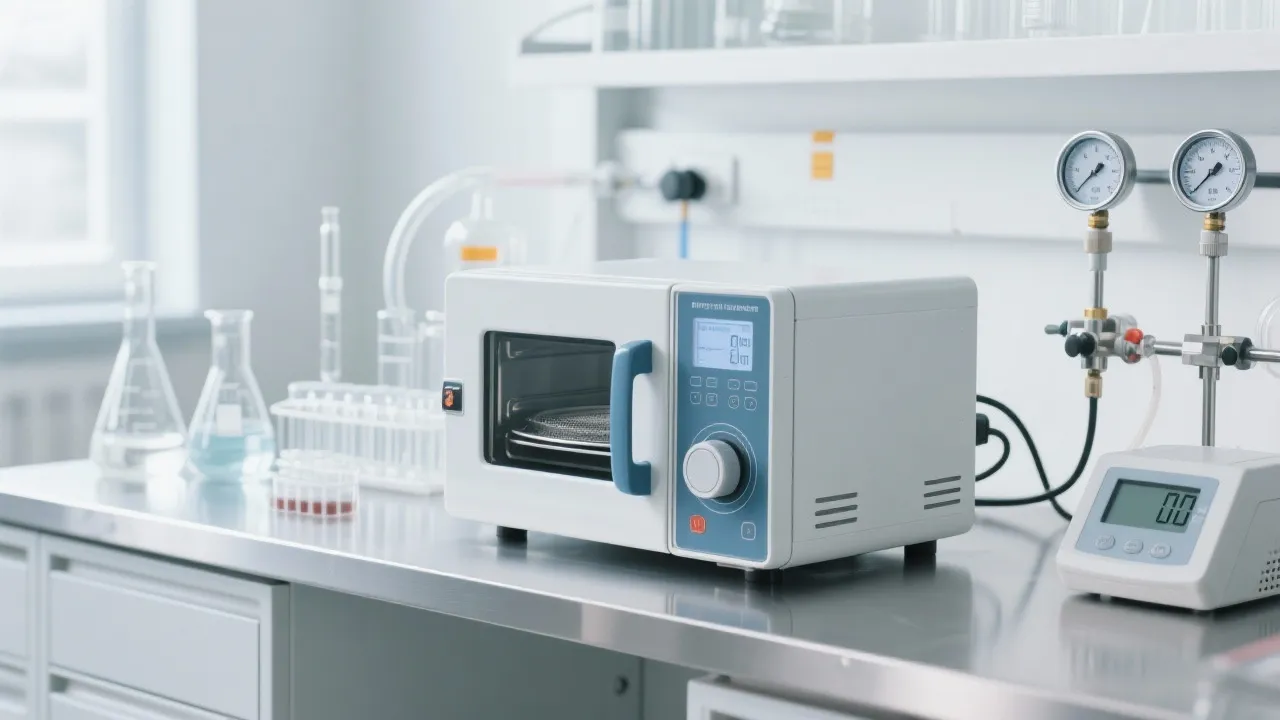
In materials science and life sciences, precision matters—not just for accuracy, but for reproducibility, safety, and cost efficiency. The DZ-3BCII vacuum drying oven has become a trusted tool across academic and industrial labs worldwide, offering reliable performance under demanding conditions.
The DZ-3BCII operates between -5°C to 250°C with a vacuum level as low as 10⁻³ mbar—ideal for heat-sensitive samples like polymers, catalysts, or biological tissues. Unlike conventional ovens that risk sample degradation due to oxidation or uneven heating, this model uses a stainless steel chamber (grade 304) that ensures durability, easy cleaning, and no contamination risk.
| Feature | Standard Range | Typical Application |
|---|---|---|
| Temperature Control | -5°C to 250°C | Catalyst drying, polymer curing |
| Vacuum Level | ≤ 10⁻³ mbar | Cell culture media, DNA preservation |
| Chamber Material | Stainless Steel 304 | Pharmaceutical & food-grade compliance |
These specs aren’t just numbers—they translate into real-world benefits: faster drying times by up to 40%, reduced thermal stress on sensitive compounds, and consistent results across batches. For researchers aiming to optimize lab workflows, choosing the right vacuum dryer isn’t optional—it’s foundational.
“We switched from our old convection oven to the DZ-3BCII for nanoparticle preparation. Our yield improved by 22% because we lost less material during drying.” — Dr. Lena Müller, Materials Lab Lead, ETH Zurich
When selecting a vacuum drying system, consider three pillars:
Following these principles helps avoid common pitfalls like poor temperature uniformity or mechanical failure after 6 months of daily use. In fact, users who follow structured selection criteria report 30% fewer maintenance issues within the first year.
Discover how the DZ-3BCII vacuum dryer can boost efficiency, protect sample integrity, and simplify your workflow—from research to production.
Get Your Free Equipment Comparison Guide