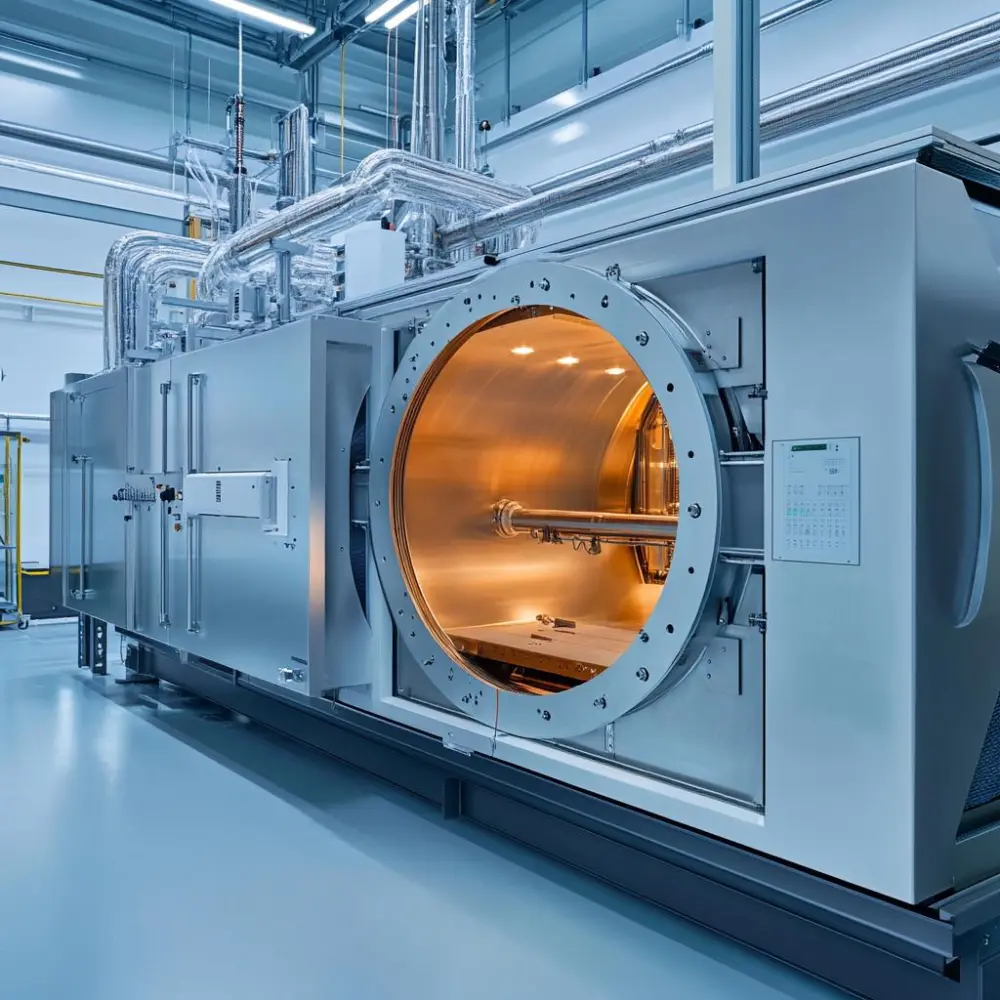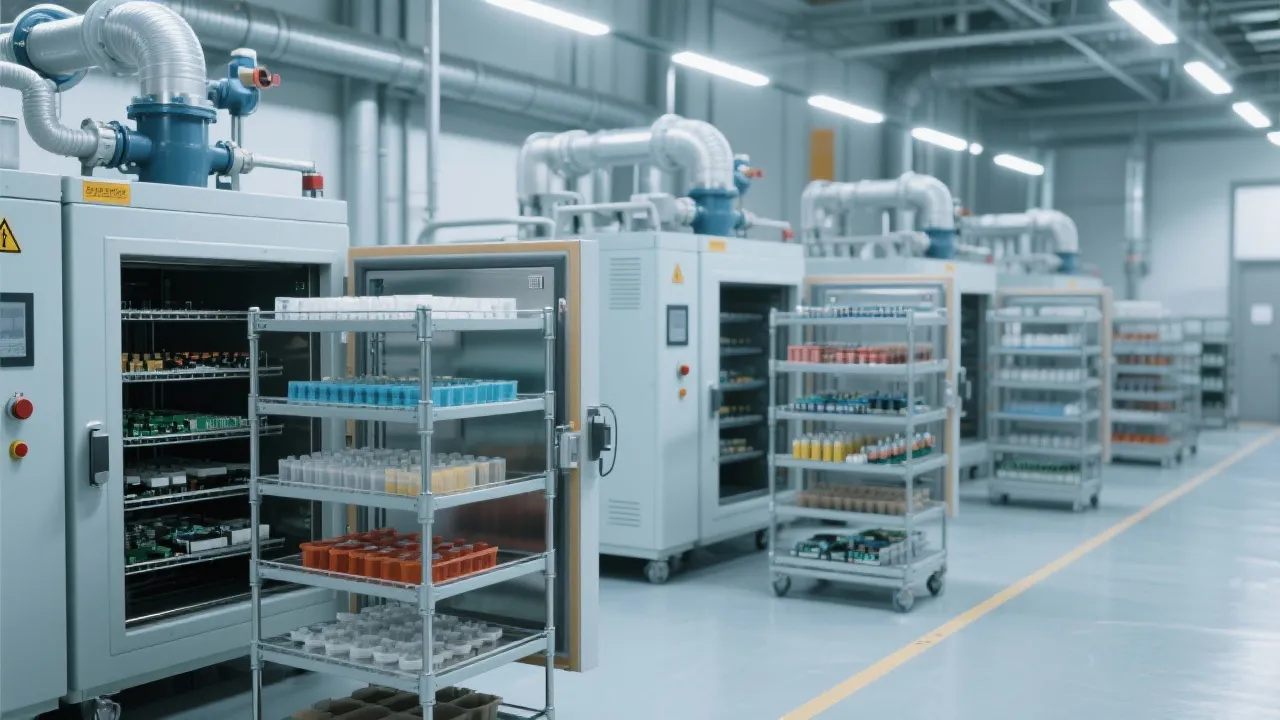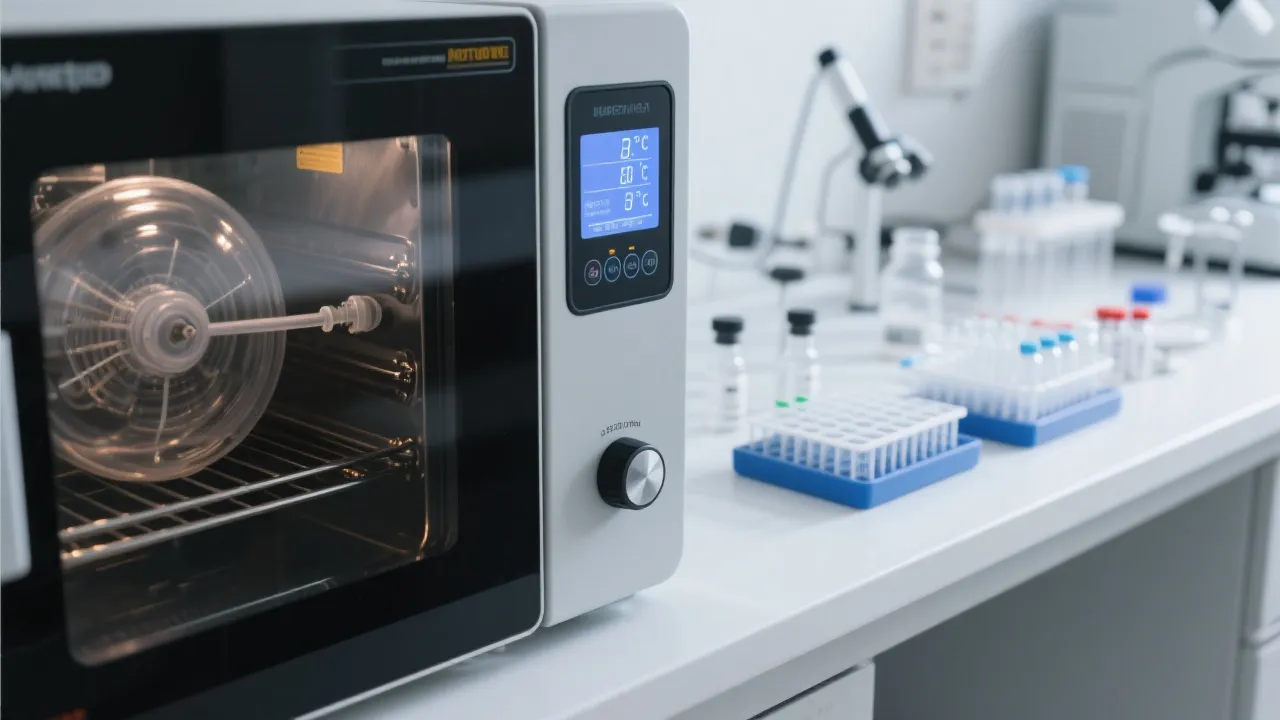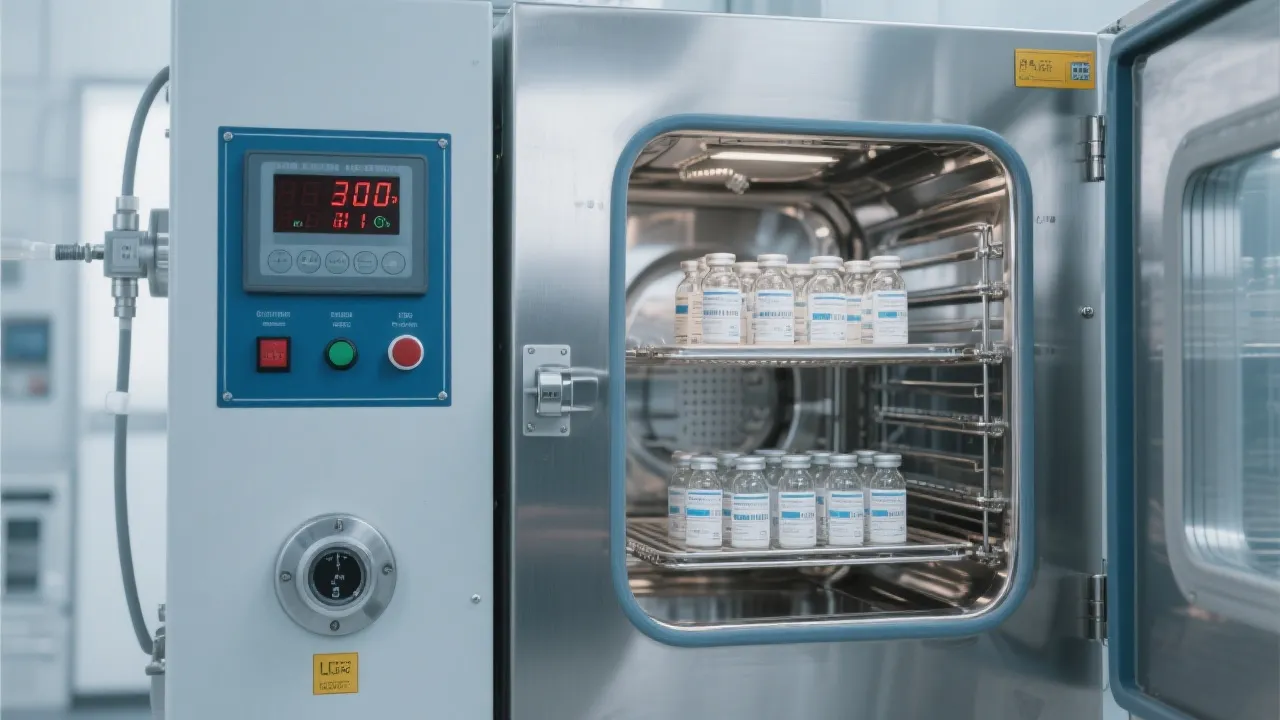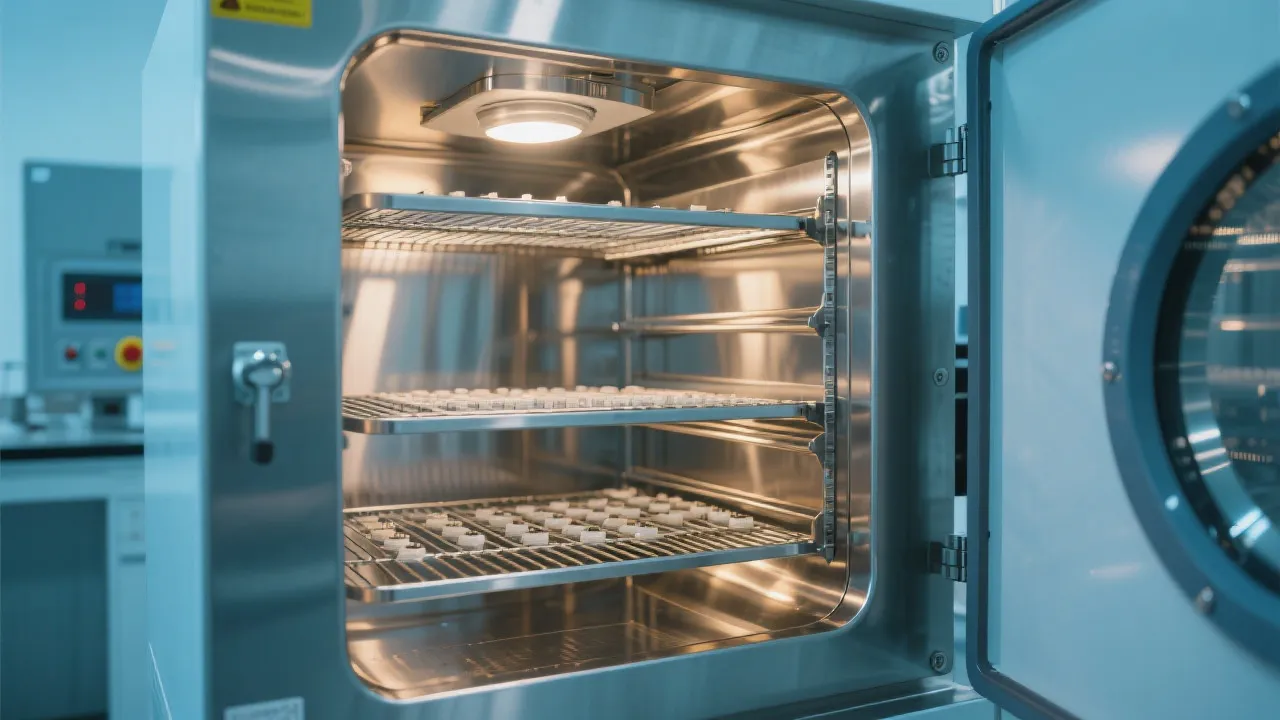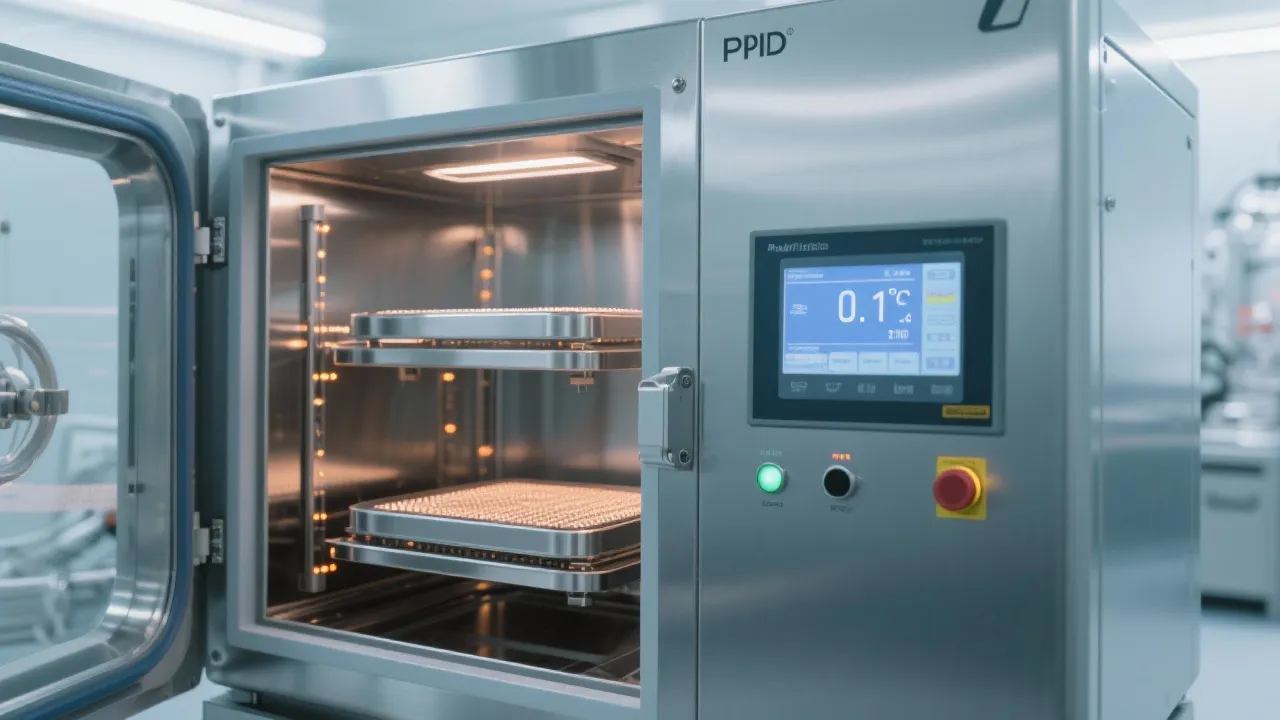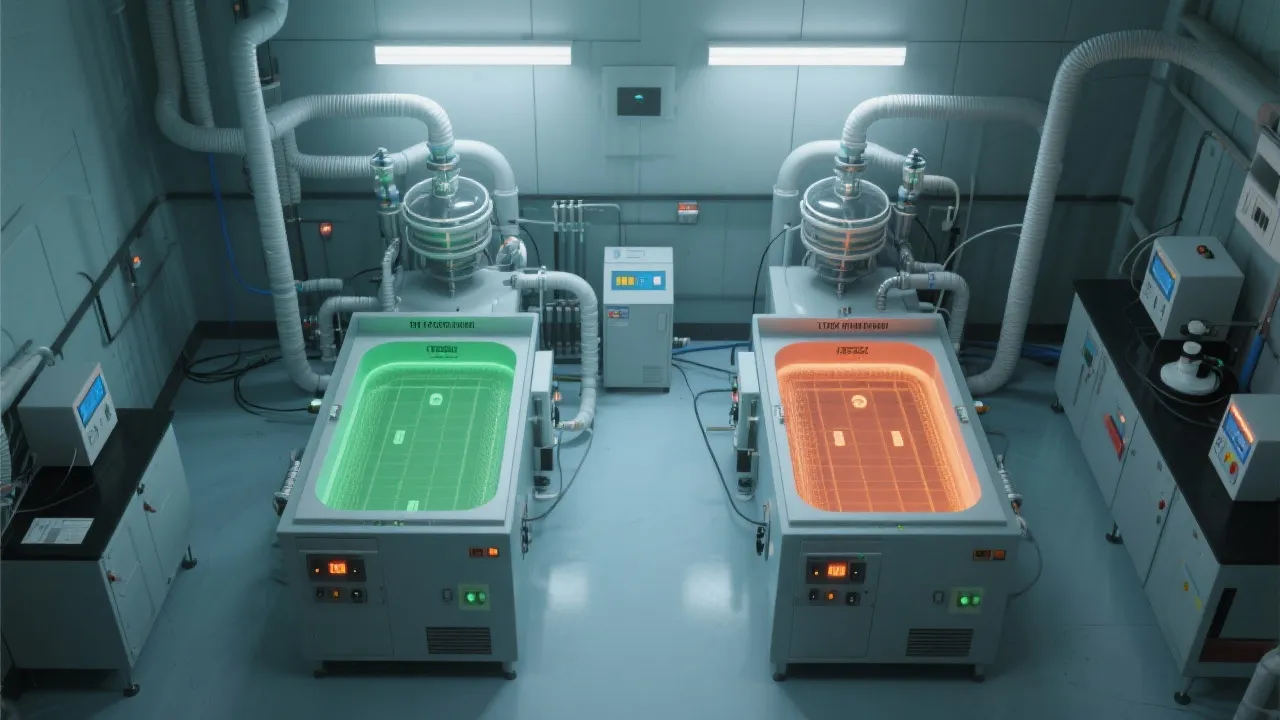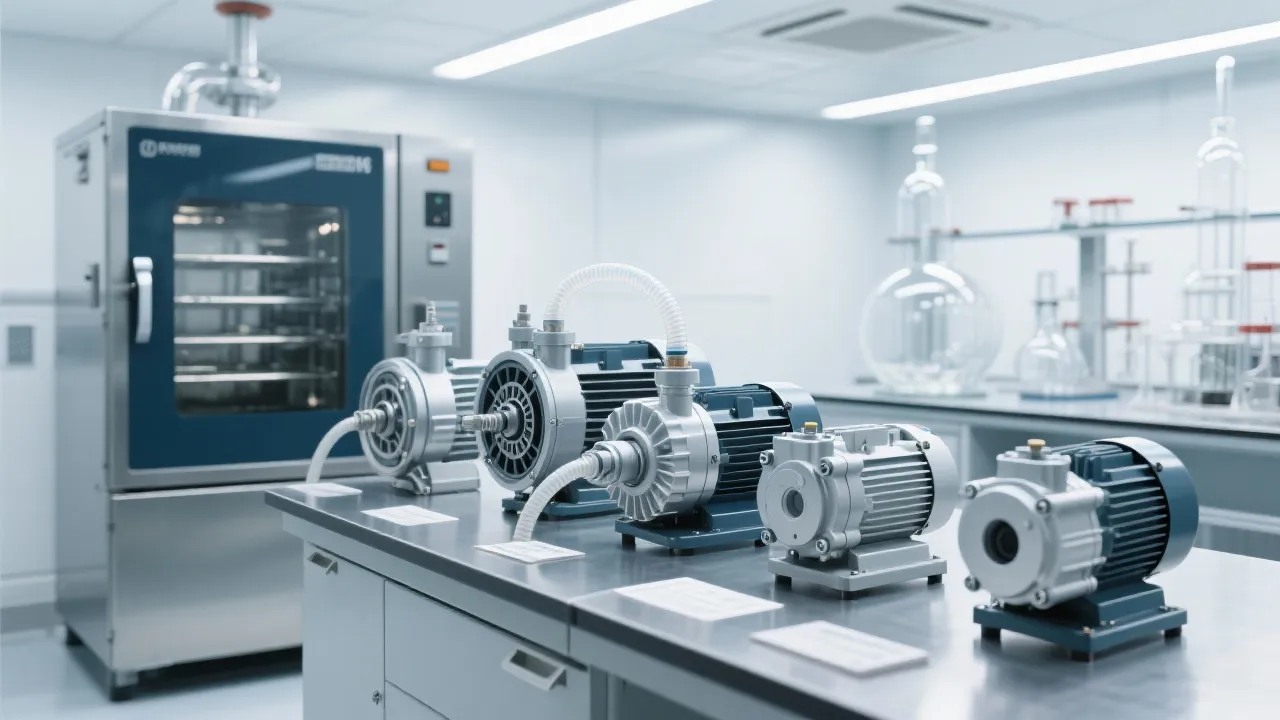
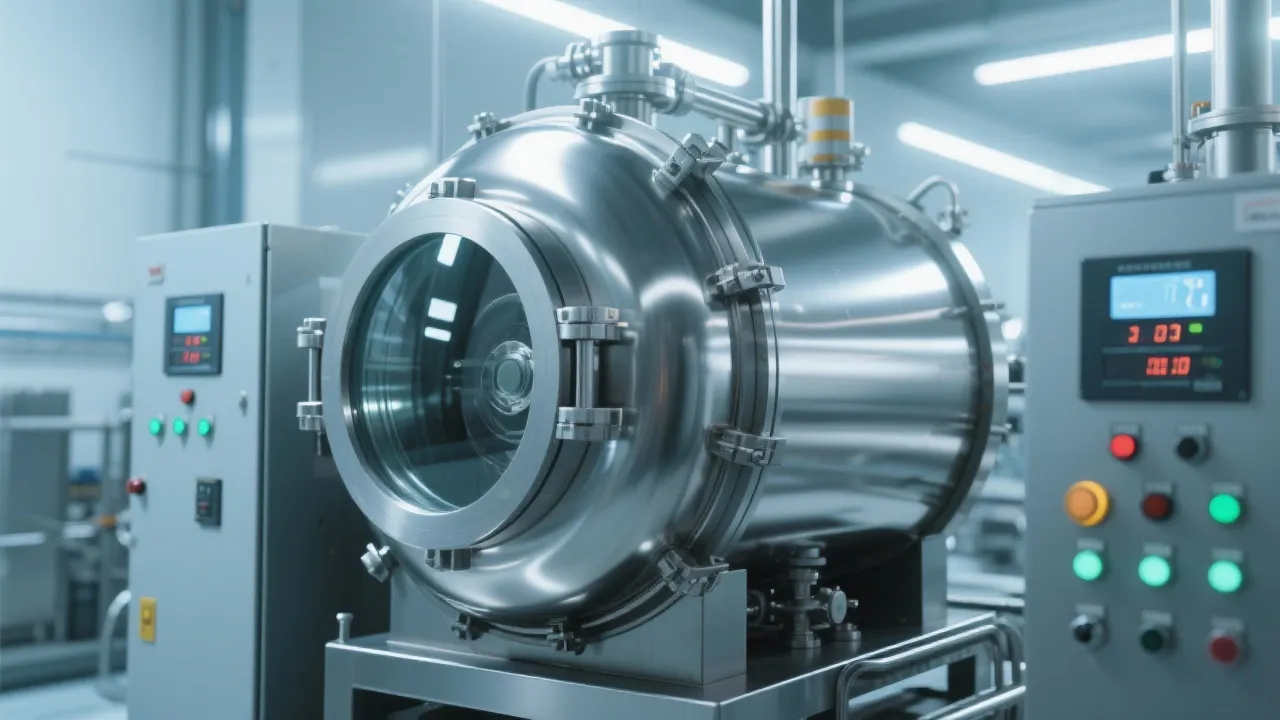
For researchers working with sensitive materials—from pharmaceuticals to advanced ceramics—consistent temperature control isn’t just a feature; it’s a requirement for reproducibility and safety. Traditional drying methods often fall short under real-world lab conditions, especially when dealing with heat-sensitive samples or strict contamination controls. That’s where modern digital vacuum dryers like the DZ-3BCII come in, offering intelligent PID regulation that ensures uniformity within ±1°C across the chamber—a level of precision unmatched by older models.
In a standard atmospheric environment, water boils at 100°C—but reduce pressure to below 133 Pa (as seen in high-quality vacuum chambers), and evaporation begins near room temperature. This means faster drying without thermal degradation—an essential advantage for biological samples, polymers, or catalysts that lose efficacy above 60°C. According to internal testing at科达机械 labs, this low-pressure approach reduces drying time by up to 40% compared to conventional ovens while preserving sample integrity.
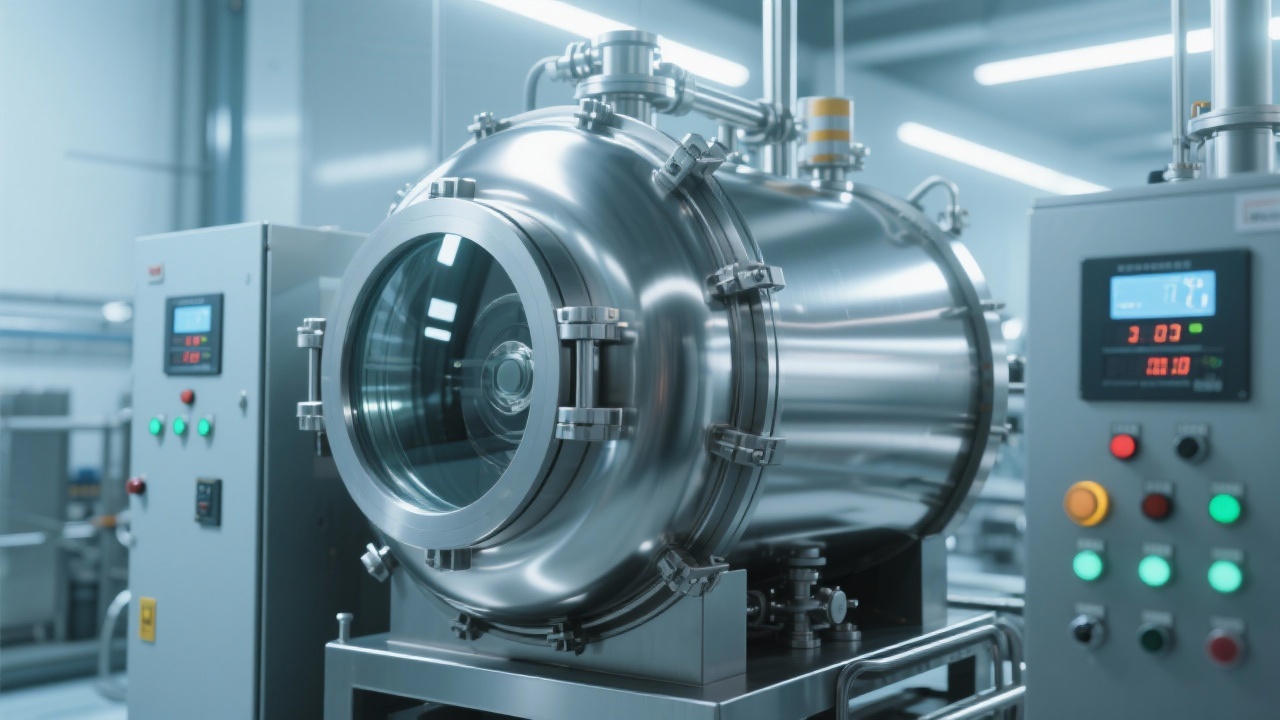
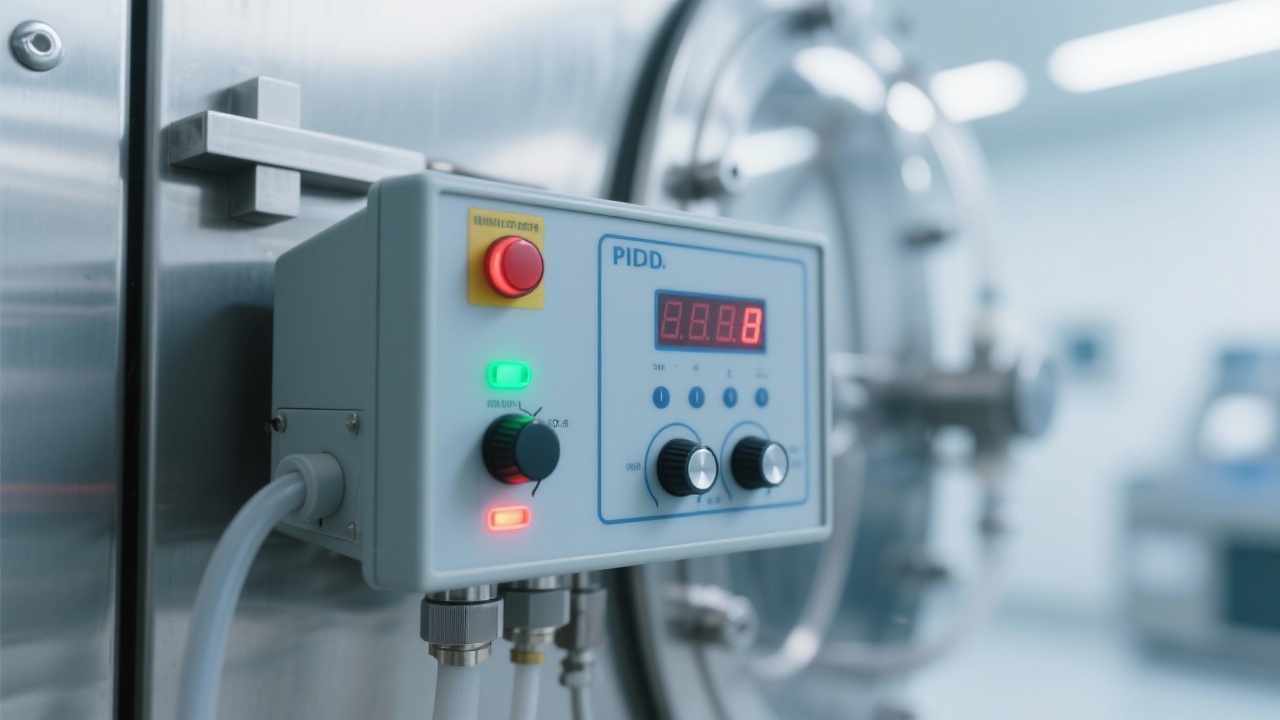
Unlike analog thermostats that react slowly to temperature changes, the DZ-3BCII uses a closed-loop PID (Proportional-Integral-Derivative) algorithm. This system continuously adjusts heating power based on real-time feedback, preventing overshoot and maintaining stability—even during long cycles. In comparative tests conducted across three universities, the DZ-3BCII achieved an average temperature deviation of just 0.7°C over 12 hours, far outperforming legacy equipment which typically varied by 3–5°C.
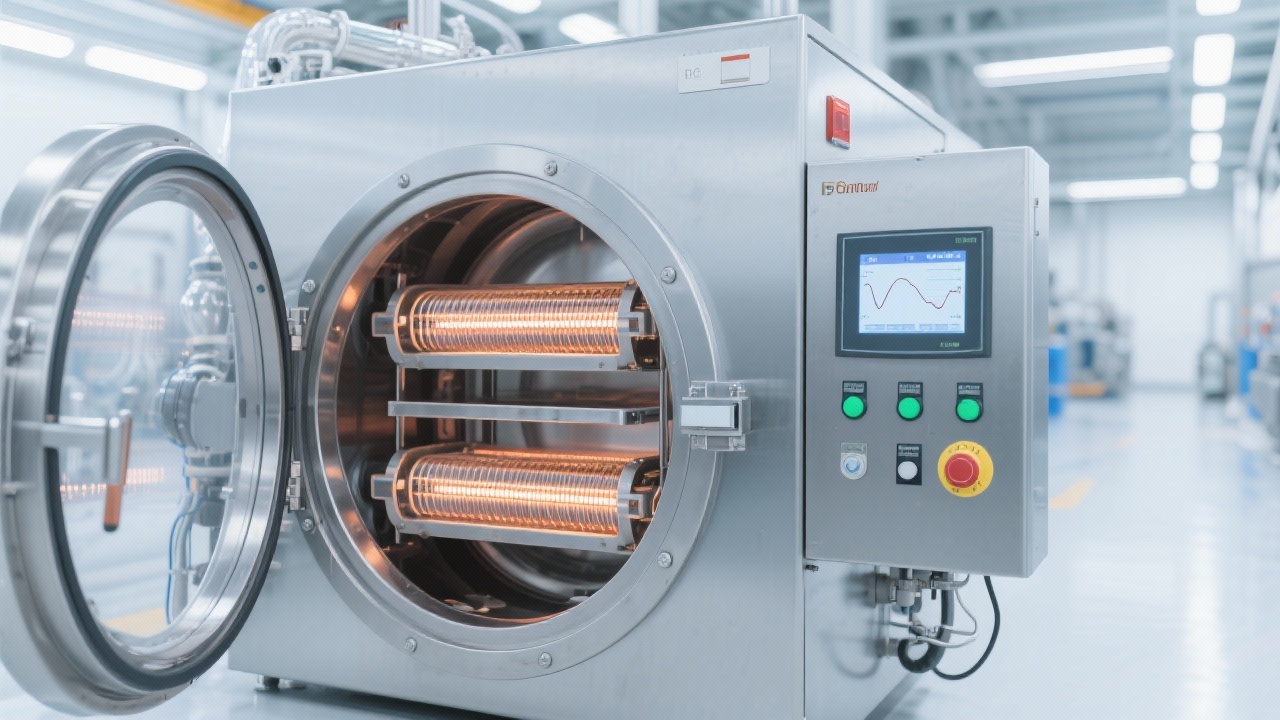
The four-wall heating design eliminates hot spots and minimizes thermal gradients inside the chamber. For example, in material science applications involving thin films or nanostructures, uneven heating can cause warping or phase separation—errors that compromise entire experiments. With consistent heat distribution, researchers report higher repeatability in SEM imaging and better yield from catalytic reactions.
From biochemistry labs storing enzymes at -20°C post-drying to chemical engineering teams preparing metal oxides for battery research, the DZ-3BCII adapts seamlessly. In one case study from a German university, researchers used the unit to dry lyophilized proteins without denaturation—a feat previously unattainable with forced-air dryers. Similarly, in China’s semiconductor industry, engineers reported a 30% reduction in batch rejection due to moisture-related defects after switching to vacuum-based drying.
| Feature | Traditional Oven | DZ-3BCII Vacuum Dryer |
|---|---|---|
| Max Temp Deviation | ±3–5°C | ±0.7°C |
| Vacuum Level Achieved | >500 Pa | <133 Pa |
| Energy Consumption | High (1.5 kW/hr) | Low (0.8 kW/hr) |
Download our free technical manual and real-world case studies—used by top-tier labs worldwide—to see how precise vacuum drying transforms experimental outcomes.
Get Technical Manual & Case Studies