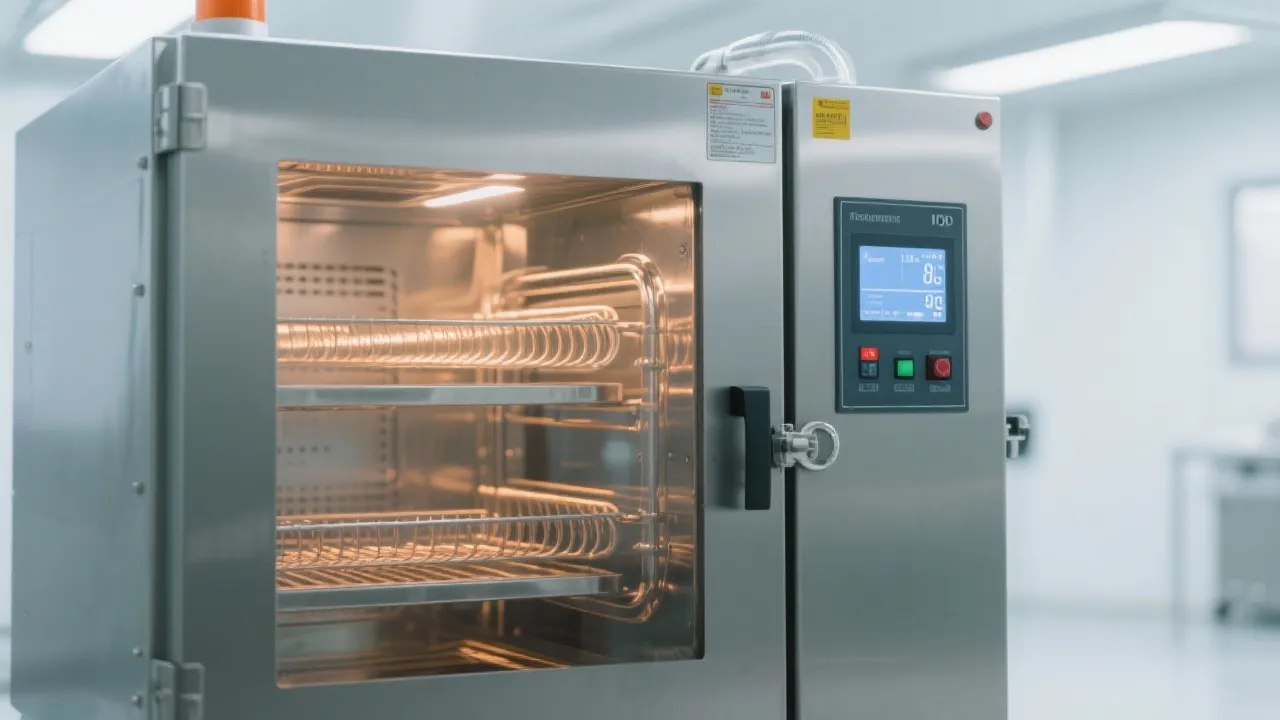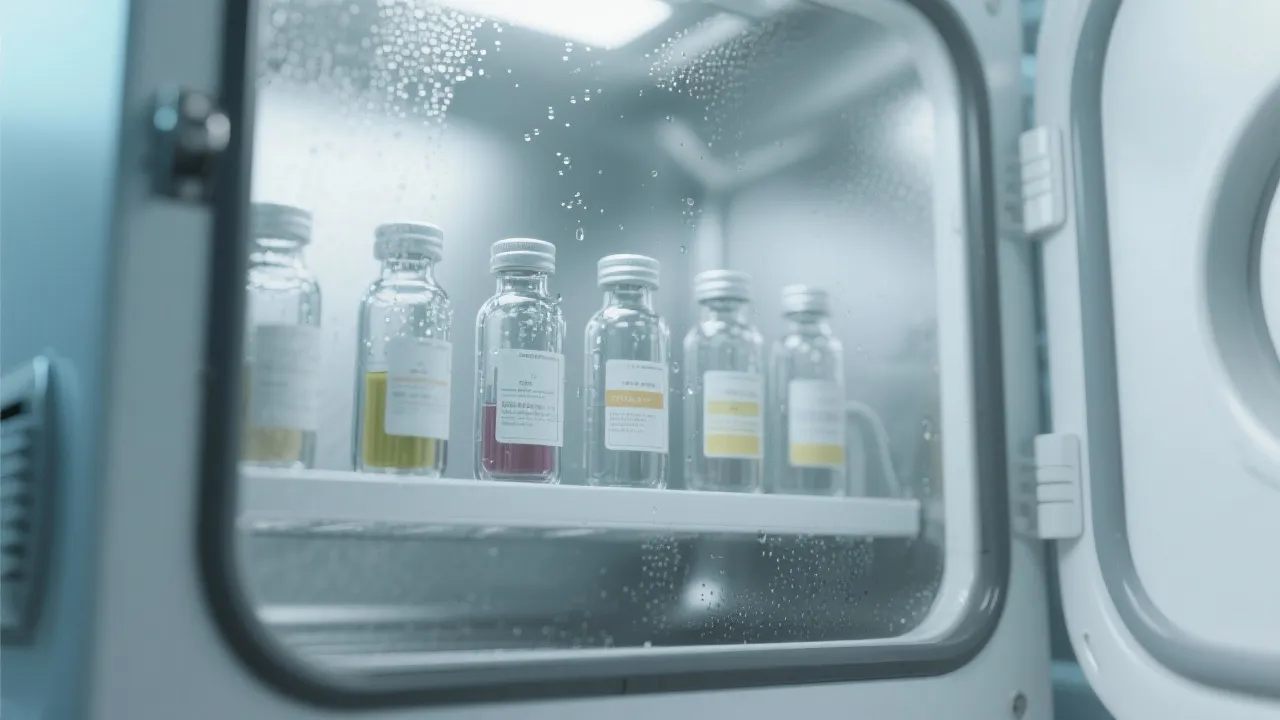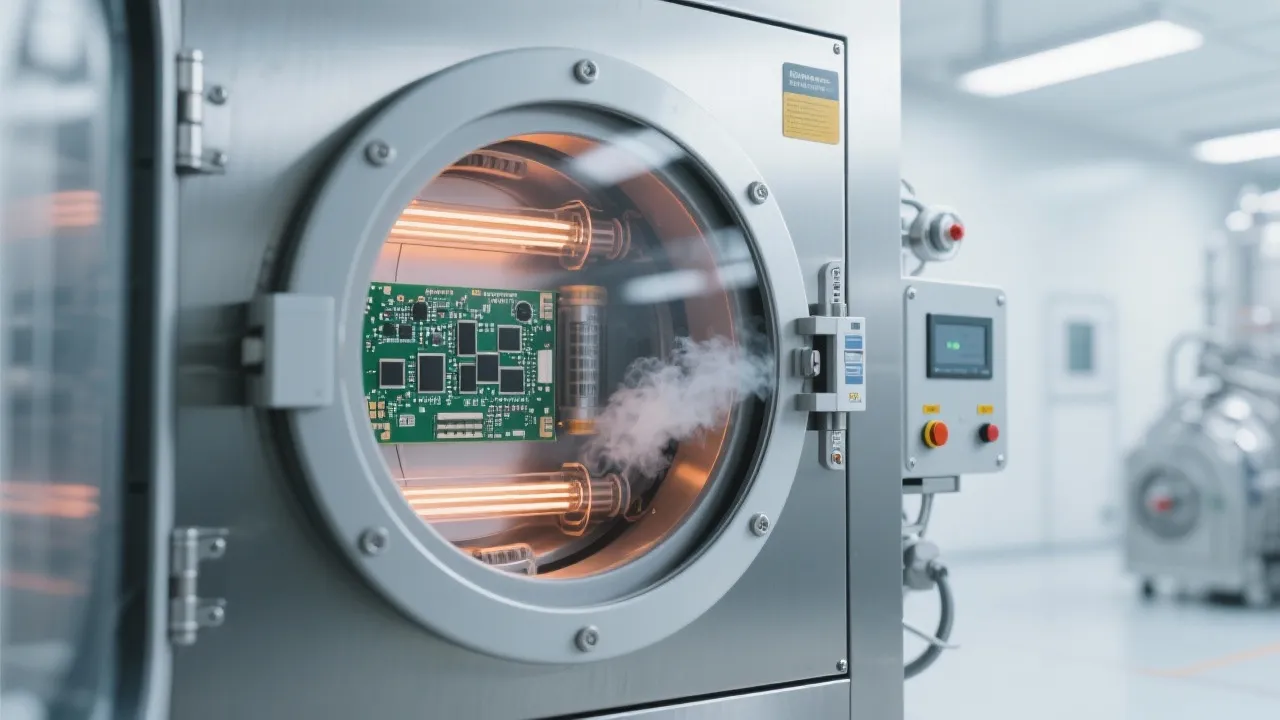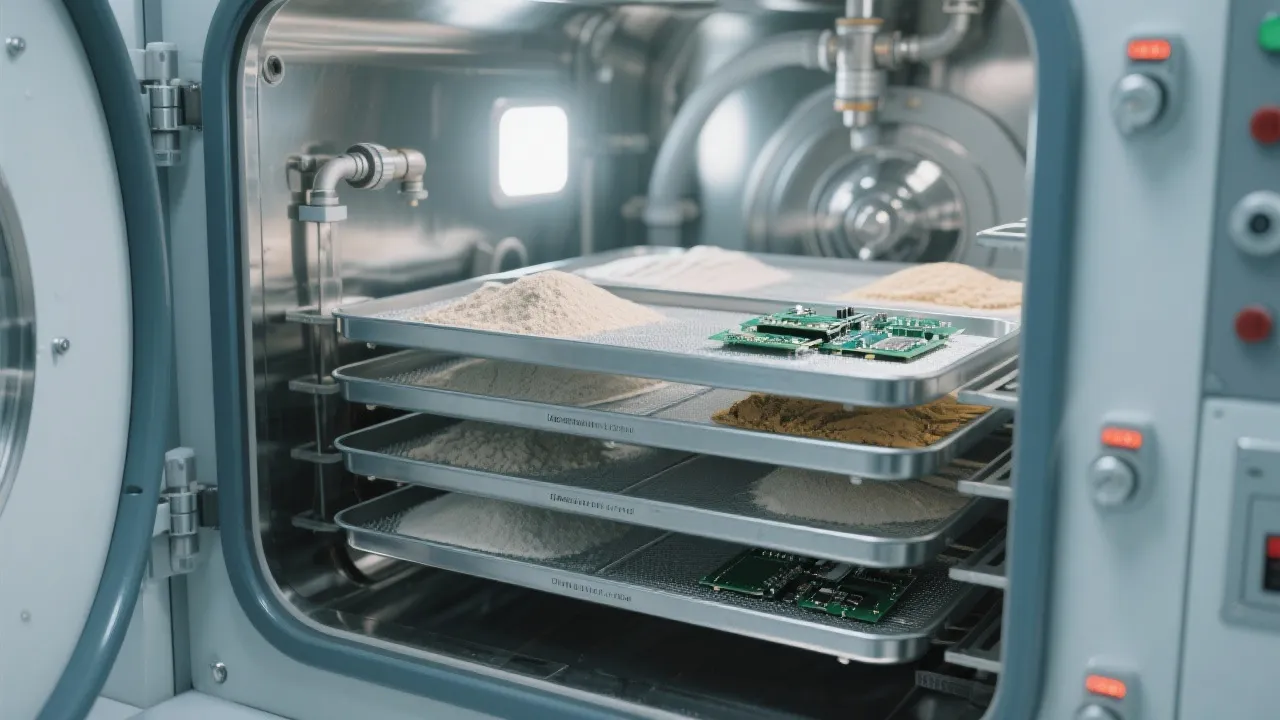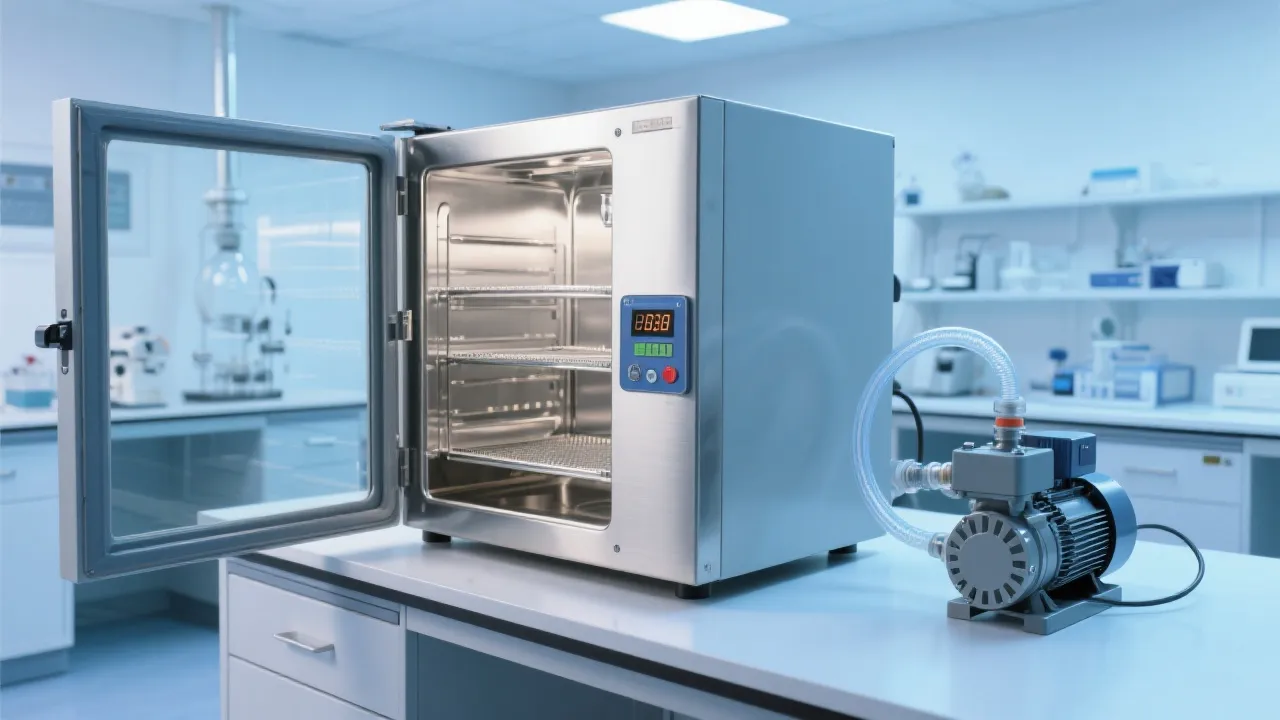
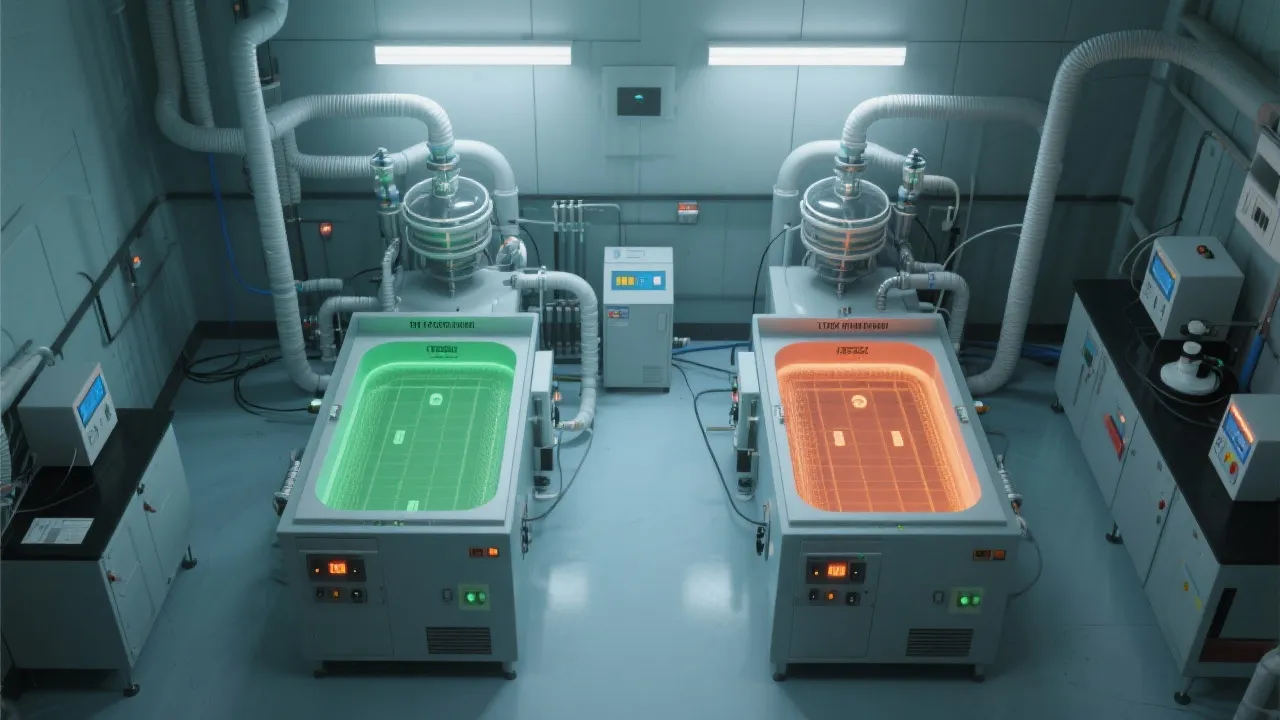
In modern laboratory environments, reproducibility and precision are non-negotiable—especially when it comes to drying processes. A temperature deviation of just ±1°C can affect sample integrity, leading to inconsistent results across experiments. That’s where smart PID (Proportional-Integral-Derivative) control systems come into play.
The PID algorithm continuously adjusts heating output based on three key parameters:
When properly tuned, a well-calibrated PID system can maintain temperature within ±0.5°C to ±1°C even under varying load conditions—a standard now expected in high-end lab dryers used in pharmaceuticals, biotech, and materials science.
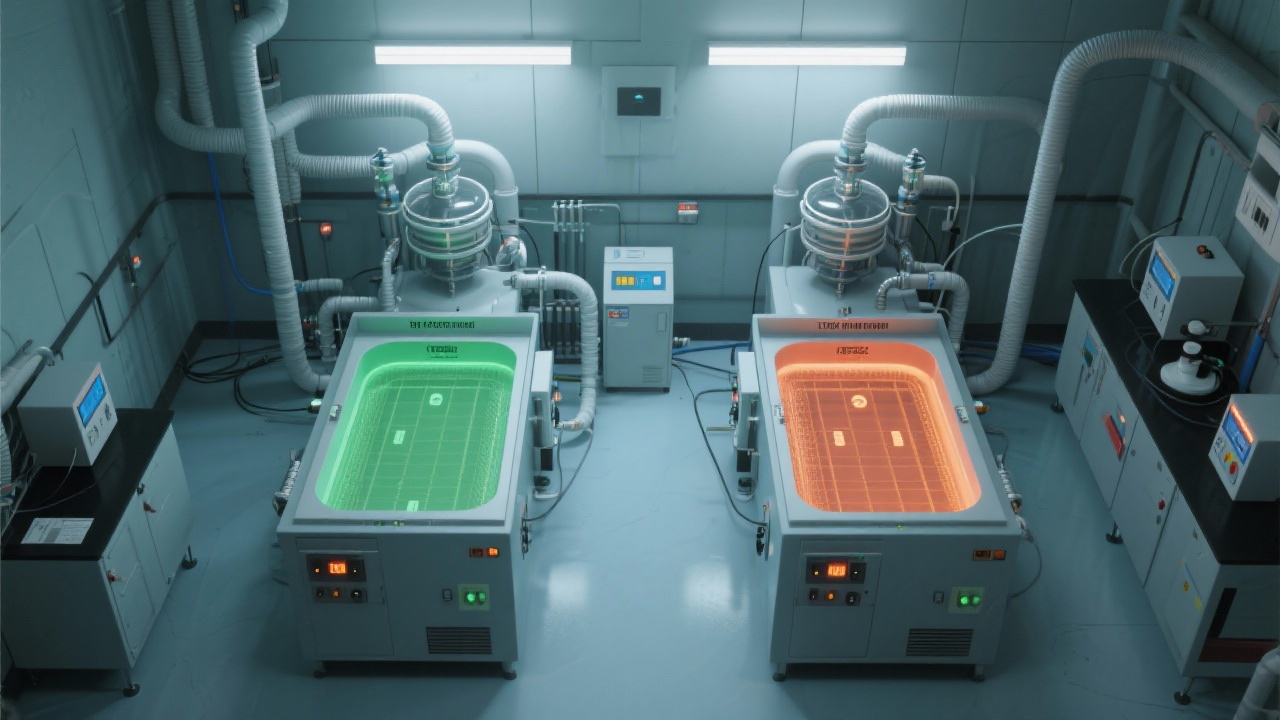
A university research lab in Germany reported a 40% reduction in failed trials after upgrading their oven to a model with adaptive PID control. Similarly, a medical device manufacturer in Singapore saw improved batch consistency in sterilization cycles—reducing rework costs by up to $12K annually.
These improvements weren’t accidental—they came from integrating features like:
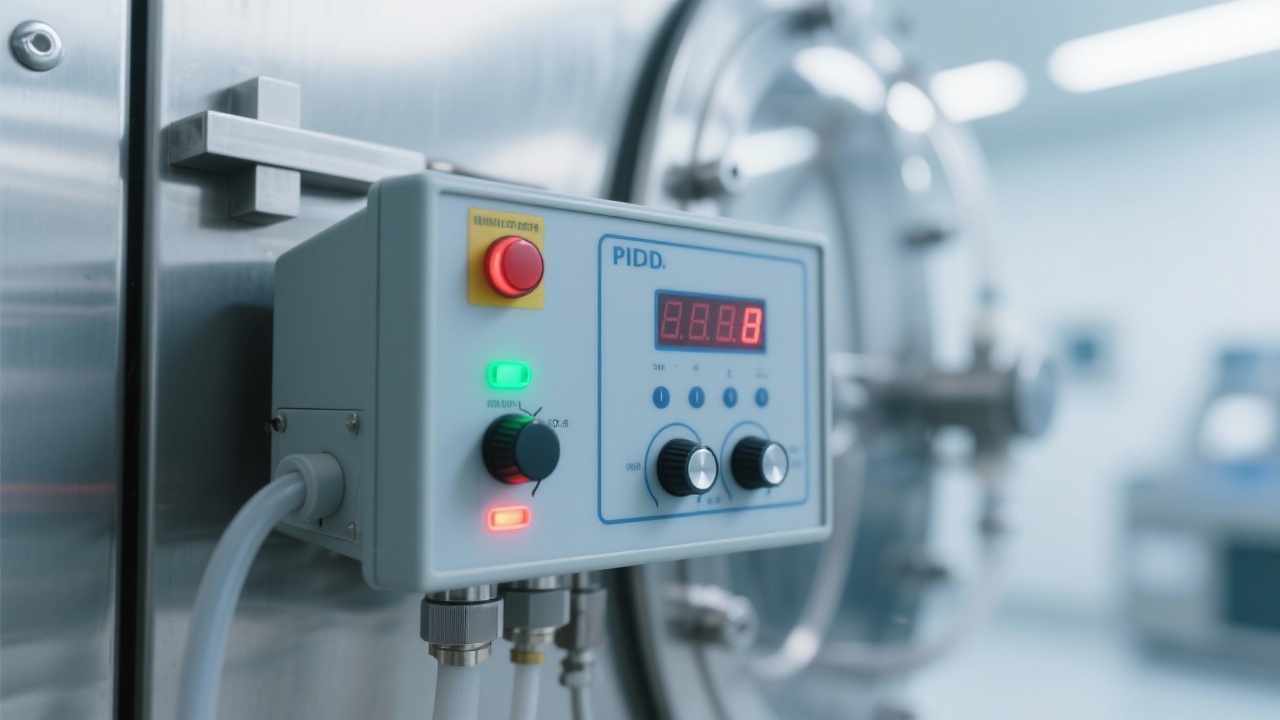
Not all PID systems are created equal. Key technical indicators include:
| Parameter | Recommended Value |
|---|---|
| Response Time (to reach target temp) | ≤ 15 minutes |
| Stability After Settling | ±0.5°C or better |
| Temperature Uniformity Across Chamber | ±1°C max |
For labs prioritizing automation and data traceability, look for models that support SCADA integration and cloud logging—ideal for ISO 17025 compliance and audit readiness.
Whether you're optimizing a new workflow or upgrading existing equipment, our team of application engineers can help tailor a solution that meets your exact specifications—from small benchtop units to large industrial-grade dryers.
Get Your Customized Smart PID Dryer Quote Today