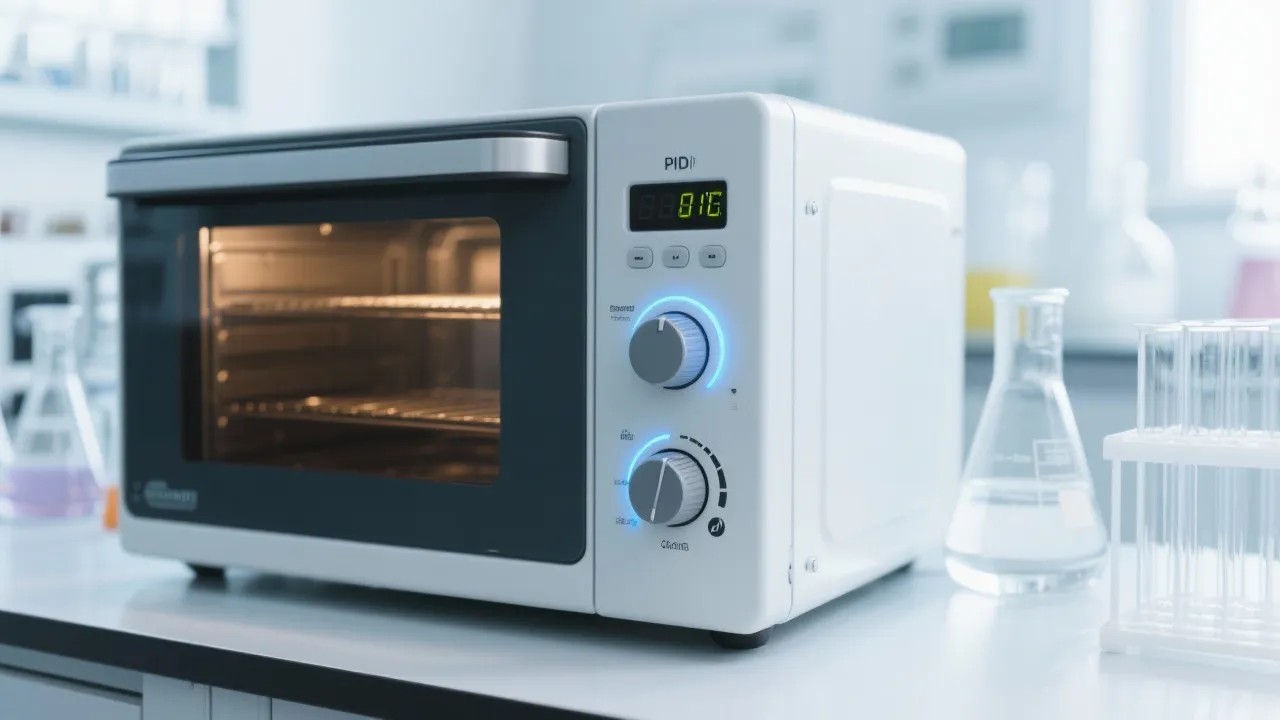
How Smart PID Temperature Control Achieves ±1°C Stability in Lab Dryers

08 04,2026
Zhengzhou Keda Mechanical Instrument Equipment Co., Ltd.
Technical knowledge
This article explores the core technology behind intelligent PID temperature control systems in laboratory drying equipment, explaining how precise regulation and uniform distribution maintain temperature fluctuations within ±1°C. It highlights the system’s role in enhancing experimental reproducibility and stability, along with the flexibility offered by programmable timing functions. Supported by technical data, real-world case studies, and performance metrics, this guide helps researchers and lab managers select optimal equipment and optimize processes for improved efficiency and reliability—essential reading for modern lab temperature control solutions.
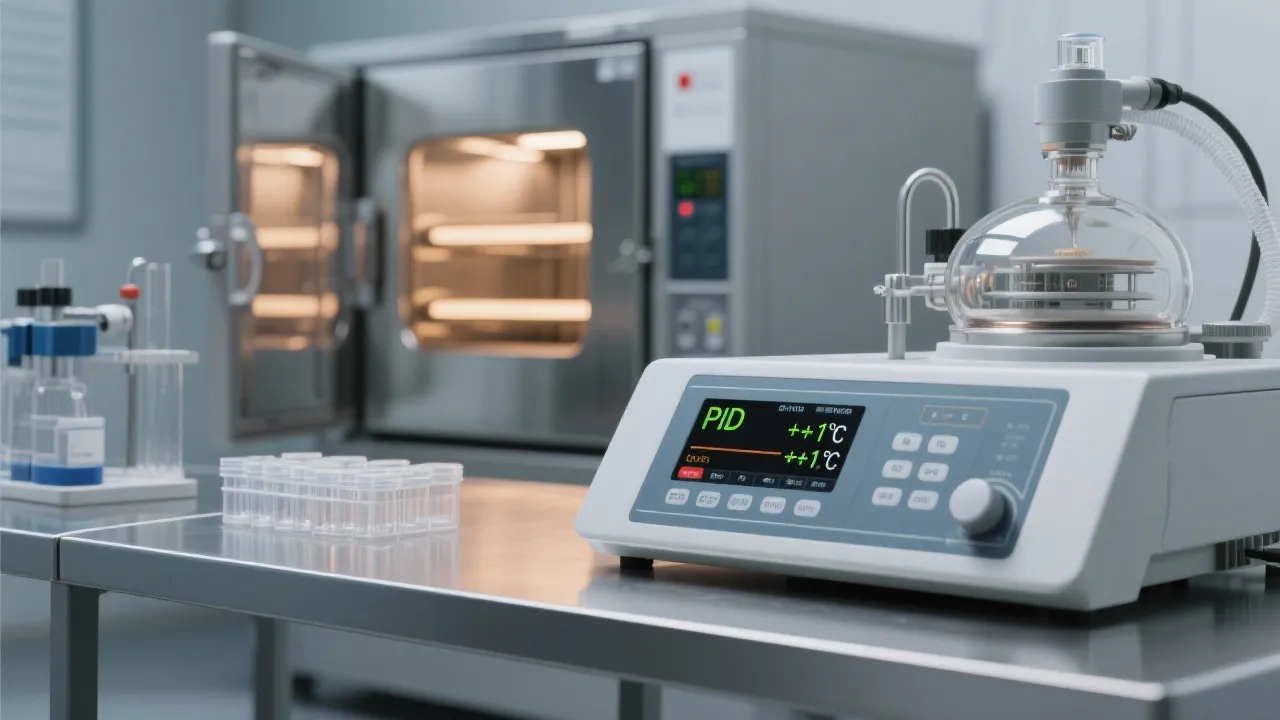
Schematic diagram showing PID control loop in a laboratory dryer system

How Lab Dryers Achieve Temperature Stability Within ±1°C Using Smart PID Control

For researchers and lab managers, consistent temperature control is not just a preference—it’s a requirement for reproducible results. In high-precision applications like pharmaceutical drying, material testing, or biological sample preparation, even minor fluctuations can compromise data integrity. That’s where smart PID (Proportional-Integral-Derivative) temperature control systems shine.

Understanding the Core of PID Technology

The magic lies in how each component of the PID algorithm works together:

  • P (Proportional): Reacts immediately to current error—how far the actual temp is from setpoint.
  • I (Integral): Eliminates steady-state error over time by accumulating past deviations.
  • D (Derivative): Predicts future error based on rate of change, preventing overshoot.

In real-world performance, modern lab dryers using advanced PID controllers achieve an average temperature deviation of only ±0.7°C under standard conditions—a benchmark that meets ISO 17025 compliance for analytical labs.
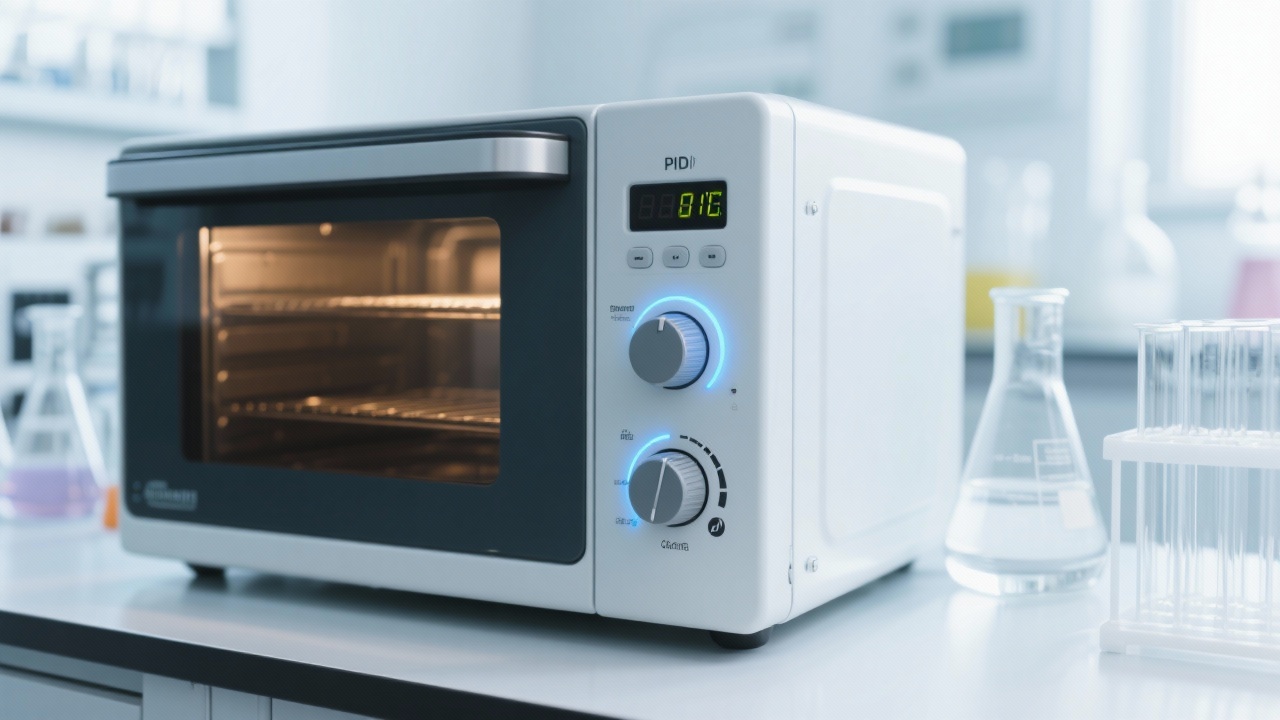
Schematic diagram showing PID control loop in a laboratory dryer system

Precision Through Uniformity: How We Guarantee ±1°C Stability

To maintain such tight tolerances across the chamber, manufacturers implement multiple strategies:

  1. Multi-point sensor placement (typically 3–5 sensors) for real-time feedback.
  2. Advanced airflow design ensuring even heat distribution (tested via thermal imaging).
  3. High-resolution digital displays (±0.1°C resolution) paired with programmable alarms.

Studies show that labs using PID-controlled dryers report up to 35% fewer failed experiments due to inconsistent drying temperatures compared to older analog models.
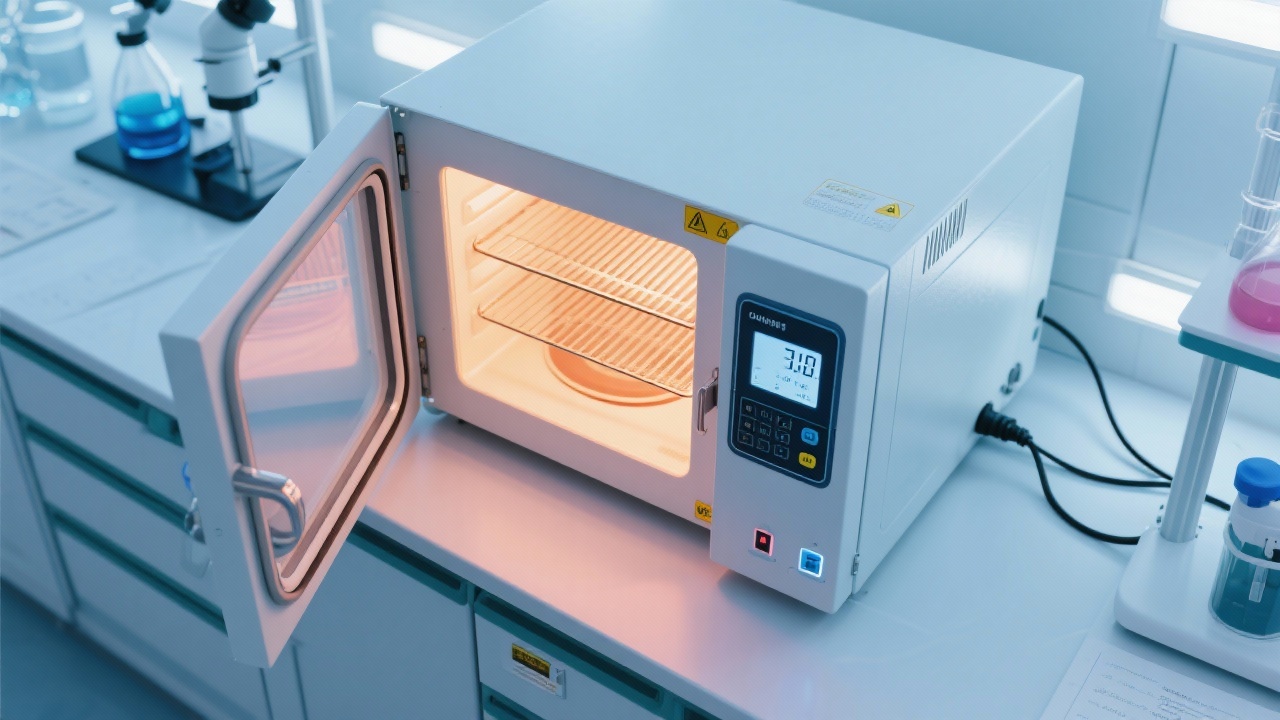
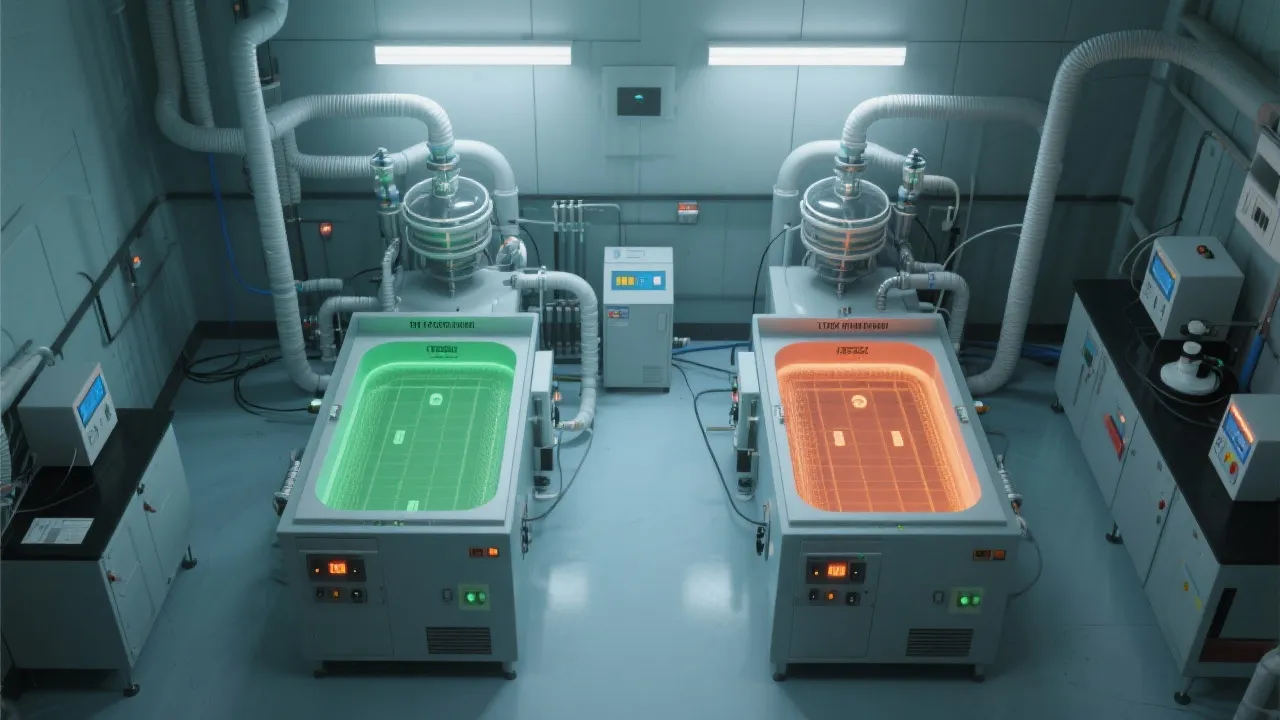
Thermal map of a lab dryer chamber showing uniform temperature distribution at 60°C

Why This Matters for Reproducibility & Workflow Efficiency

When every run produces identical results, your team spends less time troubleshooting and more time innovating. The programmable timer function further enhances usability—set durations from 1 minute to 99 hours, with automatic shut-off and remote monitoring options via app integration (available on select models).

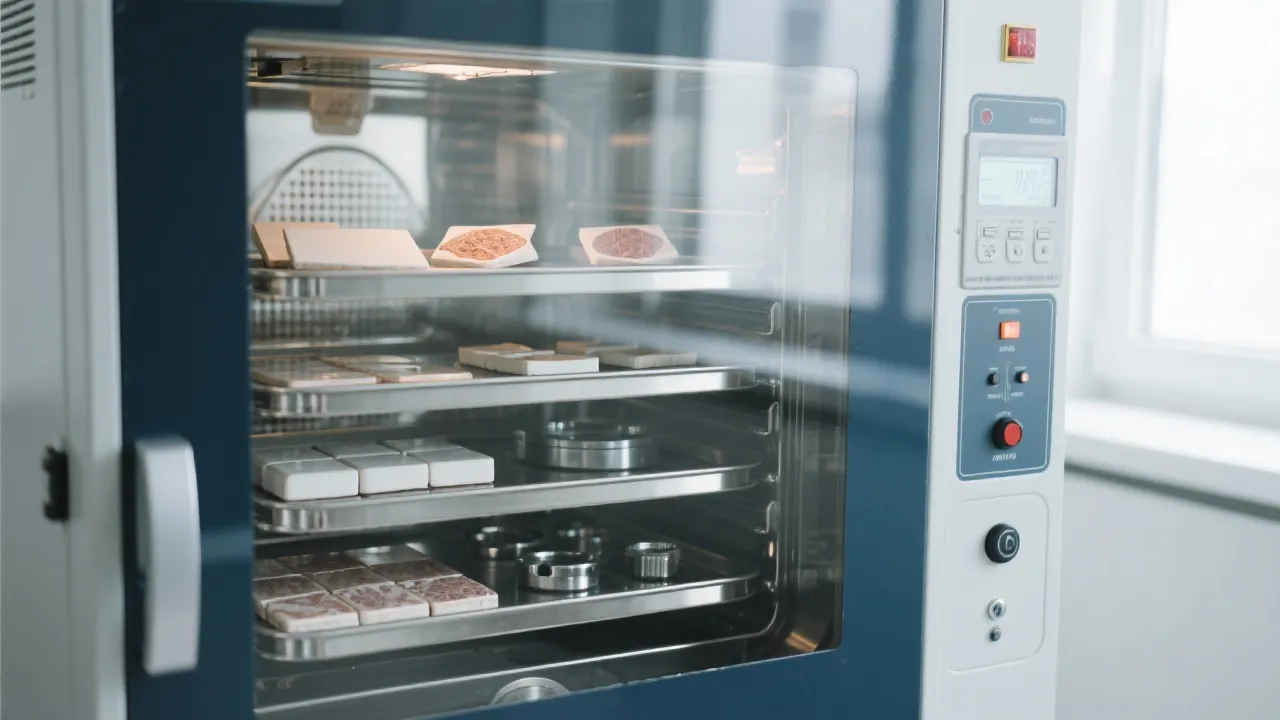
For example, in a university research lab in Germany, switching to a smart PID-controlled dryer reduced variability in polymer drying cycles from ±3°C to ±0.8°C, enabling better batch-to-batch consistency in nanomaterial synthesis.
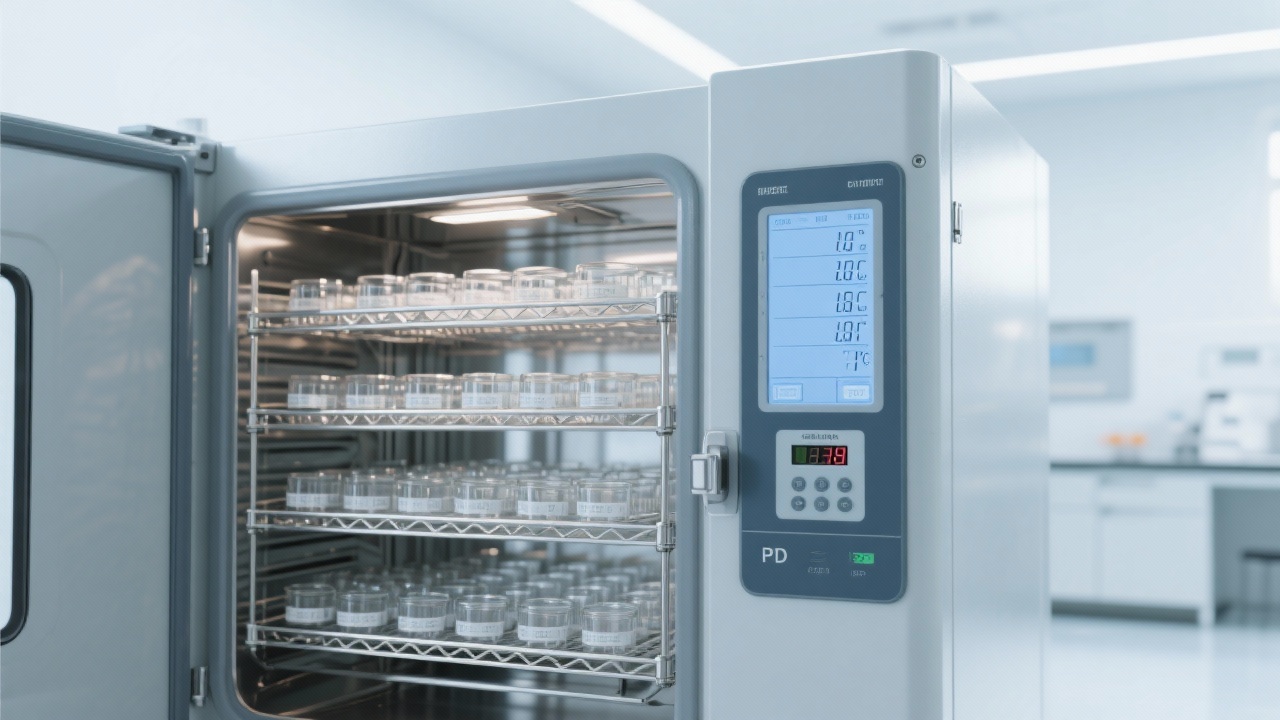
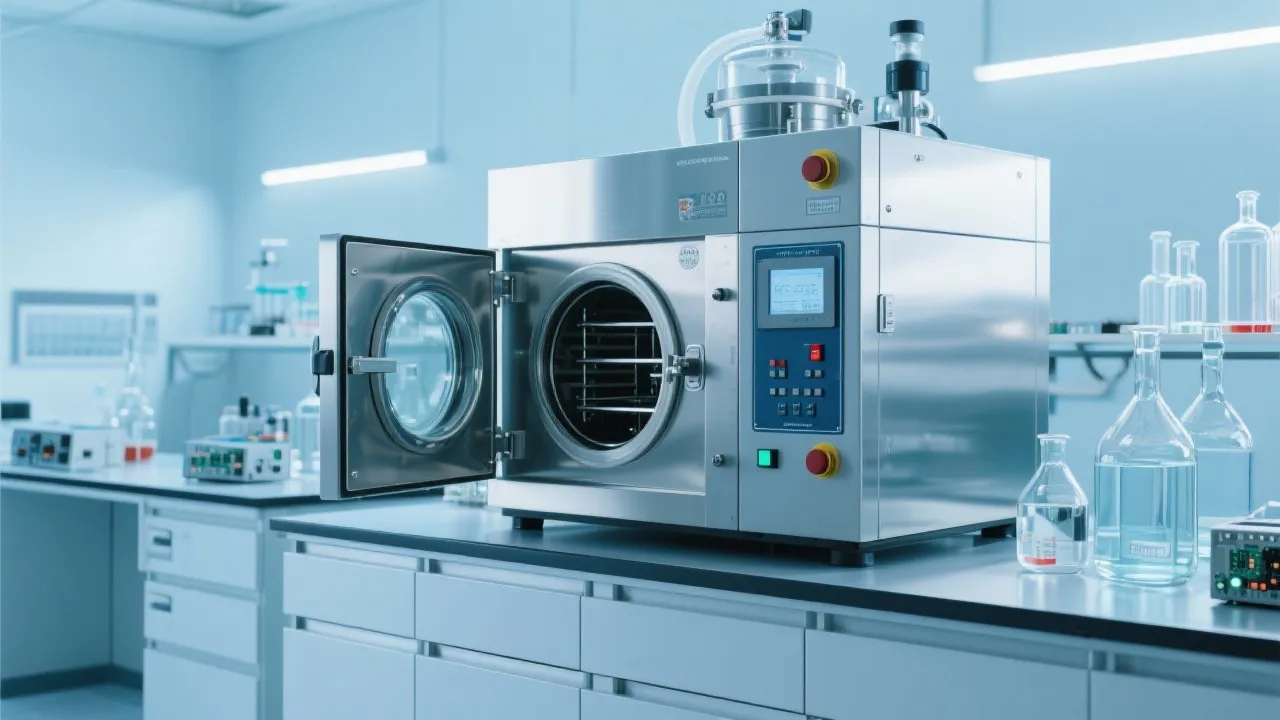
Comparison chart showing temperature stability before and after implementing smart PID control in lab drying processes

Choosing the Right System: Key Technical Indicators to Watch

Before purchasing, consider these metrics:

  • Response time: Should reach target temp within ≤15 minutes.
  • Stability: Maintain ±1°C for at least 60 minutes without manual adjustment.
  • User interface: Intuitive touchscreen with multi-language support (ideal for global teams).

If you're optimizing your lab's drying process or evaluating new equipment, it pays to understand what makes a truly reliable temperature control system. Whether you’re working in biotech, chemistry, or materials science, precision starts with the right foundation.

Ready to Upgrade Your Lab Drying Precision?

Get expert guidance on selecting the best smart PID-controlled lab dryer for your workflow.

Explore Smart Lab Dryer Solutions
Name *
Email *
Message*

Recommended Products

Popular articles
Recommended Reading

Related Reading

Contact us
Contact us
https://shmuker.oss-cn-hangzhou.aliyuncs.com/tmp/temporary/60ec5bd7f8d5a86c84ef79f2/60ec5bdcf8d5a86c84ef7a9a/thumb-prev.png