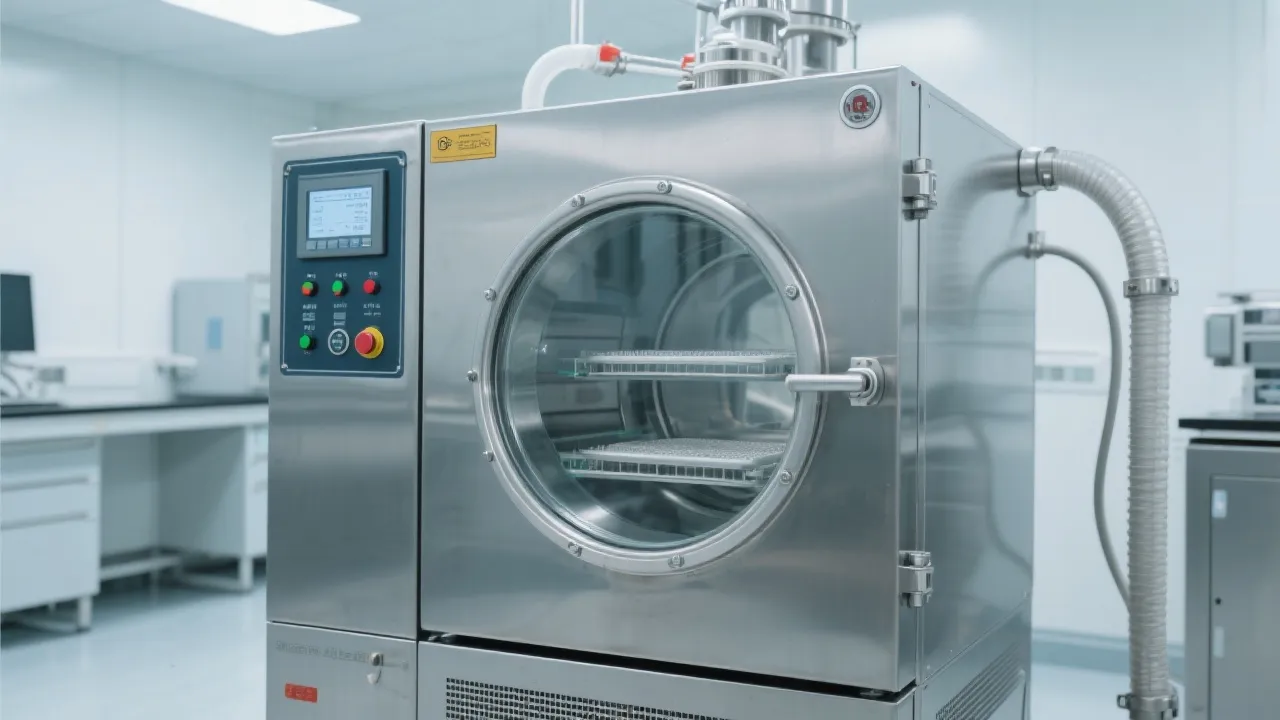
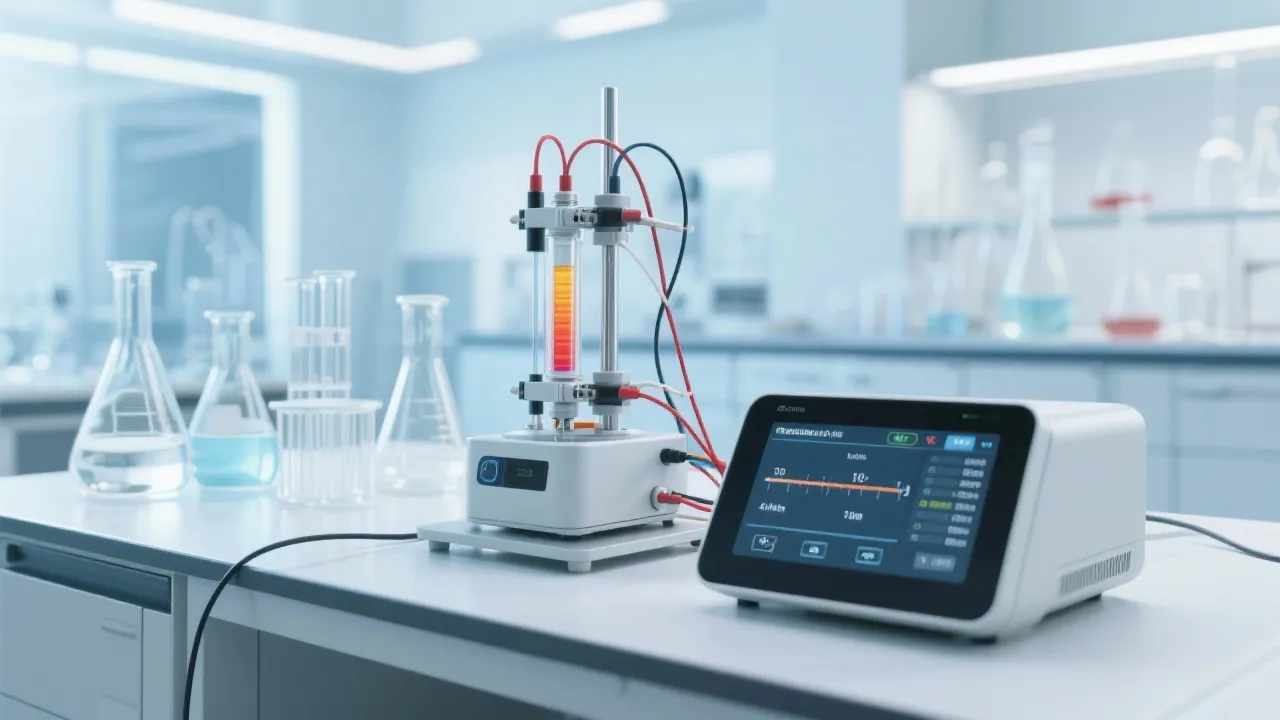
Comprehensive Guide to Selecting Small Vacuum Ovens: Key Parameters for Laboratory Drying Equipment
07 02,2026
Zhengzhou Keda Mechanical Instrument Equipment Co., Ltd.
Technical knowledge
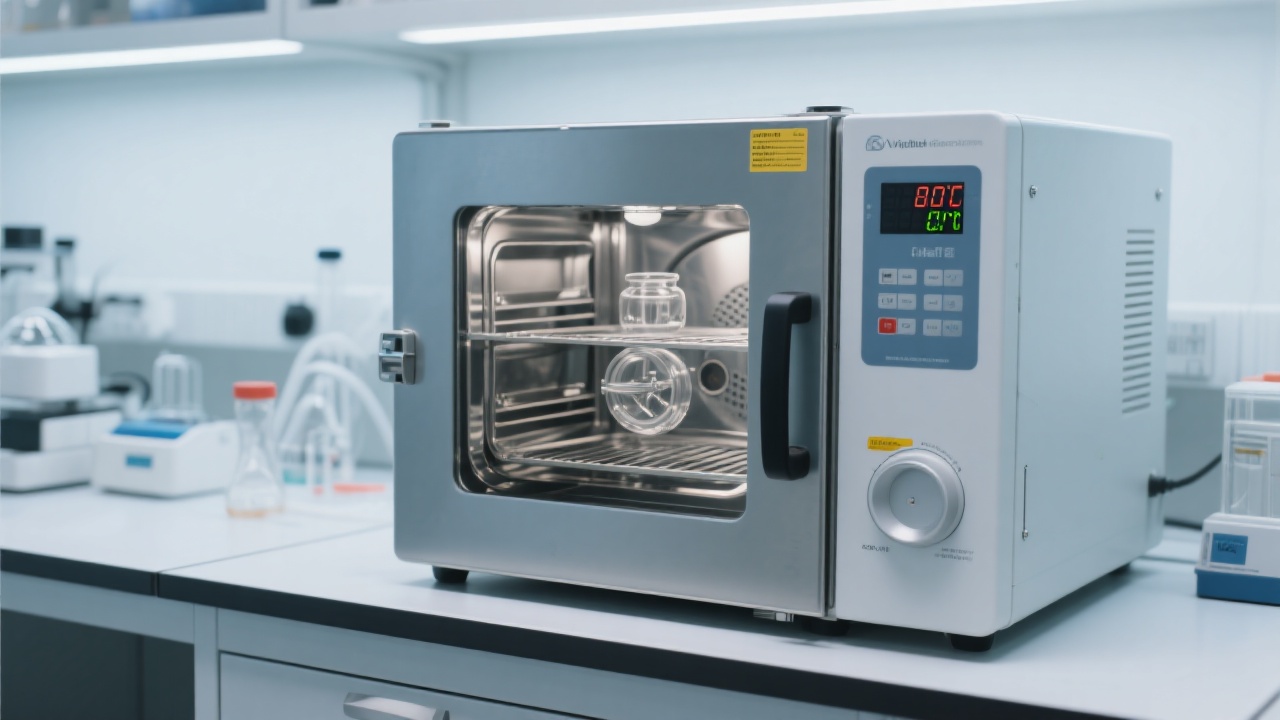
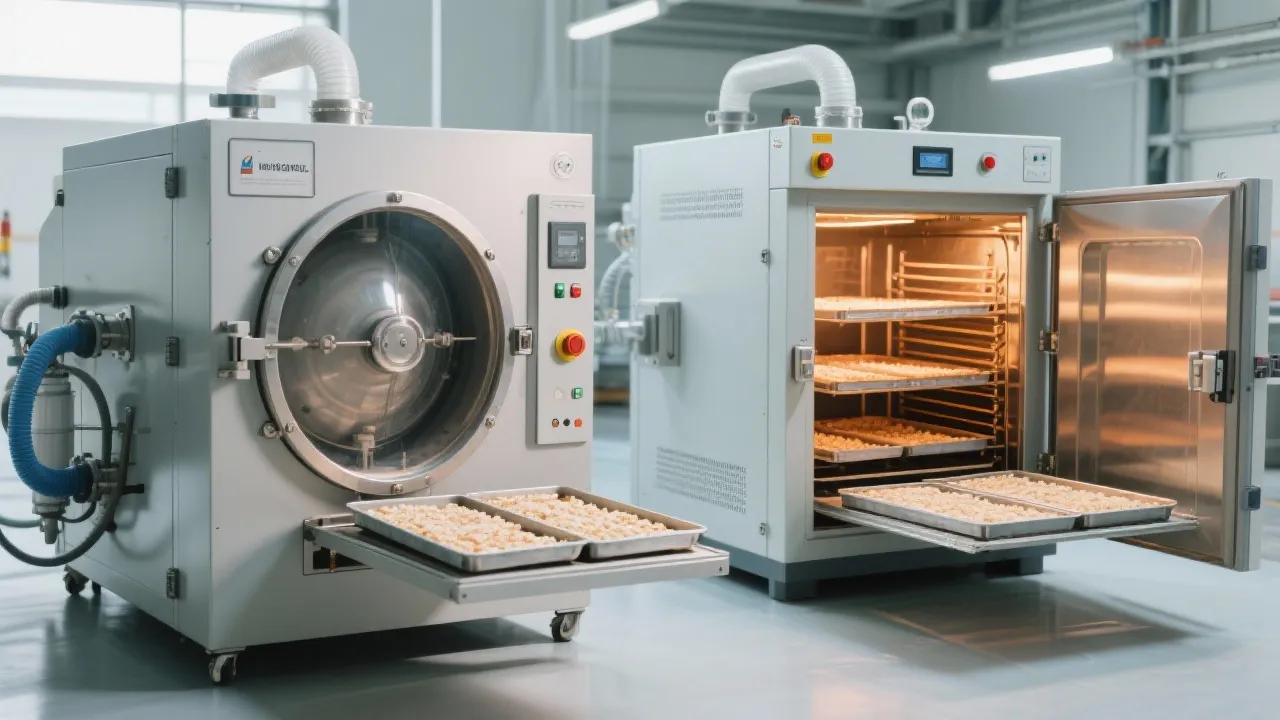
Are you looking to acquire a high-efficiency and safe small vacuum oven for your laboratory? This guide offers an in-depth analysis of essential parameters such as maximum vacuum level, heating power, inner chamber material, and workspace capacity. By examining application scenarios in pharmaceutical, electronics, and materials research industries, it helps researchers and lab managers precisely match equipment to their needs. Additionally, practical maintenance tips—like cleaning 304 stainless steel interiors, PID controller calibration, and vacuum pump upkeep—are provided to ensure reliable long-term operation. Professional and data-driven, this article assists you in avoiding common selection pitfalls while enhancing experimental efficiency and safety.
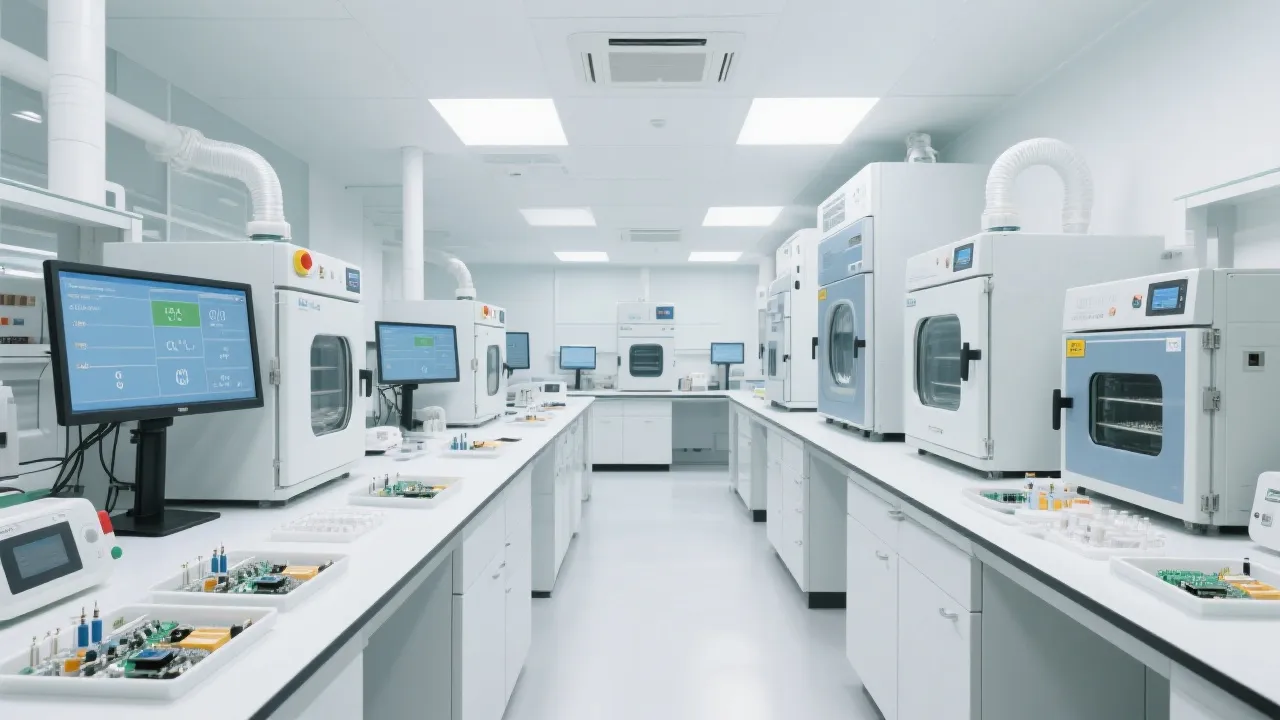
Small Vacuum Oven Buying Guide: Deep Dive Into Key Parameters for Laboratory Drying Equipment
Selecting an efficient and safe small vacuum oven for your laboratory can be daunting without a clear understanding of core technical specifications. This guide sheds light on four essential parameters—maximum vacuum level, heating power, chamber material, and volume capacity—helping you align equipment performance with diverse industry needs such as pharmaceuticals, electronics, and materials research. You'll also gain valuable insights on maintenance essentials, including cleaning 304 stainless steel interiors, PID temperature controller calibration, and vacuum pump servicing to ensure optimal, long-term operation.
1. Crucial Technical Indicators Before Choosing
Understanding these four fundamental technical specifications is critical before making a purchase:
- Maximum Vacuum Level: Quality small vacuum ovens typically achieve vacuum levels up to 0.098 MPa (98% vacuum). A deeper vacuum reduces drying time and improves material integrity.
- Heating Power: Ranges from 500W to 1500W, higher power ensures faster temperature ramp-up and stable heat distribution.
- Chamber Material: 304 stainless steel is preferred due to corrosion resistance, ease of cleaning, and extended durability vs. carbon steel.
- Working Chamber Volume: Common volumes vary from 10L to 50L; proper sizing avoids inefficiencies and ensures uniform drying.
Self-Test Tip: Measure your typical sample size and calculate volume needs with a 20-30% margin to optimize efficiency.
2. Industry-Specific Configuration Suggestions
Different sectors require tailored vacuum oven setups to maximize experimental outcomes:
| Industry |
Recommended Max Vacuum |
Ideal Heating Power |
Preferred Chamber Material |
Common Chamber Volume |
| Pharmaceuticals |
0.095 MPa |
1000W |
304 Stainless Steel |
20L-30L |
| Electronics |
0.098 MPa |
1200W |
304 Stainless Steel |
15L-25L |
| Materials Research |
0.090 MPa |
1500W |
304 Stainless Steel |
30L-50L |
3. How Internal Structure Affects User Experience
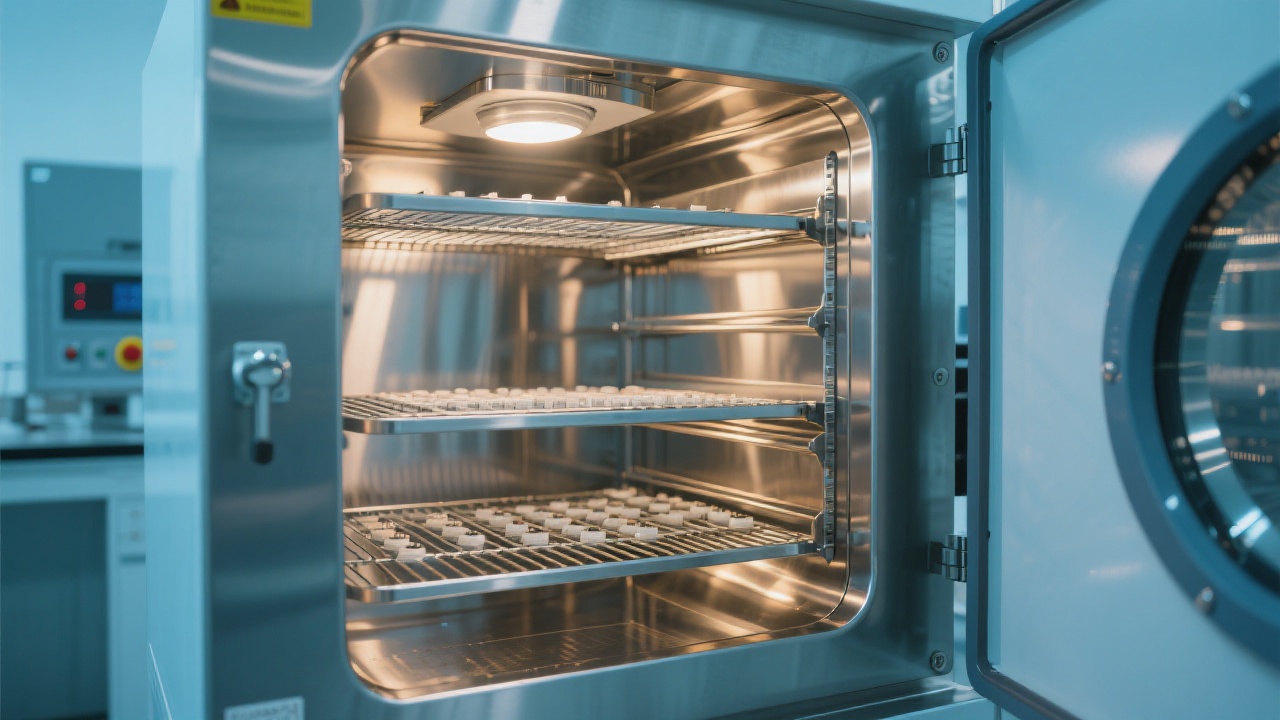
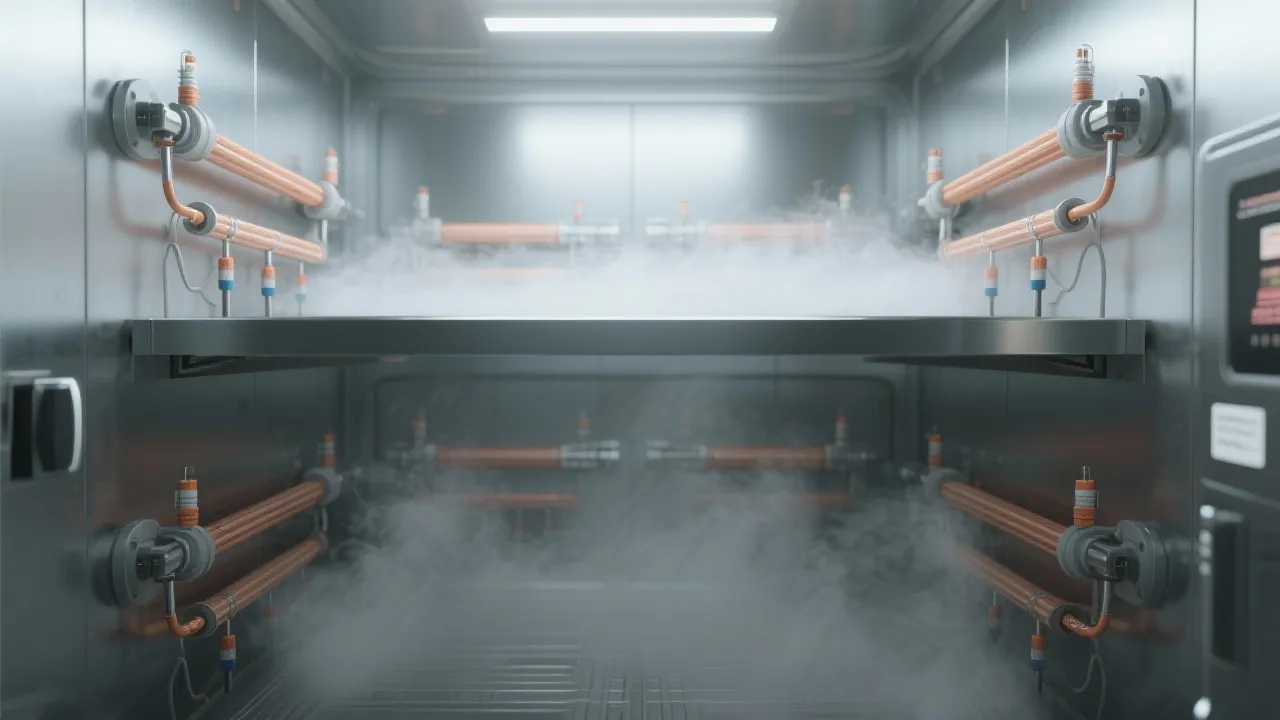
The choice of chamber material significantly impacts durability, cleaning ease, and experimental repeatability. 304 stainless steel stands out for:
- Superior corrosion resistance to acidic/alkaline vapors common in labs
- Smooth surfaces facilitating residue-free cleaning and longer lifespan
- Improved thermal conductivity allowing for more uniform temperature distribution
Compared to conventional carbon steel chambers, which often rust and degrade, stainless steel interiors yield higher reliability over years of use.
4. Precision Advantage of PID Temperature Control and Calibration Routine
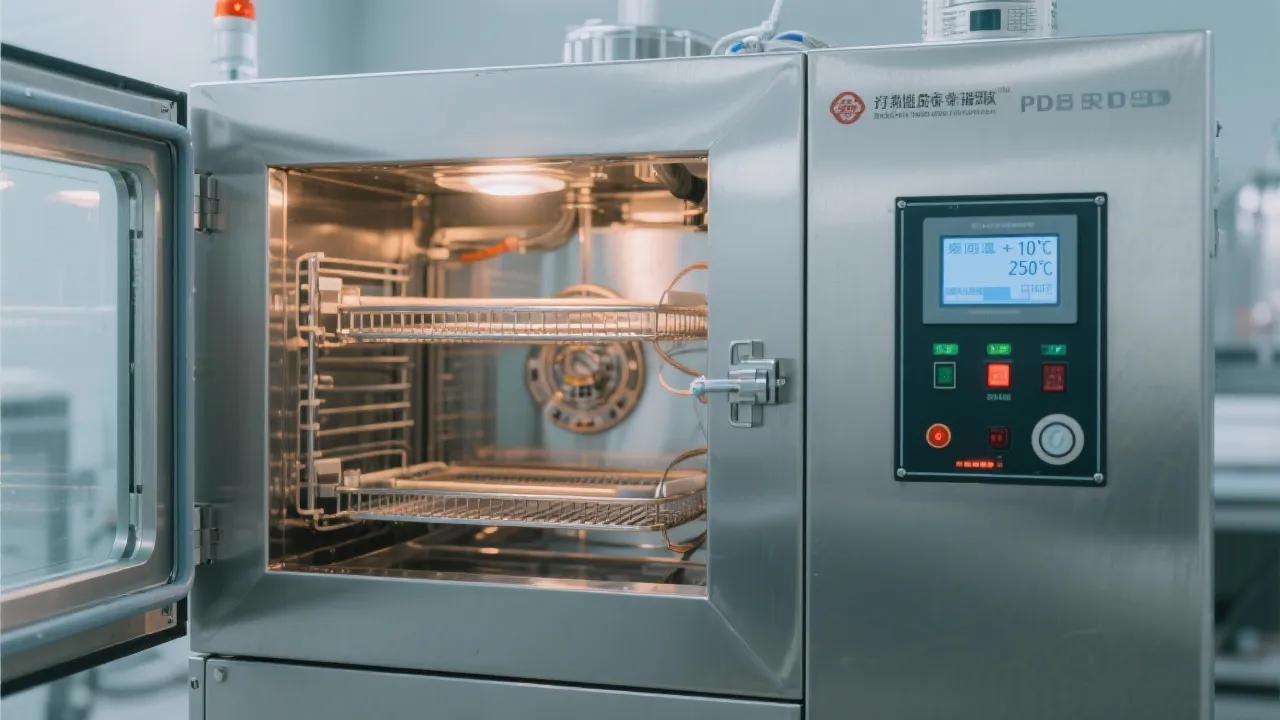
PID (Proportional-Integral-Derivative) controllers maintain oven temperature within ±0.5°C accuracy. This precision is crucial for consistent drying cycles and avoiding thermal degradation of sensitive samples.
Regular calibration—recommended every 6 months—ensures sensor accuracy and maintains process repeatability. Neglecting calibration risks skewed results and potential experiment failures.
5. Daily Maintenance Checklist for Longevity and Stability
- Cleaning: Use mild detergent and soft cloth to clean 304 stainless steel inner chambers weekly.
- Seal Inspection: Check door gaskets monthly for cracks or leaks to maintain vacuum integrity.
- Vacuum Pump Maintenance: Service or replace pump oil bi-annually to ensure consistent vacuum levels.
- Fault Indicator Monitoring: Pay attention to error codes and alarms for early issue detection.
6. Common Misconceptions Clarified
A frequent misunderstanding is that “the higher the vacuum, the better the outcome.” While deeper vacuum can speed drying, going beyond equipment design limits risks vacuum pump strain and diminished returns on efficiency. Instead, prioritize balance between vacuum level, heating power, and sample nature.
7. Extending Equipment Life Through Proper Operation
Adopting standardized operating procedures—including gradual temperature ramp-up, correct load distribution, and compliance with manufacturer guidelines—minimizes wear and prevents hazards. Combining this with proactive maintenance safeguards your vacuum oven investment and experimental safety.