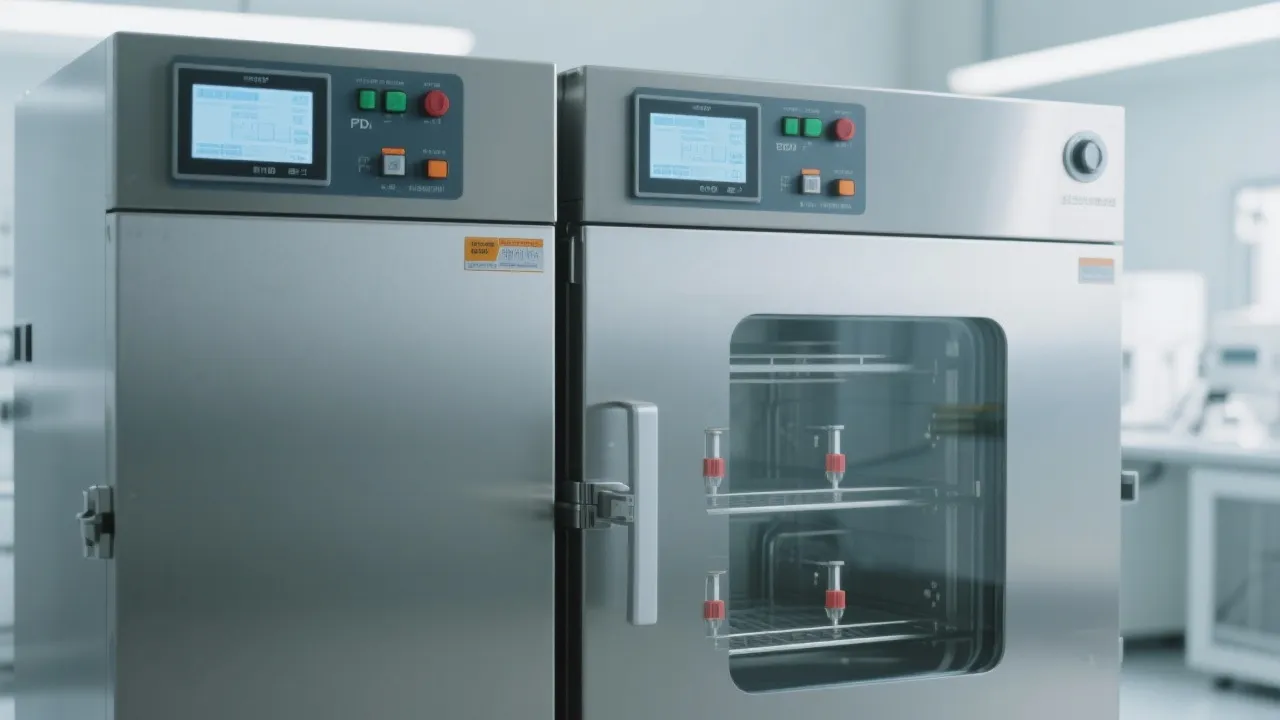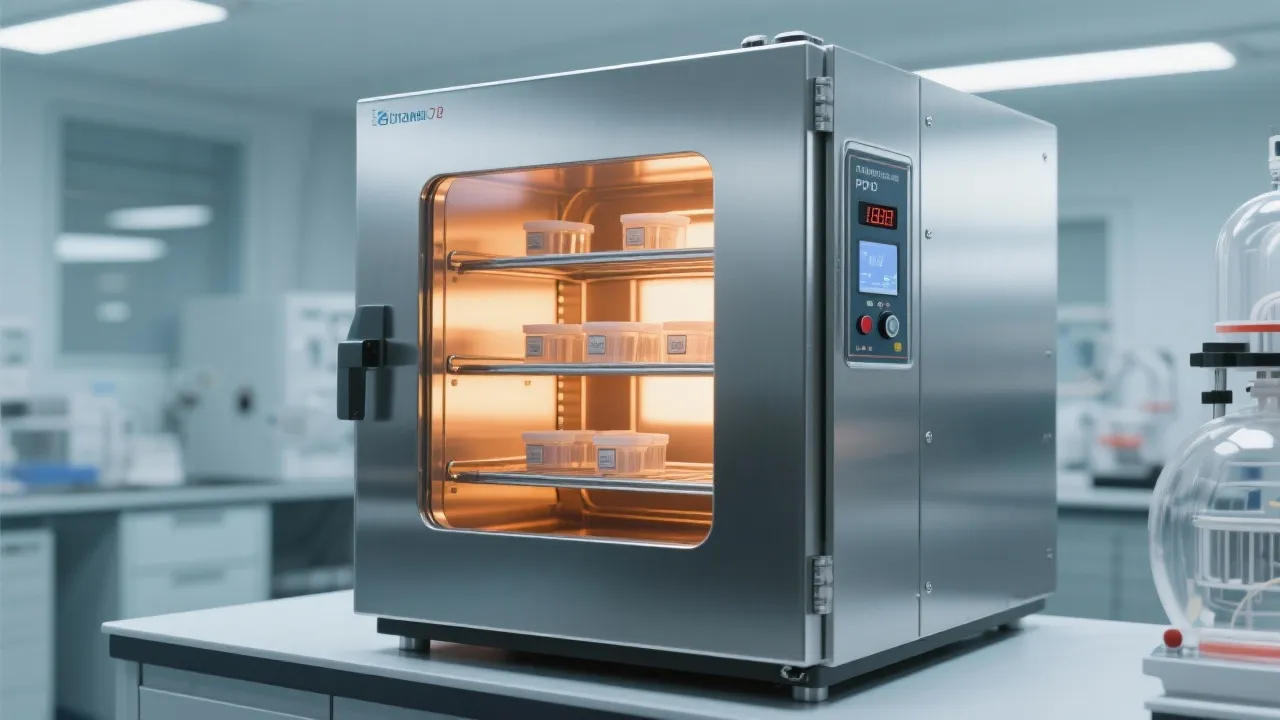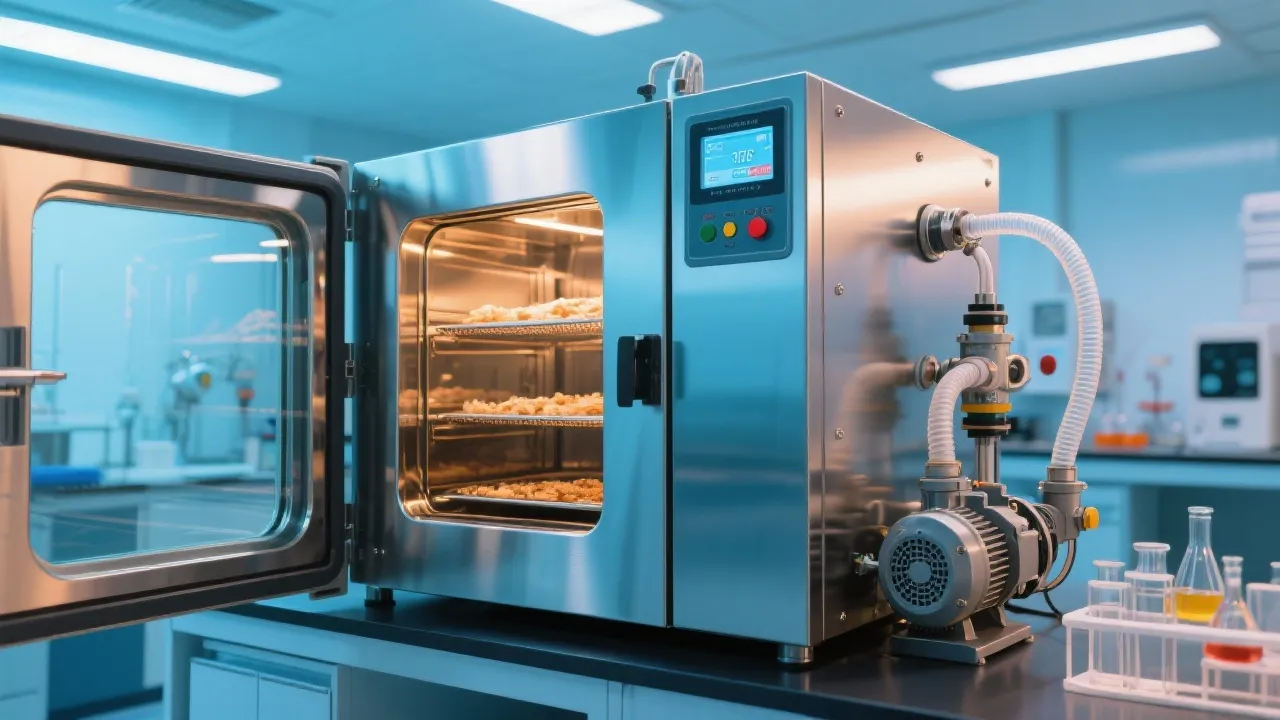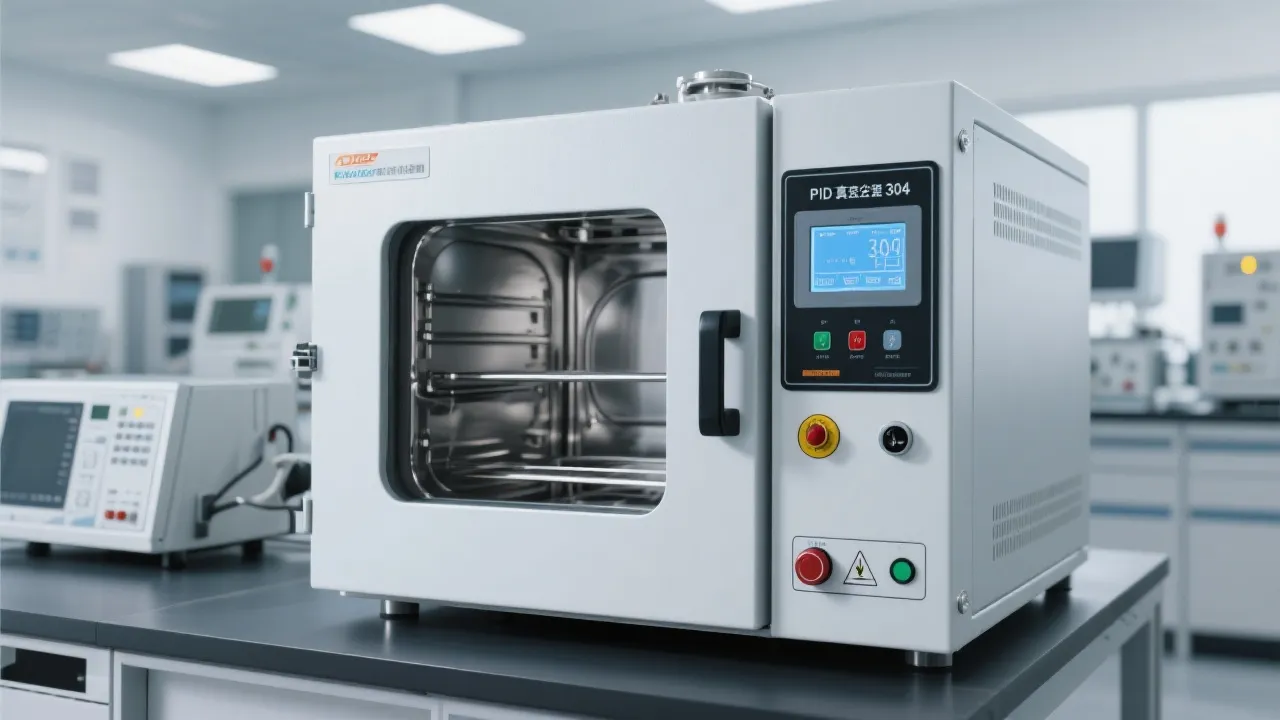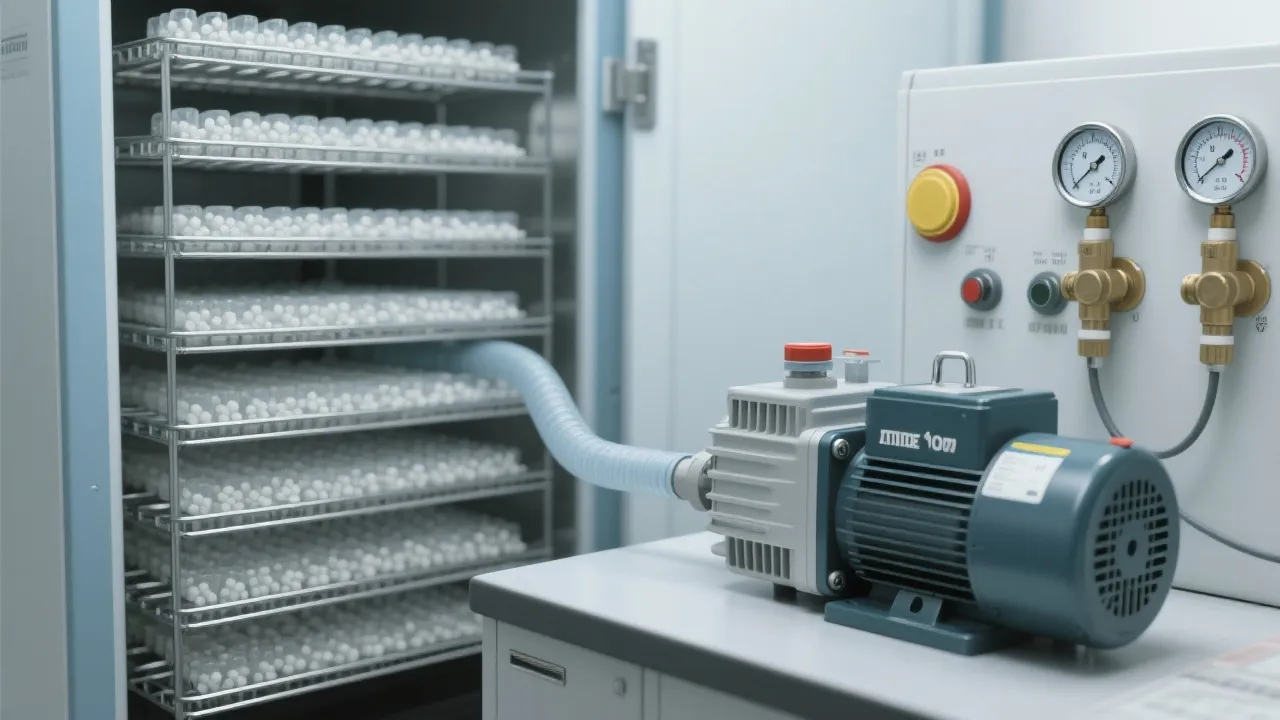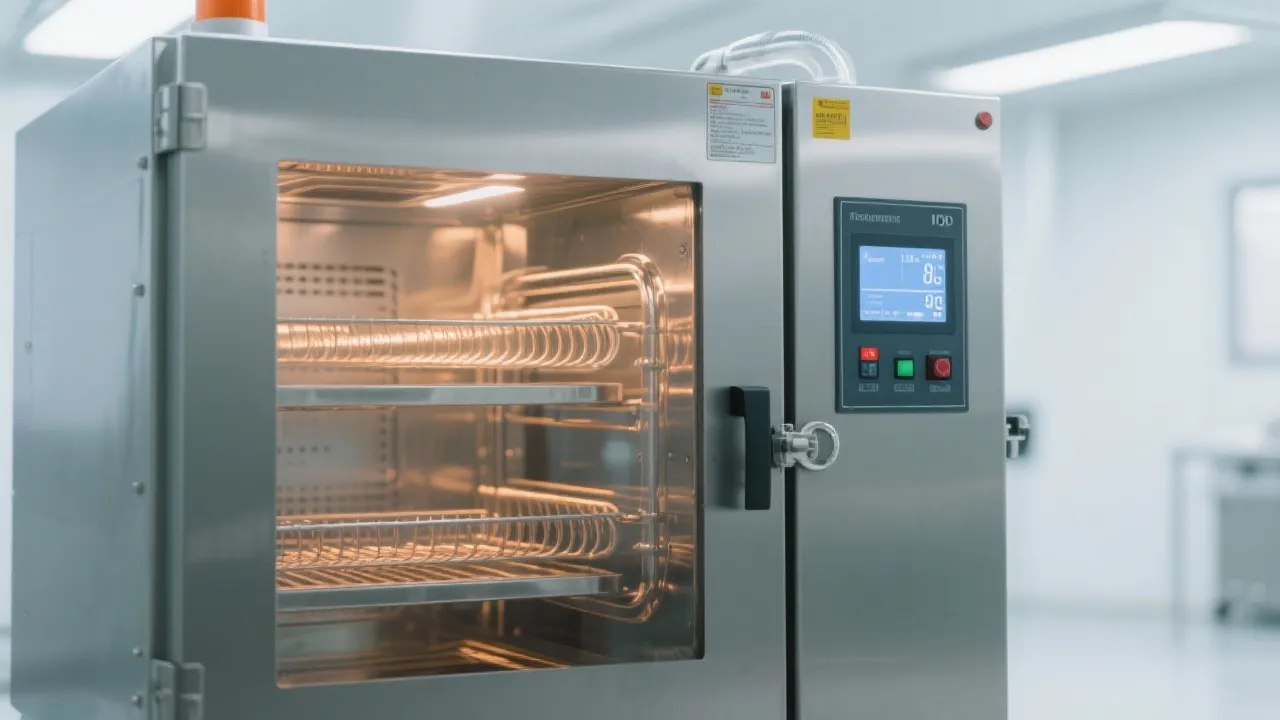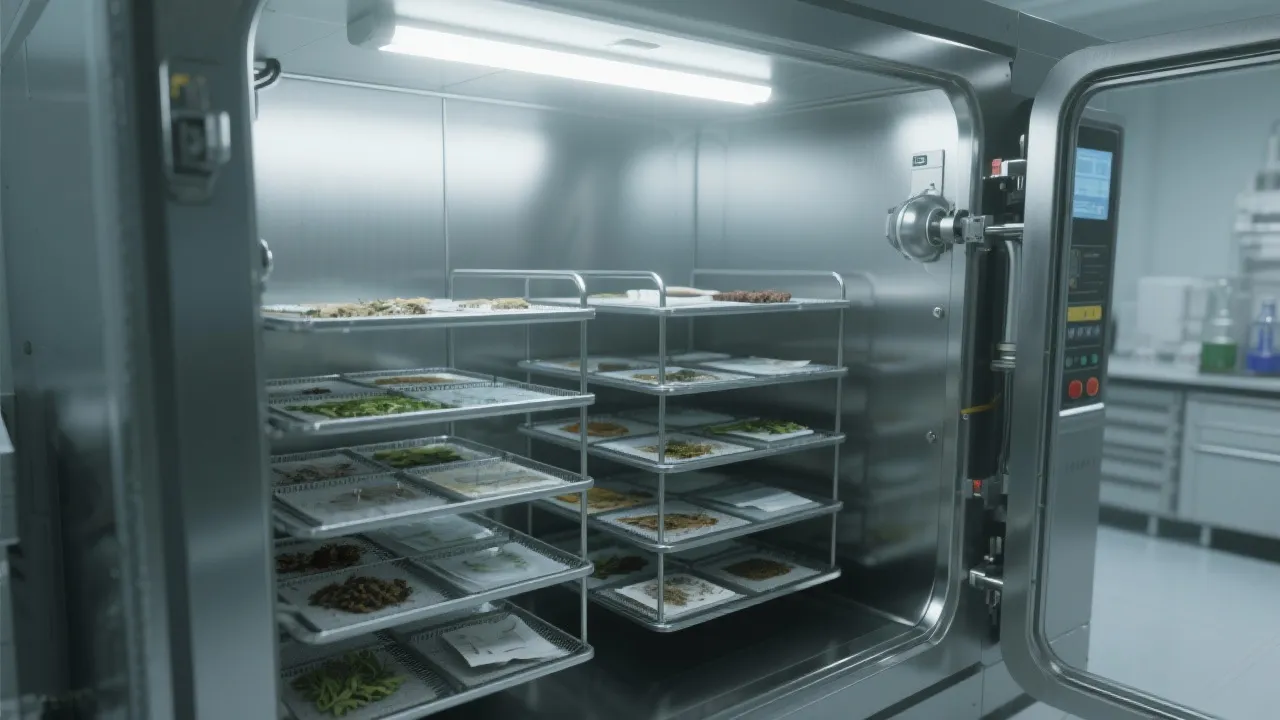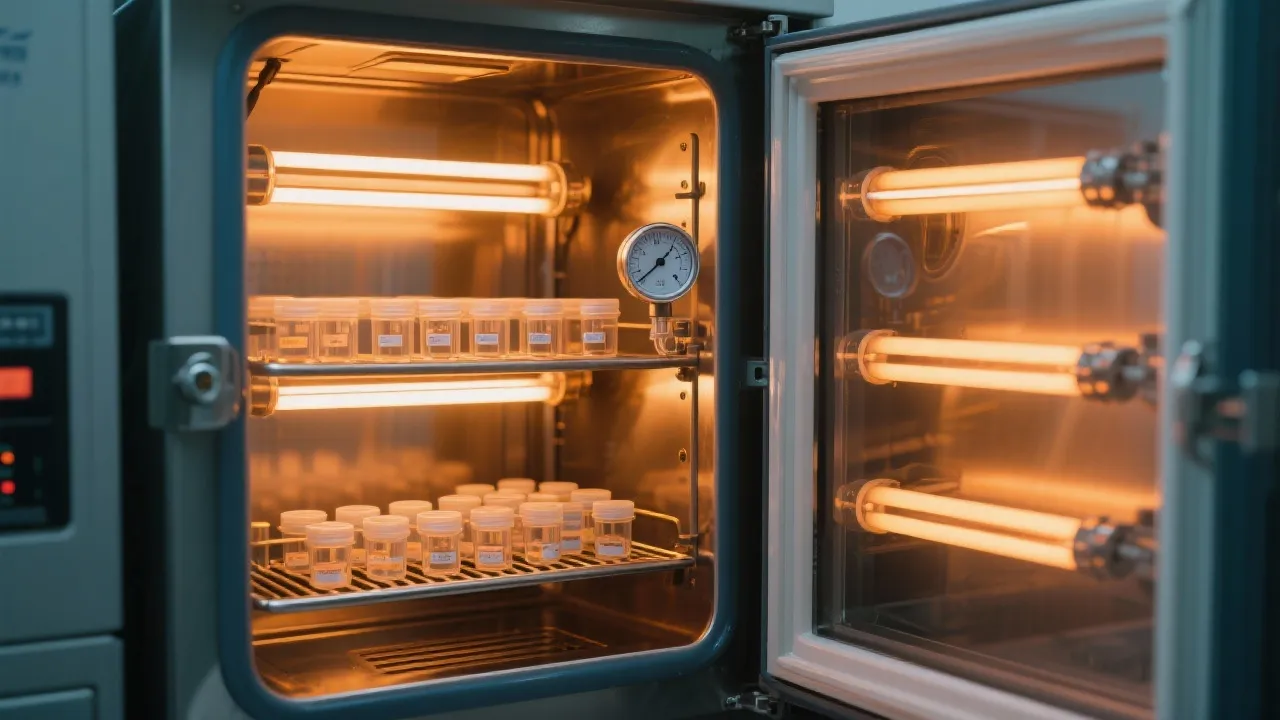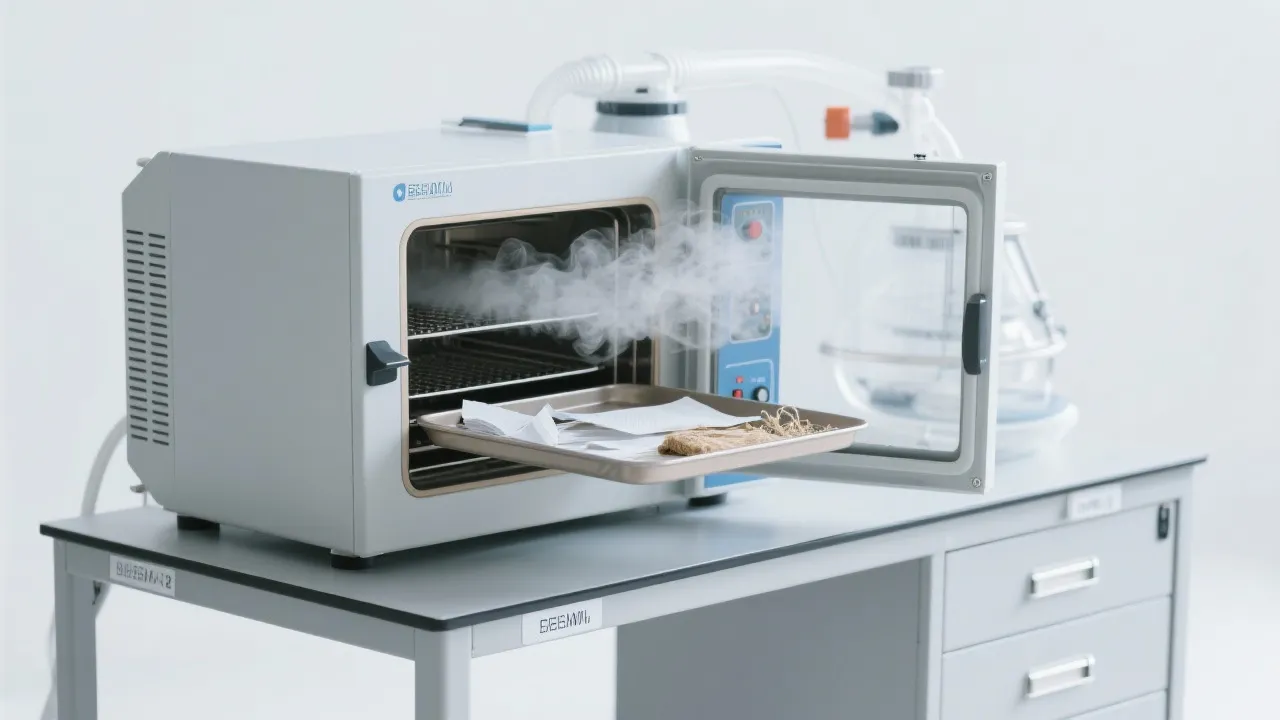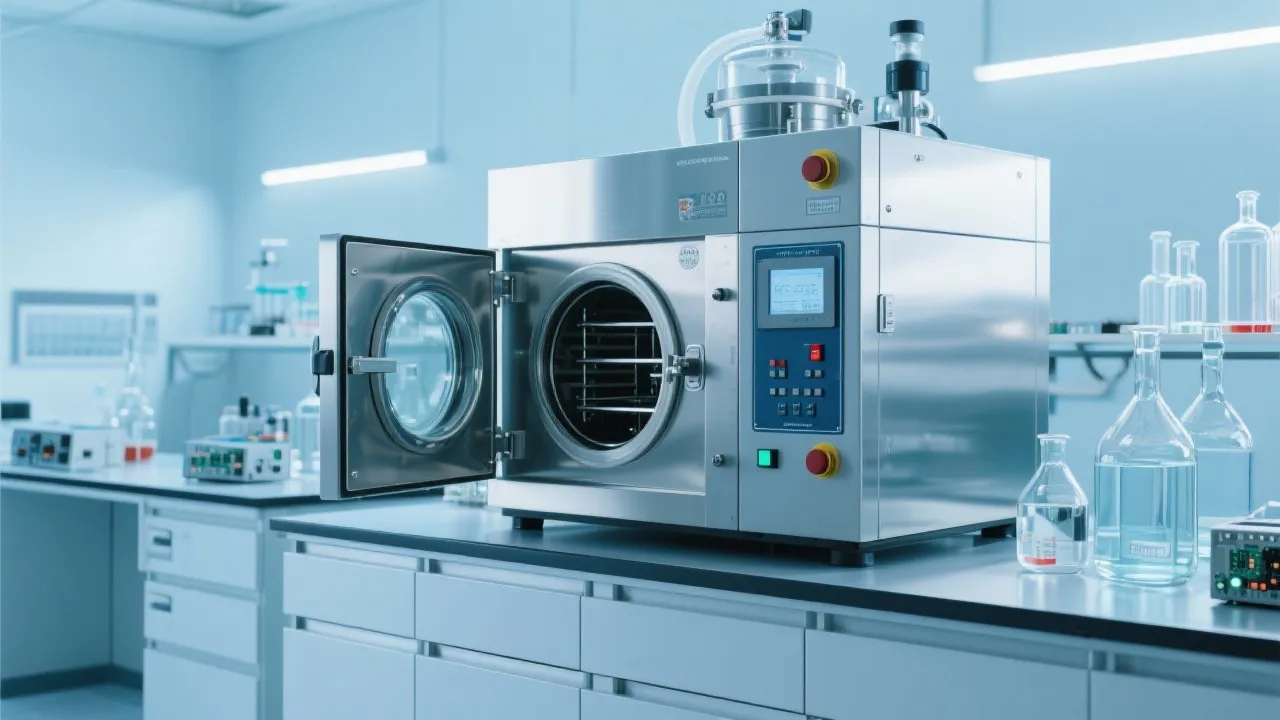
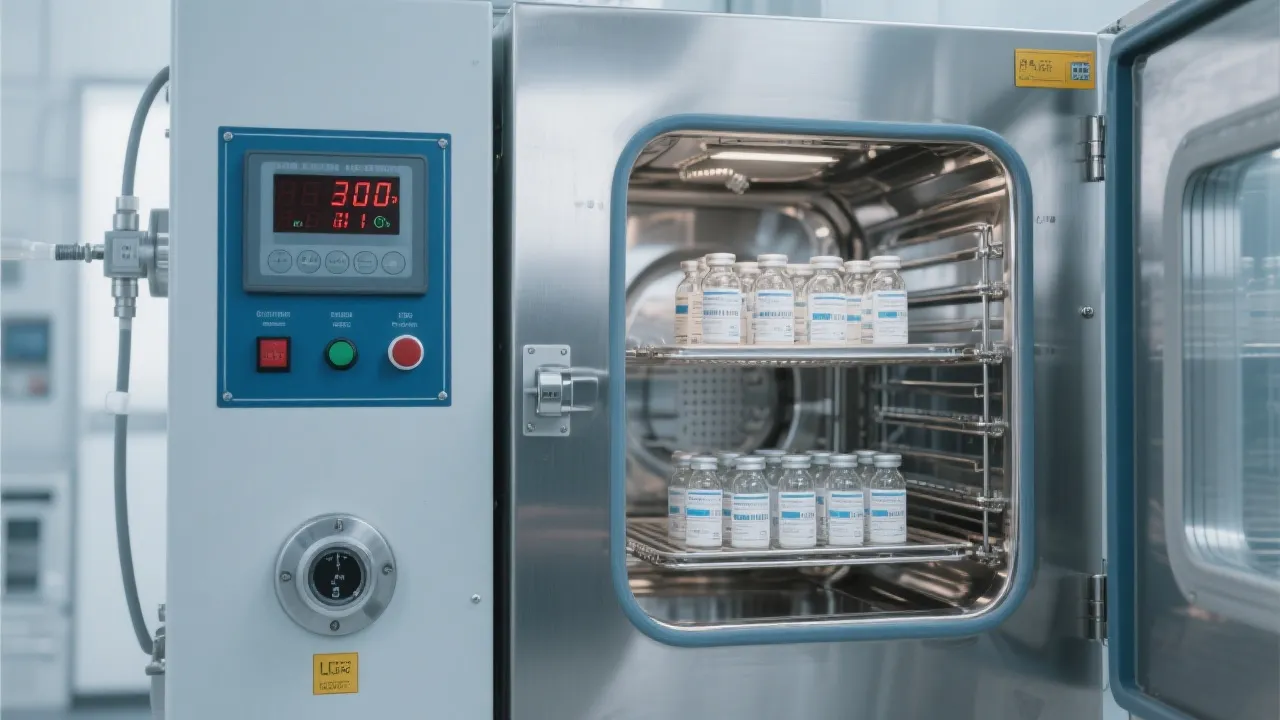
You're not alone if your organic or high-polymer samples degrade unexpectedly during drying—this is a common pain point for researchers using conventional ovens. The key? Mastering the use of a vacuum drying oven, such as the DZ-3BCII model, which creates an oxygen-free environment essential for preserving sample integrity.
In material science, even trace oxygen can cause oxidation in sensitive compounds like polymers, biomaterials, or catalysts. A standard hot-air dryer may seem efficient—but it accelerates degradation. With precise vacuum control (typically 10–50 mbar), you remove moisture while minimizing thermal stress and chemical reactions. This leads directly to better reproducibility across experiments—a must for peer-reviewed publications.
| Parameter | Recommended Setting | Purpose |
|---|---|---|
| Vacuum Level | 10–50 mbar | Prevents oxidation, speeds up drying |
| Temperature Range | Room temp to 200°C | Avoids thermal decomposition |
| Time Programming | Customizable cycles | Ensures consistent results |
For organic materials (e.g., resins, dyes): Start at lower temps (40–60°C) under moderate vacuum to avoid bubbling or cracking. For biological samples (proteins, cells): Use gentle ramp-up profiles—no sudden heat spikes. And for inorganic powders? Higher temperatures (up to 150°C) are safe once full vacuum is achieved.
Many labs mistakenly assume that “faster = better.” But skipping pre-vacuum stabilization often causes uneven drying—and wasted time, effort, and reagents. That’s why setting a proper cooldown phase matters just as much as the heating step.
While freeze-drying excels for delicate biologics, it's slower, more expensive, and requires specialized equipment. Vacuum dryers offer a faster, safer alternative for most materials—especially when working with thermally stable substances like ceramics or certain polymers. They also reduce energy consumption by up to 30% compared to traditional ovens.
Your goal isn’t just to dry—it’s to preserve. Proper vacuum drying boosts experiment success rates, reduces waste, and ensures your data stands up to scrutiny from collaborators, reviewers, or funding bodies.
Discover how the DZ-3BCII vacuum drying oven helps scientists avoid oxidation and boost reliable results—without compromising speed or safety.
Explore the DZ-3BCII Now →