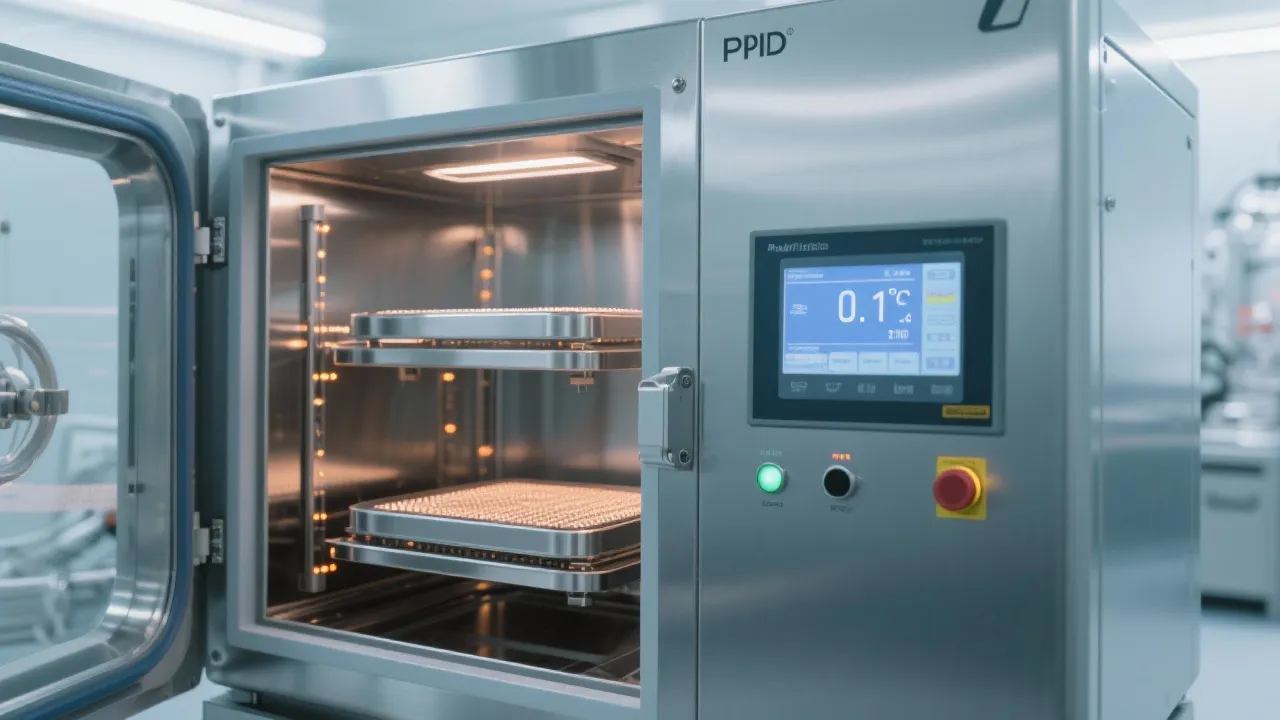
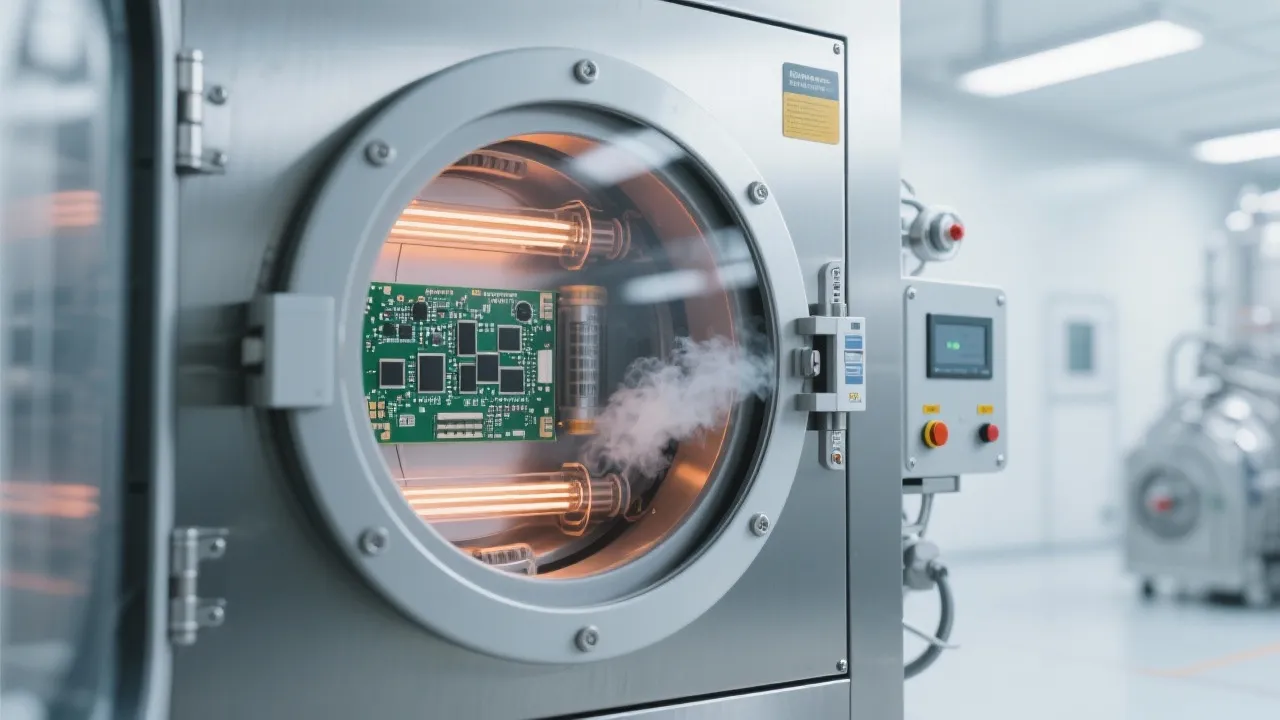
Precision Dual-Zone PID Temperature Control for Industrial Vacuum Drying: Enhancing Electronics Curing and Material Degassing
02 01,2026
Zhengzhou Keda Mechanical Instrument Equipment Co., Ltd.
Solution
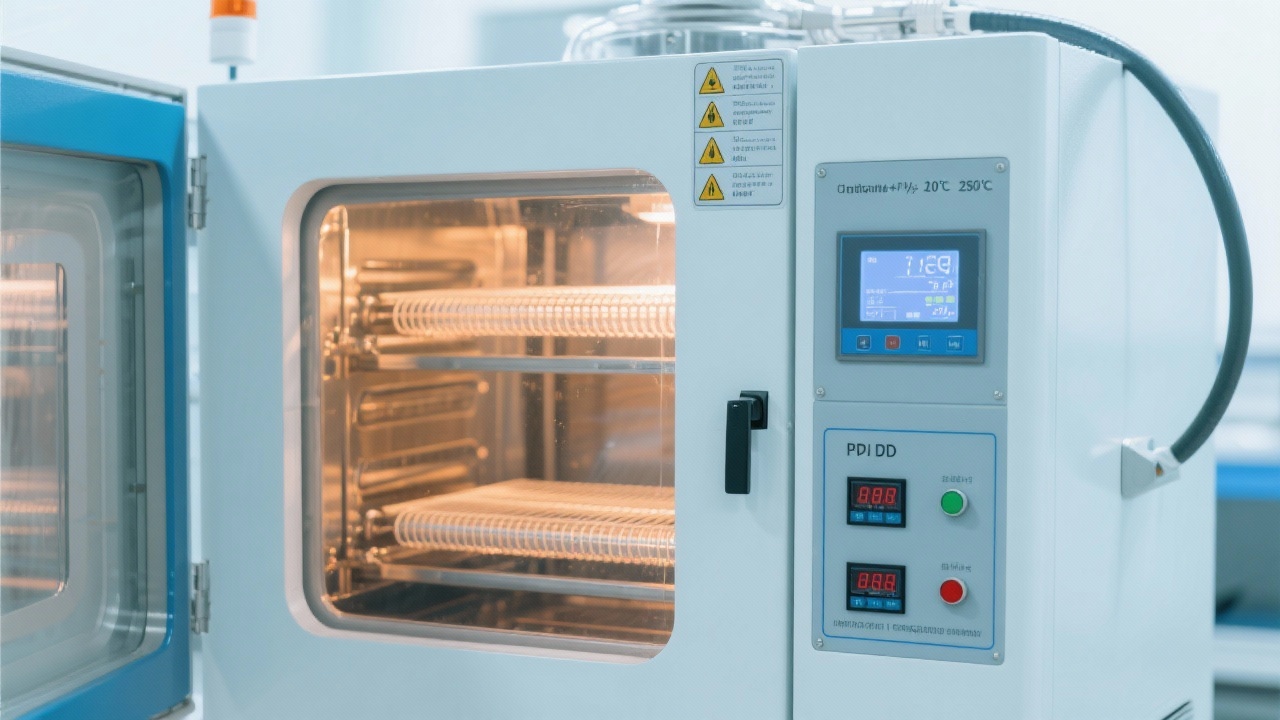
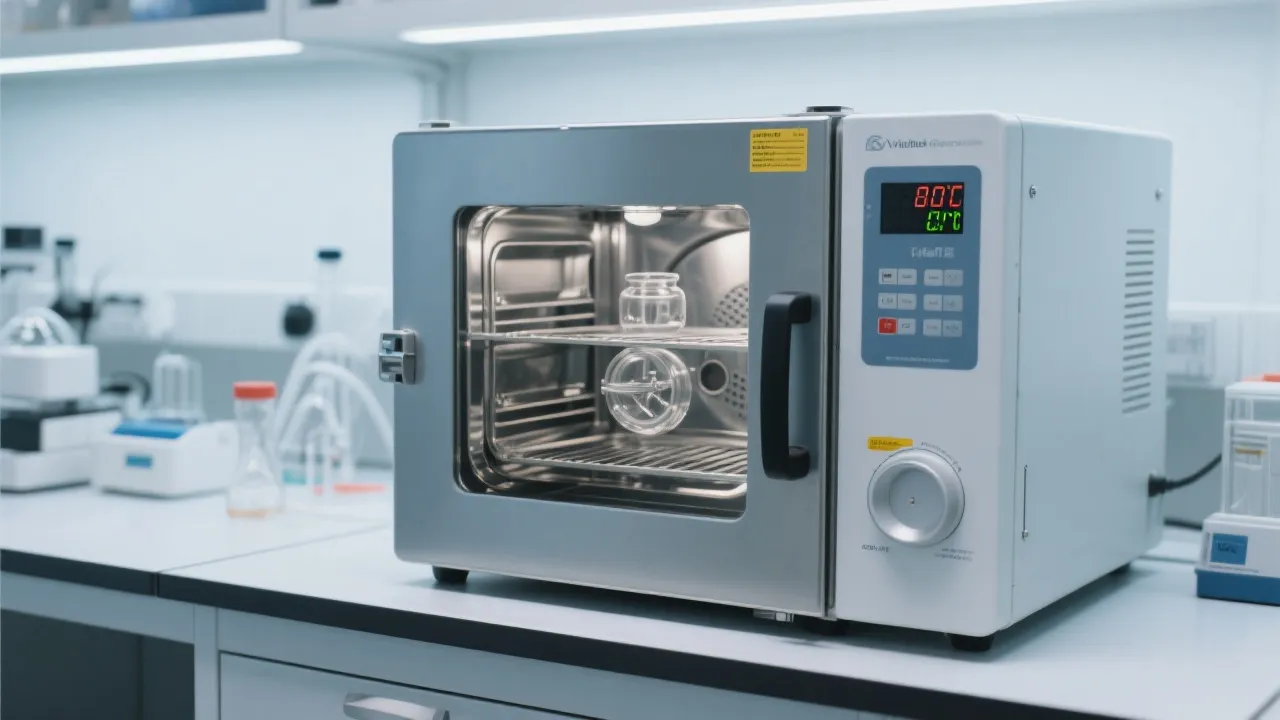
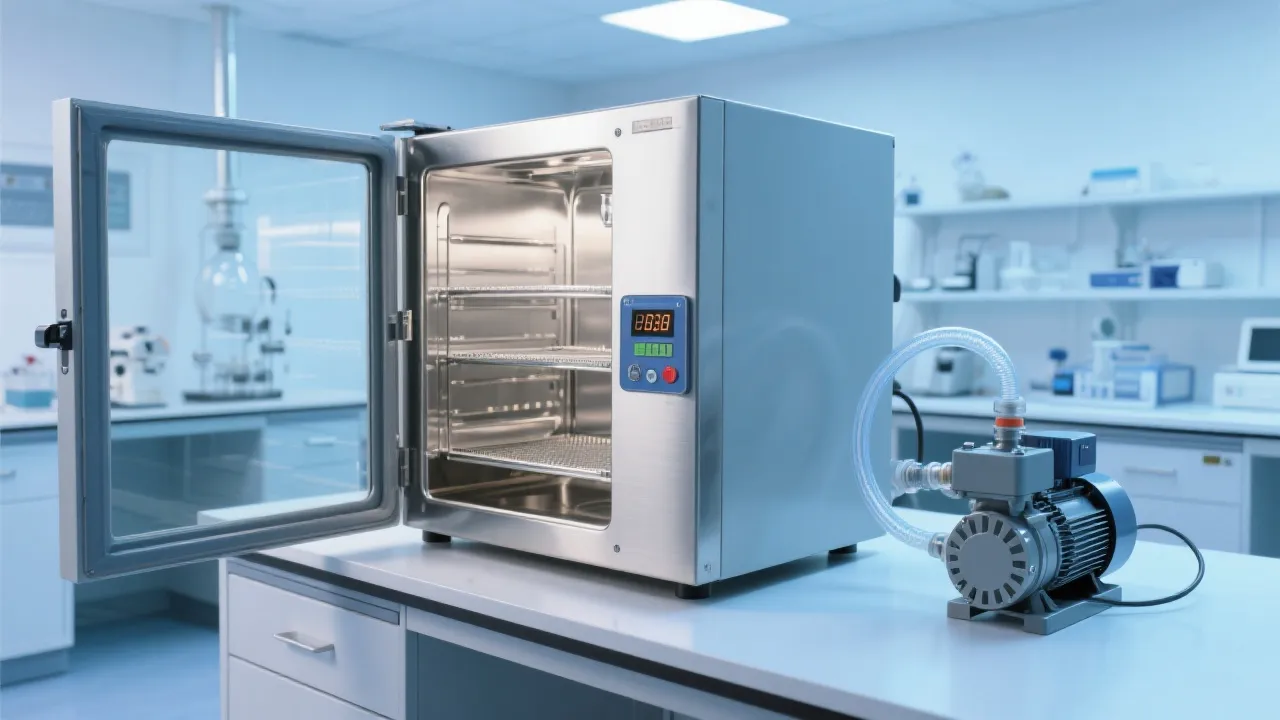
This article explores the high-precision dual-zone PID intelligent temperature control system integrated in the DZ-2BCII vacuum drying oven by Zhengzhou Keda Machinery & Instruments Co., Ltd. It addresses critical temperature regulation challenges in industrial and research vacuum drying applications. Beginning with the impact of temperature fluctuations on drying processes, it highlights the rapid response and accuracy advantages of intelligent control technology. Through detailed case studies on electronics curing and material degassing, the article demonstrates how the system enhances process stability, product quality, and operational safety. The discussion also emphasizes the importance of features like power-off memory in maintaining continuous process integrity. Designed for technical engineers and process managers, this analysis offers practical insights to optimize vacuum drying performance and drive reliable industrial outcomes.
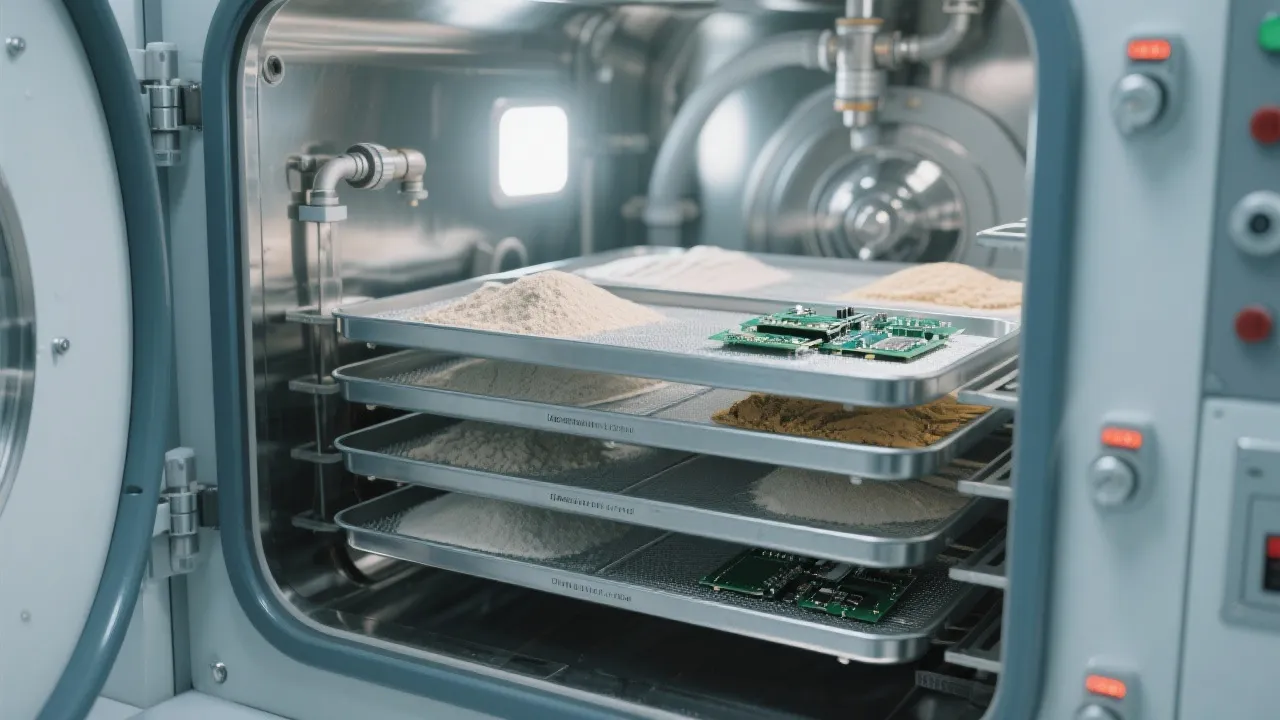
From Electronic Component Curing to Material Degassing: The Practical Role of High-Precision Temperature Control in Industrial Vacuum Drying
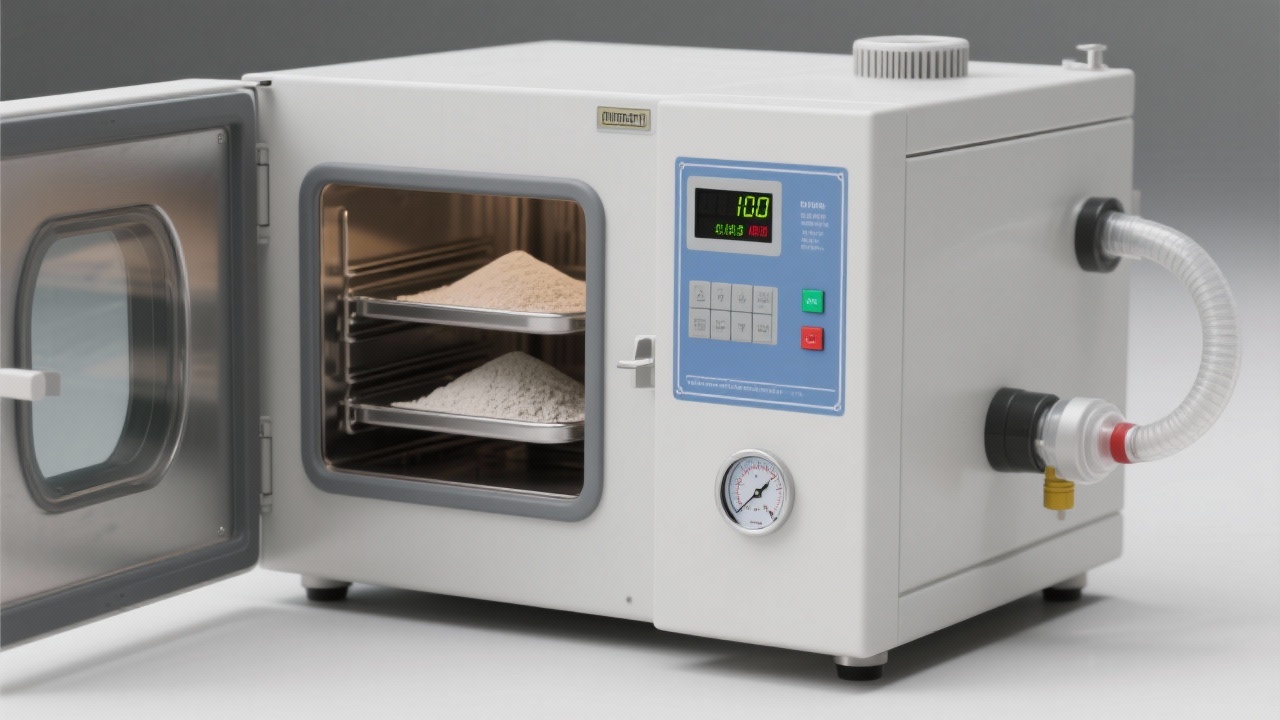
Maintaining exact temperature stability during industrial vacuum drying processes is critical to ensure product quality and process efficiency. The DZ-2BCII vacuum drying oven from Zhengzhou Keda Mechanical & Instrument Equipment Co., Ltd., equipped with a state-of-the-art dual-zone PID intelligent temperature control system, offers a robust solution to the long-standing challenge of temperature fluctuations in complex drying applications such as electronic component curing and material degassing.
Understanding the Temperature Control Challenge in Vacuum Drying
Industrial vacuum drying demands tight thermal regulation under reduced pressure conditions where minor temperature deviations can jeopardize product integrity. Common issues include inconsistent drying rates, thermal overshoot or undershoot, and delayed response times to setpoint changes—factors that cumulatively affect batch uniformity and can lead to costly reworks.
For instance, in electronic component curing, temperature oscillations exceeding ±1.5°C can cause incomplete polymerization, leading to compromised electrical performance. Similarly, during material degassing, unstable temperature control slows the release of volatile impurities, extending processing time and reducing throughput.
Dual-Zone PID Intelligent Control: A Technological Edge
The DZ-2BCII's dual-zone PID controller finely calibrates two critical heat zones independently, allowing for superior spatial temperature uniformity. The PID algorithm dynamically adjusts heating power with a response time usually below 5 seconds, minimizing overshoot within ±0.3°C of the target temperature.
Key technical highlights include:
- Adaptive Proportional-Integral-Derivative (PID) algorithms finely tuned for vacuum drying thermodynamics;
- Dual independent heating circuits optimizing uniform heat distribution;
- Integrated temperature sensors for real-time feedback and self-correction;
- Power failure memory function preserving the last operational state to ensure continuity post-interruption.
“High-precision temperature control is not a luxury but a necessity in vacuum drying. The ability to maintain temperature fluctuation within ±0.3°C directly correlates with consistent product quality and operational efficiency.” – Process Engineer at Zhengzhou Keda
Case Studies: Enhancing Industrial Applications Through Precision
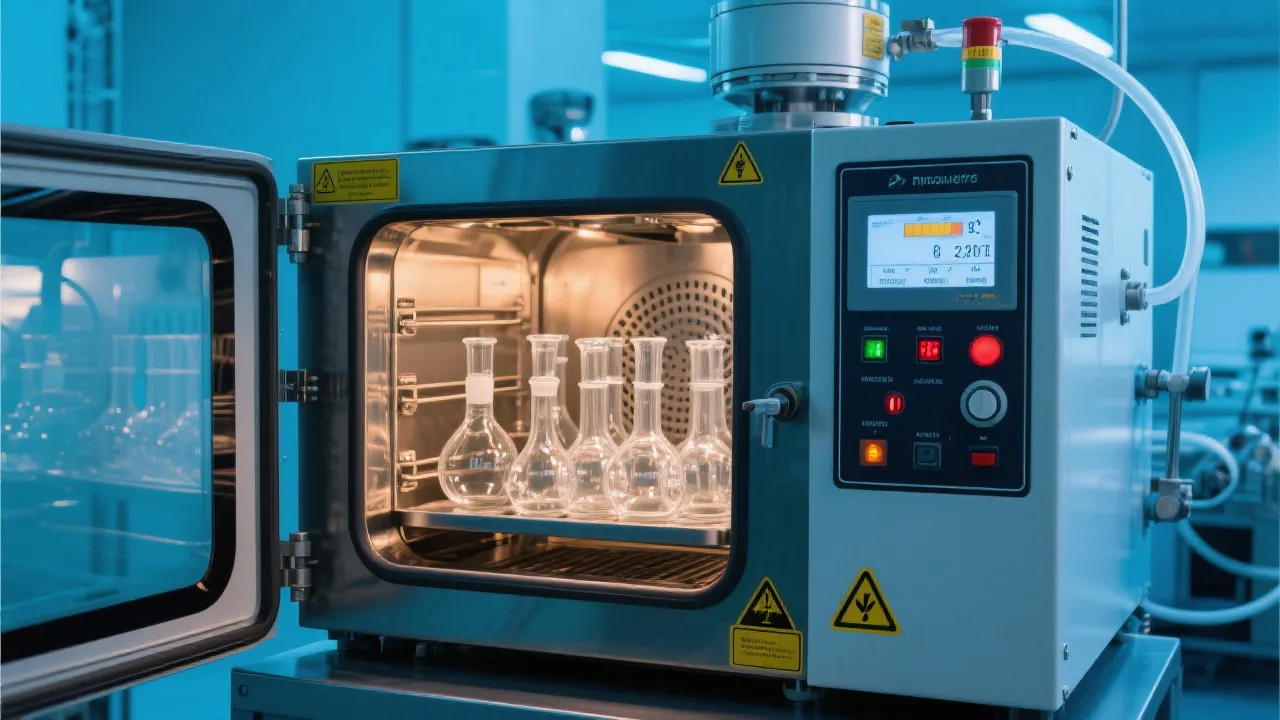
Electronic Component Curing: Testing indicates that the dual-zone PID system reduces curing time variability by 25%, elevating the yield of defect-free components by over 18%. The quick temperature recovery after door opening further prevents moisture condensation, a known risk factor in microelectronics.
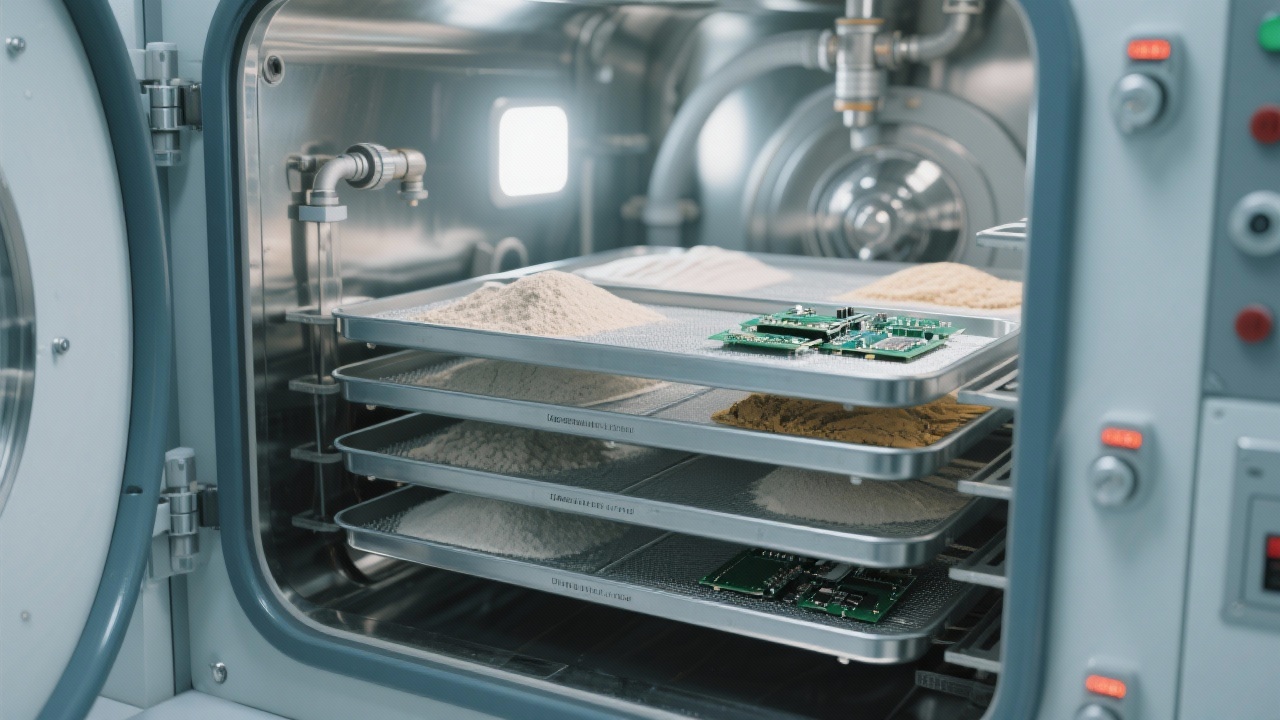
Material Degassing: For polymer and chemical materials, rapid stabilization of temperature under vacuum accelerates volatile release, cutting processing time by 30% and reducing energy consumption by 12%. The continuous operating memory safeguards long, uninterrupted degassing cycles that are critical for material performance stability.
Recommendations for Implementation
Engineers and process managers should consider the following for optimal integration:
- Temperature Mapping: Conduct rigorous mapping to identify hotspots and adjust the dual-zone parameters accordingly;
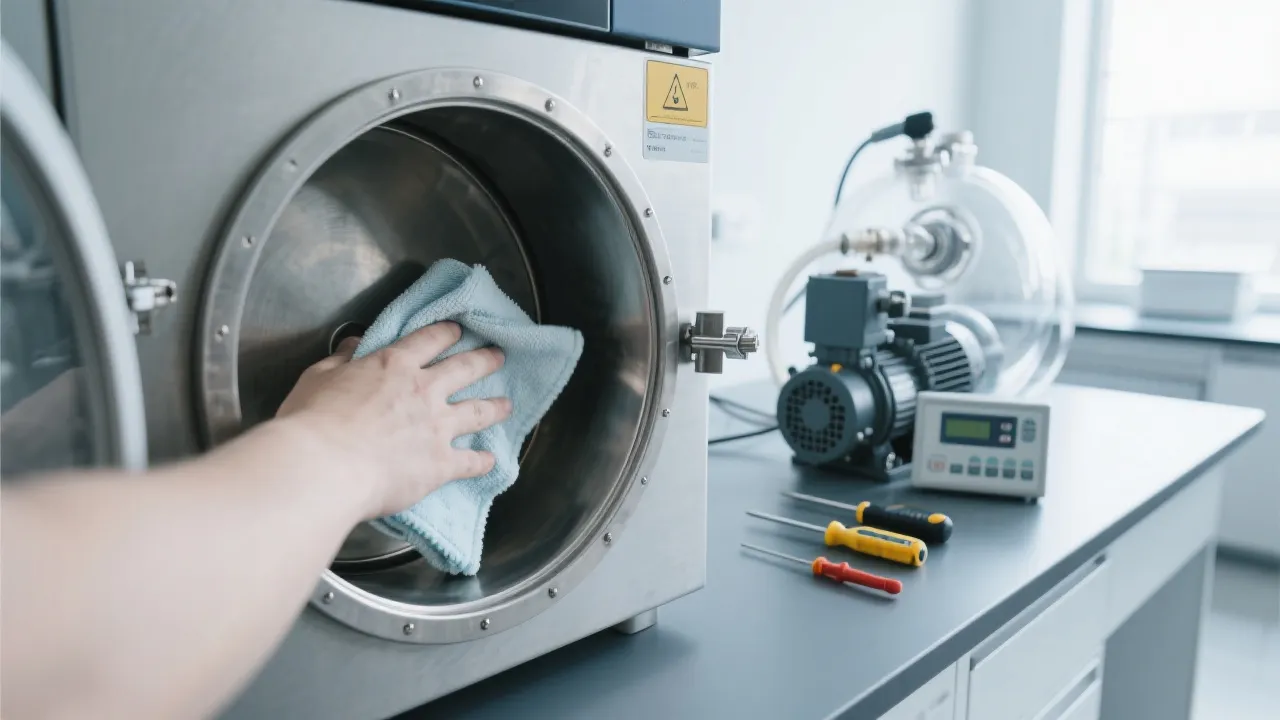
- Routine Calibration: Maintain sensor accuracy by periodic calibration at the base and upper heating zones;
- Data Logging: Utilize the system’s data outputs for continuous process improvement and traceability;
- Emergency Protocols: Leverage the power-off memory feature in contingency planning to minimize production losses.