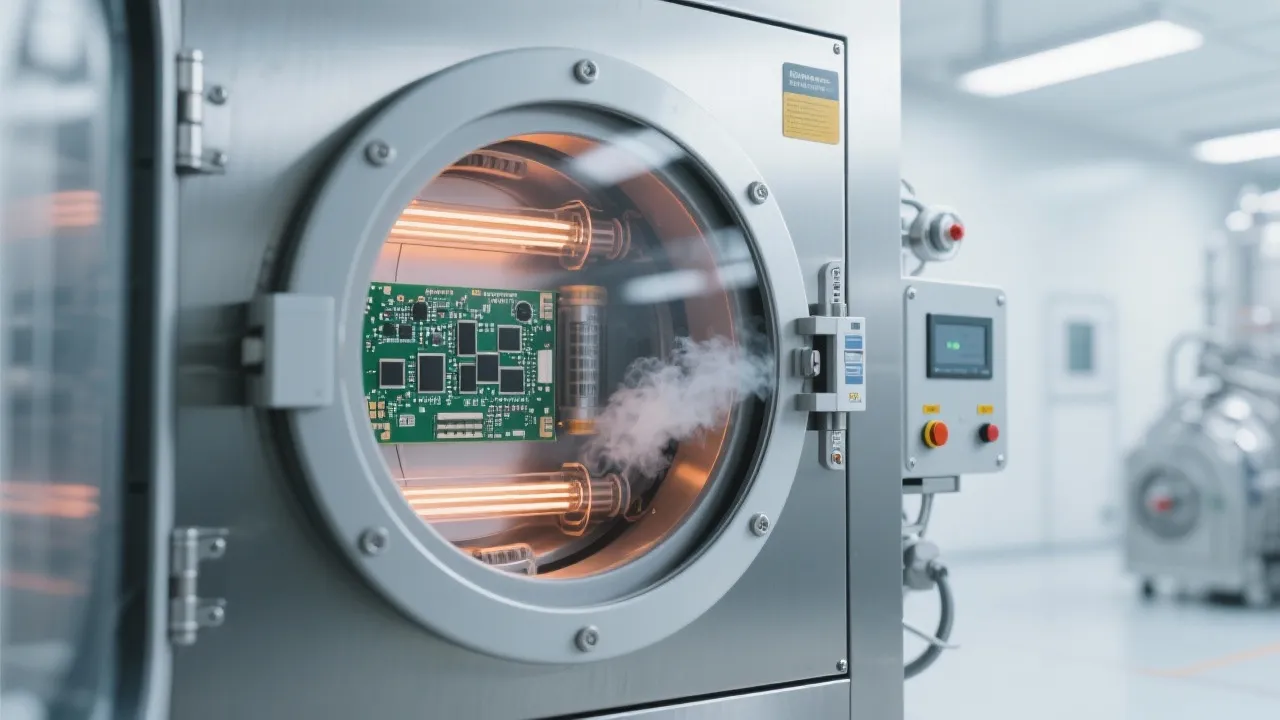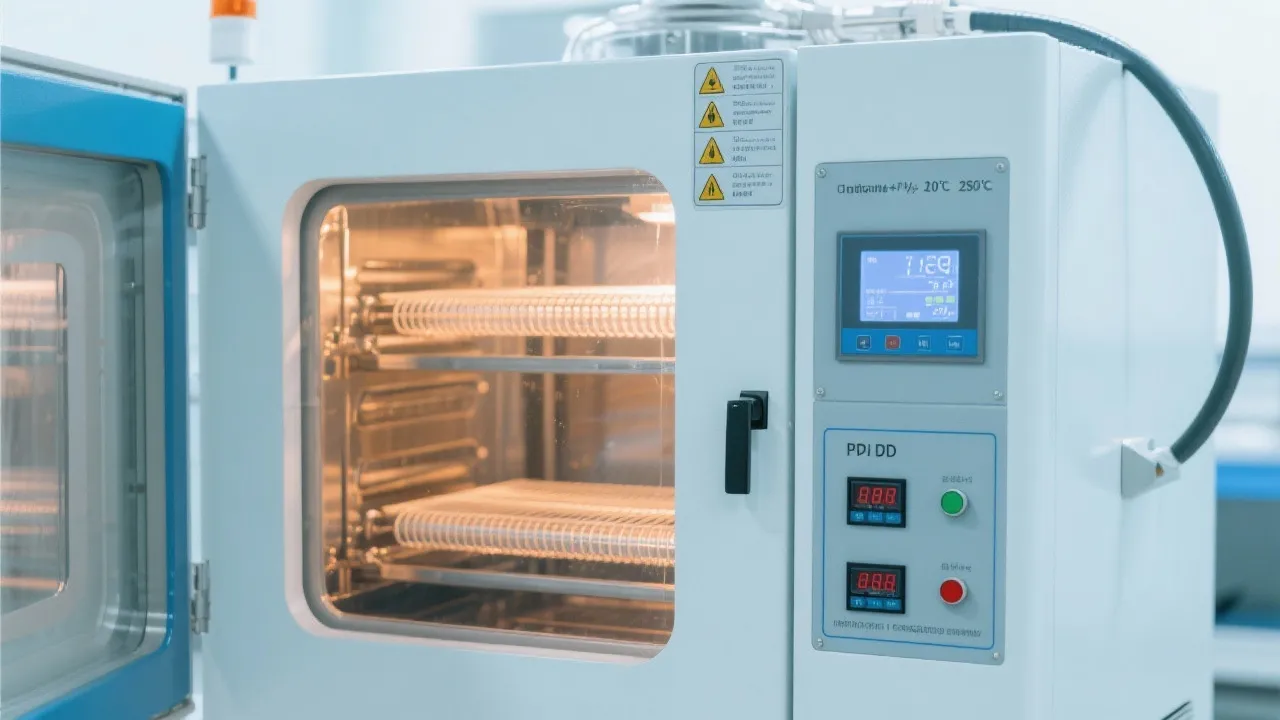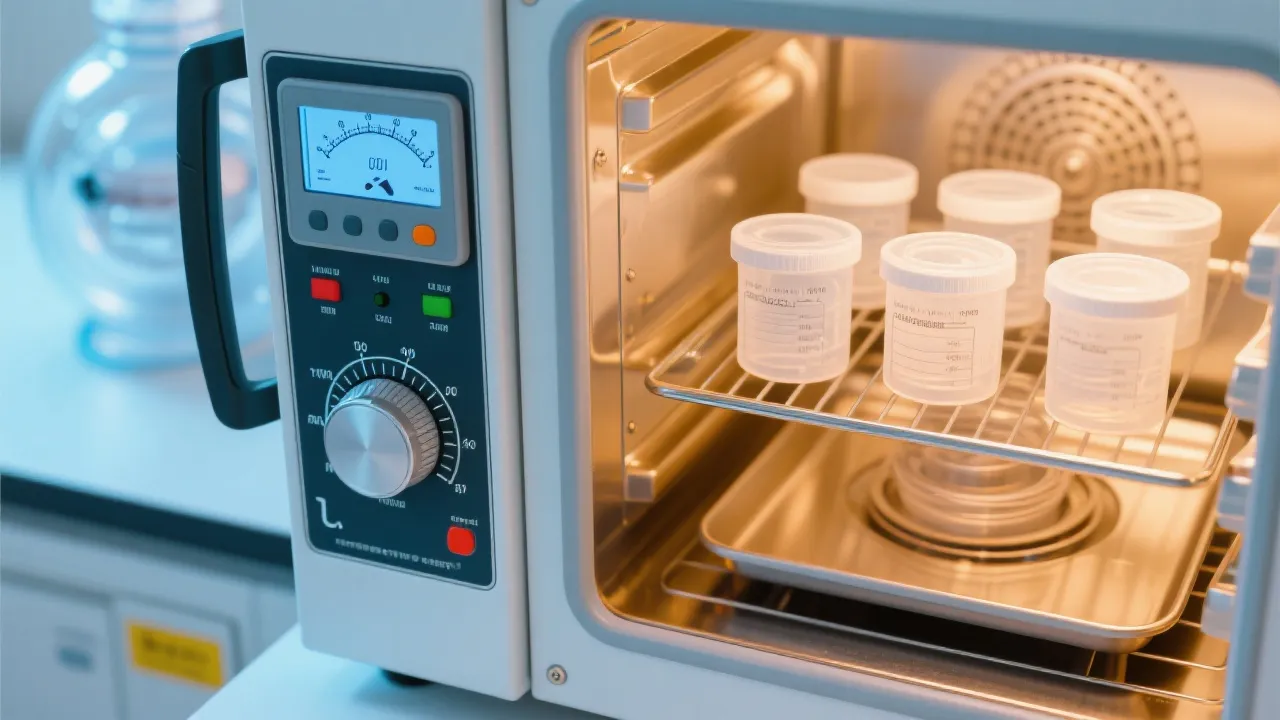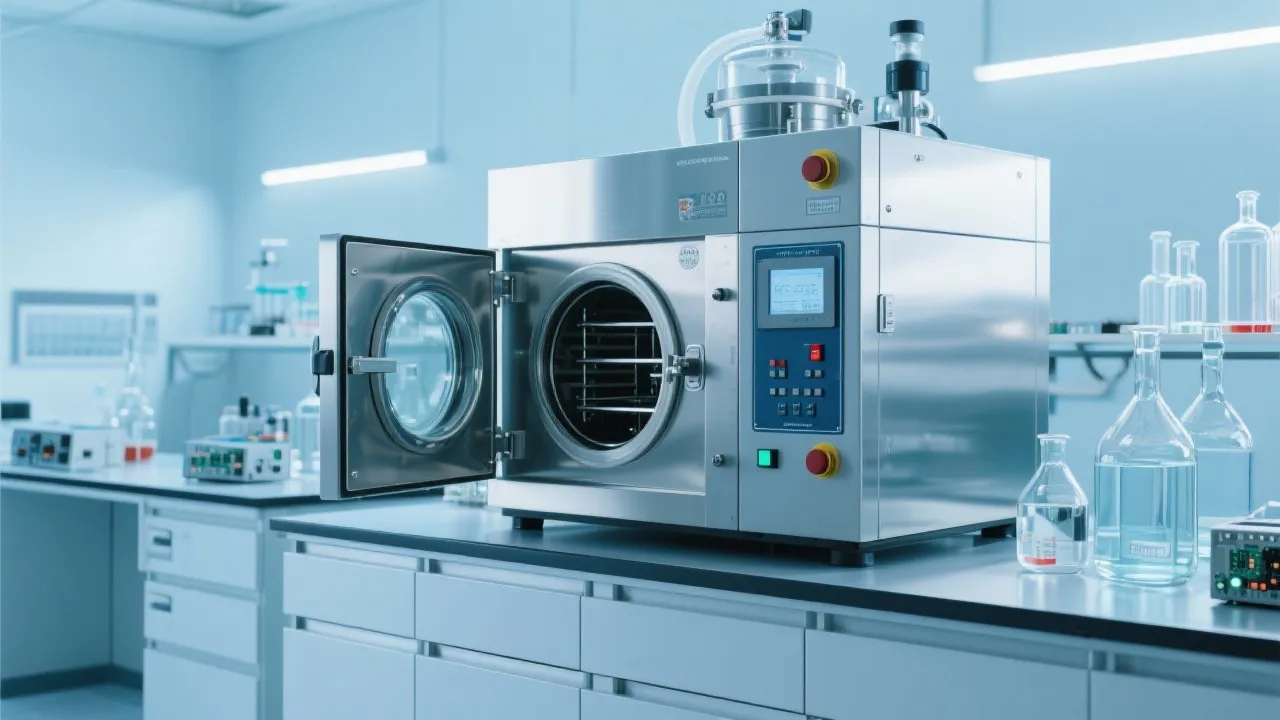

Precise temperature control is a cornerstone in the realm of laboratory equipment, especially when it comes to ensuring the quality of exported products. In industries such as materials science and pharmaceuticals, maintaining a stable temperature is crucial for the success of experiments and the reliability of results.
Temperature variations can have a profound impact on the stability of samples and the consistency of experiments. Even a small temperature deviation can lead to inaccurate results, affecting the credibility of research findings. For instance, in materials science, a temperature fluctuation of just ±2°C can change the properties of certain materials, invalidating the entire experiment. In the pharmaceutical industry, maintaining a precise temperature is essential for drug synthesis and storage, as improper temperature control can lead to the degradation of drugs, rendering them ineffective or even harmful.
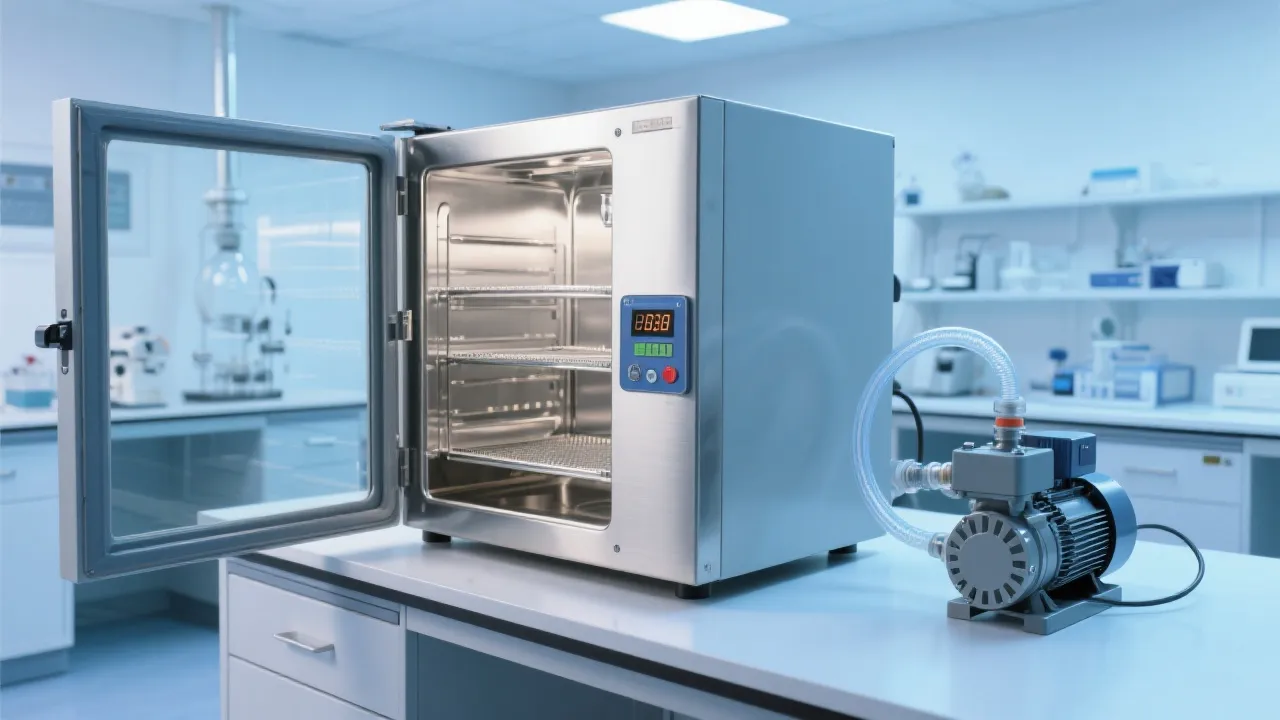
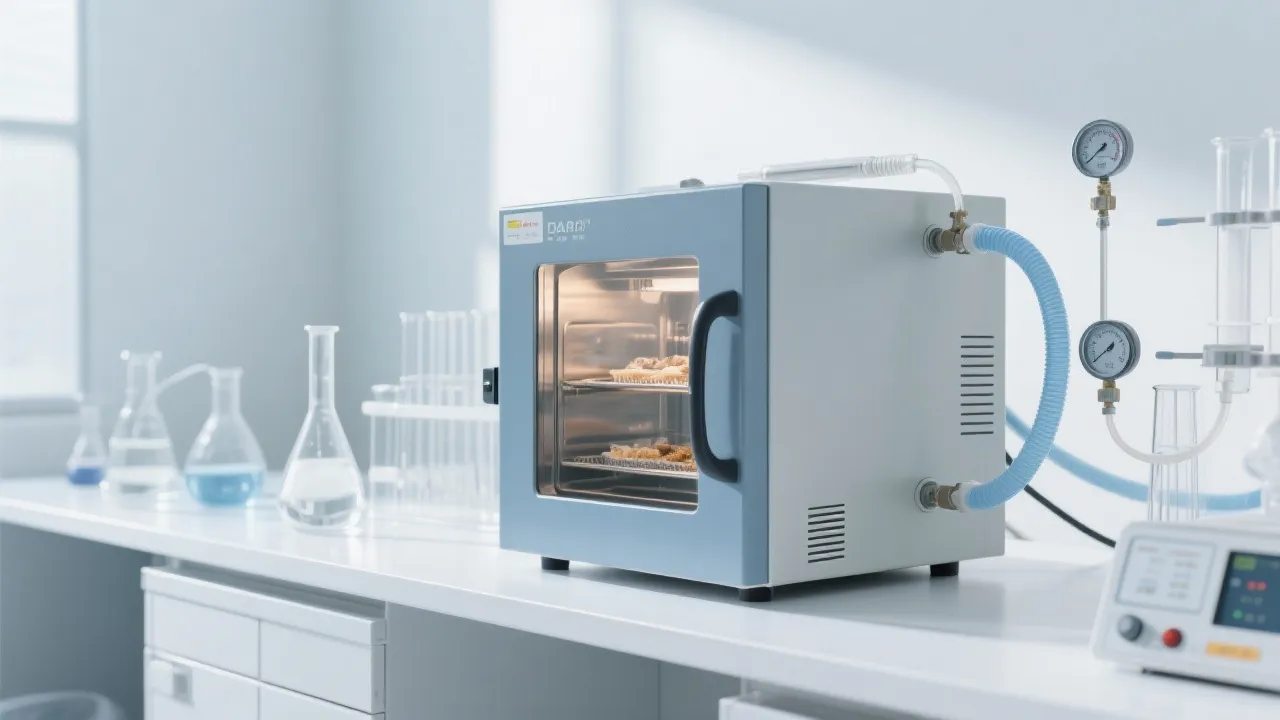
The DZF - 6010 mini vacuum oven from Keda, equipped with a PID intelligent temperature control system, offers a solution to these challenges. With a temperature control accuracy of ±1°C, it ensures that each batch of experiments is conducted under consistent temperature conditions, thereby enhancing the repeatability of experiments and the reliability of data.

The Proportional - Integral - Derivative (PID) algorithm is at the heart of the intelligent temperature control system in the DZF - 6010. Unlike traditional temperature control methods, which often rely on simple on - off switching or fixed - point control, the PID algorithm continuously adjusts the output based on the current temperature, the set temperature, and the rate of temperature change.
The proportional term provides an immediate response to the temperature error, the integral term compensates for long - term errors, and the derivative term anticipates future temperature changes, allowing for a more precise and stable temperature control. This algorithm not only improves the accuracy of temperature control but also reduces the time required to reach and maintain the set temperature.
To fully utilize the advantages of the PID intelligent temperature control system in the DZF - 6010, proper operation and maintenance are essential. When setting the temperature on the touch panel, it is recommended to set the temperature gradually to avoid overshooting. Additionally, regular calibration of the temperature sensor is necessary to ensure the accuracy of temperature measurement.
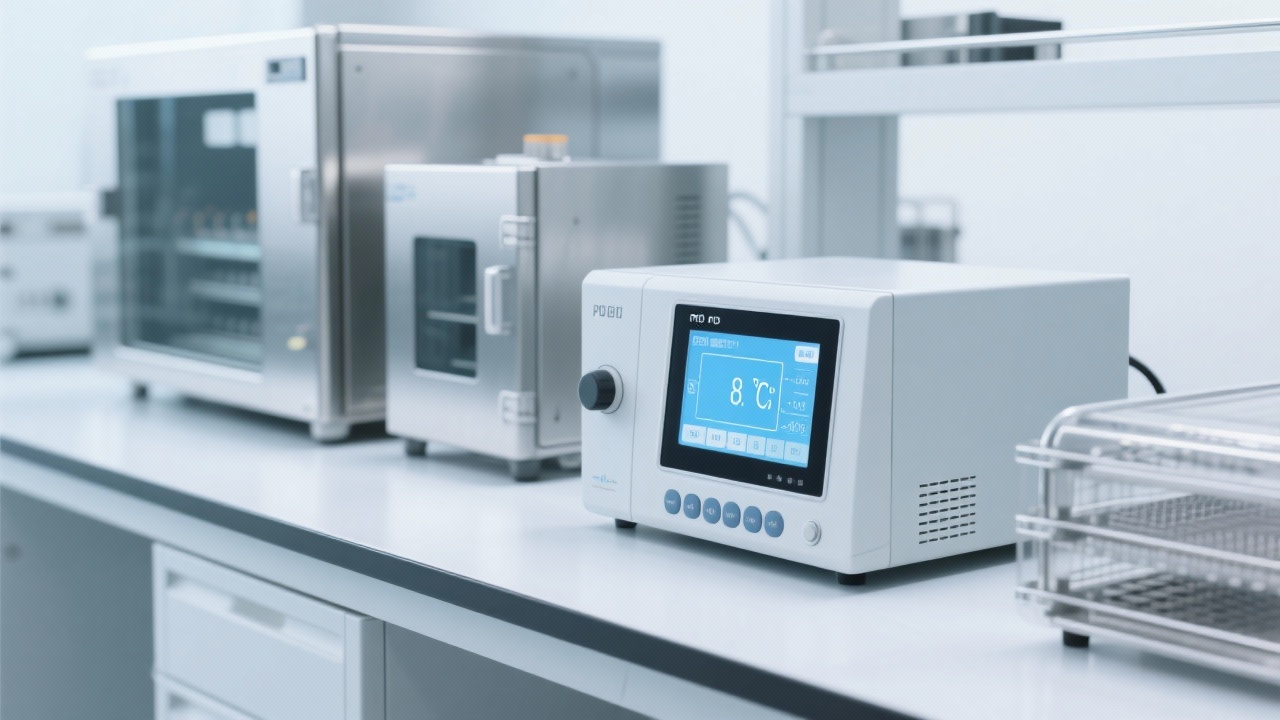
A "three - check" method can be employed during daily use. First, check the temperature display before starting the experiment to ensure it is within the normal range. Second, check the stability of the temperature during the experiment, observing any abnormal fluctuations. Finally, check the temperature after the experiment to confirm that it has returned to the normal state. By following these steps, users can effectively avoid common errors and ensure the normal operation of the equipment.
Traditional temperature control methods often struggle to achieve the same level of precision and stability as the PID intelligent temperature control system. They may have larger temperature fluctuations, longer response times, and less flexibility in adapting to different experimental requirements. In contrast, the DZF - 6010's PID system offers real - time monitoring and adjustment, ensuring that the temperature remains within the desired range at all times.

This difference in performance can significantly impact the quality of experimental results and the efficiency of research work. By choosing the DZF - 6010 with PID intelligent temperature control, laboratory managers and technicians can have greater confidence in their experimental outcomes.
Have you ever experienced experiment failure due to unstable temperature control? If you're looking to upgrade your laboratory equipment and ensure more precise temperature control, click here to learn more about Keda's DZF - 6010 mini vacuum oven.