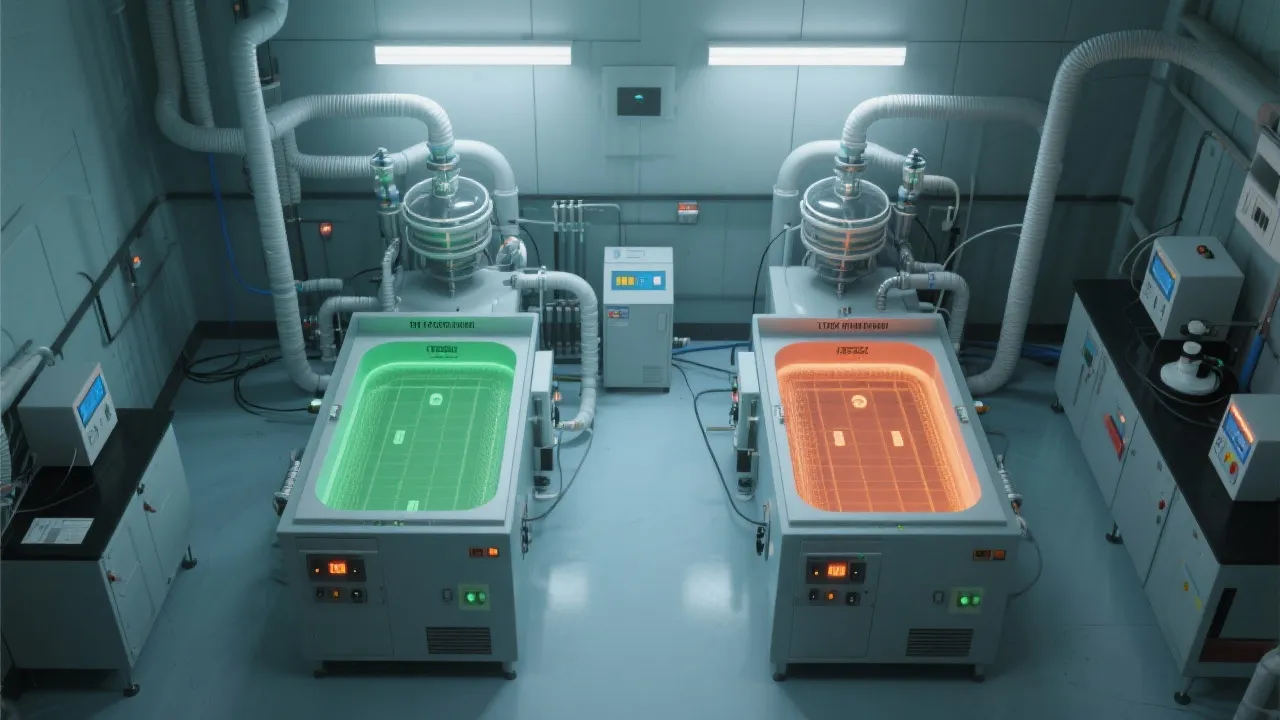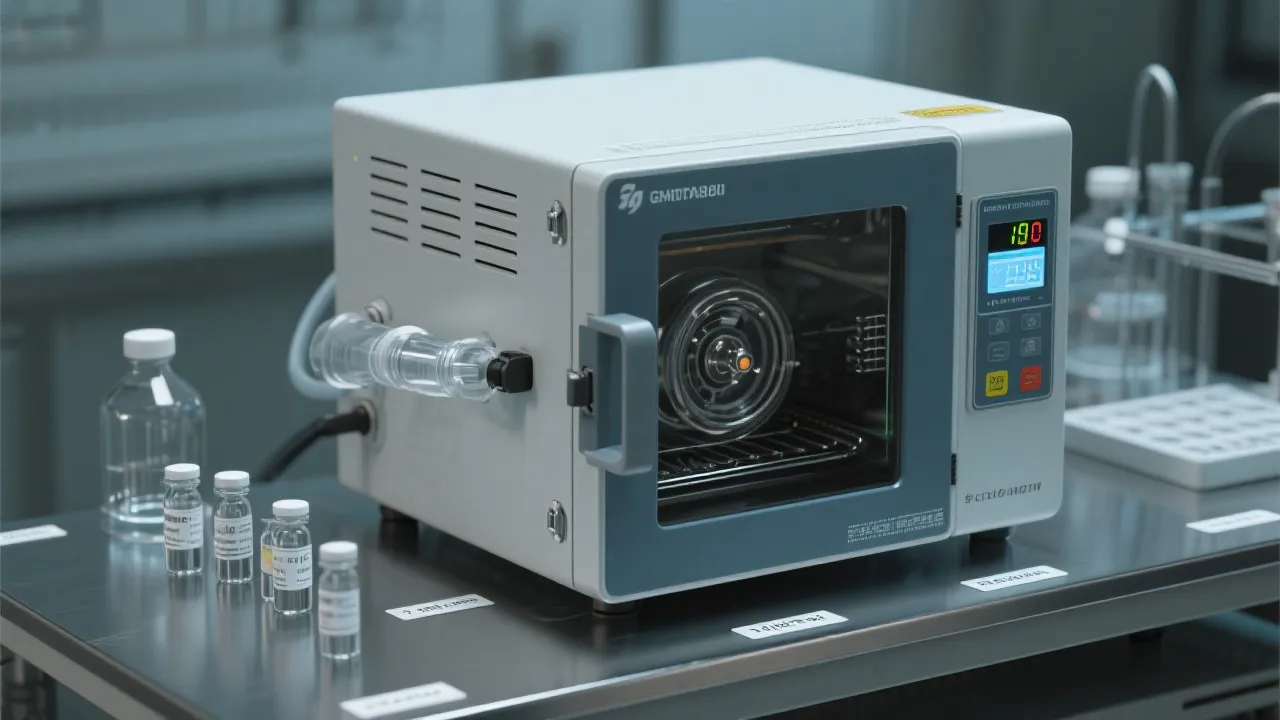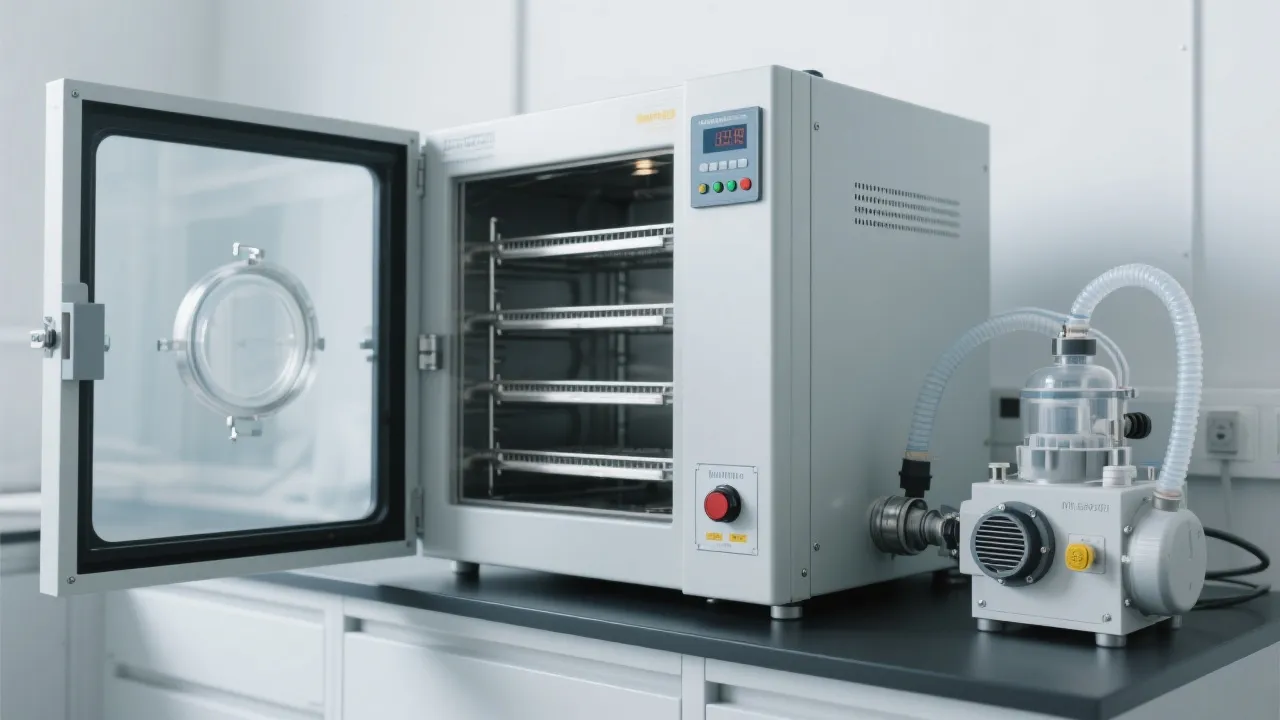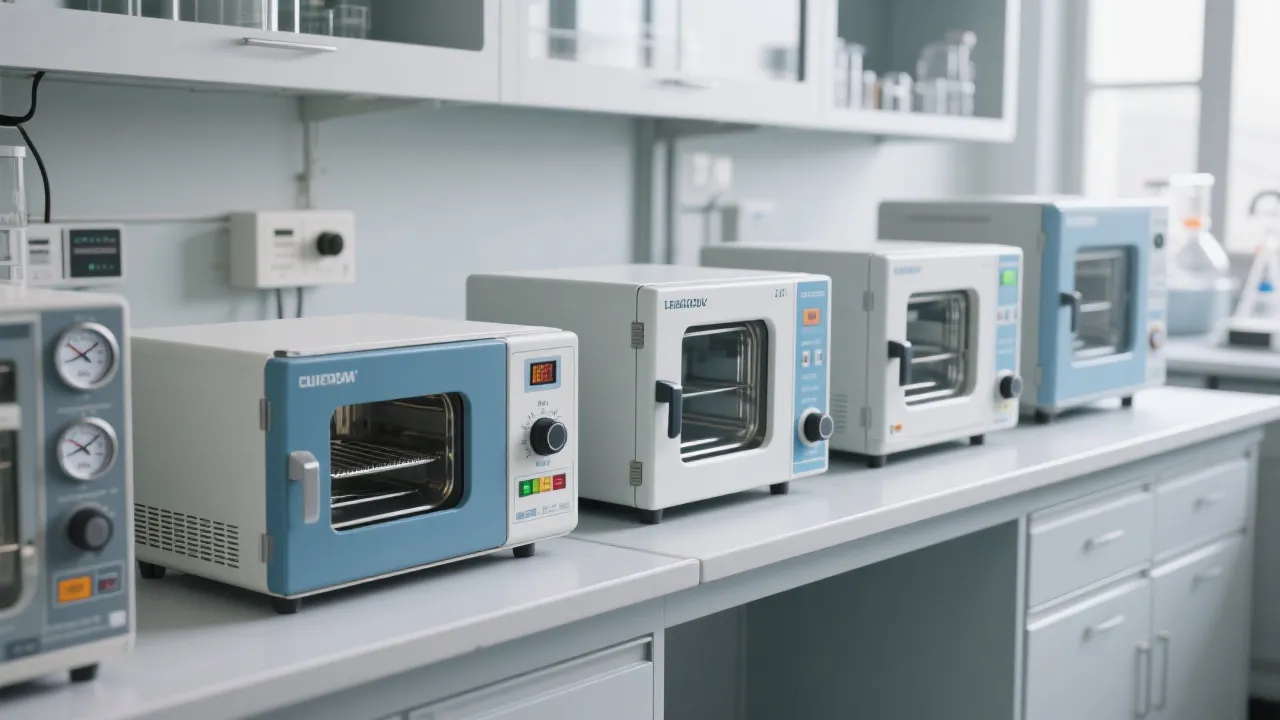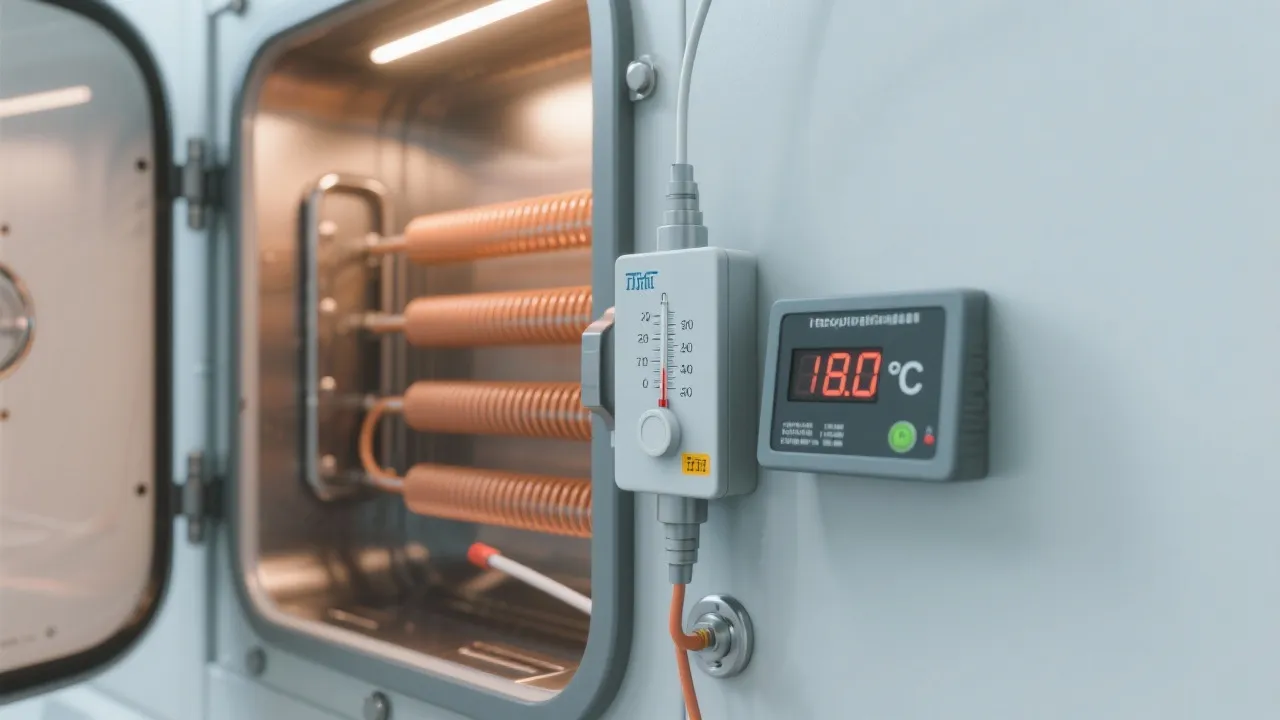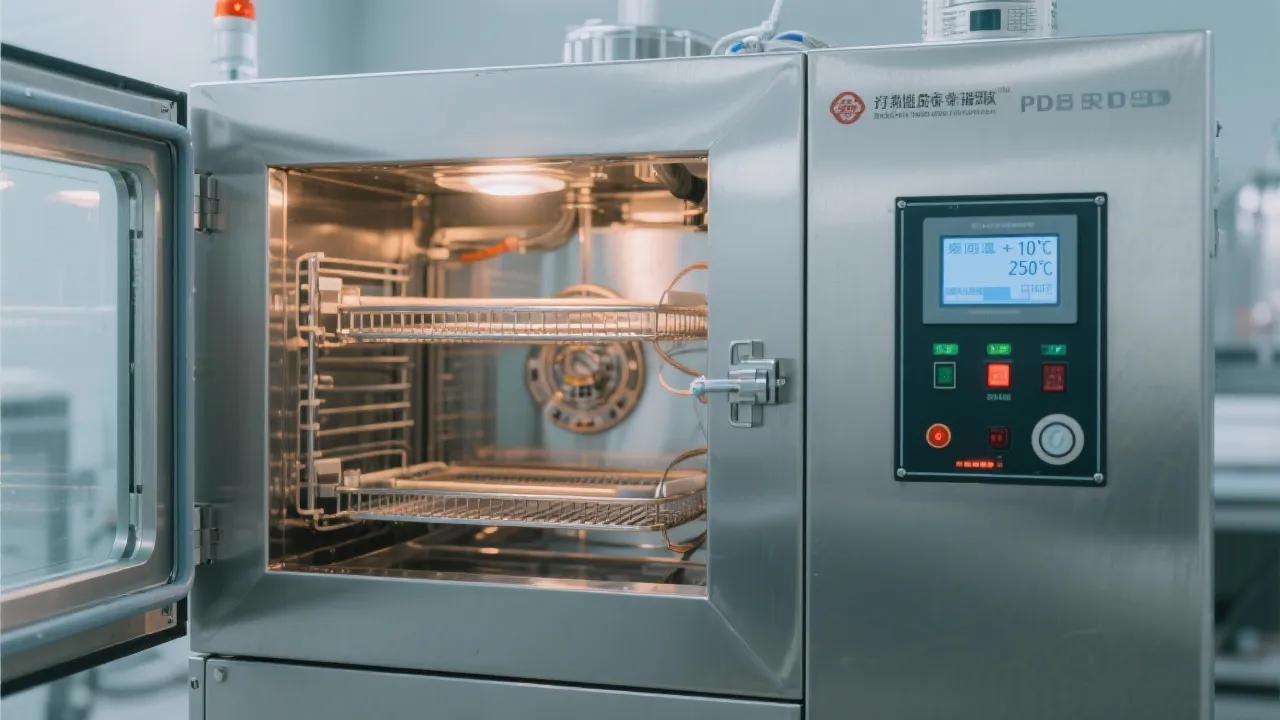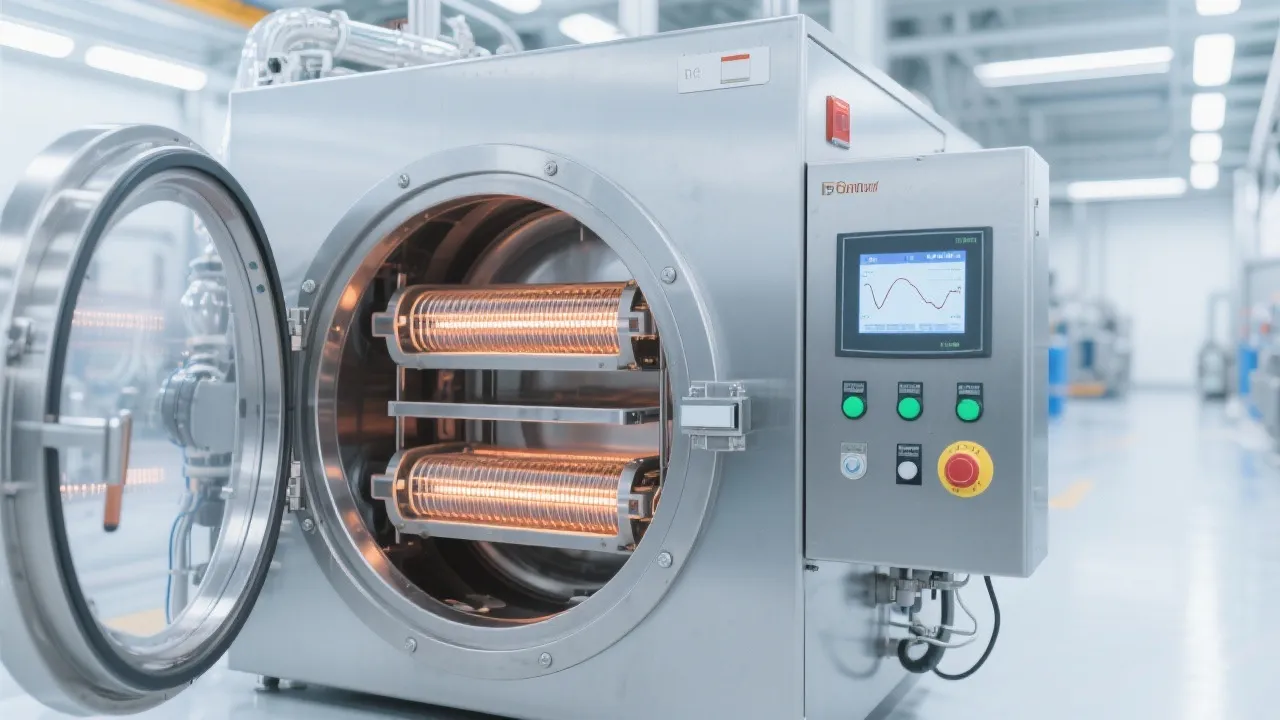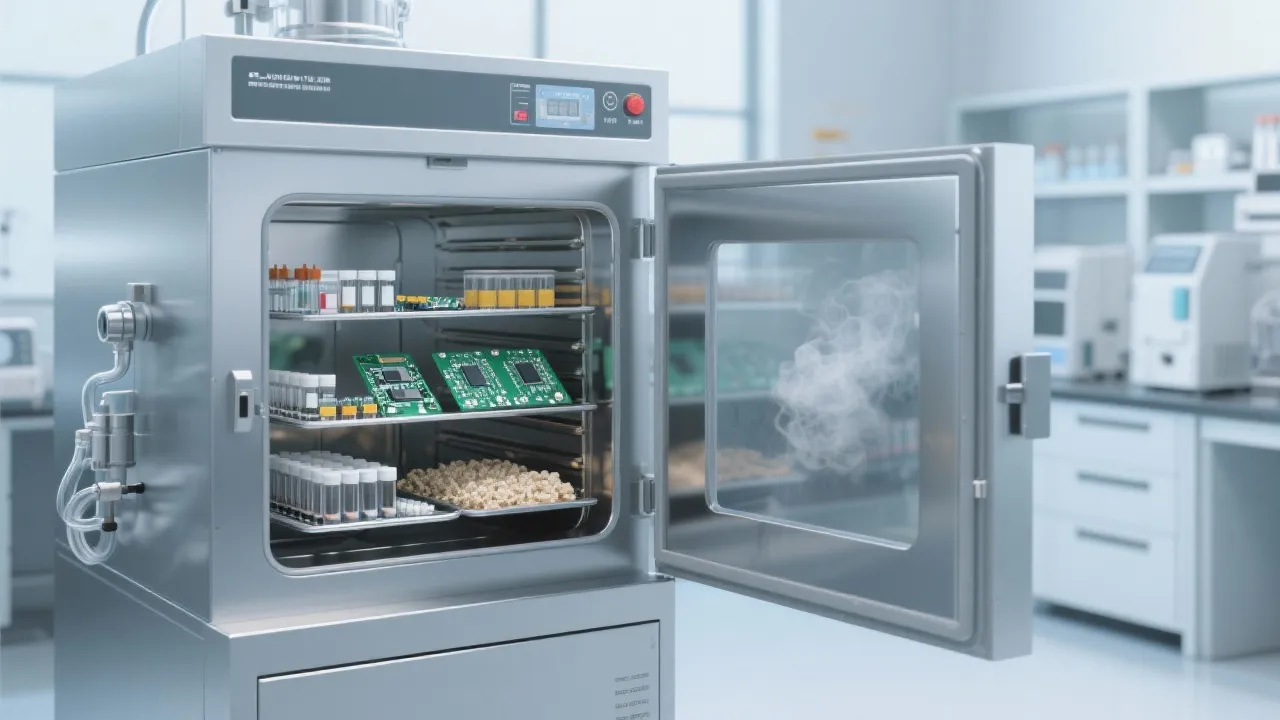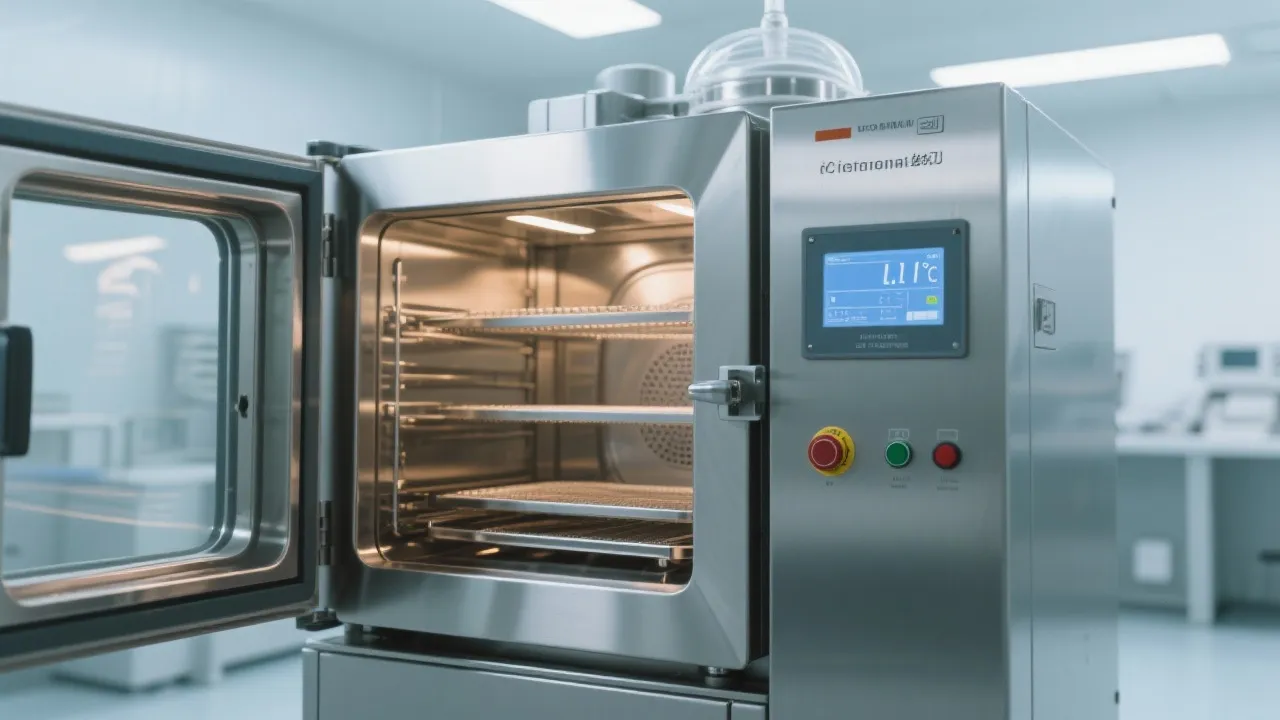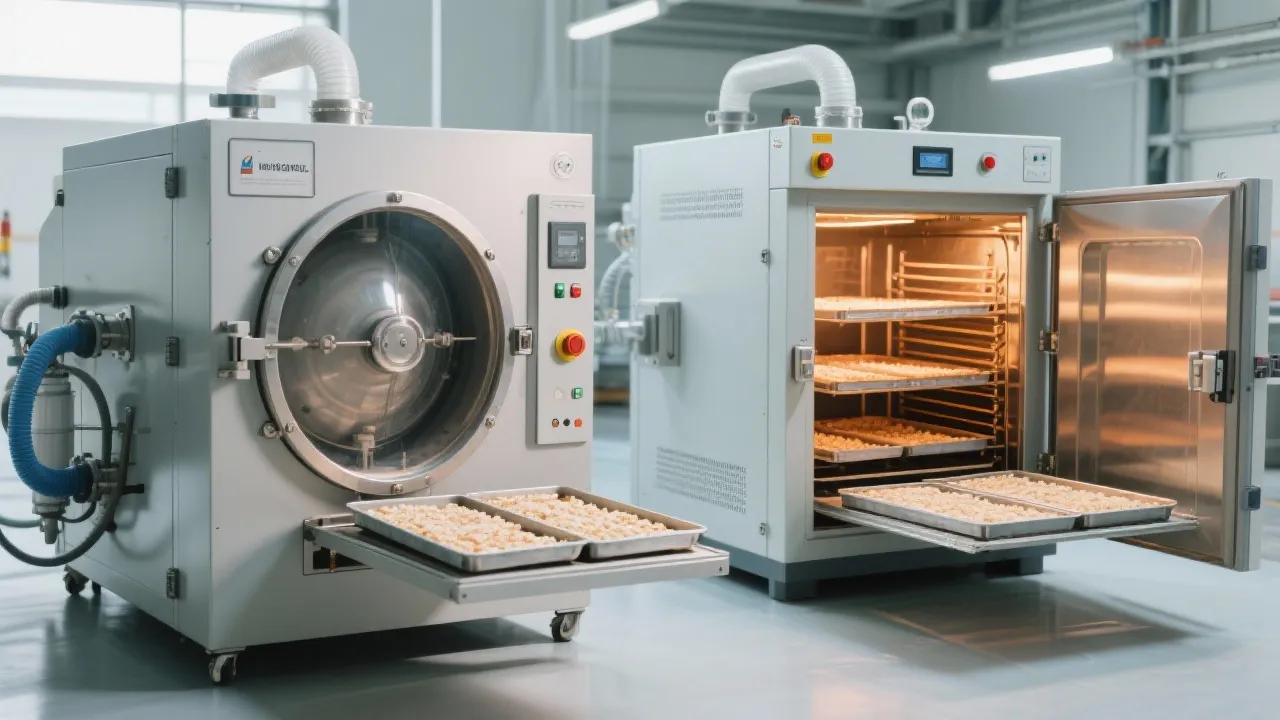
Vacuum drying is a crucial technique in laboratory settings, and understanding its physical mechanism is fundamental. In a vacuum environment, the boiling point of liquids decreases significantly. For example, at normal atmospheric pressure, water boils at 100°C, but in a vacuum of around 100 Pa, water can boil at approximately 20°C. This allows for gentle drying of samples, reducing the risk of thermal degradation. The vacuum drying process works by removing moisture from the sample through evaporation, which is accelerated in a low - pressure environment. The equipment is designed with advanced features like dual temperature PID control, enabling precise temperature regulation, which is essential for maintaining the integrity of different samples.
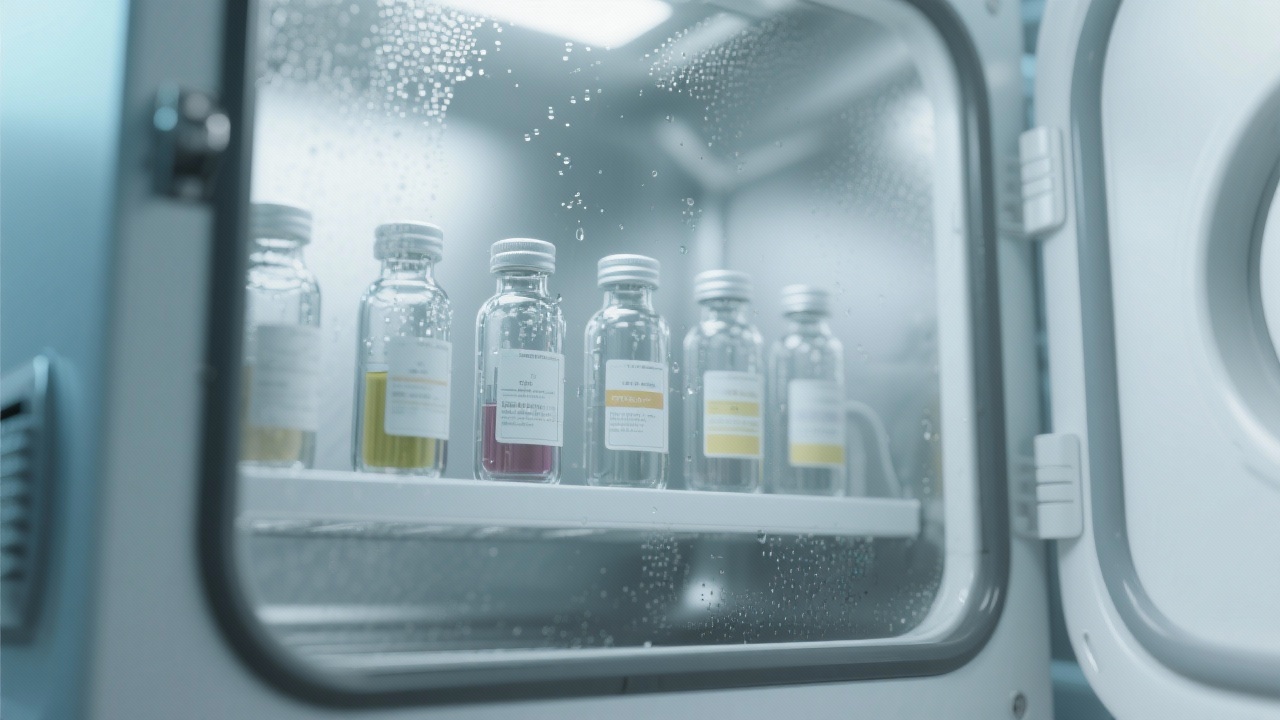
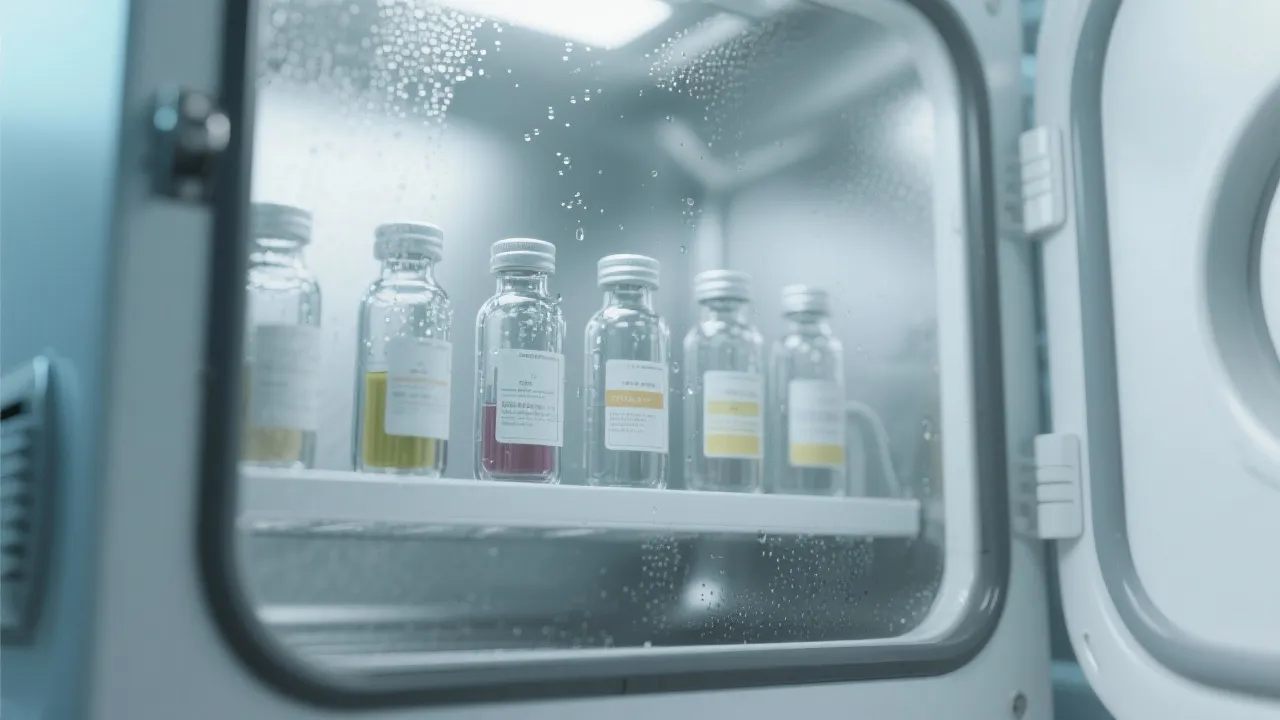
When dealing with biological tissues, such as animal organs or plant specimens, it's important to set the temperature, vacuum degree, and time carefully. For most biological tissues, a temperature range of 30 - 40°C is recommended to prevent protein denaturation. The vacuum degree should be maintained at around 10 - 100 Pa to ensure effective moisture removal without causing damage to the tissue structure. A drying time of 12 - 24 hours is usually sufficient, depending on the size and thickness of the tissue. For instance, a small mouse liver sample may take about 12 hours to dry adequately at these settings.
Samples with organic solvent residues, like those from chemical synthesis experiments, require different parameter settings. The temperature can be set a bit higher, around 40 - 60°C, to facilitate the evaporation of solvents. A lower vacuum degree of 100 - 1000 Pa may be sufficient. The drying time can vary from 6 - 12 hours, depending on the type and amount of the solvent. The equipment's ability to achieve and maintain these specific conditions is a significant advantage, ensuring efficient solvent removal.
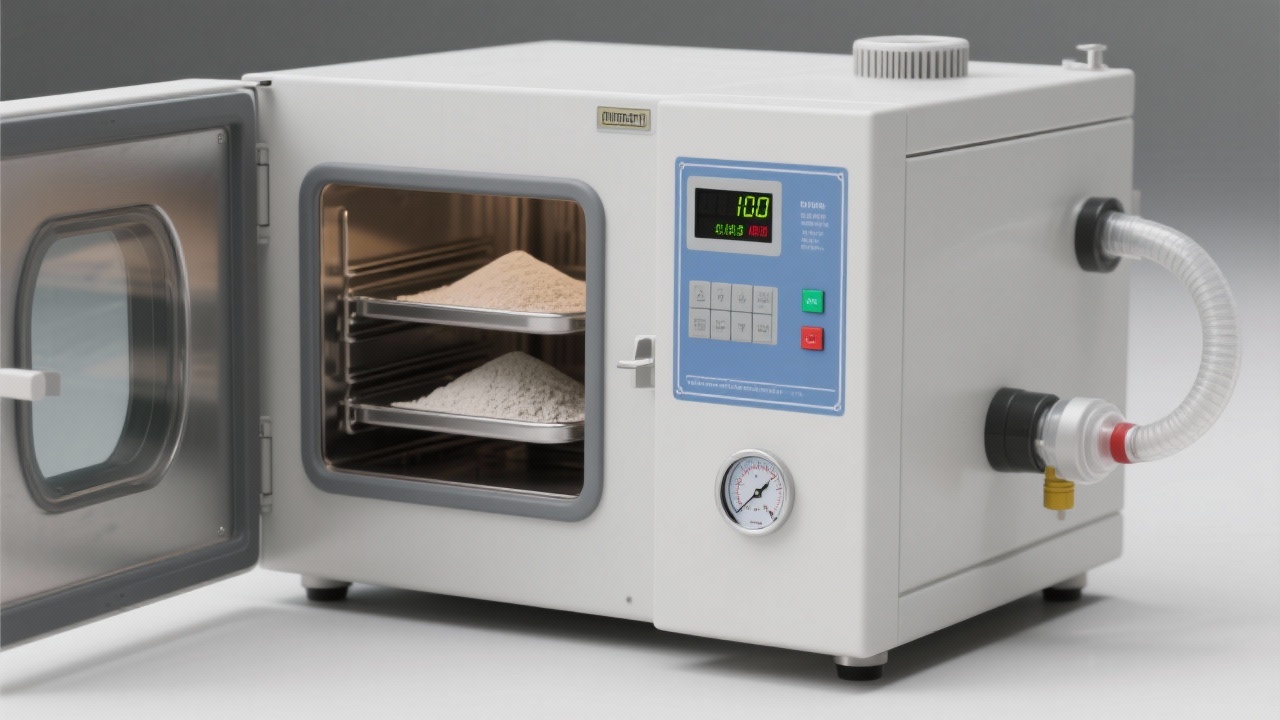
Powder materials, such as pharmaceutical powders or chemical catalysts, need a more cautious approach. A temperature range of 50 - 80°C is often appropriate, along with a vacuum degree of 1 - 10 Pa. The drying time can range from 8 - 16 hours. Gradual heating is recommended to prevent powder agglomeration. The equipment's precise temperature control and stable vacuum environment are crucial for achieving high - quality drying of powder materials.
Misoperations in vacuum drying can lead to inaccurate experimental results. For example, setting the temperature too high can cause thermal decomposition of samples. If the vacuum degree is not properly maintained, moisture may not be completely removed, affecting the sample's quality. In高校科研 scenarios, incorrect parameter settings can lead to false data in papers. In企业质检, it can result in product quality issues. To avoid these problems, customized operation checklists should be used for different scenarios.
Proper daily maintenance is essential for the long - term performance of the vacuum drying box. Regular cleaning of the interior chamber is necessary to prevent contamination. The seals should be checked weekly to ensure airtightness. The真空泵, a key component of the system, requires regular oil changes, usually every 3 - 6 months depending on usage. The equipment is also equipped with an over - temperature alarm system, which ensures safety during operation and reduces the risk of damage due to overheating.
In conclusion, by understanding the physical mechanism, setting parameters correctly, avoiding misoperations, and performing regular maintenance, users can significantly improve the efficiency and accuracy of their experiments using vacuum drying boxes. With its advanced features and robust design, this equipment is an indispensable tool for laboratories and industrial environments. Explore more about how vacuum drying boxes can enhance your experimental work.