High-Precision PID Temperature Control for Laboratory Drying: Selecting a Vacuum Oven for Reliable Results
20 02,2026
Zhengzhou Keda Mechanical Instrument Equipment Co., Ltd.
Technical knowledge
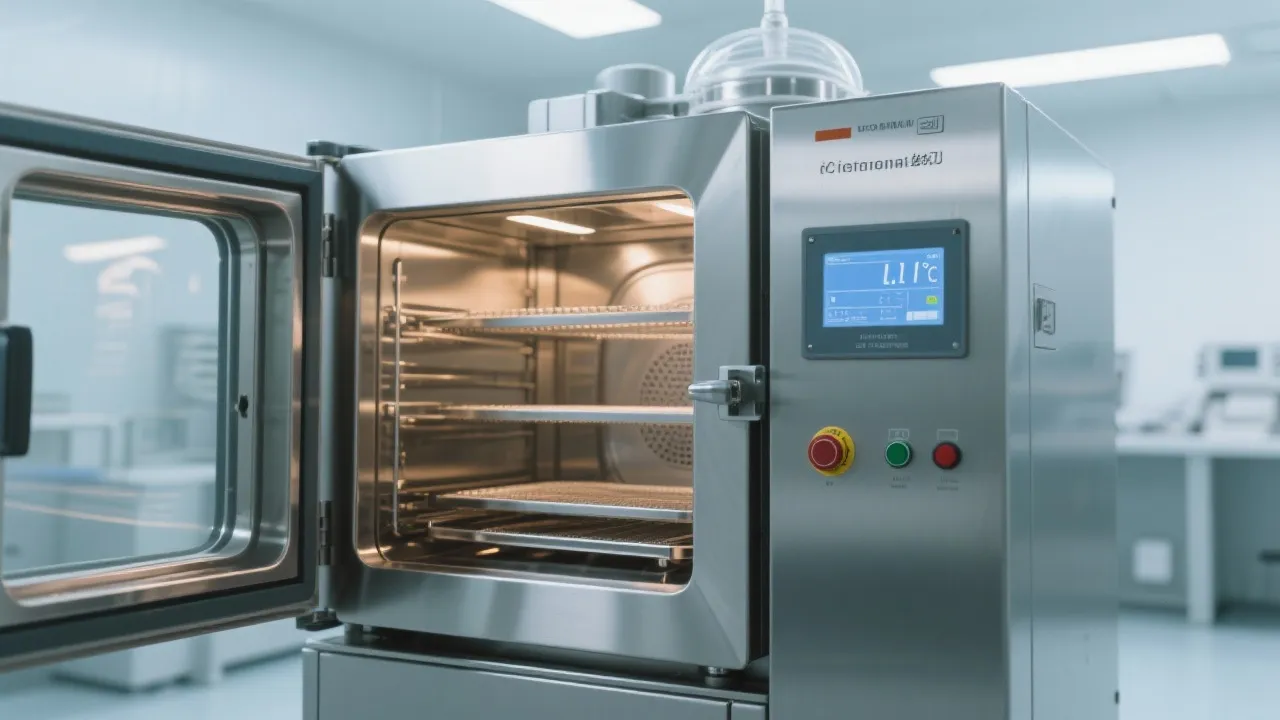
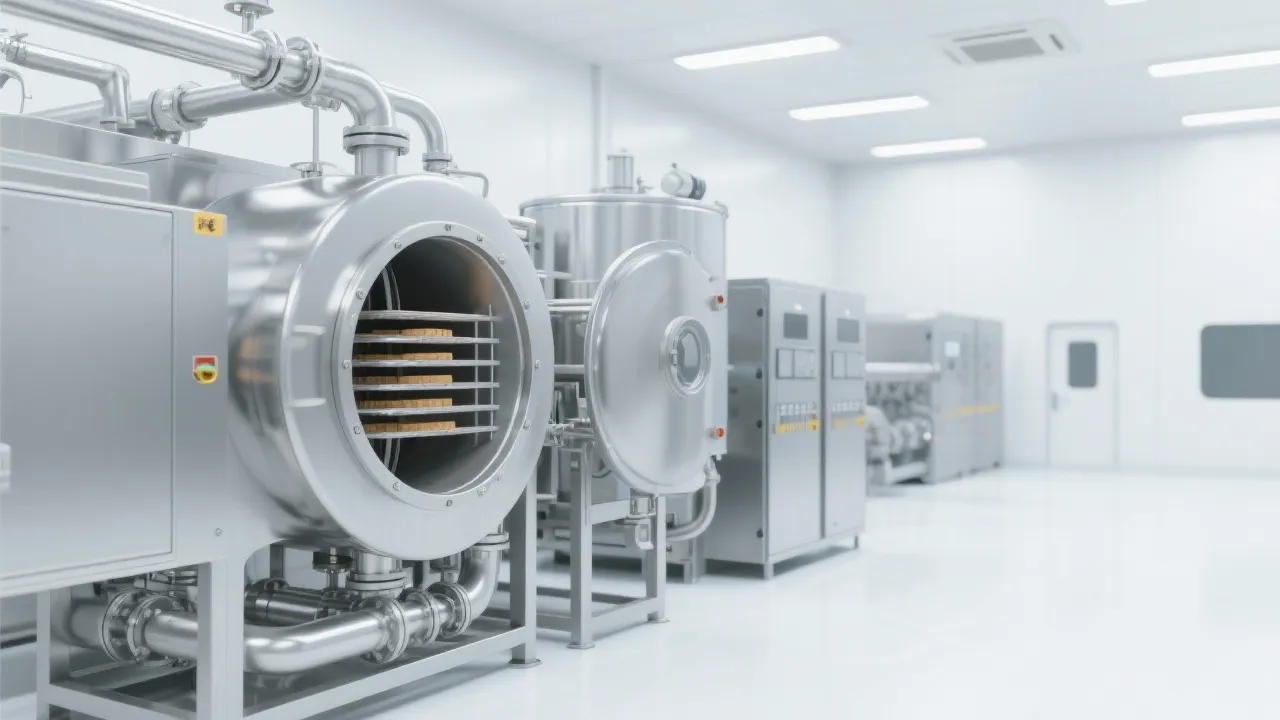
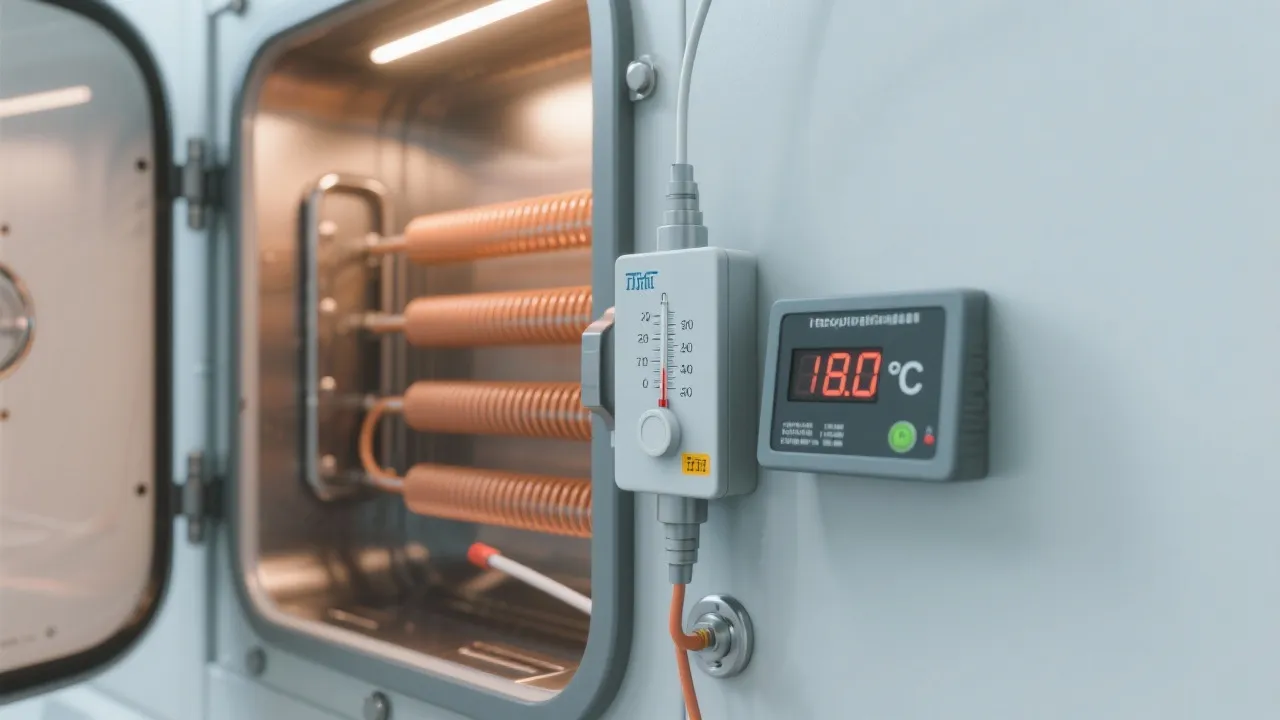
Temperature drift is one of the most common hidden causes of inconsistent laboratory drying results, directly affecting accuracy and repeatability across research workflows. This article explains why high-precision PID temperature control—capable of maintaining stability within ±1°C—matters in real laboratory conditions, especially when working with heat-sensitive materials, electronic components, and pharmaceutical intermediates that can degrade or change properties under small thermal deviations. Through practical examples from academic and industrial labs, it outlines a clear selection logic for drying equipment and shows how the DZF-6010 mini vacuum oven combines smart PID control with application-oriented design features such as stable vacuum performance, robust chamber materials, and safety-focused configuration to enable controlled, reproducible drying. The goal is to help lab managers and researchers improve efficiency while strengthening data reliability from the earliest stage of experimental planning.
Laboratory Drying Equipment Selection • Precision temperature control • Vacuum oven technology
Why Temperature Stability (Not Just “Set Temperature”) Determines the Accuracy of Your Drying Results
In lab drying workflows, the most expensive mistakes rarely look dramatic. They show up as subtle drift: a polymer film that cures “fine” but fails later, a reference powder that gains a few tenths of a percent in residual solvent, or an electronic adhesive that behaves differently on the next run. In many cases, the root cause is not the vacuum level or the operator—it’s temperature fluctuation during drying.
1) The Hidden Failure Mode: Temperature Drift That Ruins Repeatability
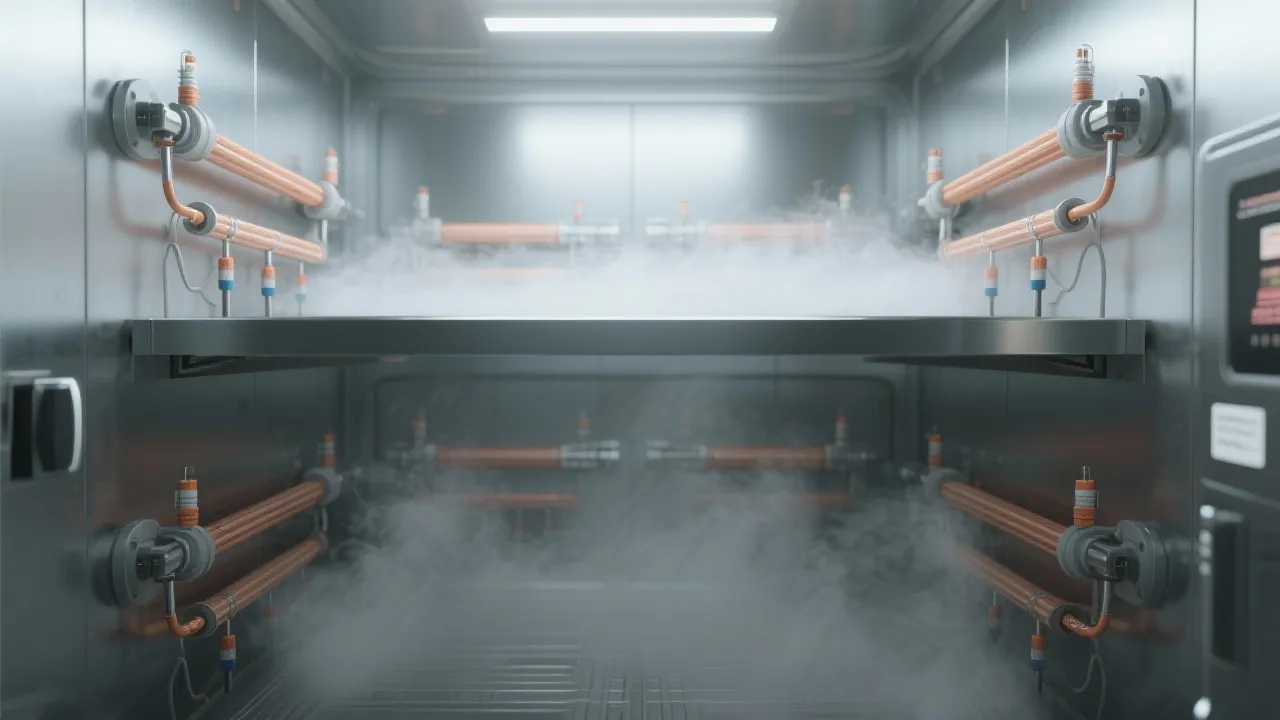
“Dry at 60 °C for 12 hours” sounds straightforward—until the chamber cycles between 57 °C and 64 °C, overshoots after door recovery, or forms hot and cold zones across shelves. These swings can quietly change the sample itself, especially when working with heat-sensitive materials, volatile solvents, or temperature-dependent reactions.
Common consequences of poor temperature control in drying
- Loss of assay accuracy due to non-uniform solvent removal (common in pharma intermediates and APIs).
- Material property drift (glass transition proximity, oxidation, crosslinking) in polymers and composites.
- Component damage or reliability issues in electronic parts, coatings, and adhesives.
- Batch-to-batch variability, causing failed repeats and longer experimental cycles.
In practice, even a few degrees matter. Many lab teams report that when temperature stability improves from “several degrees of cycling” to around ±1 °C, the repeatability of mass-loss and residual-solvent outcomes can noticeably tighten—often aligning better with internal quality acceptance bands (for example, sub-1% deviation in sensitive drying protocols where variability previously exceeded that).
2) What High-Precision PID Temperature Control Actually Solves
PID control (Proportional–Integral–Derivative) is often listed on spec sheets, but its real value is easy to miss: it reduces oscillation and overshoot while reacting intelligently to disturbances (like loading samples, opening the chamber, or changes in heat transfer under vacuum).
Why ±1 °C stability is a meaningful threshold
For many drying recipes, the process window is narrow: too low and drying time expands (raising contamination and scheduling risk); too high and you accelerate degradation, oxidation, softening, or unwanted reactions. Stable control around the setpoint helps keep the sample inside its “safe zone” for the full cycle—especially important when vacuum reduces boiling points and changes heat transfer behavior.
In a vacuum oven, temperature is not just a number; it is the main lever that controls evaporation rate and molecular stability. High-precision PID control supports consistent kinetics—so results depend less on which shelf you used, which day you ran the test, or how quickly the chamber recovered after loading.
3) Where Precision Temperature Control Pays Off Most (Real Lab Scenarios)
Pharmaceuticals & chemical labs
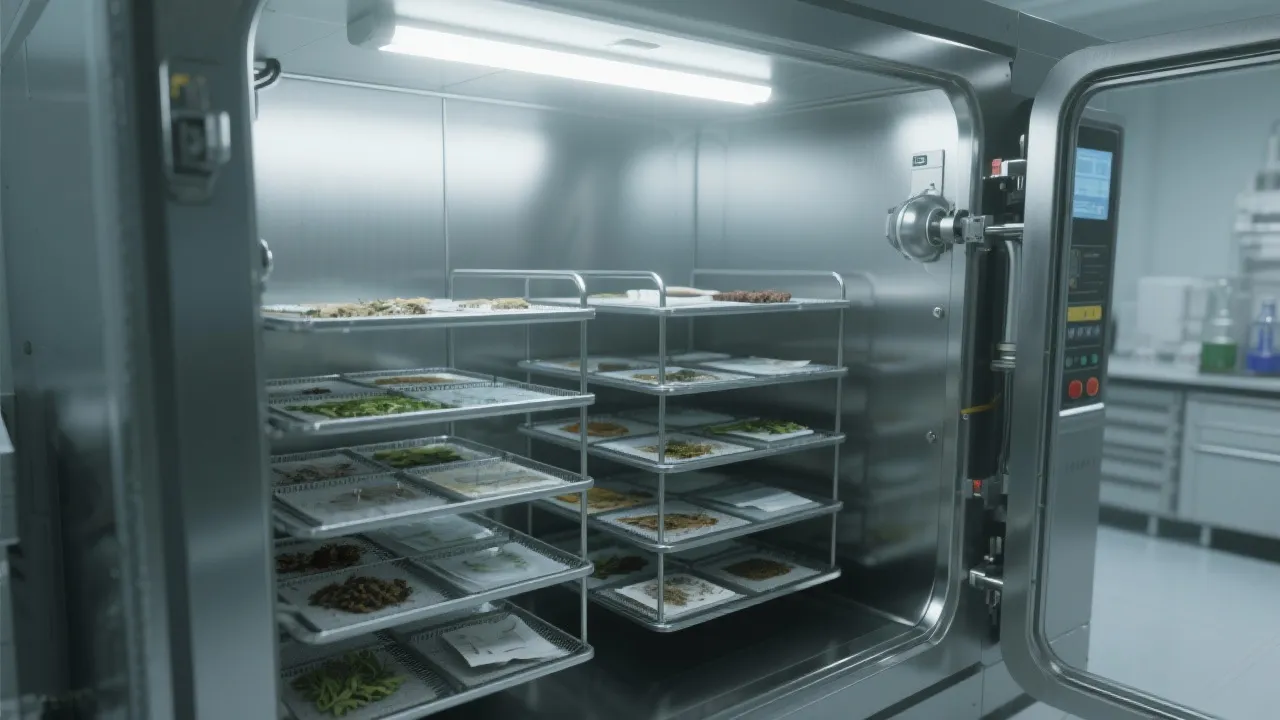
Drying APIs, intermediates, and hygroscopic powders demands control—not just to remove solvent, but to avoid polymorph changes and thermal degradation. Under vacuum, solvent boiling points drop, so stable temperature prevents “runaway” evaporation that can cause crusting, foaming, or uneven drying.
Materials science (polymers, films, composites)
Polymers often sit near glass transition or cure thresholds. A few degrees of overshoot can shift mechanical properties, adhesion, or outgassing performance. Precision temperature control helps keep film thickness, modulus, and volatile content more consistent across iterations.
Electronics & component preparation
Pre-baking components, removing moisture before potting, or drying flux residues requires controlled heating to protect sensitive parts. Overheating can compromise adhesives, coatings, or packaging materials, while underheating can leave moisture that later causes failures.
Reference data (industry perspective)
Published laboratory best-practice discussions commonly note that
temperature uniformity and stability are among the top contributors to drying reproducibility—often outweighing nominal setpoint accuracy. In internal QC comparisons, labs frequently see repeatability improve when chamber cycling is reduced and shelf-to-shelf variation is controlled.
(For reference: methodology aligns with common guidance in analytical and process lab QA documents; values and outcomes vary by sample and protocol.)
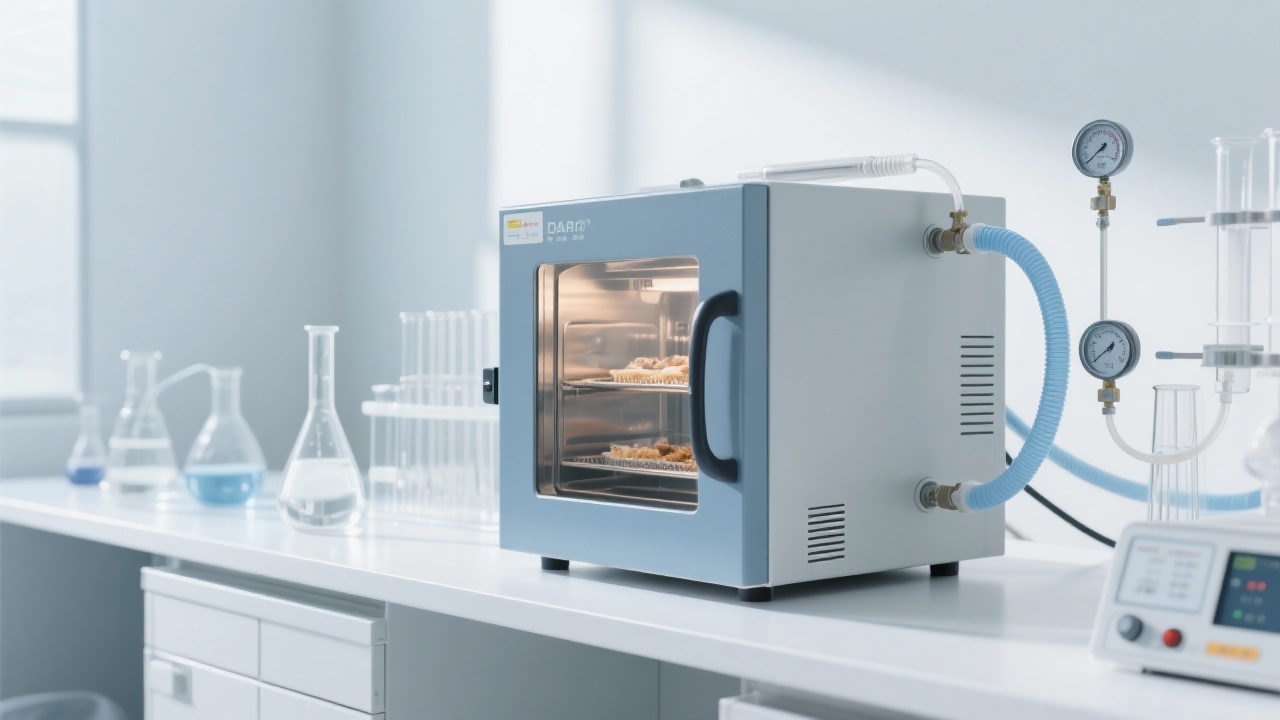
4) Differentiation That Matters: Beyond “Vacuum + Heat” Specs
When selecting laboratory drying equipment, it’s tempting to compare only temperature range and maximum vacuum. A more reliable selection logic is to match the equipment to risk points: thermal damage risk, solvent safety, contamination control, and the repeatability required by your documentation standards.
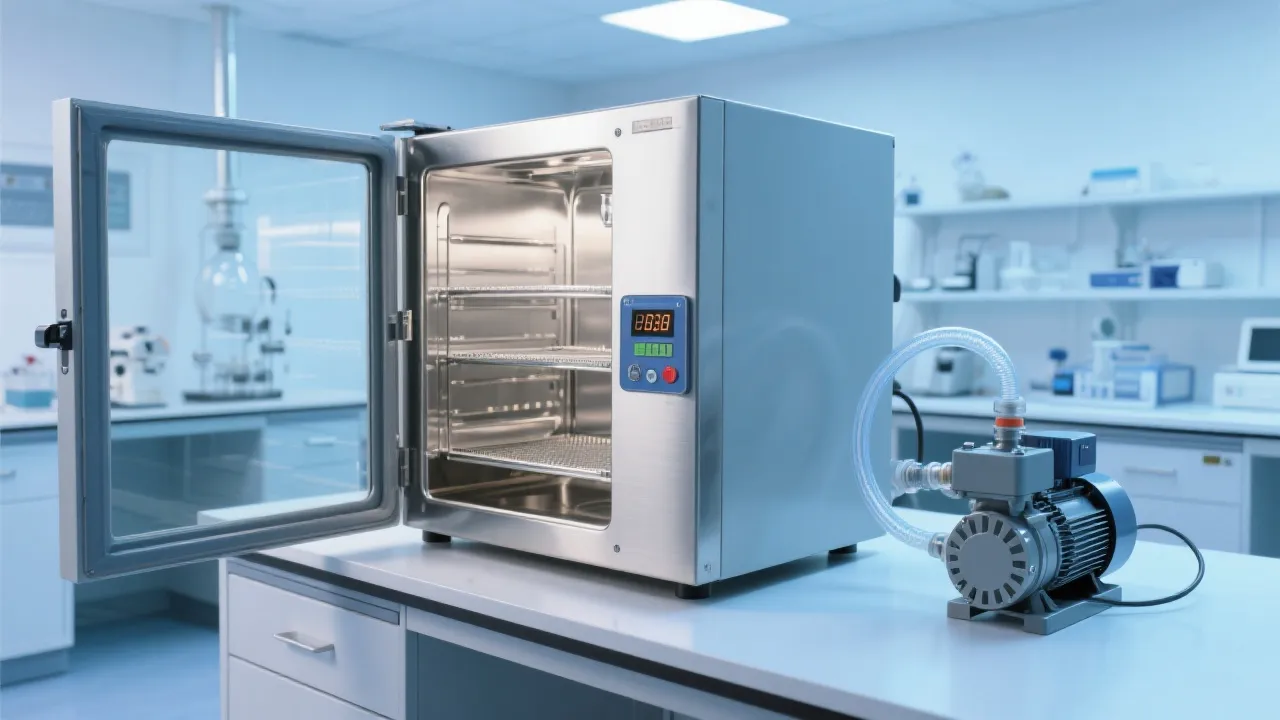
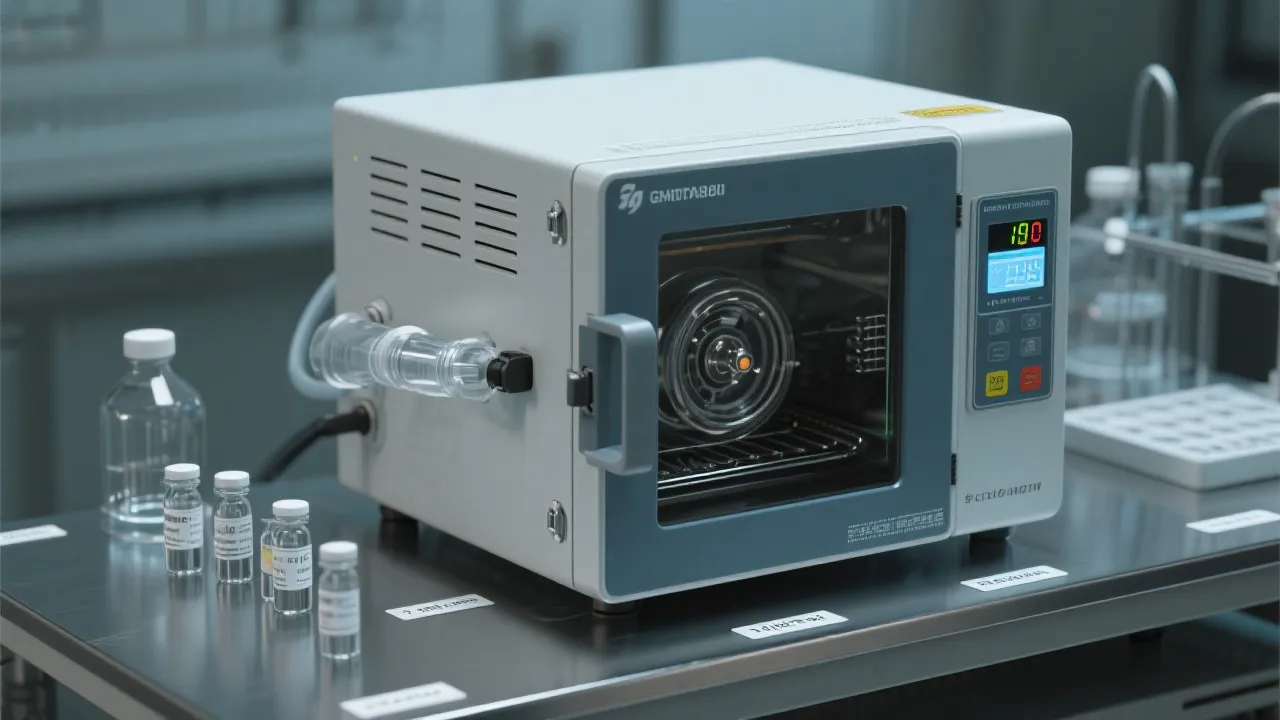
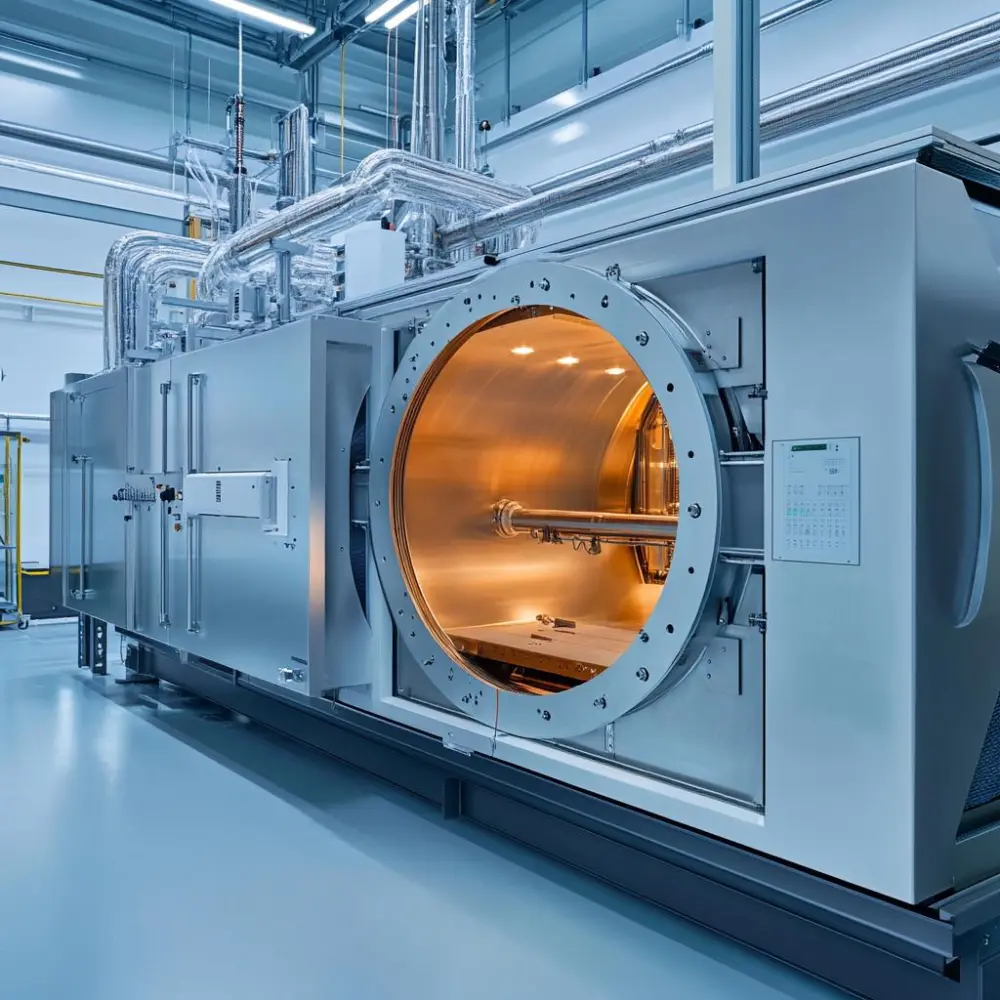
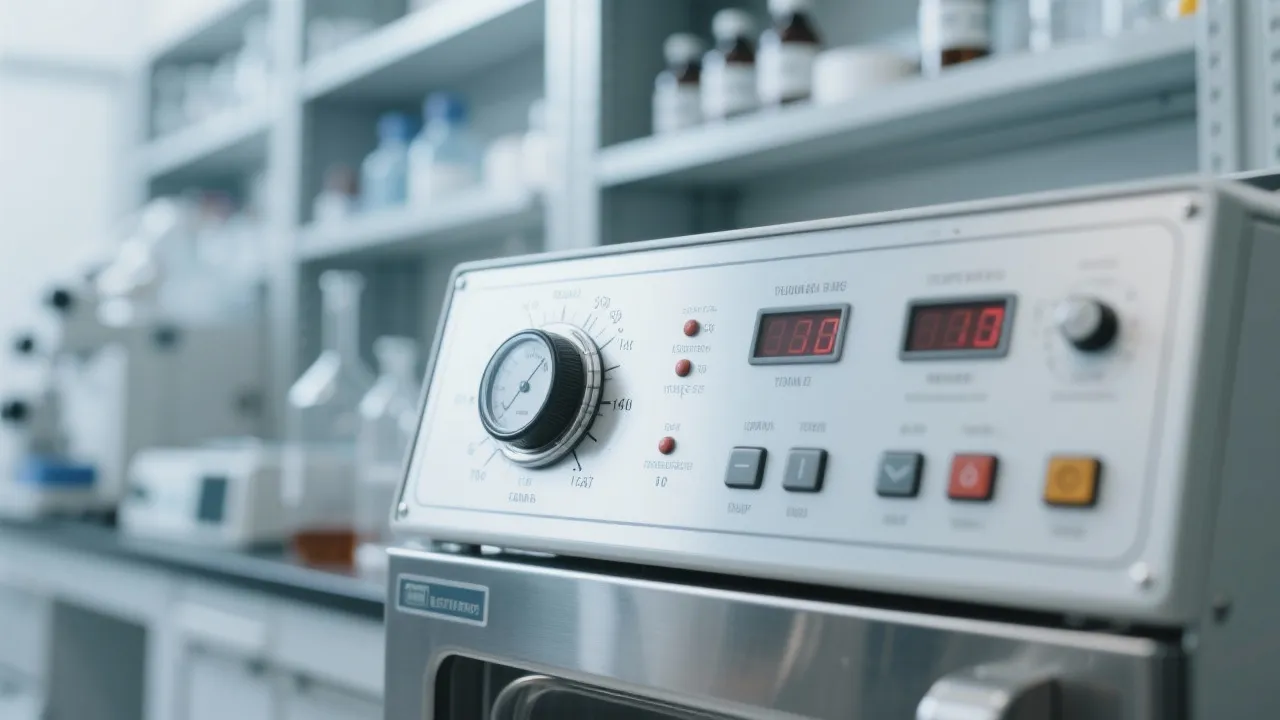
How a mini vacuum oven like the DZF-6010 fits precision drying needs
- High-precision PID control designed to hold temperature stability around ±1 °C, supporting reproducible drying.
- Stainless steel chamber that supports cleanliness expectations and reduces corrosion risk in common lab environments.
- Vacuum-assisted drying to lower solvent boiling points and reduce oxidation exposure compared to atmospheric ovens for suitable samples.
- Safety-oriented configuration options (such as solvent-aware setups) to better align with labs handling volatile materials.
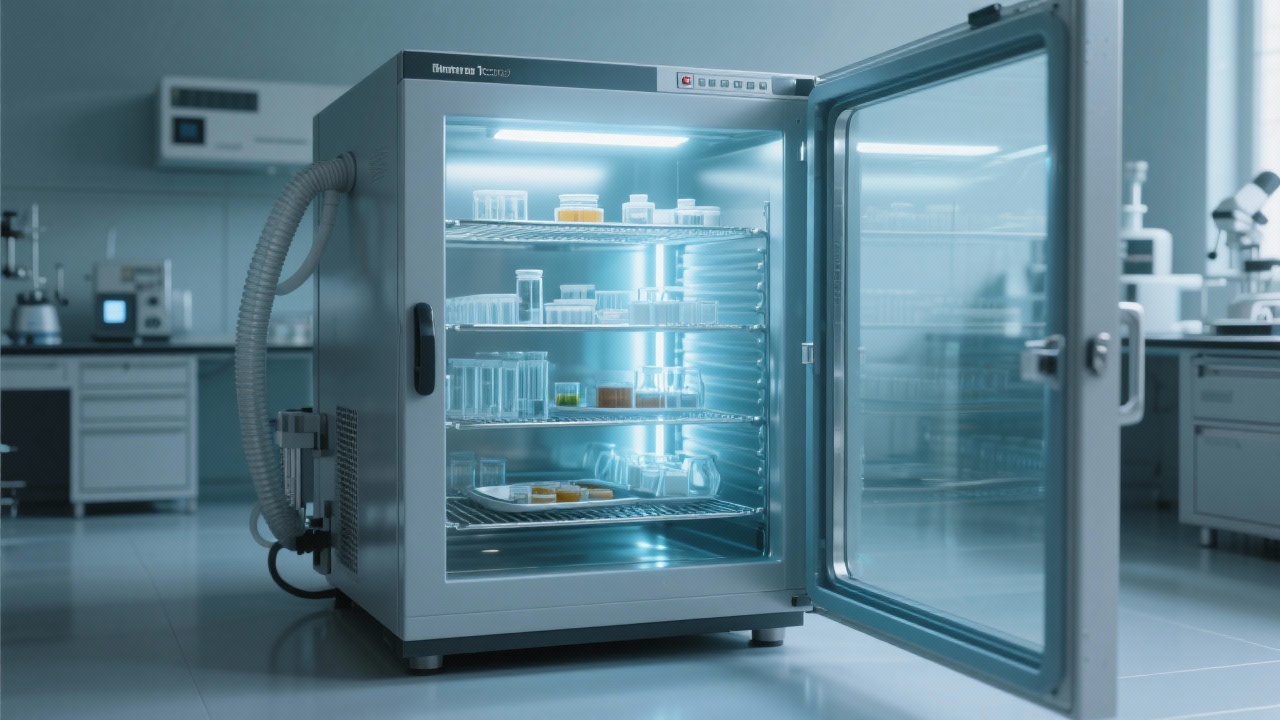
In competitive comparisons, the practical “gap” often appears in the combination: stable control + chamber build + vacuum performance. A unit that only excels in one dimension may still create variability (for example, stable setpoint but uneven distribution; strong vacuum but unstable heating). Labs aiming for reliable data tend to favor balanced performance because it reduces the need for workarounds and repeated runs.
5) A Practical Selection Checklist (Used by Lab Managers and Researchers)
For an awareness-stage decision, a simple checklist can prevent costly mismatches. Instead of asking “Is the oven hot enough?”, ask “Can the oven keep my sample stable, safely, and repeatably?”
| Selection factor |
Why it affects data quality |
What to look for |
| Temperature stability |
Reduces kinetics drift and prevents thermal damage |
PID control with stability near ±1 °C for sensitive protocols |
| Uniformity & layout |
Minimizes shelf-to-shelf variation |
Thoughtful shelf spacing and consistent heat distribution design |
| Vacuum performance |
Lowers boiling points; supports oxidation-sensitive drying |
Stable vacuum with reliable sealing; clear vacuum indication |
| Chamber material |
Reduces contamination risk and improves cleanability |
Stainless steel chamber for common lab standards |
| Safety for volatiles |
Protects staff and facility when drying solvents |
Solvent-aware configuration, proper procedures, and compliant installation |
6) SEO Notes Buyers Actually Search For (And Why They Matter)
In technical procurement, search intent is usually problem-driven. Phrases like laboratory drying equipment selection, high precision temperature control, vacuum oven technology, heat-sensitive material drying, and PID temperature control system often appear when users are trying to reduce experimental uncertainty—not simply replace a device.
The more your selection criteria aligns with those intent signals (stability, uniformity, safety, cleanability), the more likely your final purchase will translate into fewer repeats, clearer documentation, and more reliable experimental outcomes.
Ready to tighten your drying repeatability without overcomplicating the workflow?
If your lab handles heat-sensitive samples, volatile solvents, or any protocol where a few degrees can shift results, a compact, PID-controlled vacuum oven is a practical next step for more stable, defensible data.
Explore the DZF-6010 Mini Vacuum Oven for High-Precision Temperature Control
Typical request: application fit check, chamber volume guidance, and recommended drying parameters for your material class.