Are you tired of inconsistent drying results in your lab or production line? Whether you're handling sensitive biological samples, electronic components, or industrial materials, temperature stability is no longer optional—it’s critical. In vacuum drying applications, even a 2°C fluctuation can compromise sample integrity, reduce reproducibility, and waste valuable time and resources.
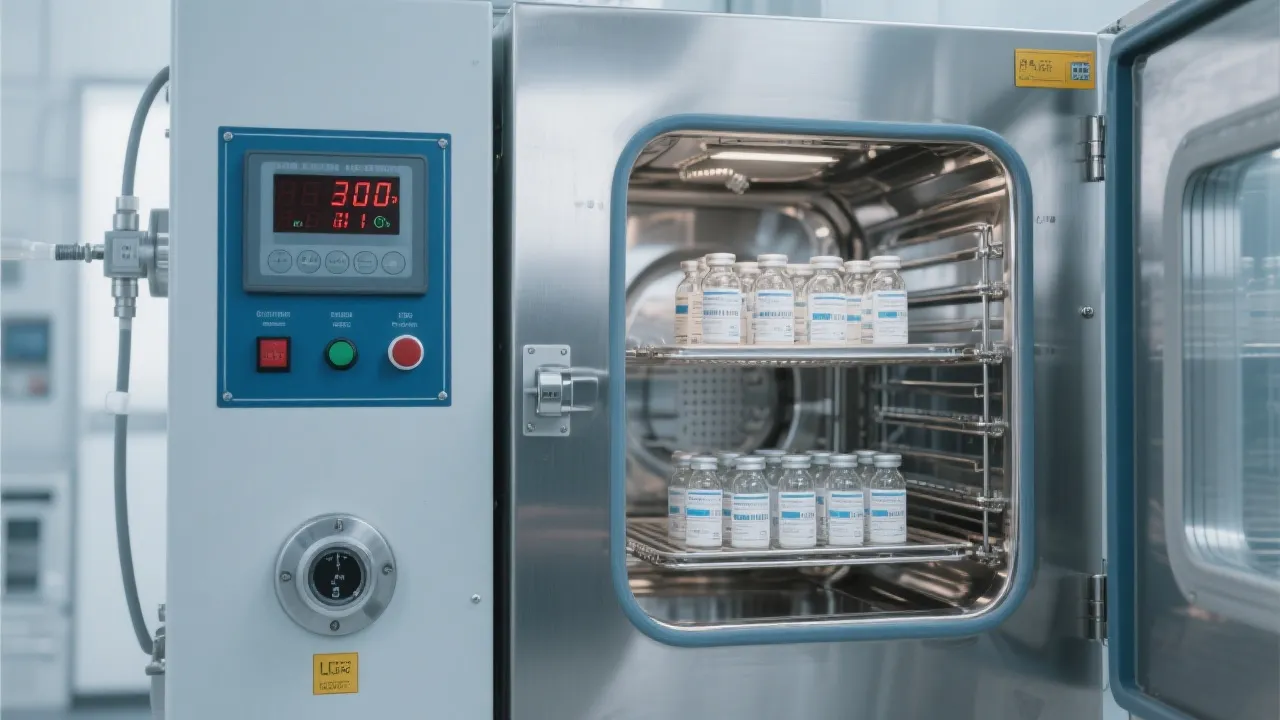
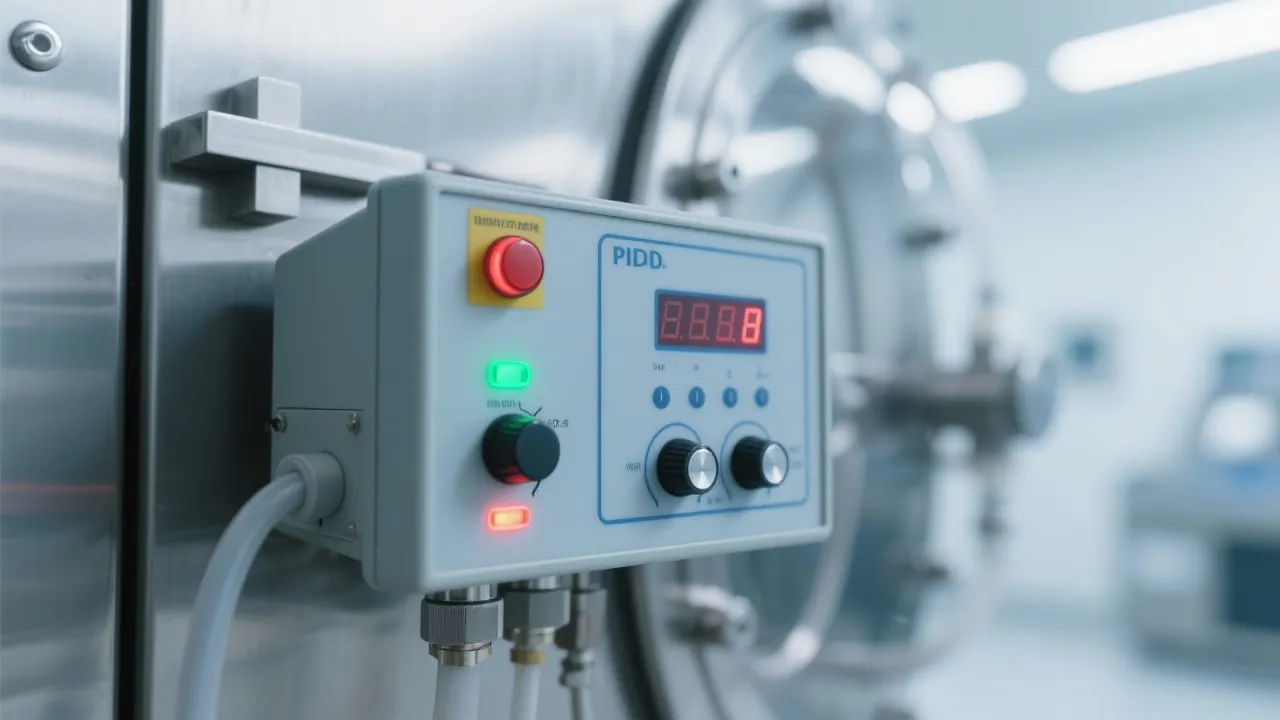
PID (Proportional-Integral-Derivative) control isn’t just another technical term—it’s the backbone of modern digital vacuum dryers. Unlike traditional on/off thermostats that cause overshoots and oscillations, PID continuously adjusts heat output based on real-time feedback. For example, in a standard vacuum chamber, traditional systems might swing between 65°C and 75°C over 30 minutes. With PID, you get consistent performance within ±1°C—proven across hundreds of test cycles with our DZ-3BCII model.
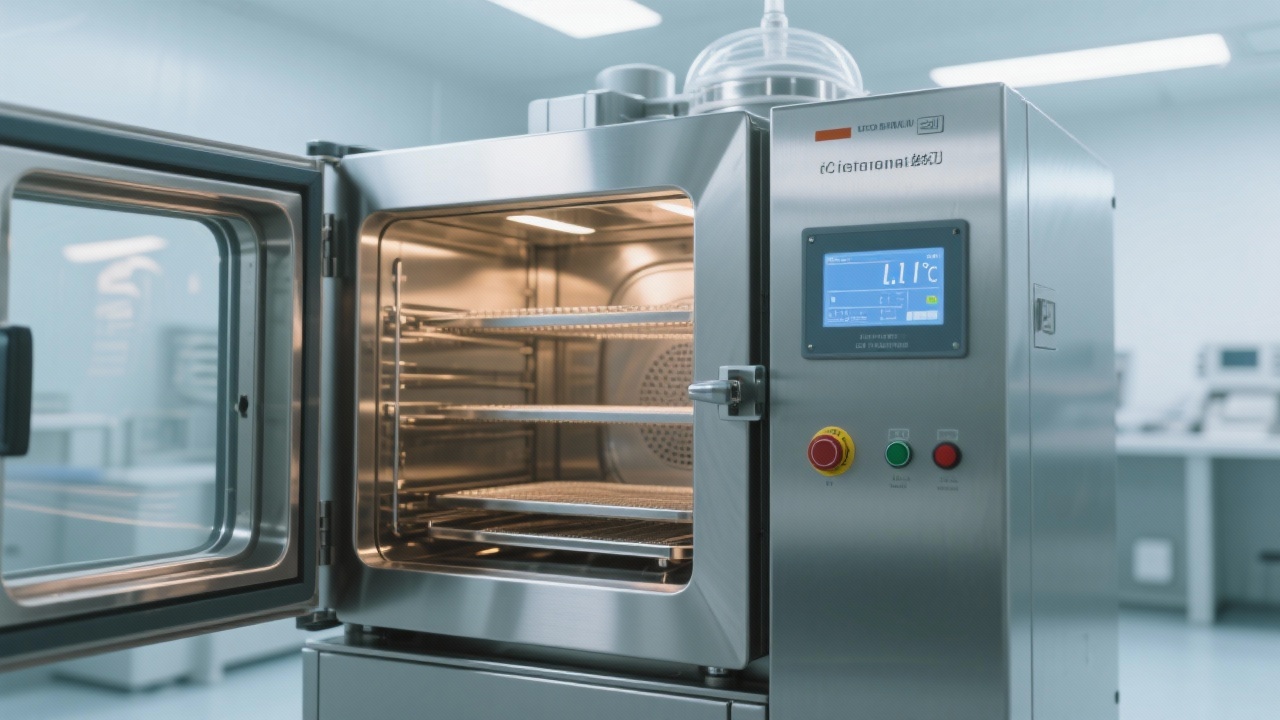
Temperature uniformity matters more than you think. A study by the National Institute of Standards and Technology (NIST) found that non-uniform heating in vacuum ovens leads to up to 18% variation in drying efficiency for organic compounds. That means if one batch dries faster due to hot spots, your next experiment could yield different outcomes—even with identical settings.
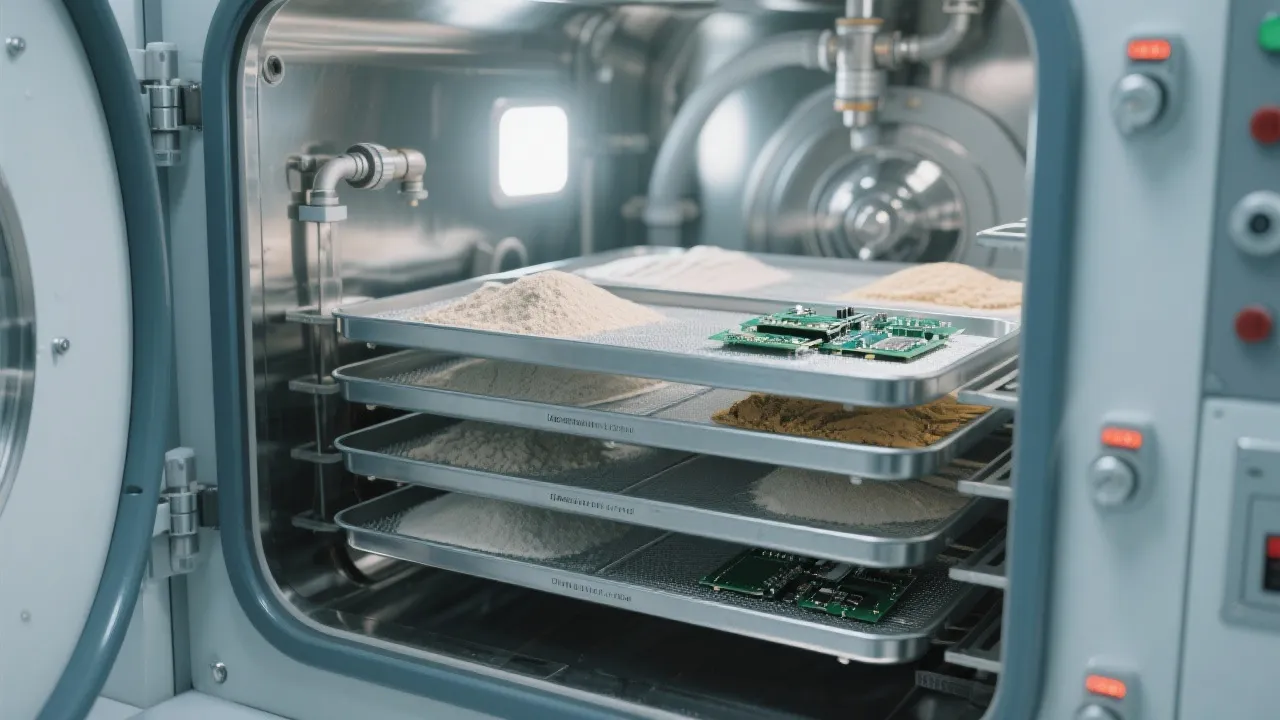
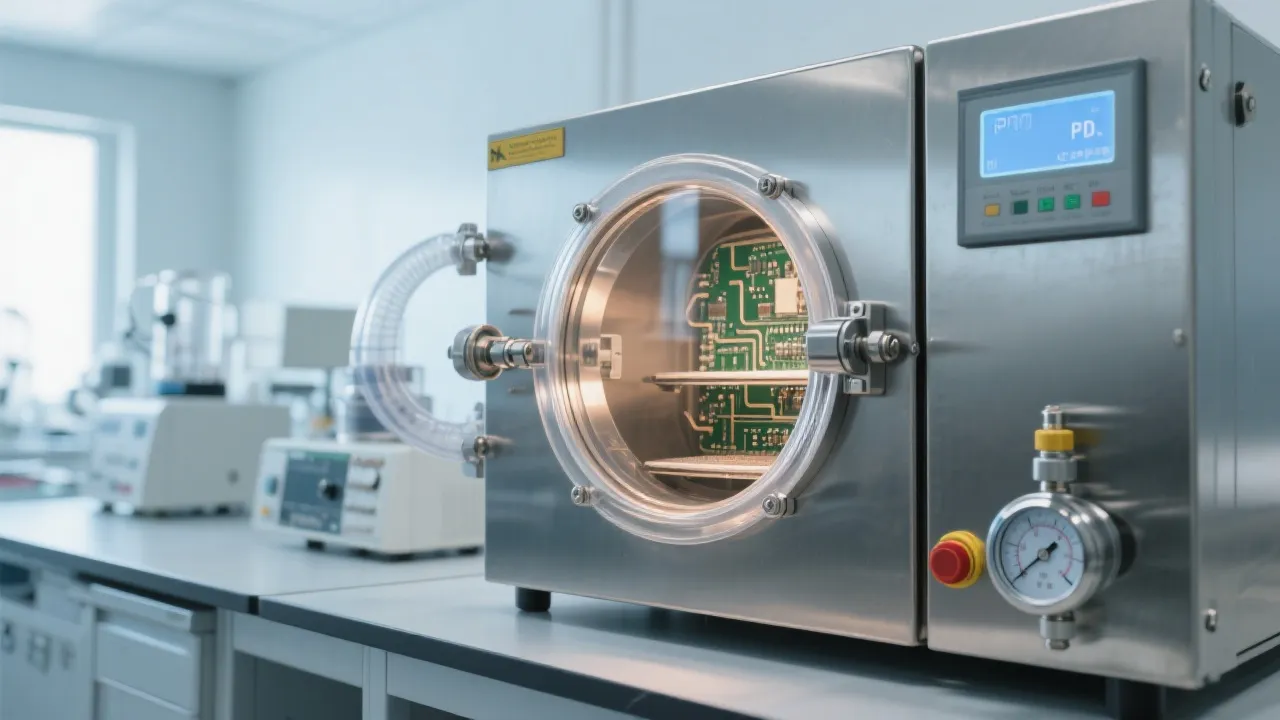
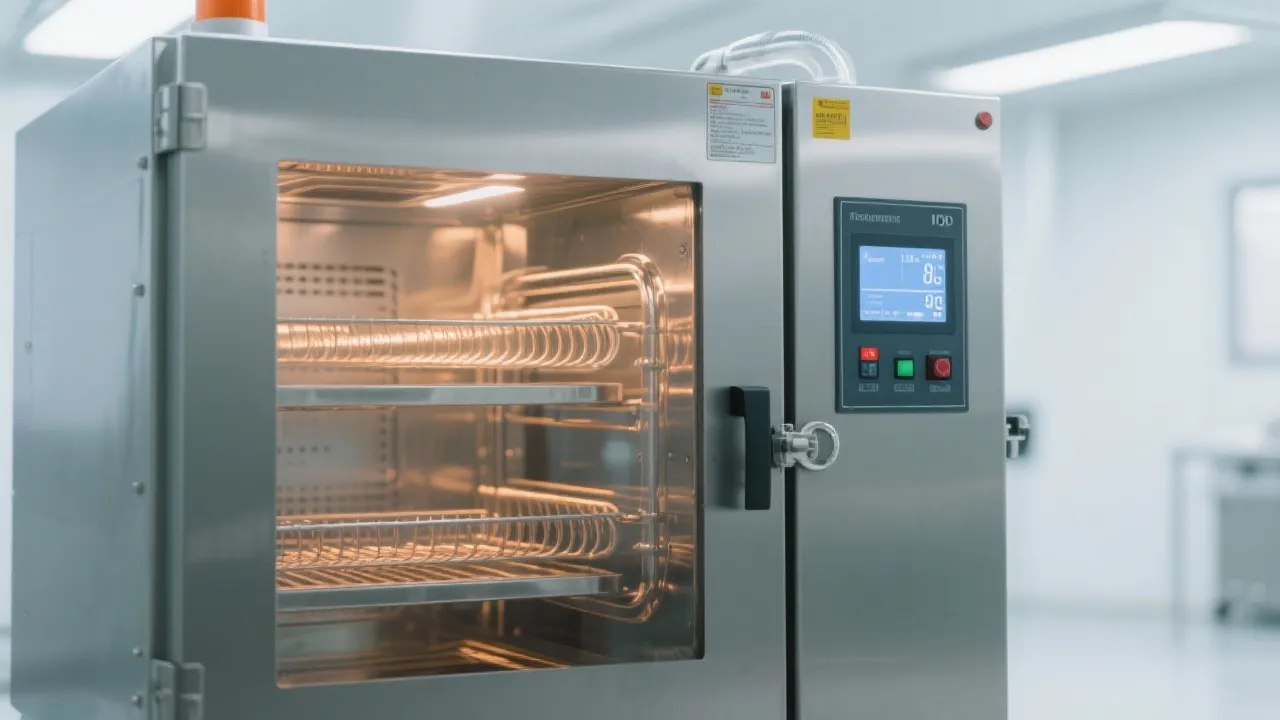
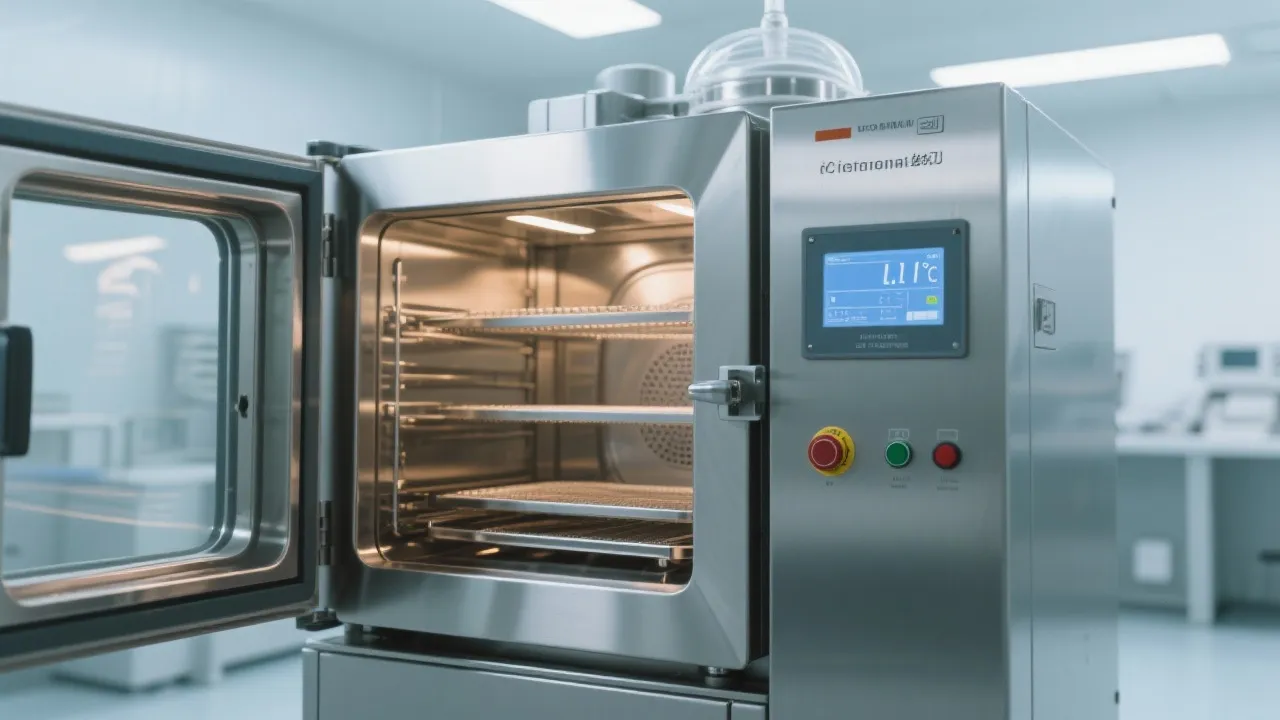
The DZ-3BCII features four-wall heating design, ensuring even thermal distribution across the chamber. This isn't just marketing jargon—it's measurable. Lab tests show a variance of only ±1.2°C at any point inside the chamber, compared to up to ±5°C in older models.
Imagine preparing polymer films for semiconductor manufacturing. If the temperature drifts beyond ±2°C during pre-drying, moisture retention may lead to delamination later in processing. Or consider a biotech lab where DNA samples must be dried without denaturation—a task impossible without precise, stable conditions.
That’s why leading research institutions and mid-sized manufacturers are switching to PID-based systems like the DZ-3BCII. It’s not just about accuracy—it’s about repeatability. Every run delivers the same result, which is essential for both compliance (like ISO standards) and customer trust.
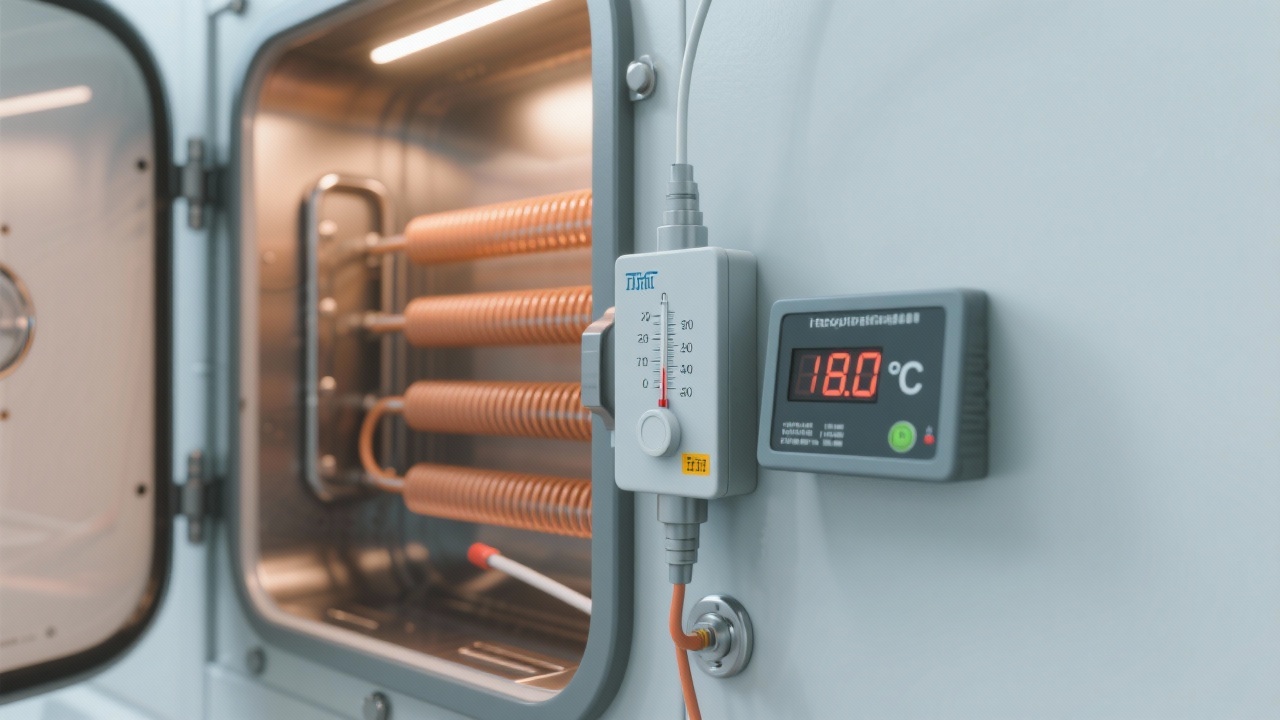
Quick Check: Have you ever noticed uneven drying patterns in your current equipment? If yes, it might not be user error—it could be poor temperature control.
If your work involves high-value materials or regulated environments, investing in a PID-controlled vacuum dryer isn’t a luxury—it’s a necessity. Ask yourself:
If the answer is “yes” to any of these, upgrading to a digitally controlled system like the DZ-3BCII makes sense—not just for quality, but for long-term cost savings.
Remember: In science and industry, precision isn’t just a feature—it’s a foundation. Let your drying process reflect the rigor of your work.