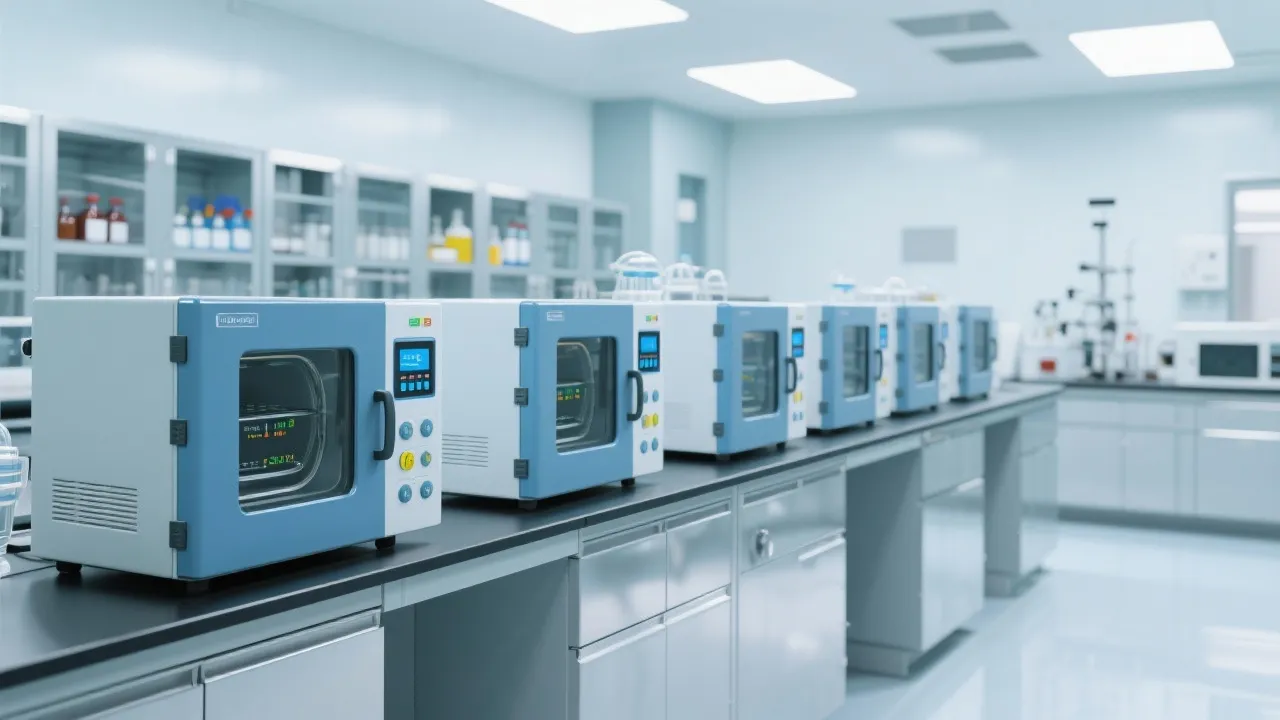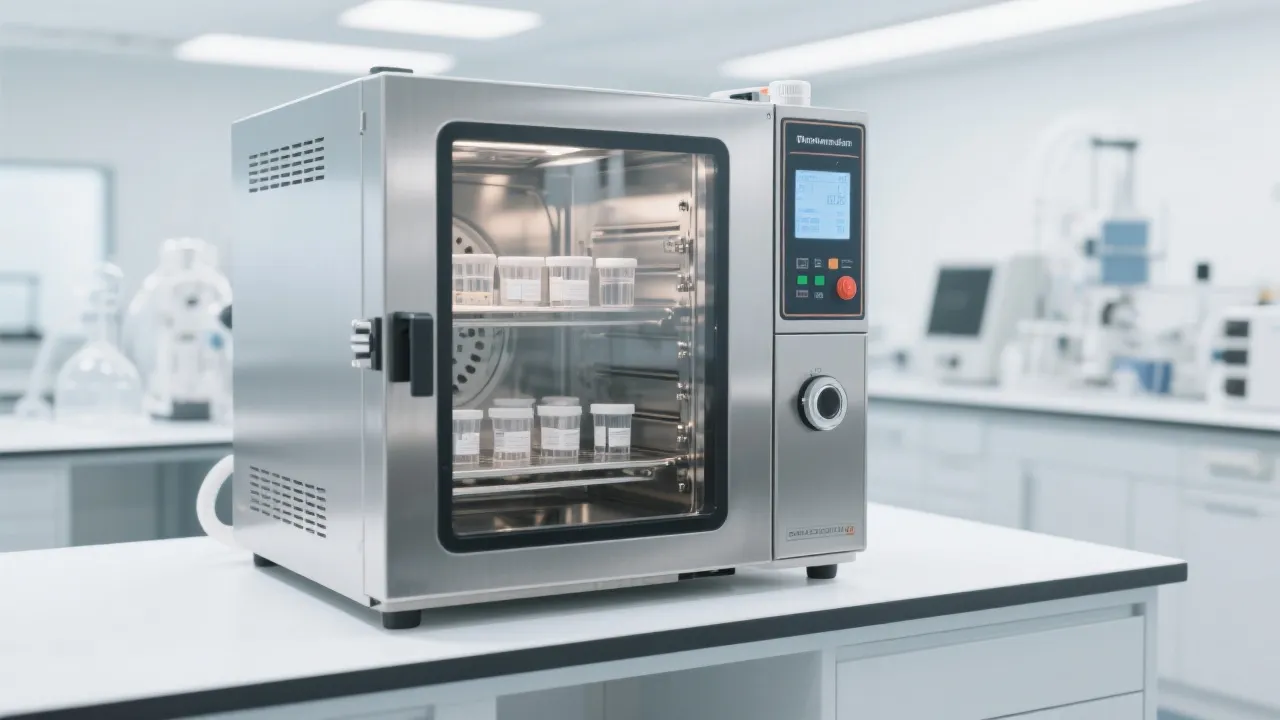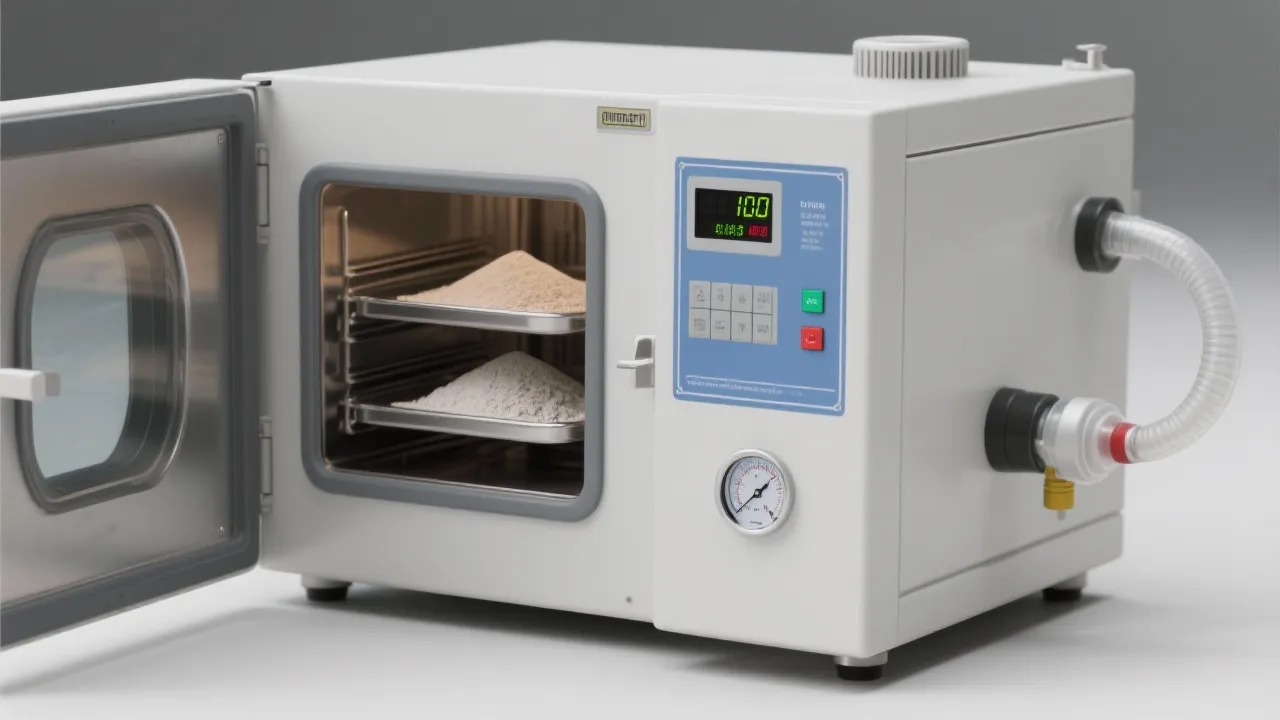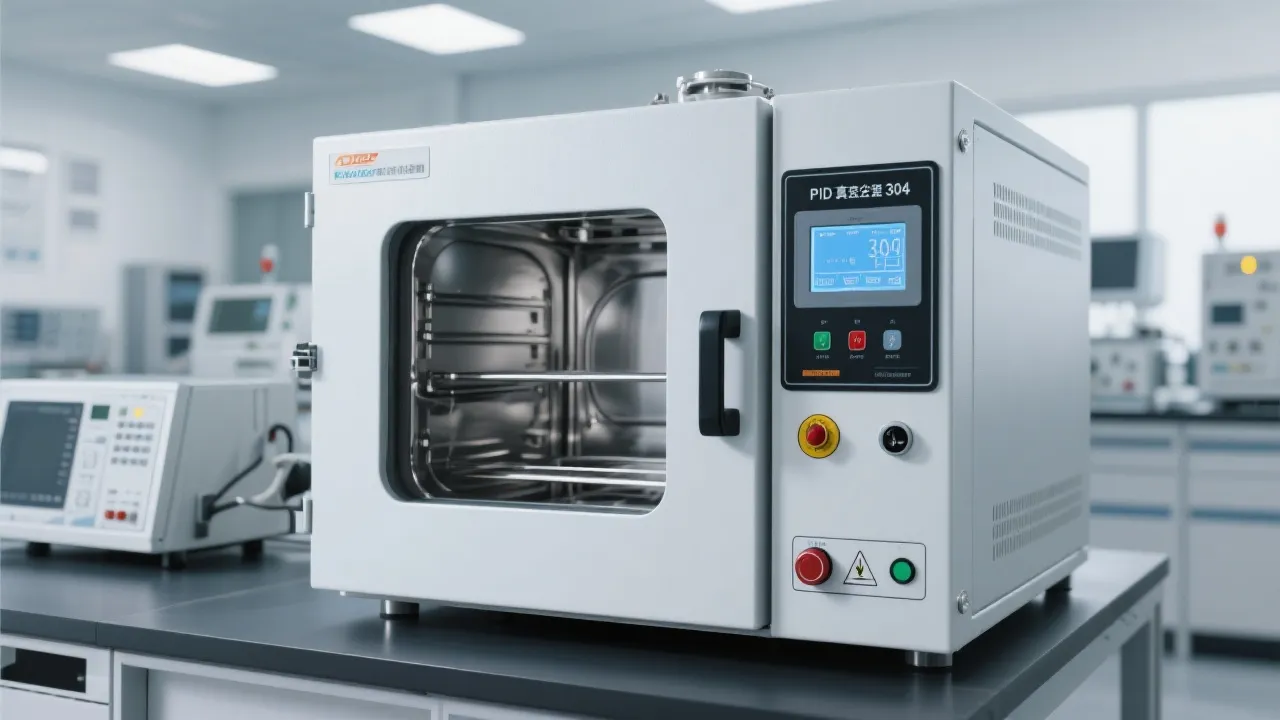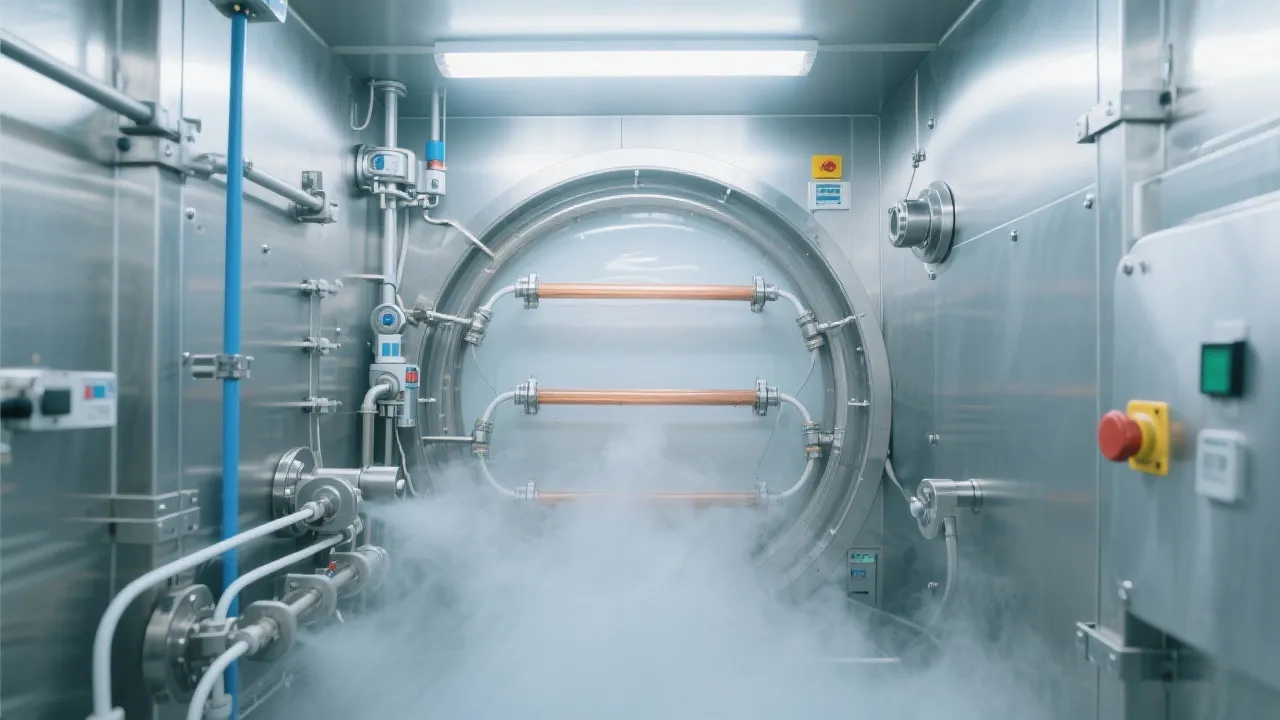
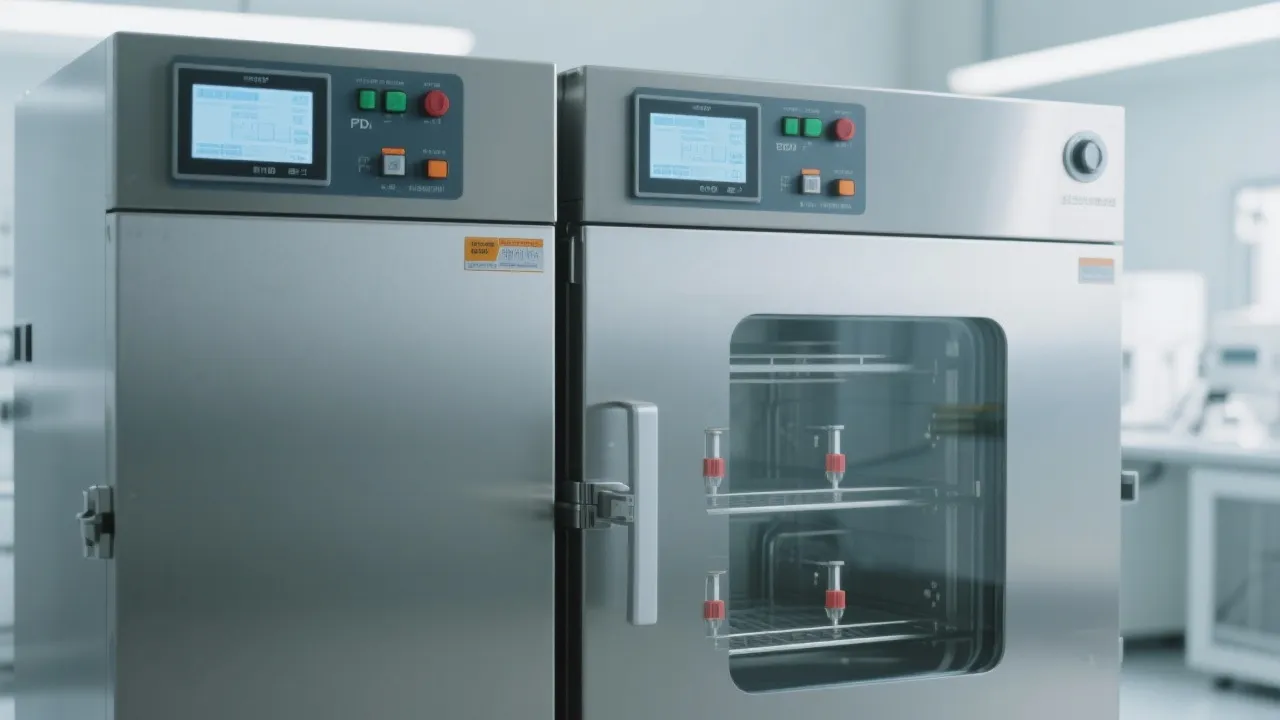
In the world of laboratory drying equipment, achieving precise temperature control and uniformity is crucial. The PID (Proportional-Integral-Derivative) temperature control system has emerged as a game-changer in this field, especially when it comes to vacuum drying ovens like the DZF - 6020. Let's delve into how this system works and how it can optimize the drying process.
The PID temperature control system operates on the principle of continuously adjusting the output based on the difference between the set temperature and the actual temperature. In a vacuum environment, where heat transfer mechanisms are different from normal conditions, the PID system's adaptability shines.
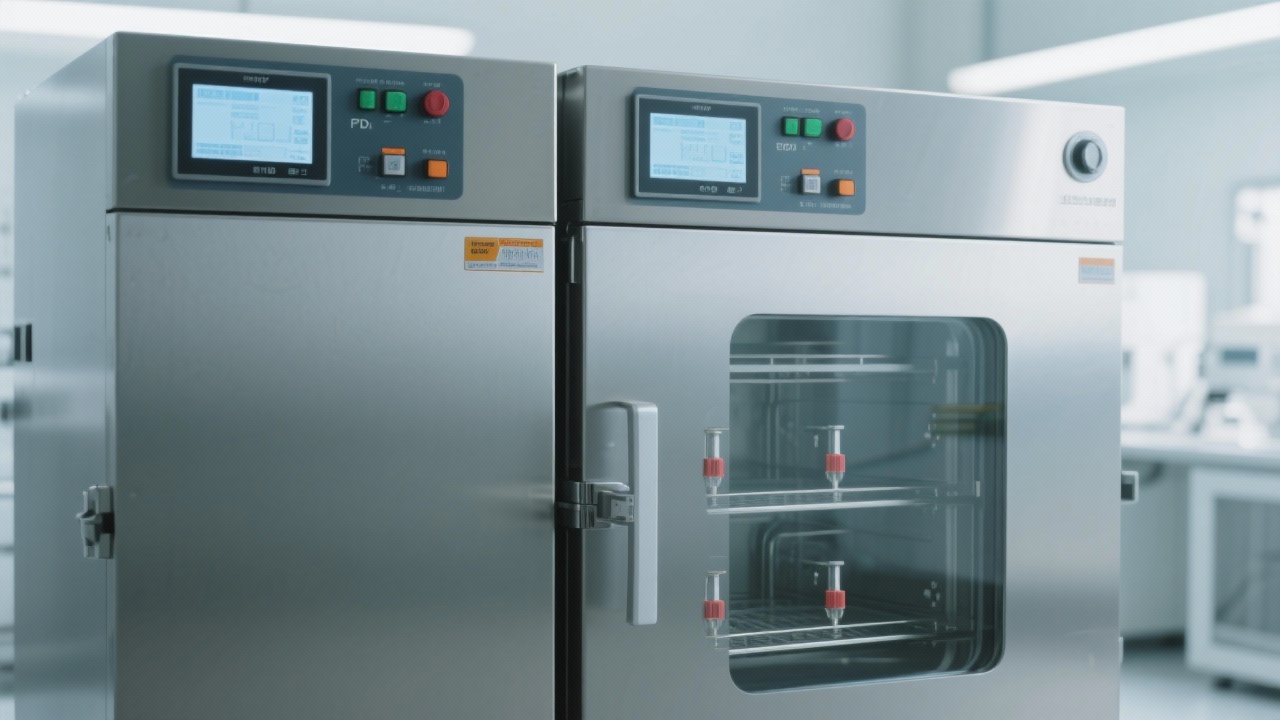
The Proportional (P), Integral (I), and Derivative (D) parameters play distinct roles in the temperature control process. The P parameter determines the responsiveness of the system to temperature errors. A higher P value leads to a faster initial response but may cause overshooting. The I parameter accumulates past temperature errors over time and helps to eliminate steady - state errors. Meanwhile, the D parameter anticipates future temperature changes based on the current rate of change, reducing oscillations and improving stability.
One of the key advantages of modern PID - controlled vacuum drying ovens is the ability to adjust parameters in real - time through a digital display. In practical laboratory scenarios, researchers can monitor the temperature trends and fine - tune the P, I, and D values as needed. This feature allows for on - the - fly optimization of the drying process, ensuring consistent results across different batches.
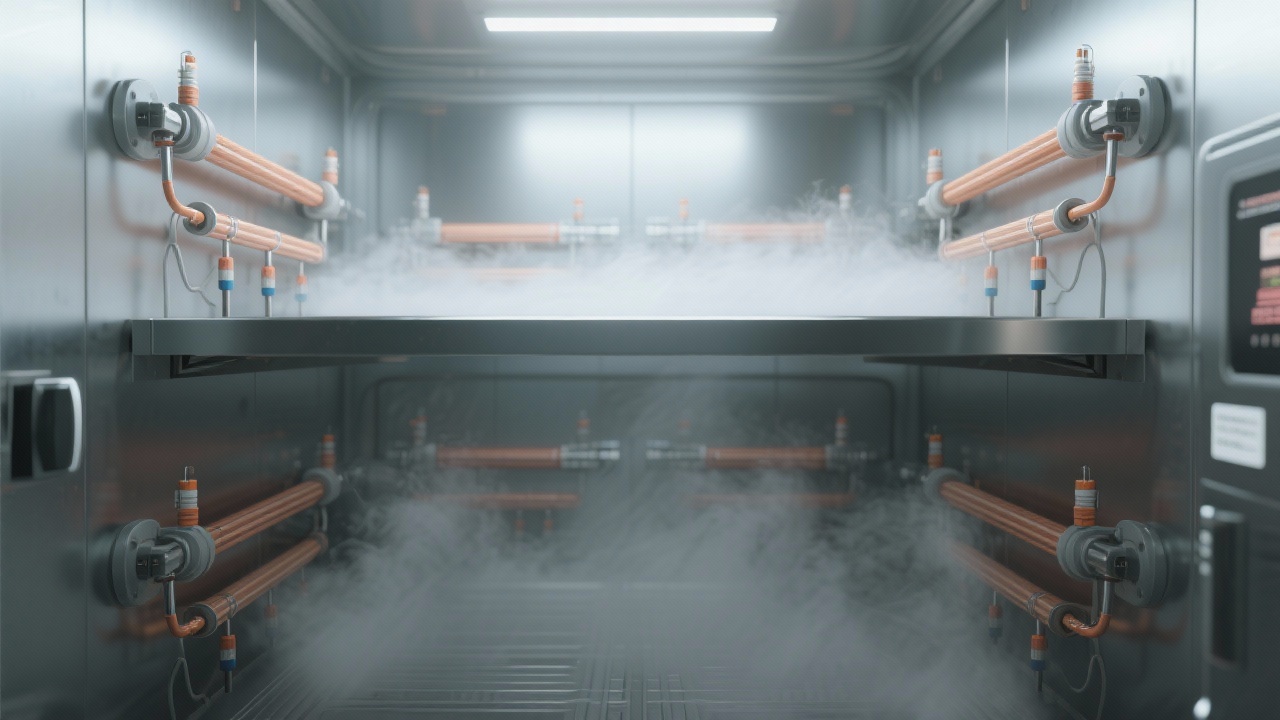
Compared with traditional analog control systems, PID temperature control offers significantly higher precision. Traditional analog systems often struggle to maintain a stable temperature in the face of external disturbances or changes in the drying load. In contrast, PID systems can quickly adapt and make accurate adjustments. For example, in a test among 100 drying cycles, a PID - controlled DZF - 6020 vacuum oven maintained the temperature within ±1°C, while the traditional analog control system had a temperature fluctuation of up to ±5°C. "Since switching to the PID - controlled vacuum oven, we've noticed a remarkable improvement in the consistency of our dried samples," said a lab technician from a pharmaceutical research institute.
In the pharmaceutical and materials research industries, the PID temperature control system has proven to be a valuable asset. In pharmaceutical drying, where the quality of drugs is highly sensitive to temperature variations, the PID system ensures that heat - sensitive materials are dried gently and uniformly. In materials research, it helps to achieve precise control over the drying process, leading to better - quality samples and more reliable research results.
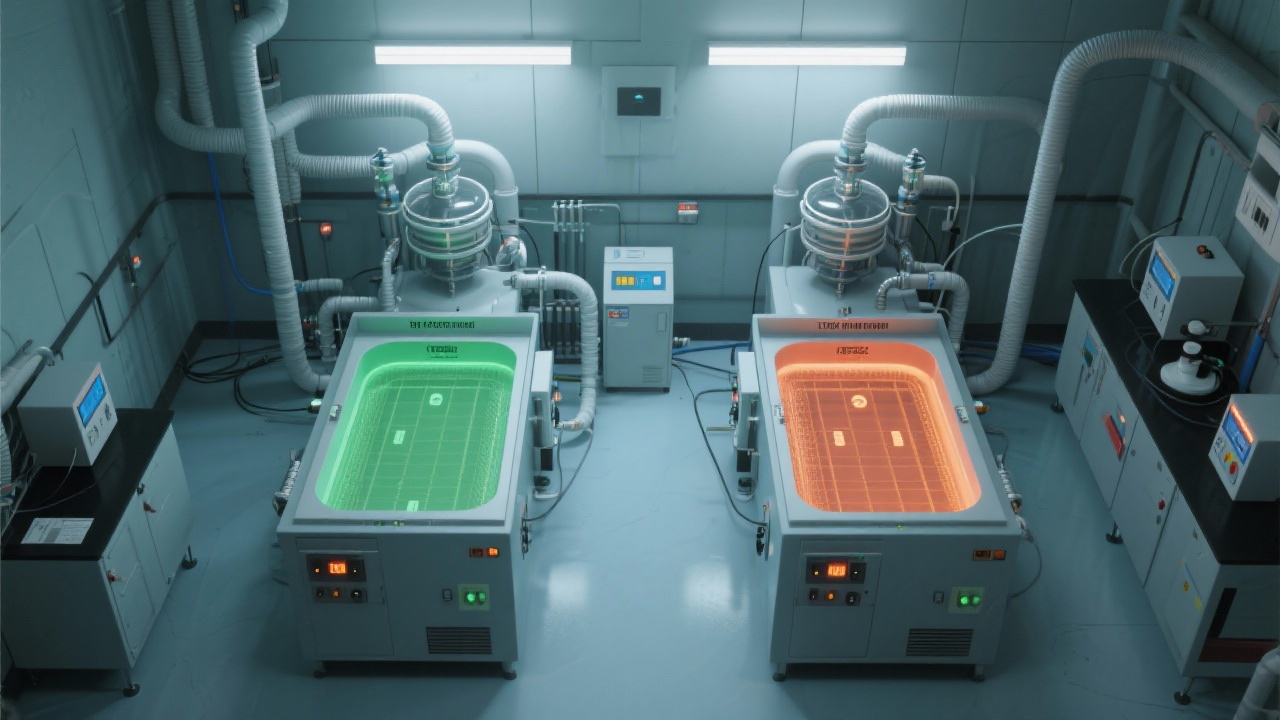
With a power of 800W, the DZF - 6020 vacuum oven equipped with a PID temperature control system is designed for energy efficiency. The system optimizes the energy consumption by adjusting the heating output based on the actual temperature requirements. This not only reduces the operating cost but also contributes to a more sustainable laboratory environment.
In conclusion, the PID temperature control system is a revolutionary technology for vacuum drying ovens. It offers precise temperature control, enhances temperature uniformity, and improves the overall quality of the drying process. Let every drying process be more reliable with our PID - controlled vacuum drying ovens!