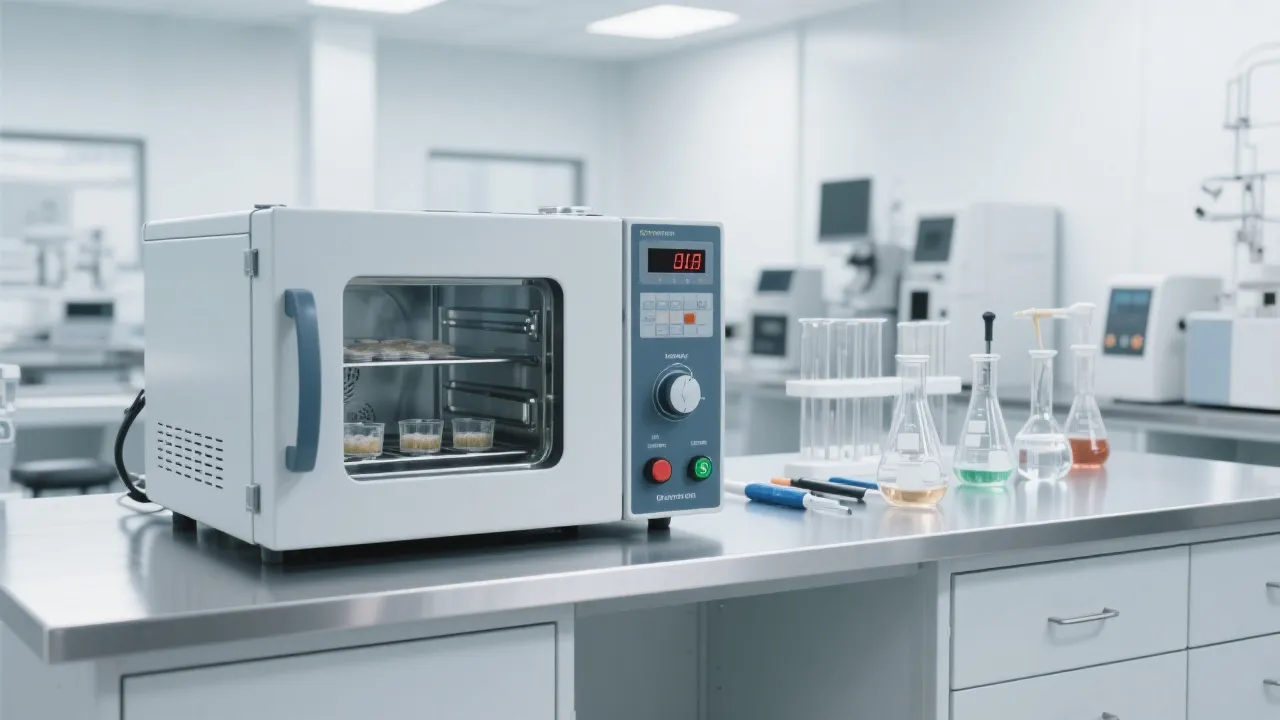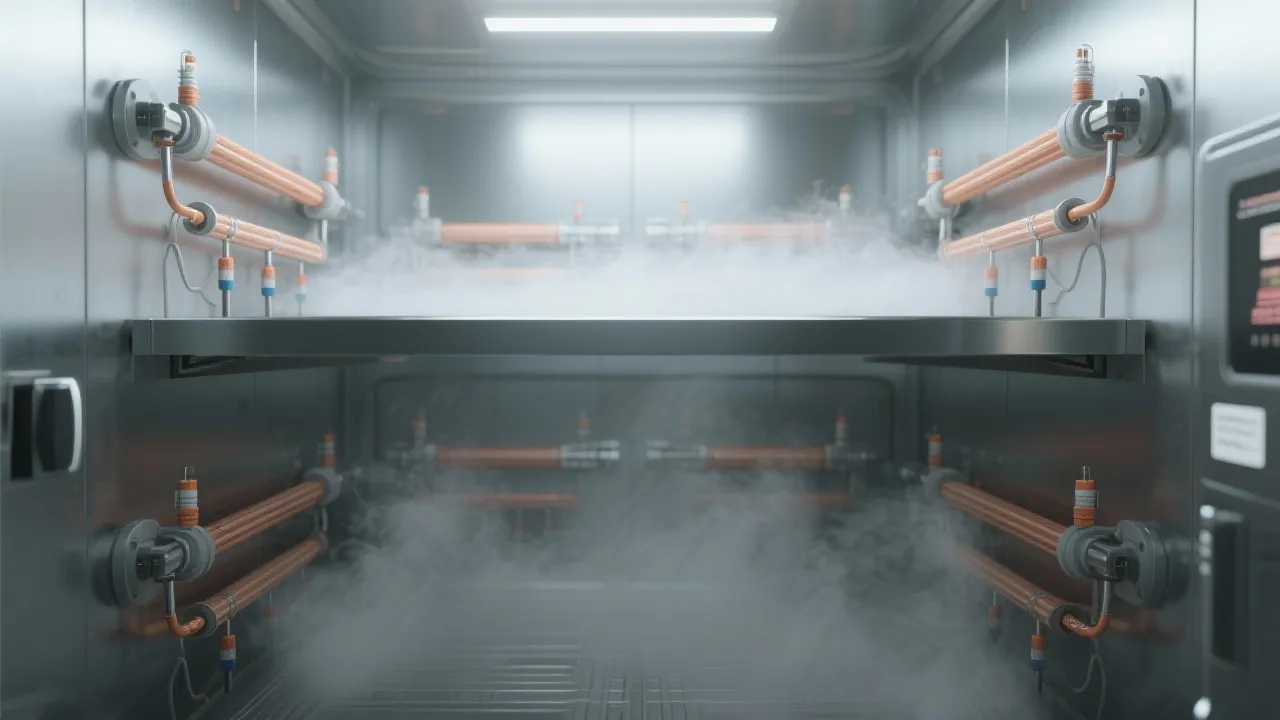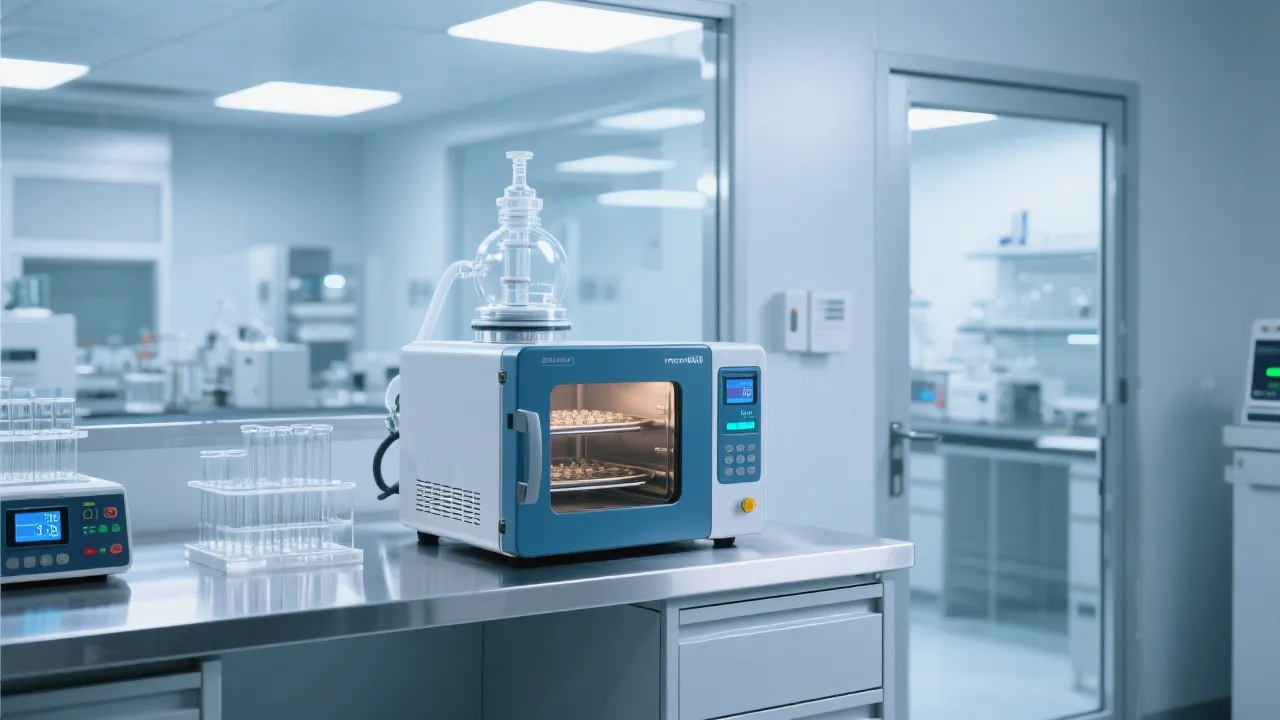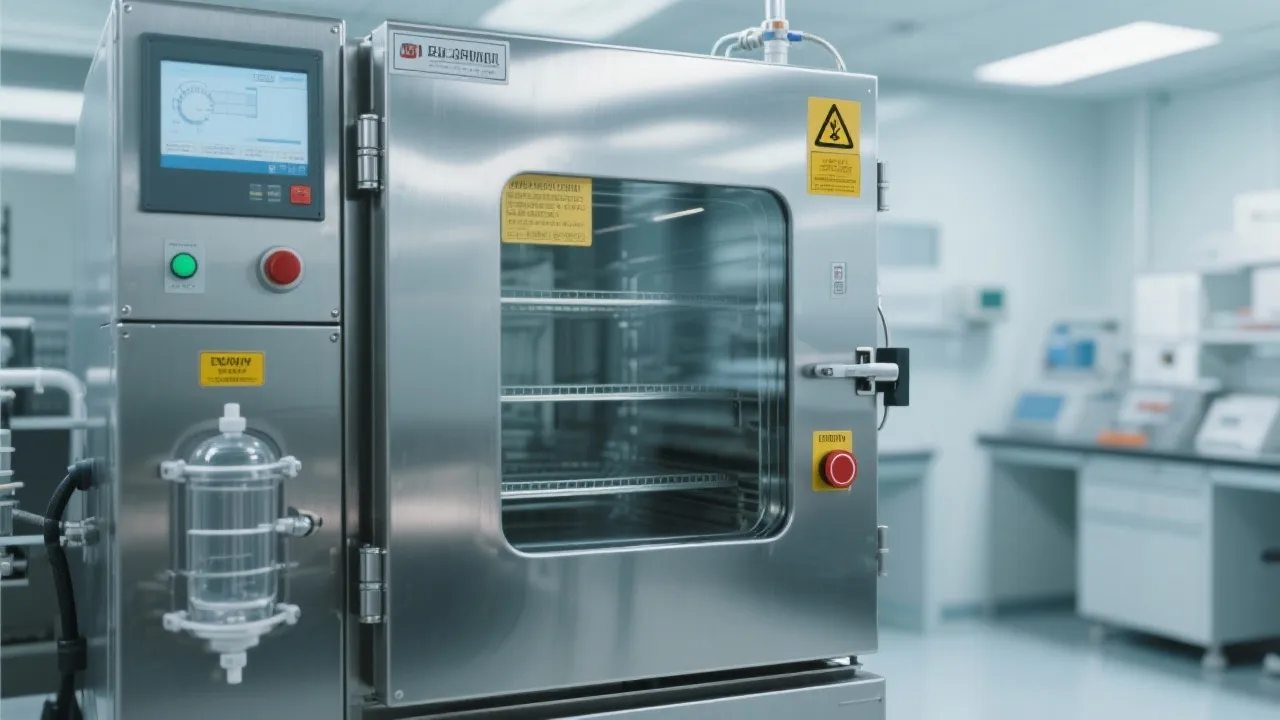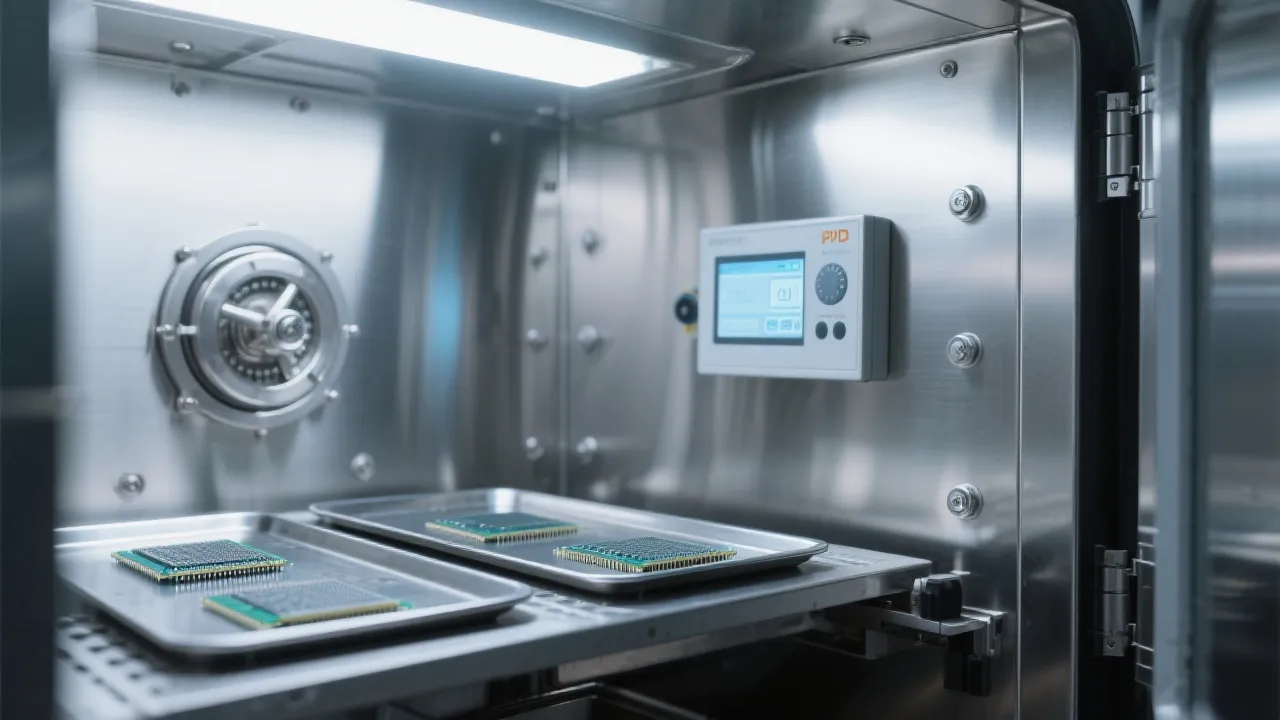

In the realm of laboratory experiments, temperature control plays a pivotal role in ensuring the accuracy and reliability of results. The PID (Proportional-Integral-Derivative) temperature control system has emerged as a revolutionary solution, significantly enhancing temperature control stability and experimental precision. This article delves into the working principles, advantages, and practical applications of the PID temperature control system.
The PID temperature control system operates based on a sophisticated algorithm that combines proportional, integral, and derivative control actions. The proportional term adjusts the output in proportion to the current temperature error. The integral term accumulates the error over time, eliminating any steady - state error. The derivative term predicts future changes in the temperature error, providing a proactive adjustment to the control output. This synergy of the three components enables the system to achieve precise temperature regulation.
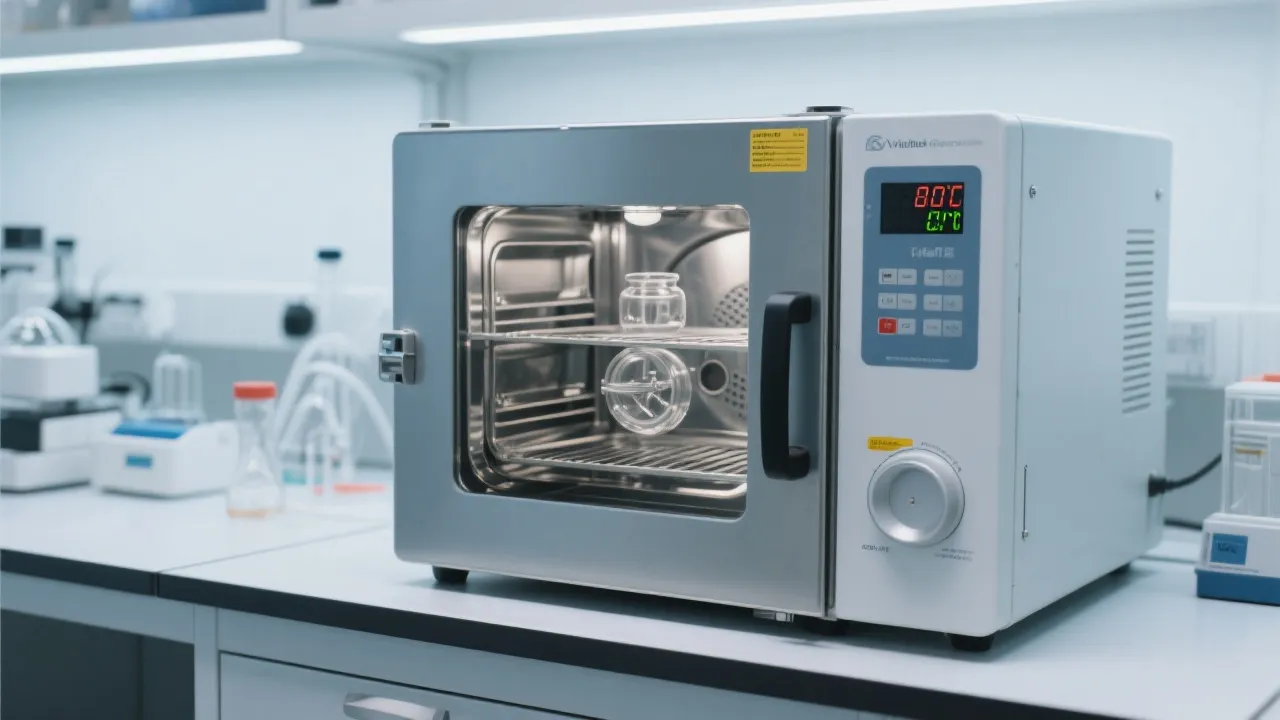
For instance, in a chemical experiment where a specific temperature needs to be maintained, the PID system can quickly and accurately adjust the heating or cooling mechanism to keep the temperature within the desired range. This is achieved by continuously monitoring the temperature difference between the setpoint and the actual temperature and making real - time adjustments.
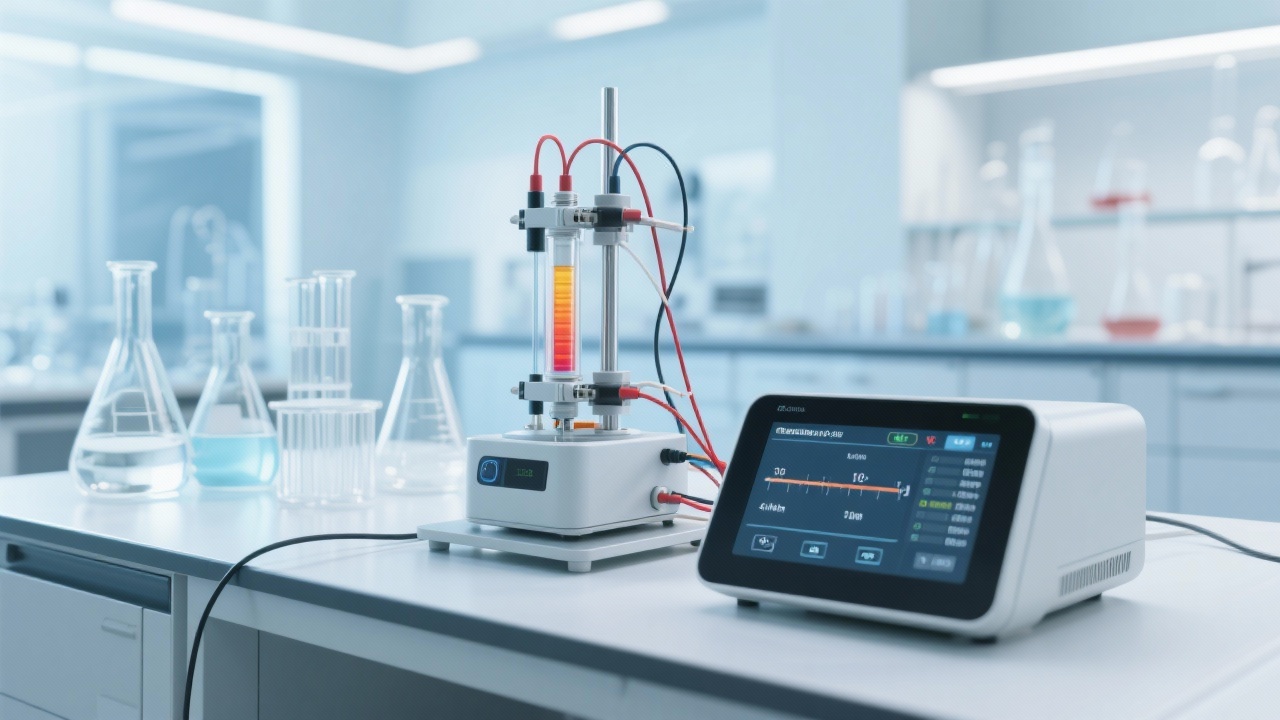
Traditional ON/OFF temperature control systems work by simply turning the heating or cooling device on or off when the temperature crosses a certain threshold. This method often leads to significant temperature fluctuations. In contrast, the PID temperature control system offers several distinct advantages.
Firstly, in terms of response speed, the PID system can react much faster to temperature changes. In a controlled experiment, it may reduce the response time from several minutes in a traditional system to just a few seconds. Secondly, the PID system can effectively suppress temperature fluctuations. While the traditional ON/OFF system may cause temperature variations of up to ±5°C, the PID system can limit these fluctuations to within ±0.5°C.
Moreover, the PID system is more energy - efficient. By adjusting the output in a more precise manner, it reduces unnecessary heating or cooling, potentially cutting energy consumption by up to 30% in some scenarios.
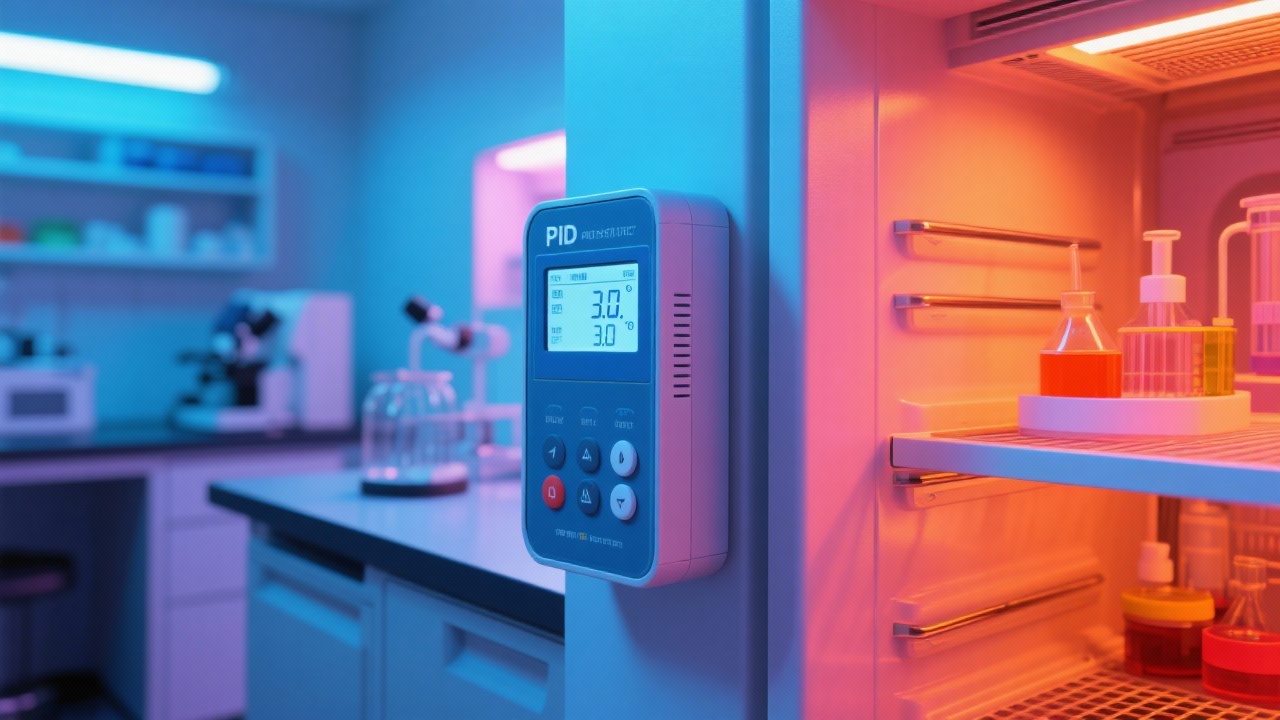
Adjusting the PID parameters is crucial for optimizing the system's performance. Different experimental requirements call for different parameter settings. For low - speed heating processes, a smaller proportional gain and a larger integral gain may be appropriate to ensure a smooth temperature increase. In high - speed constant - temperature scenarios, a larger proportional gain and a smaller integral gain can help the system reach and maintain the set temperature quickly.
For example, in a material annealing experiment, where a slow and stable temperature increase is required, the PID parameters need to be carefully adjusted to prevent over - heating or under - heating. By providing practical guidance on parameter adjustment, researchers can better utilize the PID system to meet their specific experimental needs.
The PID temperature control system has wide - ranging applications in various industries. In the material science field, it is used to control the temperature during the synthesis and processing of materials. For materials that are sensitive to temperature changes, such as some high - performance polymers, the precise temperature control provided by the PID system can ensure the quality and properties of the final product.
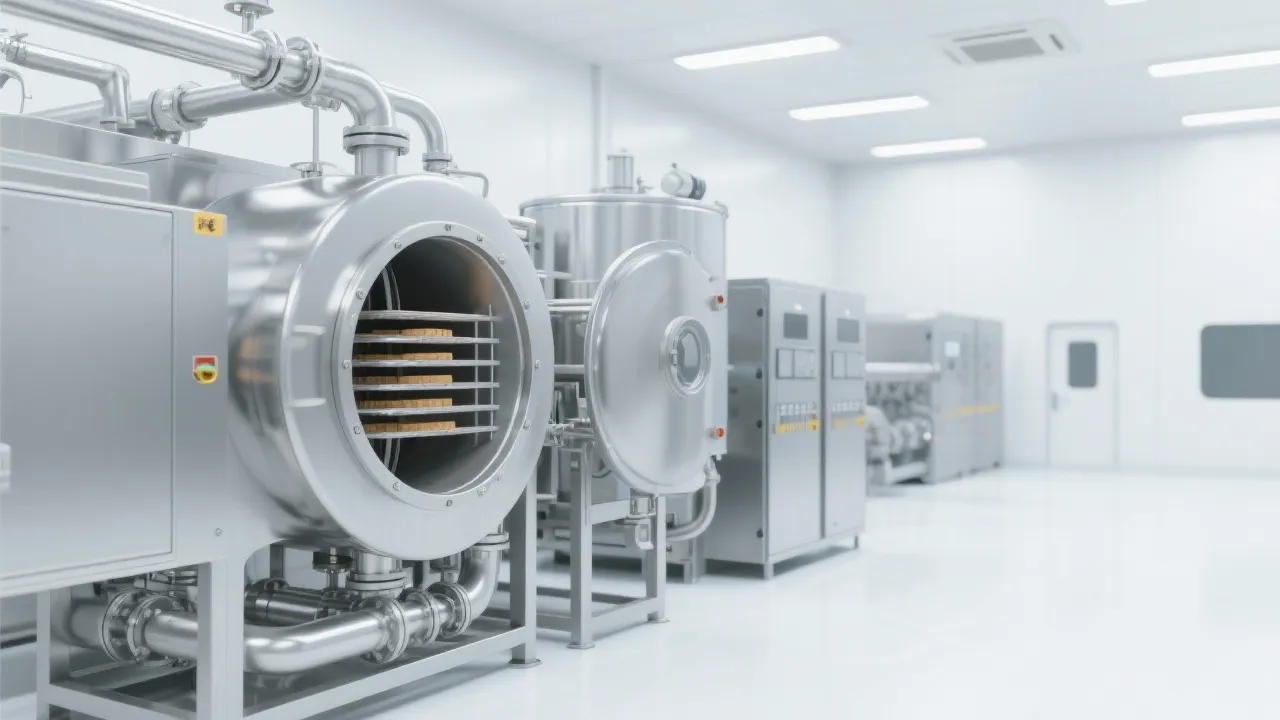
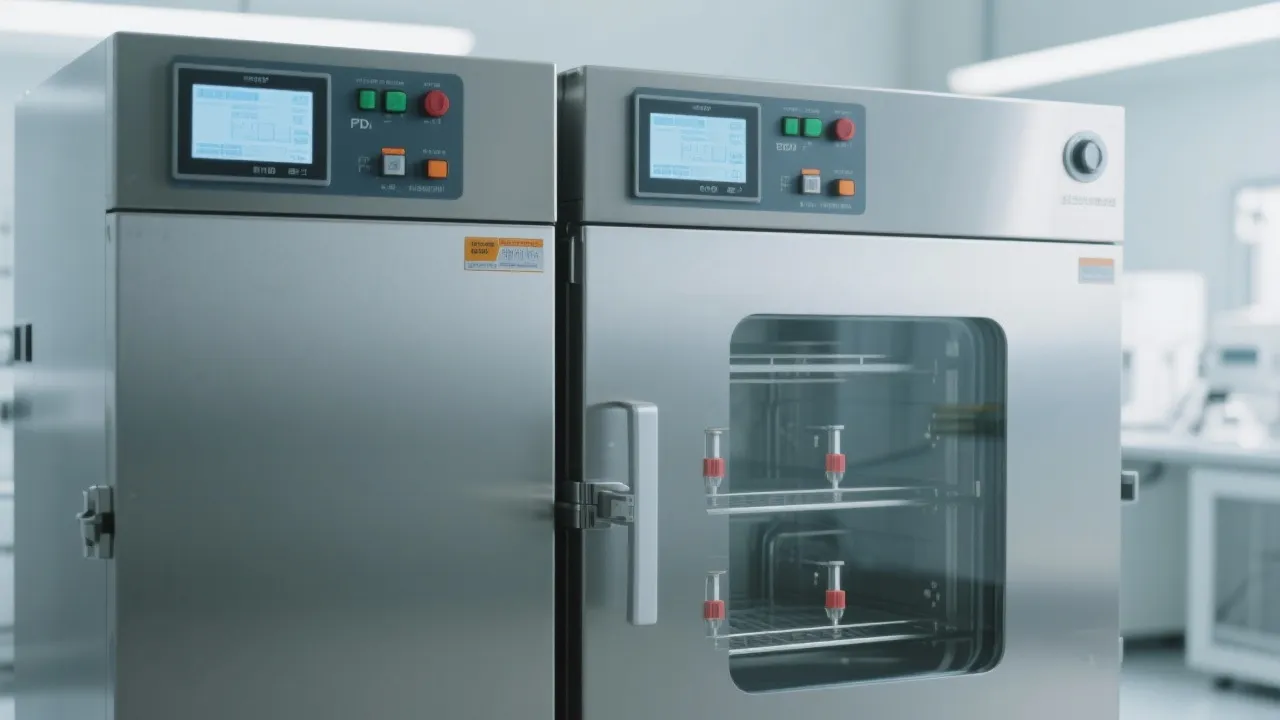
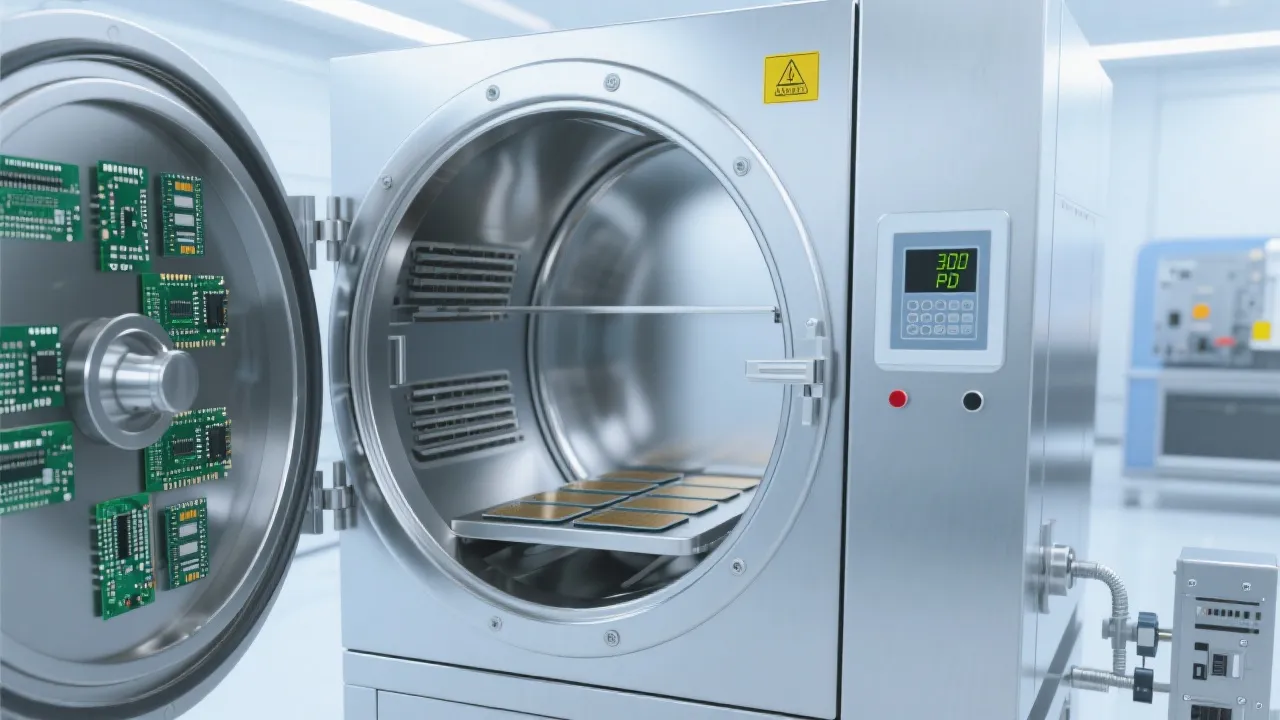
In the pharmaceutical industry, the PID system is crucial for drug production processes, especially those involving temperature - sensitive drugs. It helps maintain the ideal temperature during fermentation, crystallization, and other processes, ensuring the efficacy and safety of the drugs. In the electronics industry, it is used to control the temperature during semiconductor manufacturing, ensuring the high - precision and reliability of electronic components.
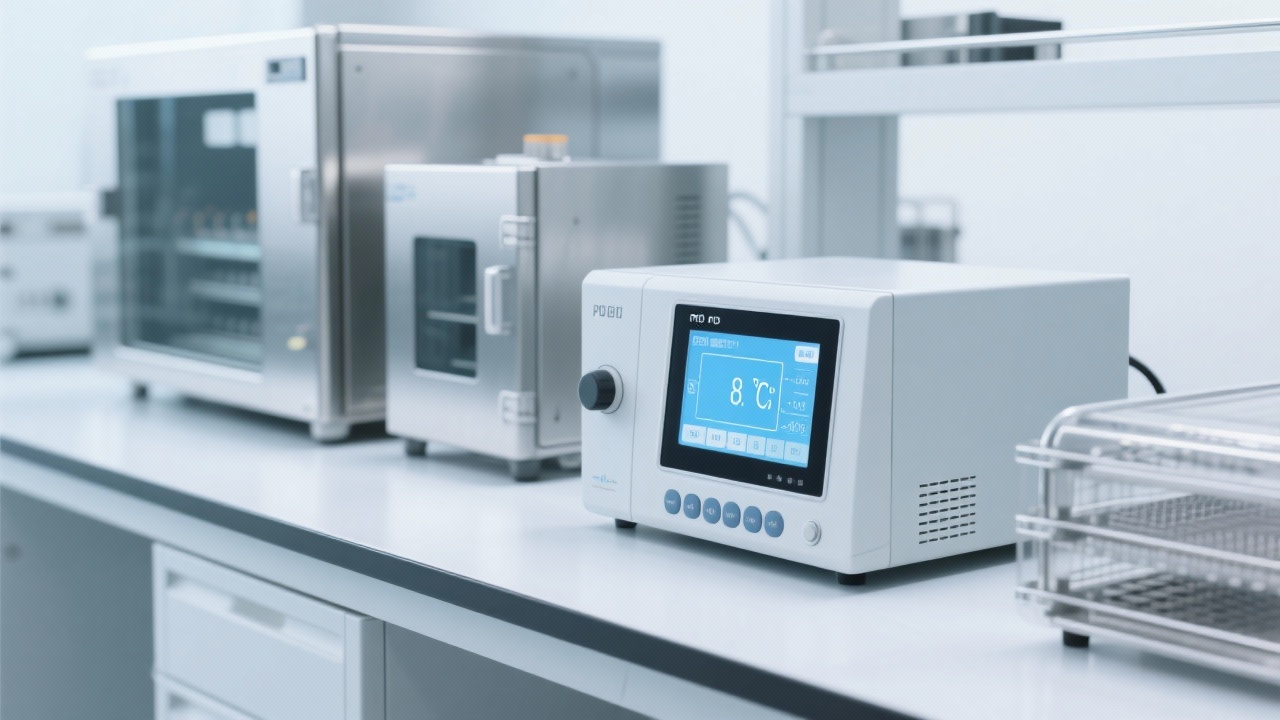
The PID system also contributes to enhancing experimental safety. By precisely controlling the temperature, it reduces the risk of accidents caused by over - heating or rapid temperature changes, especially when dealing with flammable or explosive materials.
Discover the power of our advanced PID temperature control system and elevate your laboratory experiments to a new level of precision. Visit our product page or download our detailed technical whitepaper to learn more about this innovative technology!