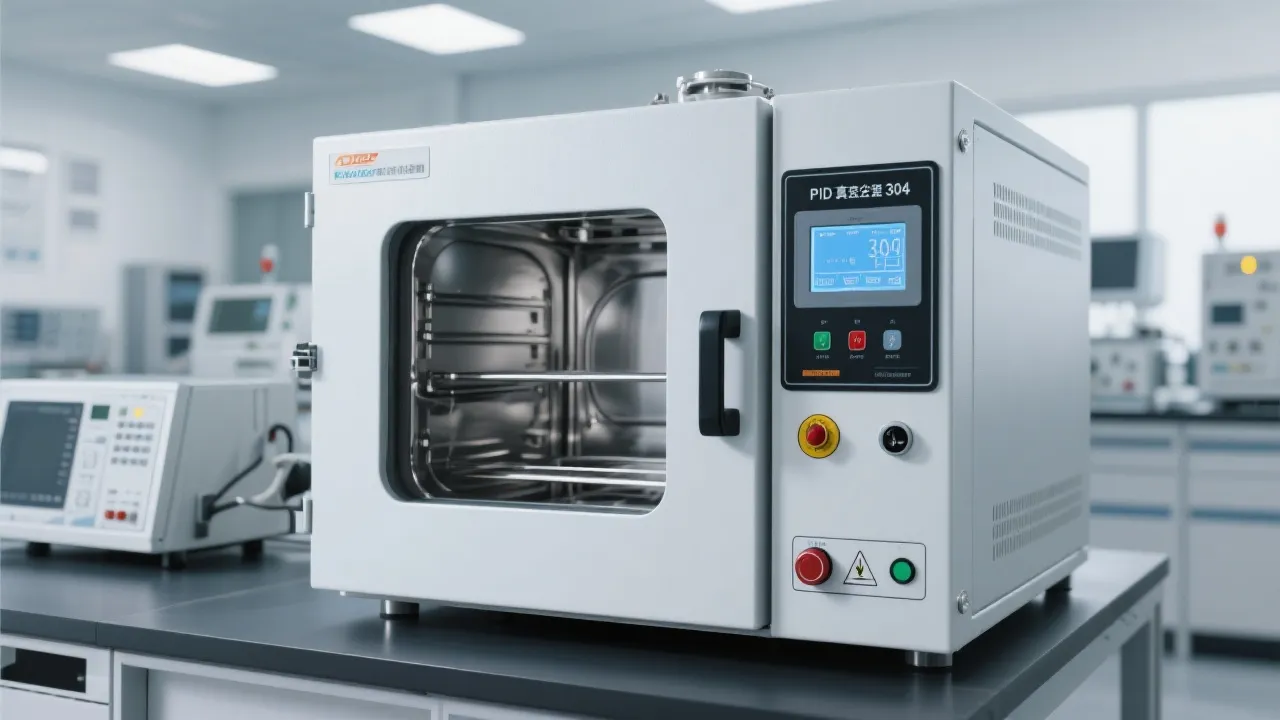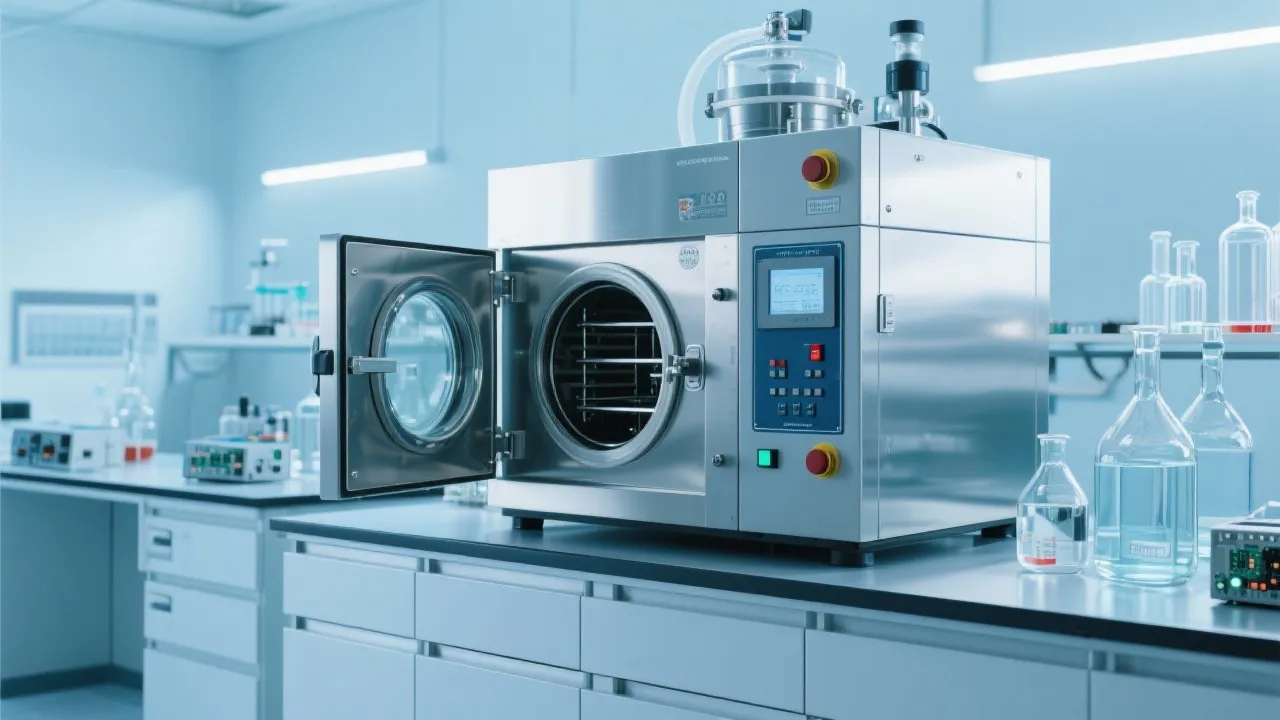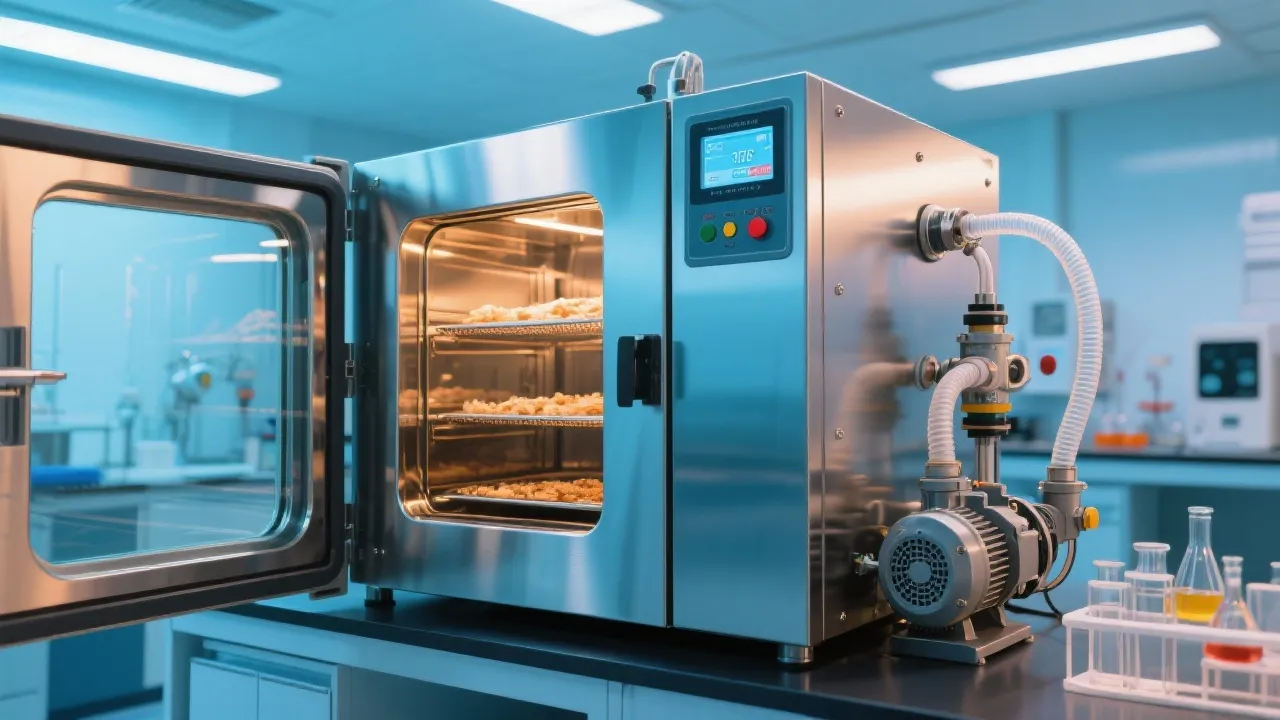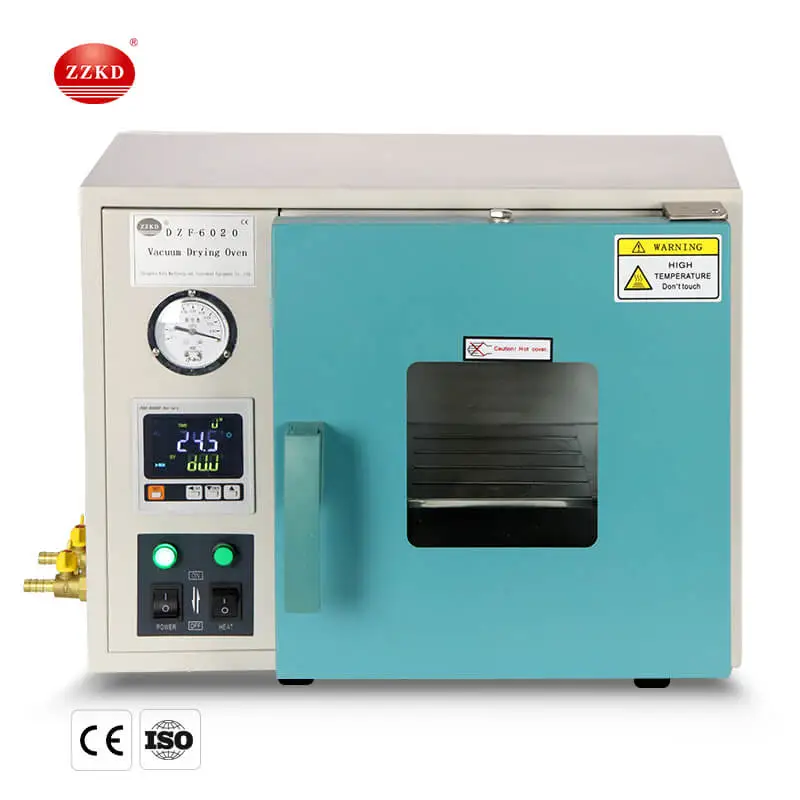
PID Intelligent Temperature Control Systems in Pharmaceutical Lab Equipment: Precision, Stability, and Efficiency

02 02,2026
Zhengzhou Keda Mechanical Instrument Equipment Co., Ltd.
Industry Research
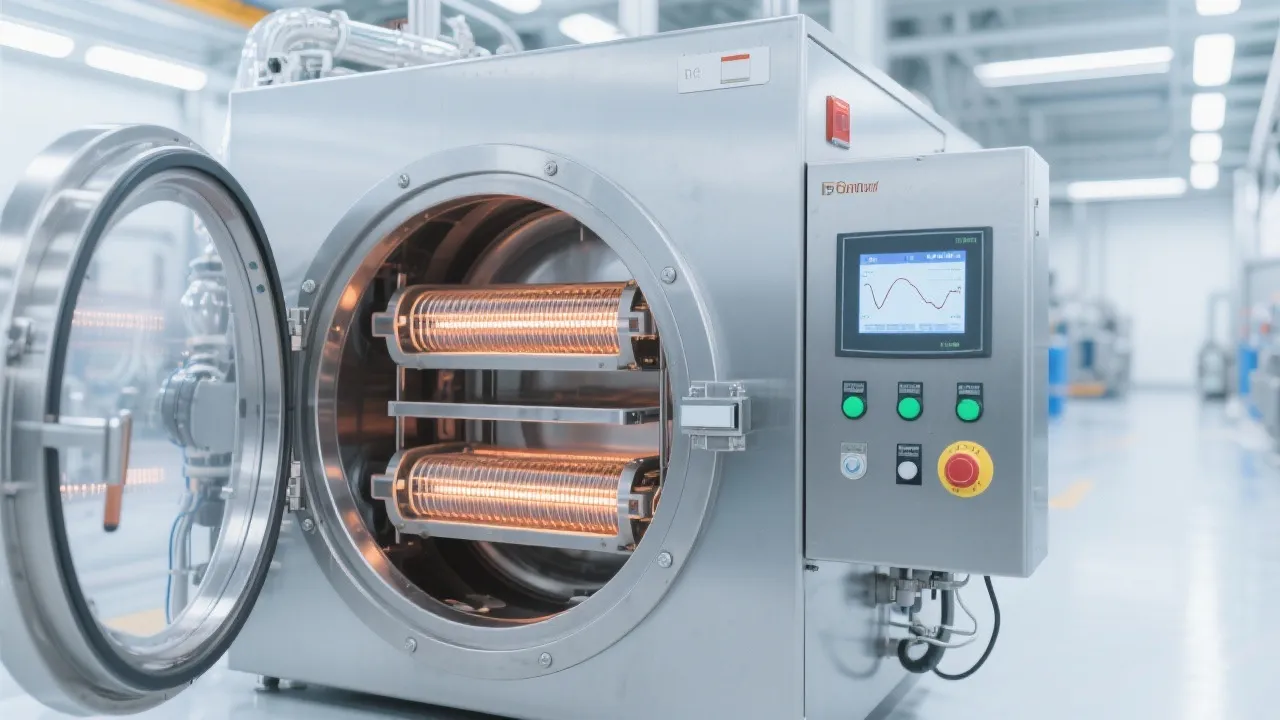
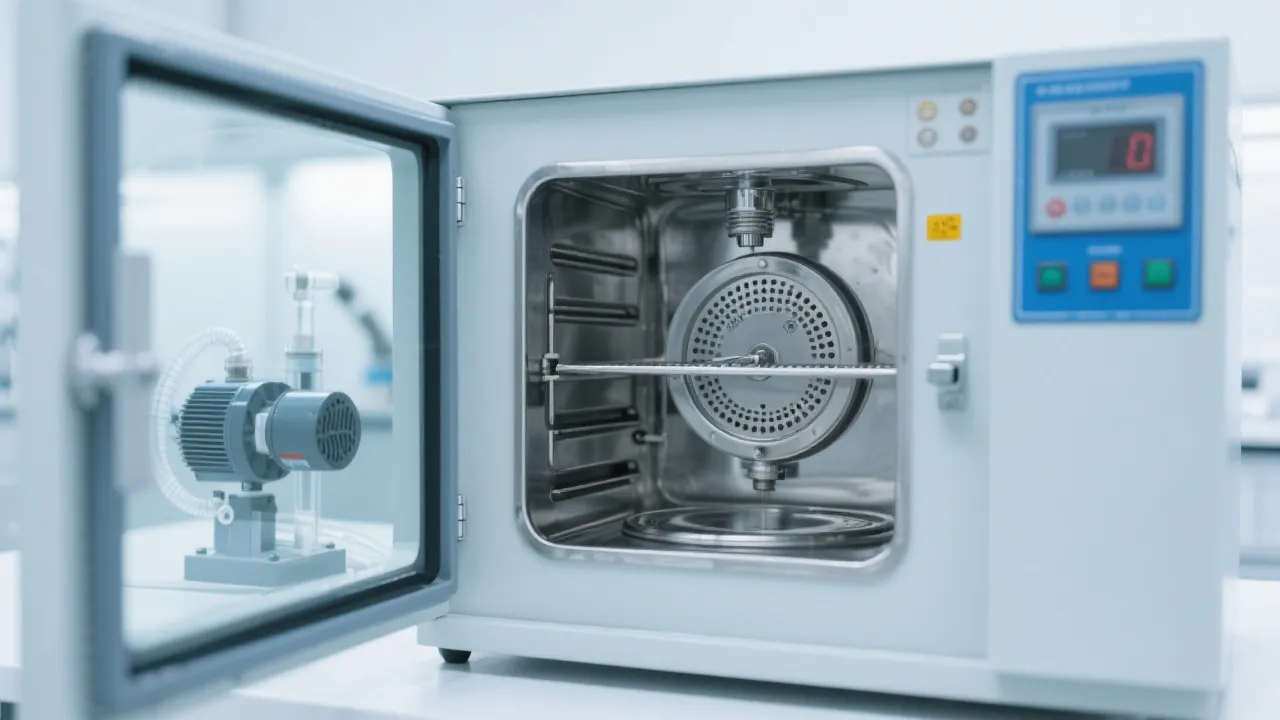
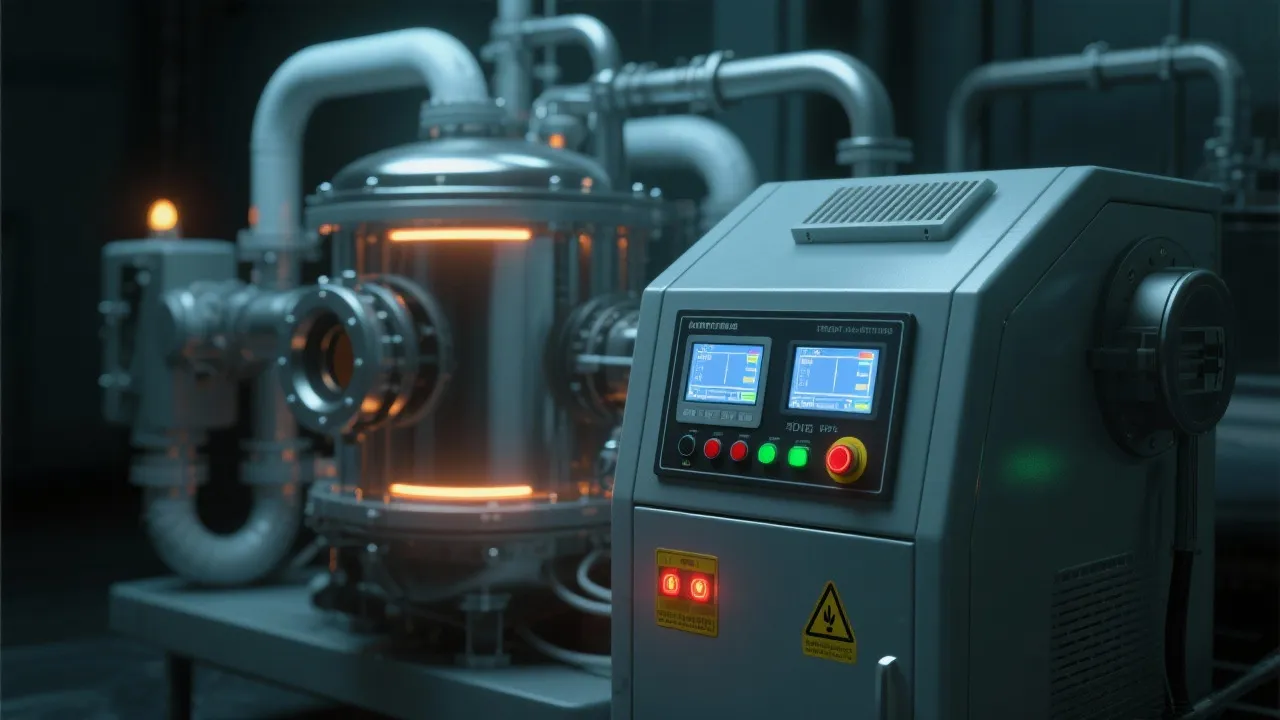
This article explores the critical role of PID intelligent temperature control systems in laboratory vacuum ovens used in pharmaceutical research. It explains how PID technology ensures precise and stable temperature regulation—key for reproducible experimental results—by comparing its performance against traditional ON/OFF control methods. Through real-world case studies from pharmaceutical and electronics industries, it demonstrates enhanced process accuracy, energy efficiency, and safety. Practical guidance on tuning PID parameters is provided to help researchers optimize drying protocols and improve lab productivity. Discover how smart temperature control drives innovation in regulated environments.
营销主题配图_1763949621462.jpg

Why PID Control Is the Gold Standard in Pharmaceutical Lab Equipment

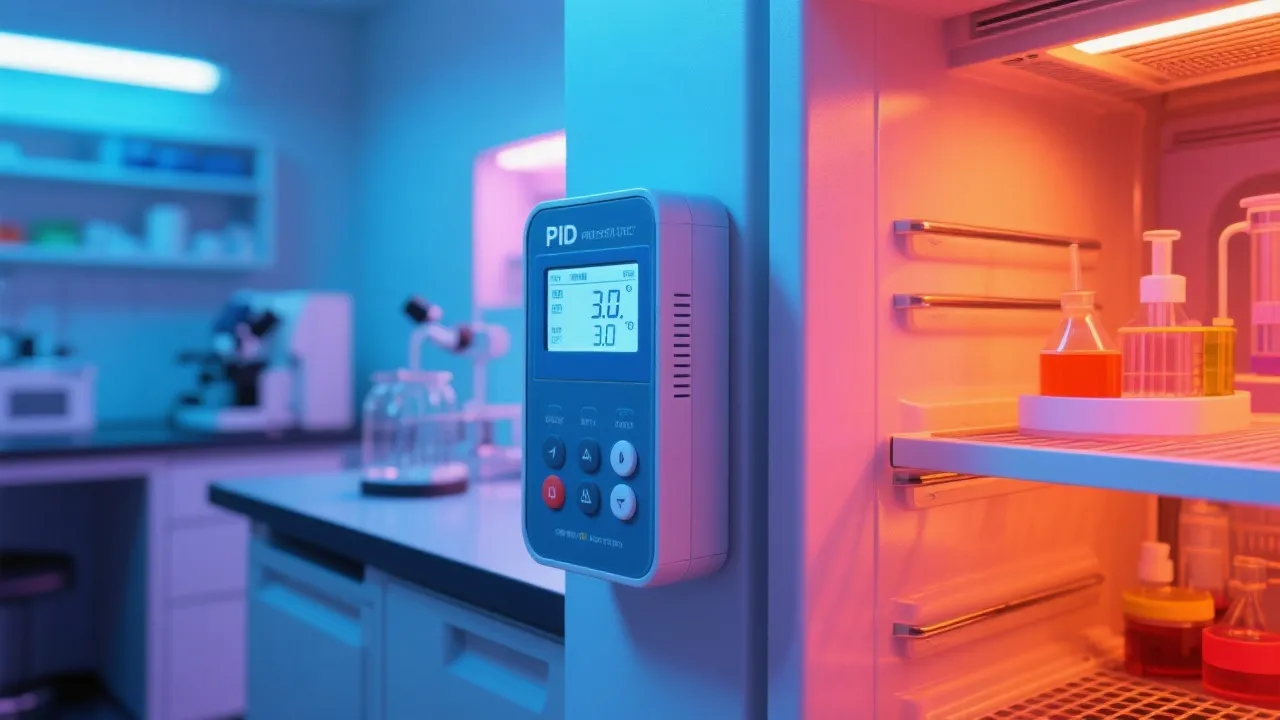
In pharmaceutical research, even a 0.5°C deviation in temperature can compromise batch consistency, regulatory compliance, and product safety. That’s why modern laboratories are increasingly adopting PID (Proportional-Integral-Derivative) intelligent temperature control systems—not just as an upgrade, but as a necessity for precision.

How PID Works: Simplicity Meets Precision

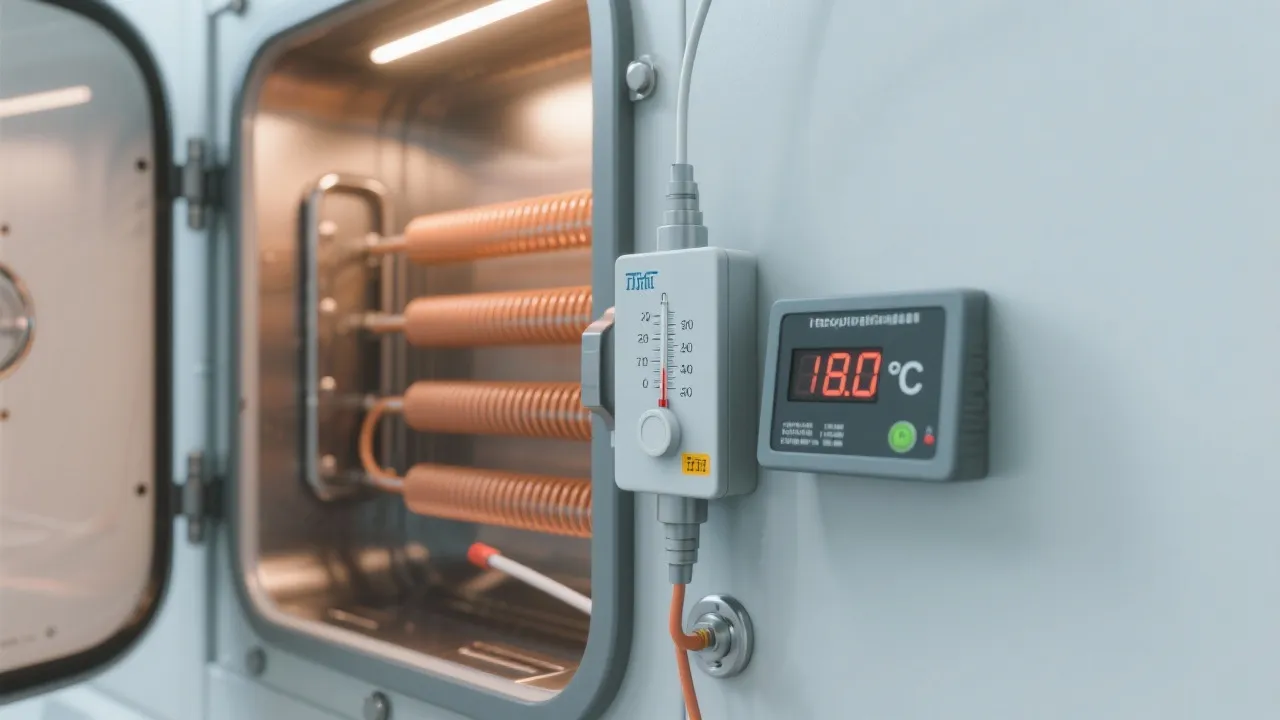
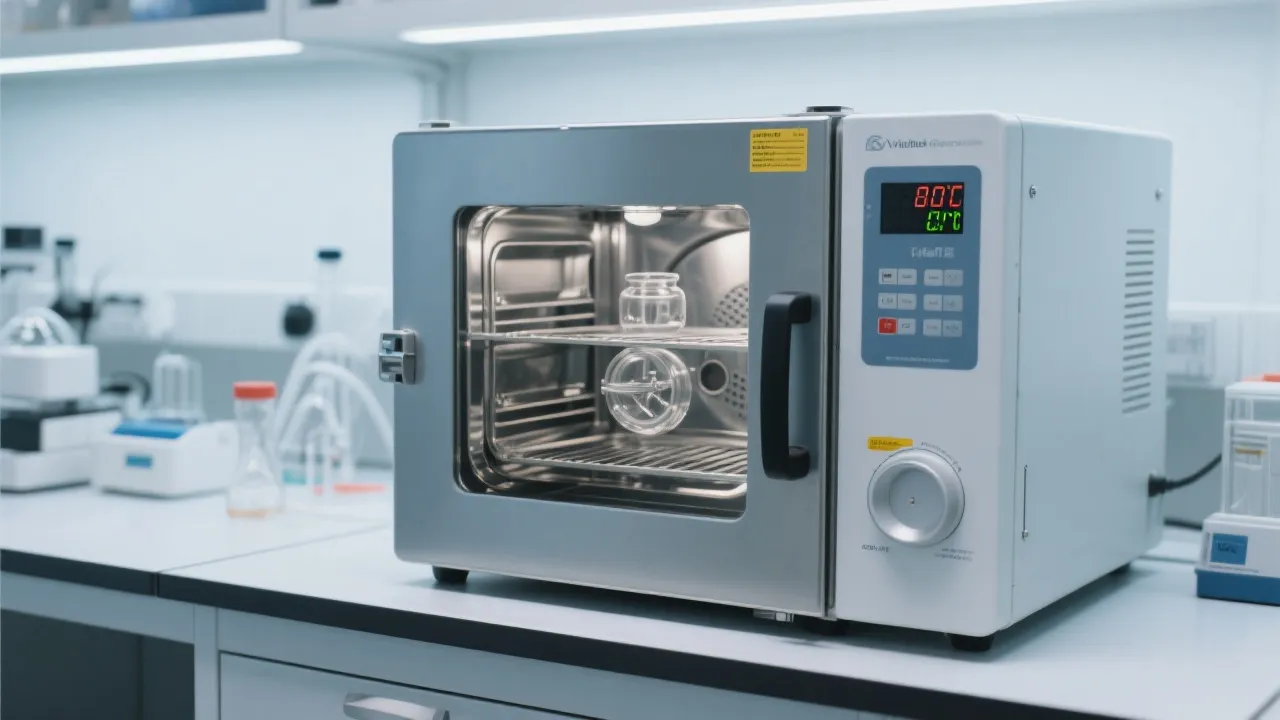
Think of PID like a skilled chef adjusting heat under a pan: it doesn’t just turn the flame on/off—it anticipates changes, corrects delays, and smooths out fluctuations. Unlike traditional ON/OFF controllers that cause ±3–5°C swings, a well-tuned PID system maintains stability within ±0.2°C—critical for drying sensitive compounds or sterilizing glassware without degradation.

💡 Key Insight: In a comparative test across 30 lab vacuum ovens, PID-controlled units showed 78% less temperature overshoot and reduced energy consumption by up to 22% compared to basic thermostats.

Real-World Impact: From Benchtop to Batch Production

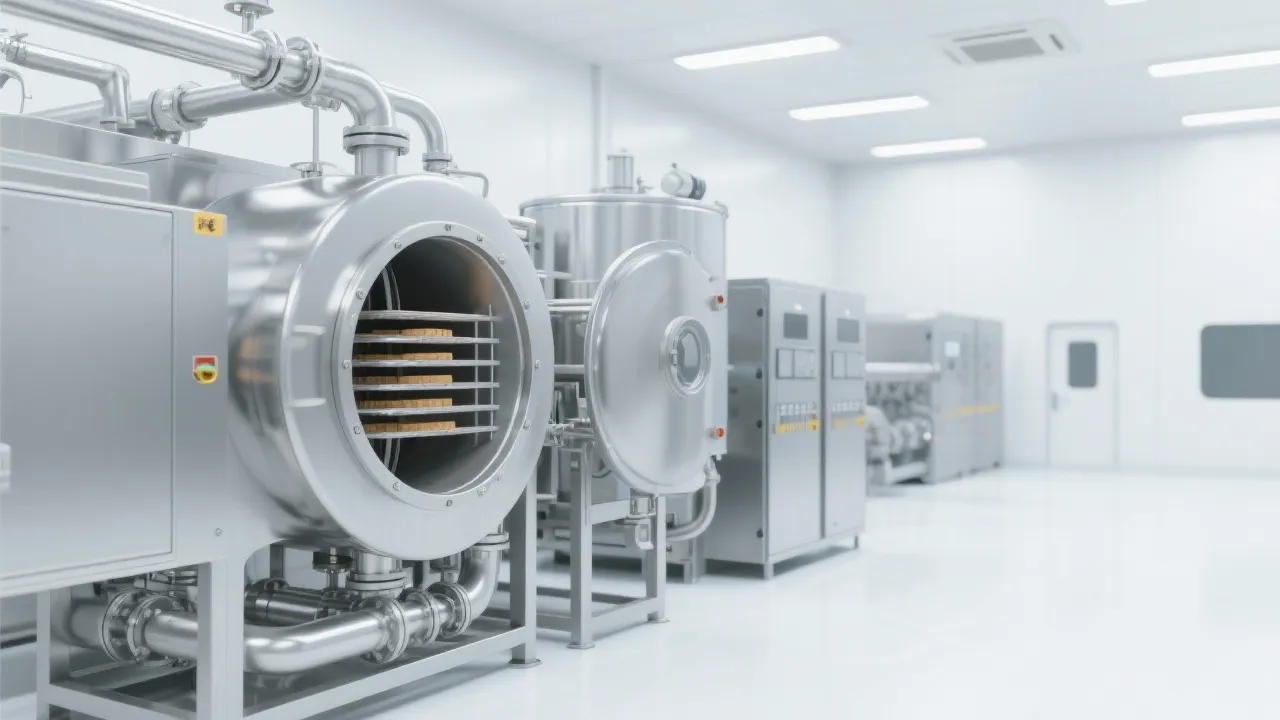
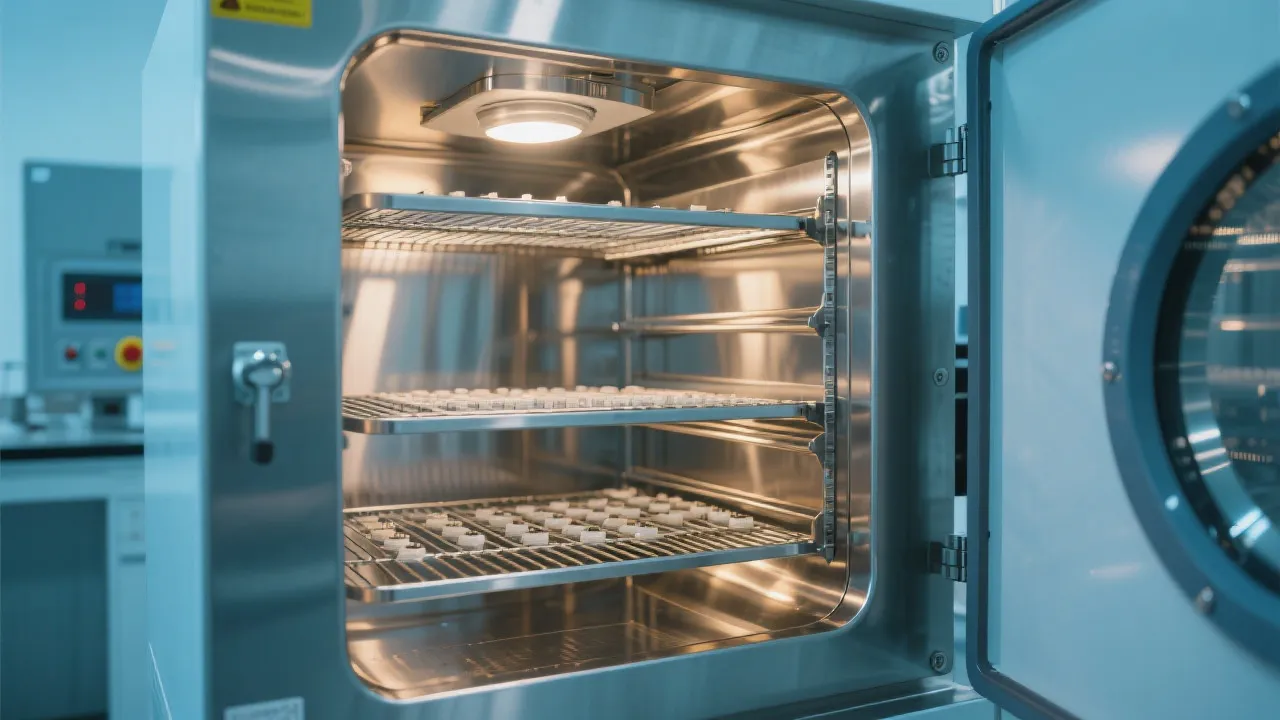
At a leading EU-based pharma R&D center, switching from analog to PID control in their vacuum drying chambers led to:

  • ✅ 95% reduction in failed calibration cycles
  • ✅ Faster drying times due to consistent heating profiles
  • ✅ Improved reproducibility across multiple operators

For labs handling moisture-sensitive APIs (Active Pharmaceutical Ingredients), this level of accuracy isn't optional—it's part of Good Laboratory Practice (GLP).

Tuning Tips for Optimal Performance

Don’t just set parameters blindly. Start with default values (Kp=1.0, Ki=0.1, Kd=0.05), then fine-tune based on real-time data:

  1. Record temperature response curves during initial runs
  2. Adjust Kp for faster response (but avoid oscillation)
  3. Use Ki to eliminate steady-state error over time
  4. Apply Kd to dampen sudden spikes (ideal for volatile solvents)

Document each adjustment—this creates a living reference for future users and supports FDA/EMA audit readiness.

Ready to elevate your lab’s thermal control? Whether you're optimizing existing equipment or sourcing new instruments, our team of engineers specializes in customizing PID solutions for pharmaceutical workflows—from small-scale trials to GMP-compliant production lines.

Name *
Email *
Message*

Recommended Products

Popular articles
Recommended Reading

Related Reading

Contact us
Contact us
https://shmuker.oss-cn-hangzhou.aliyuncs.com/tmp/temporary/60ec5bd7f8d5a86c84ef79f2/60ec5bdcf8d5a86c84ef7a9a/thumb-prev.png