
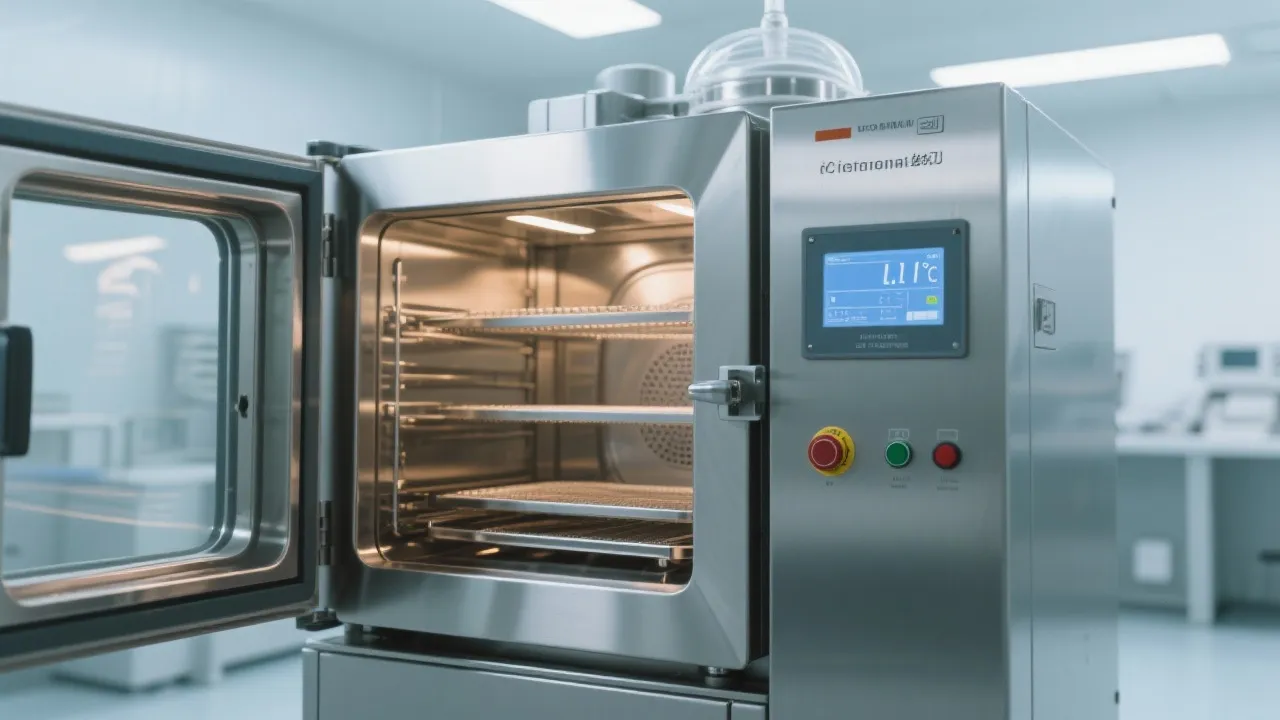
Efficient and safe drying operations are crucial in both laboratory and industrial environments. The DZ-4BCII Digital Vacuum Oven integrates advanced dual-temperature PID (Proportional-Integral-Derivative) control and a robust over-temperature alarm system designed to enhance drying precision, speed, and safety. This article explores how these technologies optimize drying processes, reduce risk of sample damage, and elevate operational reliability.
The DZ-4BCII model offers a substantial chamber capacity of approximately 40 liters, accommodating batches up to 30% larger than typical lab ovens. Its vacuum capability reaches down to 0.1 kPa, crucial for low-temperature drying and preventing oxidative damage. Coupled with high-precision sensors, it achieves temperature accuracy within ±0.2°C, a significant improvement over conventional ovens.
| Parameter | Specification |
|---|---|
| Chamber Volume | 40 Liters |
| Temperature Control Range | RT +10°C to 250°C |
| Vacuum Range | 0.1 kPa – Atmospheric Pressure |
| Temperature Accuracy | ±0.2°C |
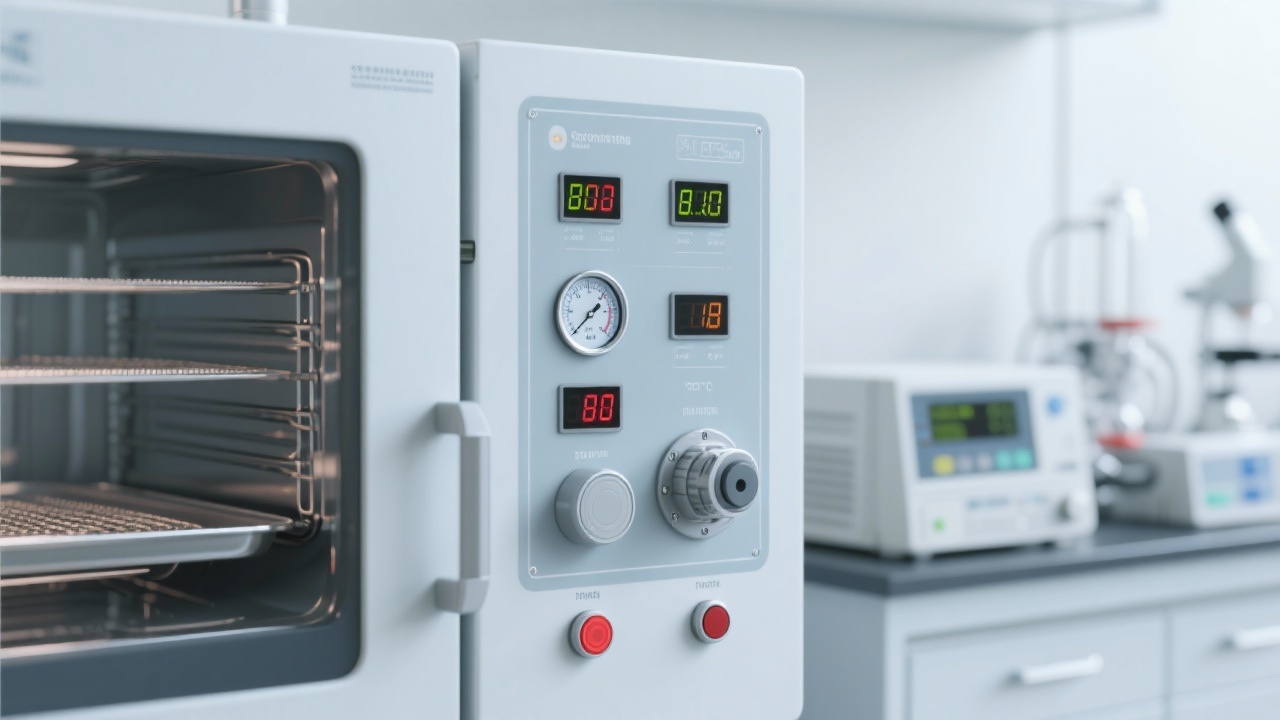
The heart of the DZ-4BCII’s temperature regulation lies in its dual temperature PID system. This method continuously calculates temperature errors from two sensors—one measuring the chamber temperature and another tracking the material surface temperature. By applying proportional, integral, and derivative adjustments, the PID controller maintains setpoints within tight margins, minimizing overshoot and undershoot.
Why this matters: Unstable temperatures can cause incomplete drying or thermal degradation of sensitive specimens. The dual sensor design addresses this by ensuring that both air and material temperatures are monitored and corrected in real-time, leading to enhanced product quality and reproducibility.
For example, in pharmaceutical drying processes, maintaining a uniform 120°C ±0.2°C range prevents active ingredient loss and ensures batch-to-batch consistency—critical quality factors for regulatory compliance.
Integrated safety is paramount during prolonged drying cycles. The DZ-4BCII’s over-temperature alarm automatically triggers if temperature deviations exceed preset thresholds, typically 5°C above the setpoint. This immediate alert helps operators intervene before sample damage or equipment failure occurs.
This feature significantly reduces downtime and maintenance costs by preventing overheating. For instance, in materials research labs, sudden temperature surges often jeopardize experimental integrity. The over-temperature alarm serves as a safeguard, preserving the integrity of valuable samples and extending equipment lifespan.
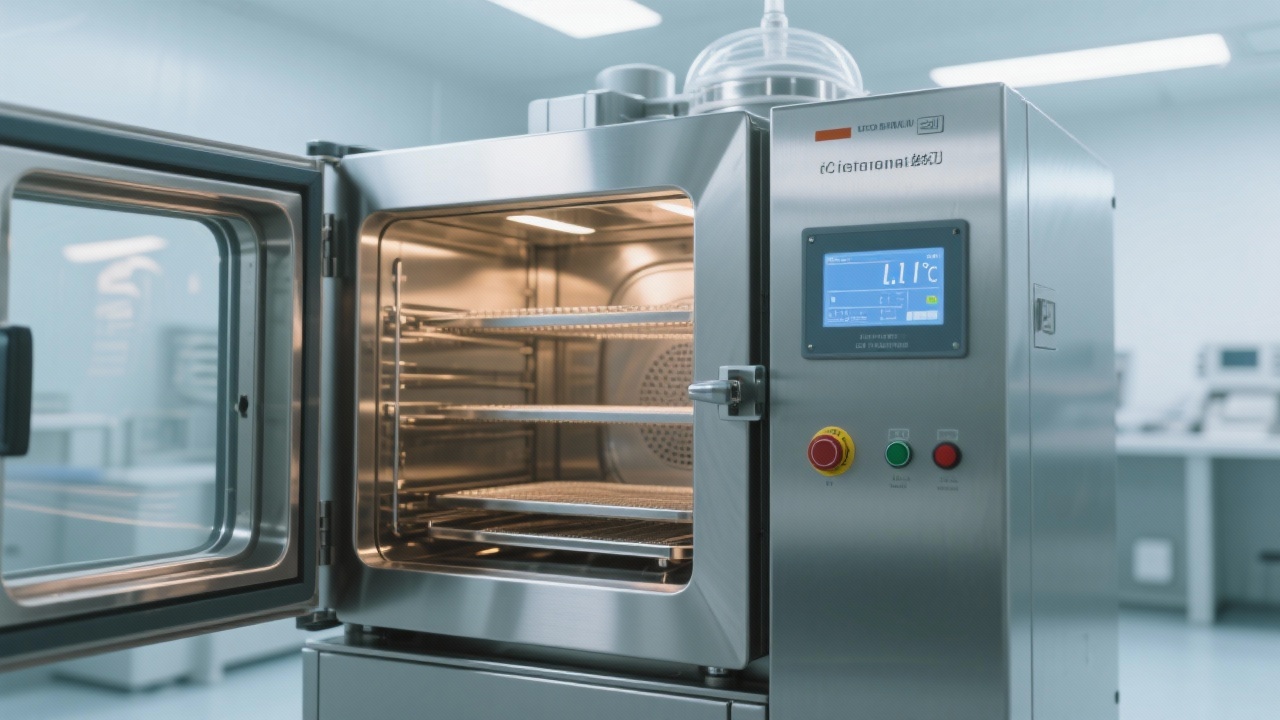
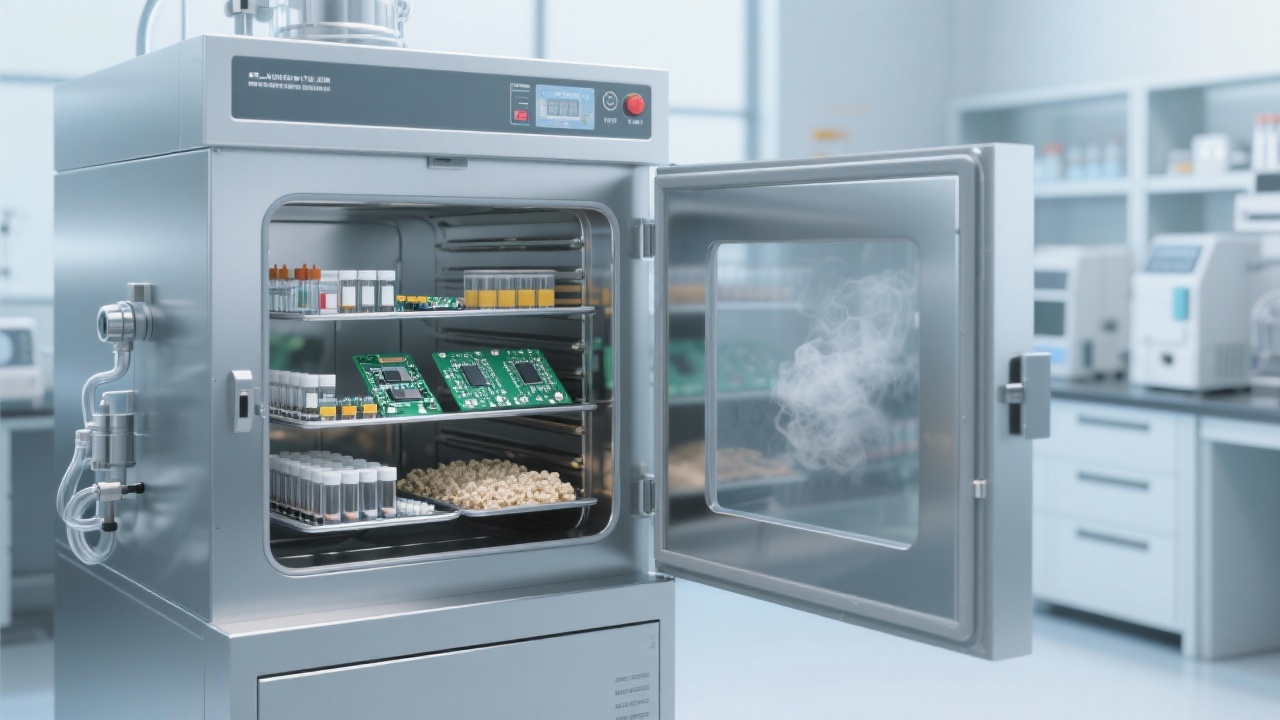
Industries leveraging the DZ-4BCII’s technology span pharmaceuticals, material sciences, and academic research. For example:


 <#else>