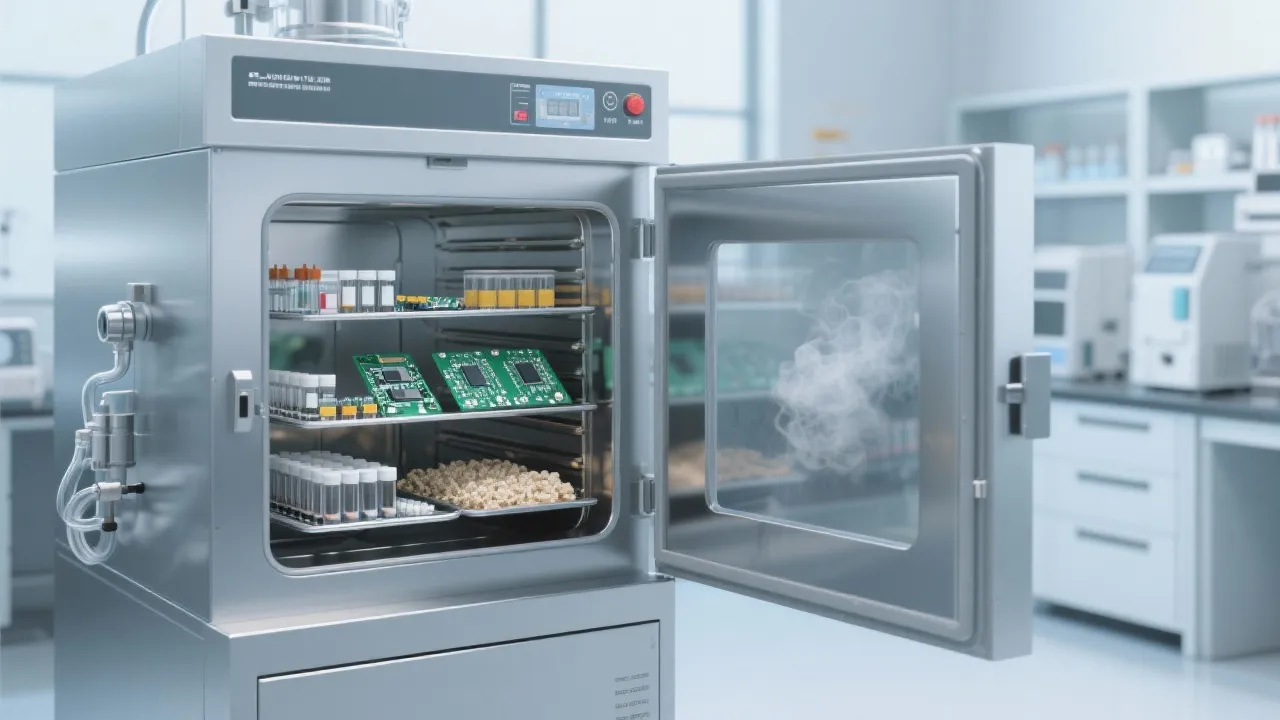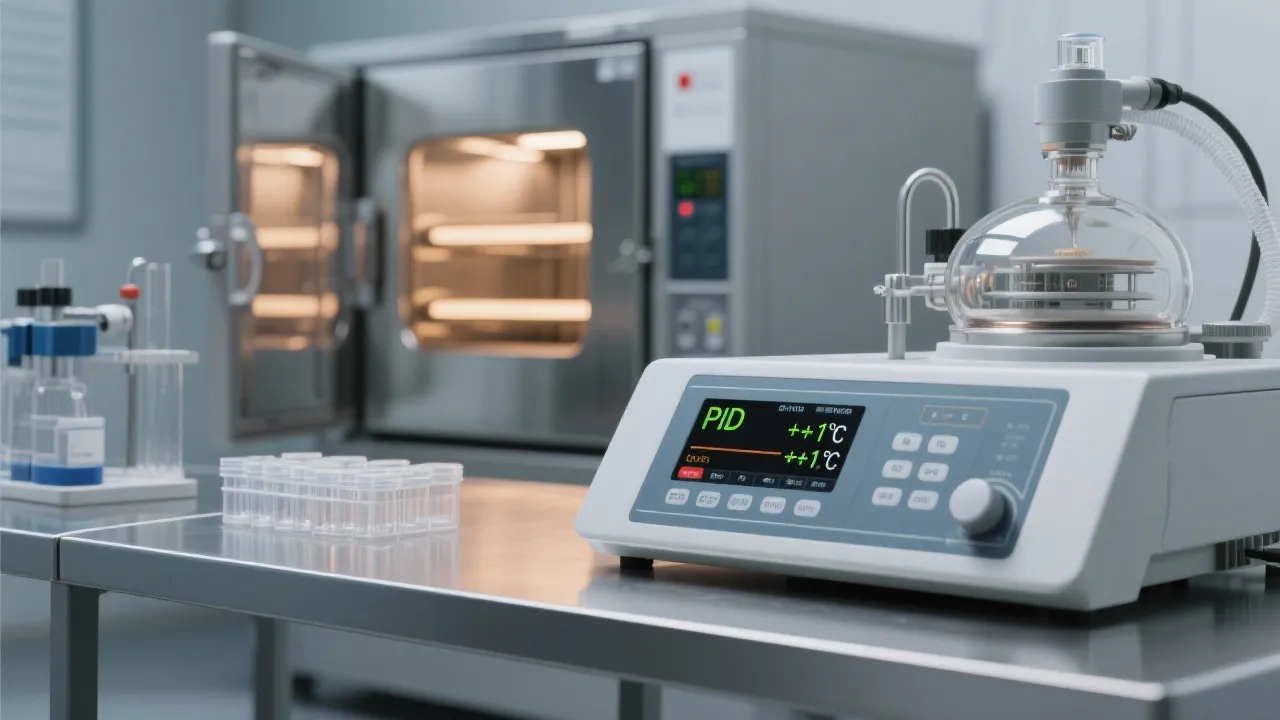
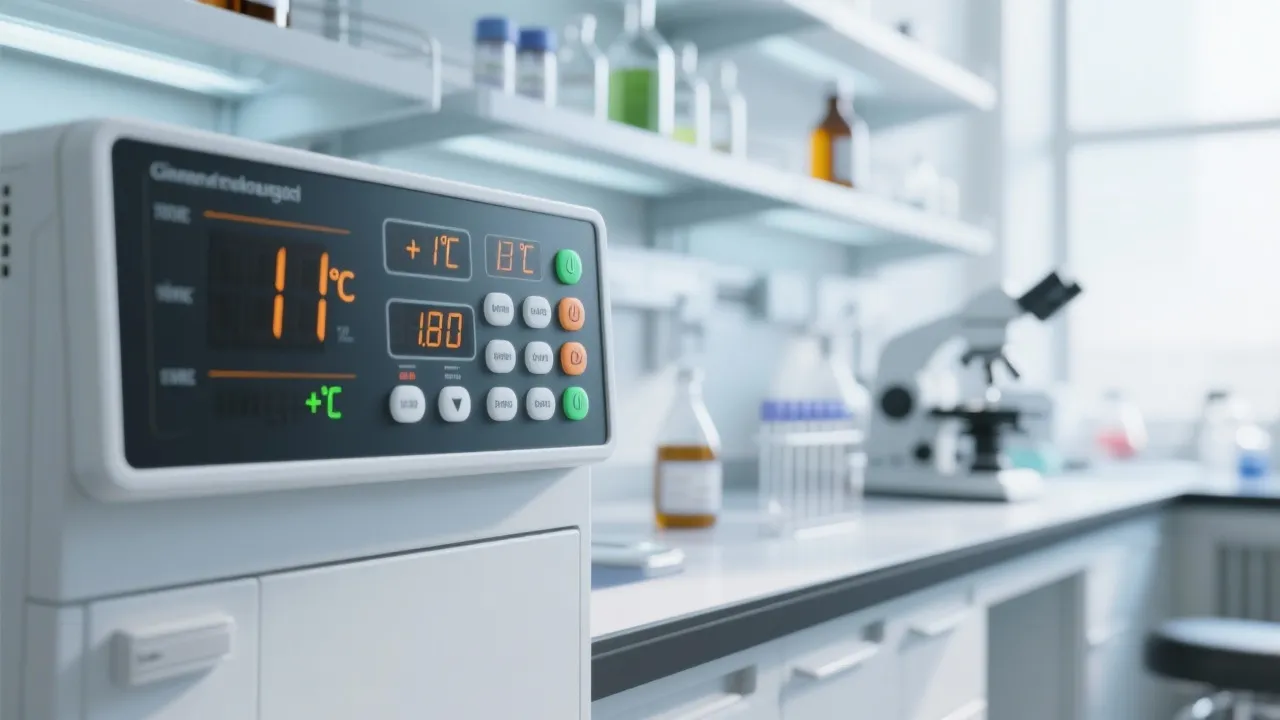
You’ve probably seen it before: a critical experiment fails not because of flawed methodology—but due to temperature drift. Even a 0.5°C variance can skew results in pharmaceutical testing or material science research. That’s where PID (Proportional-Integral-Derivative) control comes in—not just as a technical feature, but as your lab’s new reliability partner.
Imagine you're driving a car and want to maintain exactly 60 mph. A basic ON/OFF system would slam the gas pedal full-on when speed drops below 55 mph, then cut power completely once it hits 65—causing wild swings. That’s like traditional thermostats: unstable, inefficient, and frustrating.
PID is smarter—it adjusts continuously based on three factors:
This means smoother transitions, fewer oscillations—and yes, more reproducible data.

In a recent study by the European Pharmaceutical Quality Research Institute (EPQRI), labs using PID-based incubators reported up to 78% fewer failed runs compared to those with basic thermostats. Why? Because PID reduces average temperature deviation from ±2°C to under ±0.3°C—a game-changer for sensitive assays.
“For high-throughput screening in drug discovery, we can’t afford variability. PID control has become our gold standard.”
— Dr. Lena Müller, Lead Scientist at BioNova Labs
Don’t panic—you don’t need to be an engineer to optimize PID settings. Try this approach:
For example, in polymer curing applications, a low P setting with higher I helps avoid thermal shock while maintaining steady heat. In contrast, rapid cooling in semiconductor testing demands faster D response to prevent condensation risks.
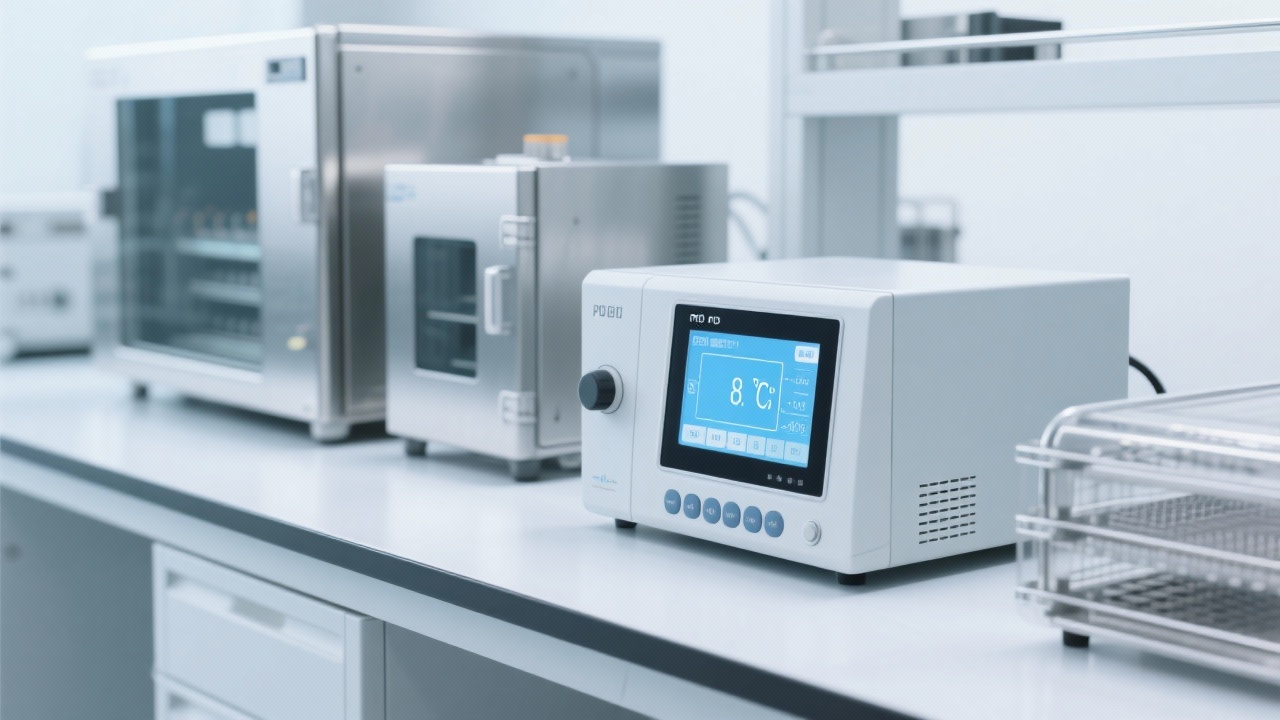
Whether you're working in biotech, electronics, or materials R&D, PID isn’t just a tech upgrade—it’s a workflow enabler. It lets you focus on what matters: accurate science, not troubleshooting erratic temperatures.
Understand how our SmartTemp™ PID Controller delivers consistent performance across diverse lab environments—from cell culture chambers to thermal cyclers. Learn best practices, real-world case studies, and how to fine-tune for your specific needs.
Download Our Technical Whitepaper