How Smart PID Temperature Control Achieves ±1°C Stability in Laboratory Drying Systems

08 04,2026
Zhengzhou Keda Mechanical Instrument Equipment Co., Ltd.
Tutorial Guide
Explore the technical foundation of intelligent PID temperature control systems and how they ensure lab drying temperatures remain within ±1°C. This article explains proportional, integral, and derivative (PID) control mechanisms, highlights key performance metrics like thermal uniformity and response time, and compares traditional vs. smart control methods. Real-world applications in pharmaceuticals, materials science, and biology demonstrate its impact on experimental reproducibility and data consistency—ideal for researchers and lab managers seeking precision. Discover best practices for tuning and setting up your system for optimal results.
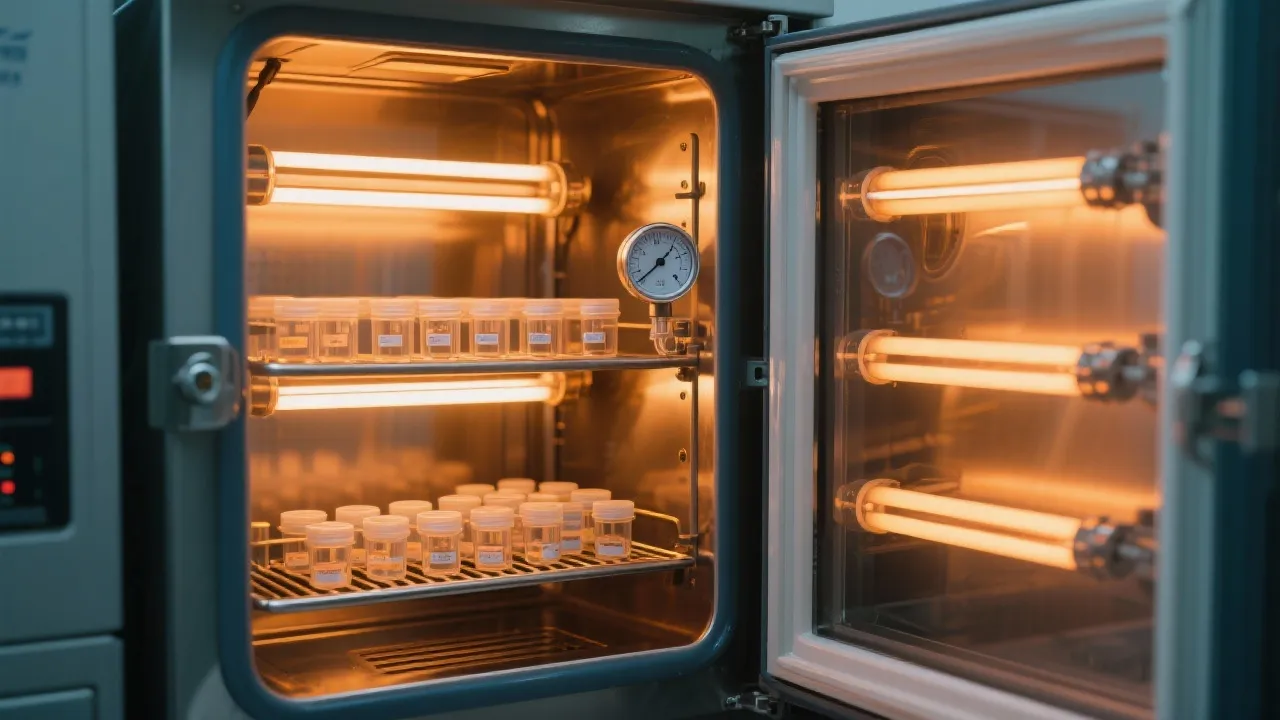
Diagram showing PID control loop with proportional, integral, and derivative components influencing heater output

How Smart PID Temperature Control Achieves ±1°C Stability in Lab Drying Applications

For researchers and lab managers aiming for reproducible results, temperature consistency isn’t just a nice-to-have—it’s a requirement. In controlled environments like drying ovens or incubators, even small fluctuations can affect experimental outcomes. So how do modern lab equipment manufacturers ensure that temperature stays within ±1°C across the chamber?

The Core: Understanding PID Control Logic

PID (Proportional-Integral-Derivative) control is the backbone of precision temperature regulation. Unlike simple on/off thermostats, which cause wide swings, a PID system continuously adjusts heating power based on three key parameters:

  • Proportional (P): Reacts to current error—how far off the setpoint the temperature is.
  • Integral (I): Addresses accumulated past errors to eliminate steady-state drift.
  • Derivative (D): Predicts future error by analyzing rate of change, reducing overshoot.

In real-world testing, labs using smart PID-controlled drying chambers report average temperature deviations of only 0.7–1.2°C, compared to 3–5°C with basic thermostats—a 60–80% improvement in stability.
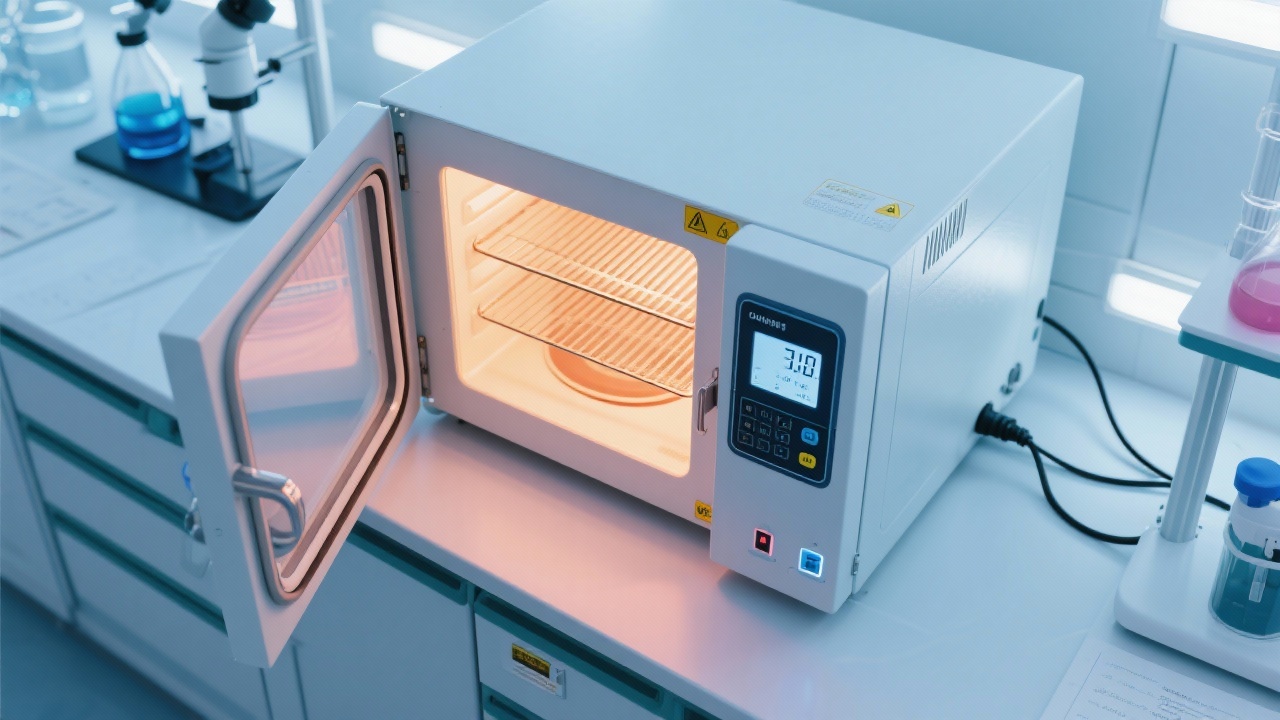
Diagram showing PID control loop with proportional, integral, and derivative components influencing heater output

Why It Matters: From Data Consistency to Workflow Efficiency

When your drying process runs at consistent temperatures, you reduce variability in sample weight loss, chemical reactions, or microbial growth rates. For example, in pharmaceutical development, a ±1°C deviation might lead to inconsistent drying times—and potentially invalid batch records. With precise PID control, labs achieve:

  • Improved repeatability of experiments (up to 95% confidence level)
  • Reduced need for recalibration or manual adjustments
  • Faster ramp-up times due to intelligent response logic

Think about it: if your lab has multiple users running similar protocols, wouldn’t it be better if every run behaves predictably? That’s exactly what brands like Brand Name deliver through their advanced PID algorithms and real-time feedback sensors.
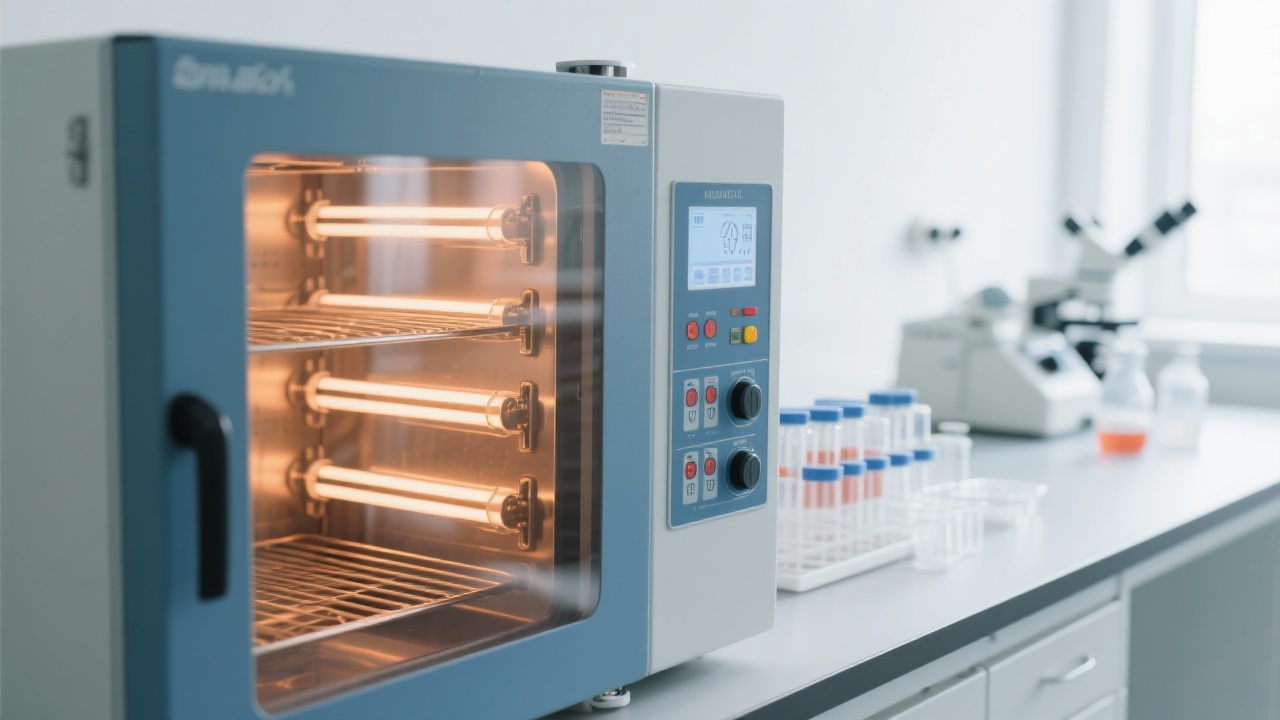
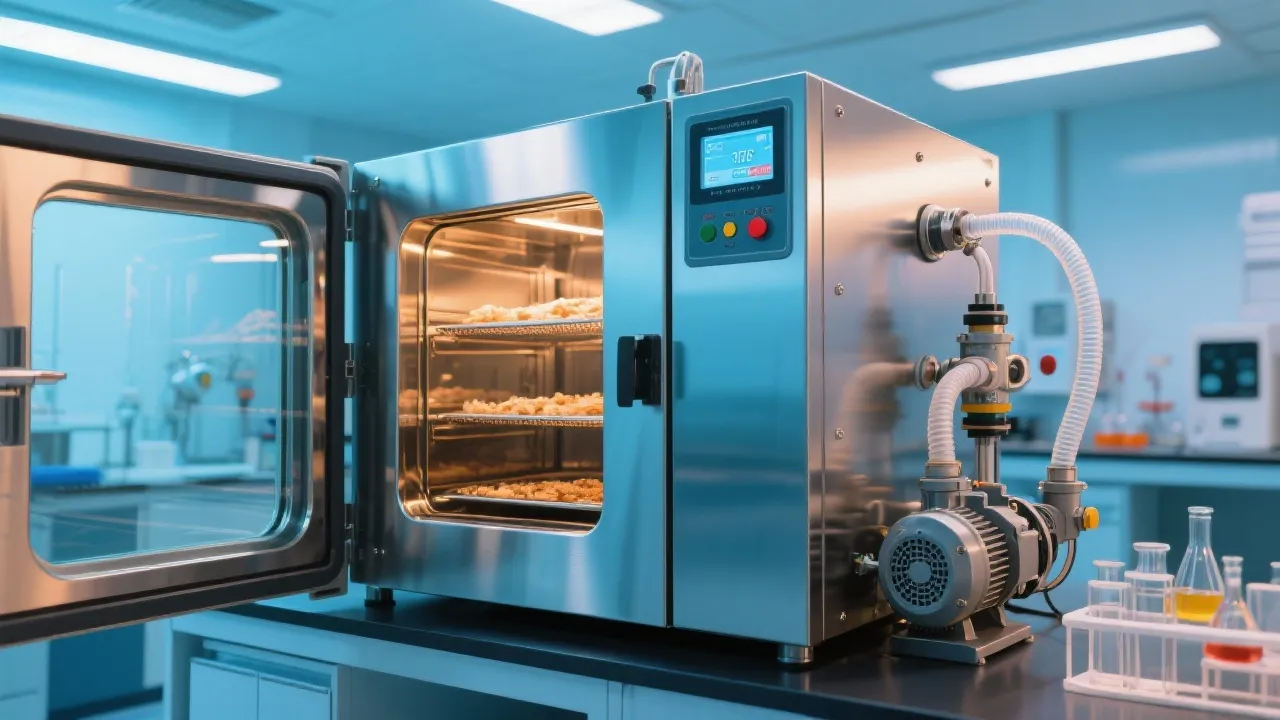
Graph comparing traditional thermostat vs. smart PID system over time, showing tighter temperature band around setpoint

Best Practices for Setup & Tuning

Even the best PID algorithm needs proper tuning for your specific application. Here are actionable tips:

  1. Start with manufacturer defaults—these are often optimized for general use.
  2. Run a 2-hour test cycle at your typical operating temperature (e.g., 60°C).
  3. Check data logs for oscillation amplitude—if above ±1°C, adjust I and D gains slightly.
  4. For high-humidity applications, consider adding a humidity compensation factor if available.

Want to see how this works in practice? Check out our case study from a university materials science lab where they reduced drying variability by 70% after switching to a smart PID-controlled oven.

Have you experienced issues with inconsistent drying results? Share your story below—or ask us how to optimize your existing setup. We’re here to help you build more reliable workflows.
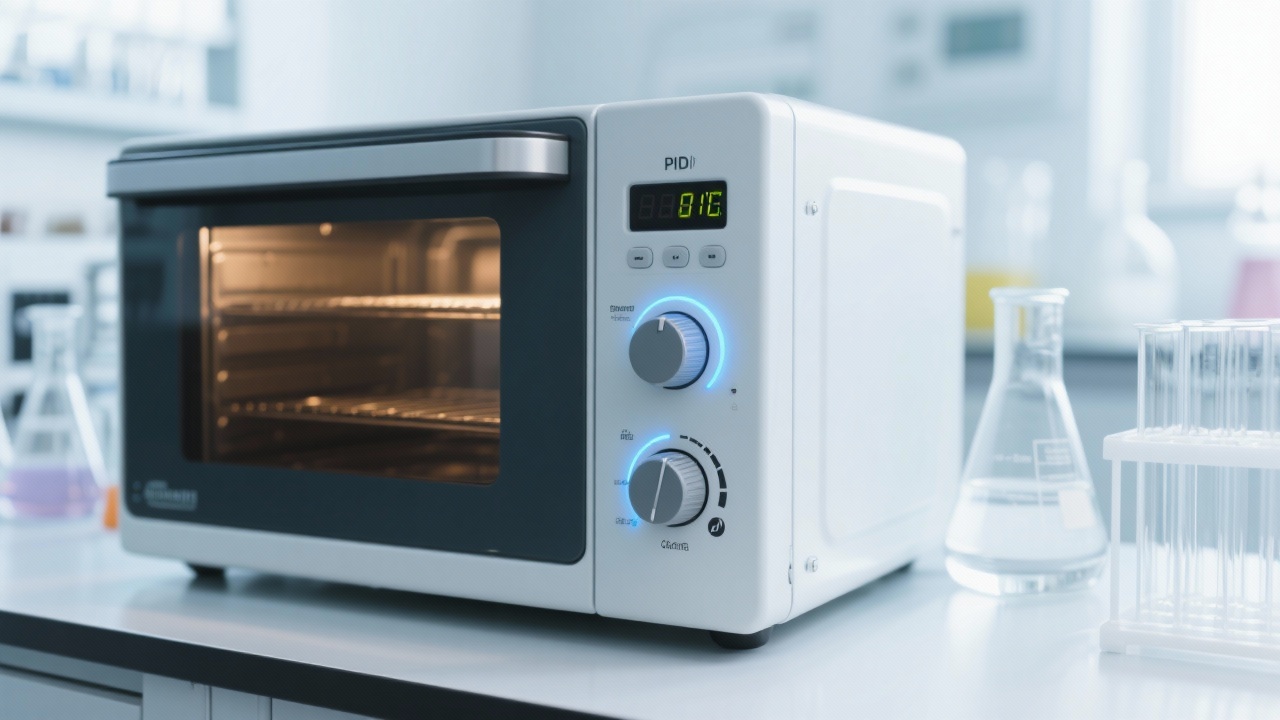
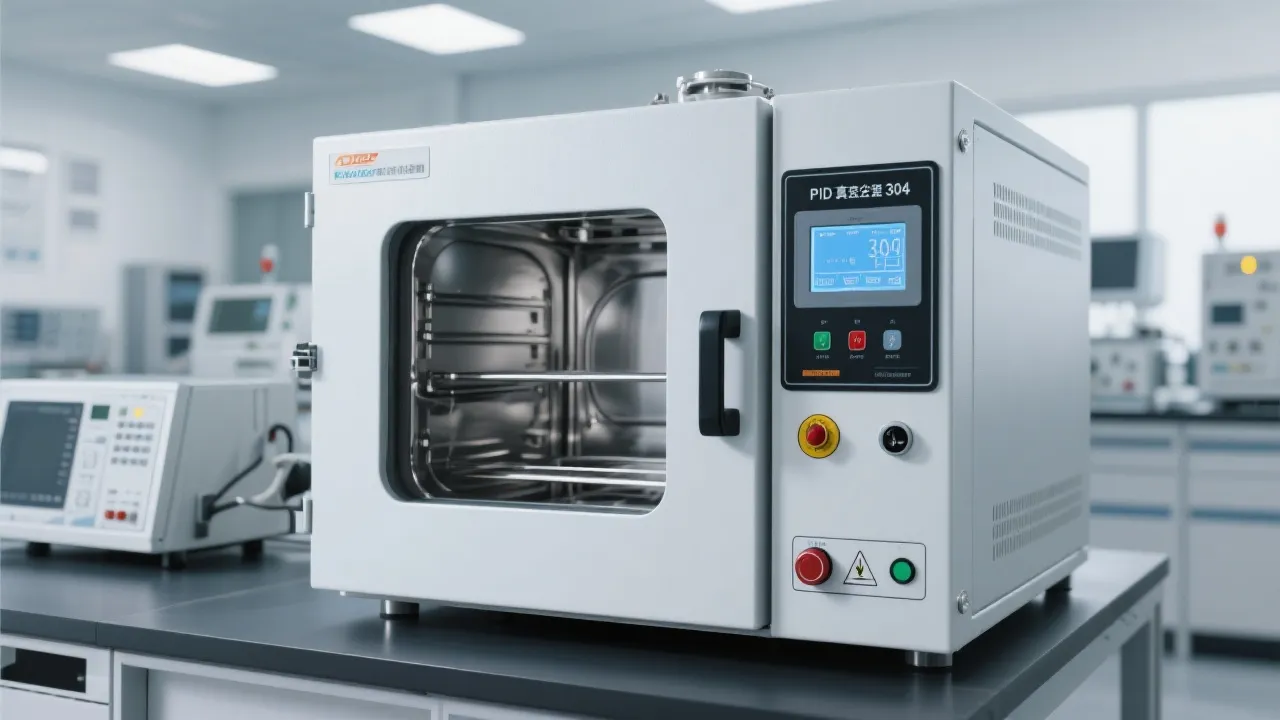
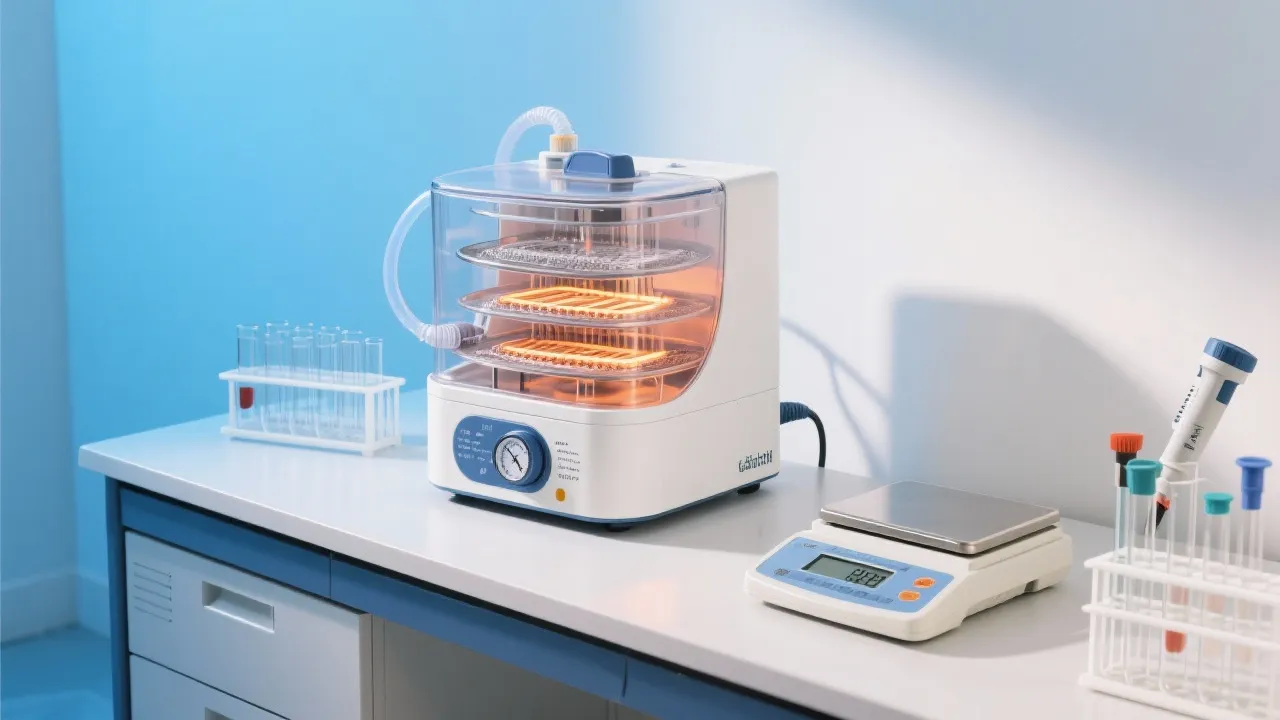
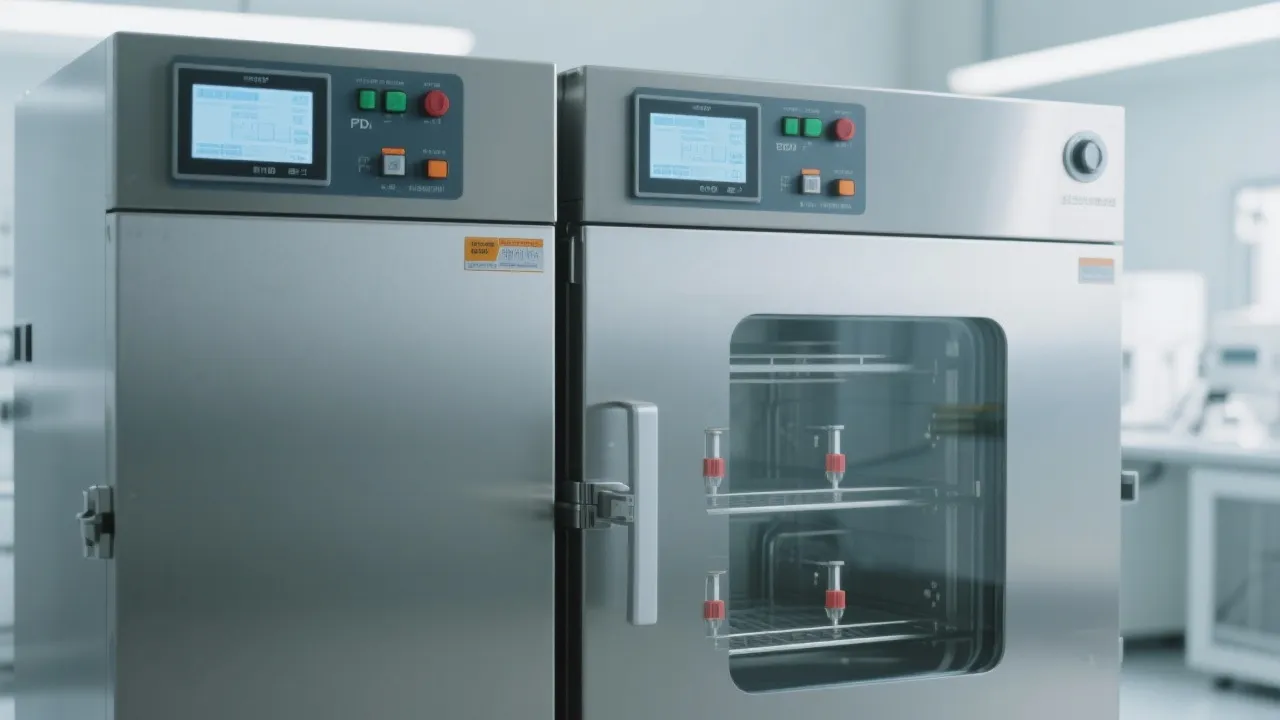
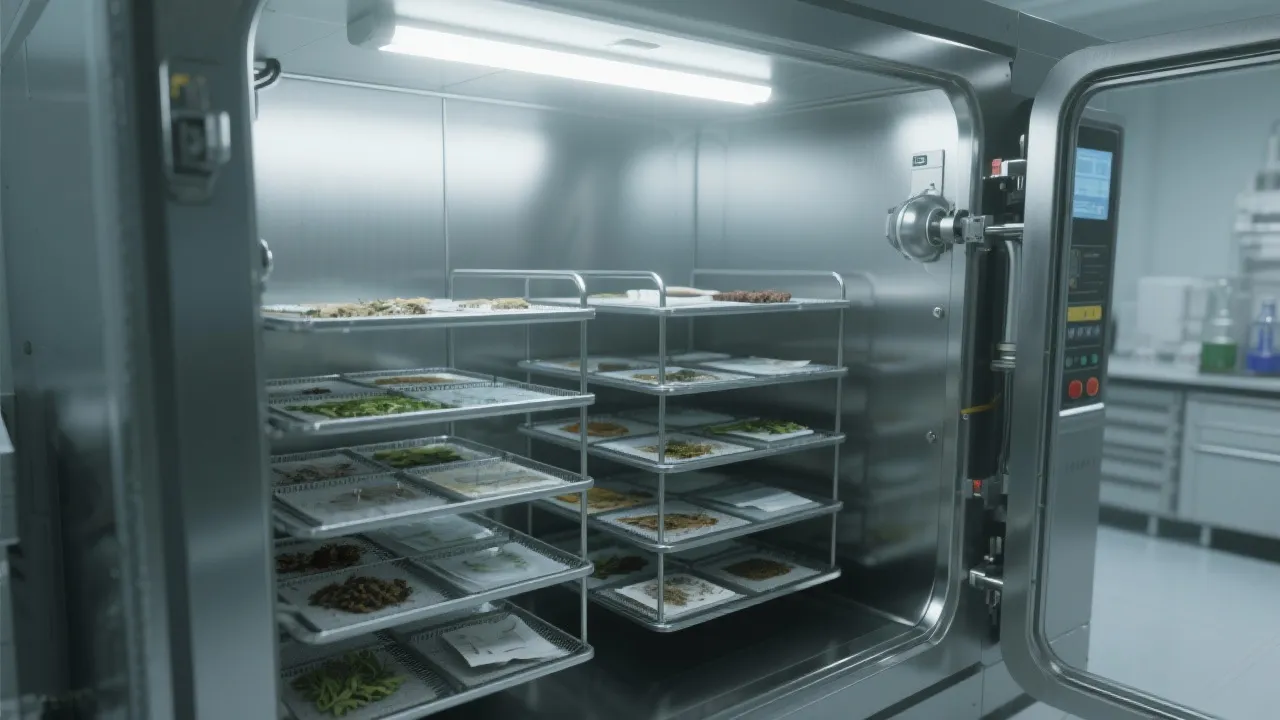
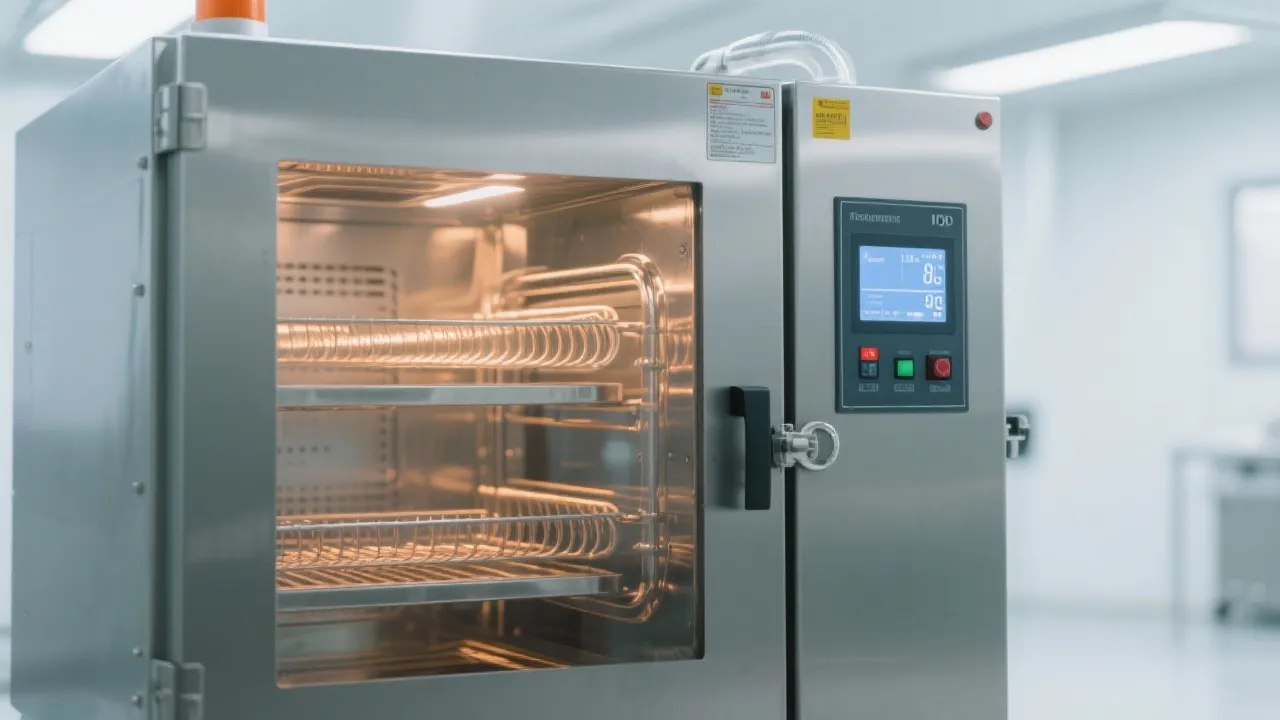
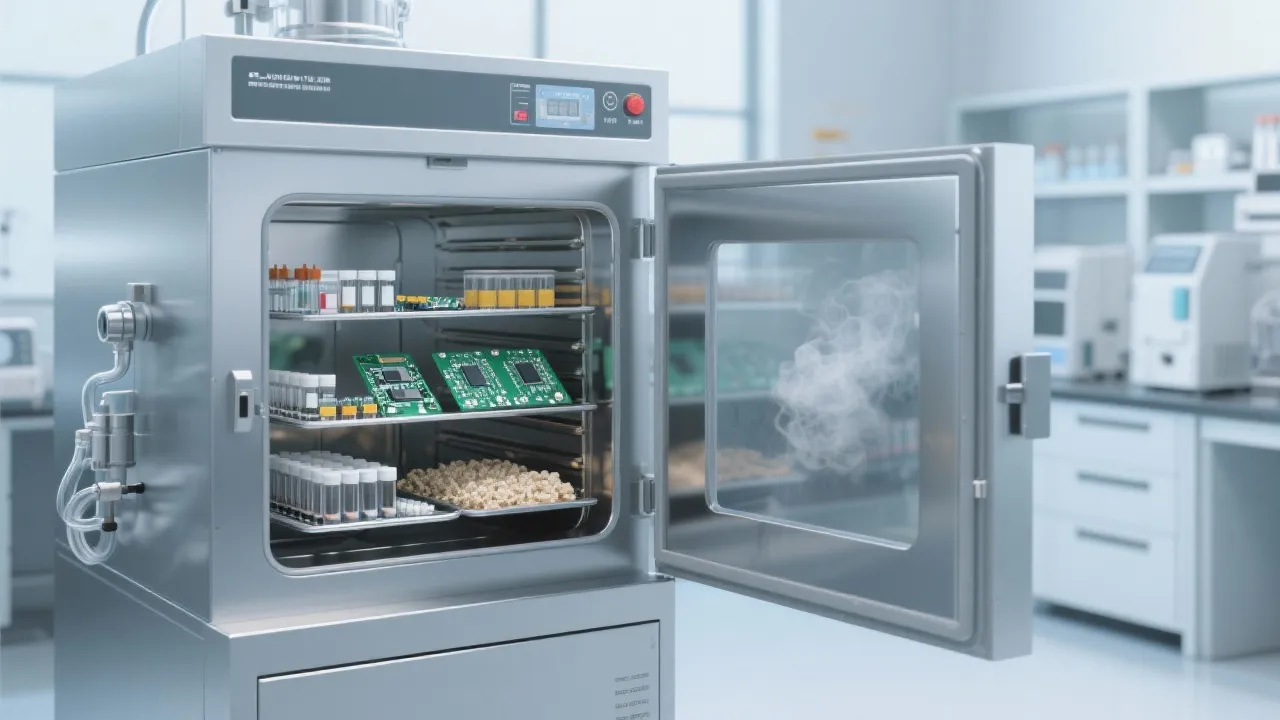
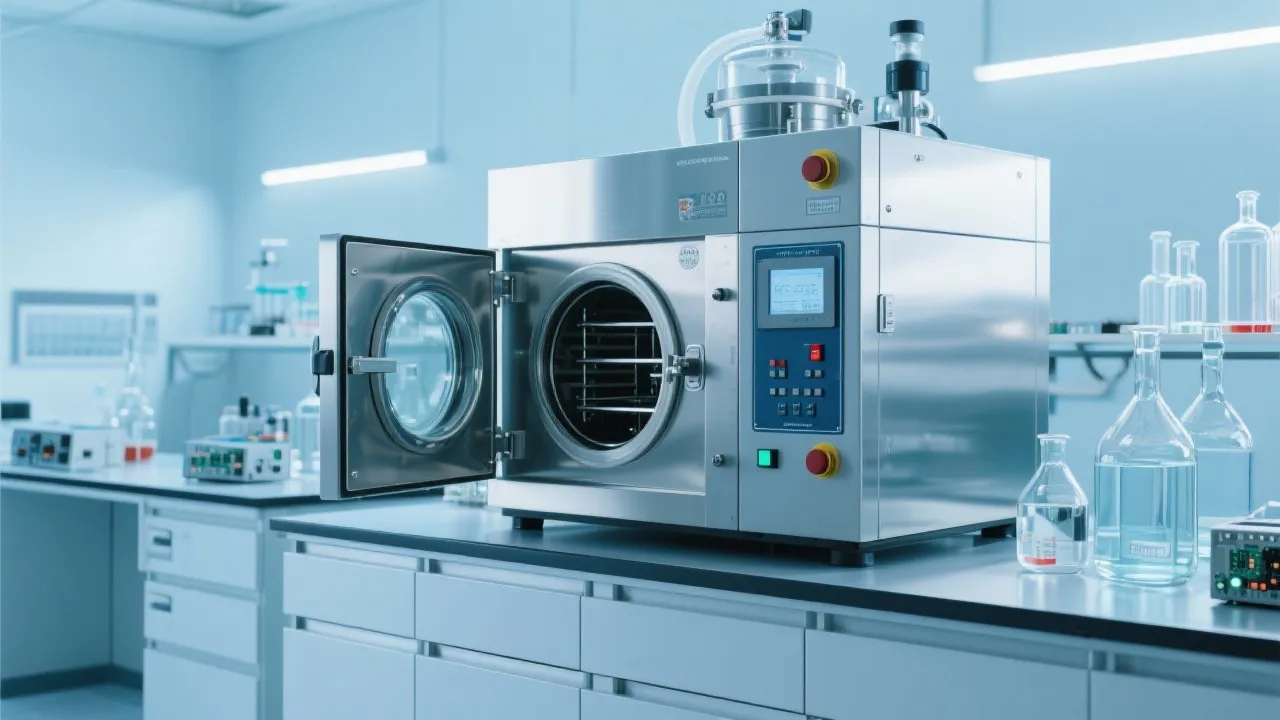
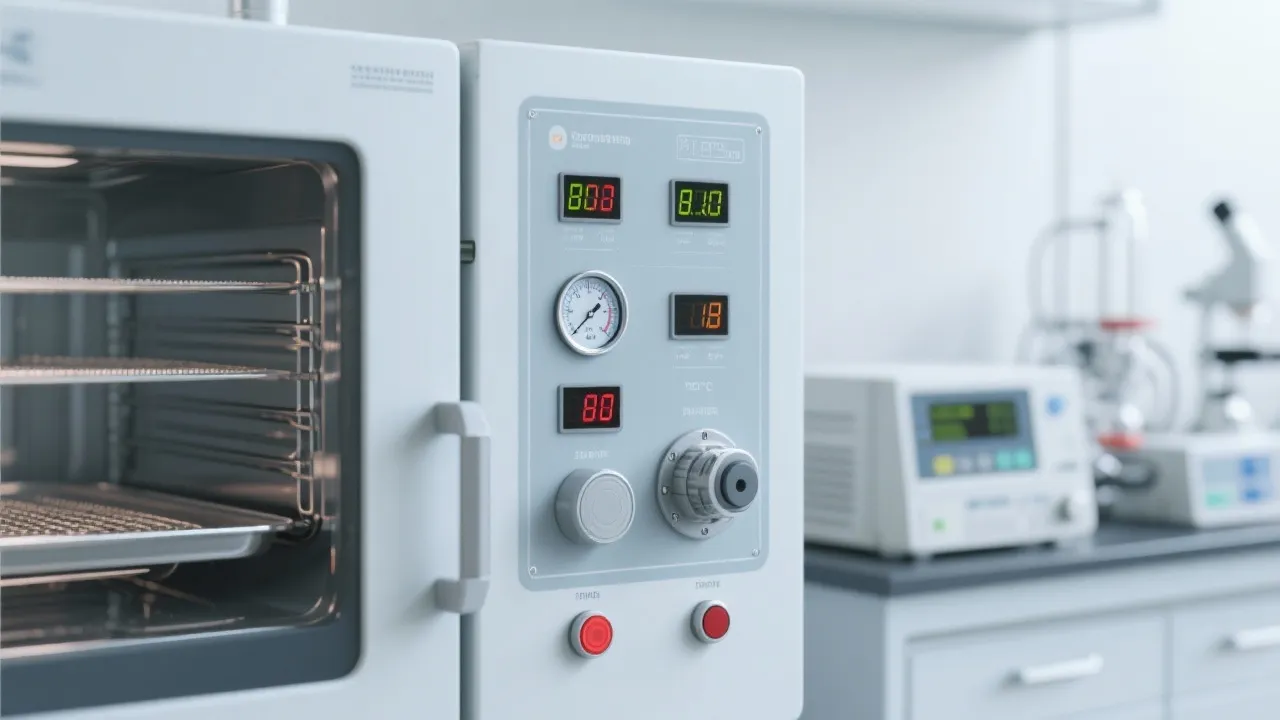
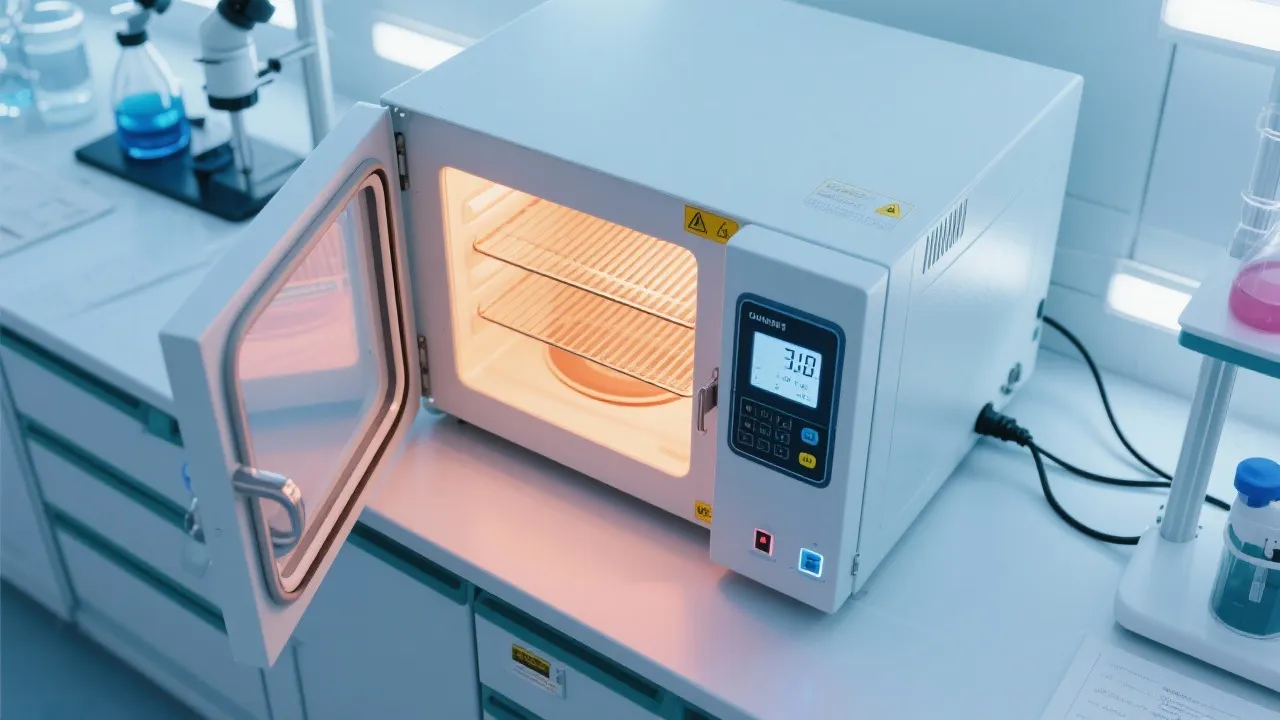
Photo of a clean, modern lab with a smart drying oven displaying digital temperature readout and PID status indicator

Ready to Upgrade Your Lab's Thermal Precision?

Explore our full range of smart PID-controlled drying systems designed for accuracy, compliance, and ease of integration.

Learn More About Smart PID Solutions
Name *
Email *
Message*

Recommended Products

Popular articles
Recommended Reading

Related Reading

Contact us
Contact us
https://shmuker.oss-cn-hangzhou.aliyuncs.com/tmp/temporary/60ec5bd7f8d5a86c84ef79f2/60ec5bdcf8d5a86c84ef7a9a/thumb-prev.png