
Solving Lab Temperature Control Challenges: A Practical Guide to PID Parameter Tuning for Precision Heating

02 02,2026
Zhengzhou Keda Mechanical Instrument Equipment Co., Ltd.
Tutorial Guide
Struggling with unstable lab temperature control? This guide explains how PID intelligent temperature control systems work and why they outperform traditional on/off methods in response speed, accuracy, and energy efficiency. Learn step-by-step strategies to tune P, I, and D parameters for different experimental needs—backed by real-world examples from materials science and pharmaceutical drying processes. Improve your lab equipment performance and ensure reliable, safe results.
Comparison chart showing temperature fluctuation in traditional vs PID-controlled systems

Struggling with Lab Temperature Stability? Here’s How to Optimize PID Parameters for Precision Control

If you're a researcher or lab technician who's spent hours tweaking your equipment only to see inconsistent results—welcome to the club. Inconsistent temperature control isn’t just frustrating—it can compromise reproducibility, waste materials, and delay critical experiments.

Why Traditional On/Off Control Falls Short

Most older lab ovens use simple on/off thermostats. While easy to implement, they cause significant temperature overshoots—often up to ±5°C—and frequent cycling that stresses both equipment and samples. For sensitive applications like polymer curing or pharmaceutical drying, this variability means unreliable data.

Real-world impact: A study at a European biotech lab found that uncontrolled heating led to a 17% failure rate in protein crystallization batches due to thermal instability.

How PID Control Changes the Game

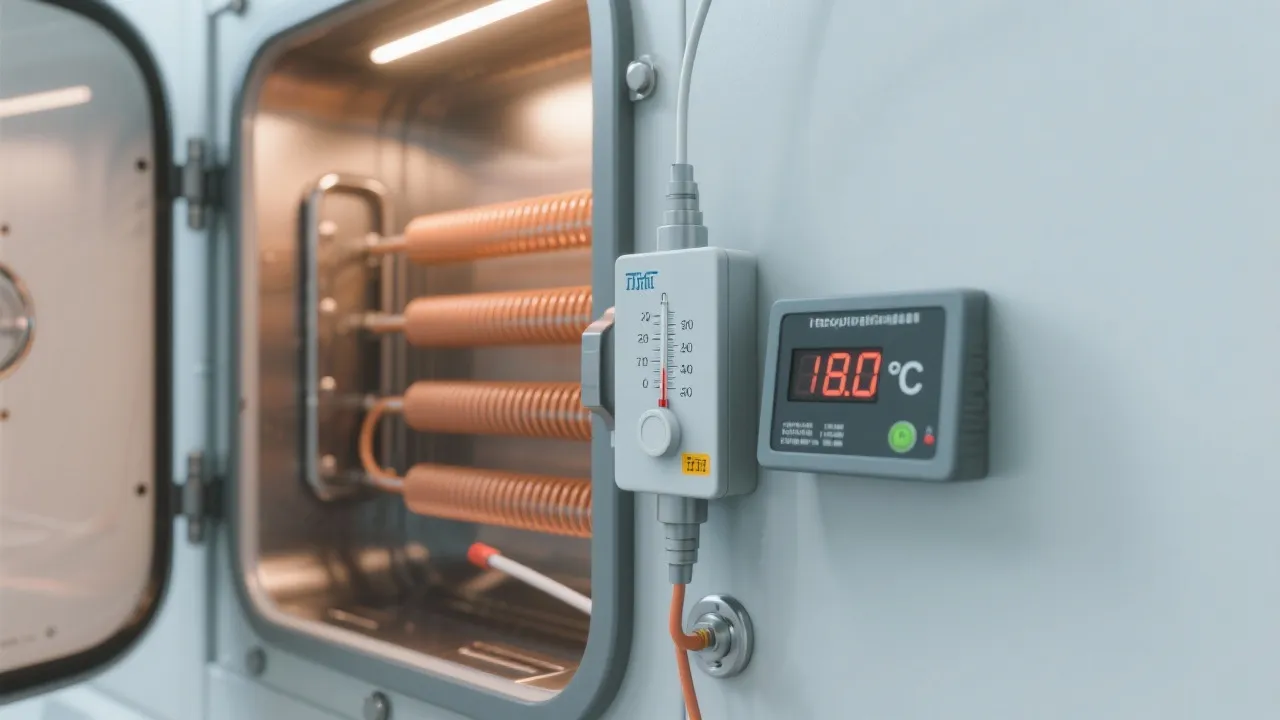
PID (Proportional-Integral-Derivative) controllers are the gold standard in precision temperature regulation. They work by continuously calculating the difference between your setpoint and actual temperature, then adjusting power output accordingly—like an expert driver constantly fine-tuning speed based on road conditions.

The three components each play a role:

  • P (Proportional): Reacts to current error – e.g., if temp is 2°C below target, it increases heat proportionally.
  • I (Integral): Eliminates steady-state offset over time – prevents long-term drift.
  • D (Derivative): Predicts future error – reduces overshoot and oscillation.
Comparison chart showing temperature fluctuation in traditional vs PID-controlled systems

Step-by-Step PID Tuning for Your Lab Needs

You don’t need to be an engineer to tune a PID loop. Start with these guidelines:

  1. Set I=0 and D=0. Increase P until the system responds quickly but starts to oscillate slightly.
  2. Add small I values to reduce steady-state error—typically 1–5% of the final P value.
  3. Introduce D (start with 0.1x P) to dampen oscillations without causing sluggishness.

For example, in a material drying process at a semiconductor lab in Singapore, engineers used P=2.5, I=0.3, D=0.15 to achieve ±0.3°C stability—reducing energy consumption by 14% compared to legacy systems.

Flowchart illustrating the step-by-step PID tuning process for laboratory equipment

Industry Success Stories: From Pharma to Materials Science

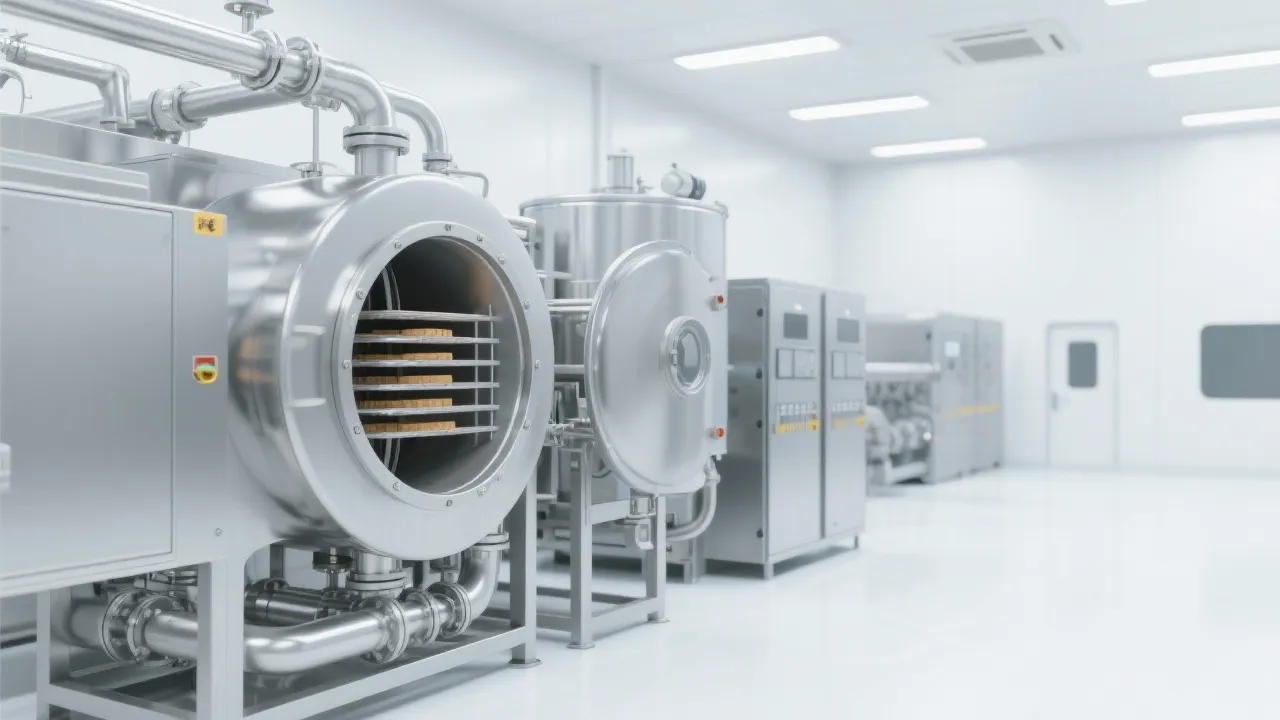
In a recent case from a U.S.-based drug formulation team, switching from analog to digital PID control improved batch consistency across 12 consecutive runs—critical for FDA compliance. Similarly, a Chinese university research group using PID-controlled vacuum ovens reported a 30% faster drying cycle while maintaining uniform sample quality.

These aren't isolated wins—they reflect what modern labs demand: reliable, repeatable, and efficient thermal control.
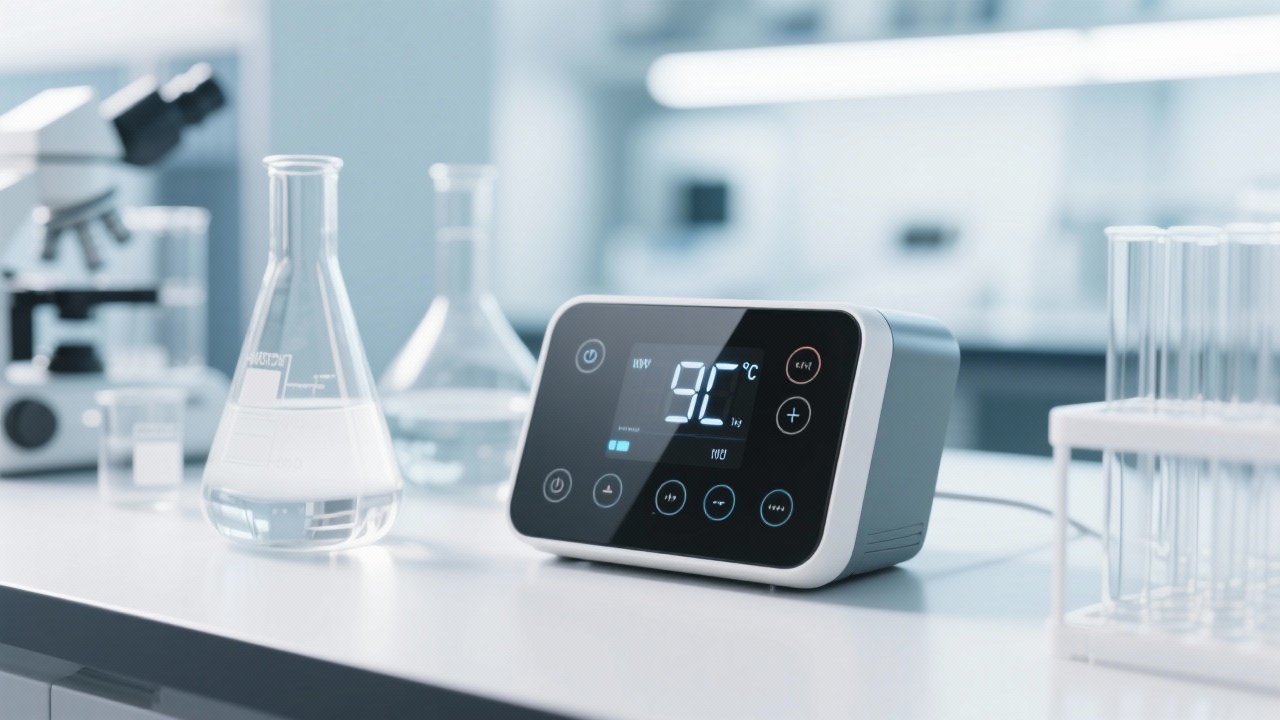
Before-and-after graph showing reduced temperature deviation after implementing PID parameter optimization

Ready to Master Precision Thermal Control?

Download our free technical white paper: "Advanced PID Tuning Strategies for Laboratory Equipment"

Get the White Paper Now →
Name *
Email *
Message*

Recommended Products

Popular articles
Recommended Reading

Related Reading

Contact us
Contact us
https://shmuker.oss-cn-hangzhou.aliyuncs.com/tmp/temporary/60ec5bd7f8d5a86c84ef79f2/60ec5bdcf8d5a86c84ef7a9a/thumb-prev.png