Have you ever lost a critical experiment because the temperature drifted unexpectedly? Or seen inconsistent drying results across batches—despite using the same protocol?
You’re not alone. In fact, over 68% of lab equipment failures in material science and pharmaceutical applications are linked to poor thermal control—not just faulty hardware, but inadequate temperature regulation.
Imagine trying to keep a pot of water at exactly 75°C without knowing how hot it is or how fast it’s heating up. That’s what traditional ON/OFF controllers do—they either turn full power on or off, causing wild swings in temperature (often ±10°C). Not ideal for sensitive samples like polymers, vaccines, or electronic components.
Enter PID: Proportional-Integral-Derivative. Think of it as your lab’s personal thermostat with a brain.
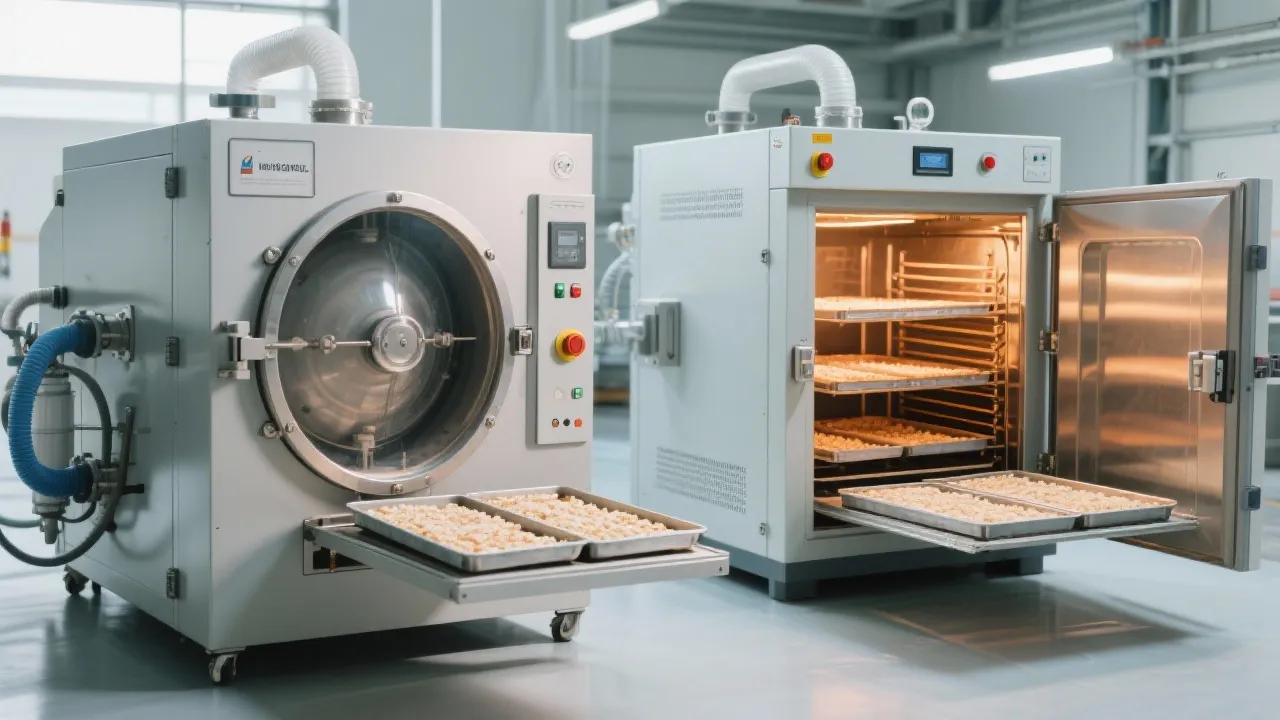
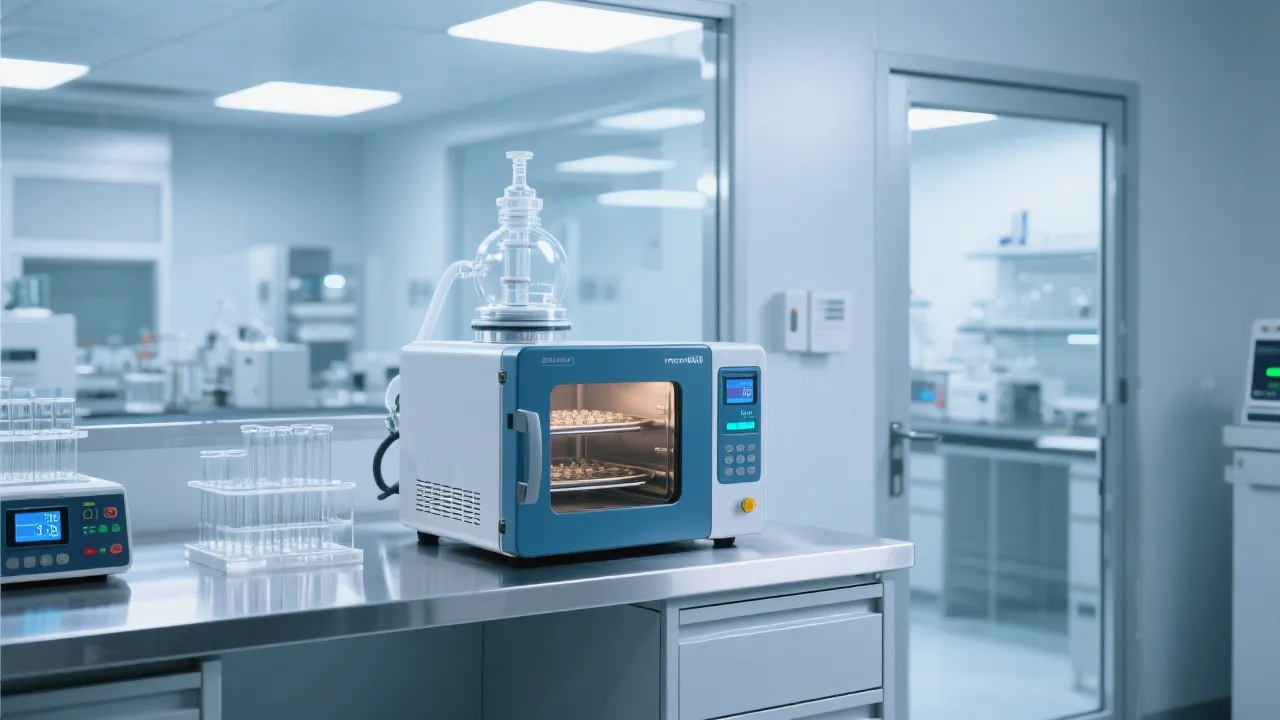
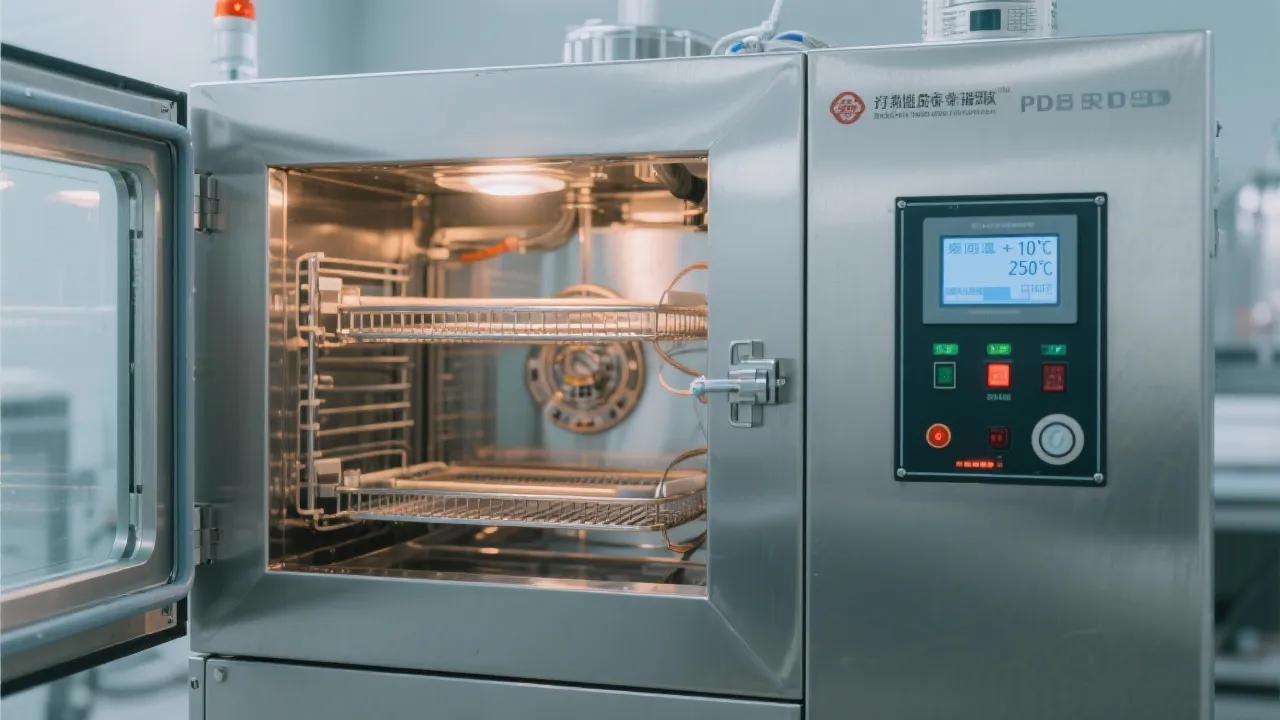
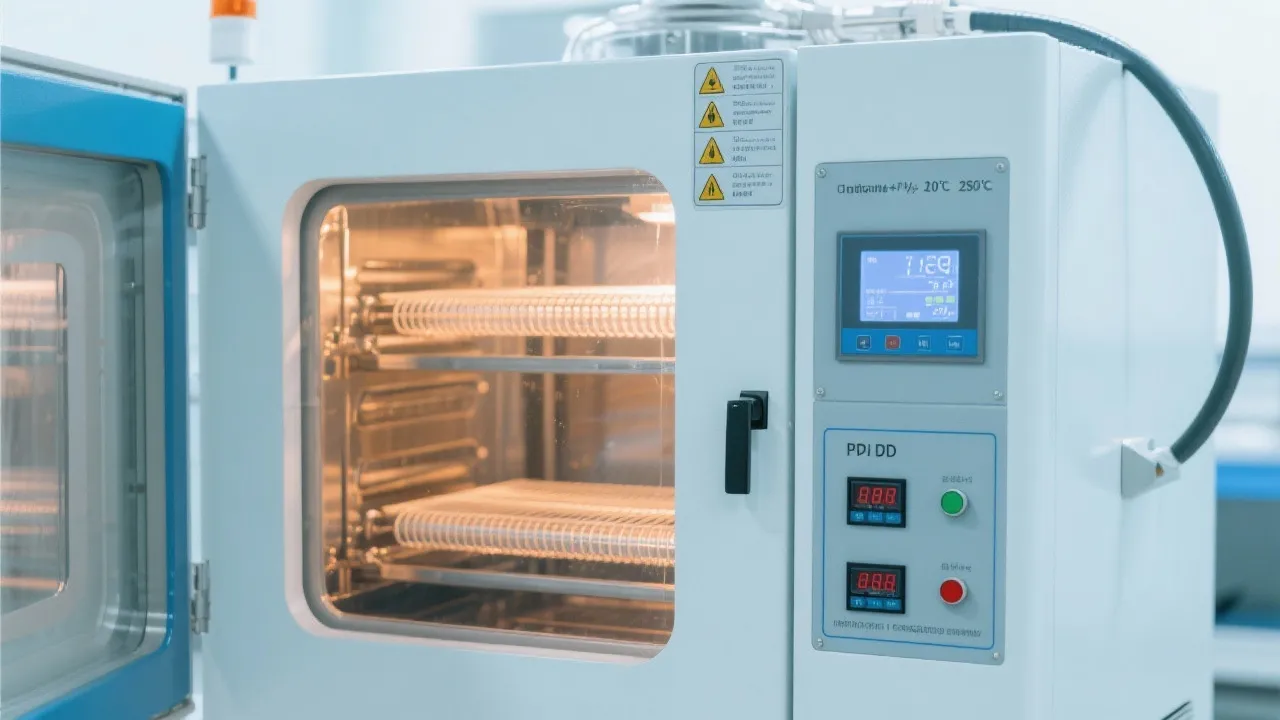
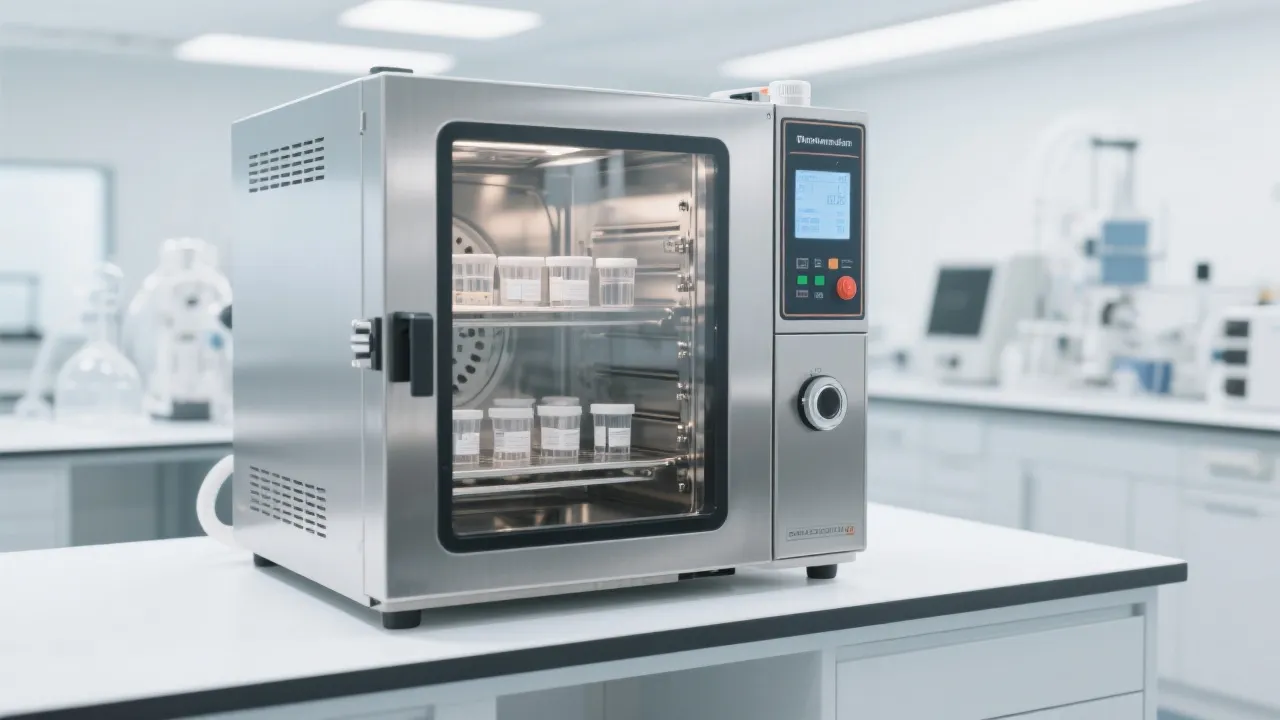
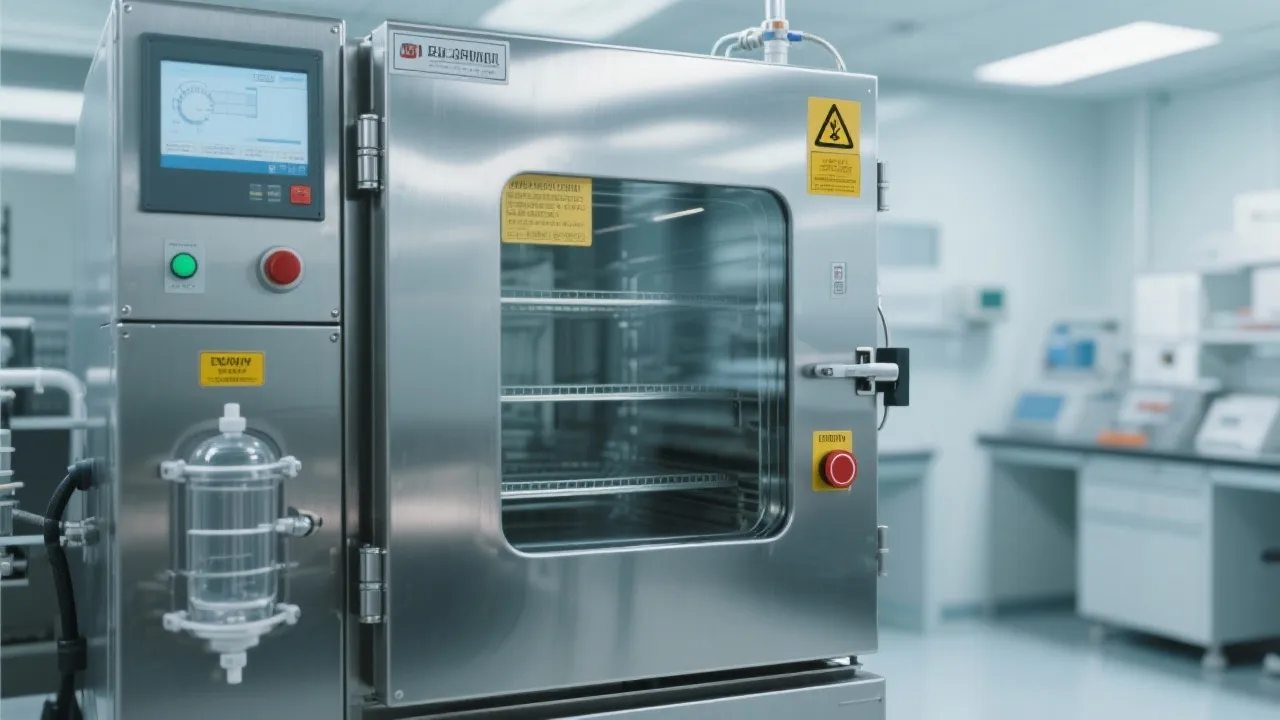
With PID, your DZF-6010 vacuum oven maintains stability within ±0.5°C—up to 90% better than basic thermostats—and responds 3x faster to changes in ambient conditions.
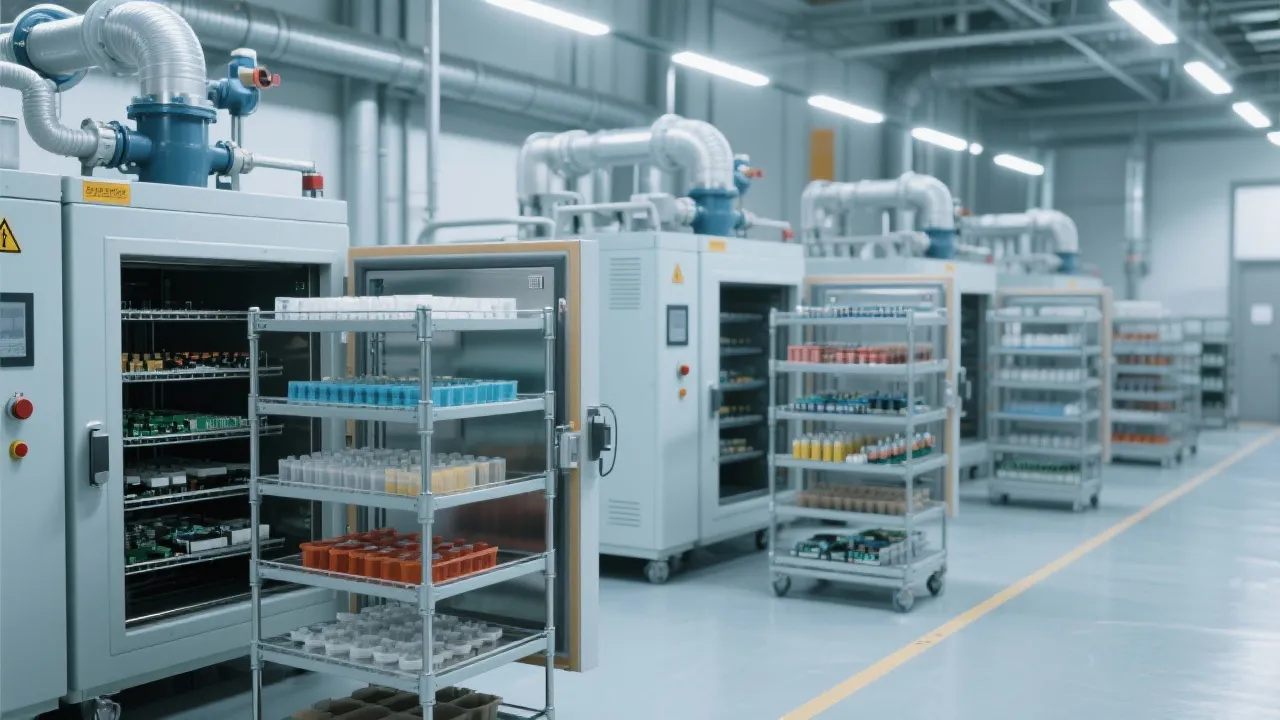
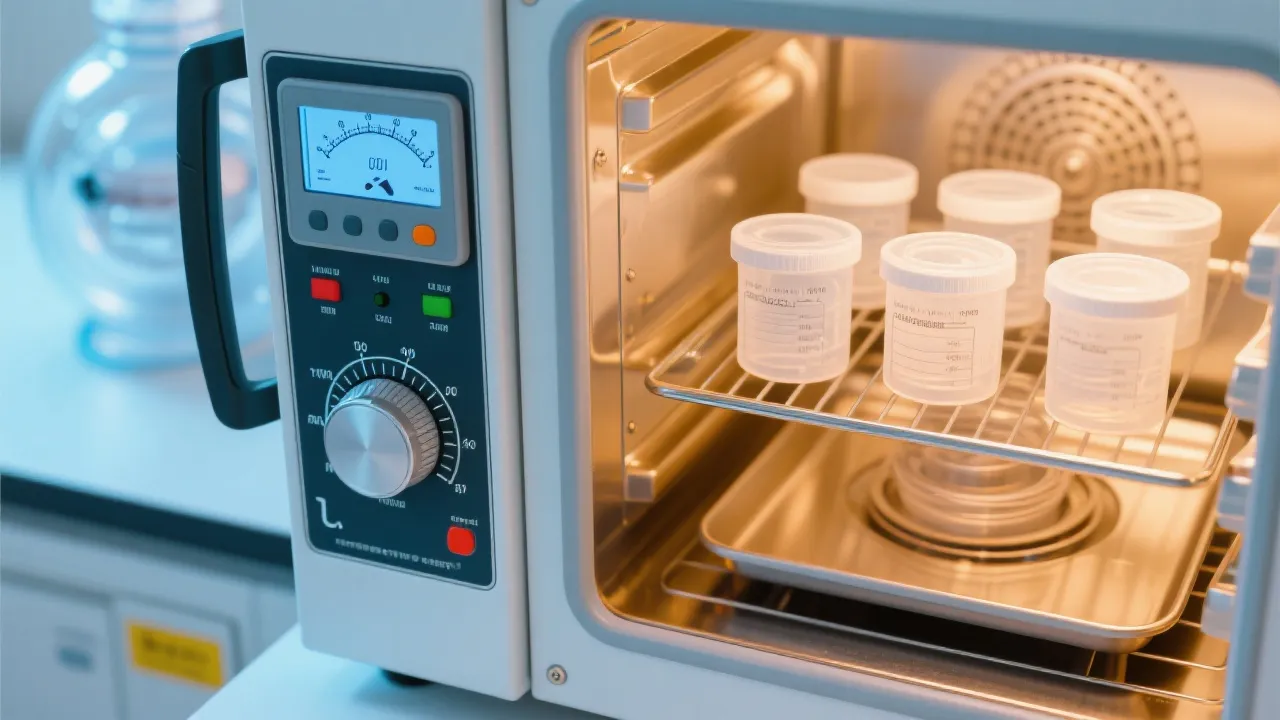
In a recent case study with a biotech firm in Singapore, switching to PID-based drying reduced batch rejection rates by 42%. Why? Because they could now consistently dry moisture-sensitive compounds without degradation—a must-have for regulatory compliance in pharma.
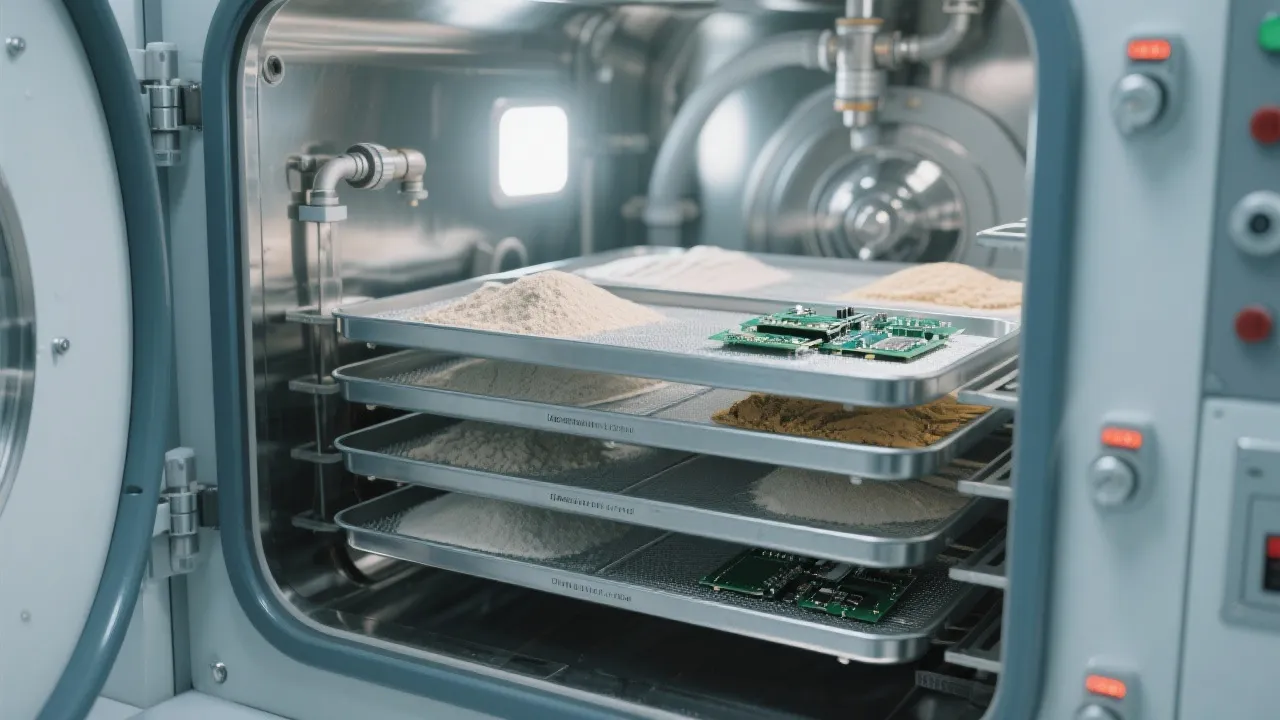
Similarly, in electronics manufacturing, precise temperature profiles during soldering and curing prevent warping and ensure component reliability—critical for export-grade quality standards.
Want to optimize your own setup? Start here:
These aren’t just numbers—they’re keys to unlocking reproducibility, safety, and efficiency in every run.
Download our free technical whitepaper: "Mastering PID Settings for Maximum Lab Efficiency"
Get the Whitepaper Now →