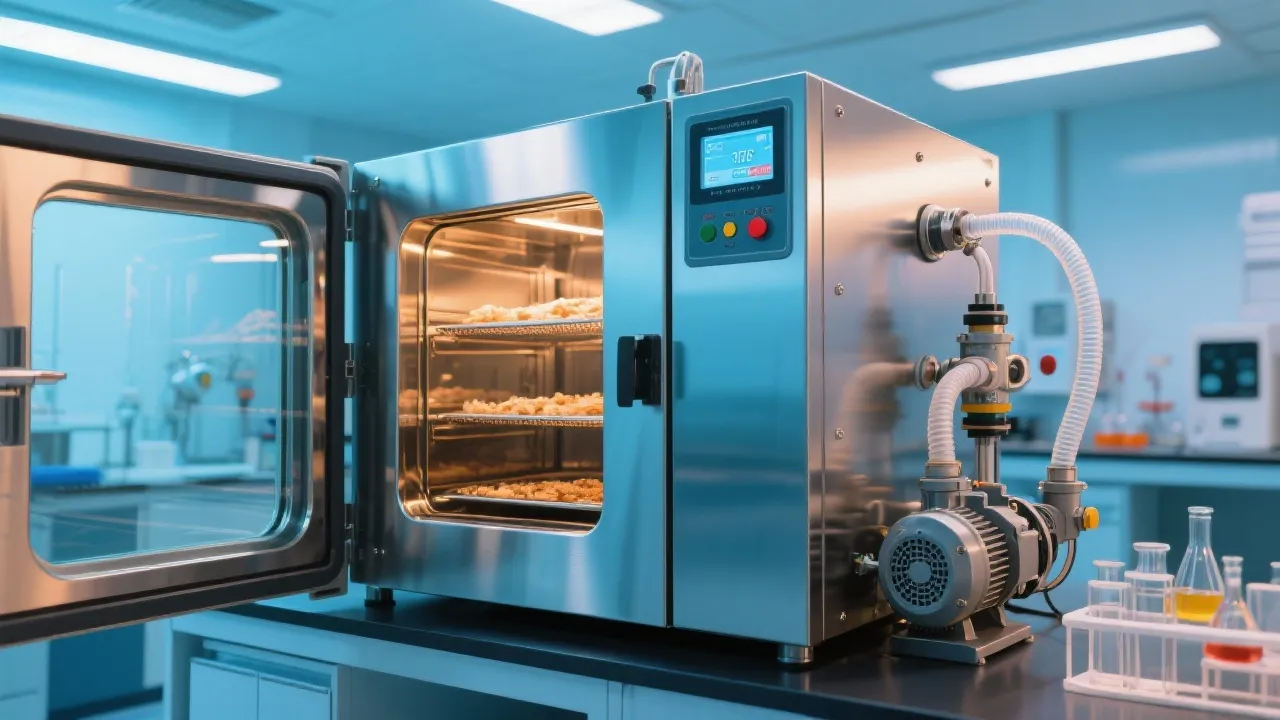
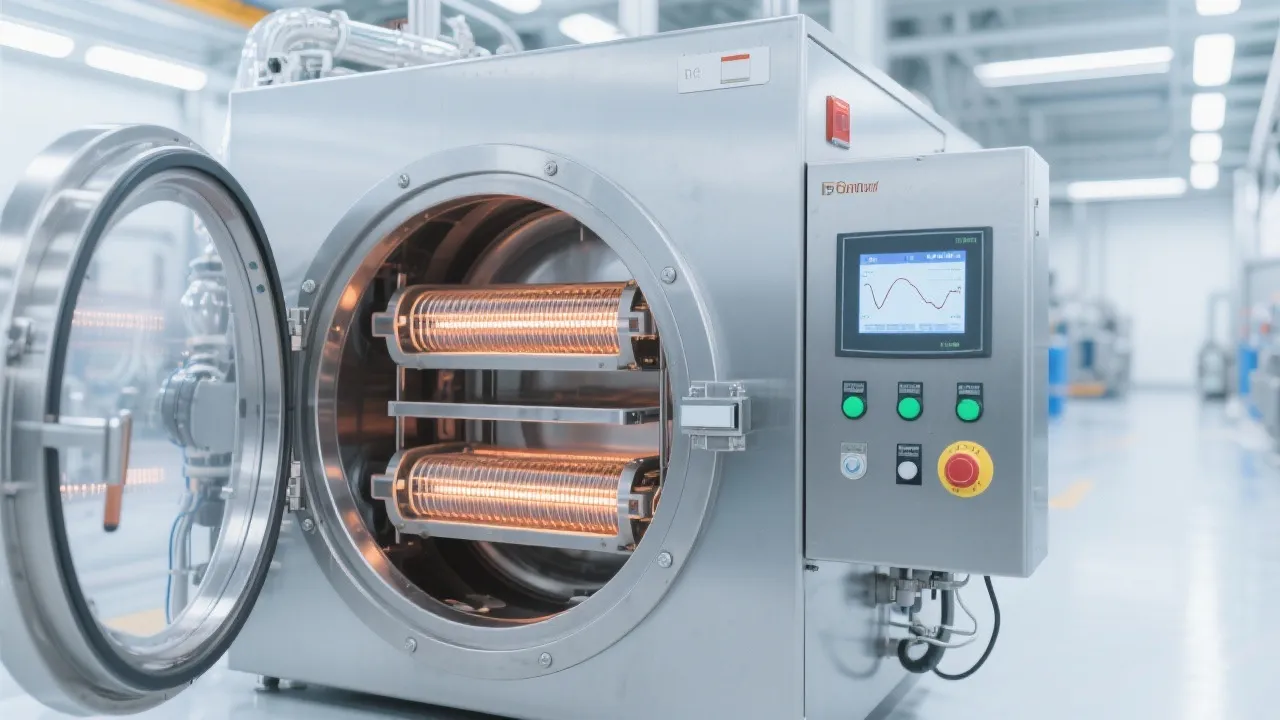
In today’s competitive manufacturing and research environments, precision in drying processes is no longer optional—it’s essential. Whether you're working in biopharma, food processing, or materials science, inconsistent temperature control can lead to product rejection, wasted time, and lost revenue. This guide explores how digital temperature control systems—especially those using PID (Proportional-Integral-Derivative) algorithms—can dramatically improve both efficiency and quality.
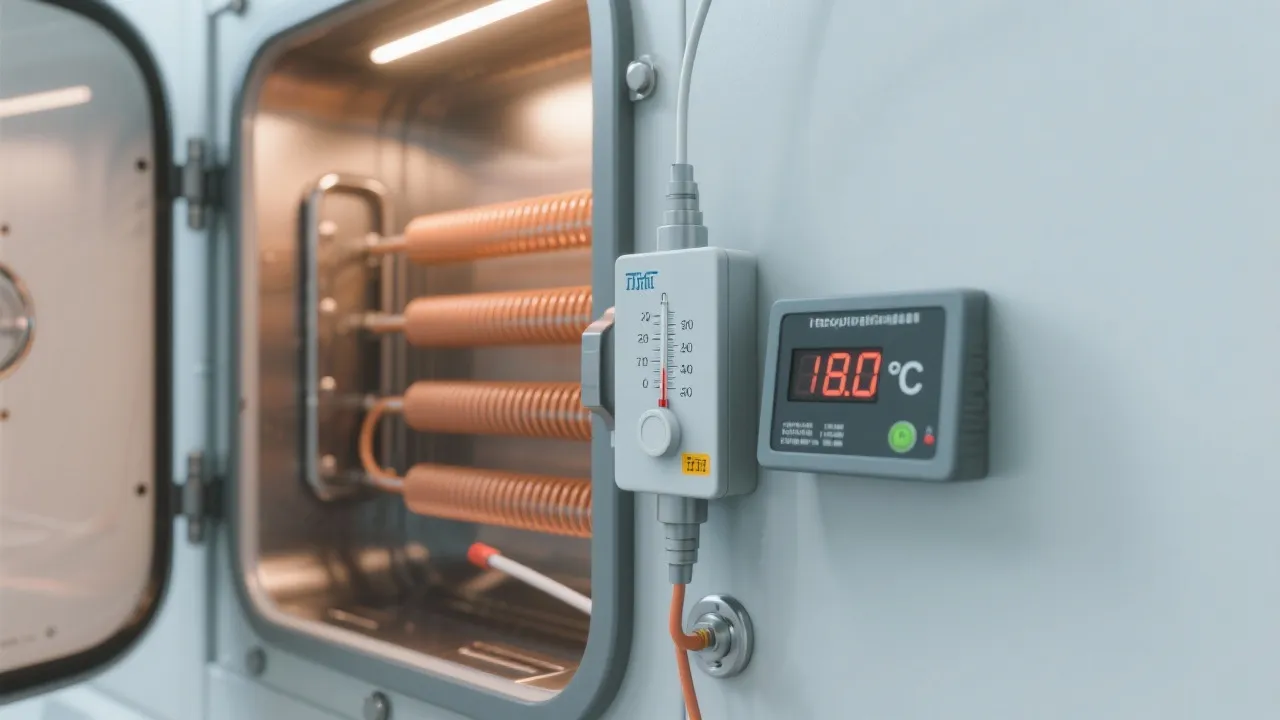
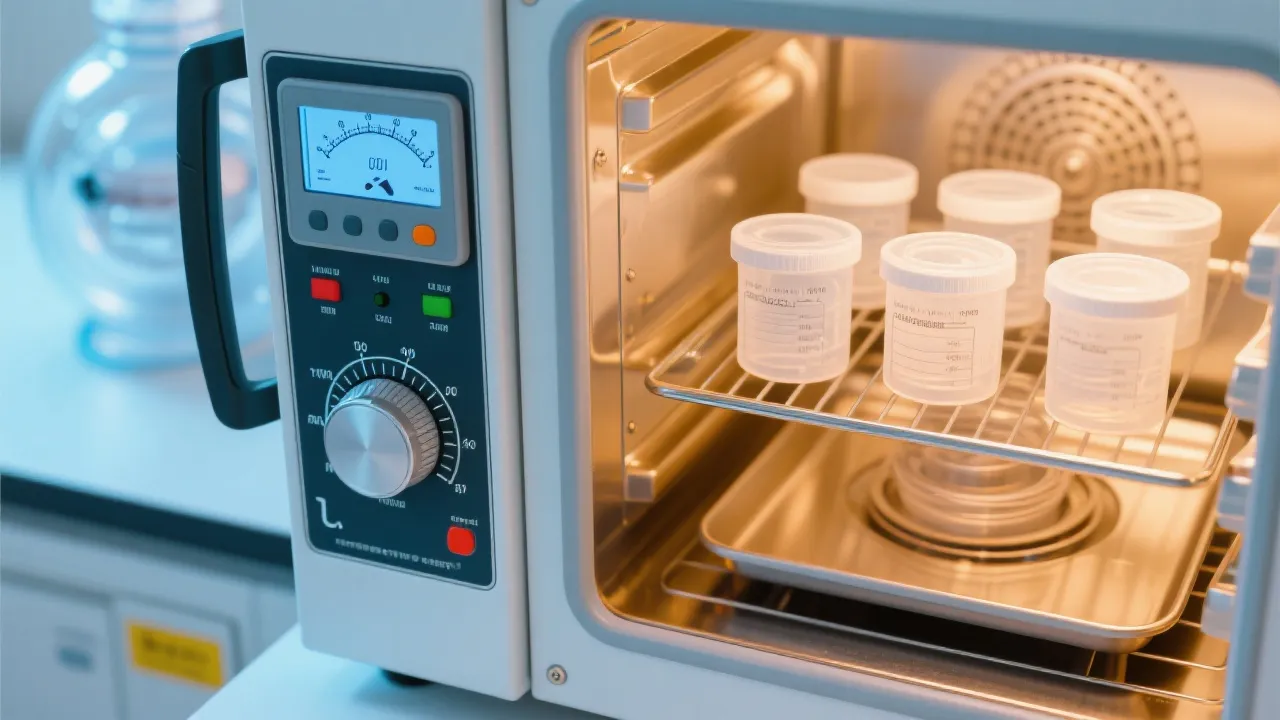
Traditional thermostats often result in overshoots, slow response times, and uneven heat distribution—especially in vacuum dryers where thermal inertia is high. In contrast, smart PID controllers dynamically adjust heating power based on real-time feedback from sensors. According to industry benchmarks, properly tuned PID systems reduce temperature deviation by up to 70% compared to basic on/off controls, leading to more consistent drying outcomes across batches.
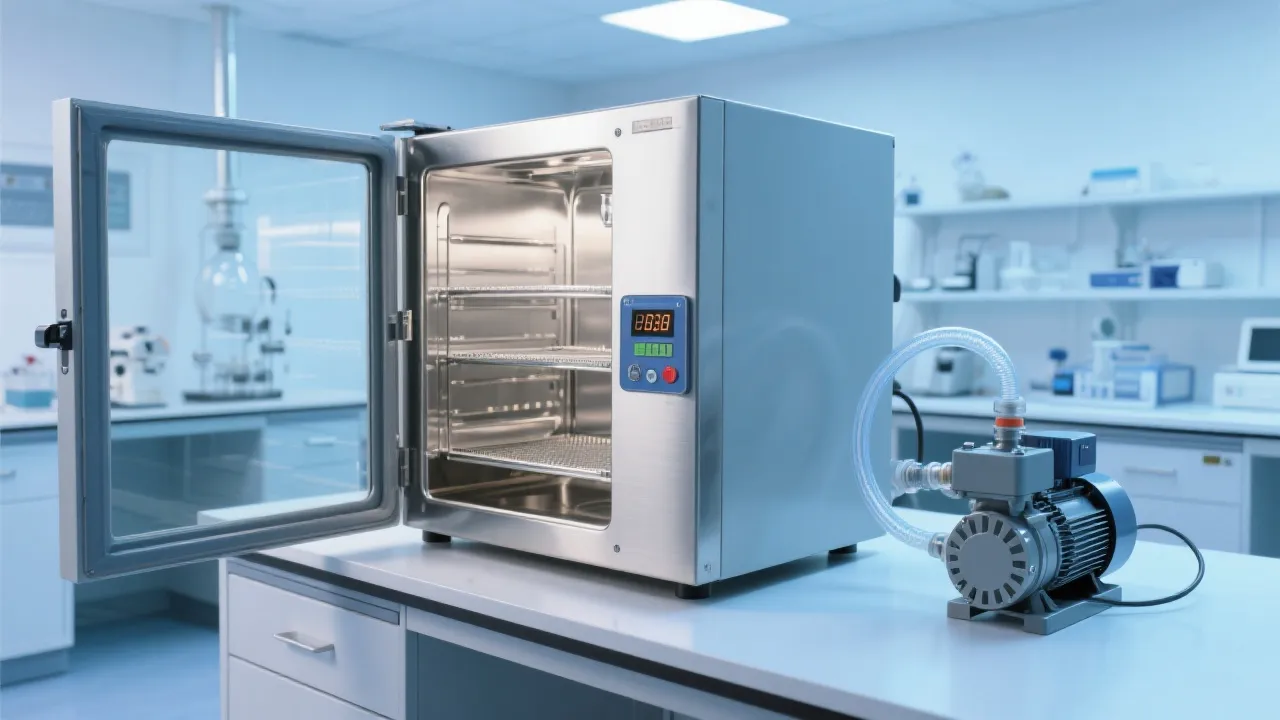
For example, a pharmaceutical lab in Germany reported a 45% reduction in batch rework after switching to a PID-controlled vacuum dryer—thanks to improved temperature uniformity across the chamber walls. Similarly, food processors in Southeast Asia saw a 20% increase in throughput when they optimized their PID parameters for faster ramp-up without compromising product integrity.
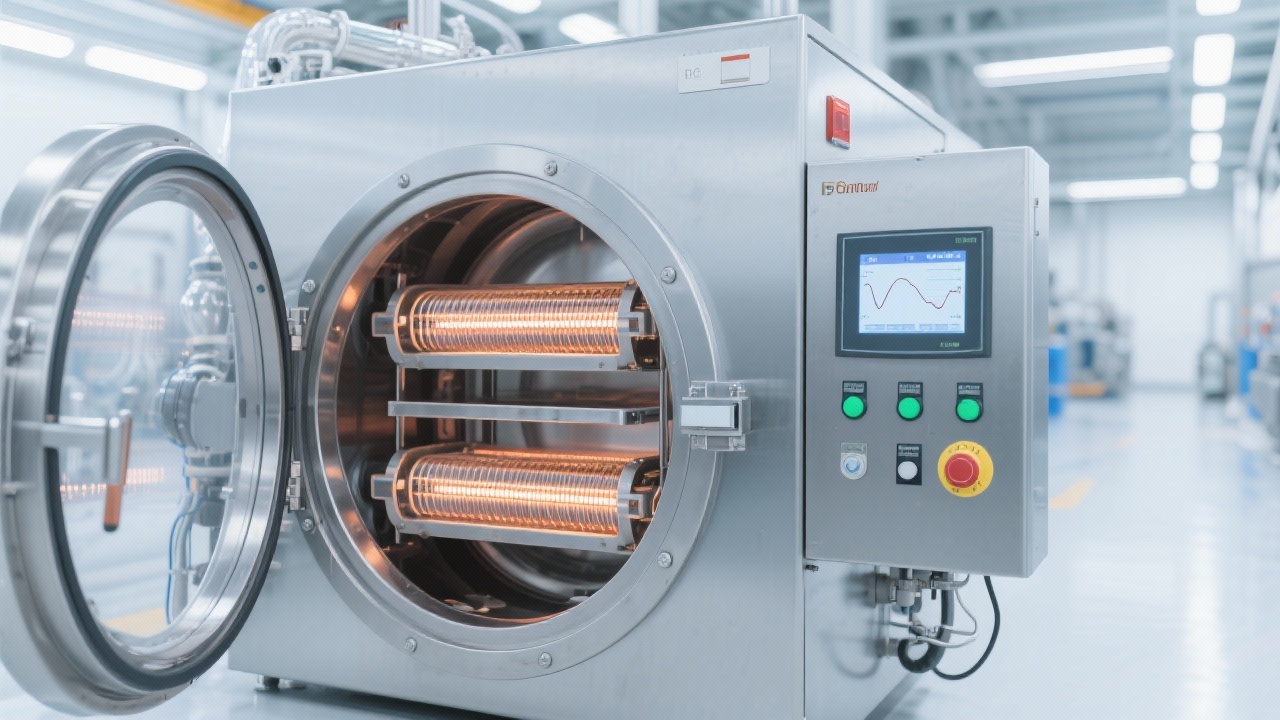
Setting PID values isn’t guesswork—it requires understanding three core components:
Best practice? Start with conservative values (P=1.5, I=0.5, D=0.1), then fine-tune through small adjustments while monitoring temperature logs. Use tools like the Ziegler-Nichols method for initial tuning—many modern dryers now include built-in auto-tuning features that cut setup time by up to 60%.
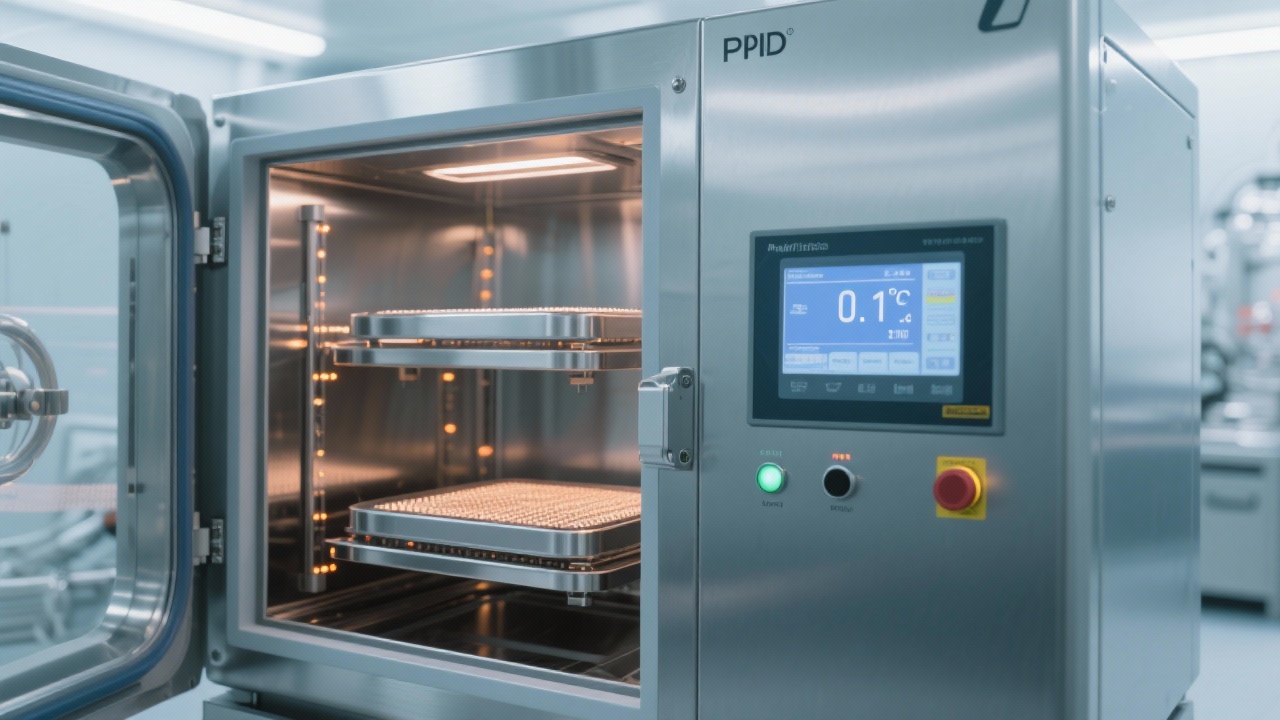
Even experienced users fall into traps like:
Real-world tip: Keep a logbook for each material type. Track optimal PID values, cycle times, and moisture content post-dry. Over time, this becomes your internal knowledge base for rapid process scaling.
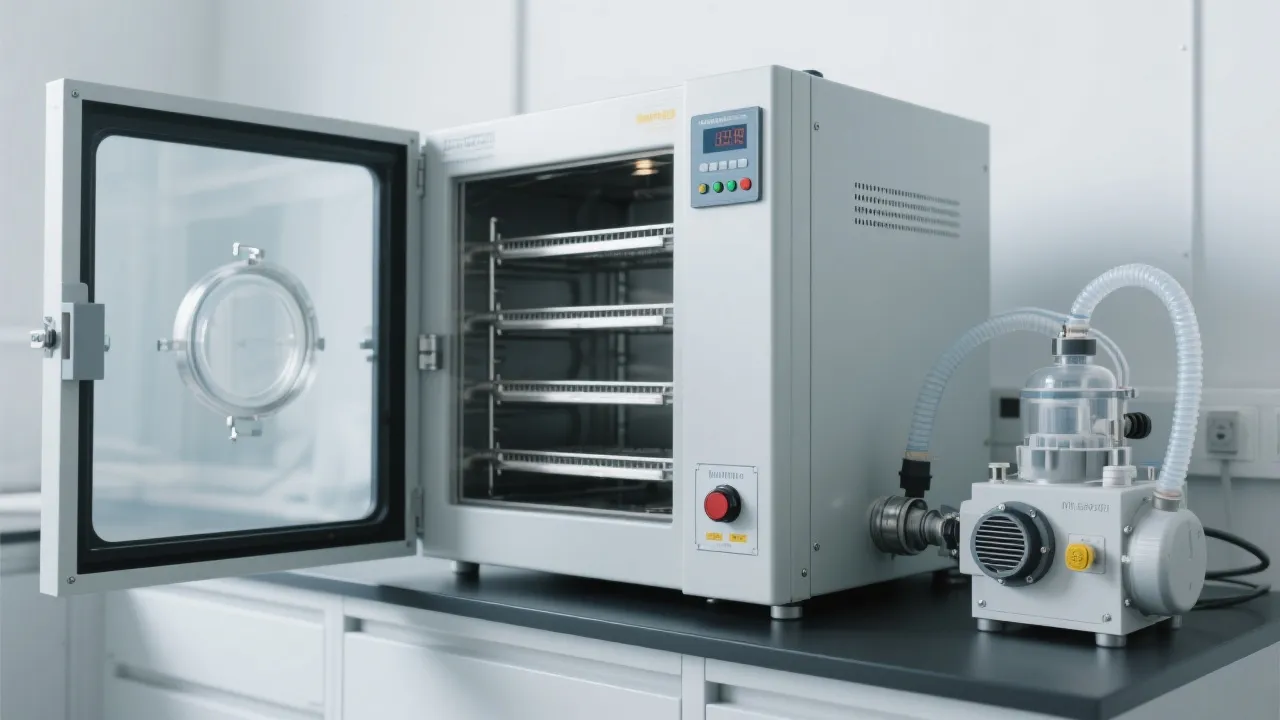
Discover how our latest generation of vacuum dryers—with intelligent PID control, multi-zone heating, and remote diagnostics—can help you achieve consistent results, faster cycles, and fewer rejects.
Explore Our Smart Dryers Today →