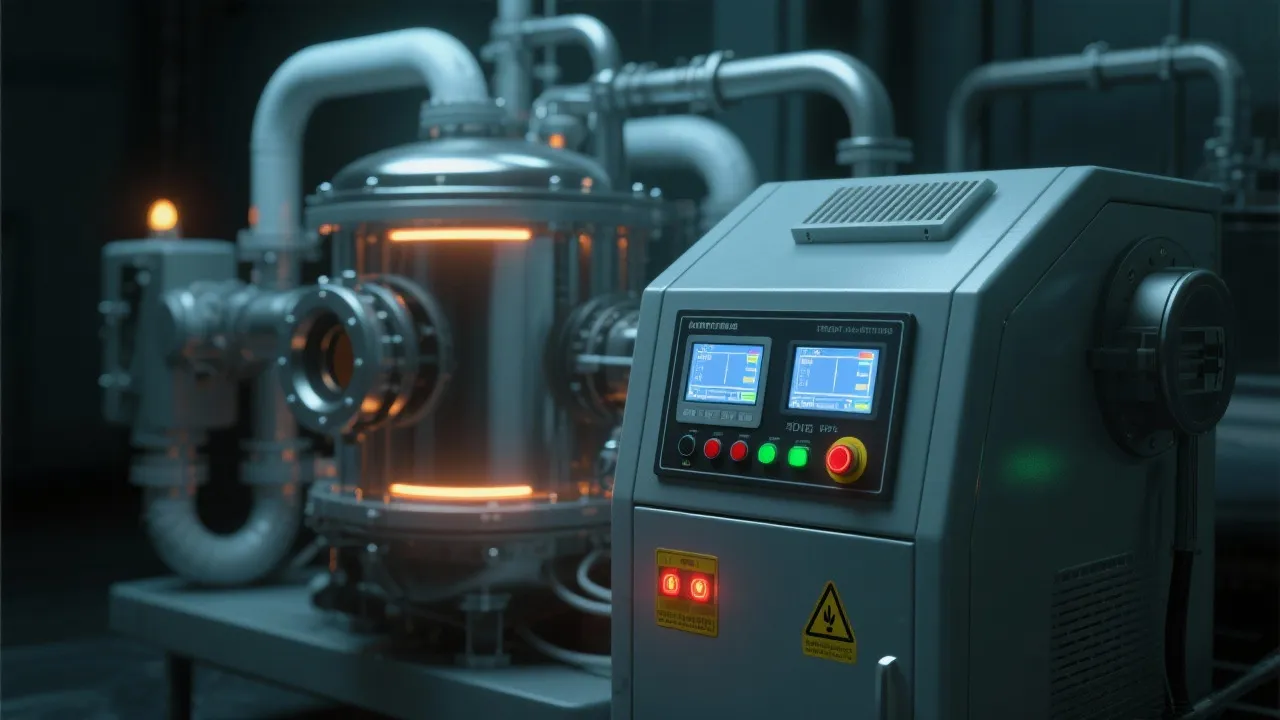
Vacuum Drying Solutions in Pharmaceutical Manufacturing: Enhancing Yield and Quality Stability
28 01,2026
Zhengzhou Keda Mechanical Instrument Equipment Co., Ltd.
Solution
This article explores how industrial digital vacuum drying technology can improve product yield and quality stability in the pharmaceutical industry. It delves into three key trends in vacuum drying: intelligent temperature control (such as PID dual-temperature regulation), energy-efficient design, and enhanced material adaptability. Through real-world case studies, the paper demonstrates how these advancements reduce material oxidation and improve drying uniformity. Additionally, it provides a detailed selection framework for transitioning from laboratory to production scale, guiding practitioners towards data-driven decisions that overcome efficiency barriers and achieve significant quality improvements.
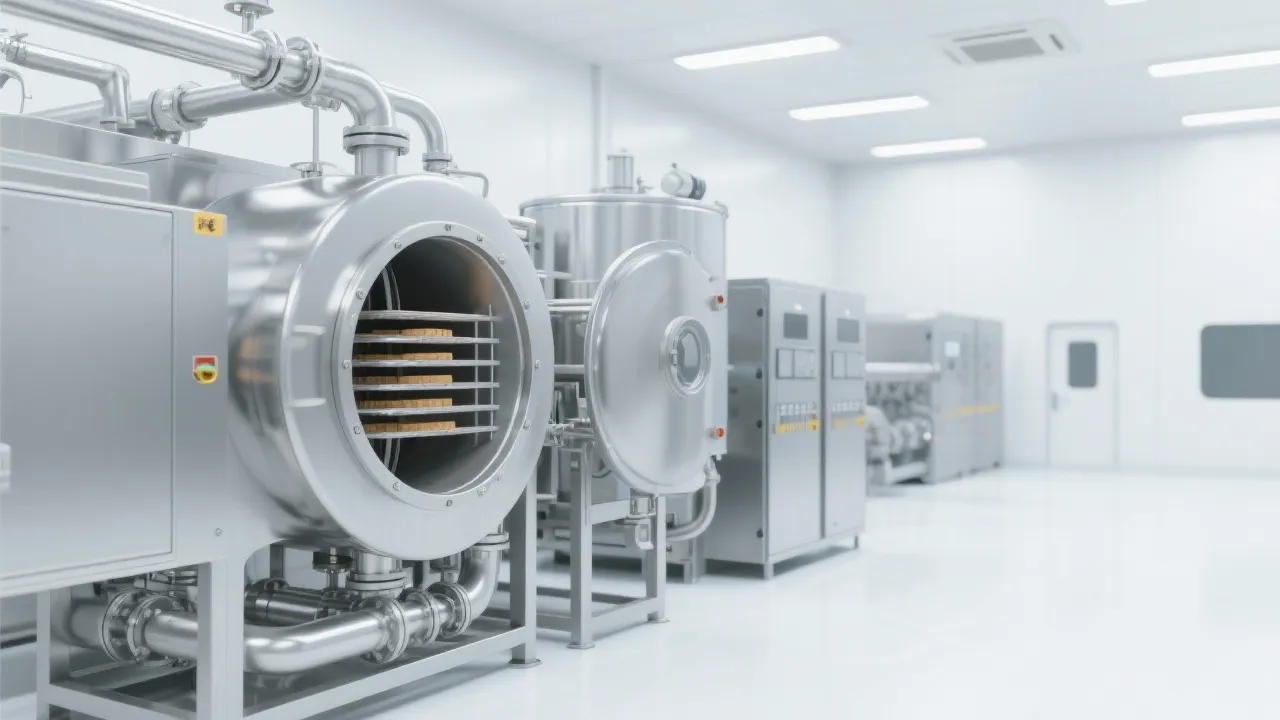
Vacuum Drying Solutions in Pharmaceutical Manufacturing: Enhancing Yield and Stability
The pharmaceutical industry continuously faces critical challenges in drying processes, where thermal damage and batch inconsistencies can significantly affect product quality and yield. Industrial digital vacuum drying technology emerges as a transformative solution that mitigates oxidation and ensures drying uniformity—key factors for stable and high-quality outputs.
Industry Pain Points: Thermal Damage and Batch Variation
Traditional drying techniques, such as hot air drying, often expose sensitive pharmaceutical materials to elevated temperatures and fluctuating conditions. This results in thermal degradation, loss of active pharmaceutical ingredients (APIs), and varied moisture levels across batches. Consequentially, this leads to diminished batch yield—with reported losses up to 15%—and compromised product stability, sparking regulatory concerns and production inefficiencies.
Evolution of Vacuum Drying Technology: Core Trends
Modern vacuum drying systems address these issues through three pivotal technological advancements:
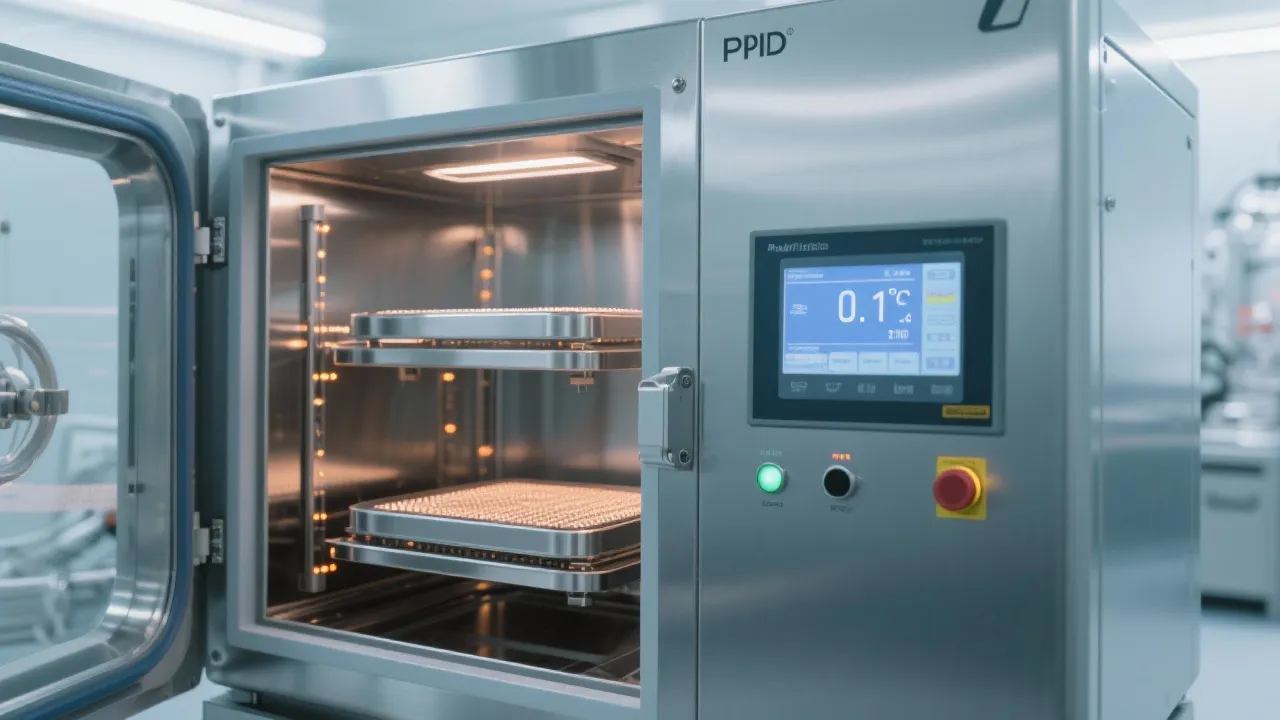
- Intelligent Temperature Control: Implementation of PID dual-temperature regulation enables precise chamber and product temperature monitoring. This tight control significantly reduces temperature overshoot, maintaining conditions within ±1°C of the target and enhancing drying consistency across batches.
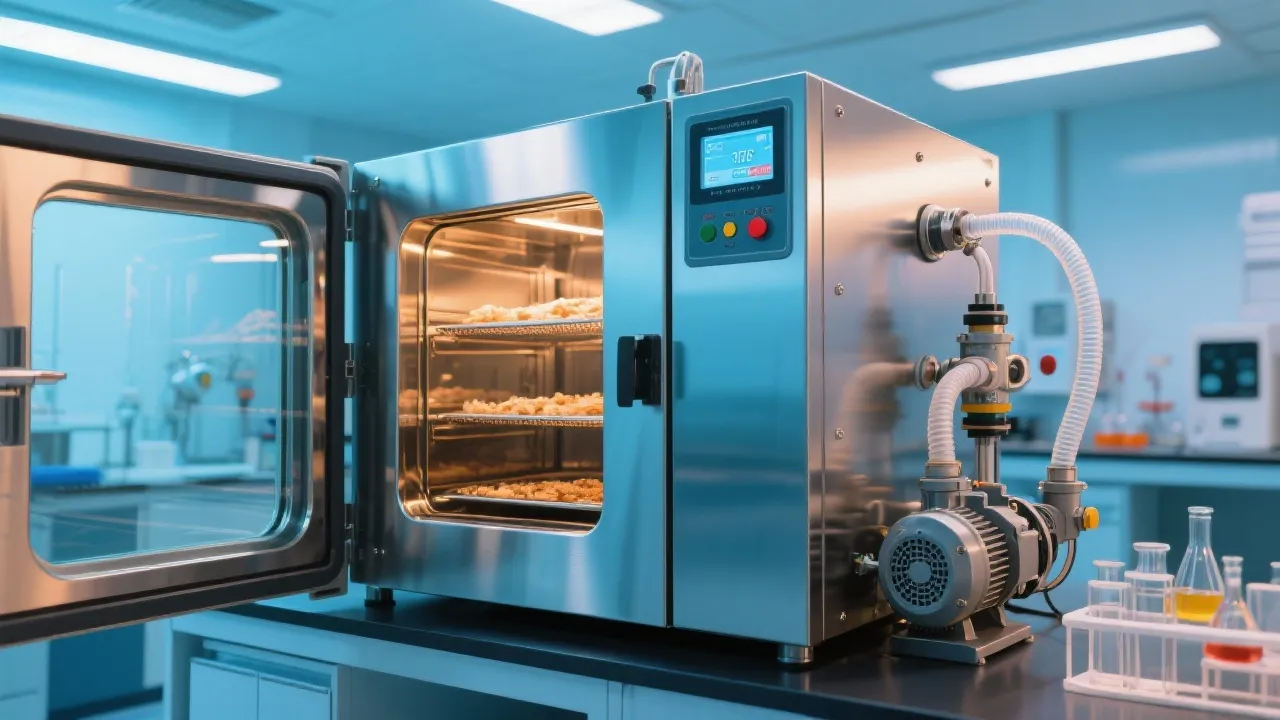
- Energy-Efficient Design: Innovative insulation materials and vacuum optimization lower energy consumption by up to 25%, reducing operational costs while maintaining optimal drying kinetics.
- Enhanced Material Compatibility: Use of corrosion-resistant stainless steel grades and adaptable chamber coatings ensures longevity under pharmaceutical solvents and reactive compounds, minimizing maintenance downtime.
Comparative Performance: Vacuum vs. Hot Air Drying
Studies comparing traditional hot air drying to industrial digital vacuum drying reveal striking improvements. A study involving a mid-scale pharmaceutical manufacturer demonstrated:
- Yield Increase: Vacuum drying processes increased yield rates by approximately 28%, primarily due to minimized thermal decomposition and reduced sample sticking.
- Moisture Uniformity: Residual moisture variance between samples dropped from 8% (hot air) to under 2%, a critical enhancement for product consistency.
- Reduced Oxidation: Vacuum conditions suppressed oxidative degradation, extending shelf life by an estimated 15–20% in stability studies.
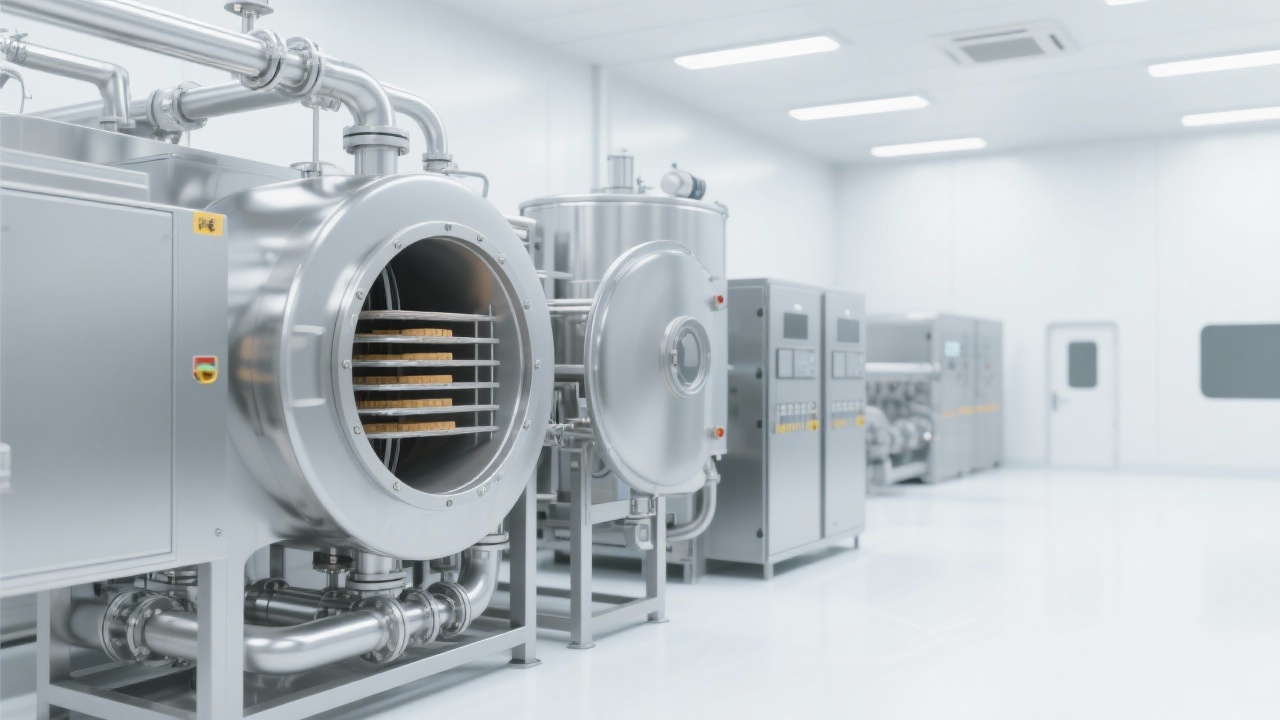
Application Insights: From Lab Scale to Mass Production
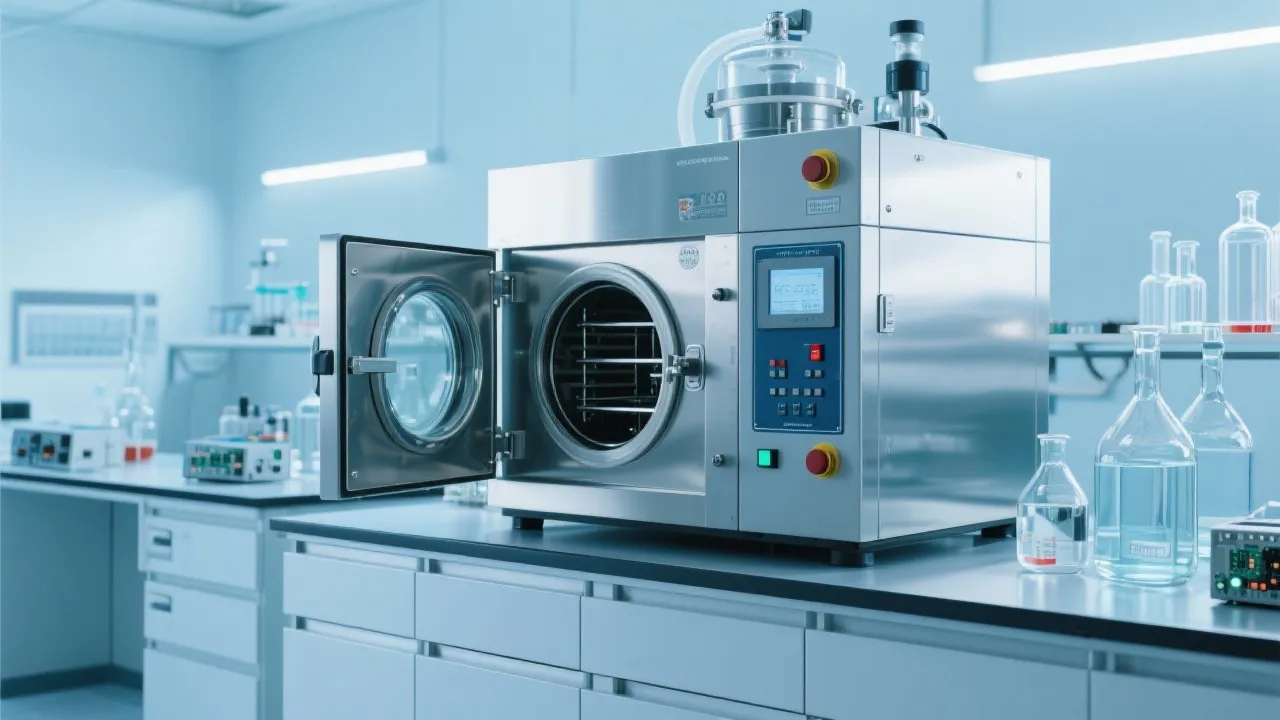
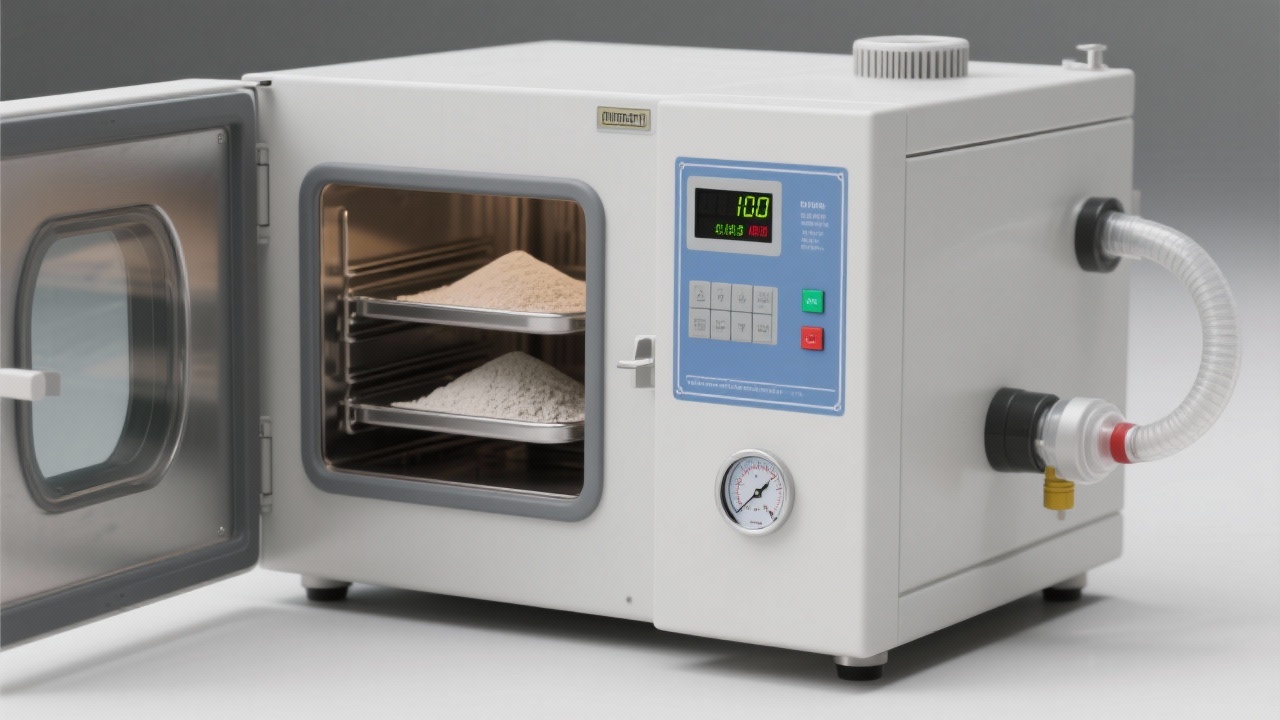
Selecting the appropriate drying technology requires a granular understanding of batch size, product sensitivity, and throughput requirements. Pilot programs employing intelligent vacuum drying equipment (such as the DZ-4BCII model series) have shown scalability benefits:
- Lab-Scale Precision: High-sensitivity sensors provide granular temperature and pressure feedback, essential for experimental reproducibility and formulation optimization.
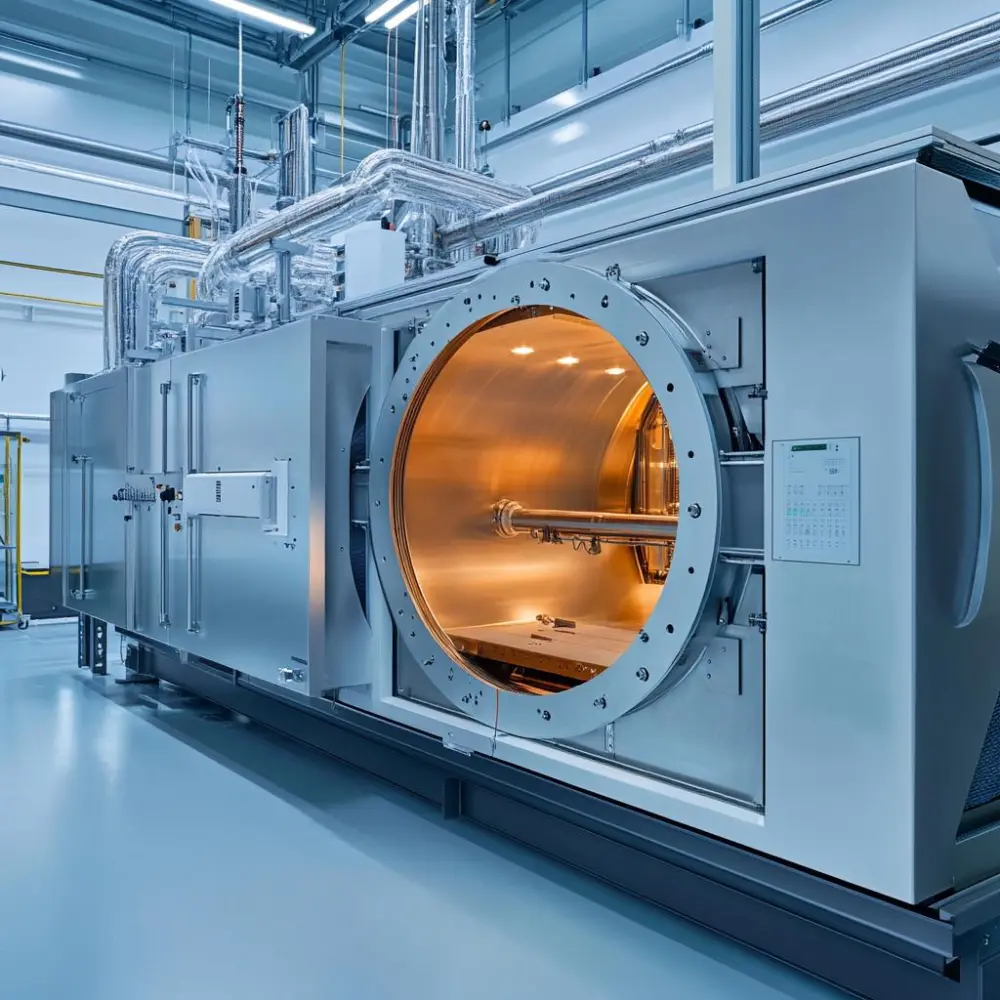
- Industrial Production Efficiency: Integrated automation and data logging facilitate continuous monitoring, enabling remote adjustments and reducing human error.
These advances support evidence-based decision-making, transitioning manufacturing from bottlenecked drying phases to streamlined end-to-end operations.
Future Perspectives: AI Integration and Remote Monitoring
The trajectory of vacuum drying technology points towards convergence with Artificial Intelligence (AI) and Internet of Things (IoT) platforms. Predictive analytics can optimize drying cycles by analyzing real-time sensor data, adjusting parameters proactively to avoid under- or over-drying. IoT-enabled vacuum drying equipment offers remote diagnostics and control—empowering pharmaceutical companies to maintain high standards even in decentralized production facilities.
Moreover, accredited standards compliance and certification testing underpin trustworthiness; referencing pharmacopeia criteria ensures equipment meets stringent hygiene and validation demands, reinforcing quality assurance.