In polymer processing, moisture content is a silent killer—residual water can cause voids, discoloration, or even structural failure during molding or extrusion. Traditional drying methods often fall short: hot air ovens may overheat sensitive materials, while inadequate vacuum levels fail to remove moisture effectively. The key? Precise control of vacuum degree (below 133 Pa) and temperature uniformity (±1°C).
At reduced pressure, water boils at lower temperatures—typically around 40–60°C under 133 Pa vacuum versus 100°C at atmospheric pressure. This allows gentle dehydration without thermal degradation. Moreover, low oxygen environments minimize oxidation, preserving molecular integrity in polymers like PEEK, PET, and PLA.
| Polymer Type | Recommended Vacuum Level | Ideal Temp Range (°C) | Drying Time Reduction |
|---|---|---|---|
| PEEK / PAI | ≤ 100 Pa | 80–90 | Up to 35% |
| PET / PP | ≤ 133 Pa | 60–75 | ~30% |
| PLA / PHA | ≤ 150 Pa | 50–65 | ~25% |
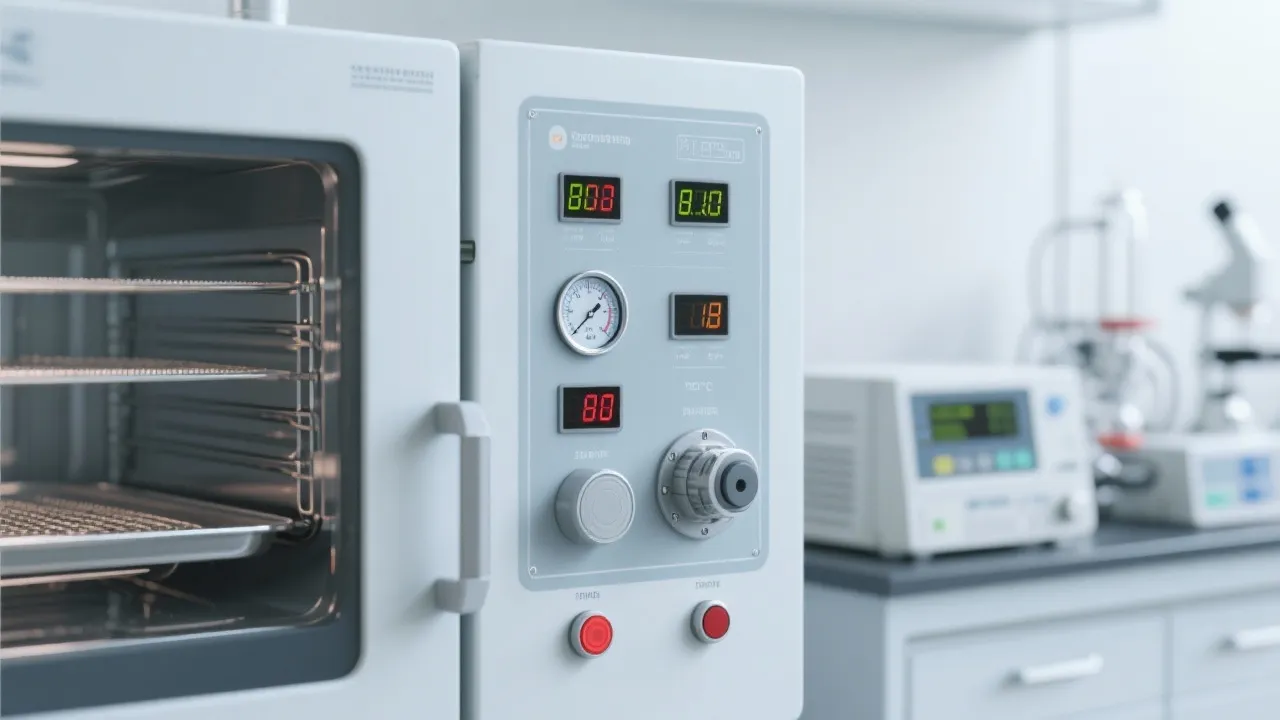
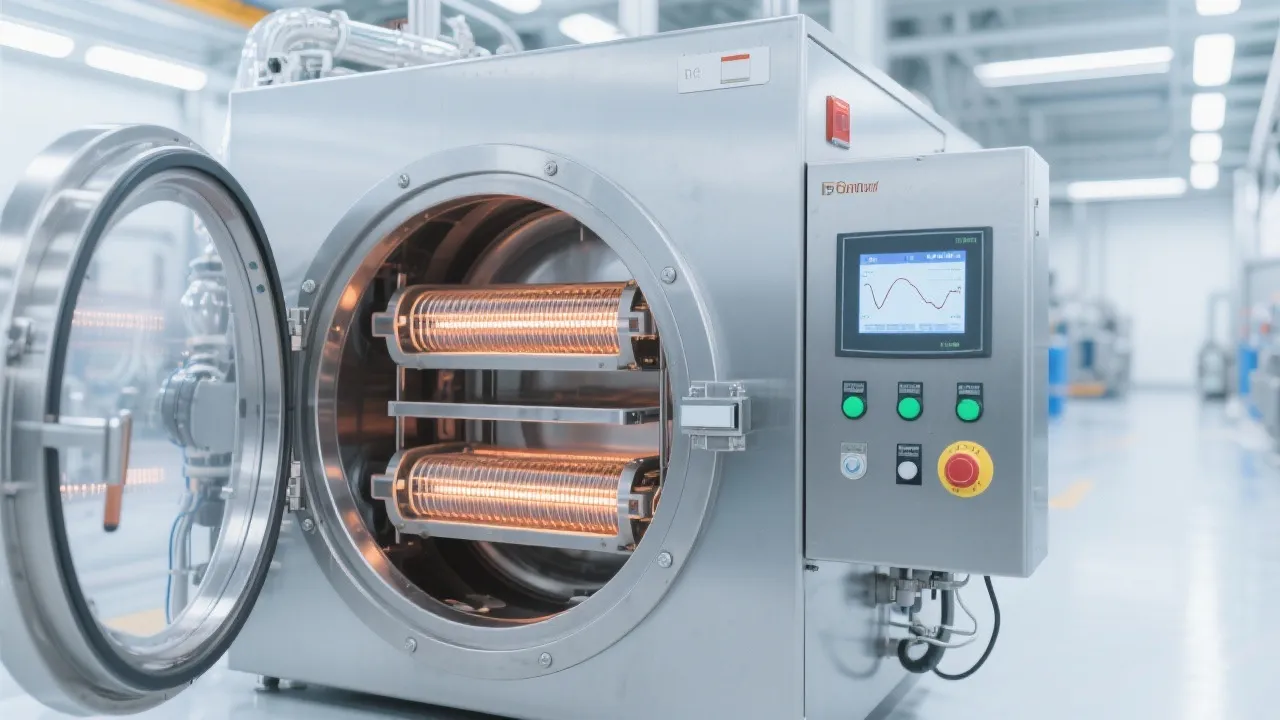
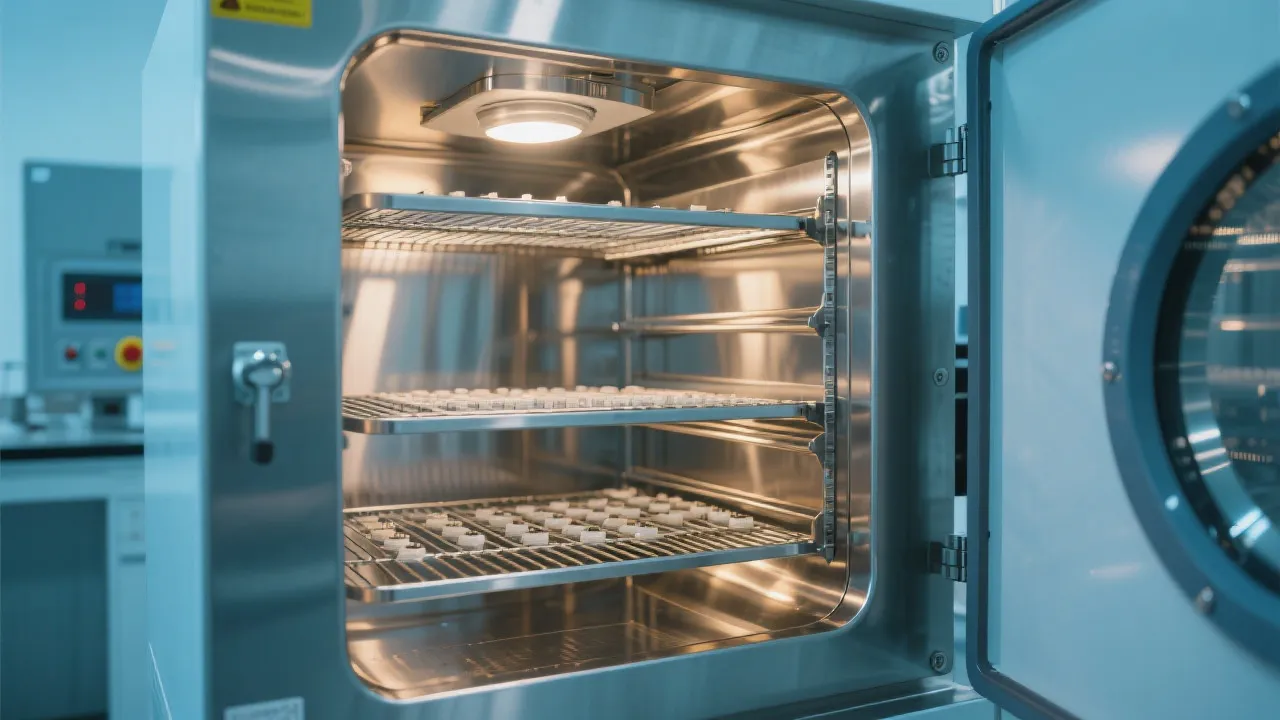
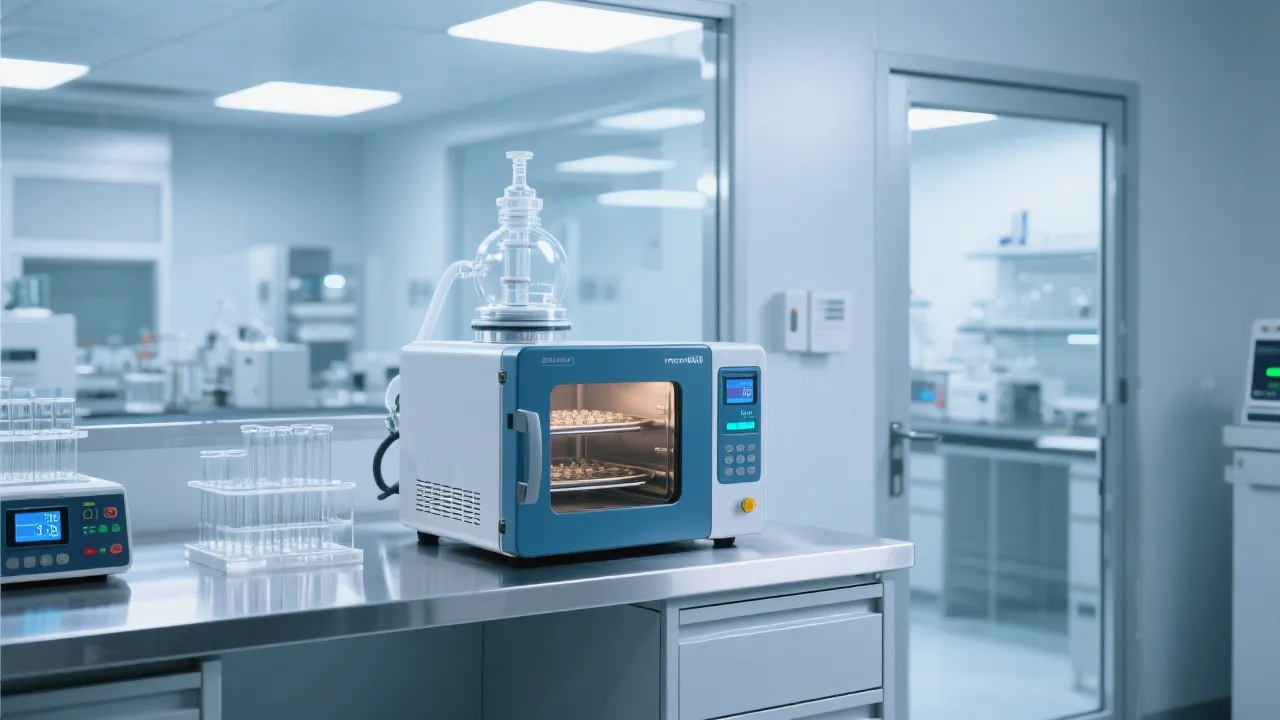
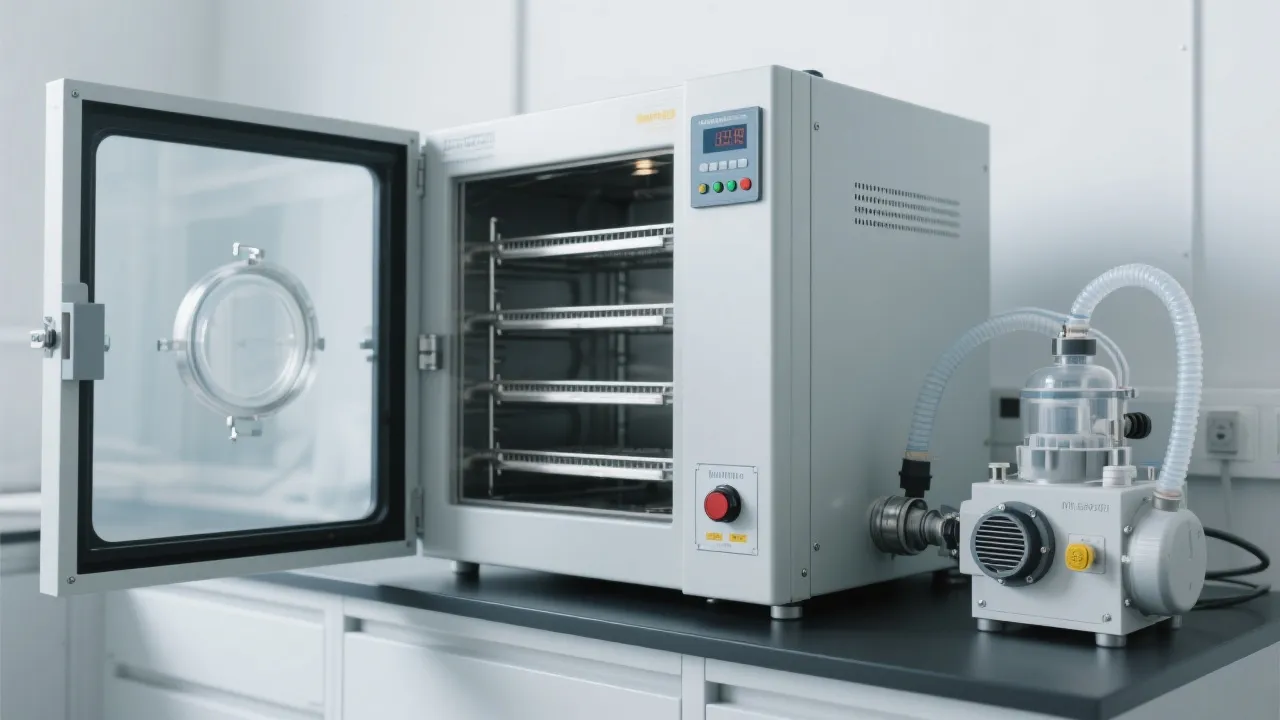
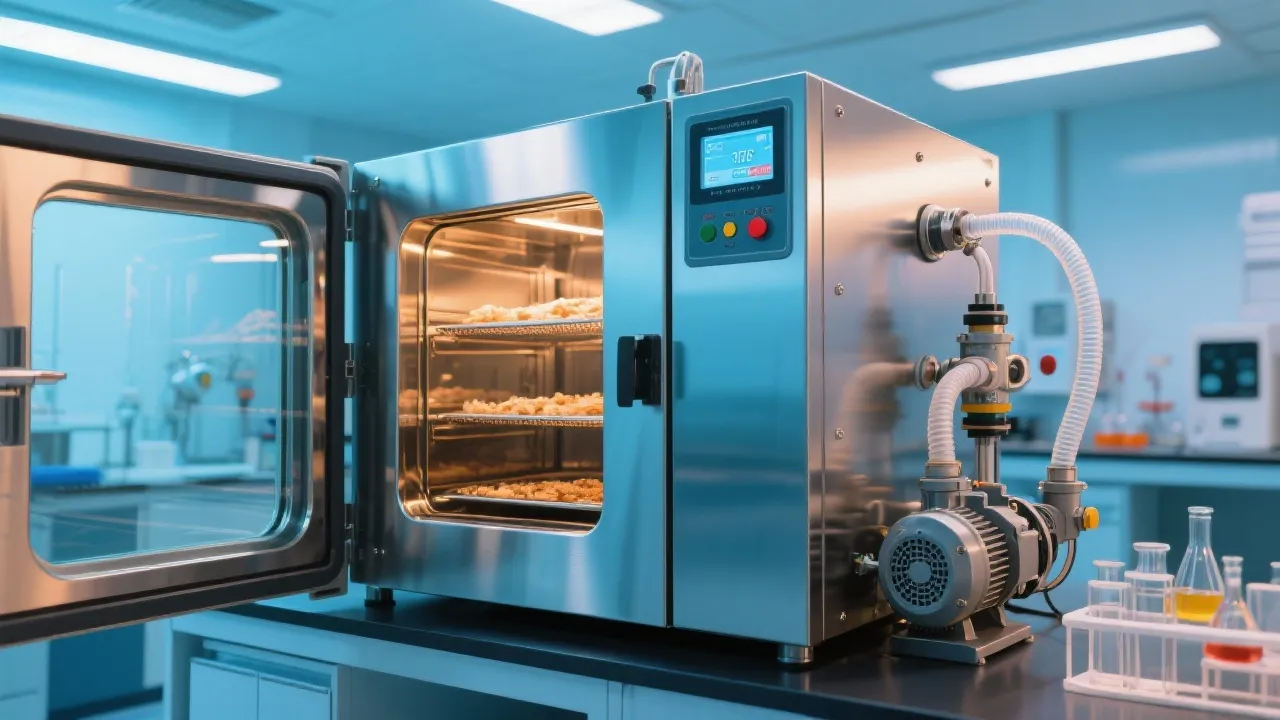
The DZ-3BCII Digital Vacuum Dryer delivers lab-grade precision with four-wall heating and PID-controlled temperature regulation, ensuring consistent ±1°C uniformity across the chamber. Its programmable timer supports multi-step drying cycles—ideal for complex material formulations used in aerospace composites or biodegradable packaging.
Real-world testing shows that researchers using this system achieve up to 30% faster drying times compared to conventional ovens, with fewer defects and higher batch consistency—critical for R&D labs aiming to meet ISO 15596 standards for polymer preparation.
If you're serious about improving drying efficiency while protecting your high-performance polymers, it’s time to move beyond trial-and-error methods.
Explore how the DZ-3BCII Digital Vacuum Dryer helps scientists and engineers dry polymers faster, safer, and more reliably.
See DZ-3BCII Features & Case Studies