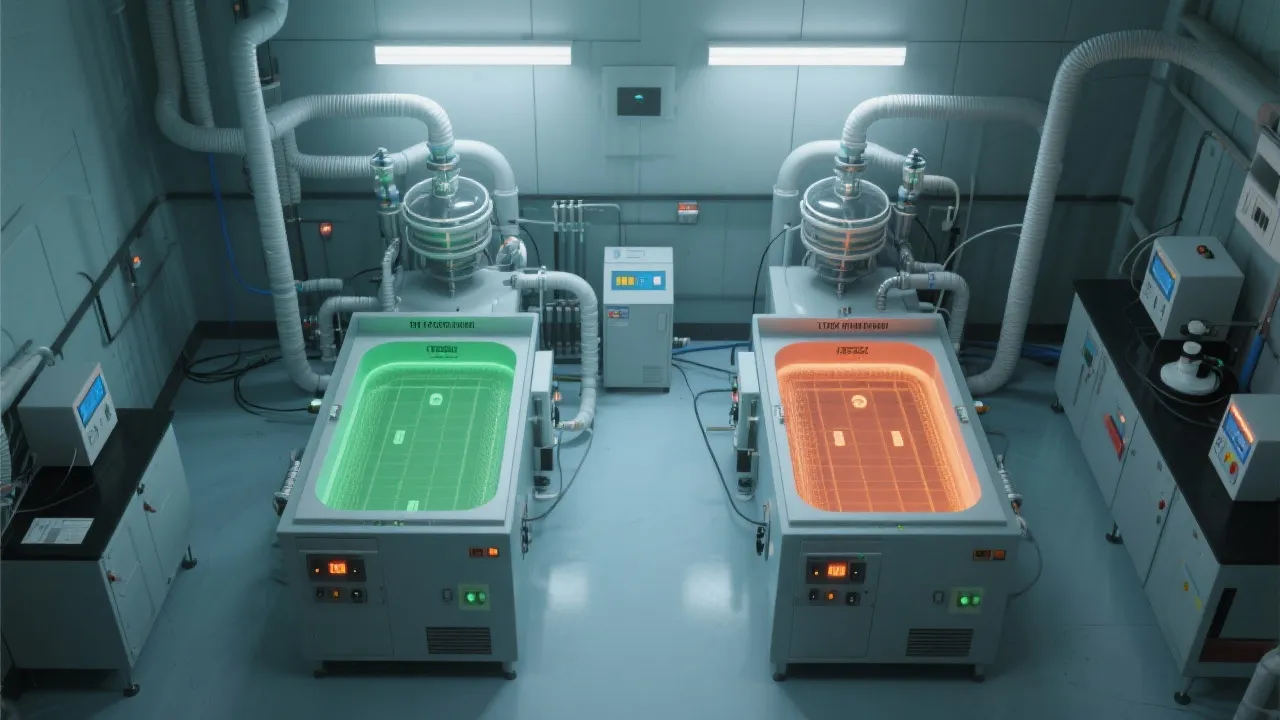
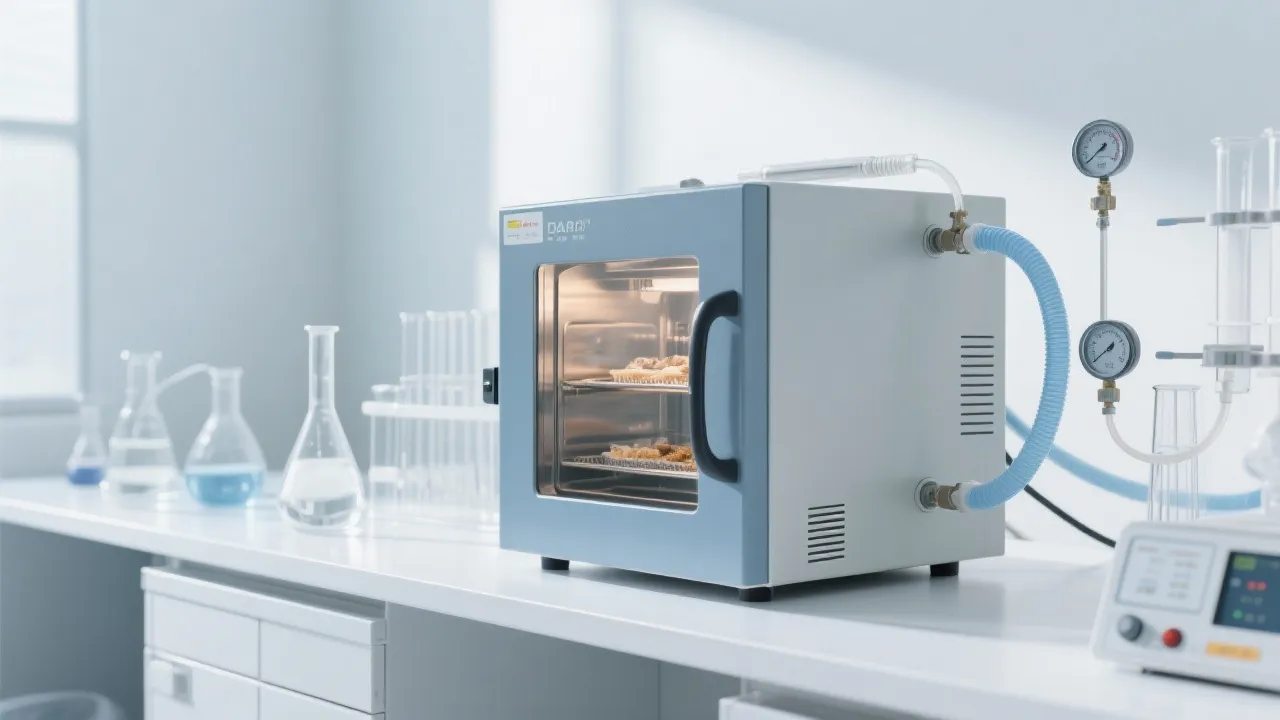
In laboratory settings, precise control of vacuum degree and temperature is critical—not just for efficiency, but for sample integrity and safety. Whether you're drying pharmaceutical intermediates, electronic components, or high-purity powders, the wrong settings can lead to degradation, explosion risks, or wasted time.
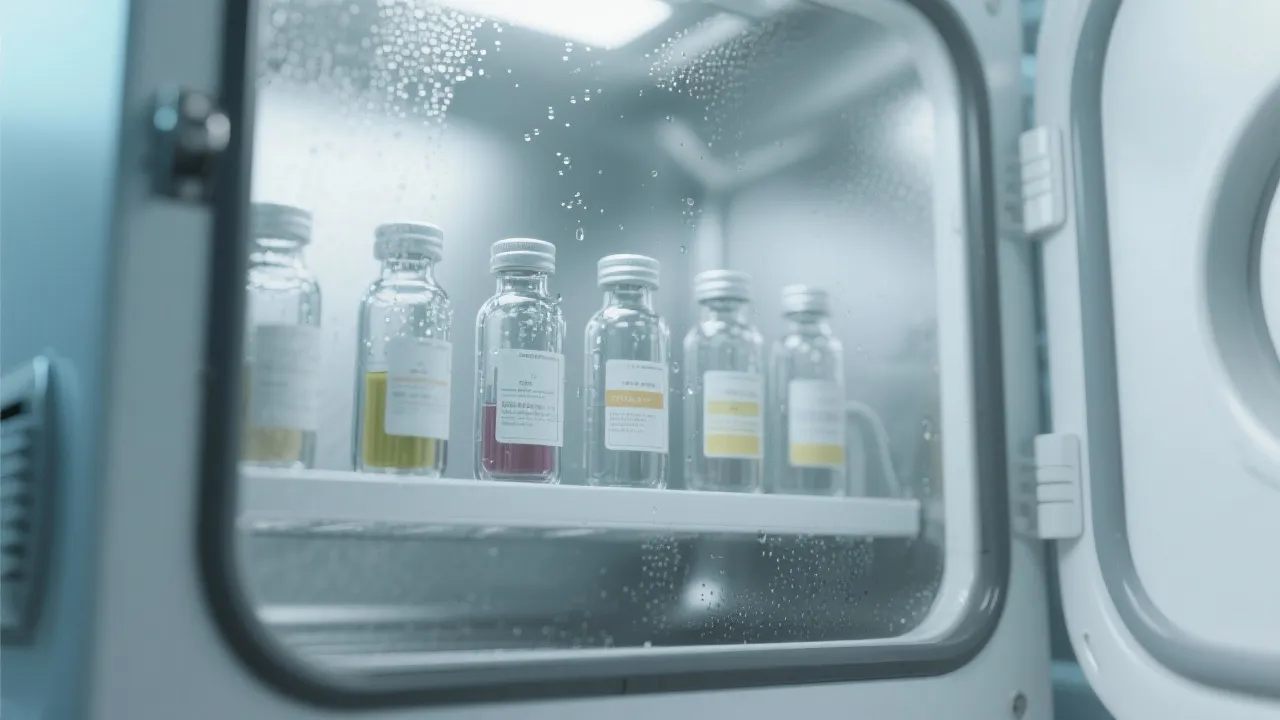
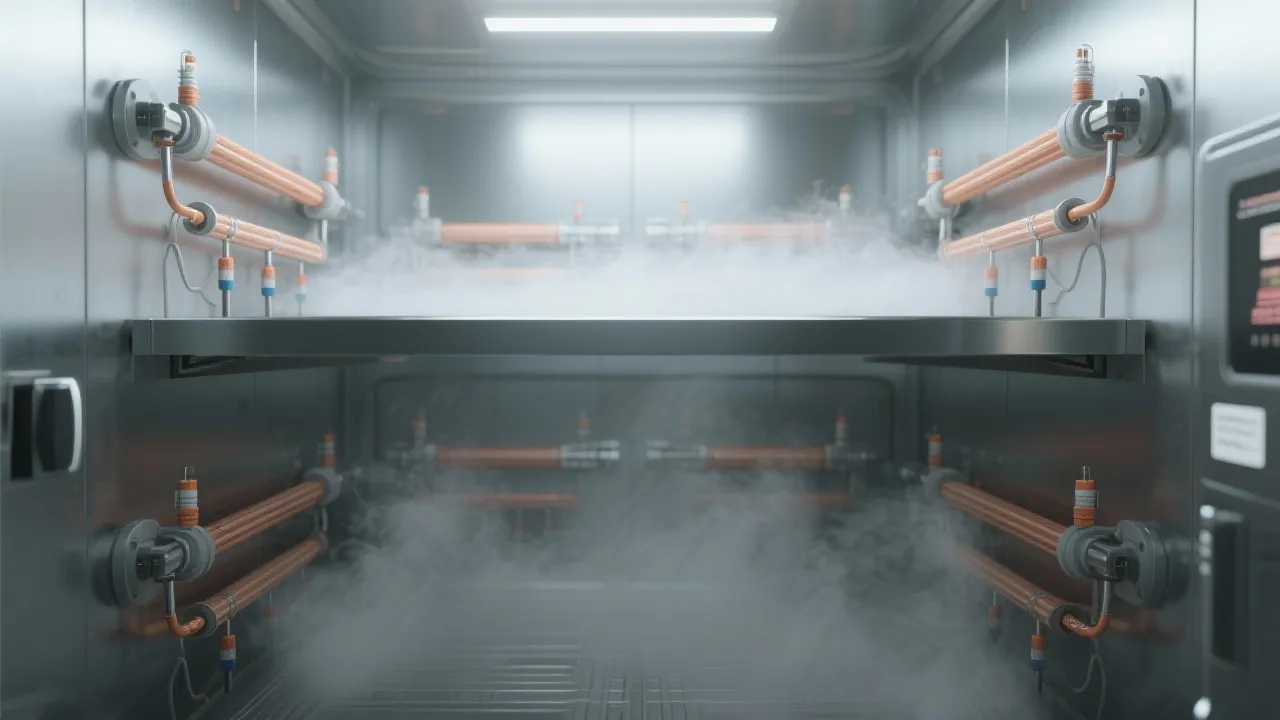
At atmospheric pressure, water boils at 100°C—but in a vacuum chamber (e.g., up to 0.098 MPa vacuum), boiling points drop dramatically. For heat-sensitive materials like enzymes or polymers, this means you can remove moisture without thermal damage. Studies show that reducing pressure from 1 atm to 0.05 MPa lowers boiling point by ~30–40°C—ideal for preserving molecular structure.
For example, in a real-world test comparing DZF-6010 vs. standard烘箱 on drug intermediate drying, the vacuum model achieved 98% moisture removal in 2 hours—while the non-vacuum unit took 5 hours and caused partial degradation due to overheating.
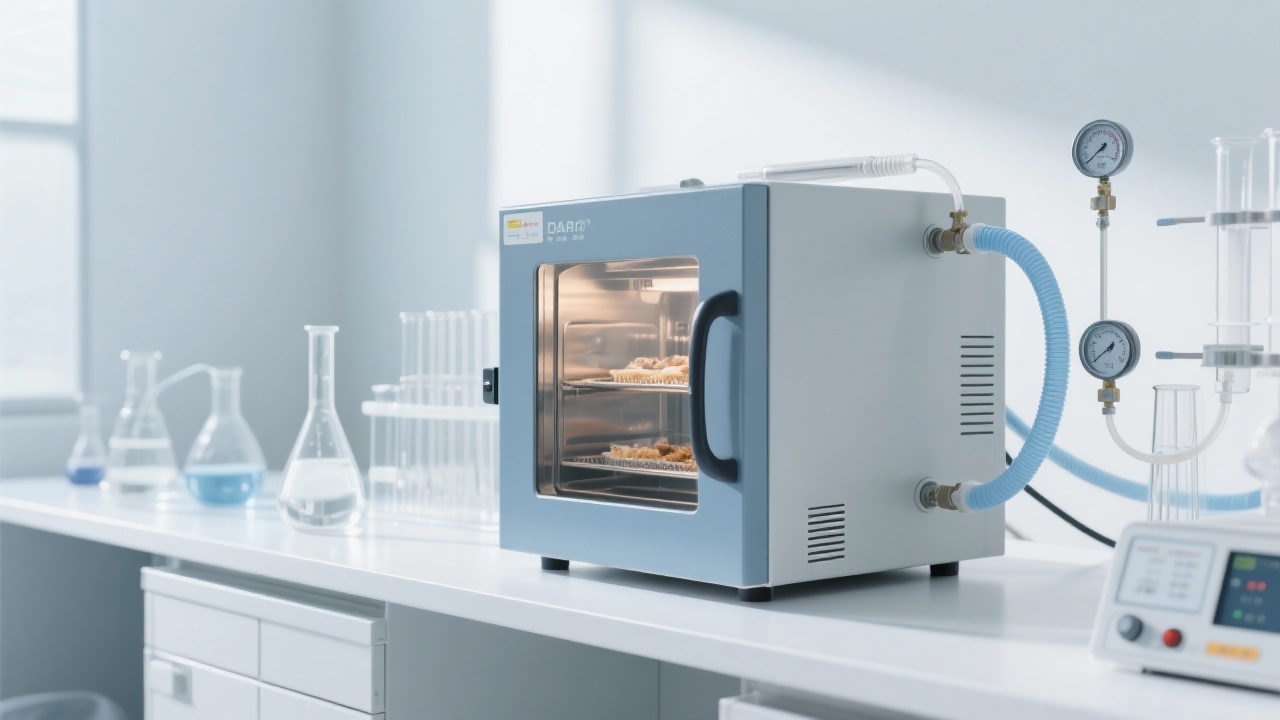
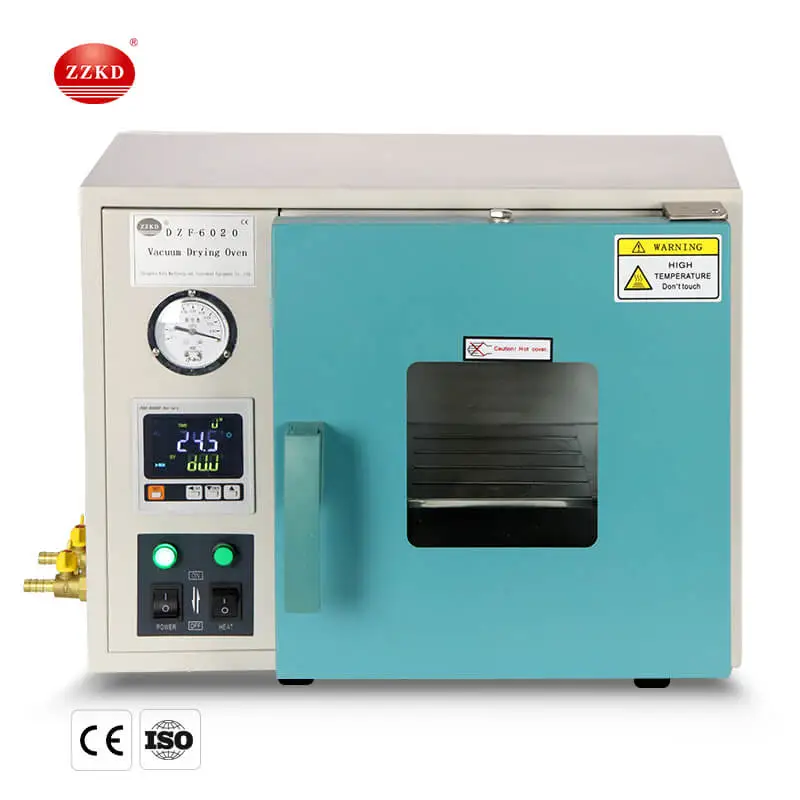
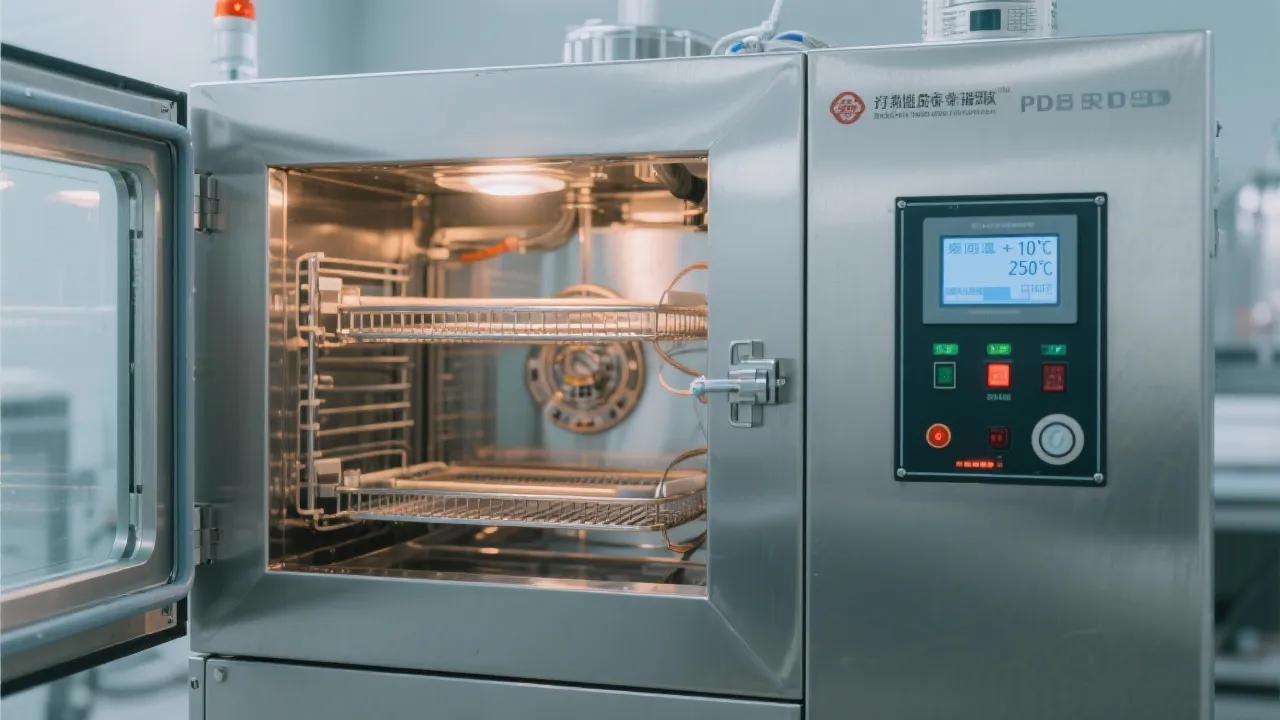
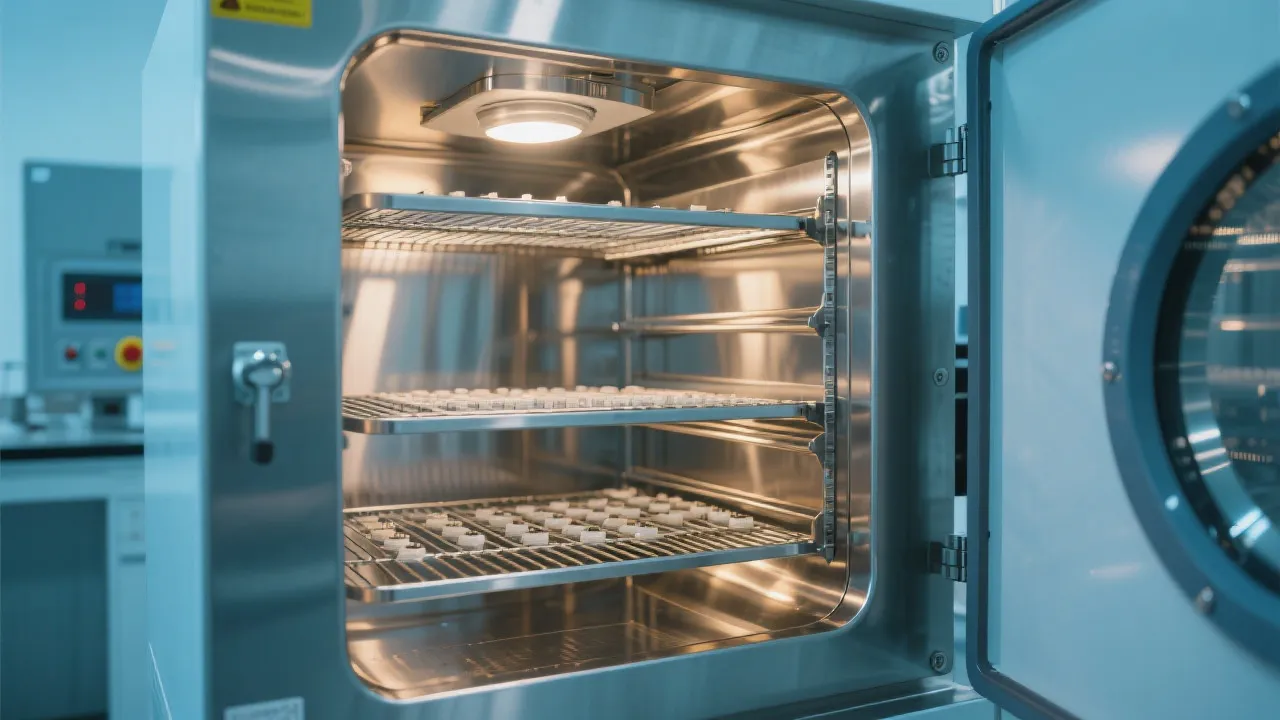
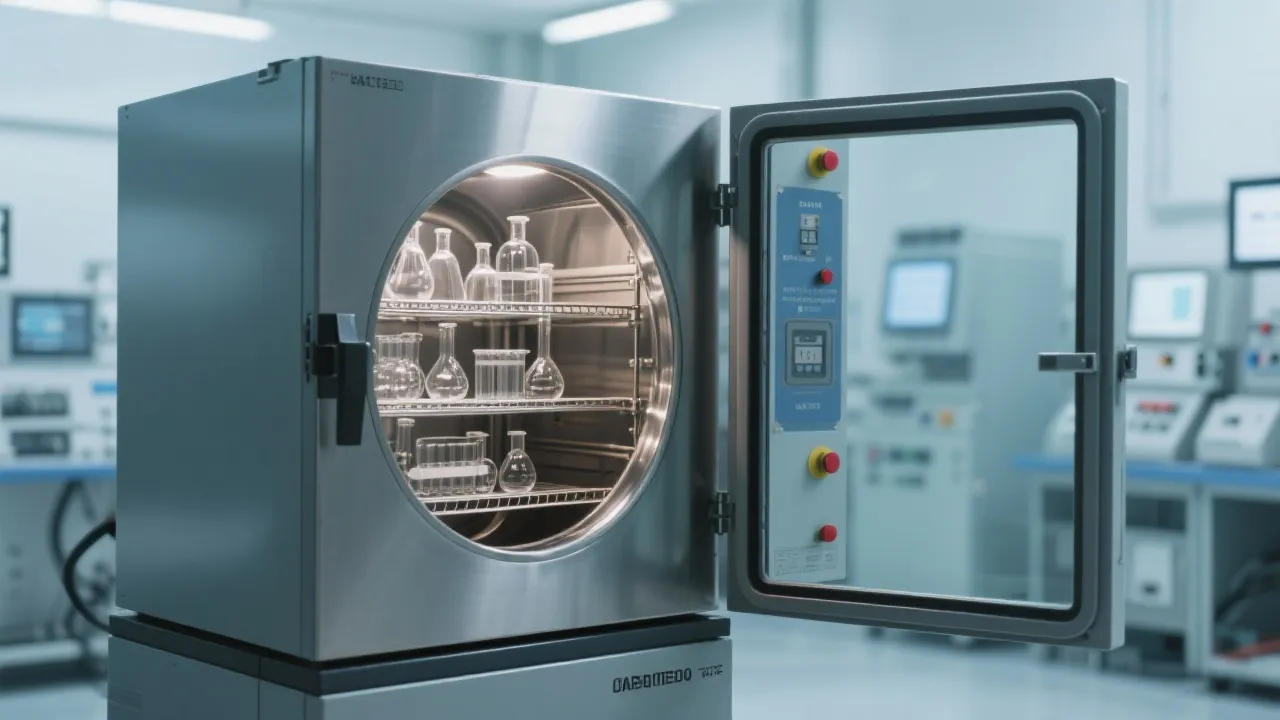
Modern lab vacuum ovens like the DZF-6010 offer features that make parameter selection easier: touch panel controls, transparent observation windows, and 304 stainless steel interiors resistant to corrosion. These aren’t just conveniences—they reduce human error and improve repeatability across experiments.
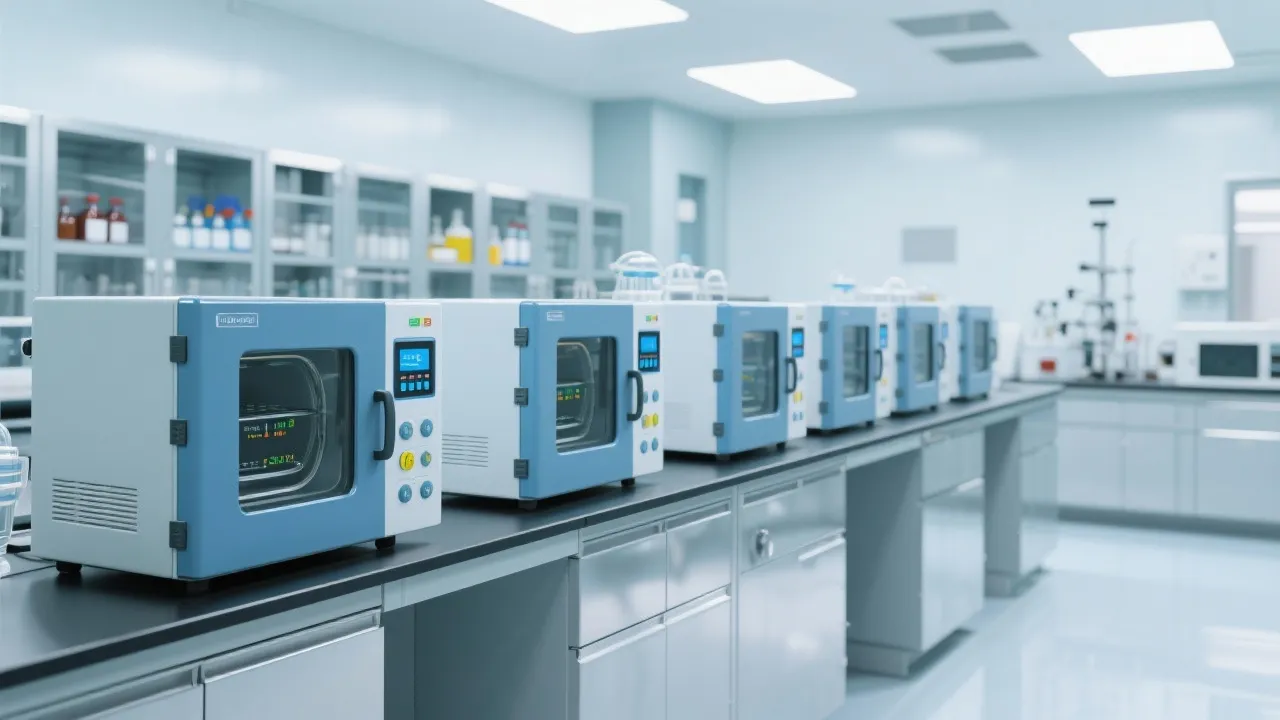
If your team frequently switches between organic synthesis, semiconductor prep, and biological samples, having one machine that adapts quickly to different conditions saves both money and time. The key? Understanding how each material responds under specific vacuum and temperature profiles.
Have you ever experienced a failed drying run? Was it due to incorrect vacuum setting, poor temperature stability, or unknown material behavior? Share your story below—we’re always learning from real lab challenges.