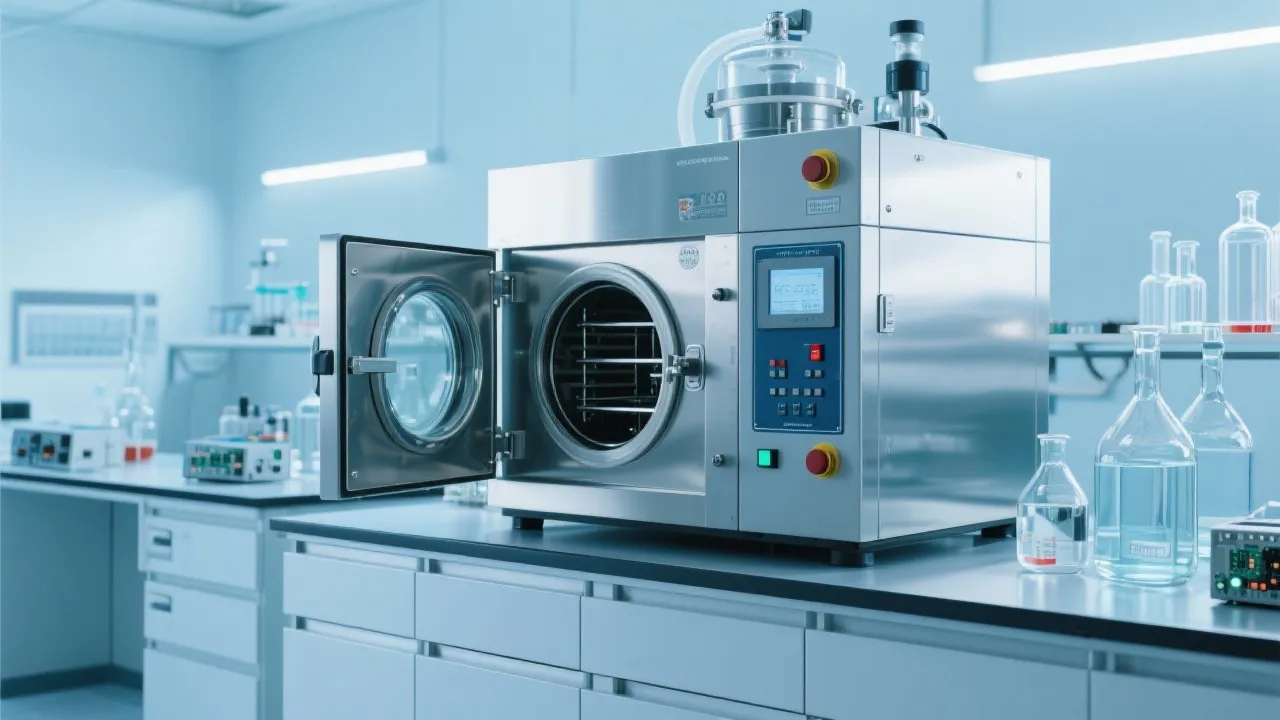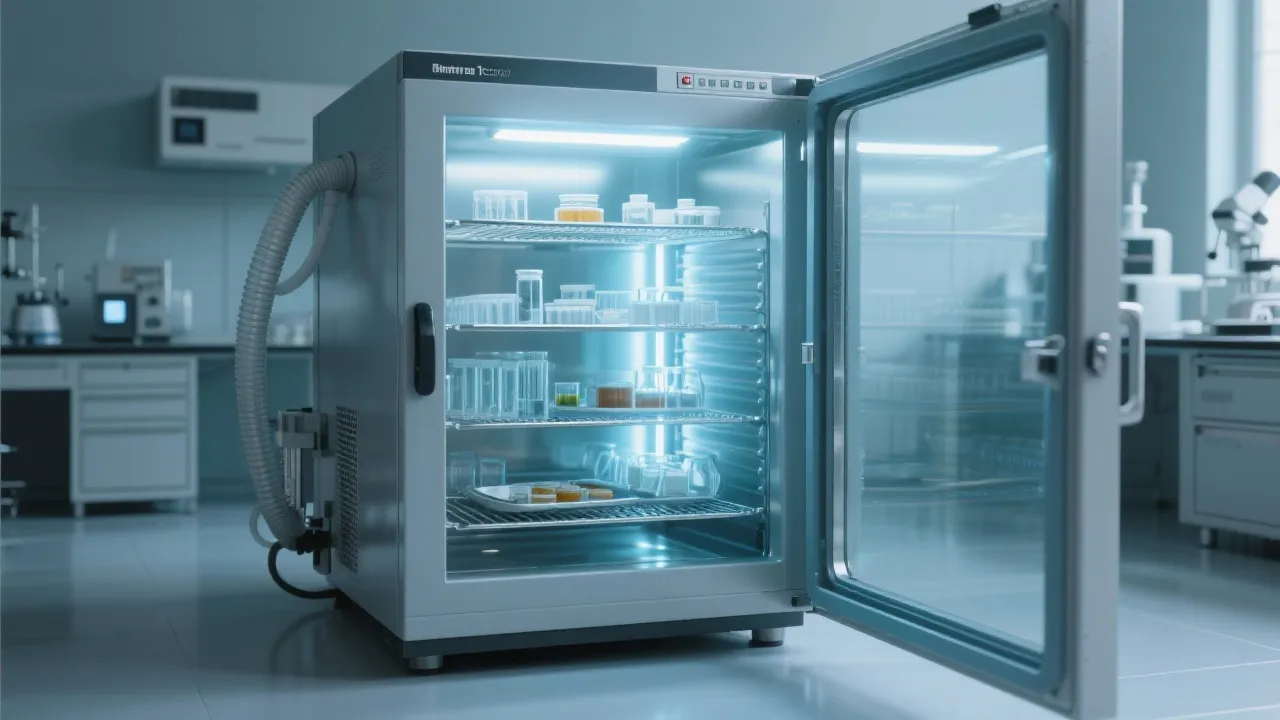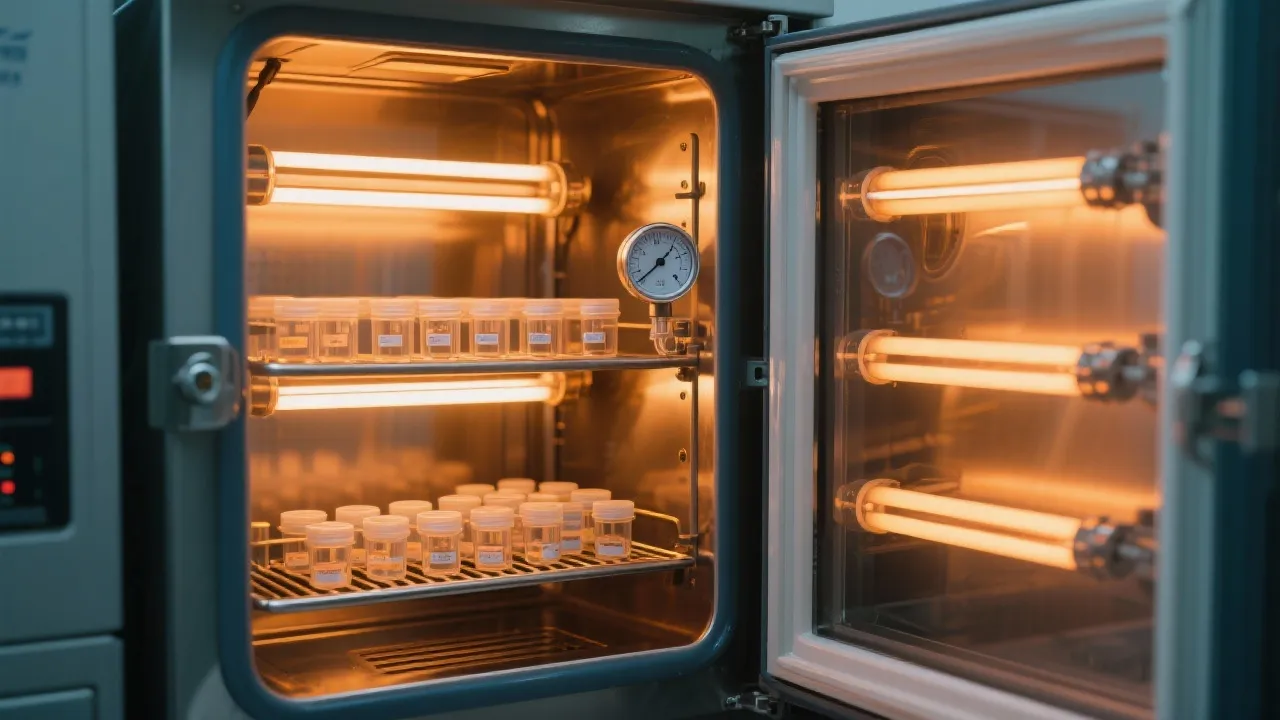
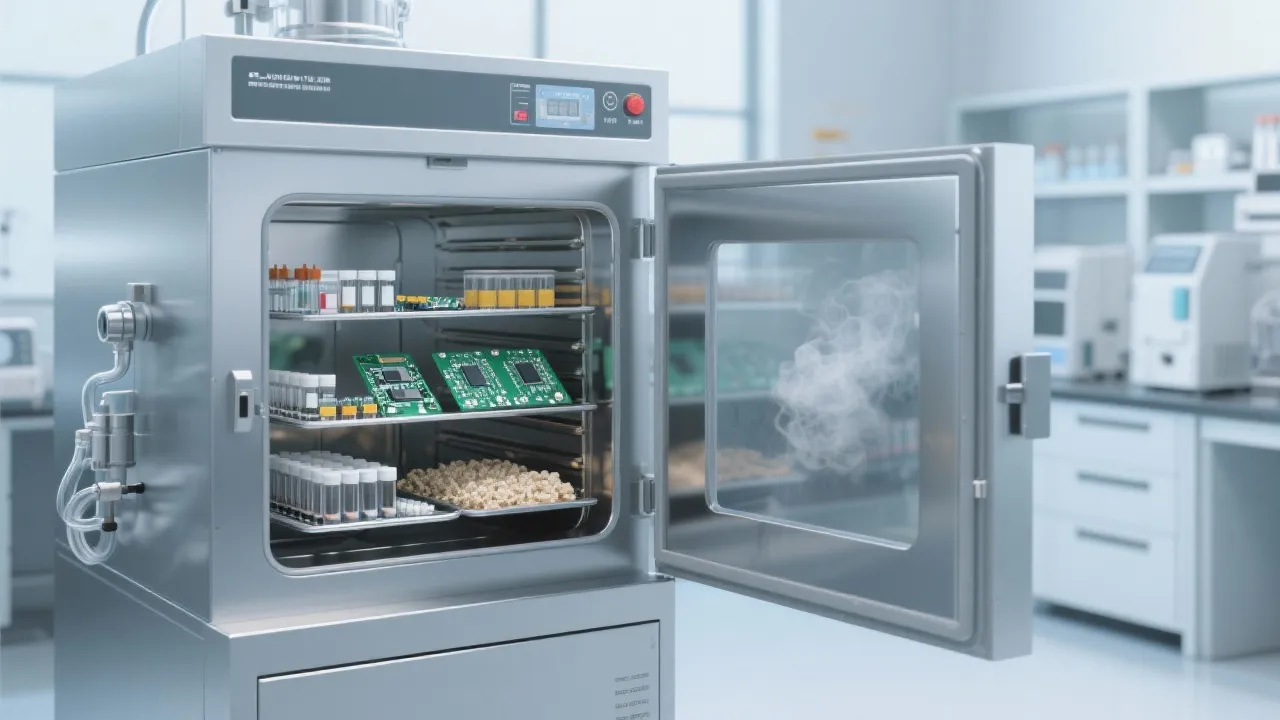
For researchers and engineers working with sensitive materials—from lithium-ion battery electrodes to organic synthesis products—vacuum drying is not just a process; it's a precision science. Unlike conventional air-drying methods that risk oxidation, thermal degradation, or incomplete solvent removal, vacuum drying leverages physics to enhance both speed and quality.
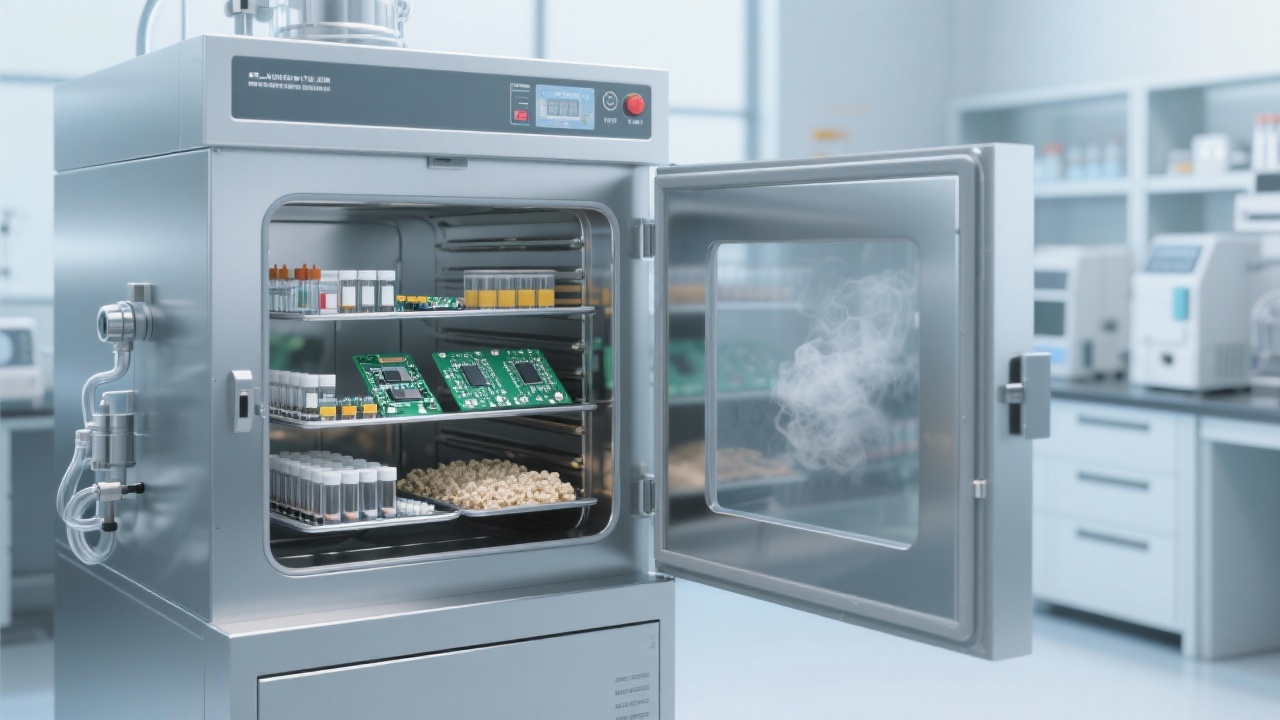
In standard drying, water boils at 100°C at sea level—a temperature often too high for heat-sensitive samples. By reducing pressure inside the chamber, you can lower the boiling point to as low as 40–60°C while maintaining rapid evaporation rates. This means:
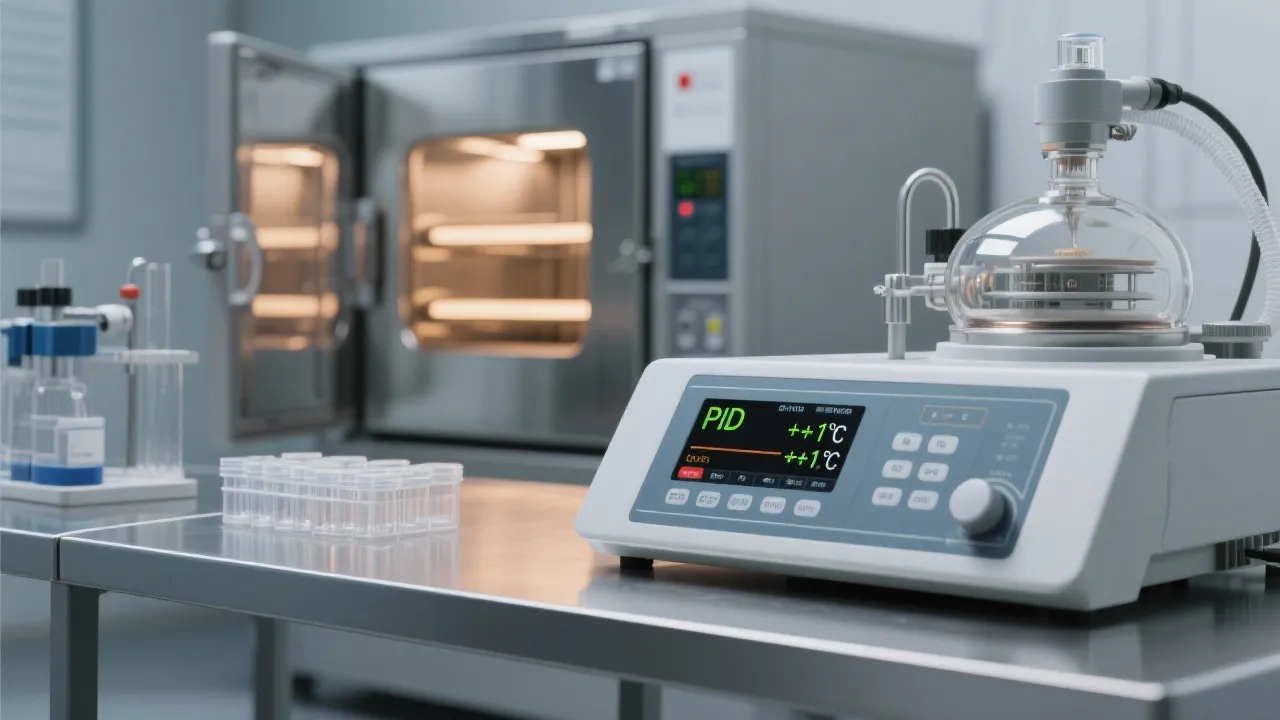
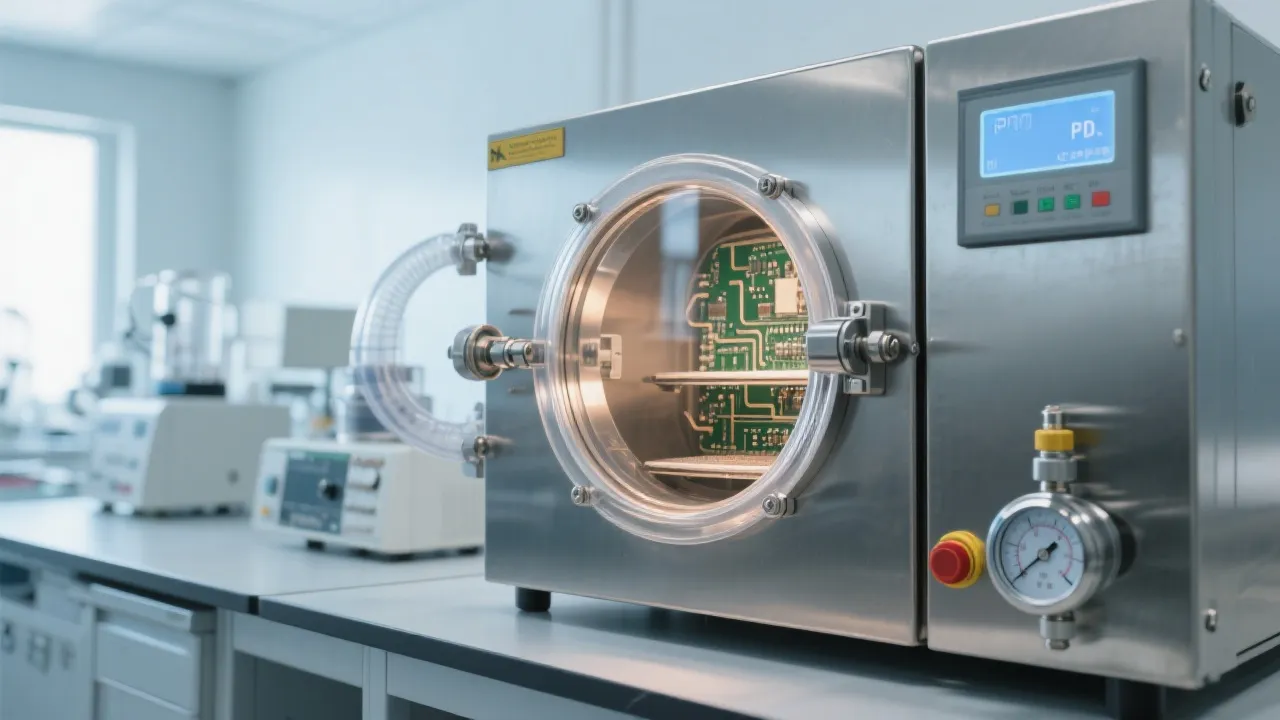
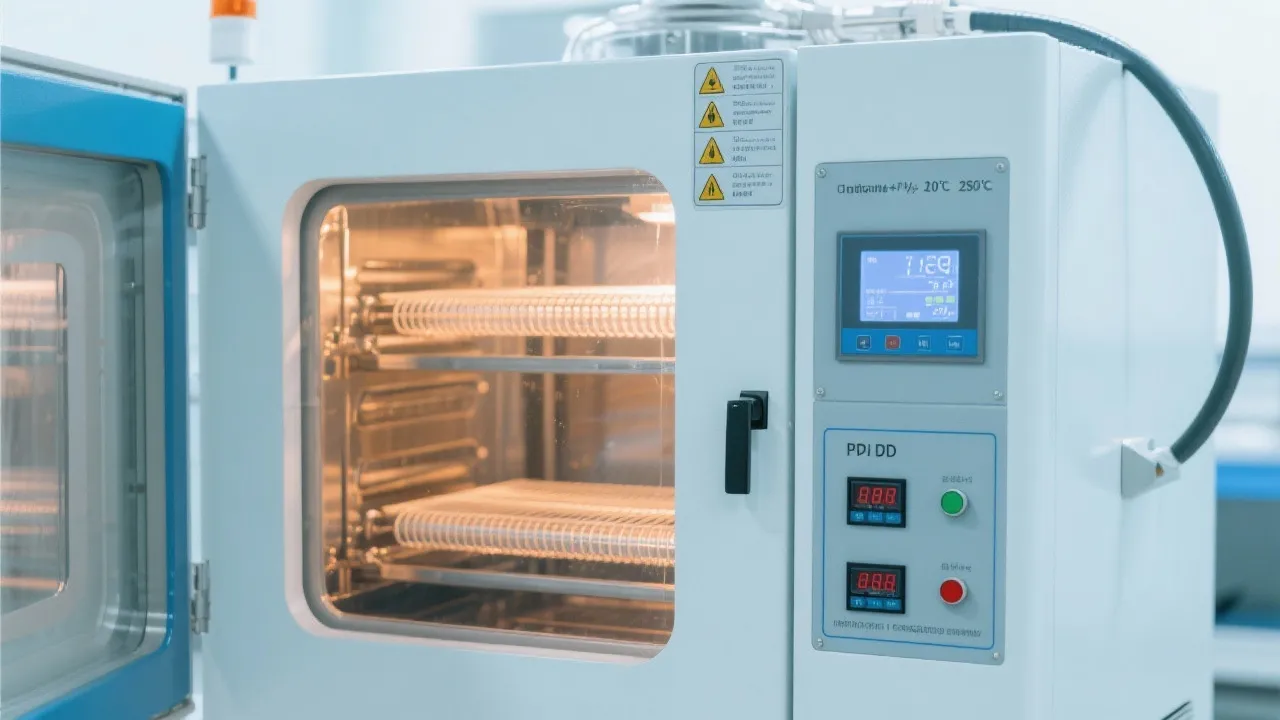
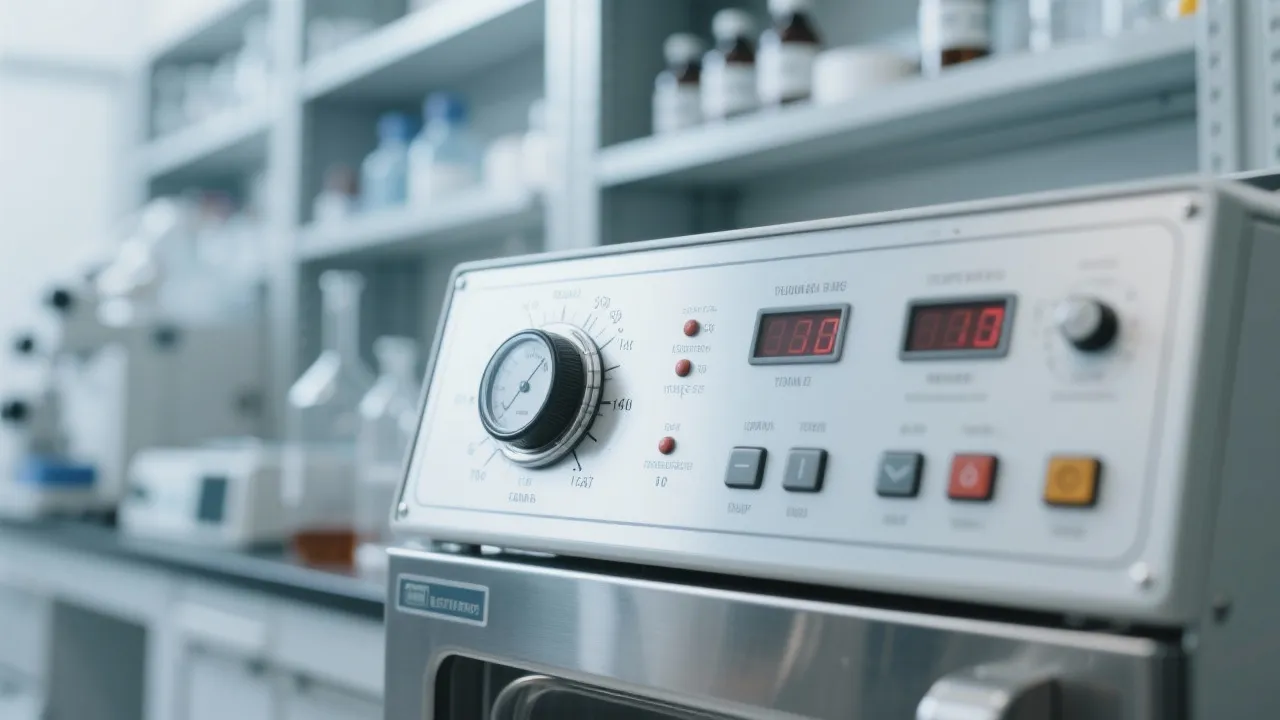
Modern vacuum dryers now feature dual-zone PID (Proportional-Integral-Derivative) control systems capable of maintaining temperature within ±0.1°C. This level of accuracy ensures uniform heating across large chambers—an essential factor when processing PCB boards or multi-layered catalysts. For example, a study by the University of Stuttgart showed that consistent temperature profiles reduced residual solvent levels in pharmaceutical intermediates by over 45% compared to manual adjustments.
| Application | Recommended Vacuum Level | Optimal Temp Range |
|---|---|---|
| Lithium Battery Electrode Drying | 10–50 mbar | 60–120°C |
| PCB Board Curing | 5–20 mbar | 80–150°C |
| Organic Synthesis Product Drying | 1–10 mbar | 30–80°C |
These settings are not arbitrary—they’re based on real-world data from hundreds of industrial applications. Using the wrong vacuum or temperature range may lead to incomplete drying or even material damage (e.g., polymer blistering above 130°C).
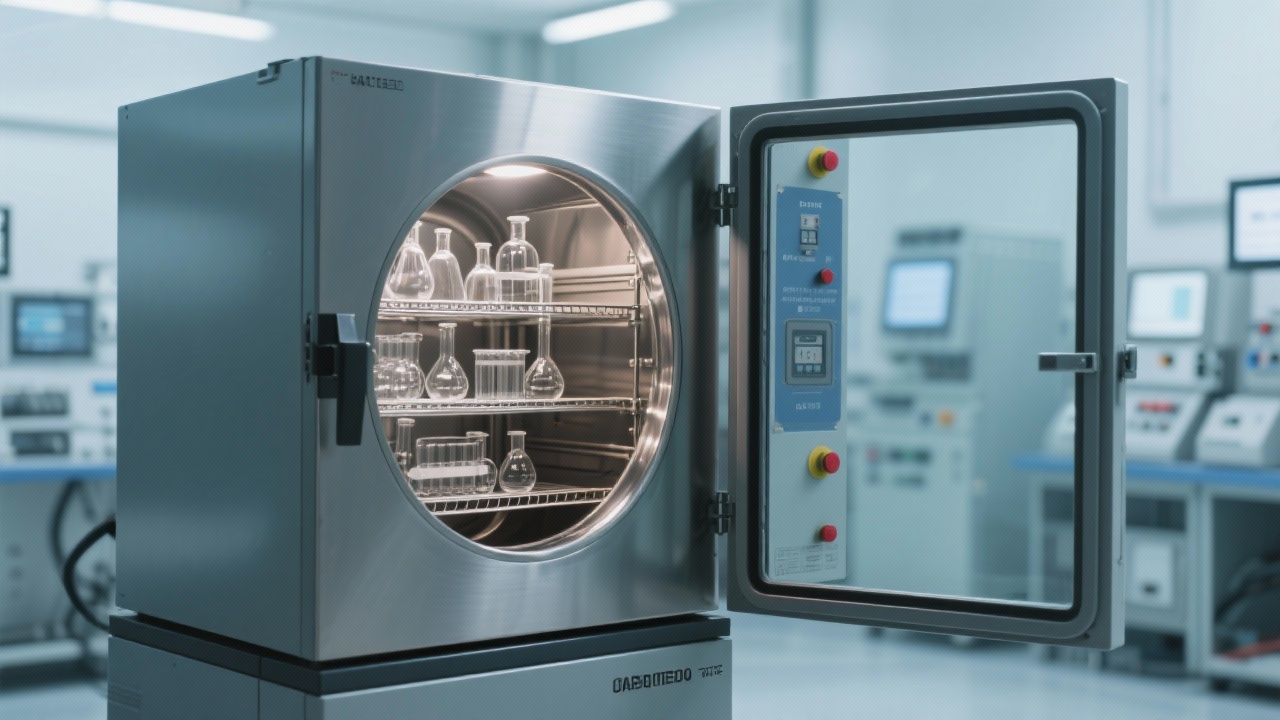
One frequent mistake? Overlooking vacuum pump compatibility. A rotary vane pump may struggle with high vapor loads from solvents like acetone or ethanol, leading to longer cycles and potential contamination. Always match your pump type (oil-free vs. oil-lubricated) with your sample chemistry.
Also, never assume “dry” means “safe.” Residual solvents can remain if the final stage isn’t properly controlled. Our CE-certified models include automatic shut-off and breakpoint memory function, which resume operation after power loss—critical for long runs in labs or production lines.
If you're still troubleshooting your current setup, consider this quick poll:
Which drying challenge do you face most?
- • Incomplete solvent removal
- • Material degradation at high temps
- • Long drying times
- • Unstable vacuum levels
Get step-by-step guidance tailored to your industry—plus expert tips from our R&D team who’ve optimized thousands of drying cycles.
Access the Full Guide Now →