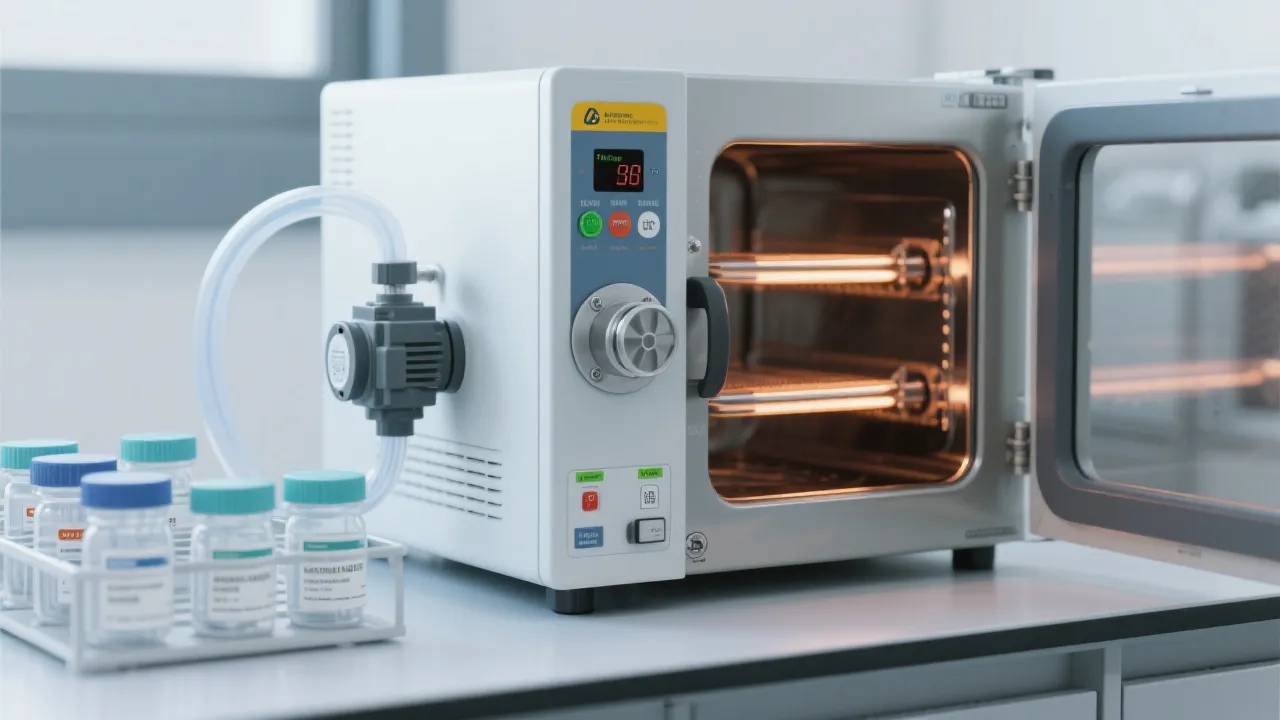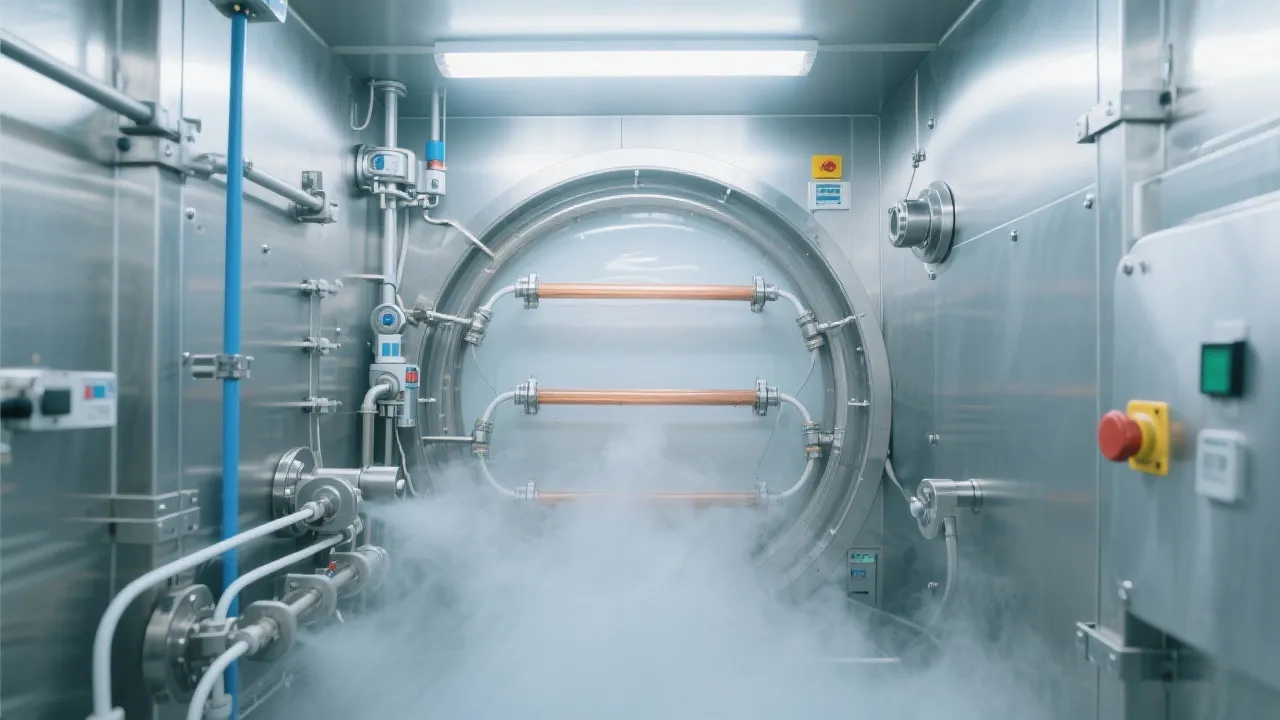
Drying sensitive materials such as pharmaceuticals, biological samples, and electronic components requires meticulous control to prevent oxidation and thermal decomposition. Low vacuum drying—defined as operating below 133 Pa—has emerged as a superior technique for maintaining the integrity of heat-sensitive substances during dehydration. By significantly reducing oxygen exposure and delicately balancing temperature and pressure, low vacuum drying enhances product stability while increasing overall efficiency.
Under low vacuum conditions, water molecules evaporate more rapidly due to decreased ambient pressure, which lowers the boiling point of water substantially. For example, water boils at approximately 60°C at 100 Pa compared to 100°C at atmospheric pressure. This allows drying to take place at reduced temperatures, significantly minimizing thermal damage to heat-sensitive materials.
Furthermore, the anaerobic environment—created by vacuum pumping—greatly suppresses oxidative reactions that can degrade delicate compounds, particularly in pharmaceuticals and biological tissues. This oxidative inhibition is essential for preserving active ingredients and ensuring experimental repeatability.
Recent experimental studies demonstrate the substantial benefits of low vacuum drying. For instance, drying a bioactive protein sample at 80 Pa and 45°C reduced residual moisture content to under 3% within 4 hours—30% faster compared to conventional atmospheric drying at 65°C. Crucially, the protein’s enzymatic activity was retained at over 95%, contrasting with a 60% retention rate after traditional drying.
“Low vacuum drying is pivotal in preserving pharmaceutical formulations where both moisture control and oxidation suppression are critical for product efficacy.” – Dr. Emily Wu, Senior Materials Scientist, Journal of Applied Drying Technology, 2023
| Parameter | Atmospheric Drying | Low Vacuum Drying (≤133 Pa) |
|---|---|---|
| Operating Temp. | 60 - 80°C | 35 - 50°C |
| Drying Duration | 6 - 8 hours | 3 - 5 hours |
| Material Integrity | Moderate degradation | >90% stability retention |
| Oxidation Risk | High | Minimal |
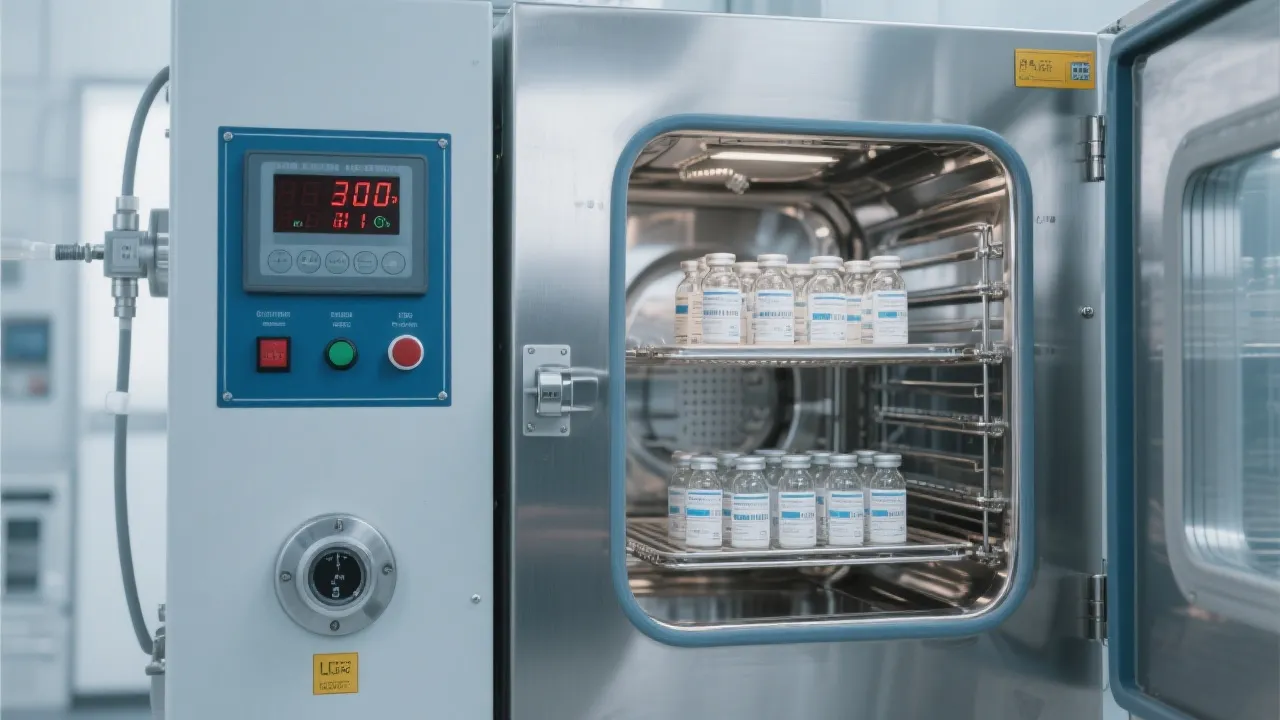
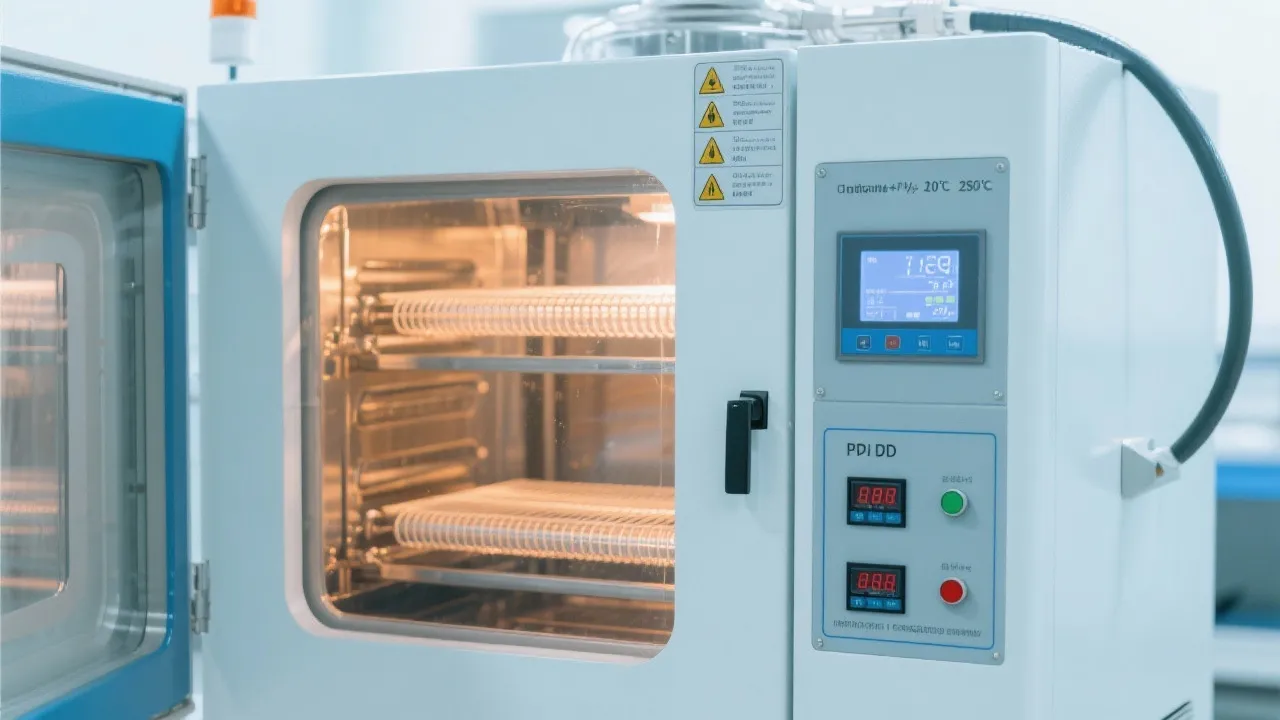
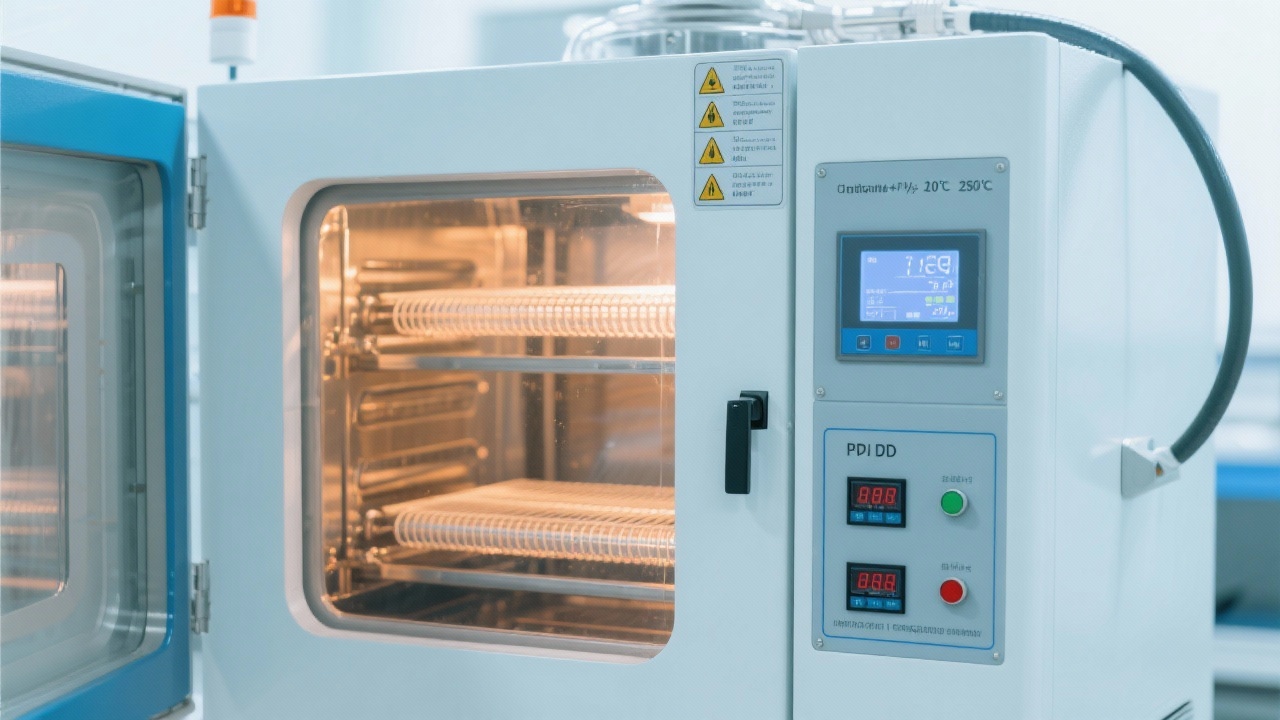
The DZ-1BCII Digital Vacuum Drying Oven integrates advanced control technologies, including dual-zone PID temperature regulation and a stable low-vacuum system, to optimize drying for diverse materials. Maintaining ±1°C temperature precision ensures reproducibility across batches and minimizes thermal stress on samples.
For pharmaceutical researchers, recommended parameters include setting the vacuum to 80 Pa with a controlled temperature range of 40–50°C to maximize active ingredient retention. Biological sample drying benefits from gradual vacuum ramp-up to prevent cellular damage, whereas electronic components require strict control of temperature alongside oxygen exclusion for preventing material oxidation.
Key safety and quality features include:
As the industry trends forward, continuous optimization such as integrating real-time humidity sensors and automating vacuum-temperature synchronization are vital for enhancing efficiency and data traceability.