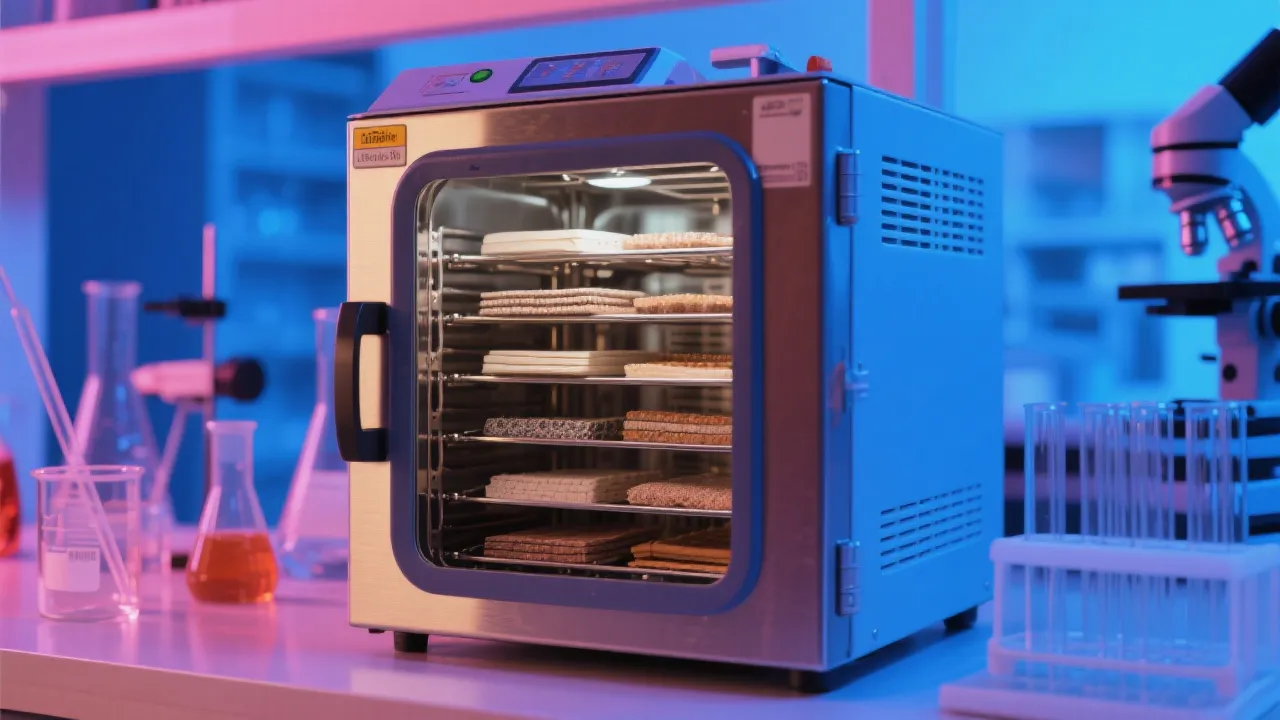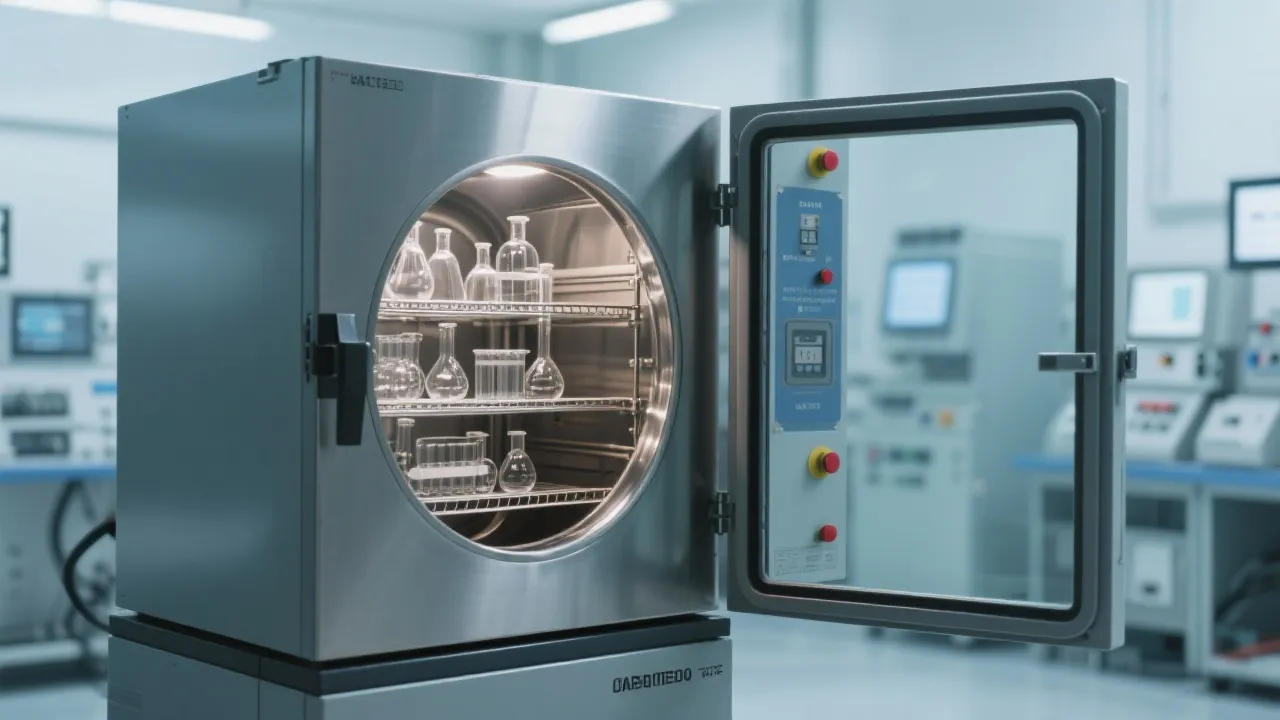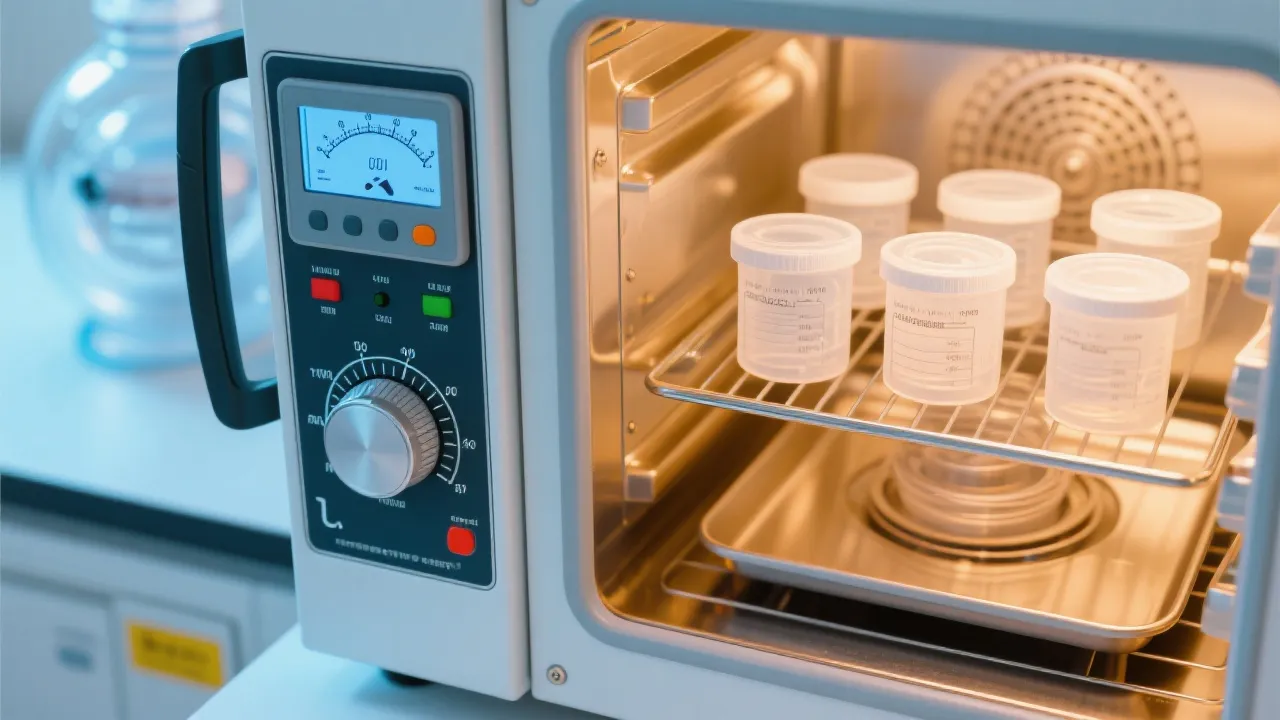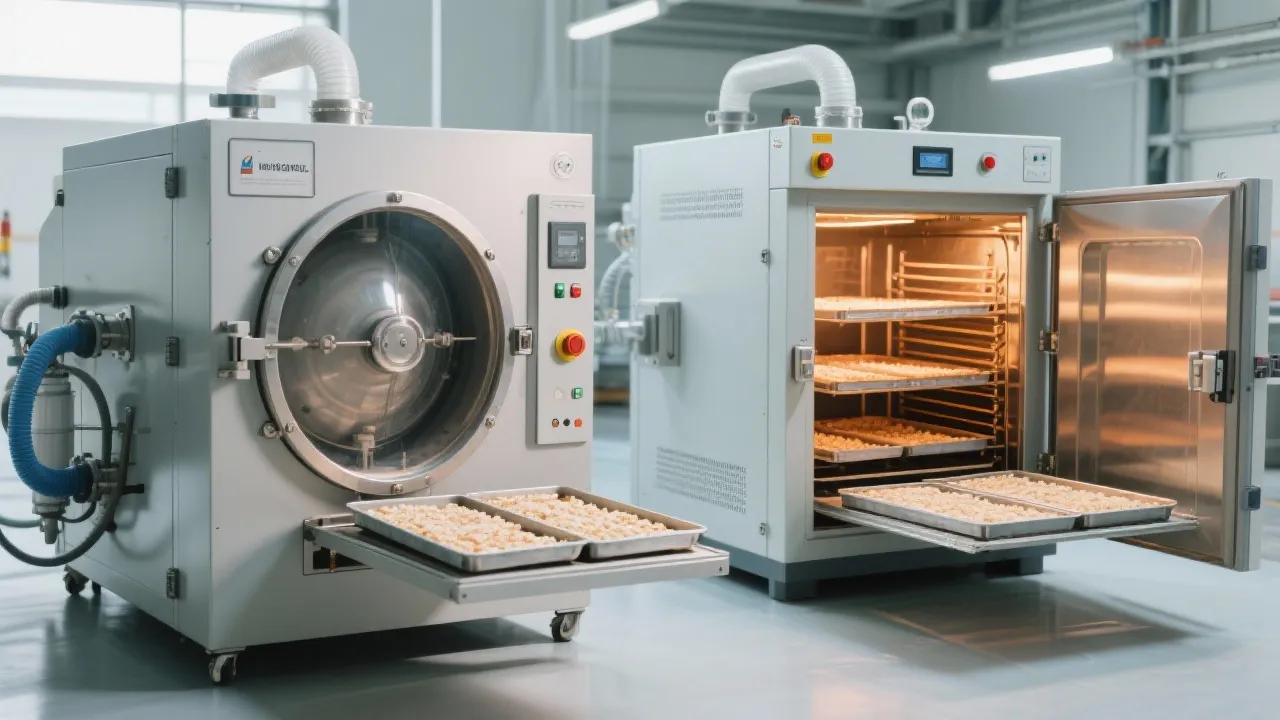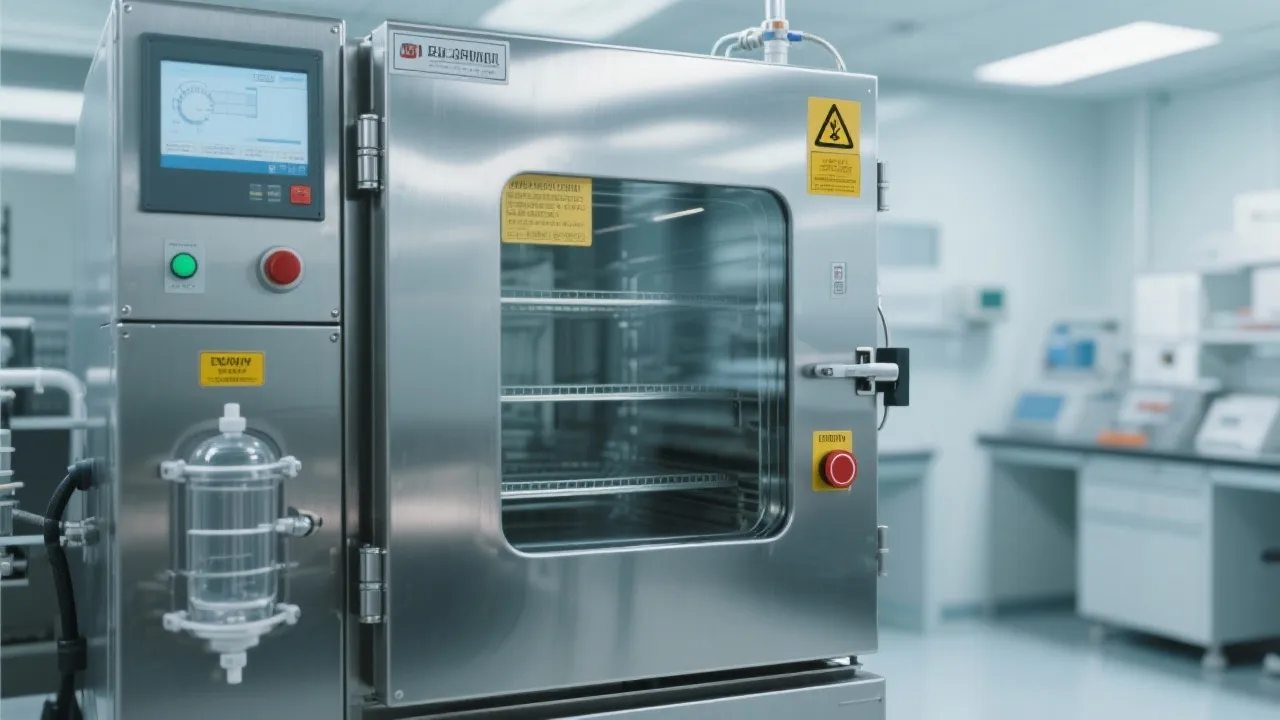
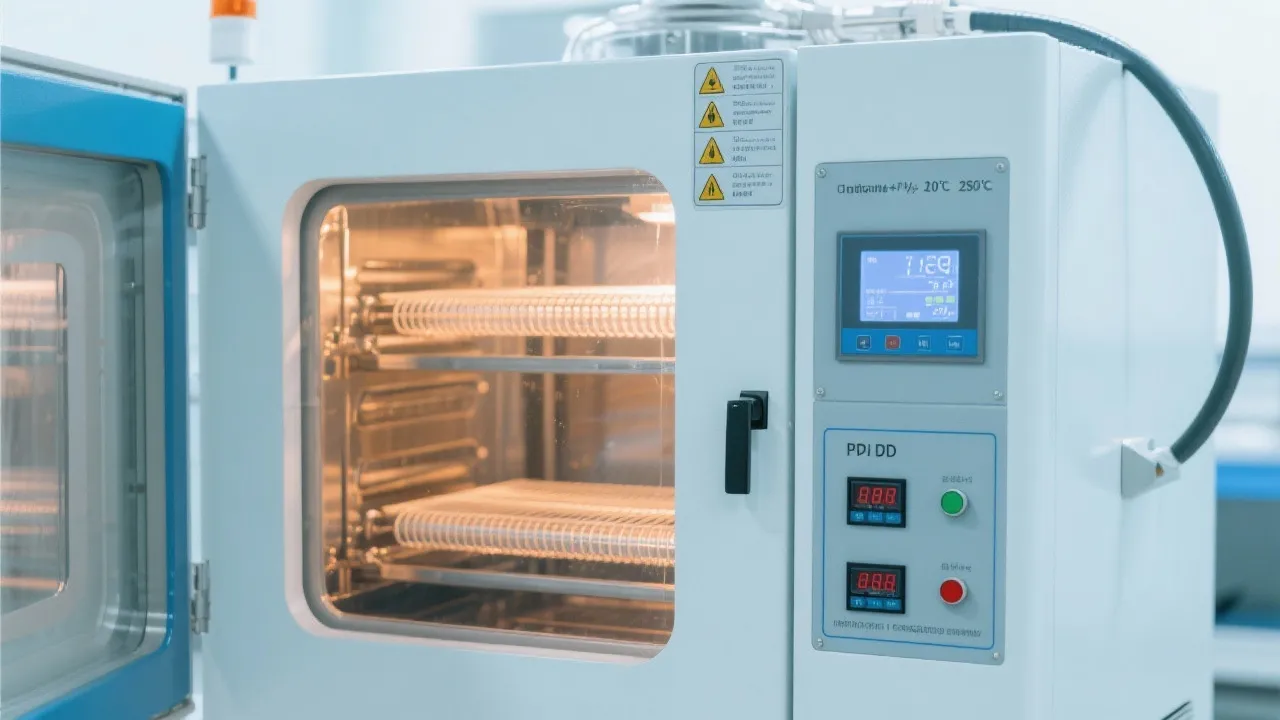
In pharmaceutical research, the stability of heat-sensitive compounds—like active pharmaceutical ingredients (APIs), enzymes, and biologics—is often compromised during drying processes. A well-controlled low-vacuum environment (<133 Pa) can be the difference between a successful formulation and a failed batch. This article explores how precise vacuum and temperature management in systems like the DZ-1BCII Digital Vacuum Dryer supports consistent, reproducible results while minimizing oxidation and thermal degradation.
Unlike conventional air drying, which may cause surface crusting or decomposition of sensitive materials, low-vacuum drying reduces the boiling point of solvents without excessive heat input. According to a 2022 study published in Journal of Pharmaceutical Sciences, drying at 50–70°C under 60–100 Pa vacuum increased recovery rates of labile APIs by up to 23% compared to ambient-pressure methods. The key? Controlled pressure prevents oxygen ingress—a critical factor in preventing oxidative degradation of compounds such as vitamins, peptides, and certain antibiotics.
For example, in a case study involving lyophilized insulin formulations, researchers using the DZ-1BCII reported no detectable loss in potency after 48 hours of drying at 65°C and 80 Pa vacuum. In contrast, standard drying chambers showed a 12% drop in bioactivity due to localized overheating and poor gas exchange.
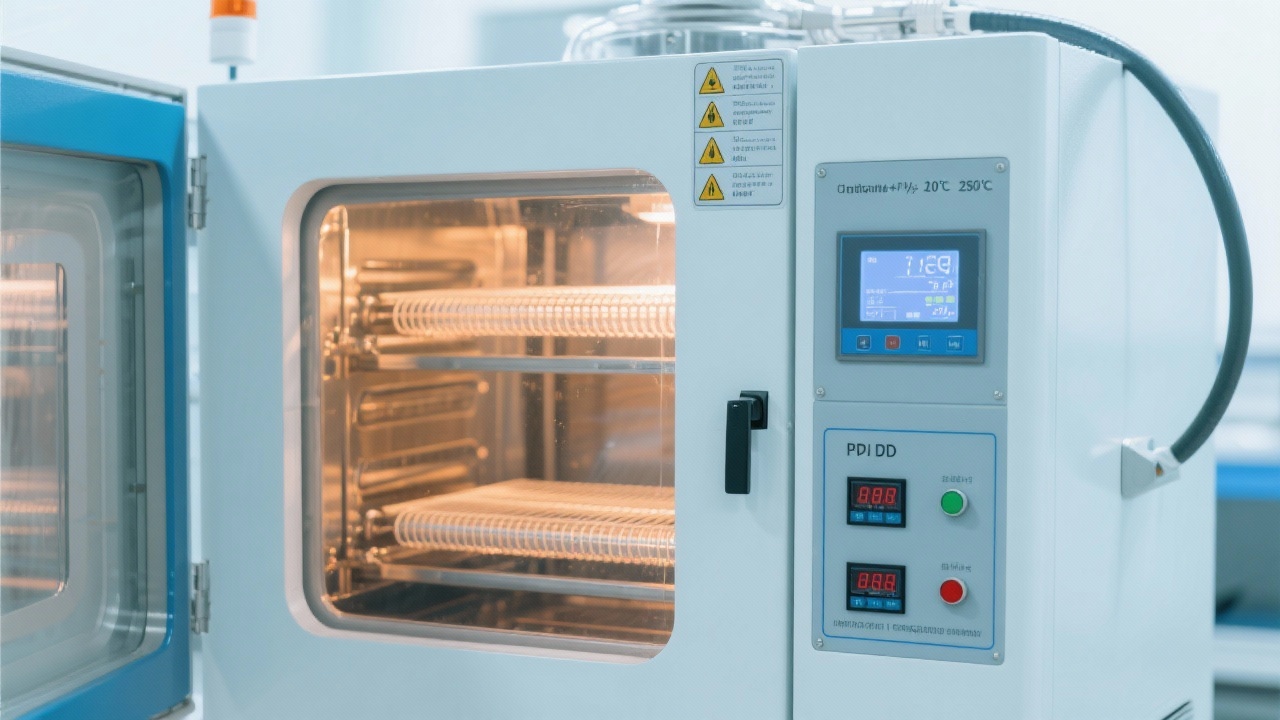
Many industrial dryers rely on open-loop temperature settings, leading to inconsistent results across batches. The DZ-1BCII’s built-in PID (Proportional-Integral-Derivative) control system adjusts heating power dynamically based on real-time chamber pressure readings. This ensures uniform heat distribution—even for irregularly shaped samples like tablets or tissue sections—and minimizes overshoot.
A recent internal test at a European contract research organization (CRO) found that with PID-enabled drying, moisture content variance dropped from ±5% to just ±1.2% across 20 consecutive runs. That level of precision is essential for regulatory compliance in FDA and EMA submissions.
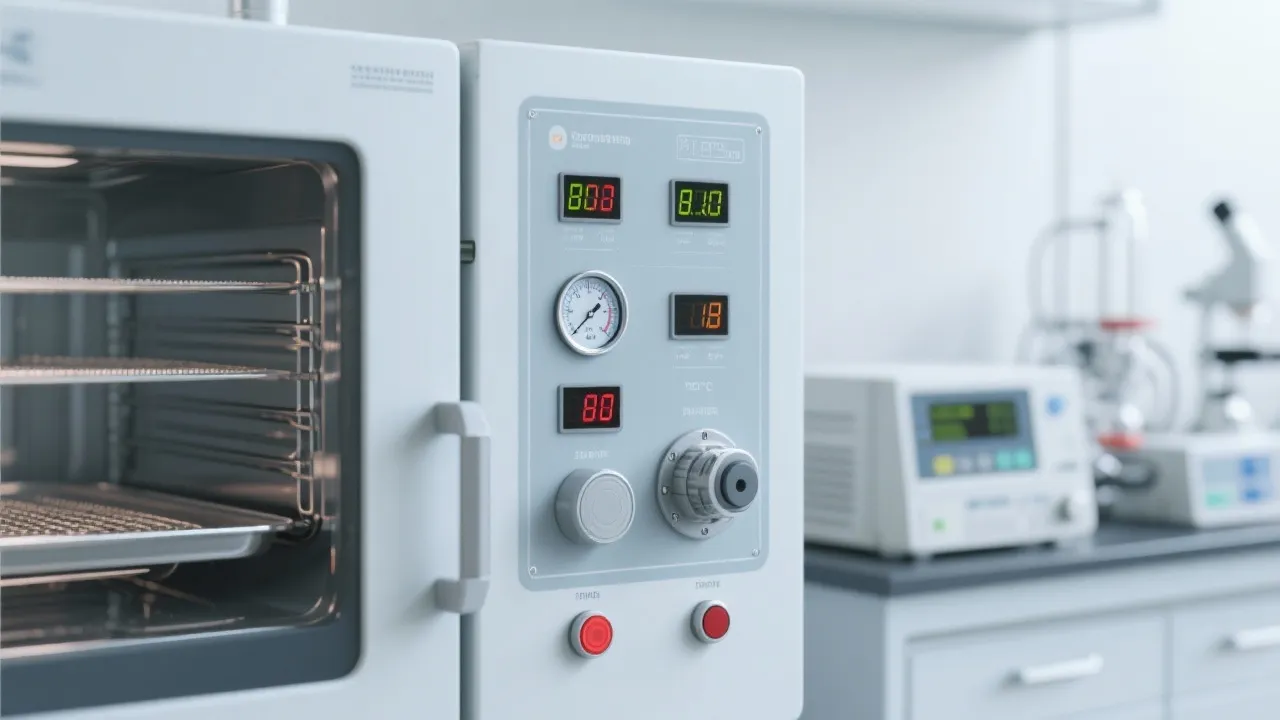
Whether you're drying protein powders, herbal extracts, or microelectronic components used in drug delivery devices, the DZ-1BCII offers customizable profiles via its digital interface. Users can set stepwise temperature ramps, hold times, and vacuum levels tailored to each material’s properties. For instance:
These protocols are not just theoretical—they’ve been validated in labs across North America, Europe, and Asia, where users report faster turnaround times and fewer rejected batches.
Discover how the DZ-1BCII Digital Vacuum Dryer delivers reliable, repeatable results for your most sensitive materials—without guesswork.
Get Technical Specifications & Case Studies →