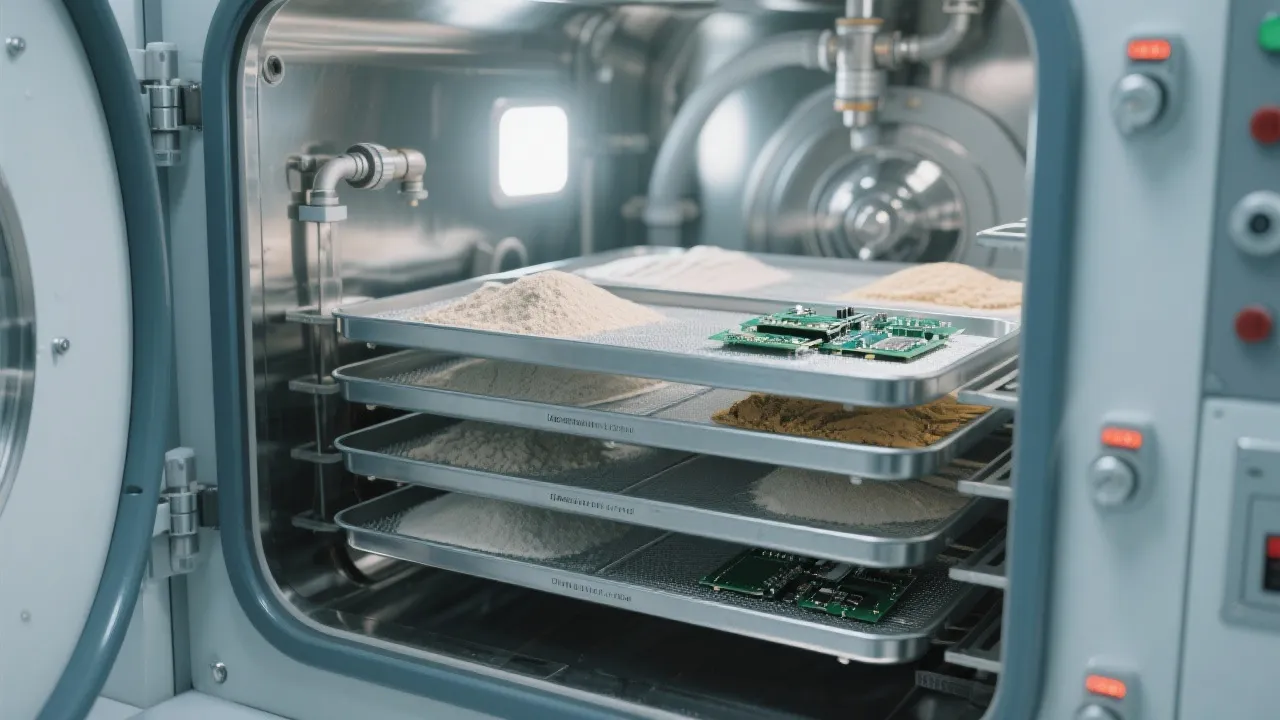
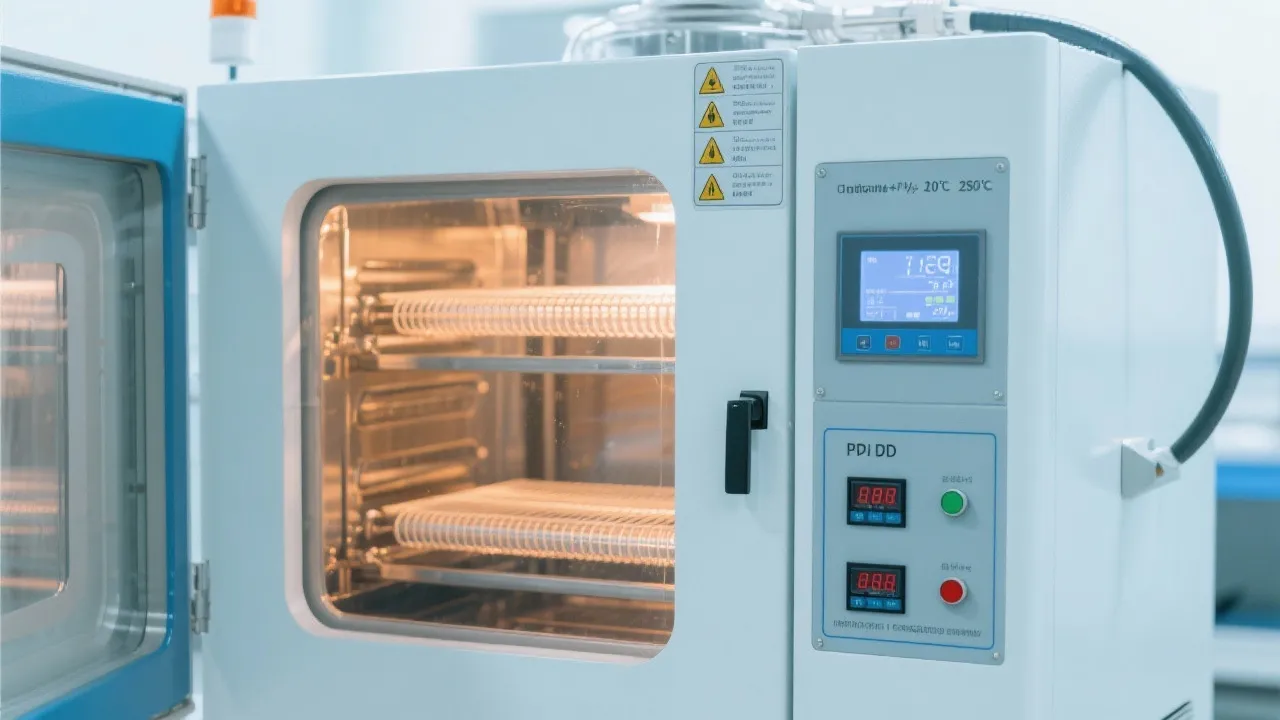
For researchers and industry professionals working with heat-sensitive materials—such as pharmaceuticals, biological samples, or electronic components—the challenge of drying without degradation is critical. Traditional methods often introduce oxygen, leading to oxidation, structural damage, or reduced shelf life. That’s where low-vacuum drying technology comes in.
In a controlled environment below 133 Pa (approximately 1 torr), moisture evaporates at lower temperatures while minimizing exposure to reactive gases like oxygen. According to a 2022 study published in Journal of Pharmaceutical Sciences, low-vacuum conditions reduce oxidation rates by up to 78% compared to atmospheric drying for thermolabile compounds such as enzymes and certain antibiotics.
This technique preserves molecular integrity—not just for lab-scale experiments but also for industrial-scale production. For instance, when drying freeze-dried vaccine batches, maintaining an anaerobic environment ensures no loss of antigenic activity, which can be crucial for efficacy and regulatory compliance.
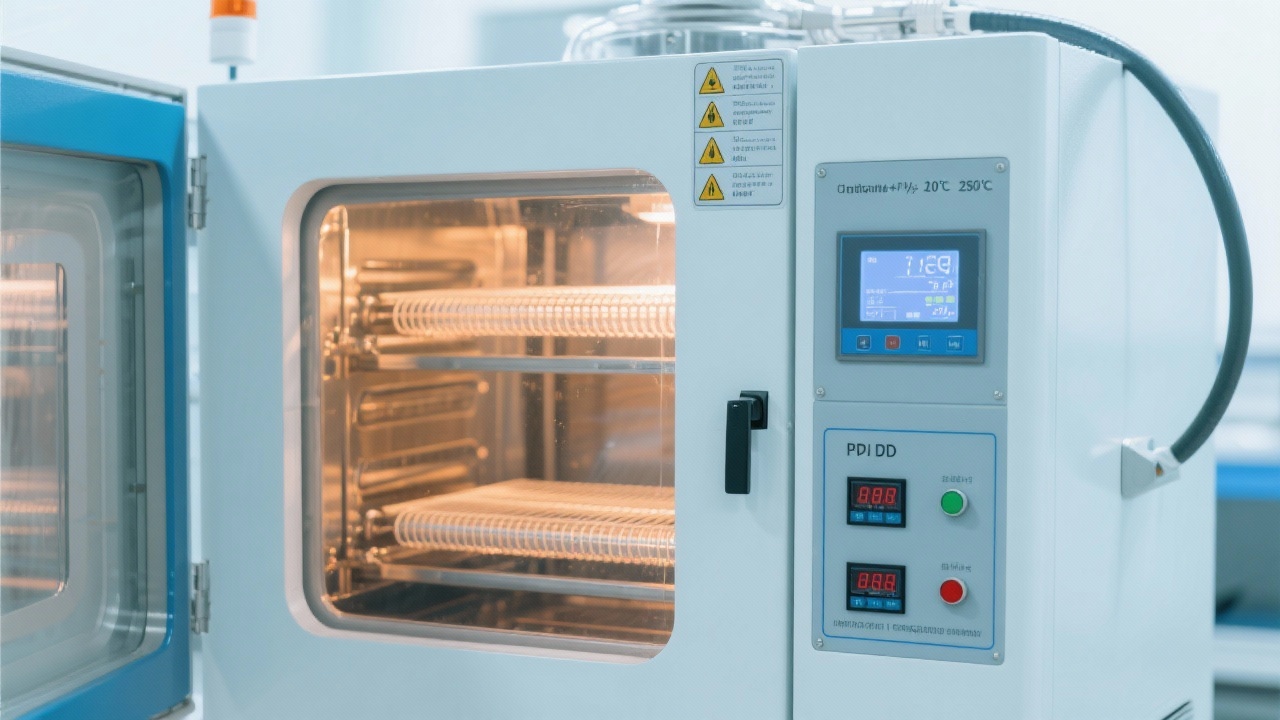
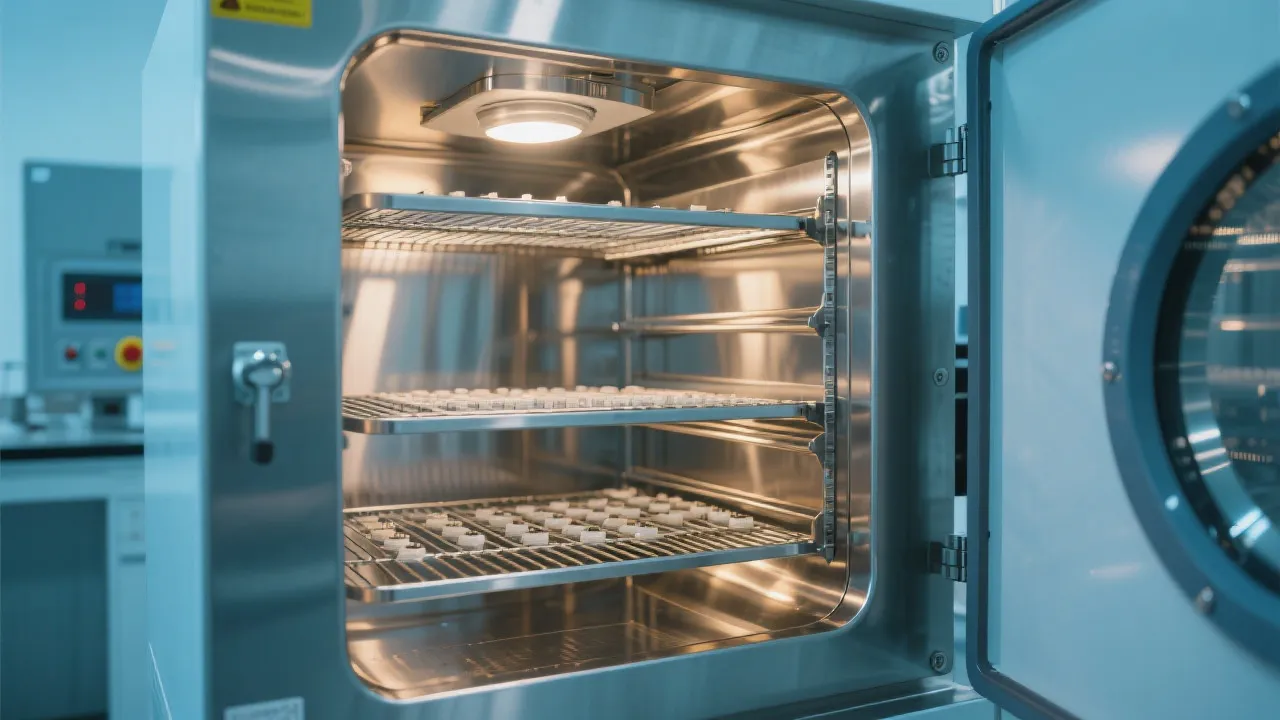
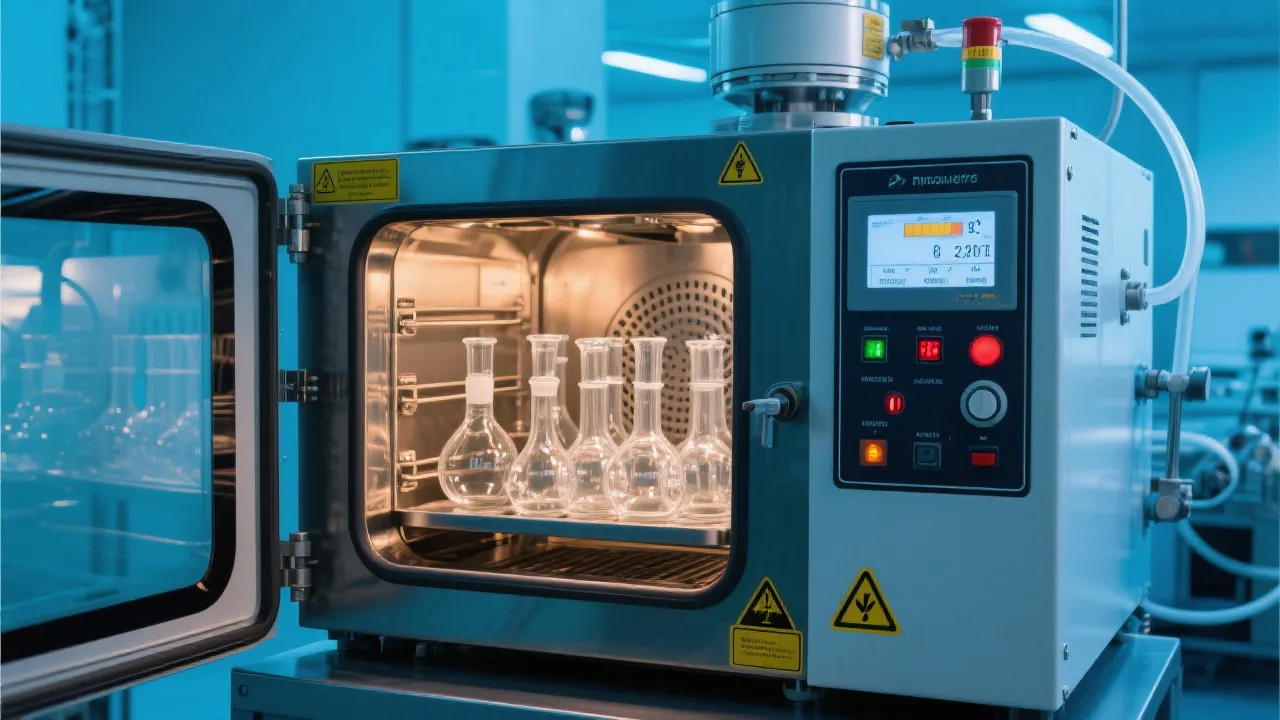
Pharmaceuticals: A case study from a Chinese biotech firm showed that using the DZ-1BCII Digital Vacuum Dryer reduced degradation of lyophilized insulin by over 90% during storage testing. The unit's precise PID control maintained ±0.5°C stability across 48-hour cycles—a key factor in consistent batch quality.
Bio-Samples: In DNA preservation workflows, labs reported fewer PCR failures after switching to low-vacuum drying. Oxygen-free conditions prevent nucleotide strand breaks, especially important in genomics research and clinical diagnostics.
Electronics: Printed circuit boards (PCBs) dried under 100–130 Pa show significantly less solder joint oxidation and improved adhesion between layers—a major concern in aerospace and automotive electronics manufacturing.
To maximize results, always follow these guidelines:
These steps ensure reproducibility, safety, and compliance—particularly valuable in ISO-certified facilities or those preparing for FDA audits.
Explore how the DZ-1BCII Digital Vacuum Dryer delivers precision, consistency, and reliability—backed by real-world data and expert validation. Whether you're optimizing lab protocols or scaling up production, this tool helps protect your most sensitive materials from oxidation and degradation.
See How It Works in Action →