In high-precision manufacturing—especially in electronics, pharmaceuticals, and biotech—how you dry heat-sensitive materials can make or break product quality. Recent industry data shows that over 74% of electronic failures in early-stage production are linked to improper drying processes, often due to oxidation or thermal decomposition under standard atmospheric conditions.
When vacuum levels drop below 133 Pa—a condition known as "low vacuum"—the boiling point of moisture in materials drops dramatically. This allows for efficient water removal at temperatures as low as 40°C, which is critical for preserving delicate components like printed circuit boards (PCBs), ceramic capacitors, and polymer-based sensors.
A 2023 study by the Institute of Materials Science found that drying at 100 Pa reduced oxidative degradation by up to 68% compared to ambient drying methods. In contrast, traditional convection ovens at 80°C caused measurable decomposition in epoxy resins used in microelectronics after just 4 hours—while a low-vacuum chamber maintained integrity for over 12 hours.
*Figure 1: Comparison of moisture removal efficiency between standard oven and low-vacuum drying at 40°C.*
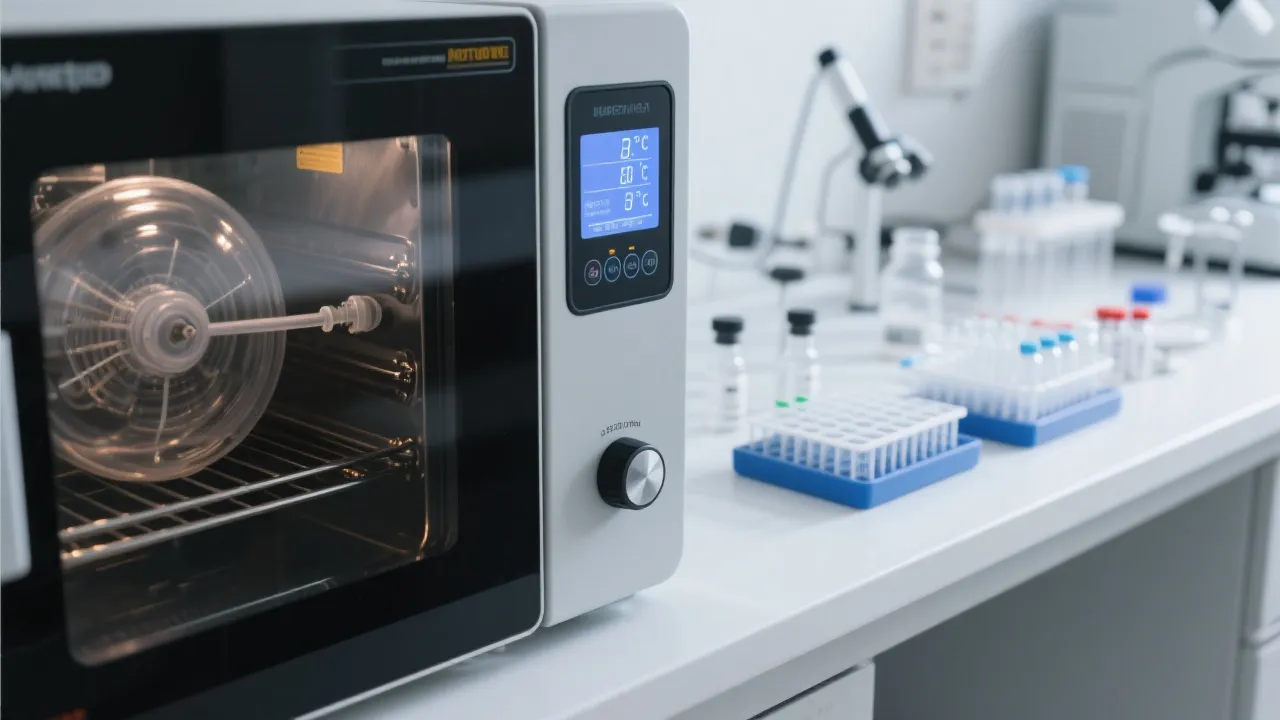
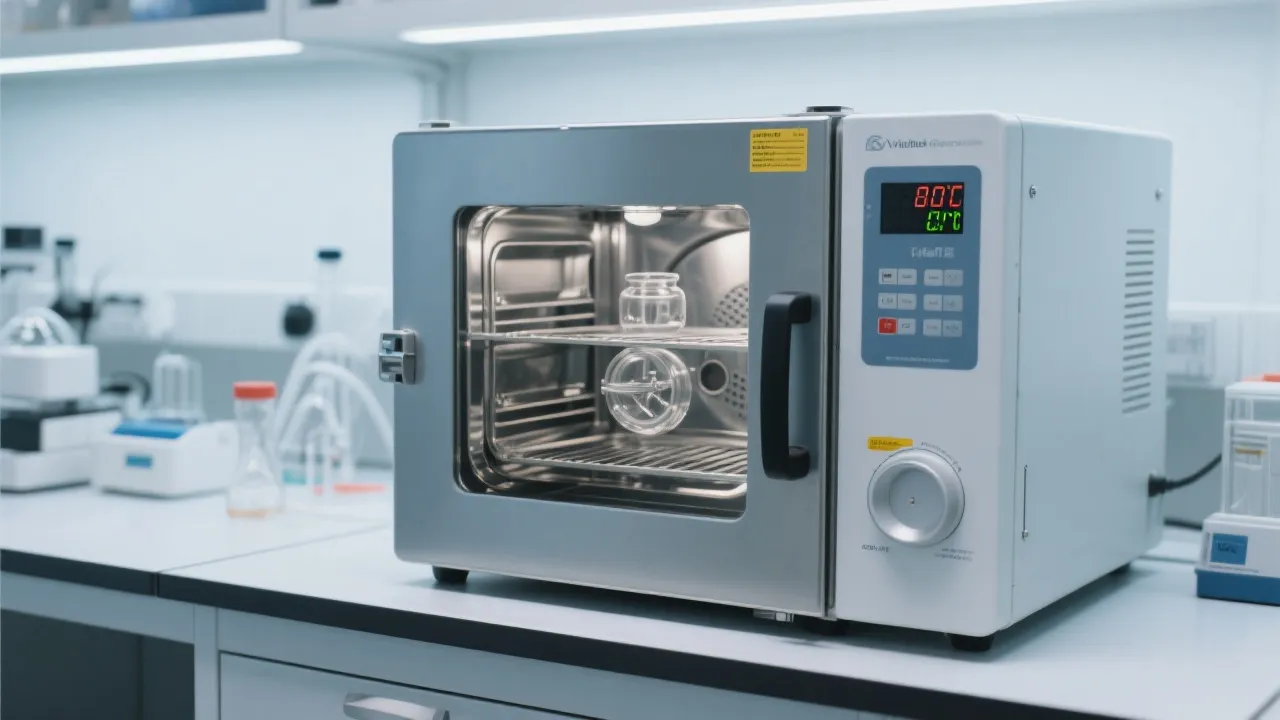
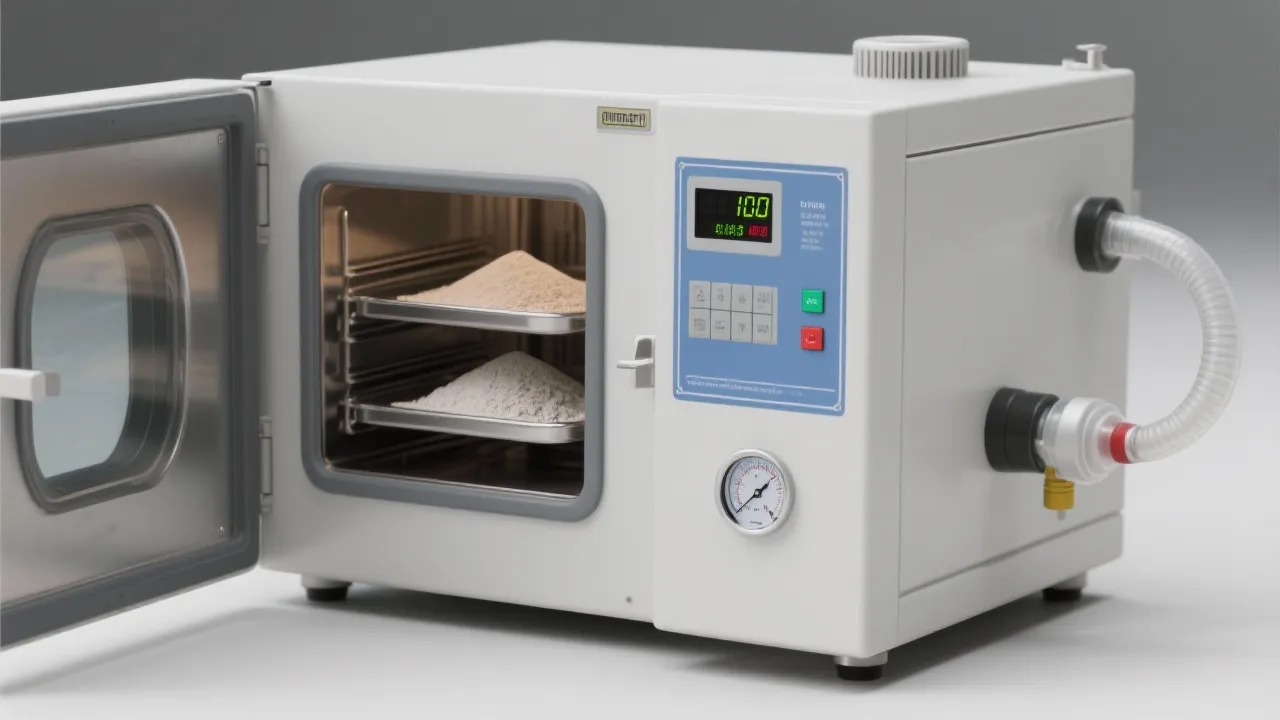
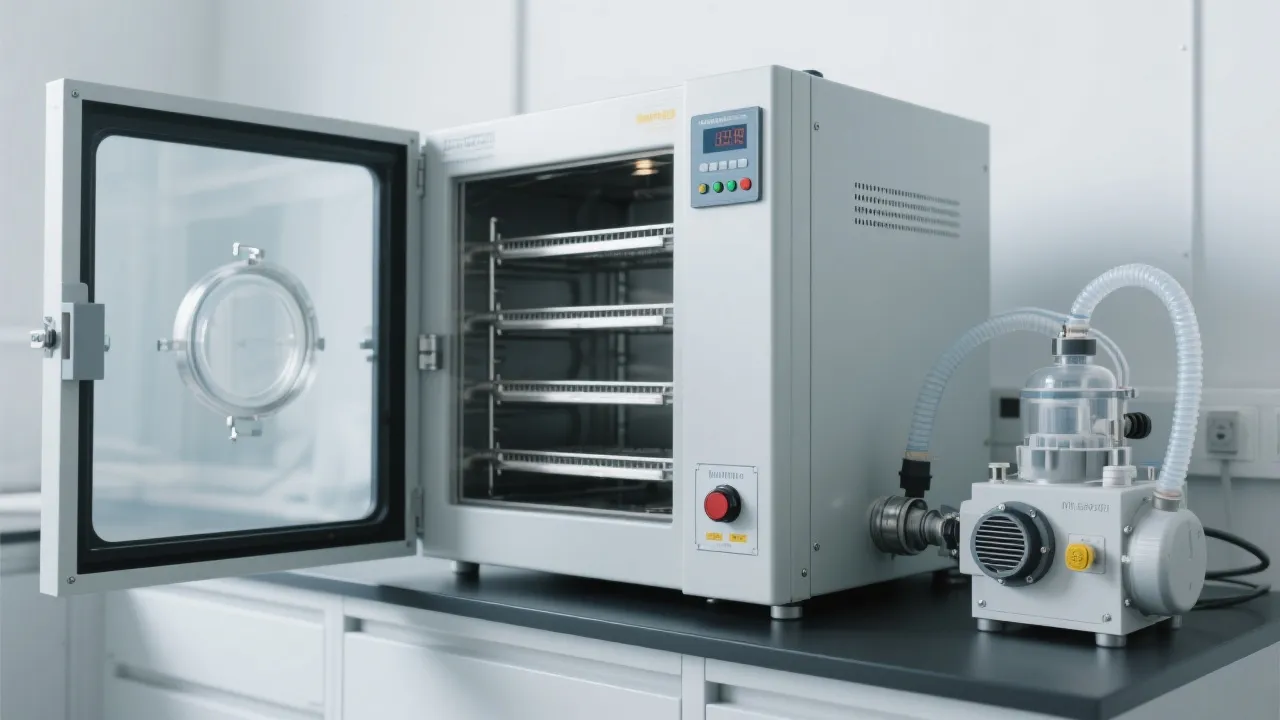
Take the DZ-1BCII digital vacuum dryer—a widely adopted solution in labs across Europe, North America, and Southeast Asia. With precise control over both temperature (ranging from 30°C to 200°C) and vacuum level (adjustable down to 10 Pa), it delivers consistent results without damaging sensitive substrates.
One semiconductor manufacturer in Taiwan reported a 40% reduction in post-drying defects after switching from air drying to low-vacuum processing using this model. Their team also noted a 30% faster cycle time, thanks to optimized pressure-temperature synergy.
These settings aren’t one-size-fits-all—they’re based on empirical testing and real-world validation. Always calibrate your equipment before batch runs, especially when handling new material types.
As global demand grows for miniaturized, reliable electronics—from IoT devices to medical implants—the trend toward controlled low-vacuum drying is accelerating. By 2026, experts predict that over 60% of industrial drying systems will incorporate vacuum capabilities, driven by quality assurance needs and regulatory compliance in sectors like aerospace and healthcare.