In the realm of industrial manufacturing, the drying process is a crucial step that directly impacts product quality and production efficiency. Traditional drying methods, however, are fraught with challenges that have long plagued the industry. This article delves into the limitations of traditional drying technologies, highlights the core advantages and application scenarios of vacuum drying, and analyzes the latest technological trends in this field, with a focus on the DZ - 4BCII industrial digital vacuum drying oven launched by Zhengzhou Keda Machinery.
Traditional drying methods, such as hot - air drying and natural drying, often suffer from low efficiency, high energy consumption, and the risk of material oxidation. According to industry statistics, traditional drying processes can consume up to 30% more energy compared to advanced vacuum drying technologies. Moreover, the long - term exposure of materials to high - temperature air in traditional drying can lead to oxidation, which degrades the quality of the final products. For example, in the food and pharmaceutical industries, material oxidation can result in a loss of nutritional value and efficacy.
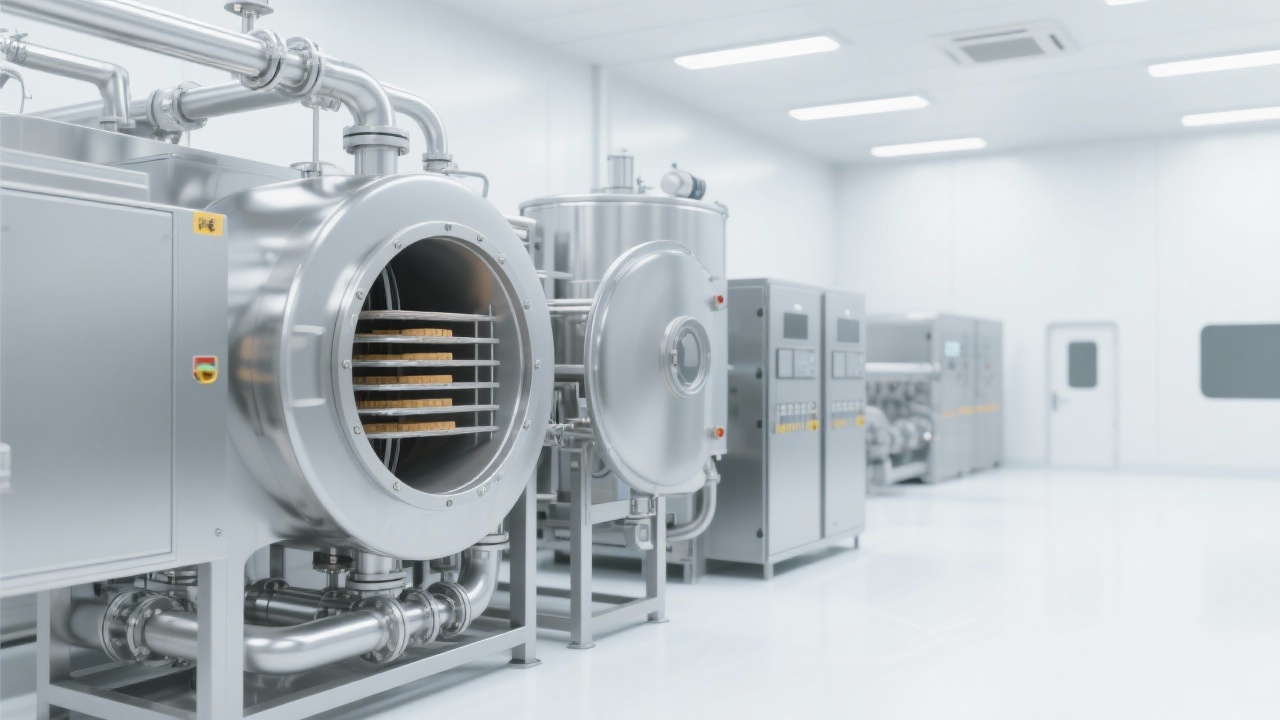
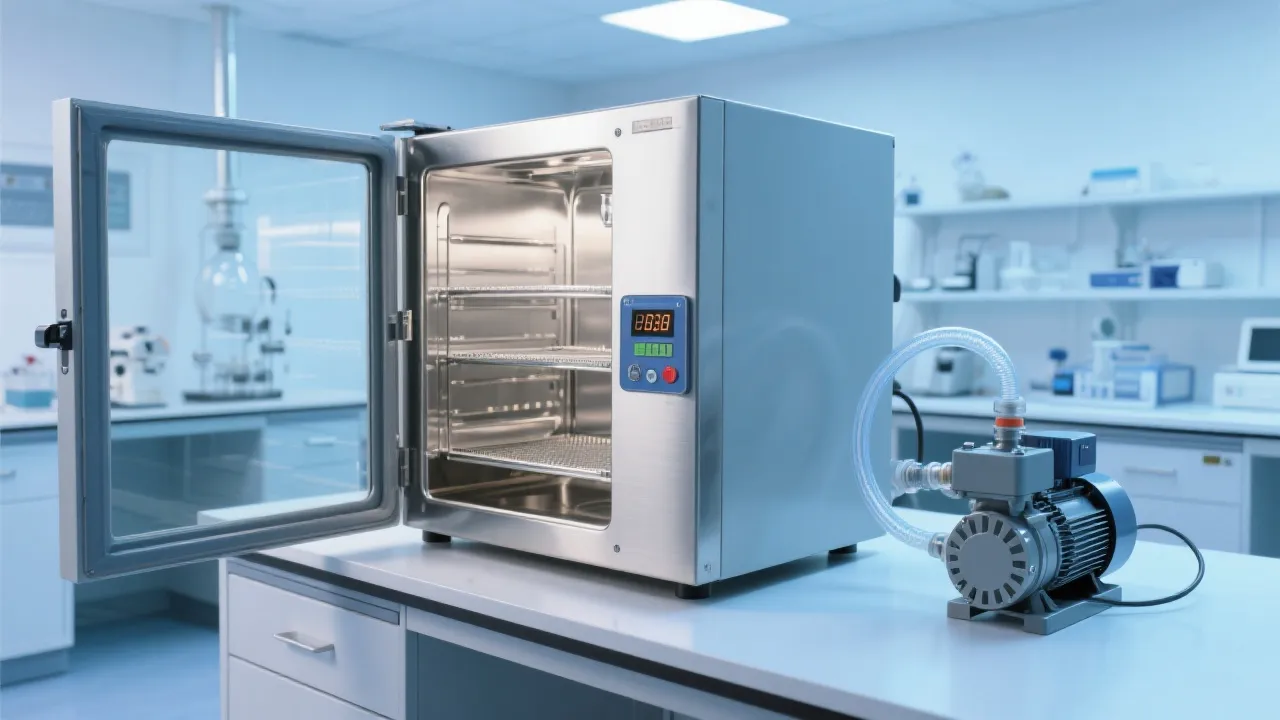
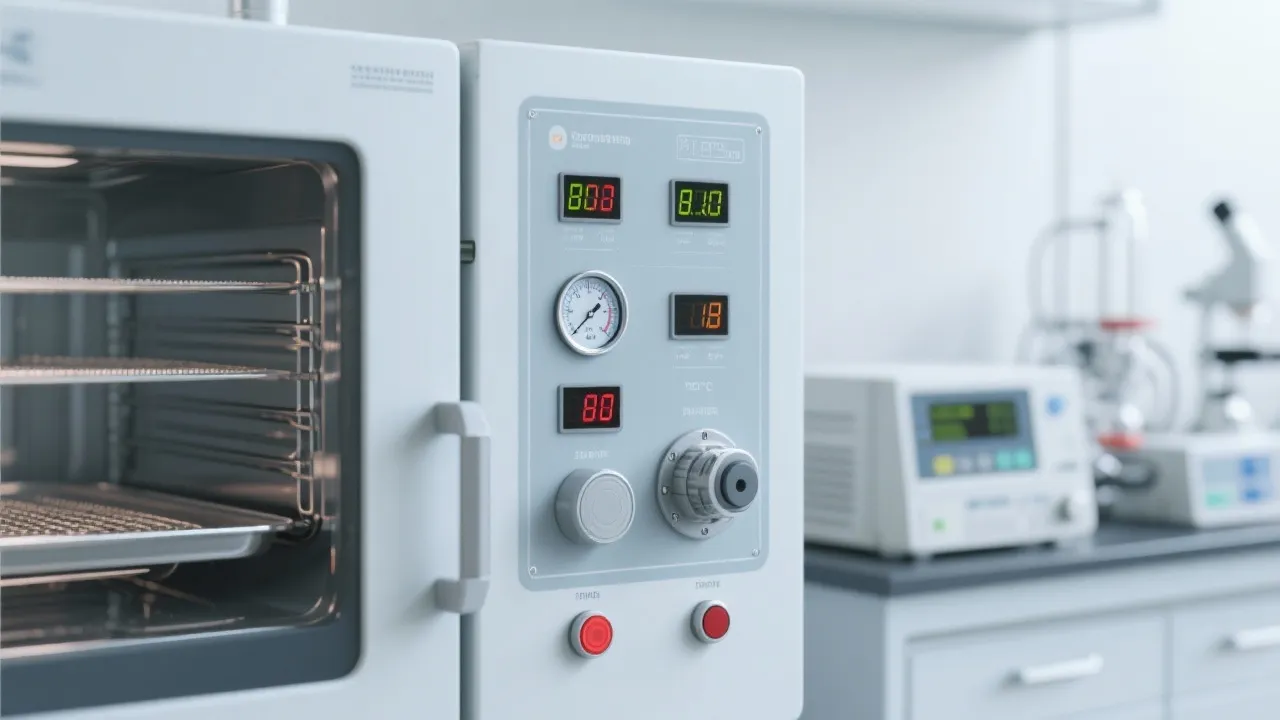
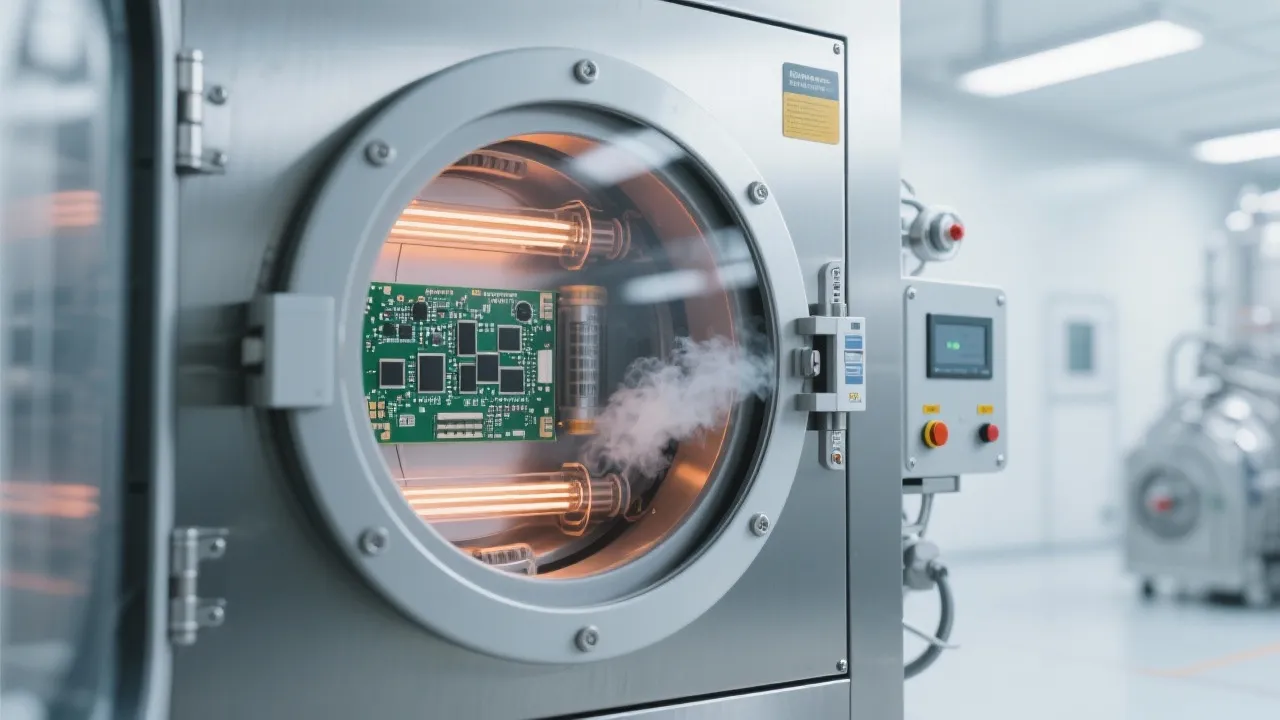
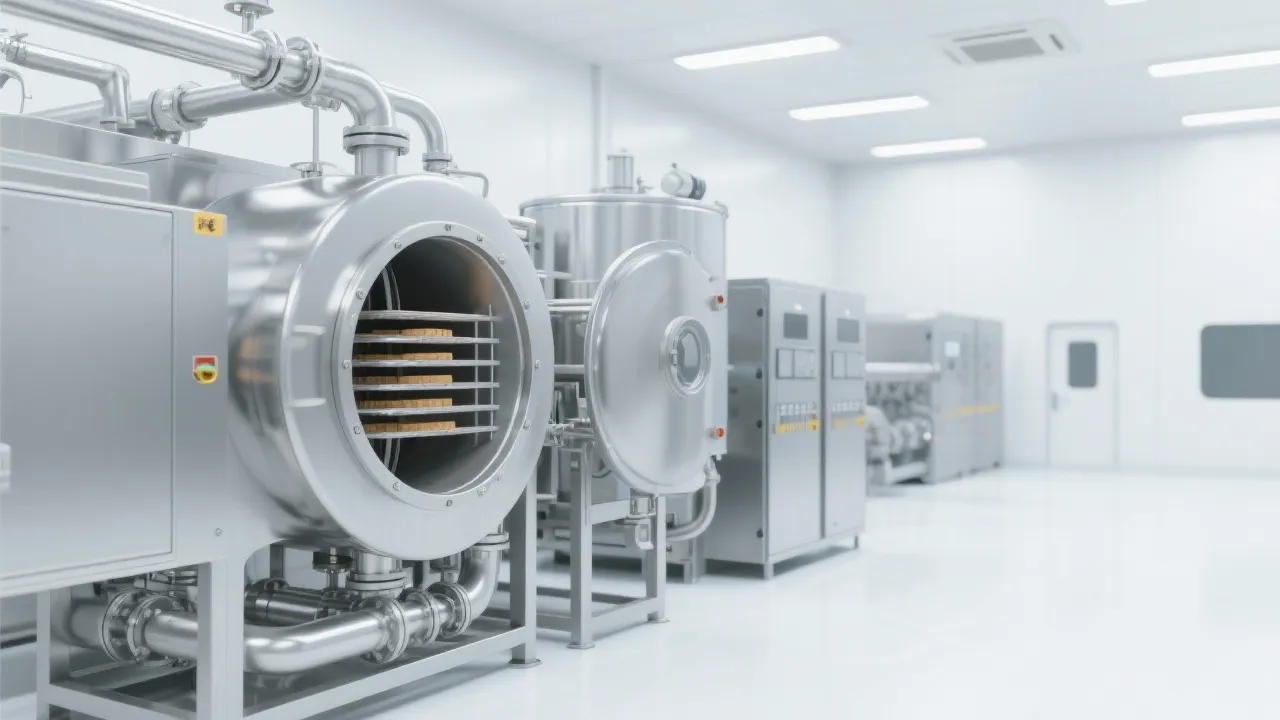
Vacuum drying technology offers several distinct advantages over traditional methods. By operating under low - pressure conditions, it can significantly reduce the boiling point of water, enabling faster drying at lower temperatures. This not only saves energy but also minimizes the risk of material oxidation. Vacuum drying is widely used in laboratories for sample preparation and in industrial settings for drying heat - sensitive materials, such as chemicals, pharmaceuticals, and electronic components.
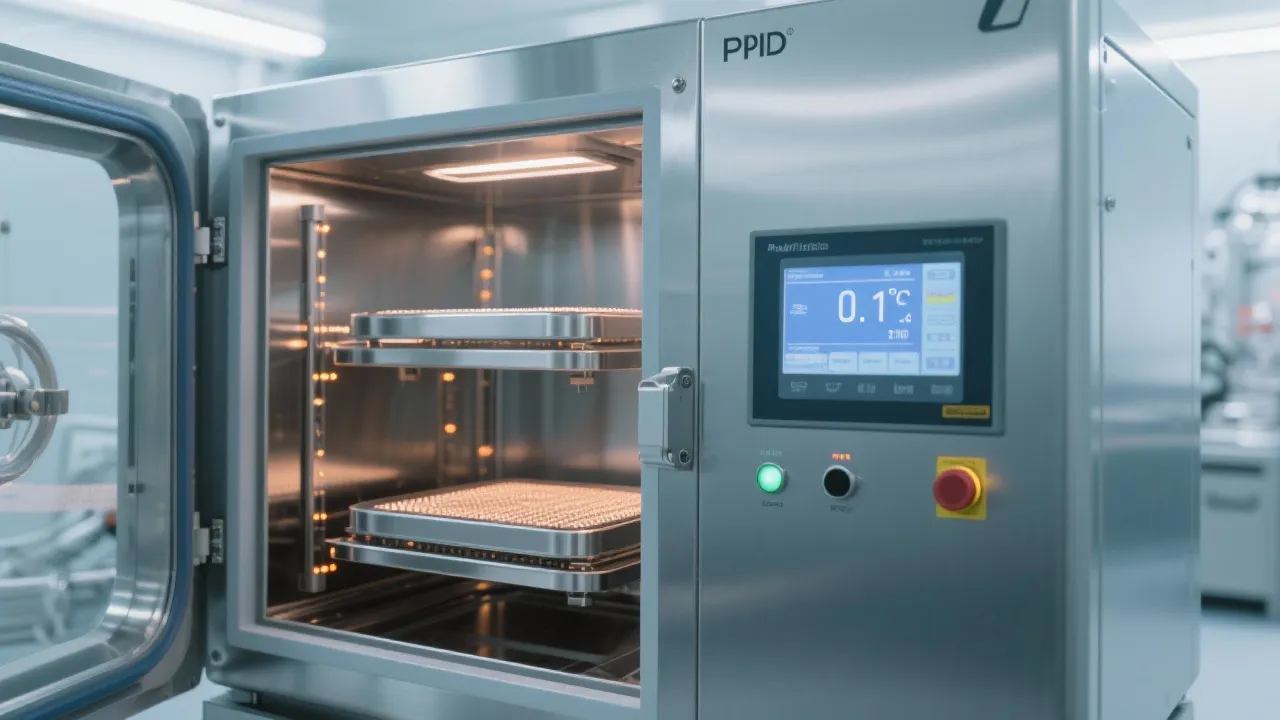
One of the key technological trends in vacuum drying is intelligent temperature control. The DZ - 4BCII industrial digital vacuum drying oven from Zhengzhou Keda Machinery features PID dual - temperature control and remote monitoring capabilities. PID (Proportional - Integral - Derivative) dual - temperature control ensures precise temperature regulation within ±0.1°C, which is crucial for maintaining the quality of sensitive materials. Remote monitoring allows operators to adjust parameters and monitor the drying process from anywhere, improving operational efficiency.
Energy - saving is another important trend. The DZ - 4BCII model incorporates heat energy recovery and variable - frequency heating technologies. Heat energy recovery systems can recycle up to 20% of the heat generated during the drying process, reducing overall energy consumption. Variable - frequency heating technology adjusts the heating power according to the actual drying requirements, further optimizing energy use.
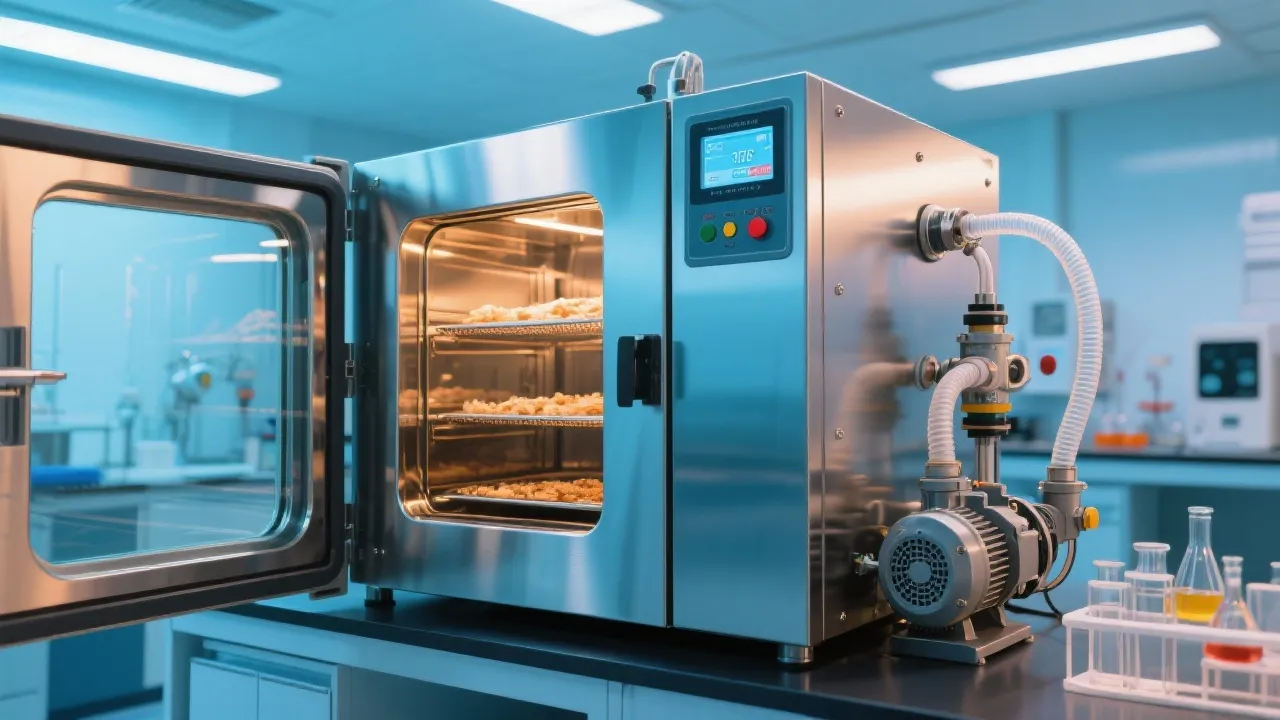
The DZ - 4BCII uses an imported stainless - steel inner liner, which is highly resistant to corrosion and can withstand a wide range of chemical substances. It is also compatible with multiple materials, including plastics, ceramics, and metals. This multi - material compatibility makes it suitable for a variety of industries, expanding its application scope.
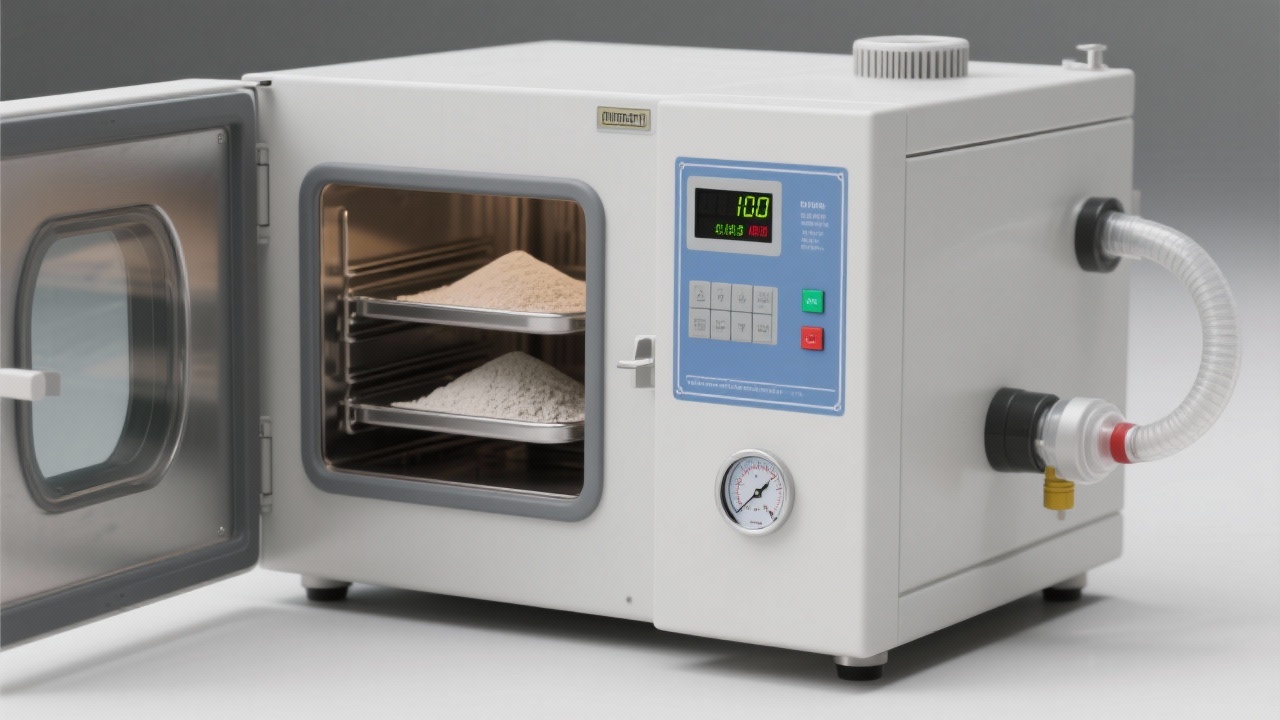
The DZ - 4BCII model from Zhengzhou Keda Machinery is a prime example of how these technological trends are implemented. Its PID dual - temperature control and remote monitoring functions ensure accurate and efficient drying. The heat energy recovery and variable - frequency heating technologies contribute to significant energy savings. The imported stainless - steel inner liner and multi - material compatibility make it a versatile solution for different industries.
In a chemical manufacturing plant, the adoption of the DZ - 4BCII drying oven led to a 25% increase in product yield and a 15% reduction in energy consumption. The precise temperature control prevented material oxidation, resulting in higher - quality products. In a pharmaceutical laboratory, the remote monitoring function allowed researchers to conduct experiments more flexibly, improving research efficiency.
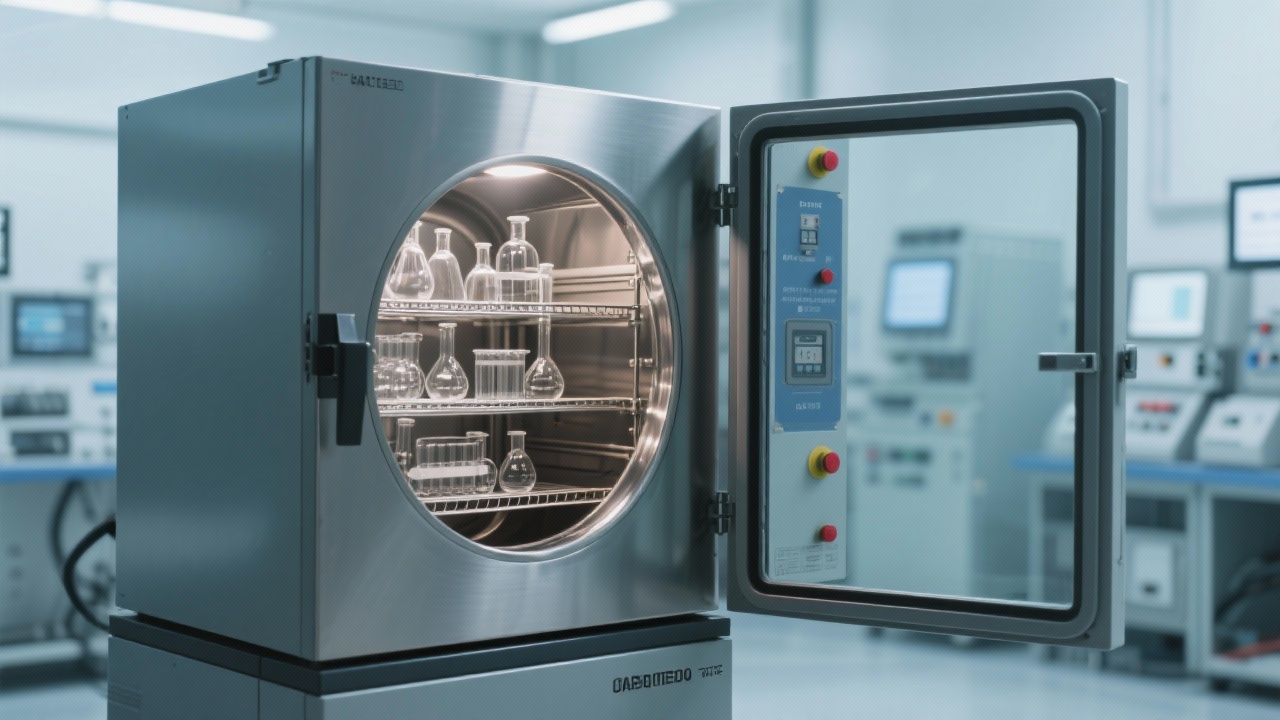
Looking ahead, the integration of vacuum drying technology with AI and the Internet of Things (IoT) holds great promise. AI - powered algorithms can optimize the drying process based on real - time data, further improving efficiency and product quality. IoT connectivity will enable seamless communication between drying equipment and other manufacturing systems, creating a more intelligent and automated production environment. #IndustrialVacuumDrying #VacuumDryingTechnology #IntelligentManufacturing
Explore the DZ - 4BCII Industrial Digital Vacuum Drying Oven Now!