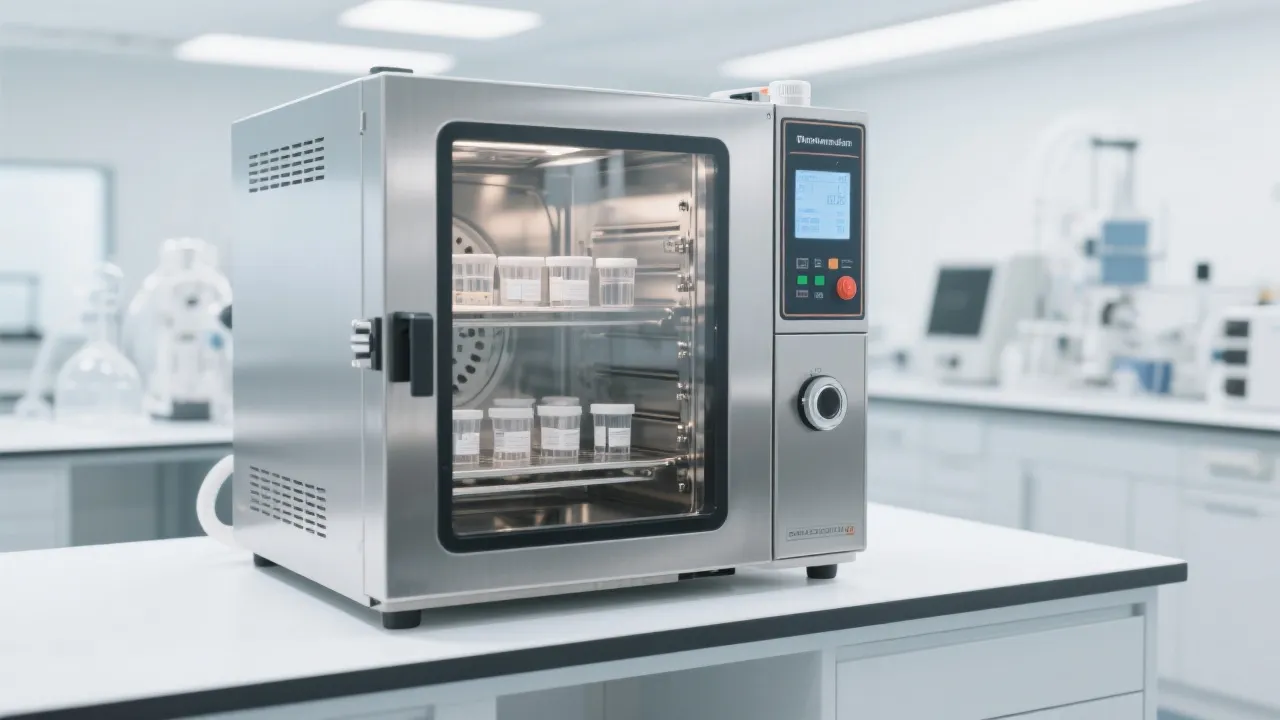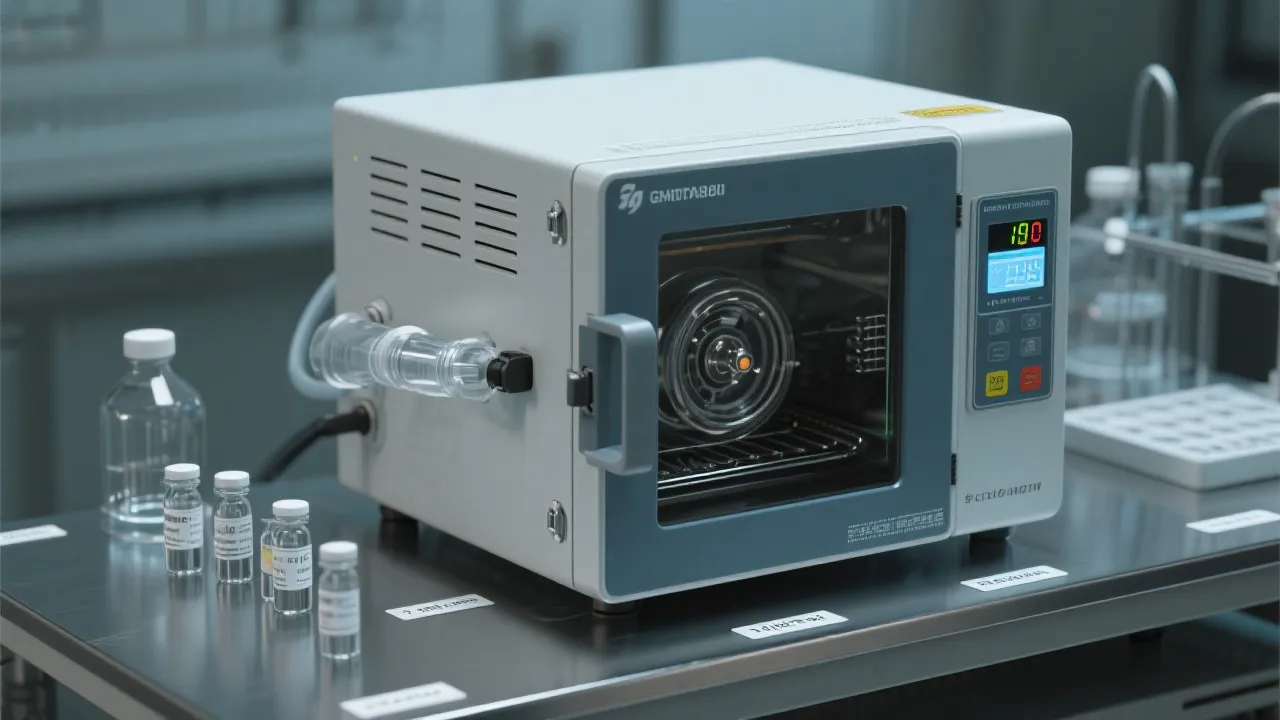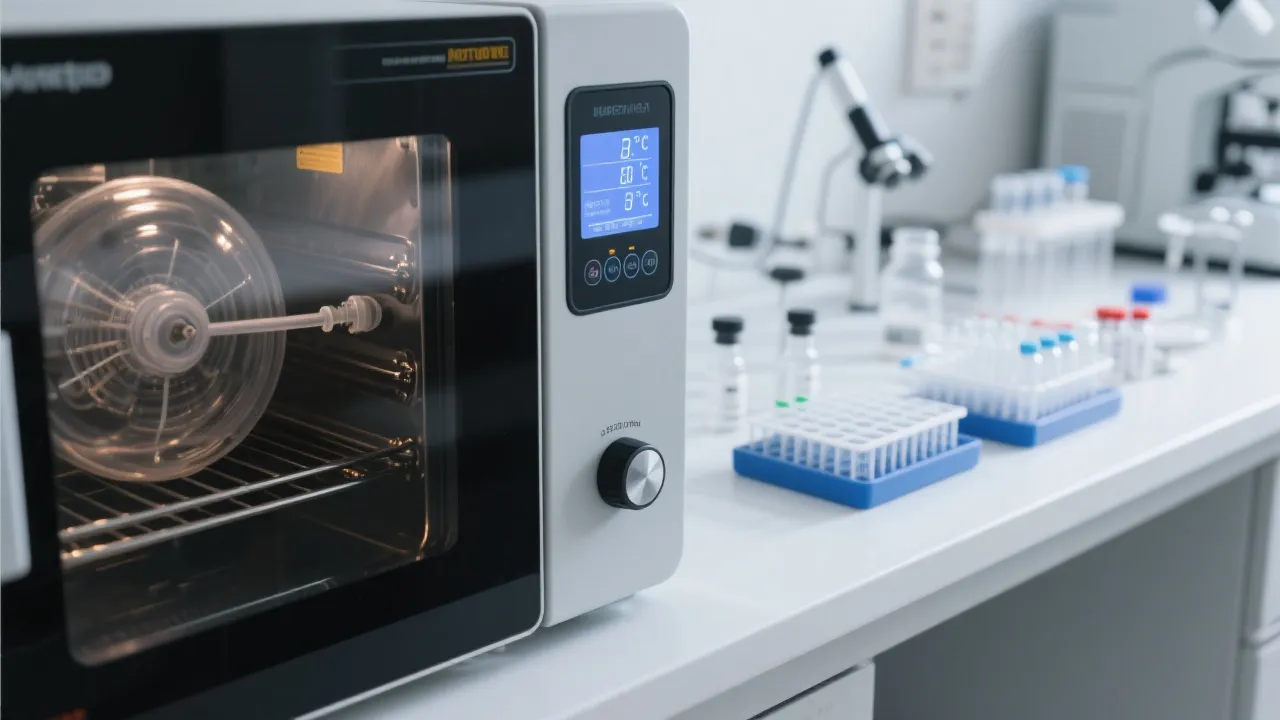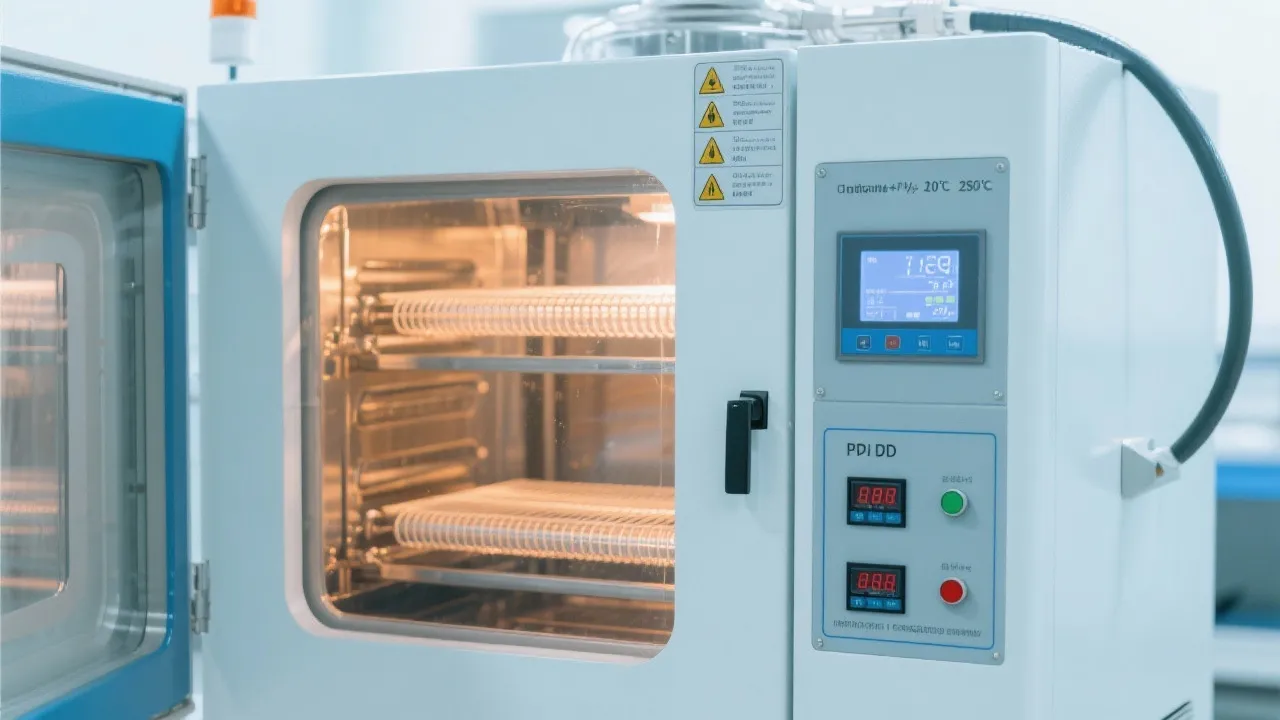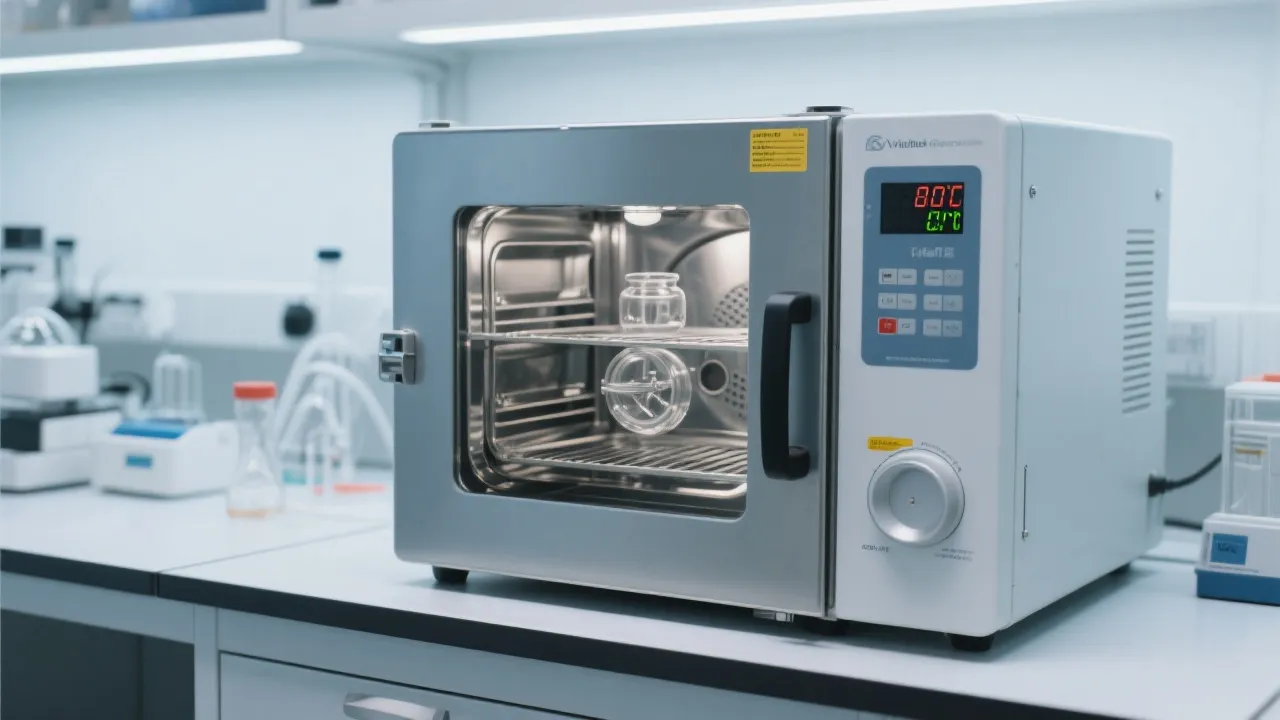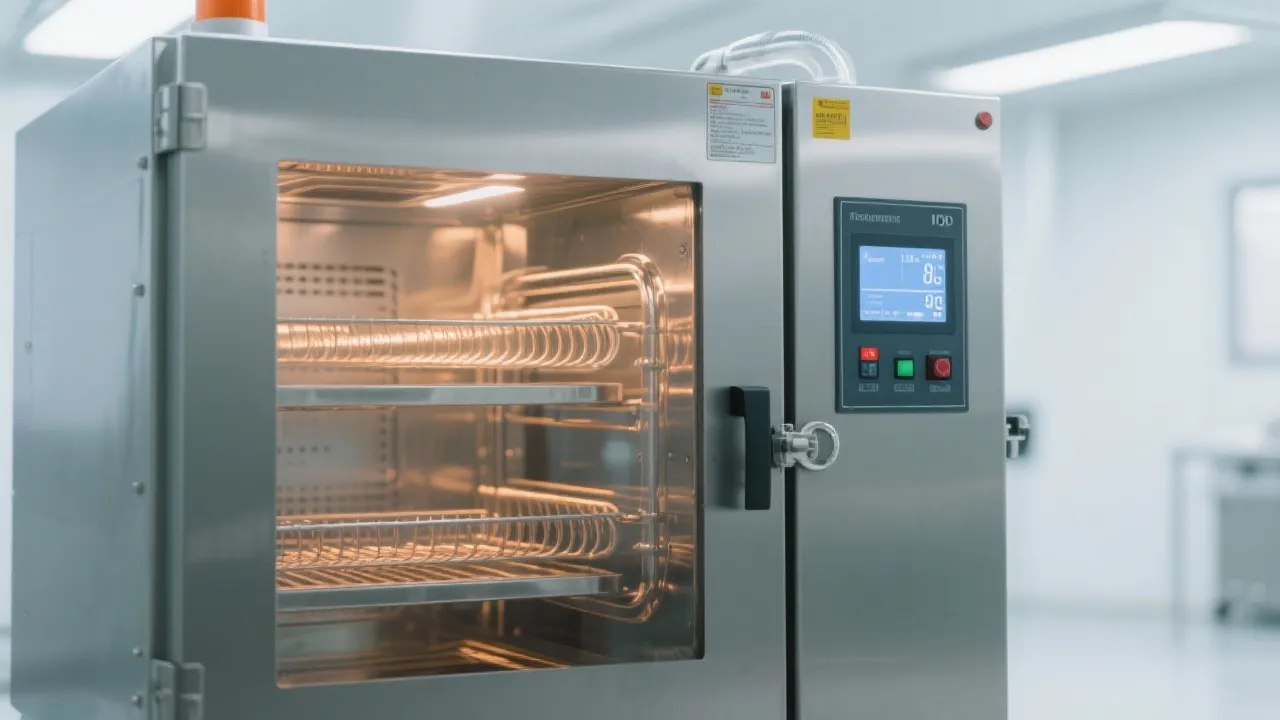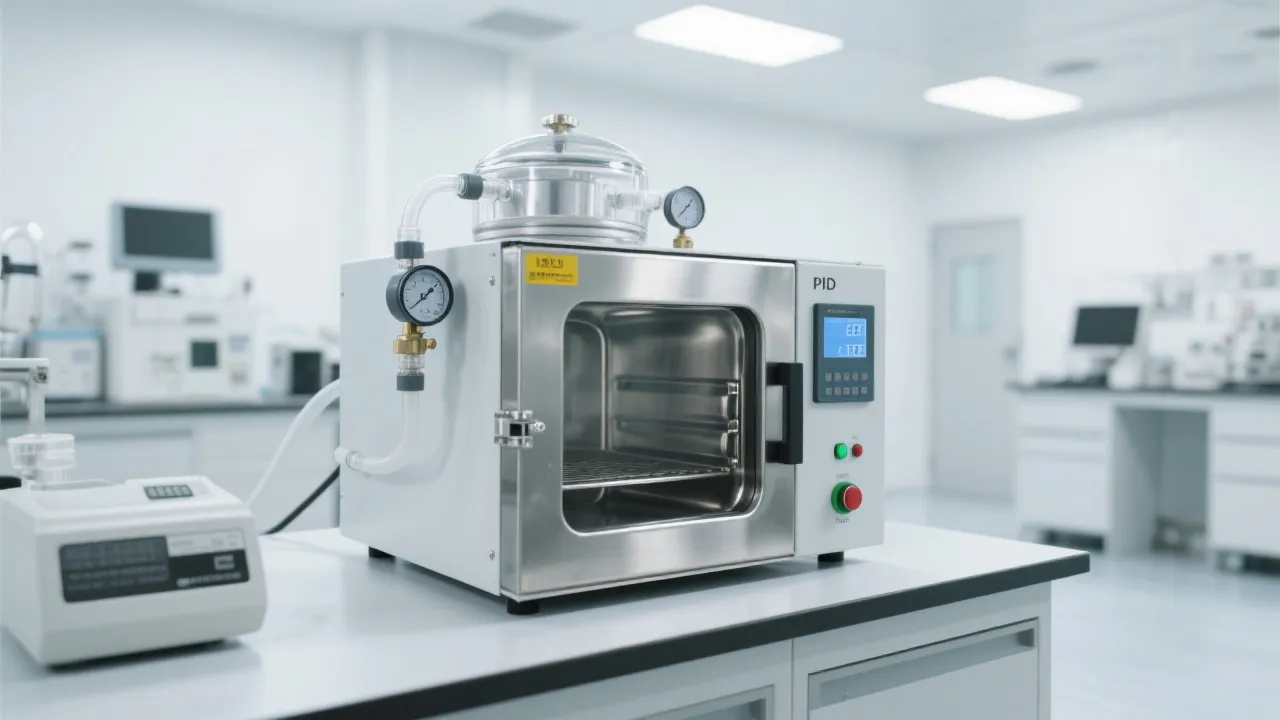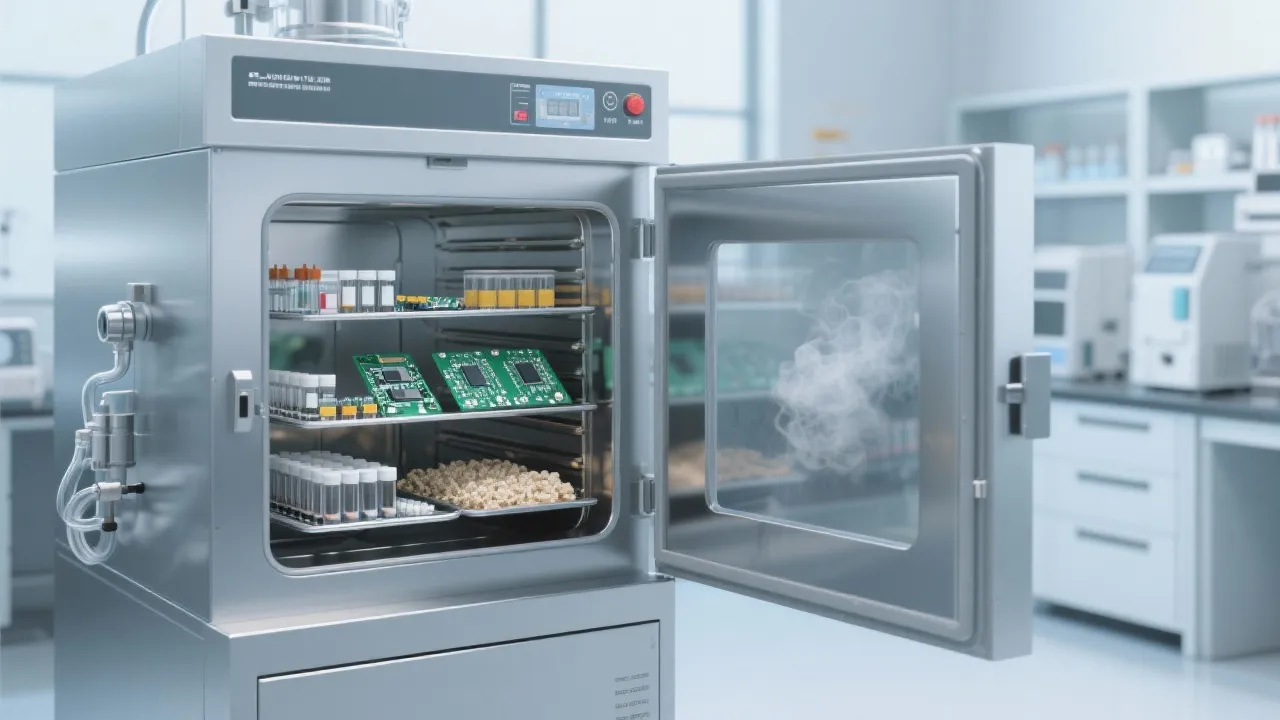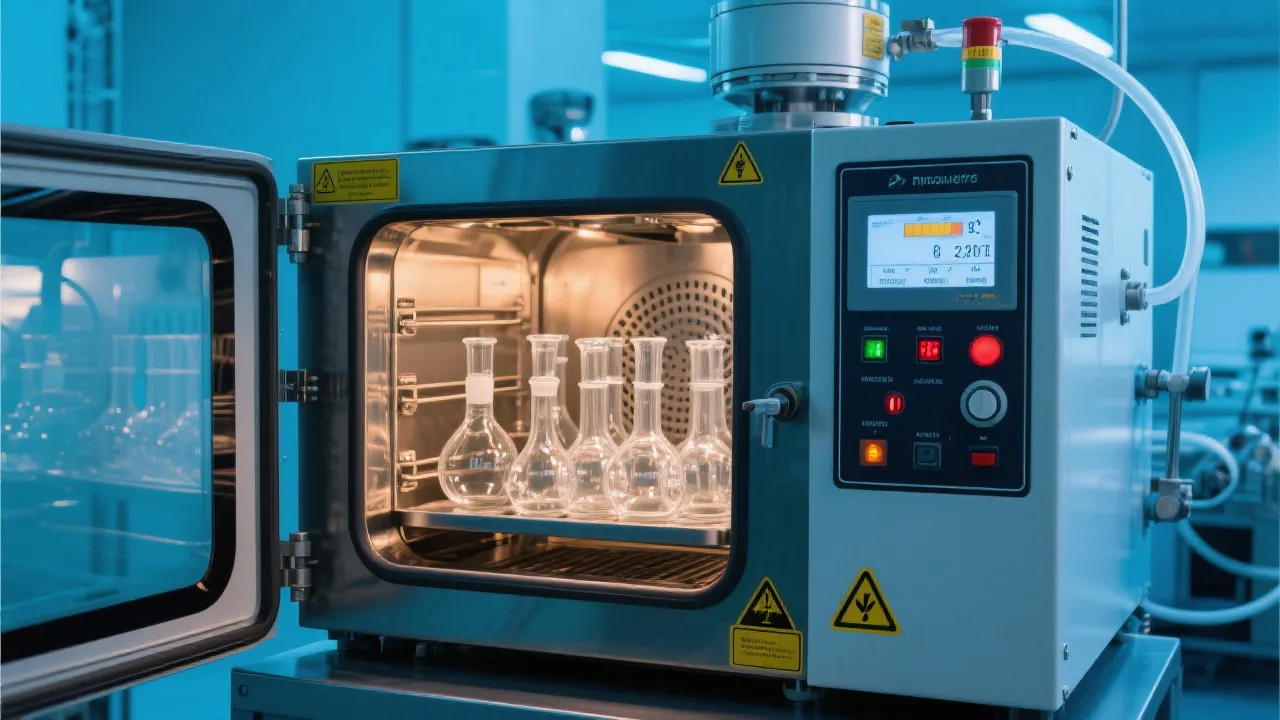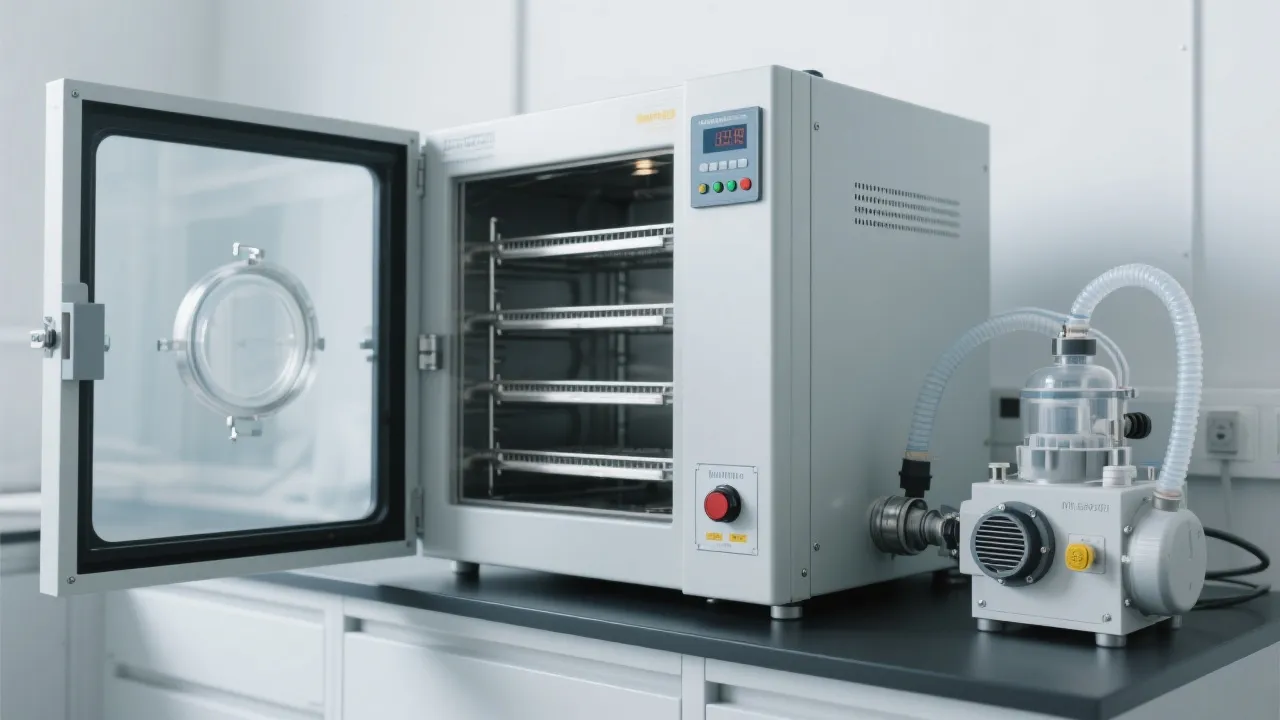
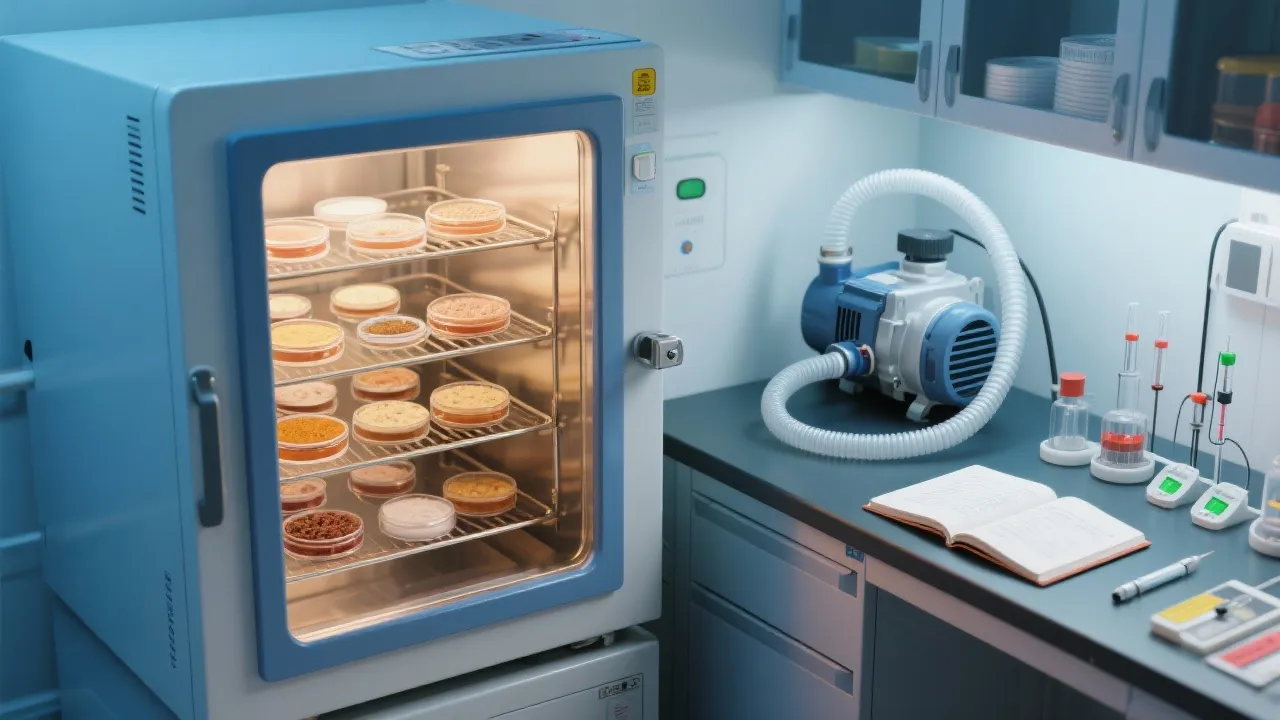
Laboratory vacuum ovens are indispensable equipment in various scientific research fields. Their unique working principle allows them to play a significant role in the drying process. This article delves deep into the working principle of laboratory vacuum ovens, highlighting the scientific mechanism of achieving low-temperature and rapid drying by reducing the air pressure inside the chamber.
Under normal atmospheric pressure, the boiling point of water is 100°C. However, in a vacuum environment, the air pressure inside the oven chamber decreases. According to the principle of physics, the boiling point of a liquid is closely related to the pressure. When the pressure decreases, the boiling point also decreases. For example, in a vacuum environment with a pressure of about 10 kPa, the boiling point of water can be reduced to around 50°C. This means that at a lower temperature, water can evaporate more quickly, achieving the goal of rapid drying.
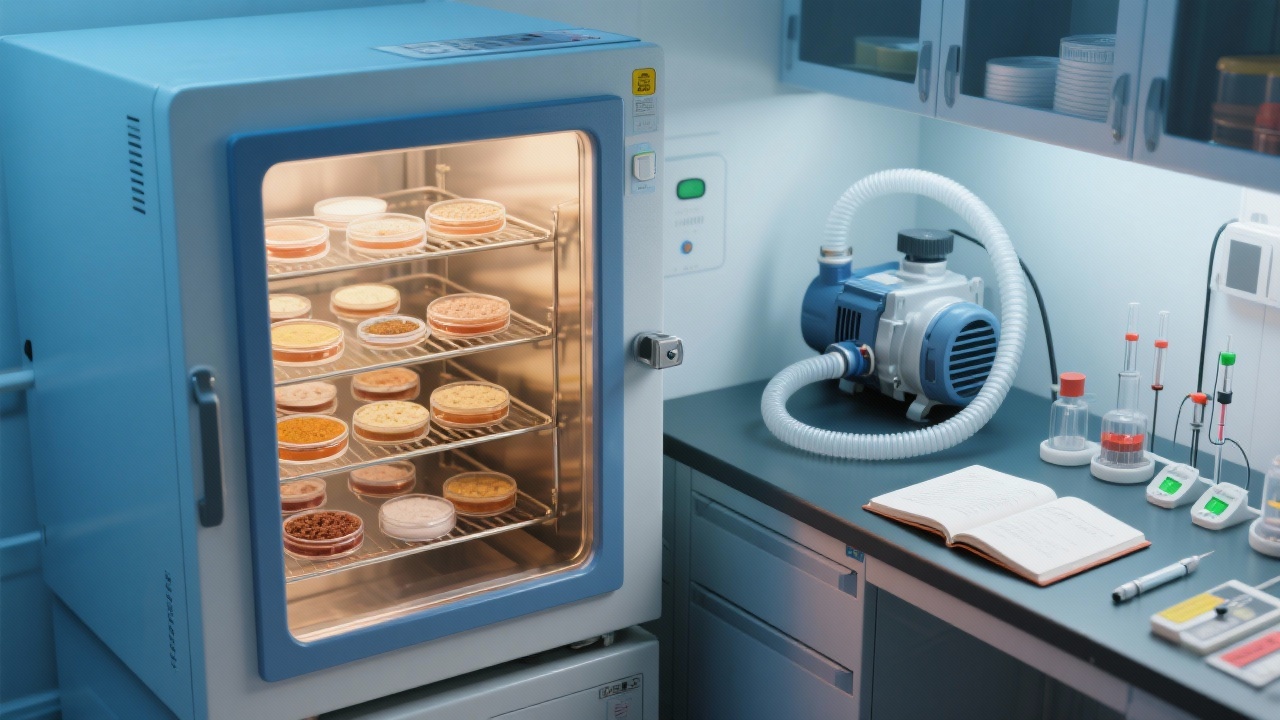
This low-temperature drying method has many advantages. For materials that are sensitive to high temperatures, such as some biological samples and polymers, low-temperature drying can effectively prevent material damage and degradation, ensuring the integrity and activity of the samples.
In the field of materials science, vacuum ovens are widely used for drying and heat treatment of various materials. For example, when preparing ceramic materials, vacuum drying can remove moisture inside the ceramic green body at a lower temperature, preventing the occurrence of cracks and warping during high-temperature sintering. According to industry data, the use of vacuum ovens can increase the qualification rate of ceramic products by about 15%.
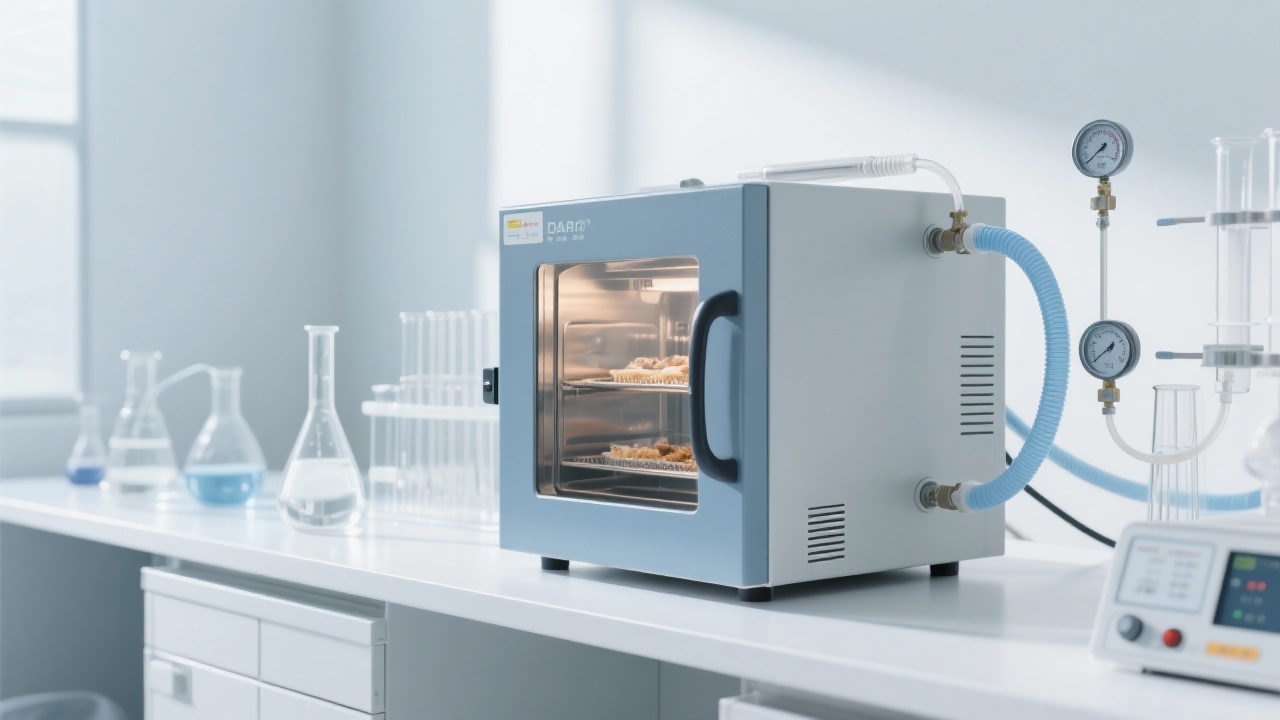
In the pharmaceutical industry, vacuum ovens are mainly used for drying drugs and excipients. Many drugs are sensitive to heat and oxygen, and traditional high-temperature drying methods can easily cause drug degradation and oxidation. Vacuum drying can not only reduce the drying temperature but also isolate oxygen, effectively protecting the quality and efficacy of drugs. As an expert in the pharmaceutical industry said, "Vacuum drying technology has become an important means to ensure the quality of drugs in modern pharmaceutical production."
In the electronics manufacturing industry, vacuum ovens are used for drying electronic components and circuit boards. Moisture in electronic components can cause short circuits and corrosion, affecting the performance and reliability of electronic products. Vacuum drying can quickly remove moisture from electronic components, improving the yield and quality of electronic products. Statistics show that the use of vacuum ovens can reduce the failure rate of electronic products by about 10%.
The vacuum degree in a vacuum oven is a key parameter affecting the drying effect. Different materials require different vacuum degrees for optimal drying. Generally, the vacuum degree of a laboratory vacuum oven can be adjusted between 1 - 100 kPa. When drying materials that are very sensitive to moisture, a higher vacuum degree (such as below 10 kPa) is usually required.
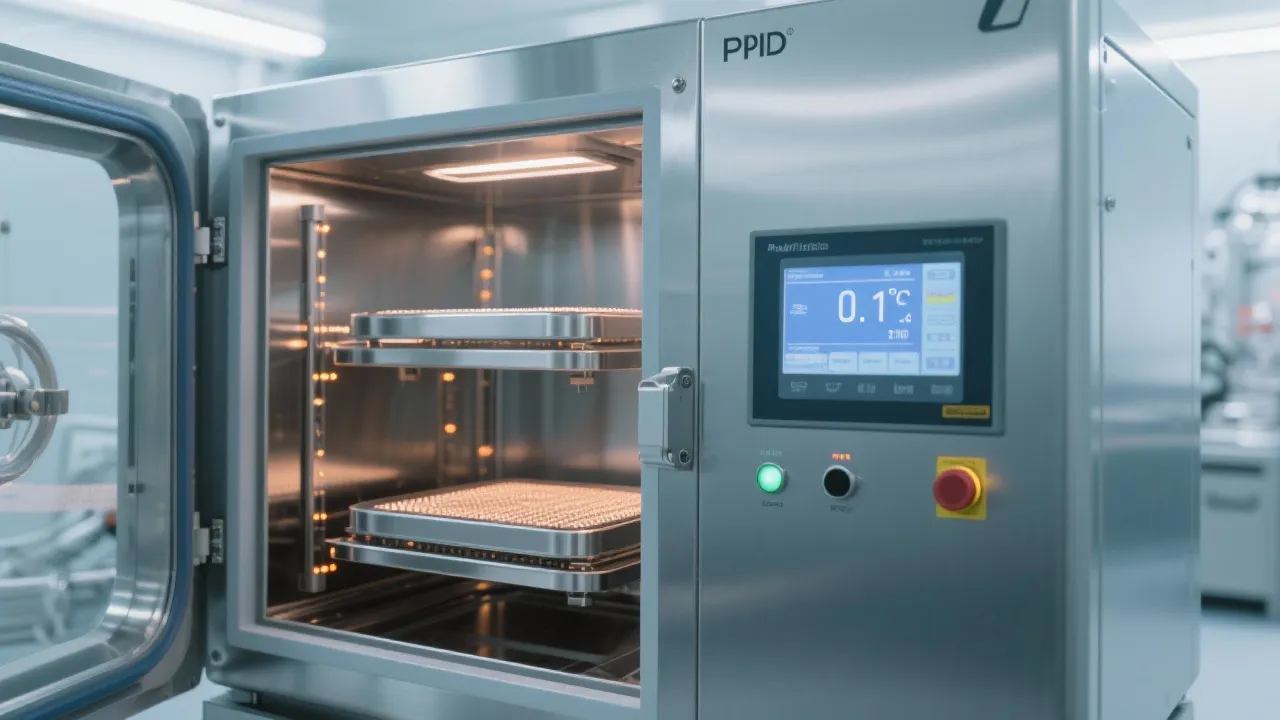
Most modern vacuum ovens are equipped with a PID intelligent temperature control system. This system can accurately control the temperature inside the oven chamber, with a temperature control accuracy of ±0.1°C. This high-precision temperature control ensures the stability and repeatability of the drying process.
In order to ensure the safety of users, vacuum ovens are usually equipped with safety and explosion-proof devices, such as over-temperature protection, over-pressure protection, and leakage protection. When abnormal conditions occur, these devices can automatically cut off the power supply and alarm, protecting the safety of users and equipment.
Here are some common questions and answers about laboratory vacuum ovens:
If you are looking for a high-quality laboratory vacuum oven, the Zhengzhou KeDa DZF - 6010 Laboratory Mini Vacuum Oven is an excellent choice. With its advanced technology and reliable performance, it can meet the needs of various scientific research and production. Click here to learn more about the Zhengzhou KeDa DZF - 6010 Laboratory Mini Vacuum Oven.