How to Choose the Right Laboratory Vacuum Oven: Key Parameters & Industry Applications
06 02,2026
Zhengzhou Keda Mechanical Instrument Equipment Co., Ltd.
Application Tips
This comprehensive guide explains how to select the ideal laboratory vacuum oven for your research needs, focusing on critical parameters such as maximum vacuum level, PID temperature control systems, chamber material (e.g., 304 stainless steel), and capacity optimization. Real-world applications from pharmaceuticals, electronics, and materials science illustrate how proper selection enhances drying efficiency, safety, and reproducibility. Featuring data-driven insights, certified performance standards, and practical tips—including digital monitoring, explosion-proof features, and energy-saving design—this article supports informed procurement decisions for lab managers and researchers seeking high-precision results.
How to Choose the Right Laboratory Vacuum Oven for Your Research Needs
Choosing the right laboratory vacuum oven isn’t just about buying equipment—it’s about aligning performance with precision. Whether you're in pharmaceutical development, materials science, or electronics R&D, selecting a vacuum drying system that matches your experimental goals can significantly impact reproducibility, safety, and efficiency.
Key Parameters That Make or Break Performance
Let’s break down what truly matters:
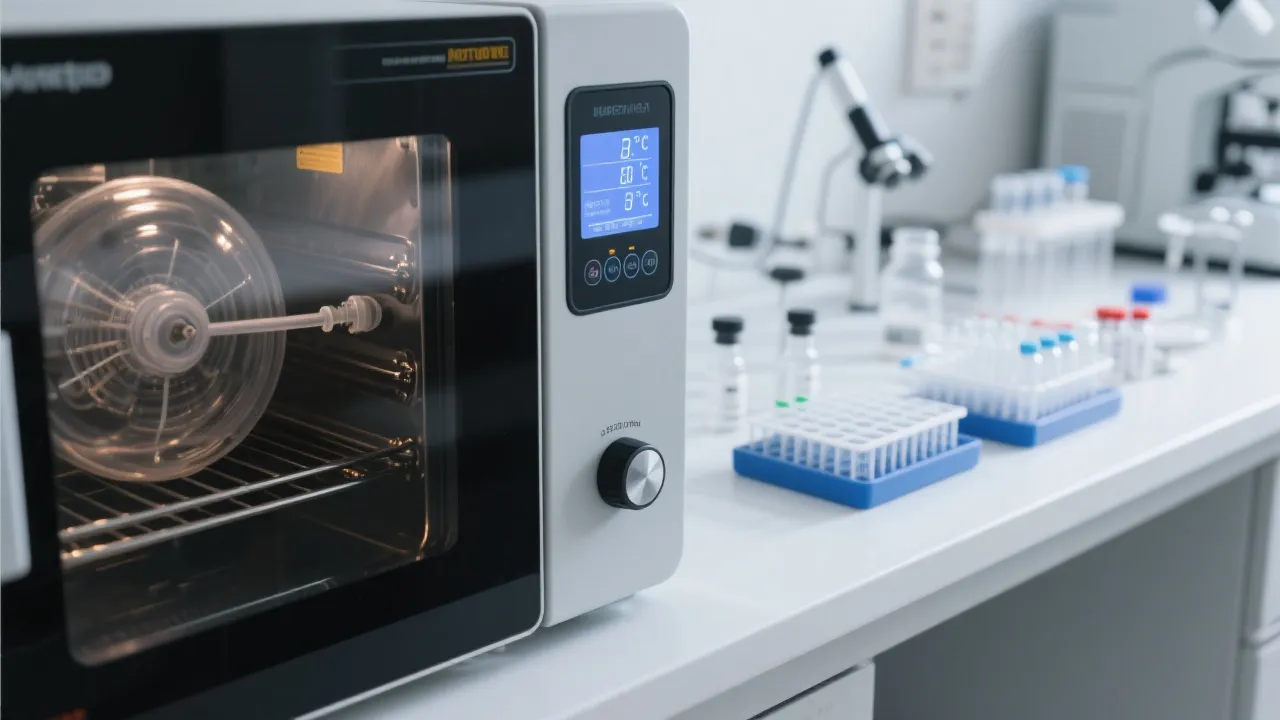
Maximum Vacuum Level: For heat-sensitive compounds (like APIs in pharma), a vacuum level of ≤ 0.1 mbar is essential to prevent decomposition during drying—standard models often only reach 1–2 mbar, which may compromise results.
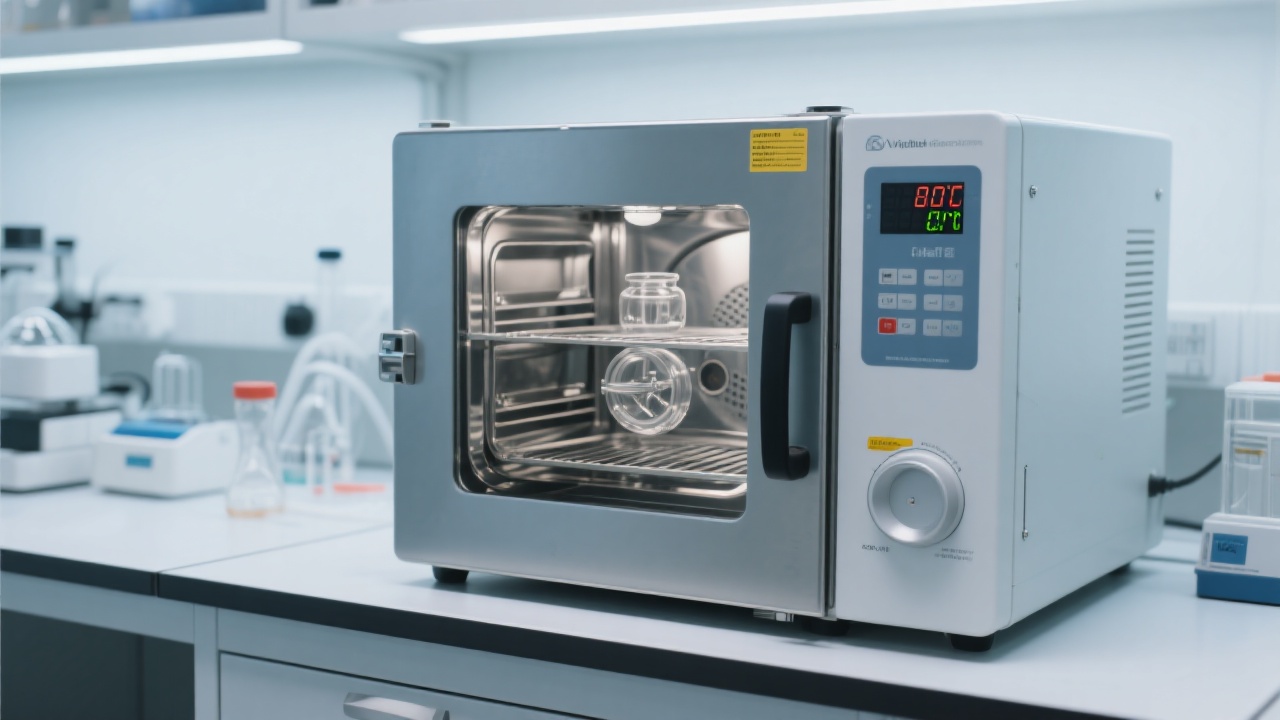
Temperature Control System: PID-controlled systems maintain accuracy within ±0.5°C over long runs—a must for consistent solvent removal in polymer research or catalyst preparation.
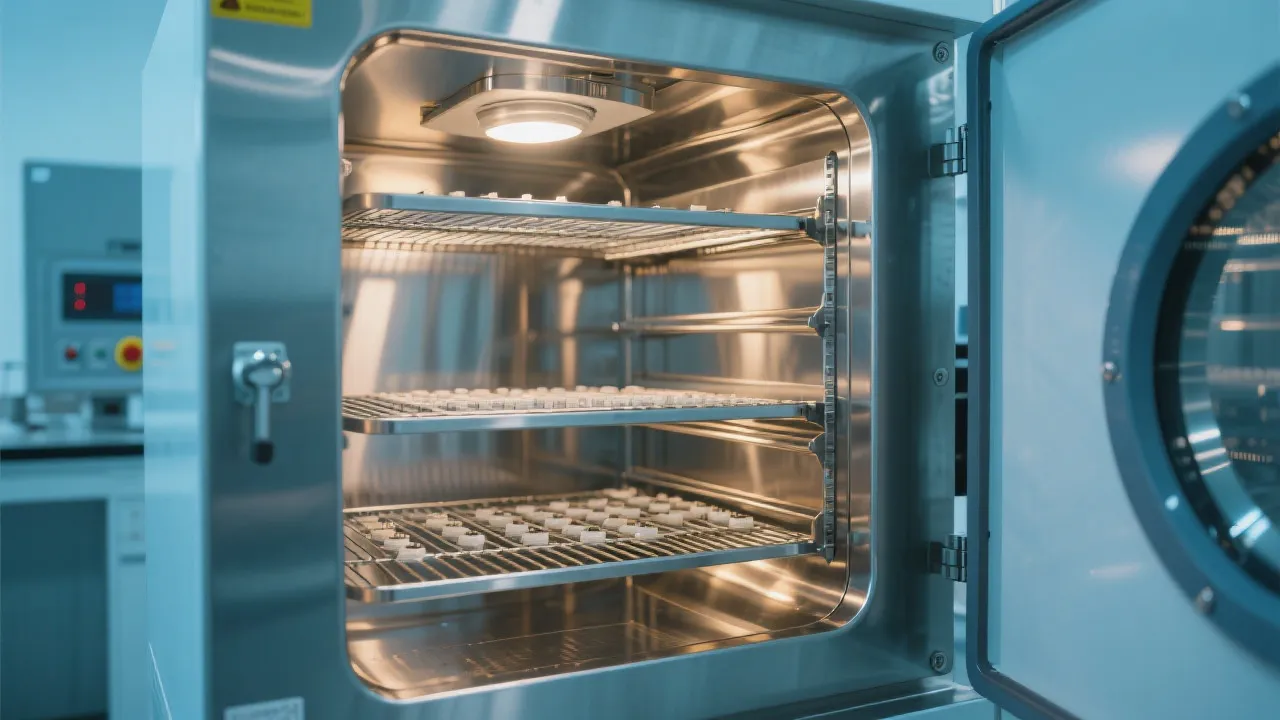
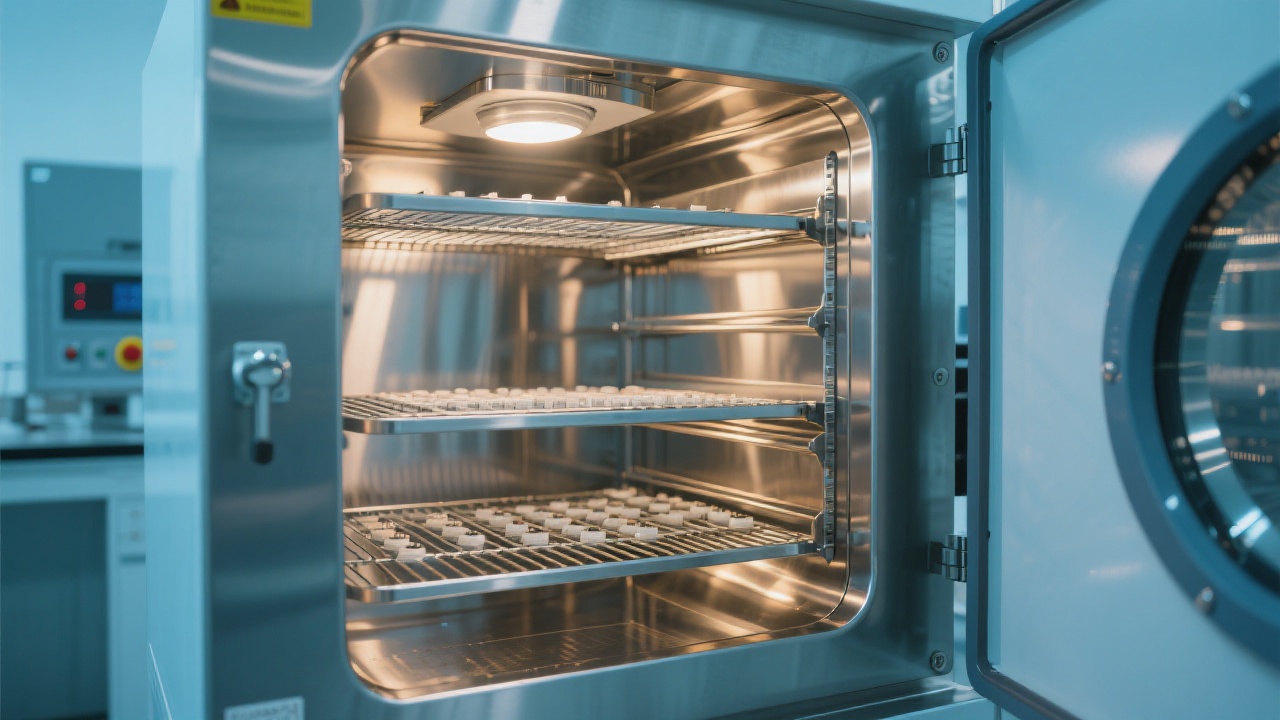
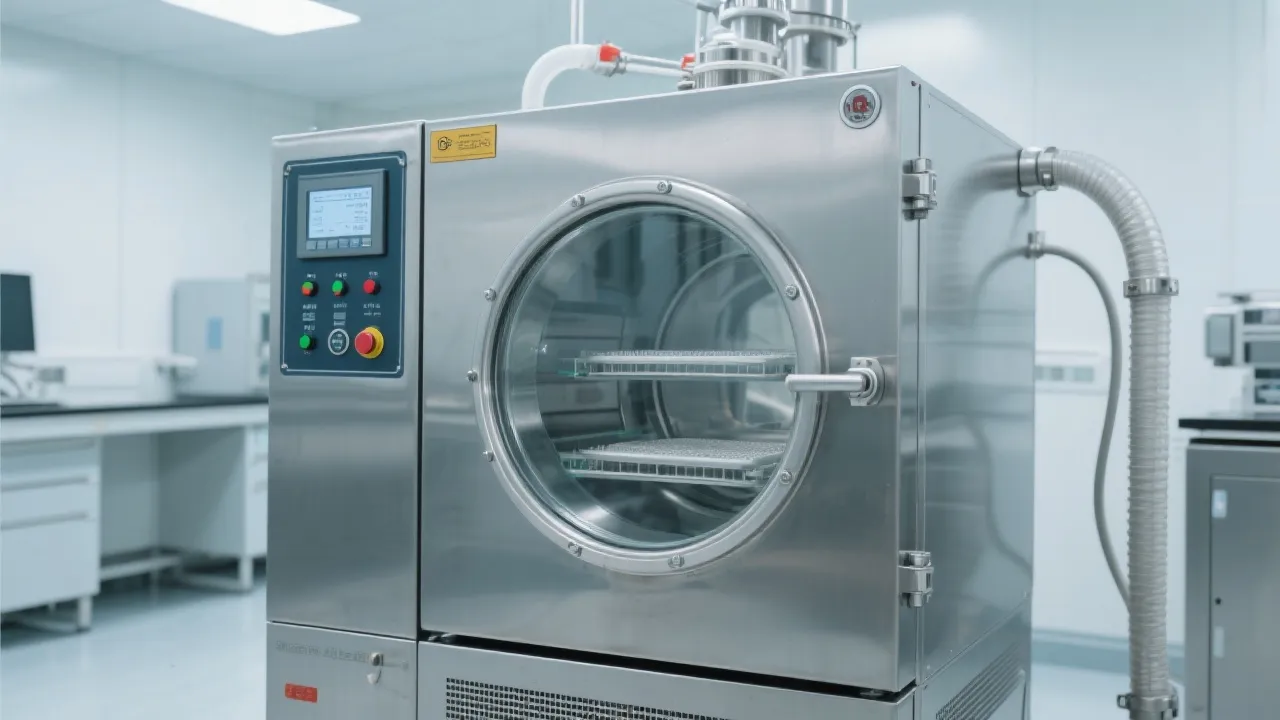
Chamber Material: 304 stainless steel inner chambers resist corrosion from acids, bases, and organic solvents—critical in both chemical synthesis labs and cleanroom environments.
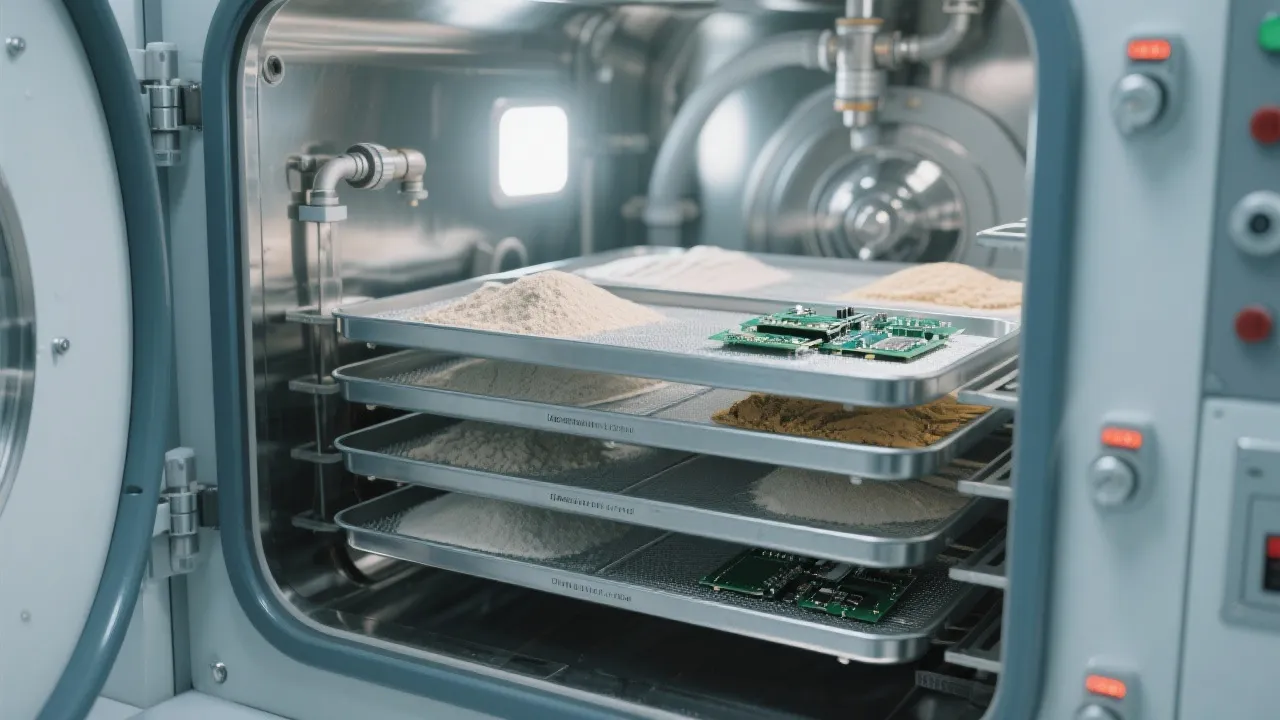
Capacity & Design: A 60L chamber allows batch processing without overcrowding, while internal shelves with adjustable height optimize space for irregularly shaped samples.
Real-world data shows that labs using ovens with digital monitoring (e.g., real-time temperature/vacuum tracking) report 30% fewer failed experiments due to better process control—especially important when working under ISO 17025 or GMP compliance standards.
Industry-Specific Applications: What Works Where?
In the pharmaceutical industry, researchers at a U.S.-based biotech firm reduced residual solvent levels in active ingredients by 40% after switching to a vacuum oven with a dual-stage pump and built-in pressure sensor—key for meeting ICH Q3C guidelines.
For materials science labs, a university in Germany successfully dried graphene oxide films without aggregation by choosing an oven with uniform airflow and a 0.05 mbar vacuum capability—something most standard units lack.
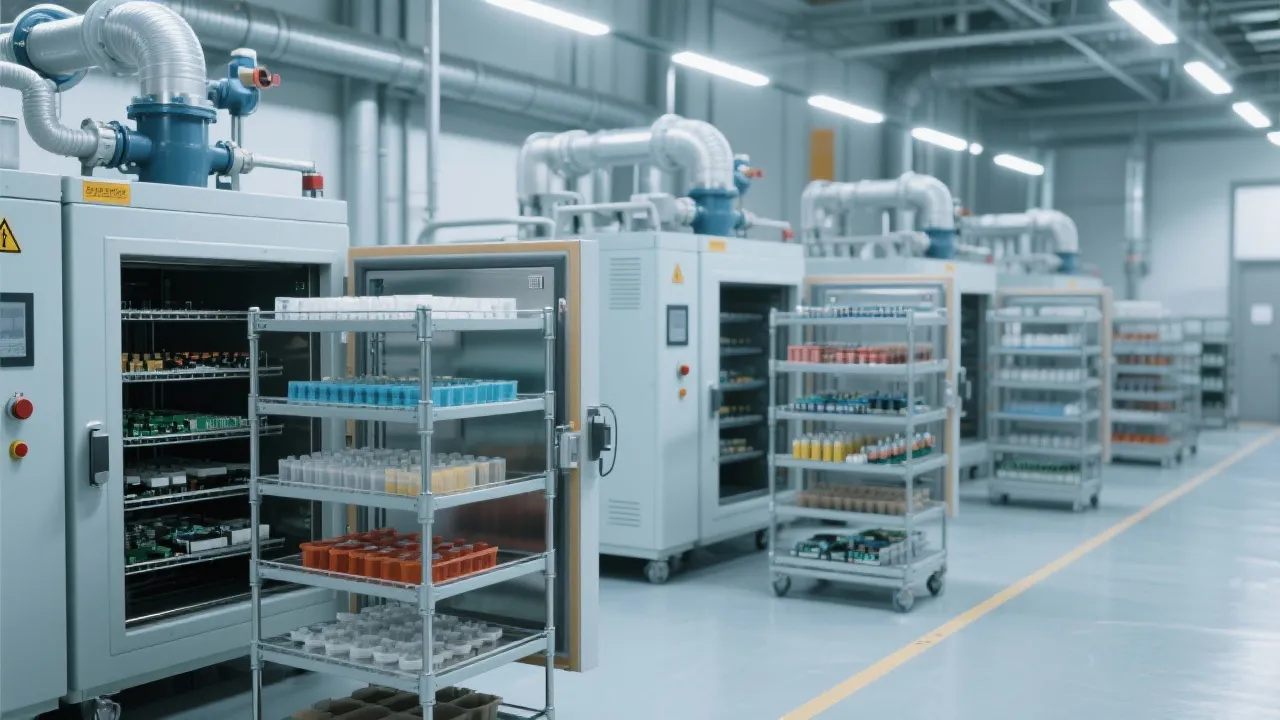
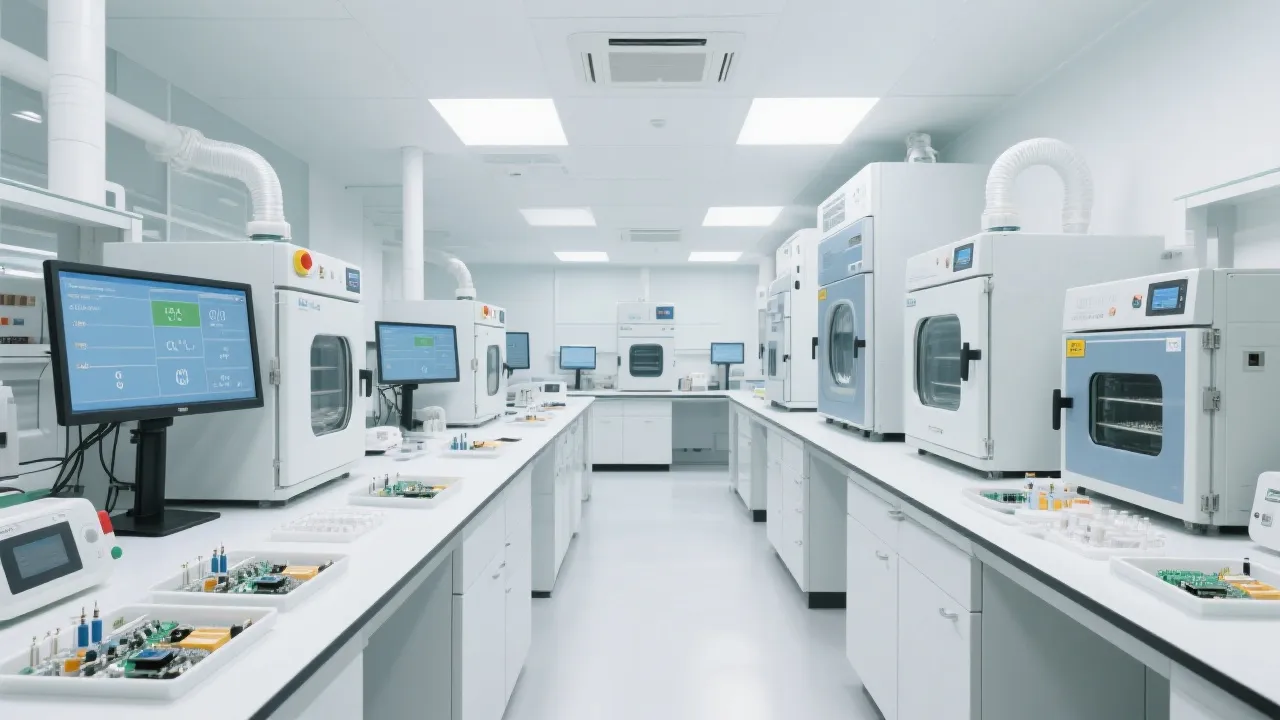
And in electronics manufacturing, engineers found that pre-drying PCBs in a 304SS chamber prevented oxidation issues during soldering—saving thousands in rework costs annually.
Why These Features Matter Beyond Specs
It’s not just about numbers—it’s about outcomes. A well-designed vacuum oven should offer:
Anti-explosion configuration for flammable solvents (e.g., acetone, ethanol)—required in EU and US labs handling volatile substances.
Energy-efficient heating elements that reduce power consumption by up to 25% compared to older models, lowering operational costs.
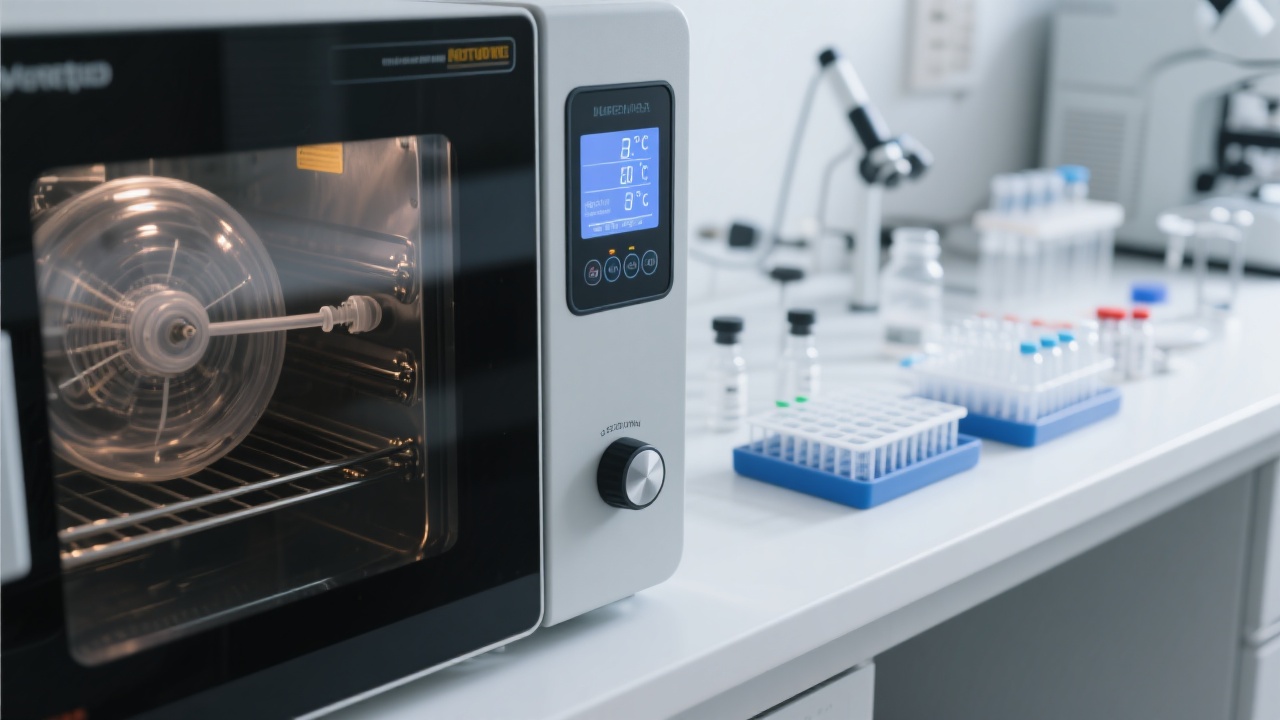
Intuitive digital interface with alarm functions and remote monitoring via LAN or Wi-Fi—ideal for unattended overnight runs.
If you’re still unsure whether your current setup meets your evolving research demands—or if you're evaluating options for procurement—take the next step with confidence.
Ready to Upgrade Your Lab’s Drying Process?
Explore our range of high-performance vacuum ovens engineered for precision, safety, and scalability across industries—from academic labs to industrial R&D centers.