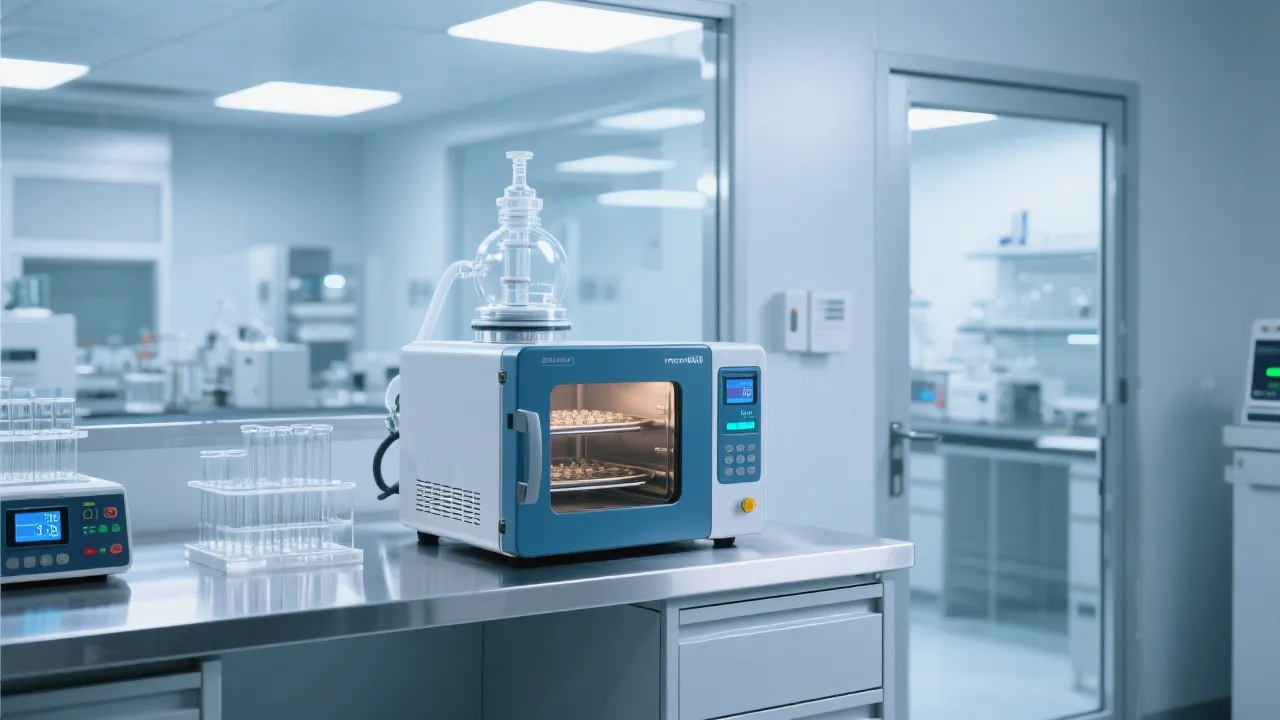
In the global arena of scientific research and product development, laboratory vacuum drying technology stands as a pivotal force in enhancing the quality of exported products. This article delves deep into the core principles, key parameters, and application advantages of this technology, offering valuable insights for researchers and professionals.
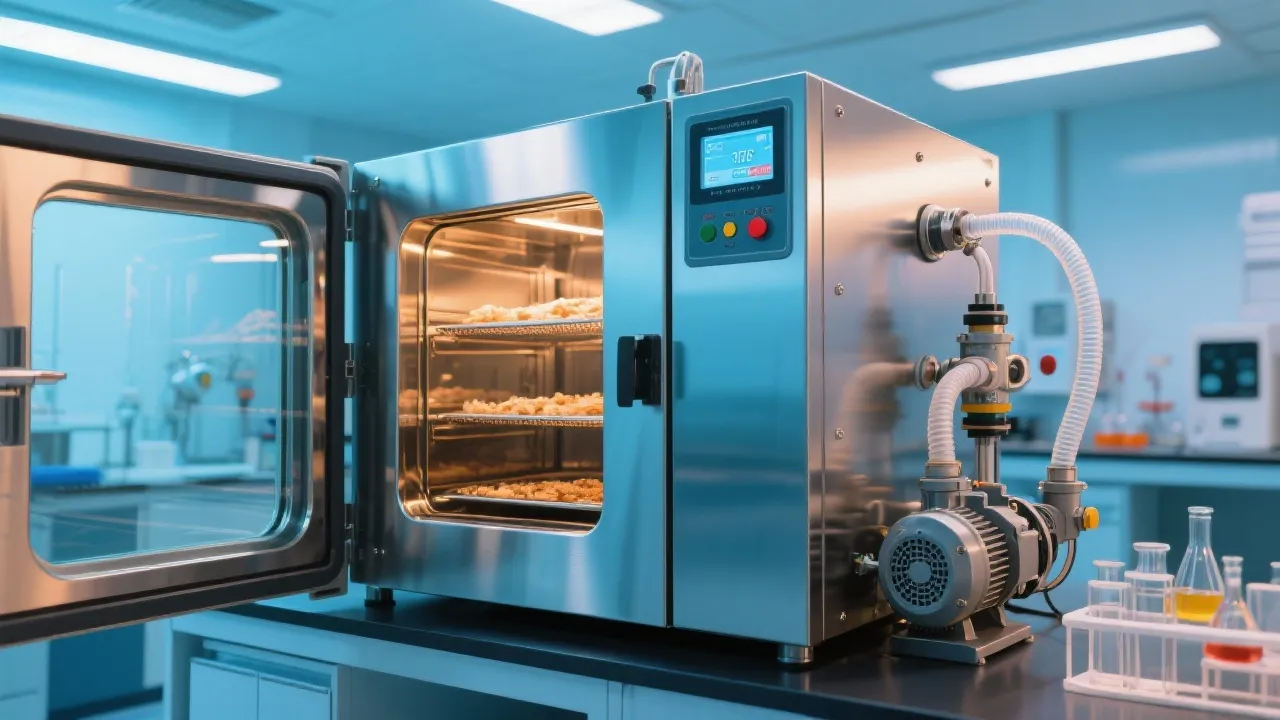
From a physical perspective, in a low - pressure environment, the boiling point of water decreases significantly. This is because the reduction in atmospheric pressure reduces the energy required for water molecules to escape from the liquid phase. For instance, under normal atmospheric pressure (101325 Pa), water boils at 100°C. However, when the pressure is reduced to a very low level, say less than 133 Pa, water can boil at much lower temperatures. This mechanism greatly enhances the drying rate as it allows for faster evaporation of water from the samples, reducing the overall drying time.
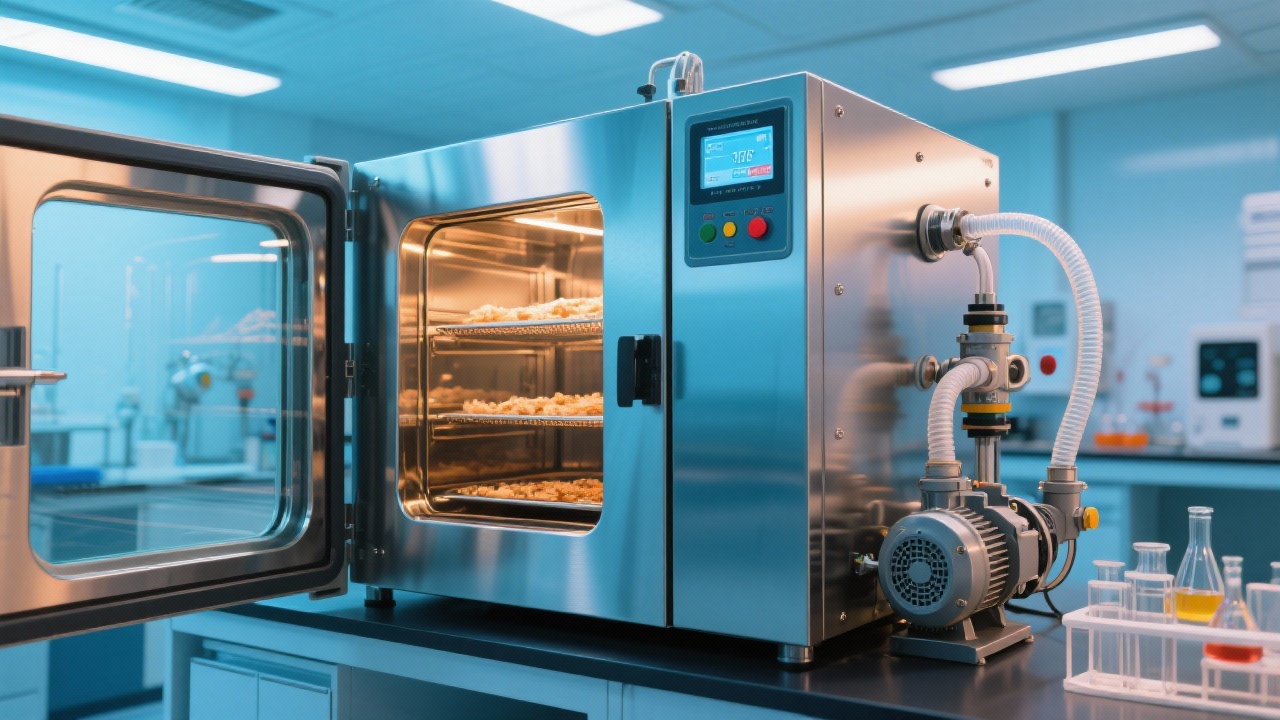
Vacuum degree and temperature control are two crucial parameters in vacuum drying. A vacuum degree of less than 133 Pa creates an environment where water can evaporate rapidly. At the same time, temperature control with an accuracy of ±1°C and a uniform heating degree ensures that the drying process is optimized. The combination of these two parameters helps to achieve better drying results. For example, in a well - controlled vacuum drying process, the uniform distribution of temperature across the sample can prevent local over - heating or under - heating, which is essential for maintaining the integrity of the sample and obtaining reliable experimental data.
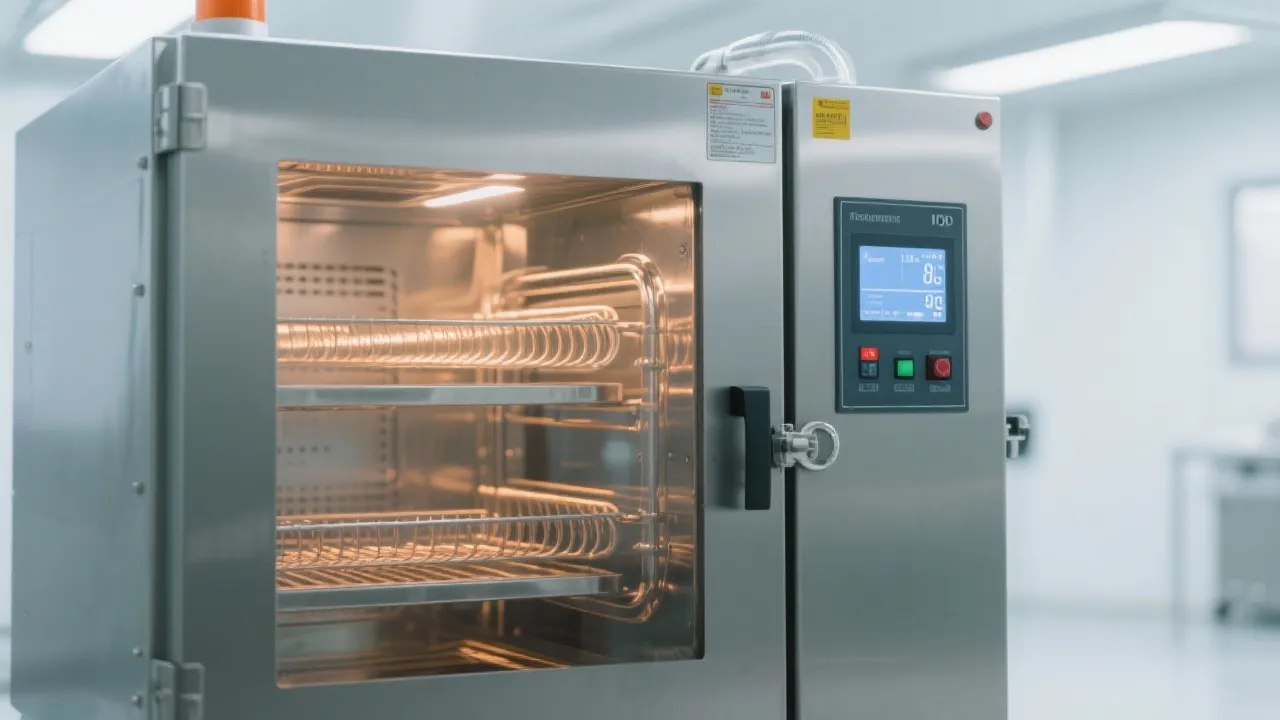
The technology of four - wall uniform heating combined with a PID intelligent temperature control system has shown excellent stability in practical applications. The four - wall uniform heating ensures that the heat is evenly distributed inside the drying chamber, eliminating temperature gradients. The PID intelligent temperature control system can accurately adjust the temperature according to the set values, providing a stable and reliable drying environment. This combination is especially important in applications where precise temperature control is required, such as in the drying of biological samples and heat - sensitive materials.
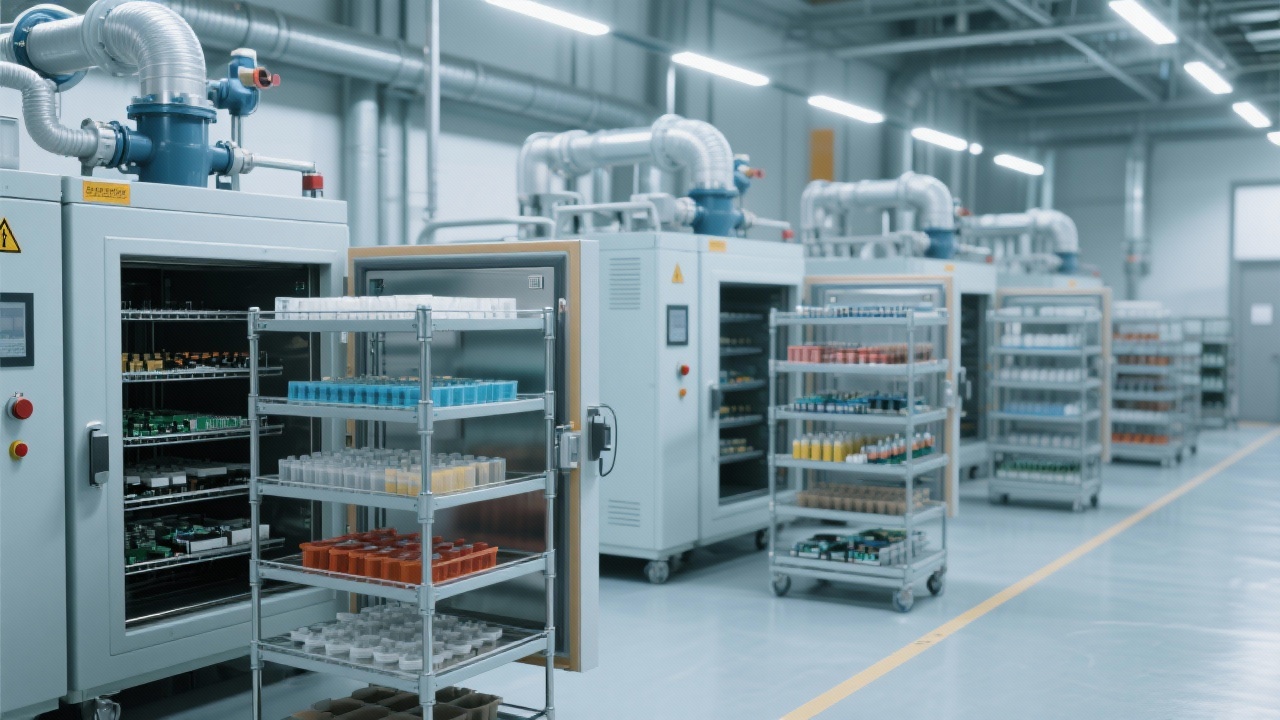
Vacuum drying technology has a wide range of applications in different fields, including materials science, chemical synthesis, and biological sample processing. In materials science, different materials may require different vacuum degrees and temperature settings. For example, when drying some high - performance ceramics, a relatively high vacuum degree and a moderate temperature may be needed to ensure the removal of moisture without damaging the material structure. In chemical synthesis, the drying process can affect the purity and yield of the products. In biological sample processing, maintaining the activity of biological molecules is of utmost importance, so low - temperature and high - vacuum drying conditions are often preferred.
Compared with traditional drying methods, vacuum drying has several significant advantages. Firstly, it can reduce oxidation. In a vacuum environment, the presence of oxygen is greatly reduced, which prevents the oxidation of samples. Secondly, it can maintain the activity of samples, especially for biological and chemical substances. Thirdly, it improves the repeatability of experiments. Since the vacuum drying process can be precisely controlled, the results are more consistent, which is crucial for scientific research and product development.
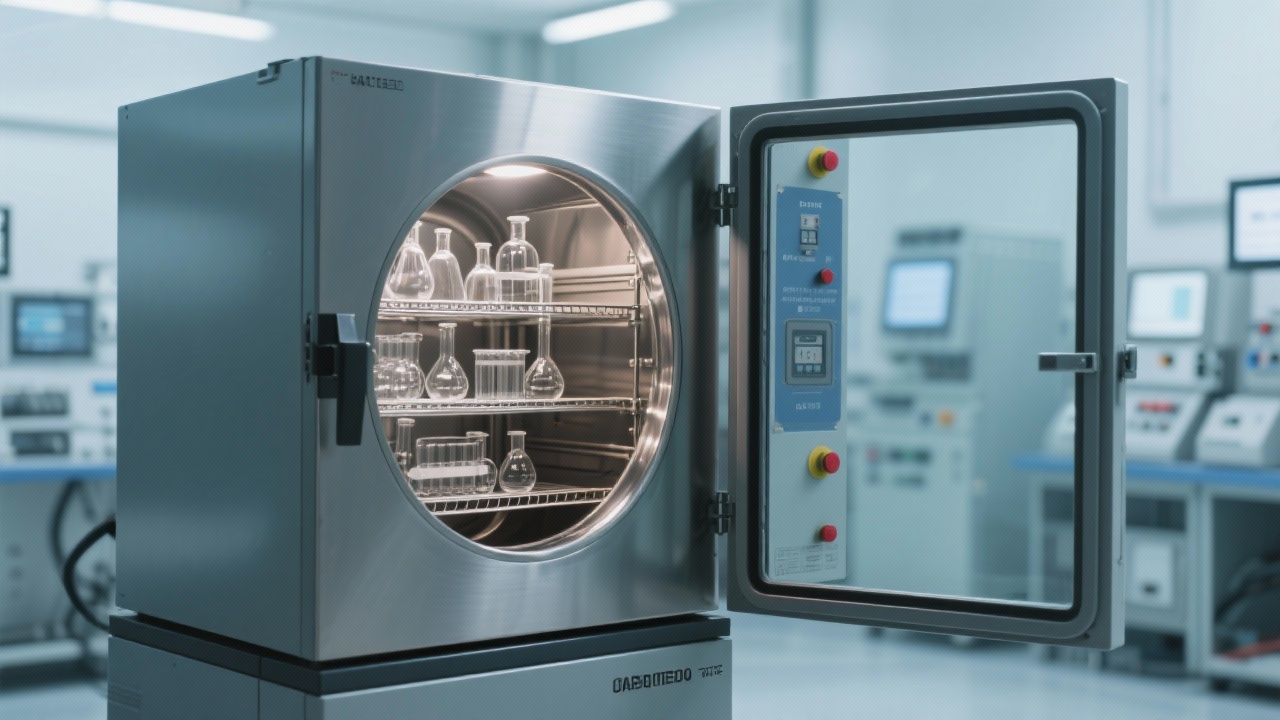
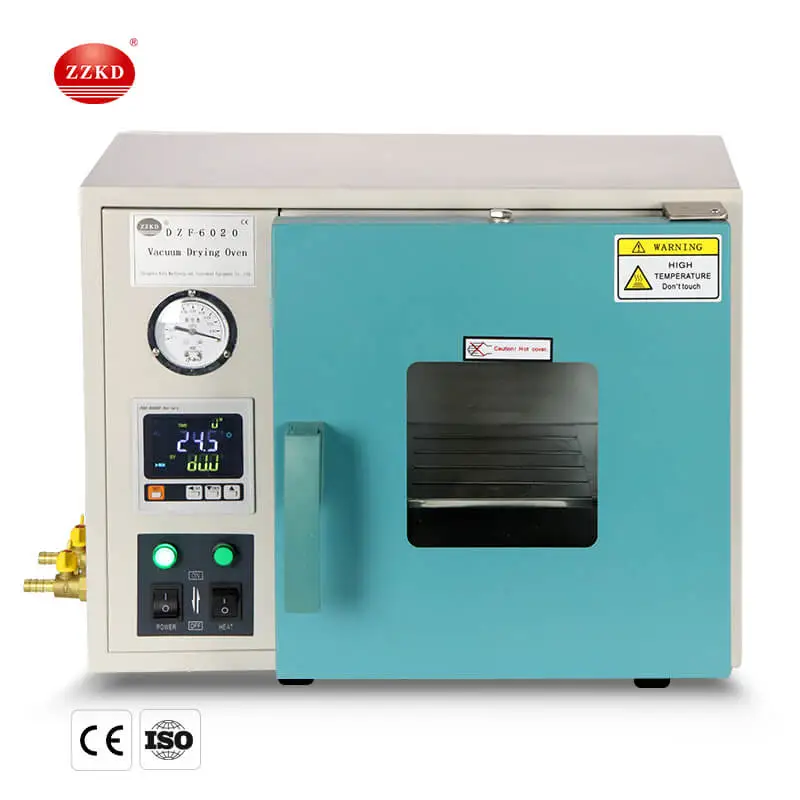
Laboratory vacuum drying technology provides strong support for high - quality scientific research results. It helps researchers improve drying efficiency, enhance the reliability of experimental data, and provides a solid guarantee for high - precision scientific research. The DZ - 3BCII digital vacuum drying box, based on these core technologies, is an ideal choice for laboratories seeking to improve the quality of their research and product development.