

Moisture removal (water-based)
Often effective around 10–50 mbar with moderate heat. Focus on stable control and avoiding condensation backflow.
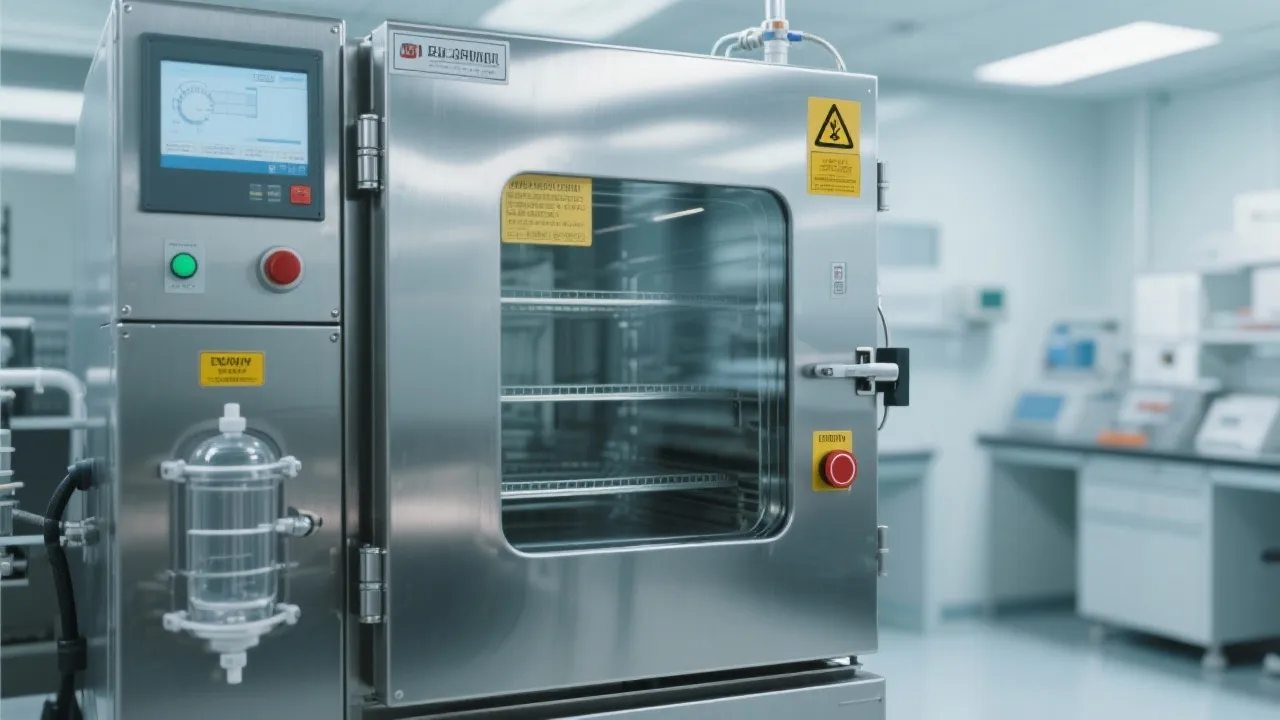
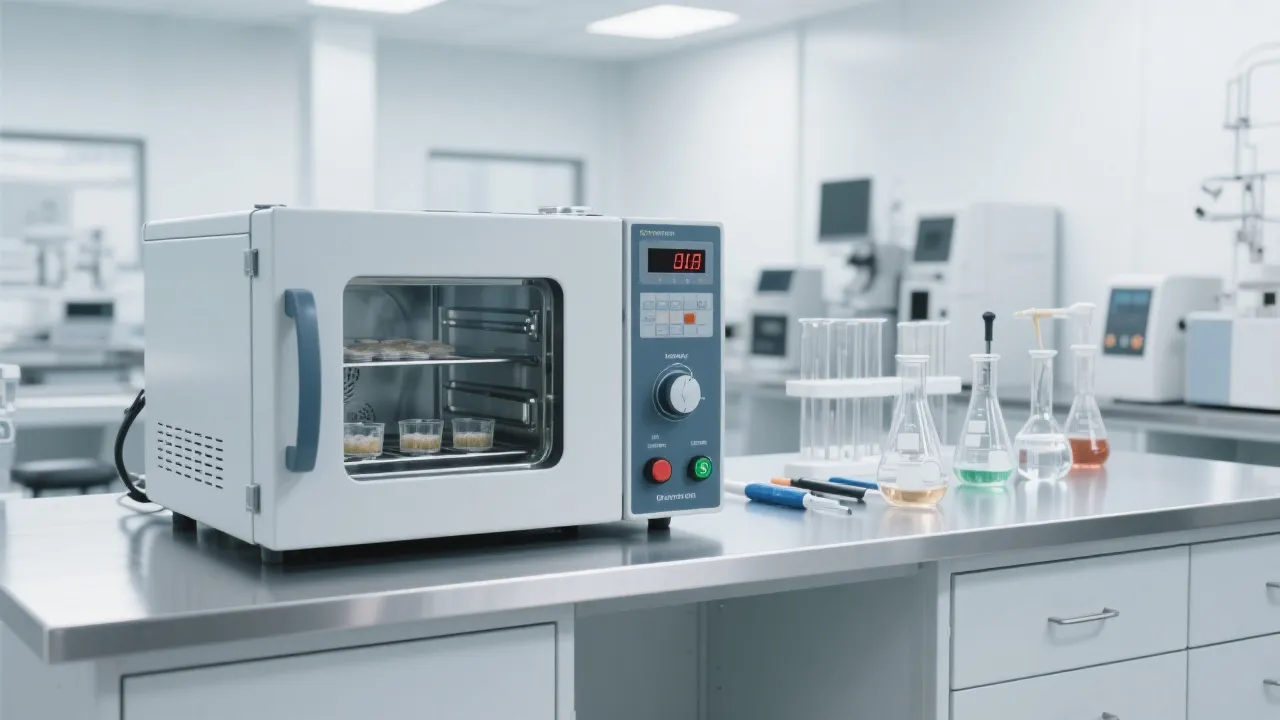
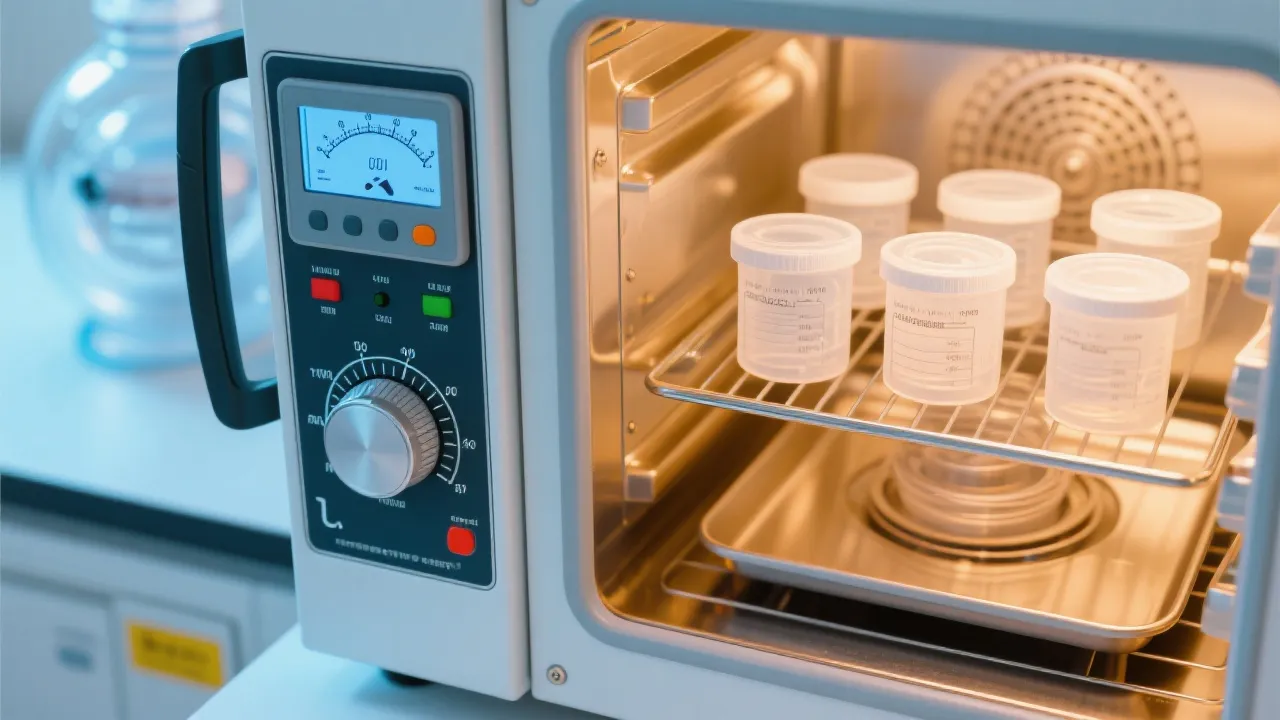
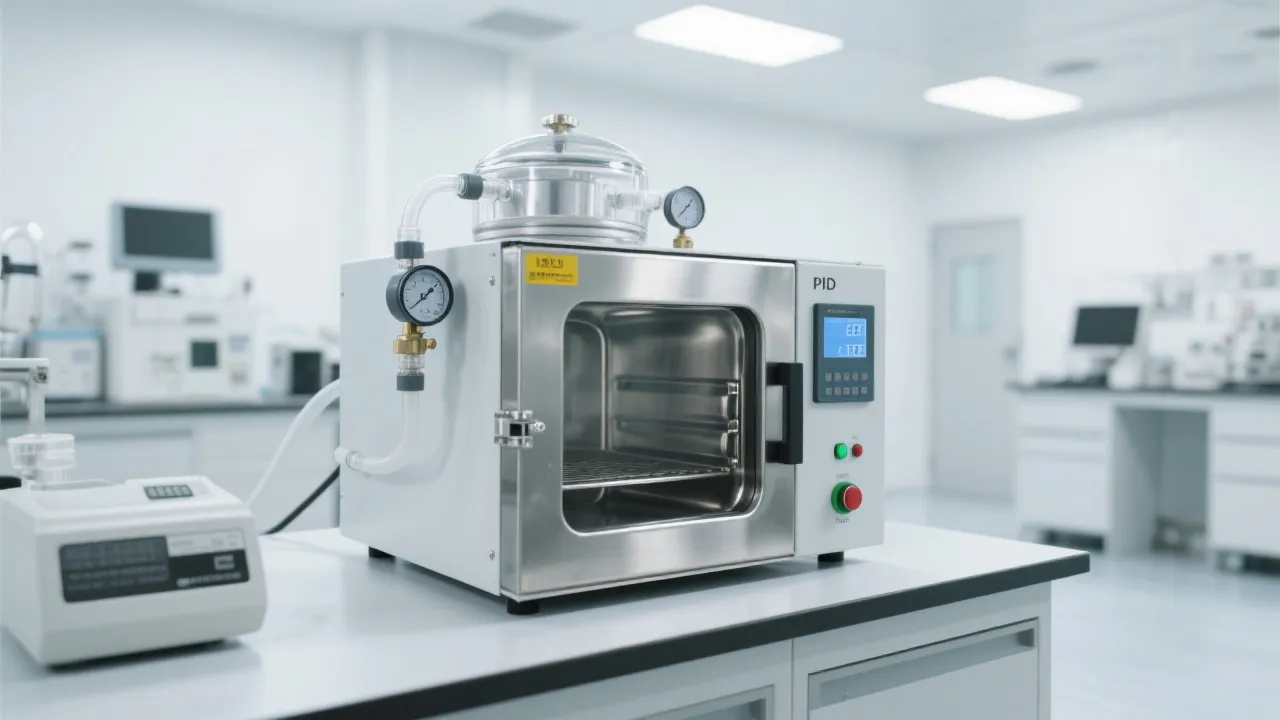
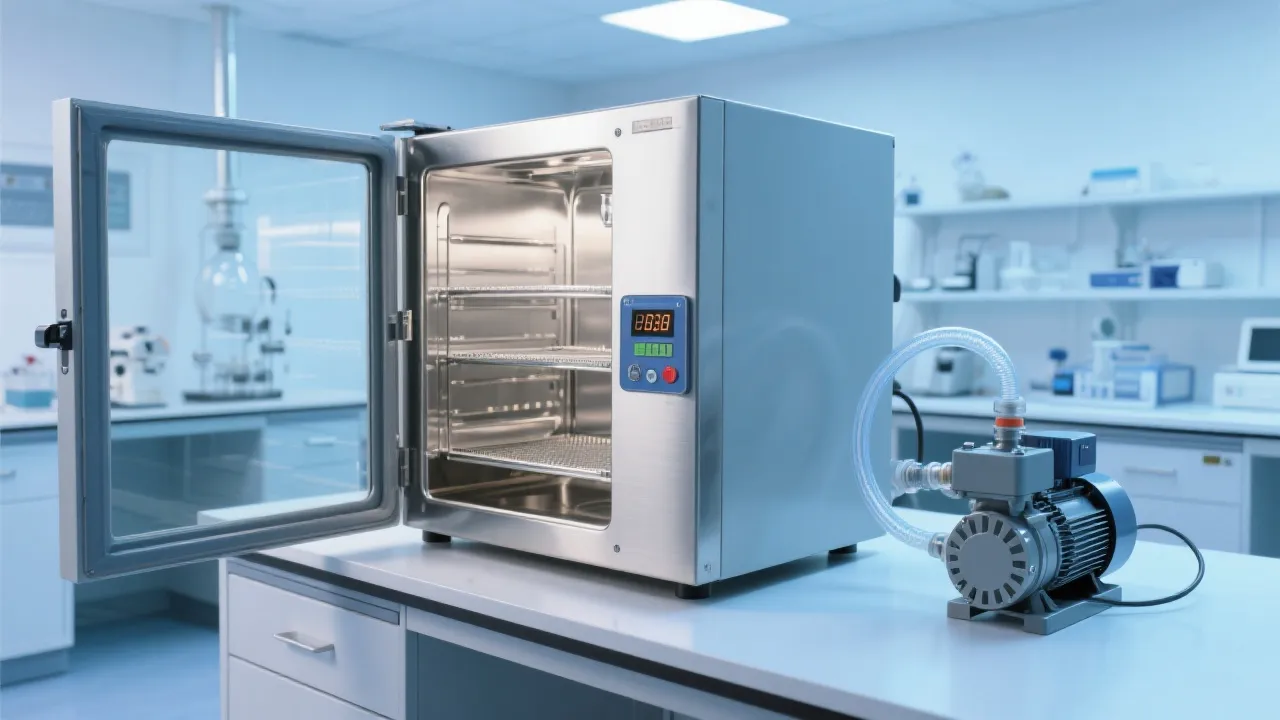
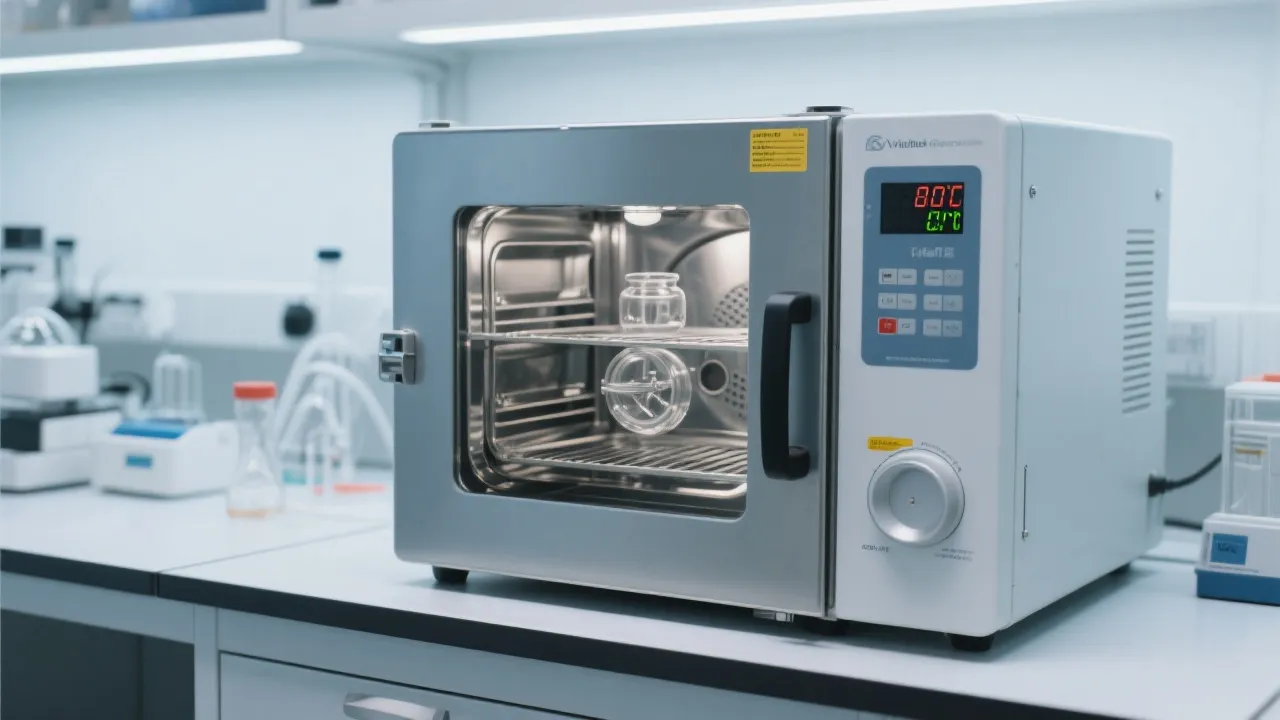
Selecting a vacuum drying device is rarely about “getting the highest spec.” In real labs and pilot plants, the right choice is the one that protects samples, shortens cycle time, and stays stable for years under the chemistry actually used. This guide breaks down the three decision parameters that matter most—temperature control, vacuum performance, and material corrosion resistance—then translates them into clear choices for heat-sensitive substances, electronic components, and pharmaceutical workflows. It also includes practical operating habits (preheating, loading, logging) and maintenance steps that reduce downtime.
Best for: solvents, powders, polymers, electronics, API intermediates
Typical gain: drying at 30–70°C lower than atmospheric drying (depending on solvent)
Key outcome: less oxidation + fewer thermal defects + more consistent residual moisture
In vacuum drying, temperature is not just “how hot the chamber can get.” It is about how accurately heat is delivered to the sample across shelves, how fast it recovers after door openings, and how predictably it holds setpoint over long runs. For many lab users, uniformity and stability matter more than a higher maximum temperature.
| Application | Typical Setpoint | Why it works | Selection tip |
|---|---|---|---|
| Heat-sensitive powders, enzymes, botanical extracts | 25–45°C | Protects activity, color, and volatile fractions | Prioritize stable low-temp control & gentle ramping |
| Electronics, PCBs, coils, encapsulated parts | 40–80°C | Removes moisture without warping or delamination | Look for uniform shelves and precise timer/records |
| Pharma intermediates, crystals, hygroscopic APIs | 40–70°C | Balances throughput and solid-form stability | Consistent profiles support SOPs and validations |
| Glassware drying, general lab prep | 70–120°C | Fast removal of water; robust routine cycles | Choose dependable controller + easy cleaning surfaces |
Practical benchmark: for many lab-grade digital vacuum ovens, a stable control capability around ±1°C and a uniform distribution in the working area around ±2–3°C is a realistic target for repeatable results (actual performance depends on load and airflow/heat path design).
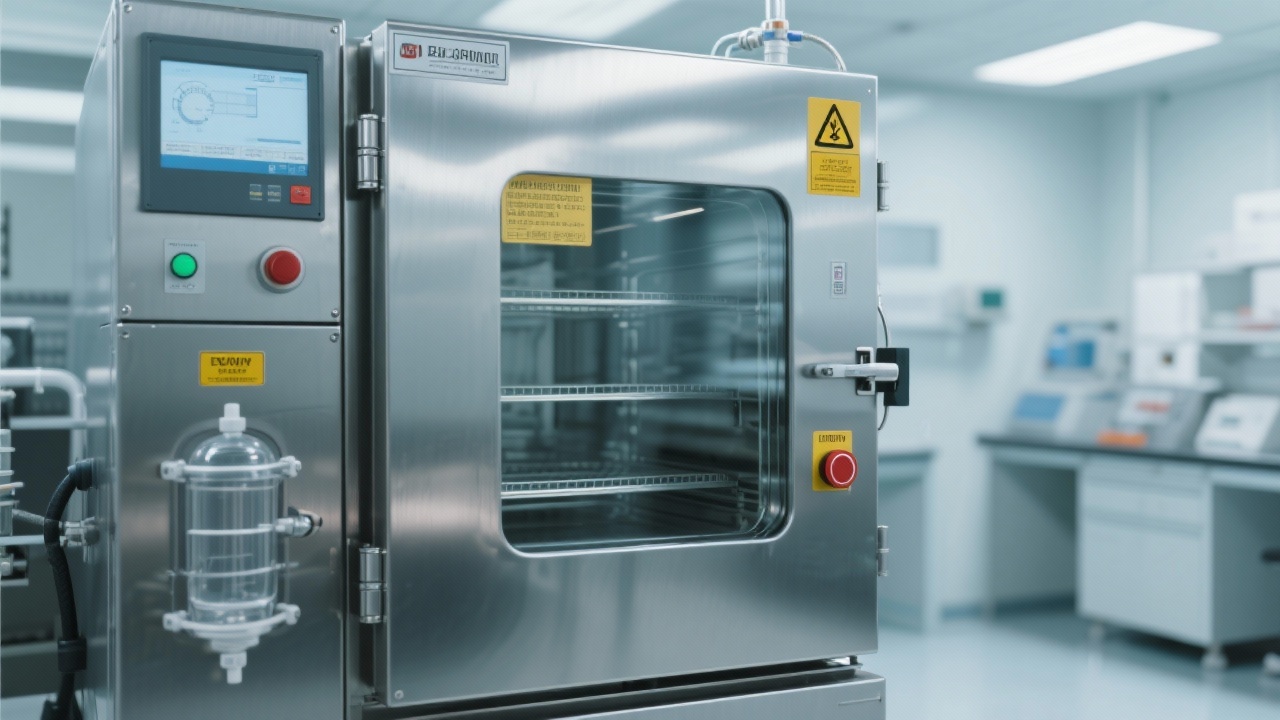
Vacuum level determines how easily solvents and moisture leave the sample at a given temperature. Lower pressure can accelerate drying and reduce oxidation, but it also changes boiling behavior and can increase bumping, foaming, or crust formation if the ramp is too aggressive. The smarter approach is to define vacuum requirements by solvent type, sample geometry, and quality risk.
Often effective around 10–50 mbar with moderate heat. Focus on stable control and avoiding condensation backflow.
Controlled ramps at 1–20 mbar can reduce temperature stress. Use staged vacuum to prevent bumping.
When chasing very low residuals, systems capable of ≤1 mbar performance and leak-tight design become important.
Corrosion is not a cosmetic issue—corroded surfaces can contaminate samples, degrade vacuum integrity, and increase maintenance frequency. Selection should start with an honest list of the lab’s most frequent exposures: acidic vapors, chlorides, solvent mixtures, and cleaning agents.
| Component | Preferred options | Best for | Watch-outs |
|---|---|---|---|
| Inner chamber | 304/316 stainless steel | Most solvents, moisture, routine lab use | Chloride-rich, strong acid vapor needs extra caution |
| Shelves & trays | Stainless steel + smooth finish | Easy cleaning, less adsorption of residues | Rough surfaces trap powders and affect reproducibility |
| Gaskets / seals | Silicone, FKM (Viton-class), PTFE where applicable | Stable vacuum with chemical compatibility | Some solvents swell standard elastomers over time |
| View window | Tempered glass + protective design | Safe observation without breaking vacuum SOP | Avoid sudden temperature shock; keep clean to reduce haze |
For labs frequently drying acidic or halogenated residues, corrosion planning should include not only chamber metal but also valves, fittings, and gasket compounds. A well-matched material stack reduces leak risk and keeps vacuum curves consistent over time.
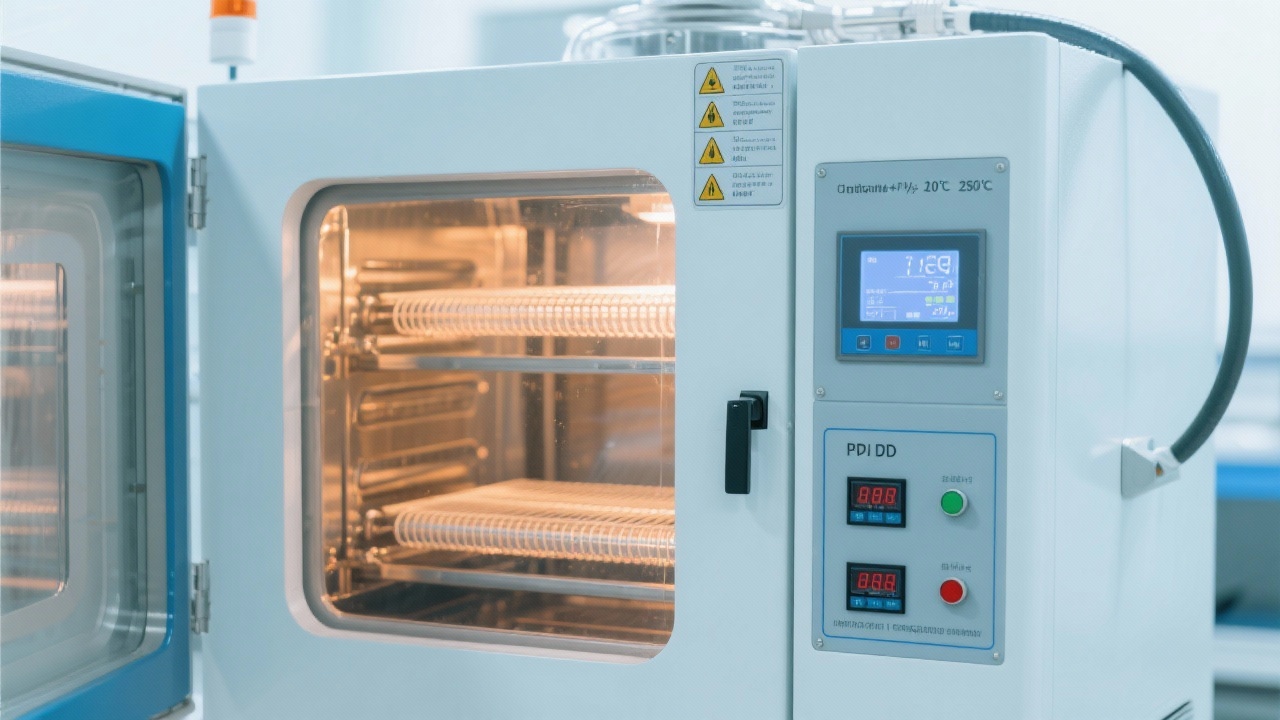
Even the best vacuum drying oven can underperform with poor loading habits or rushed vacuum ramps. The following steps are simple, SOP-friendly, and repeatedly show measurable cycle improvements in daily use.
Many teams load samples into a cold chamber and then start a run. This often creates condensation on cooler surfaces and slows the first half of the cycle. A practical habit is to preheat 15–30 minutes to the target temperature (or slightly below for sensitive samples), then load quickly and begin vacuum steps.
The fastest path to consistent outcomes is keeping a simple run record: sample mass in/out, setpoint, time-to-reach vacuum, and any deviations. When a lab upgrades to a digital vacuum drying cabinet with stable control and clear readouts, these records become easier to maintain and compare—especially across shifts or sites.
Vacuum drying systems degrade slowly—until they fail suddenly (unstable vacuum, longer cycles, unexpected odors, or seal leaks). A lightweight maintenance routine keeps performance predictable without adding operational burden.
Wipe chamber and shelves; inspect gasket seating; verify door closes evenly.
Check vacuum lines/valves; test vacuum hold (simple leak check); clean viewing window properly.
Maintain pump oil/filters and traps as specified; poor pump health often looks like “slow drying.”
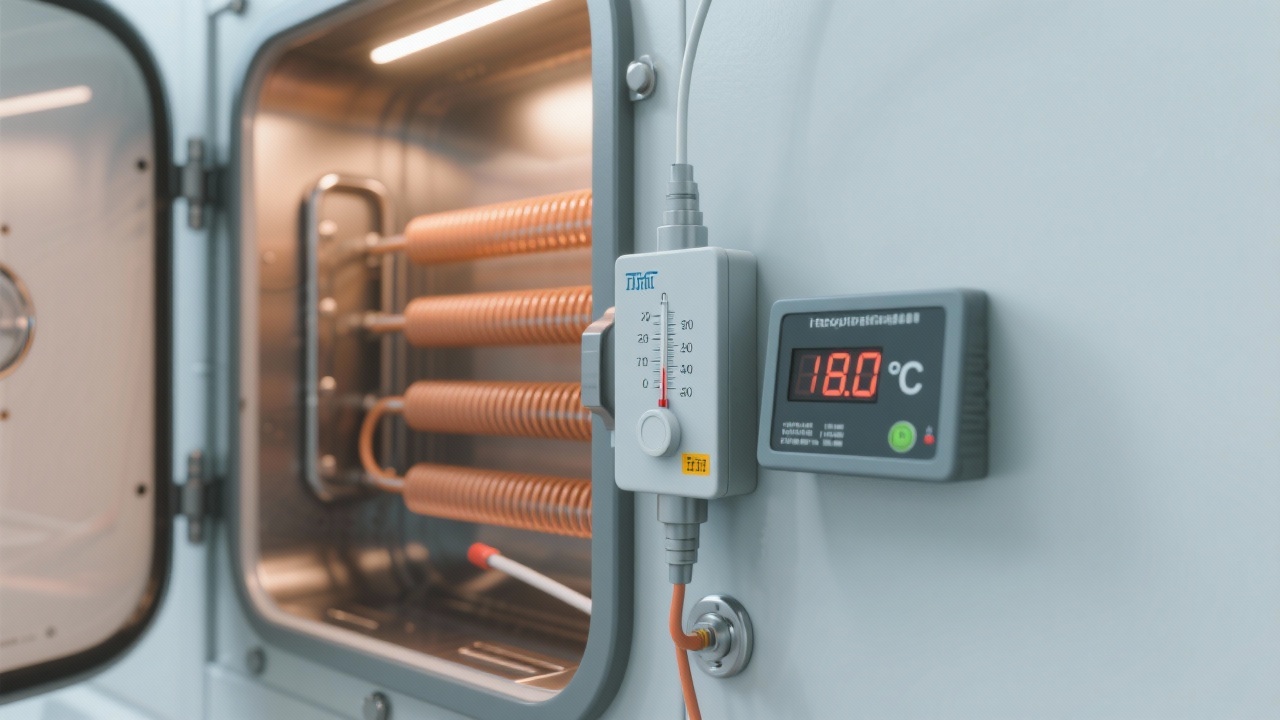
In multi-project environments, equipment value is measured by repeatability, ease of operation, and compatibility across use cases—not by a single extreme specification. The DZ-1BCII digital vacuum drying cabinet is positioned for labs and industrial users who want a reliable, day-to-day system that supports both development work and routine drying tasks.
For teams comparing options, the most productive evaluation method is simple: define a representative sample and cycle, then check whether the oven maintains steady temperature, reaches target vacuum smoothly, and stays consistent across repeated runs. That is where a well-built digital vacuum drying system typically proves its value.
Share your sample type (solvent/moisture), target temperature, and expected residual requirements. A specialist can recommend a practical configuration and a ramp strategy aligned with your workflow.
Request a DZ-1BCII Digital Vacuum Drying Oven selection consultation / trial guidanceTypical info to prepare: sample mass & container, solvent type, temperature limit, desired vacuum level, and throughput per day.