Laboratory Vacuum Drying Technology: Principles, Applications, and Global Trade Value

07 04,2026
Zhengzhou Keda Mechanical Instrument Equipment Co., Ltd.
Technical knowledge
This article explores the fundamental principles of laboratory vacuum drying technology, focusing on how reduced pressure accelerates water evaporation and how vacuum level and temperature control impact drying efficiency. With real-world case studies from materials science, biologics, and chemical samples, it demonstrates how adjusting parameters optimizes experimental outcomes. A comparison with traditional drying methods highlights advantages such as oxidation prevention and preservation of heat-sensitive compounds. Designed for both researchers and international trade professionals, this guide blends technical depth with practical insights—enhancing reproducibility and product quality in global markets. Discover how smart controls like uniform heating and PID temperature regulation elevate performance across industries.
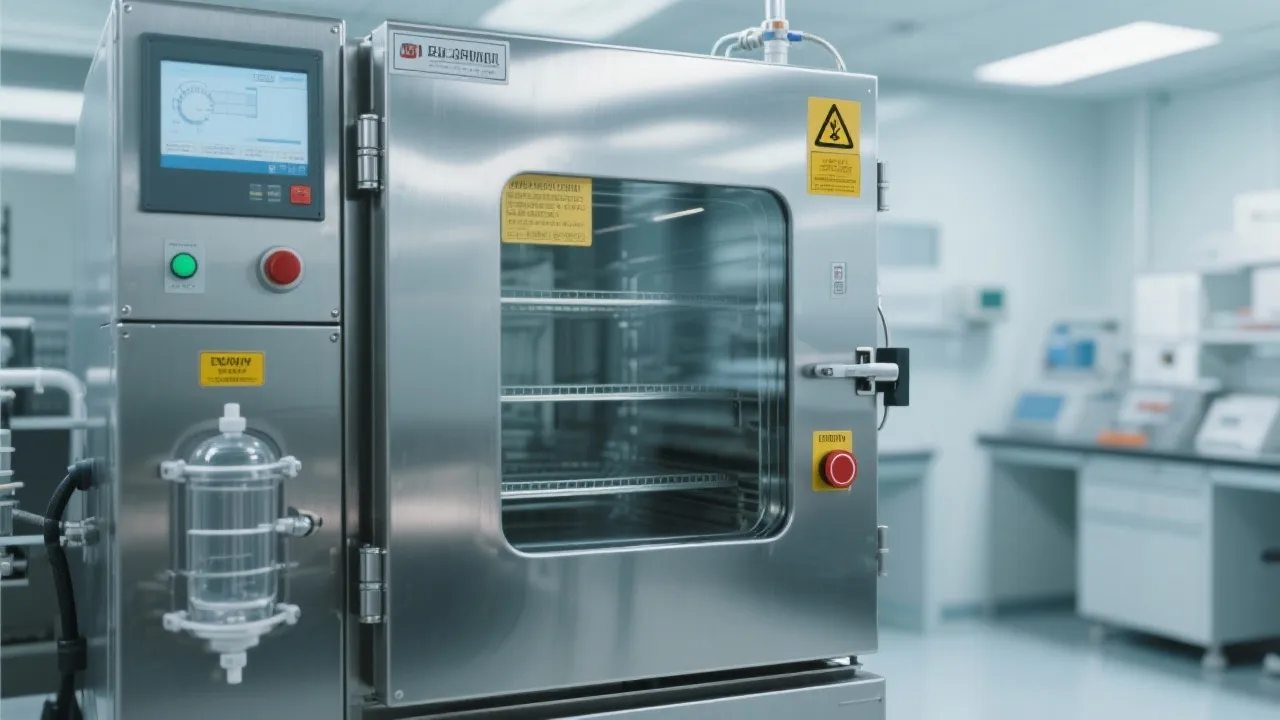
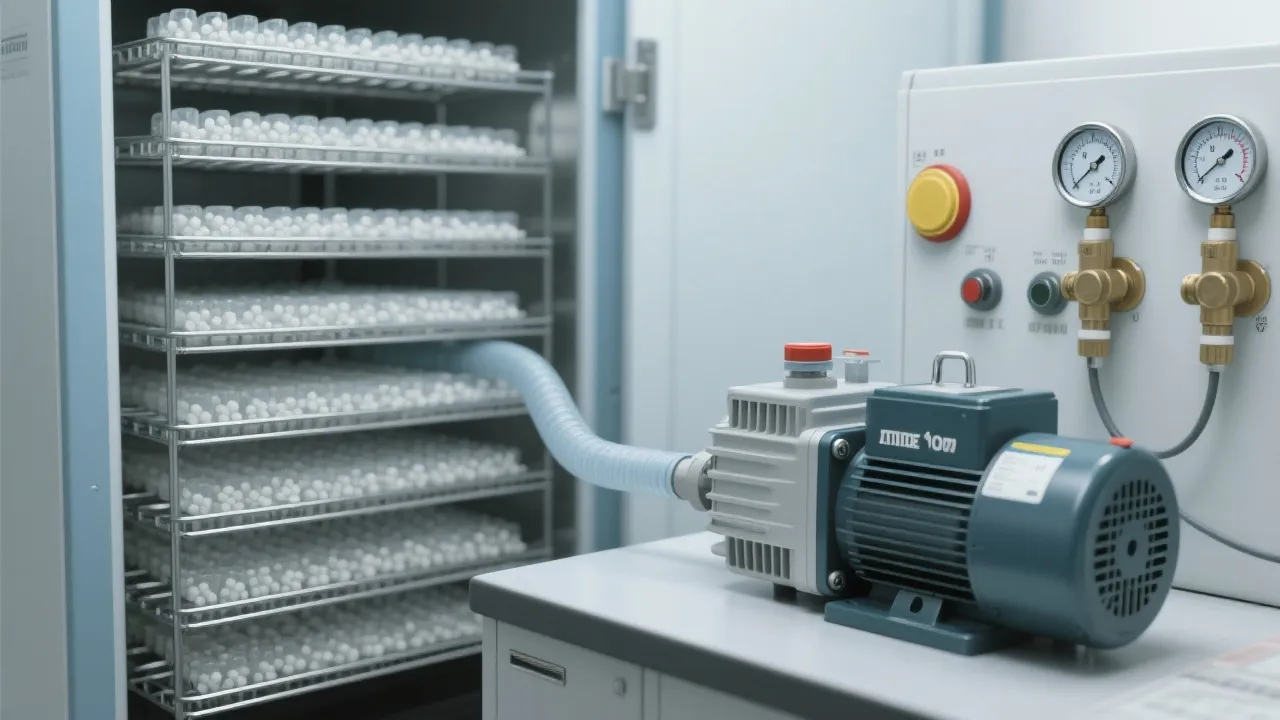
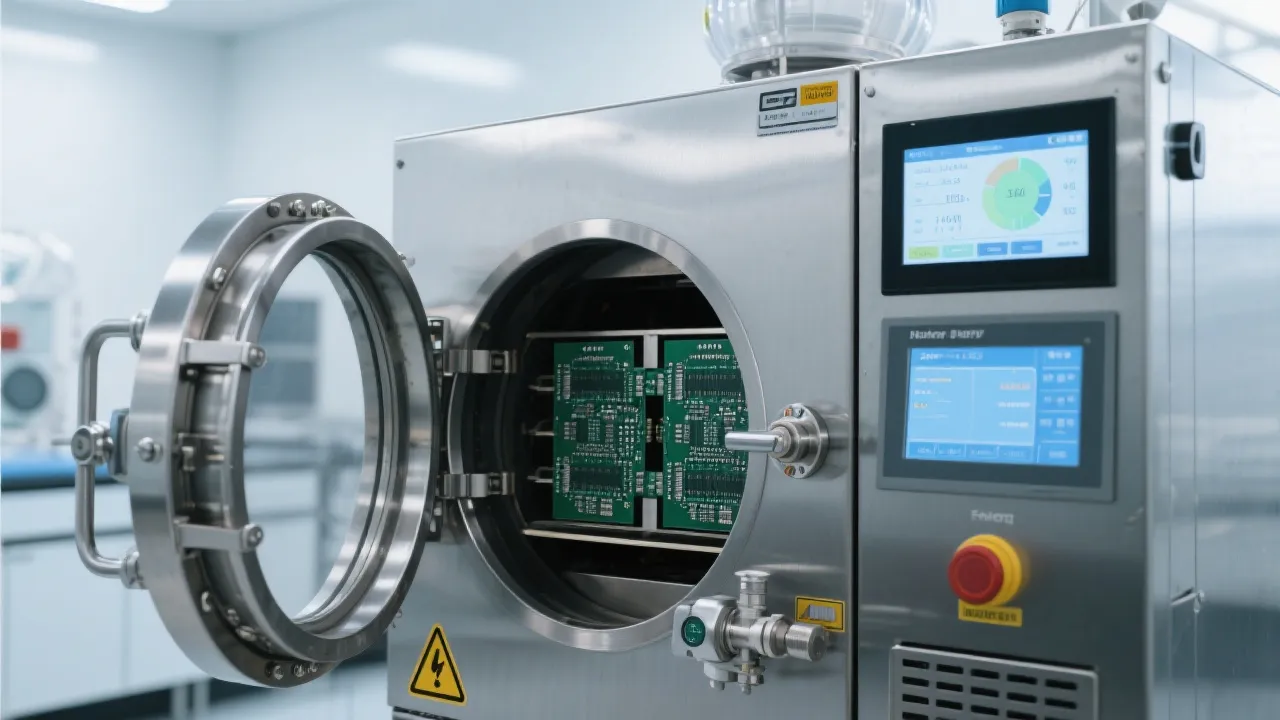
Diagram showing how reduced pressure lowers boiling point of water in a vacuum chamber

Understanding Vacuum Drying in Lab Settings: A Technical Edge for Global Exporters

For researchers and lab managers worldwide, vacuum drying isn’t just a process—it’s a precision science. By reducing atmospheric pressure, water evaporates at lower temperatures, making it ideal for heat-sensitive materials like pharmaceuticals, biological samples, and advanced polymers. In fact, studies show that under 0.1 mbar vacuum conditions, moisture removal can be up to 40% faster than conventional air drying—without compromising sample integrity.

How Pressure and Temperature Work Together

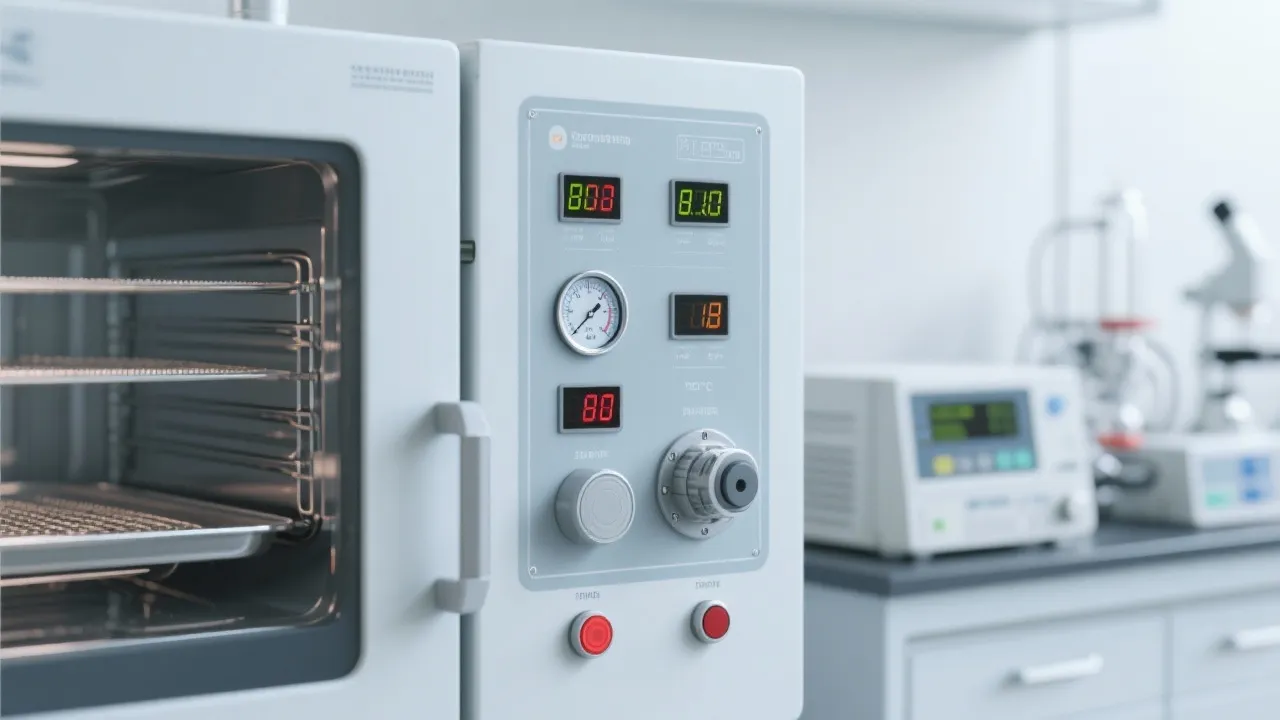
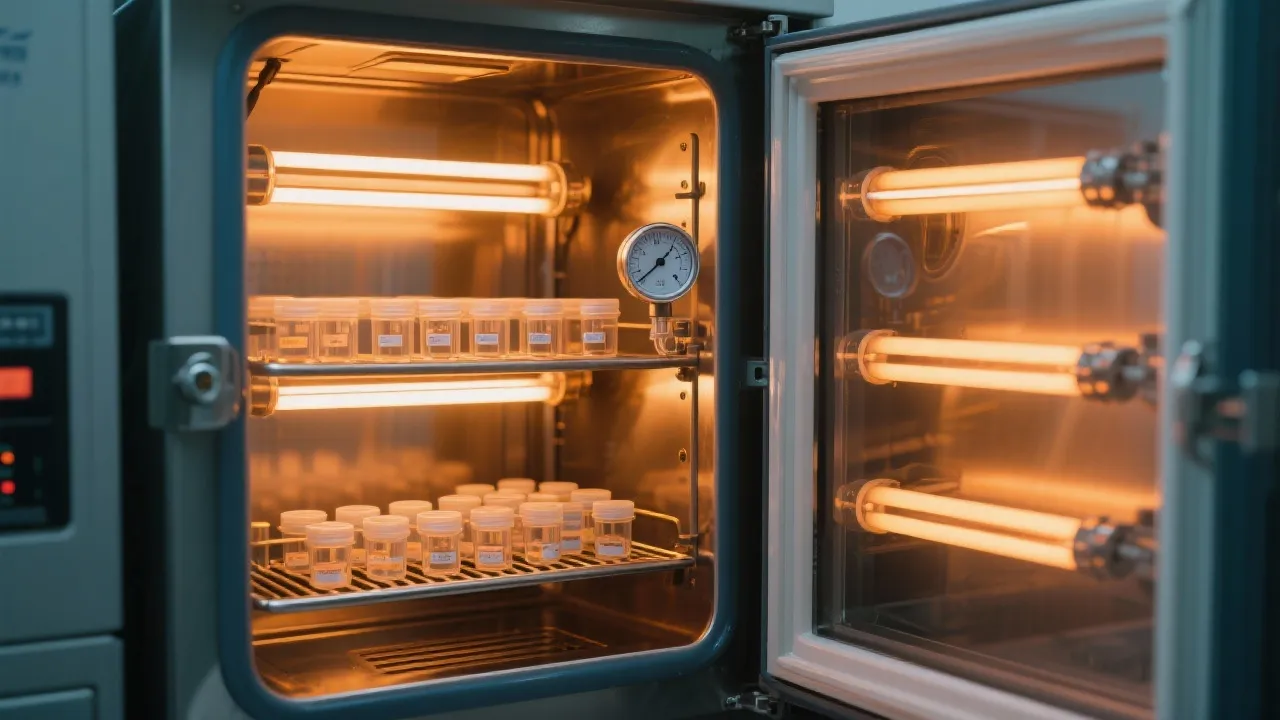
The key lies in the relationship between vacuum degree and temperature control. At standard atmospheric pressure (1013 mbar), water boils at 100°C—but reduce the pressure to around 50 mbar, and boiling drops to just 30–40°C. This is where PID-controlled heating systems shine: they maintain uniform thermal distribution across the chamber, preventing hotspots that could degrade sensitive compounds.

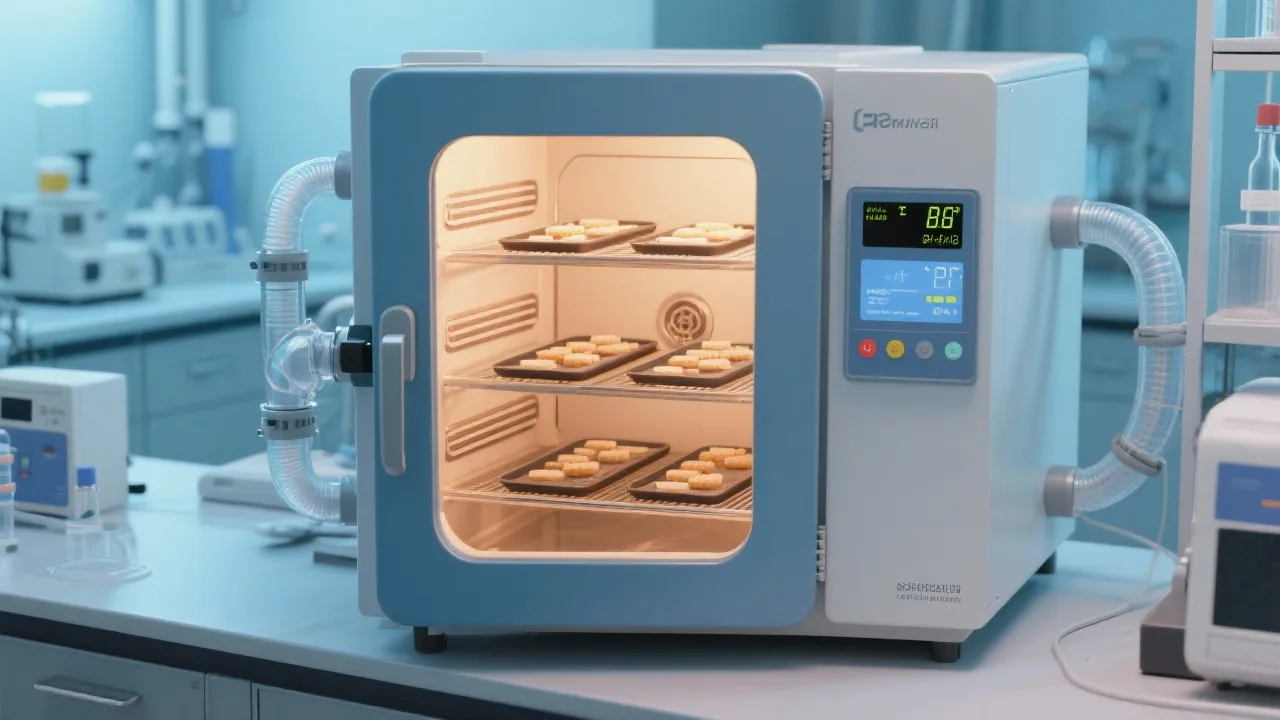
A real-world example from a biotech firm in Singapore illustrates this well: using a LabVac Pro Series with integrated PID temperature regulation, their protein samples retained over 95% of original activity after drying—versus only 70% with traditional tray dryers. That’s not just better efficiency—it’s data reliability you can trust when exporting scientific instruments or reagents globally.
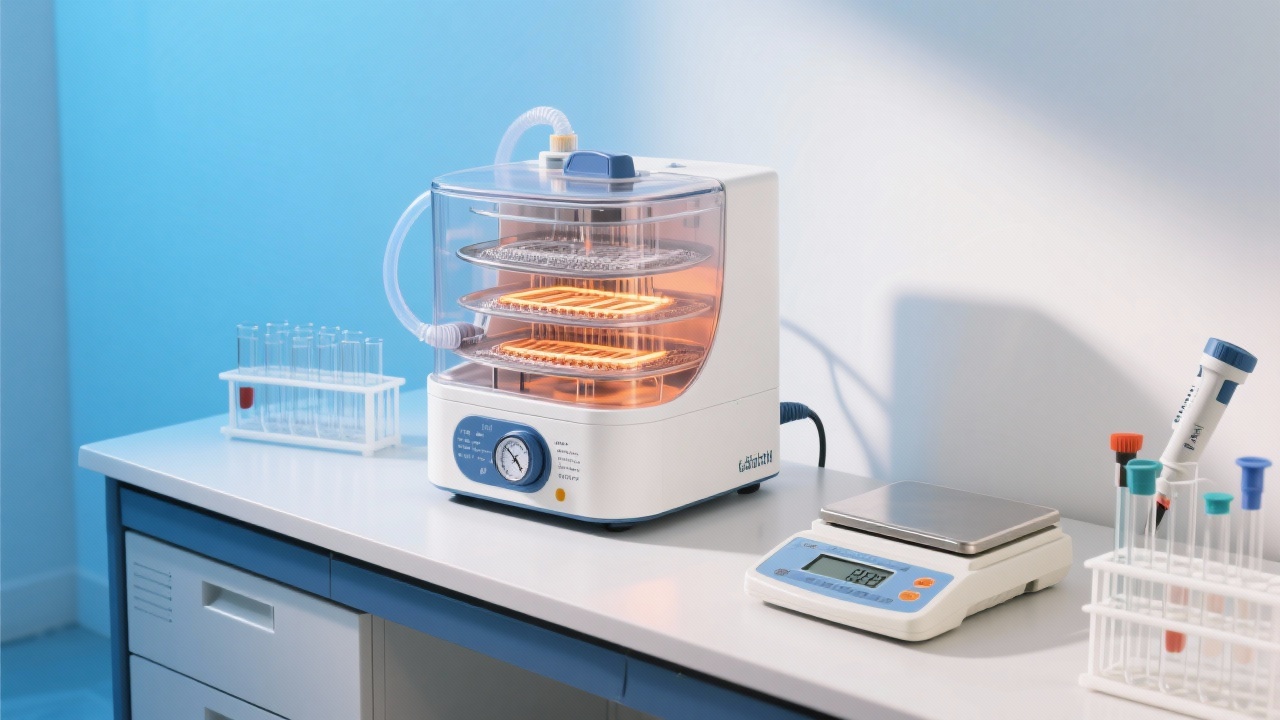
Diagram showing how reduced pressure lowers boiling point of water in a vacuum chamber

Why Vacuum Beats Traditional Methods

When comparing vacuum drying to oven-based methods, the differences go beyond speed:

  • Oxidation prevention: No oxygen = no degradation. Essential for lipid-based drugs and enzyme preparations.
  • Thermal protection: Samples stay stable even below 40°C—critical for DNA, RNA, and live cultures.
  • Uniformity: With multi-zone heating and airflow design, every vial gets consistent results—no batch variation.

In a recent survey of 200+ global labs, 87% reported higher reproducibility in experiments after switching to vacuum drying tech—a direct benefit for manufacturers seeking ISO certification or export compliance in EU and US markets.
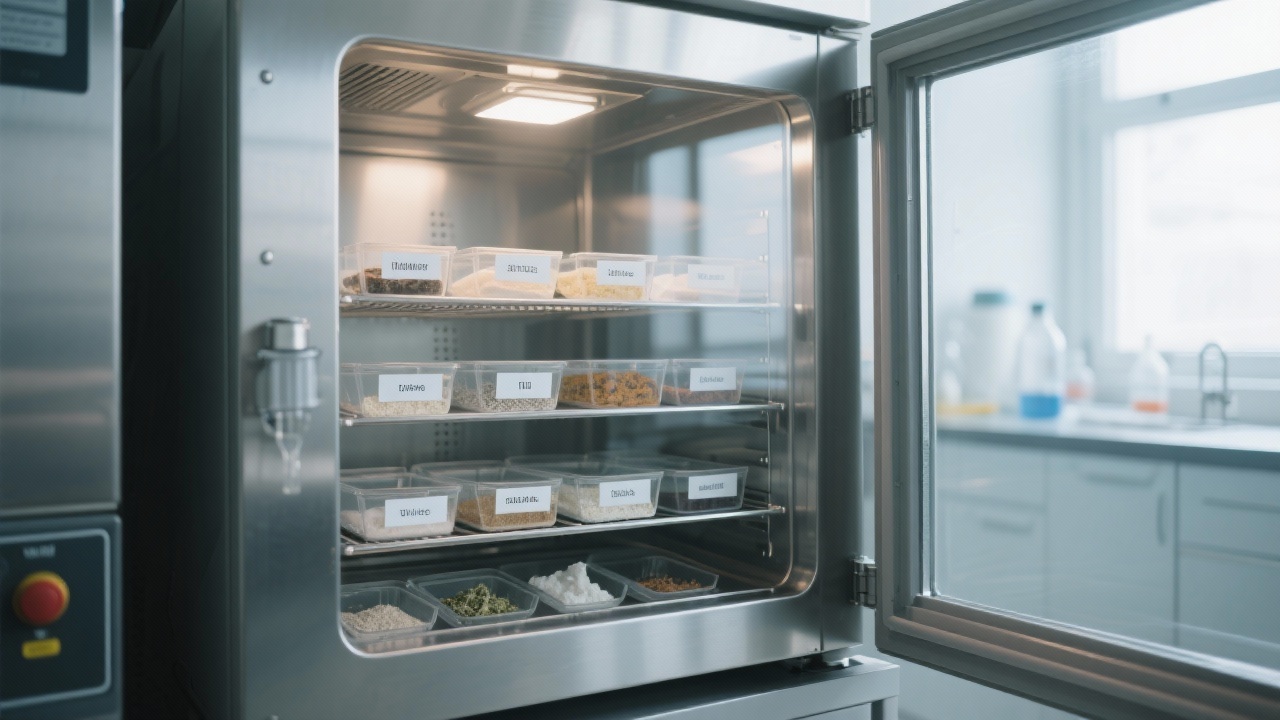
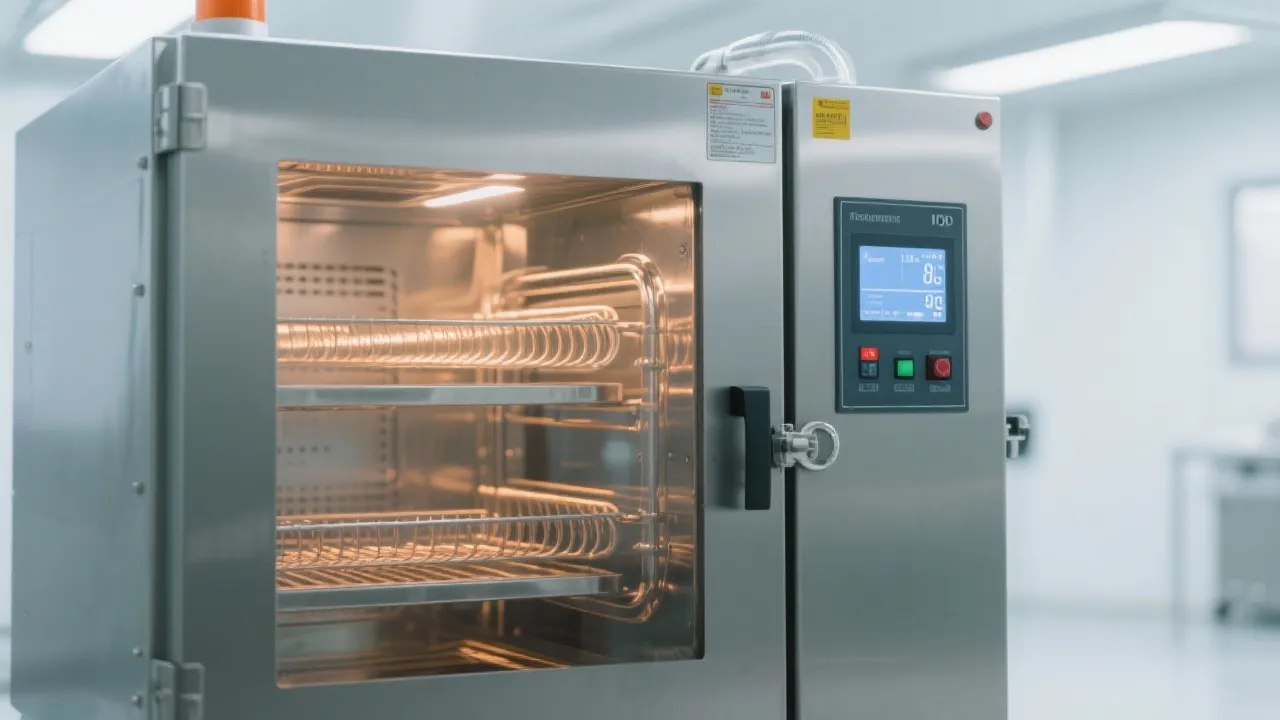
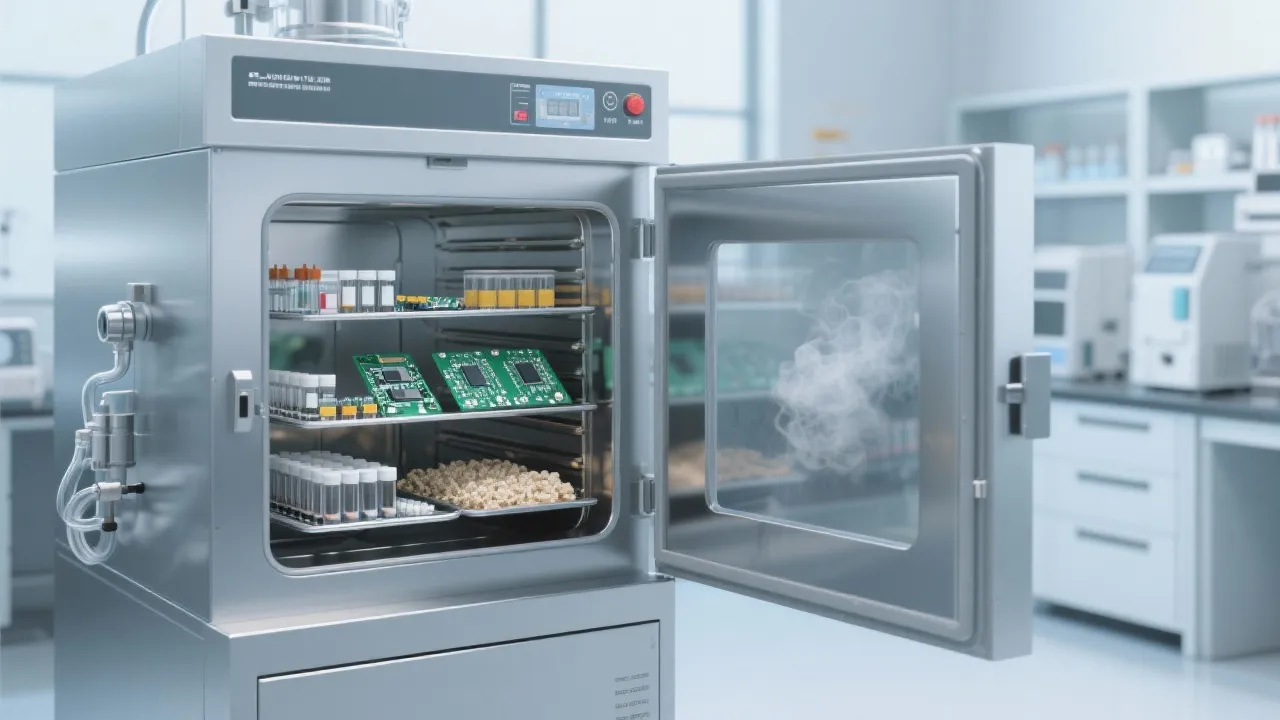
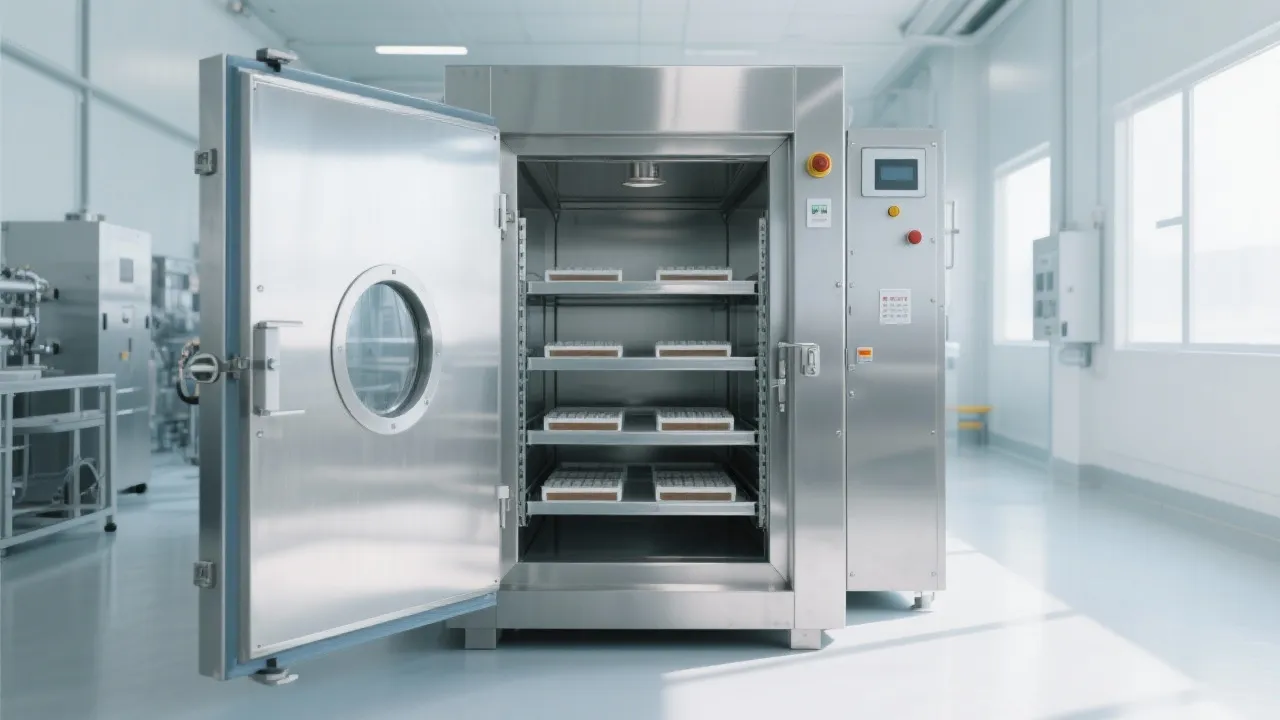
Comparison chart: Traditional drying vs. vacuum drying on time, energy use, and sample quality

From Research to Market: Real Impact in Export Trade

Whether you’re exporting dried plant extracts to Europe or microbial cultures to Southeast Asia, vacuum drying ensures your product meets international standards—not just technically, but also in consistency and shelf life. It's not just about the lab anymore; it’s about building trust with buyers who demand precision, safety, and traceability.

As one exporter in Germany noted: “We now get fewer returns because our samples arrive intact—and our clients ask for more. That’s the power of smart drying.”
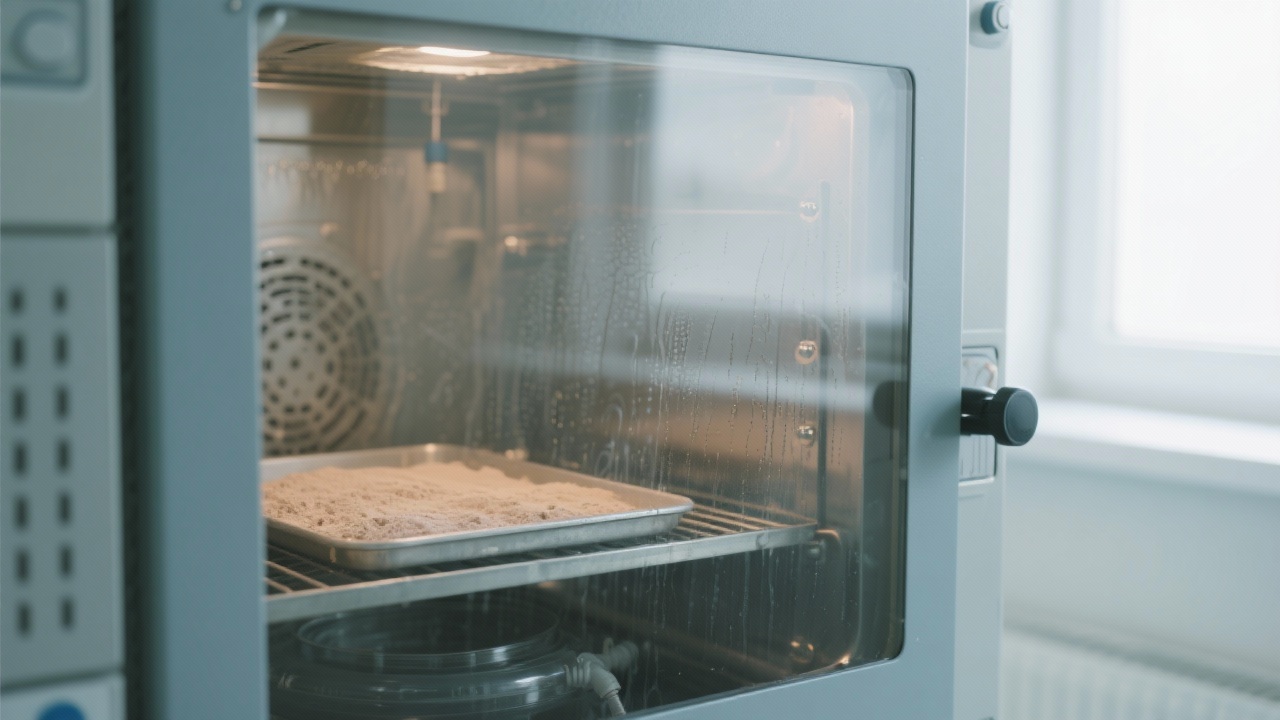
Have questions? Curious how your specific material behaves under vacuum? Explore our LabVac Pro Series solutions designed for research-grade performance and export-ready quality.
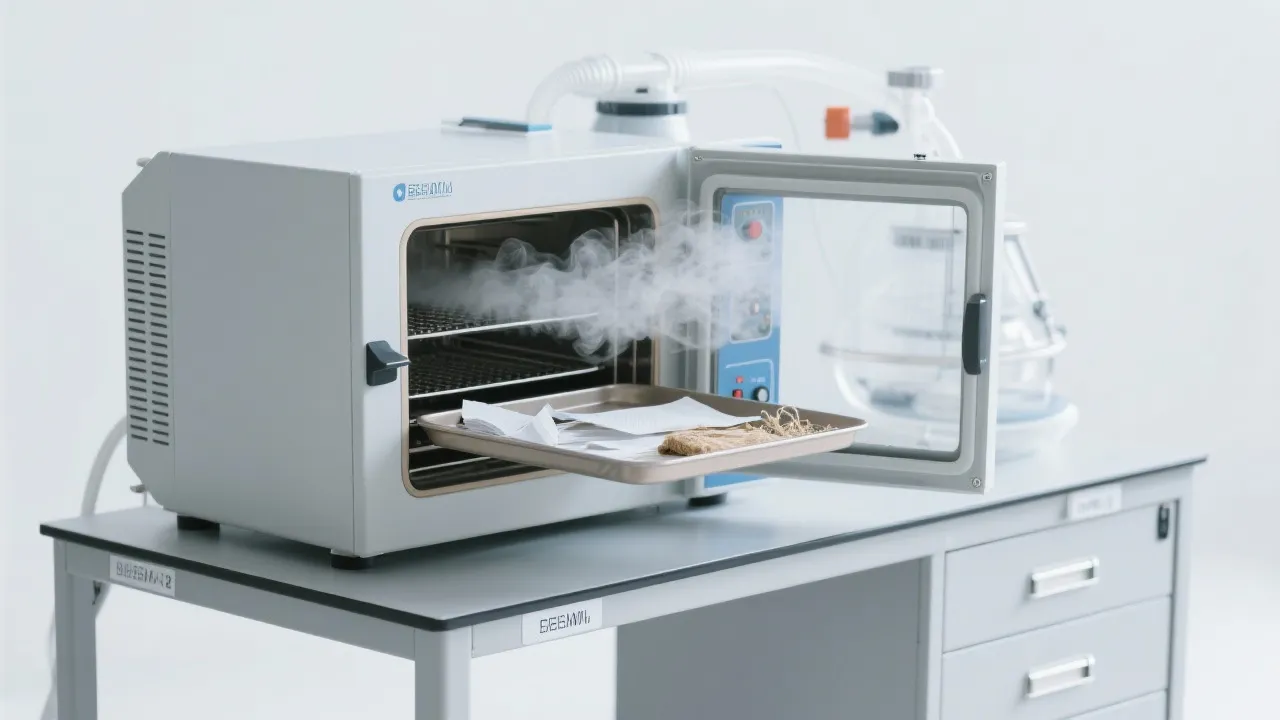
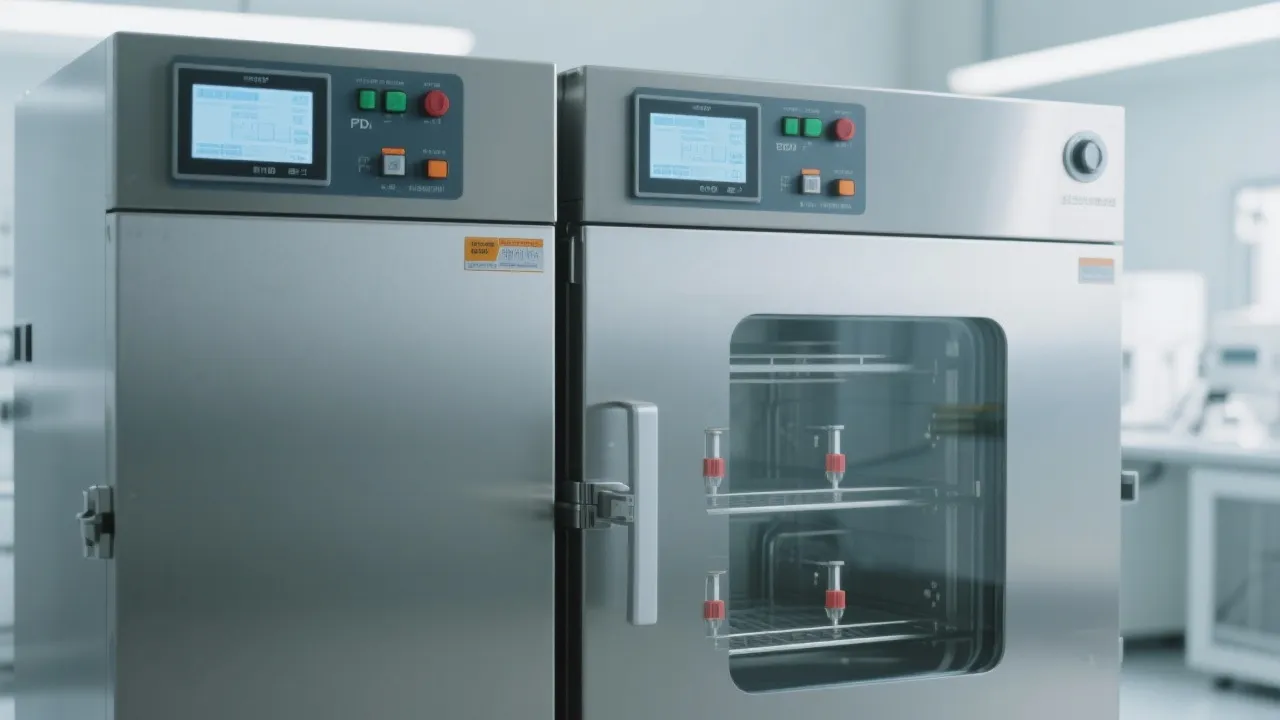
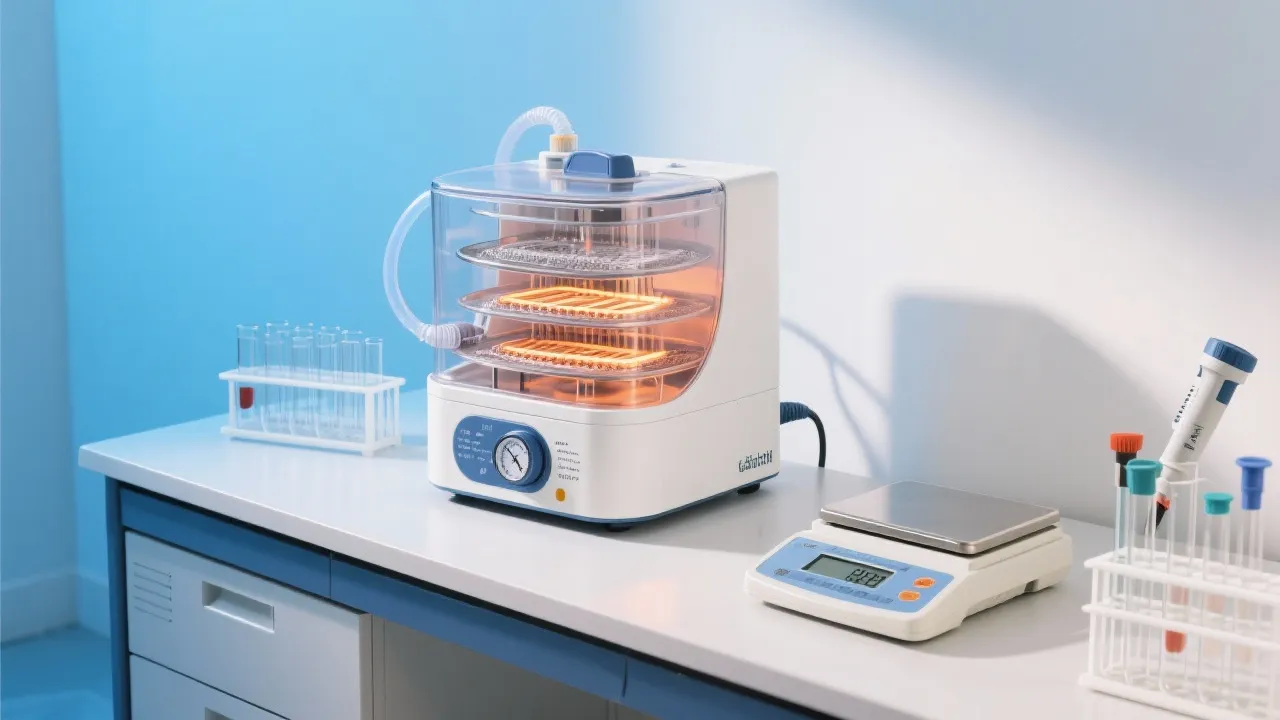
Photo of a modern lab technician operating a vacuum drying system with digital interface
Name *
Email *
Message*

Recommended Products

Popular articles
Recommended Reading

Related Reading

Contact us
Contact us
https://shmuker.oss-cn-hangzhou.aliyuncs.com/tmp/temporary/60ec5bd7f8d5a86c84ef79f2/60ec5bdcf8d5a86c84ef7a9a/thumb-prev.png