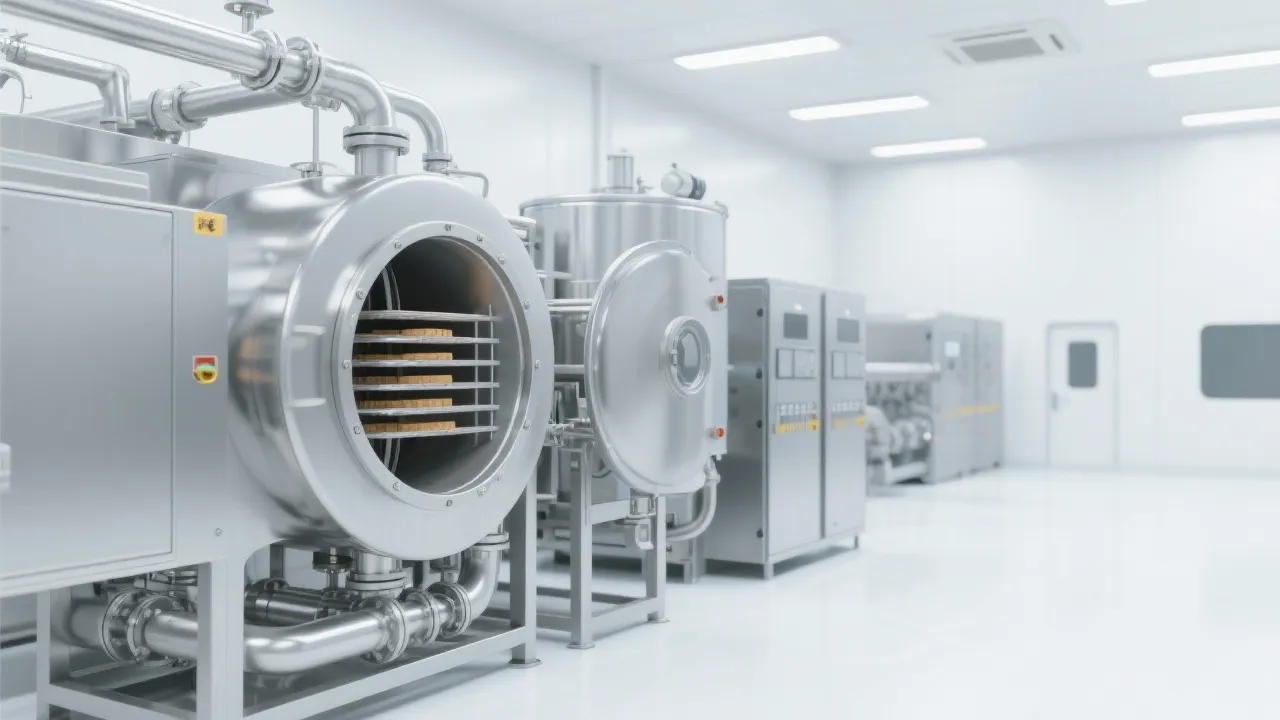
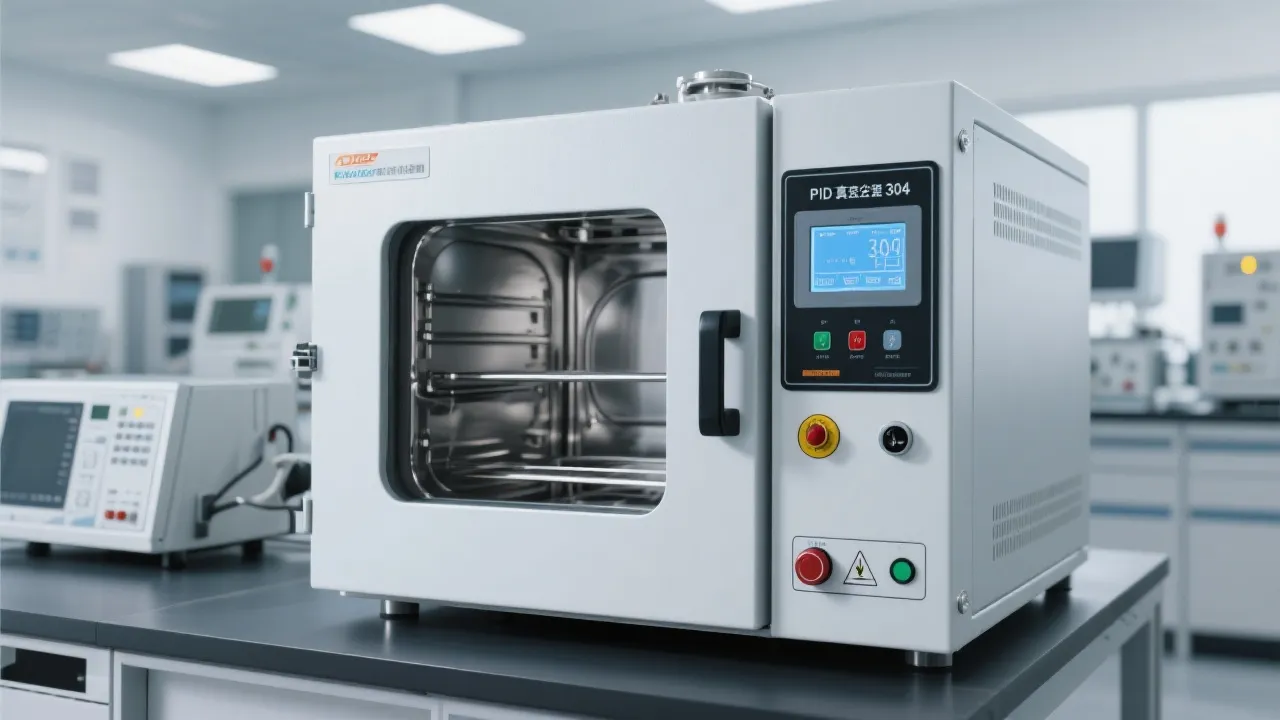
Selecting a lab vacuum oven isn’t just about specs—it’s about matching performance to real-world needs across industries like pharmaceuticals, electronics, and materials science. Whether you're setting up a new research facility or upgrading existing equipment, understanding key parameters such as capacity, vacuum level, and material quality can make all the difference in efficiency, safety, and compliance.
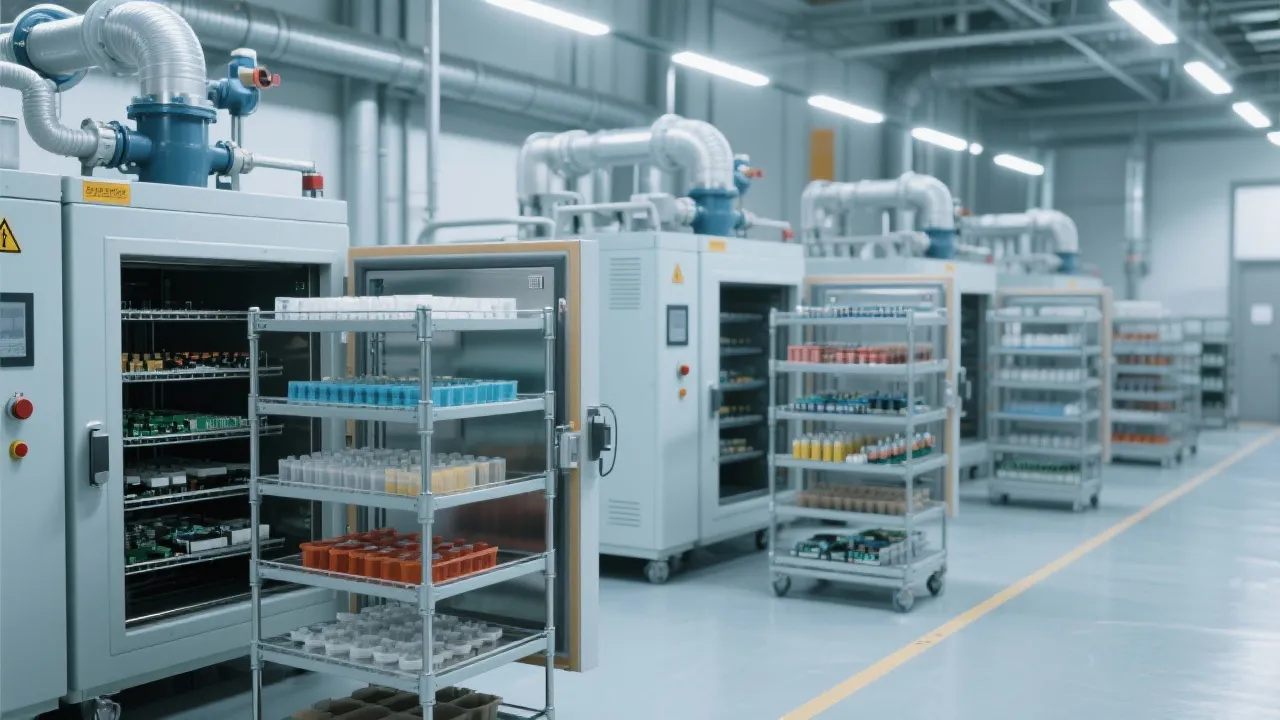
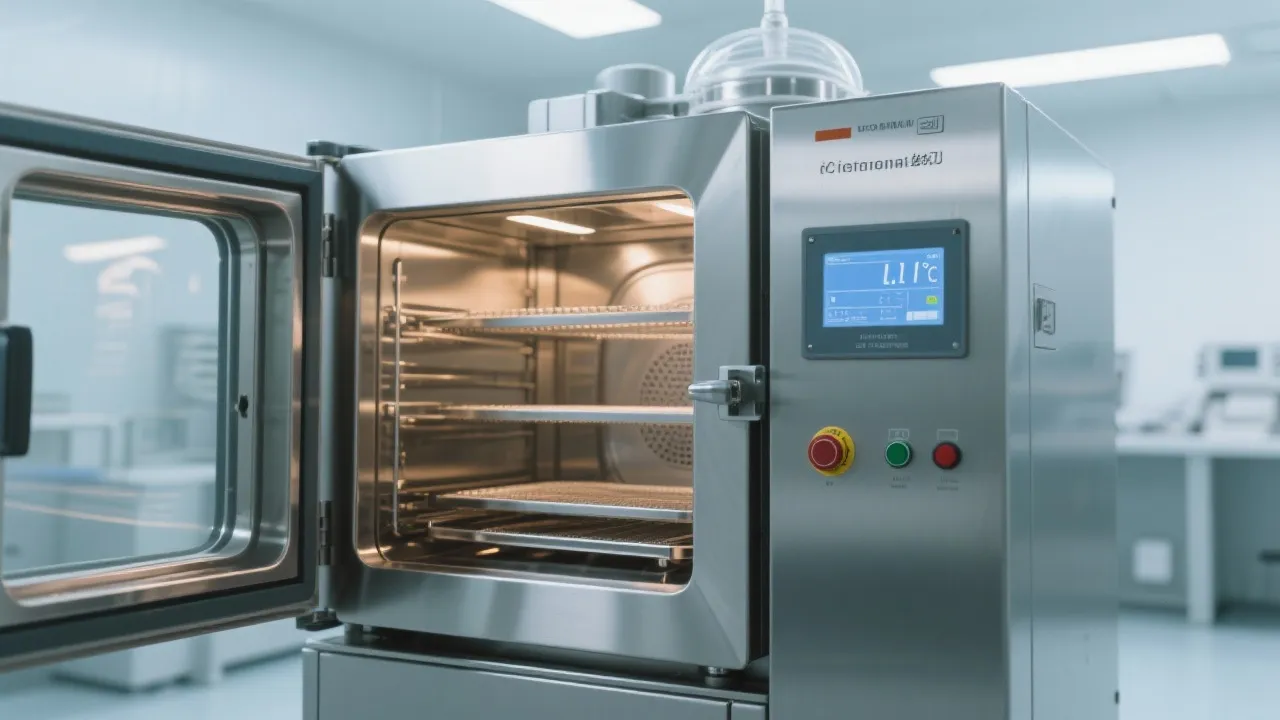
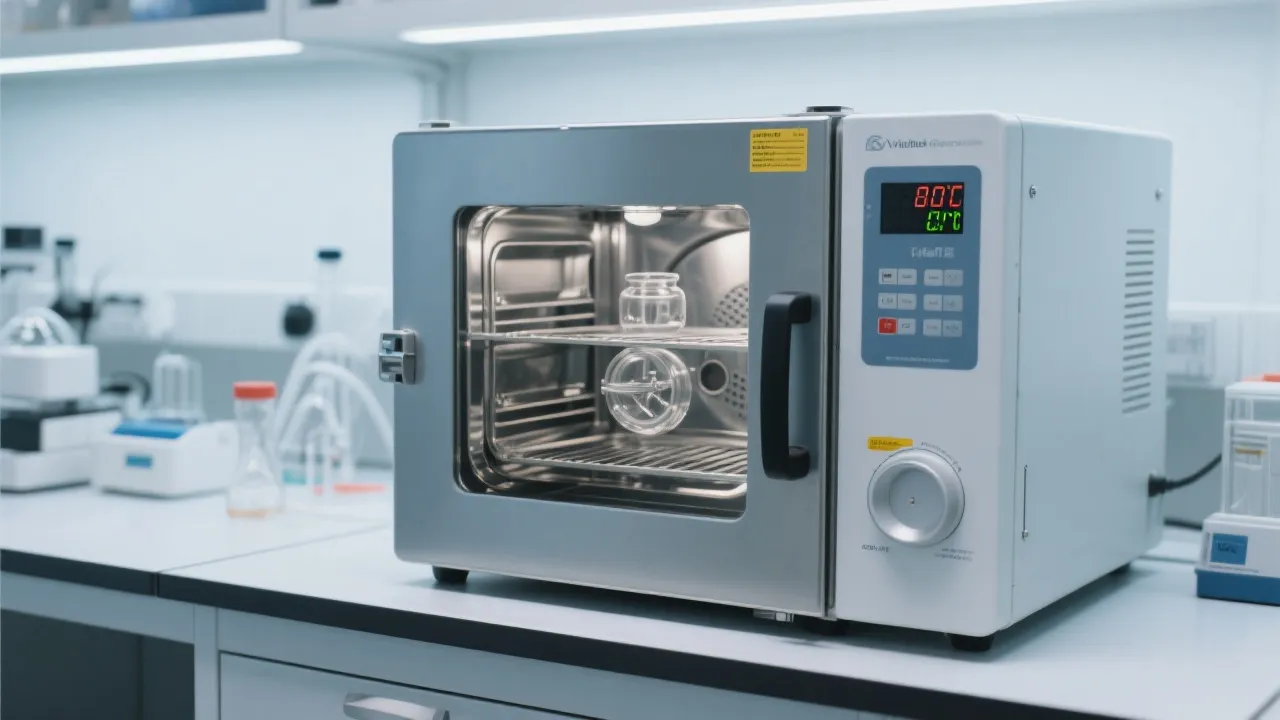
For most labs, a DZF-6020 model with a 60L chamber offers an ideal balance between footprint and usability—especially for small-to-mid scale experiments. In high-throughput environments (like university labs or contract testing facilities), choosing a unit that fits your typical batch size reduces idle time and improves workflow. For example, one European biotech startup reported a 22% increase in daily sample processing after switching from a 30L to a 60L oven—without expanding their physical space.
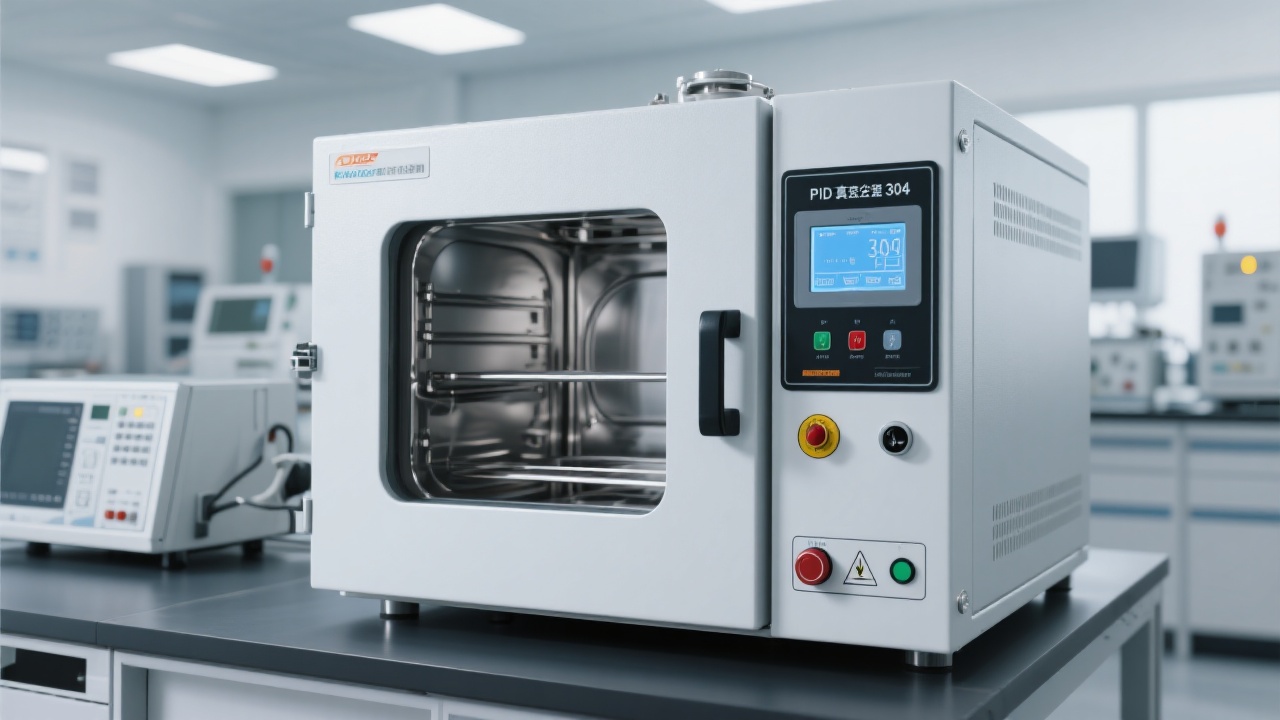
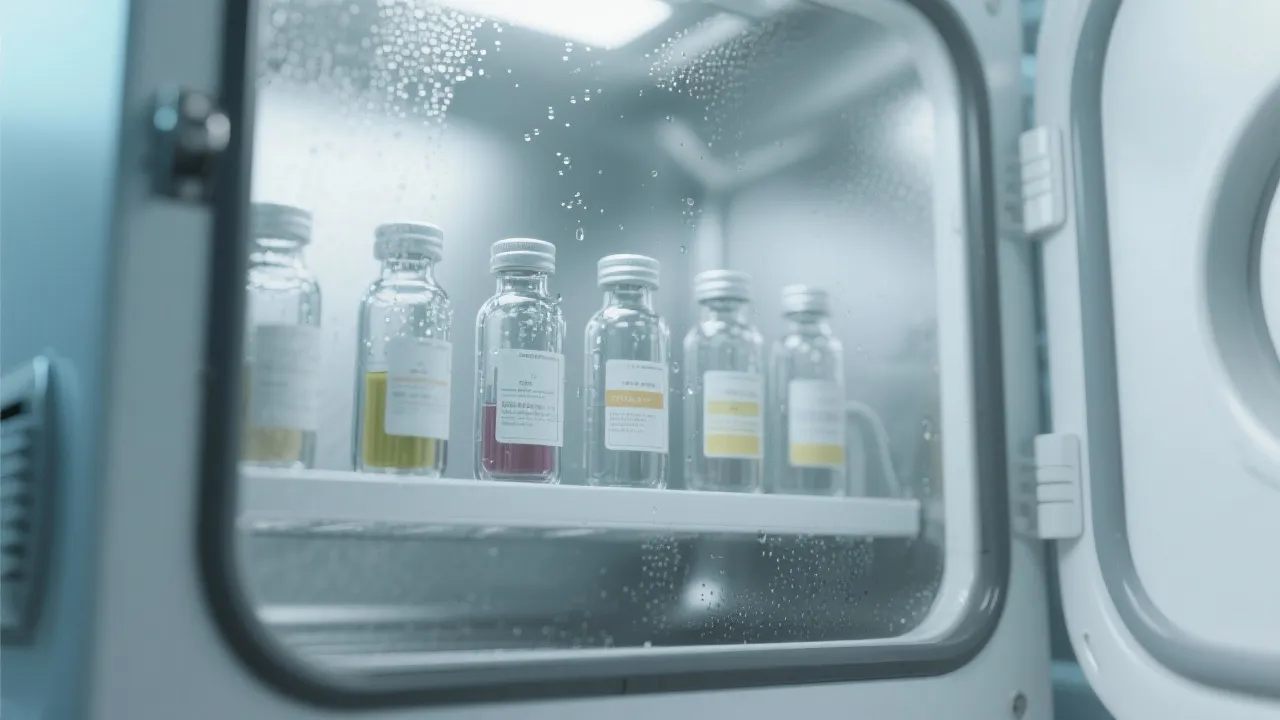
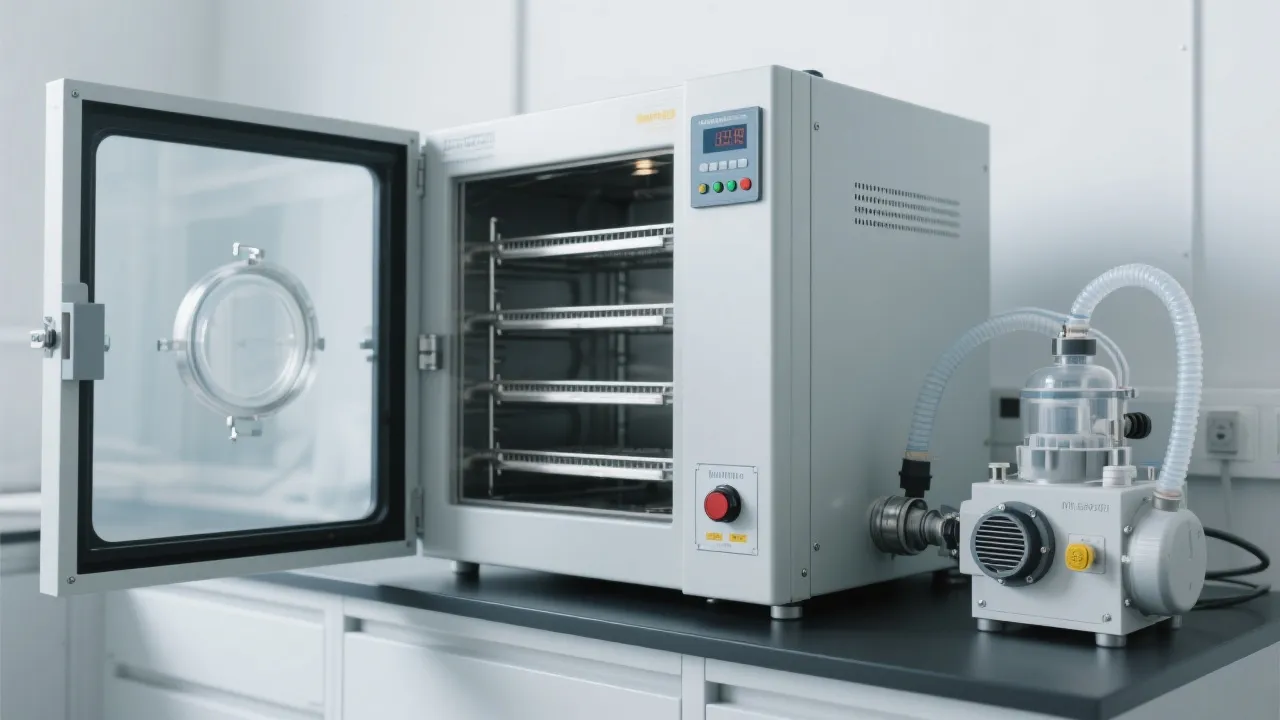
Most heat-sensitive materials—from polymers to active pharmaceutical ingredients (APIs)—require a vacuum level around 0.098 MPa (or ~735 mmHg) to prevent oxidation while maintaining gentle drying. Going beyond this range may cause unnecessary energy consumption or even damage delicate samples. Our clients in Germany and Japan consistently report better reproducibility when using ovens with precise vacuum control, especially in ISO-compliant settings.
Unlike cheaper carbon steel alternatives, 304 stainless steel inner chambers resist corrosion from solvents, acids, and moisture—critical for long-term maintenance-free operation. It also meets global hygiene standards (like FDA and EU GMP), making it the preferred choice for pharmaceutical labs. One U.S.-based contract lab saved over $1,200 annually in cleaning costs by switching to a 304 SS-based model.
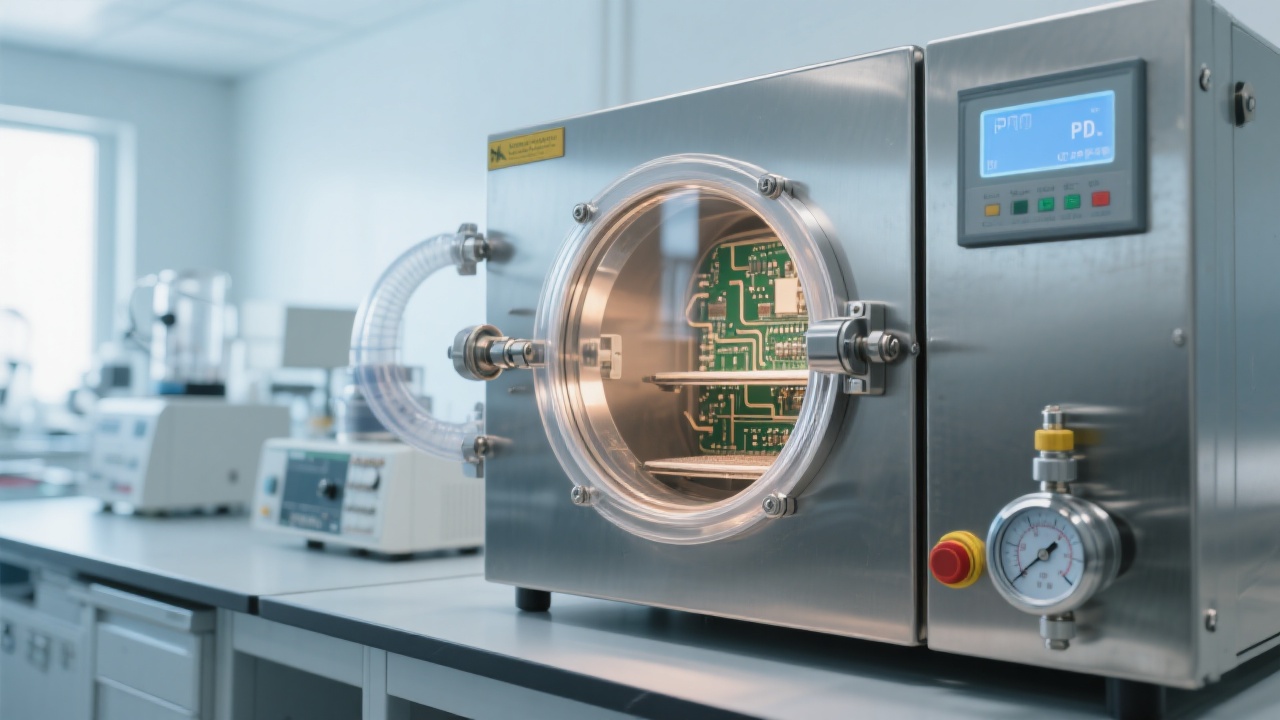
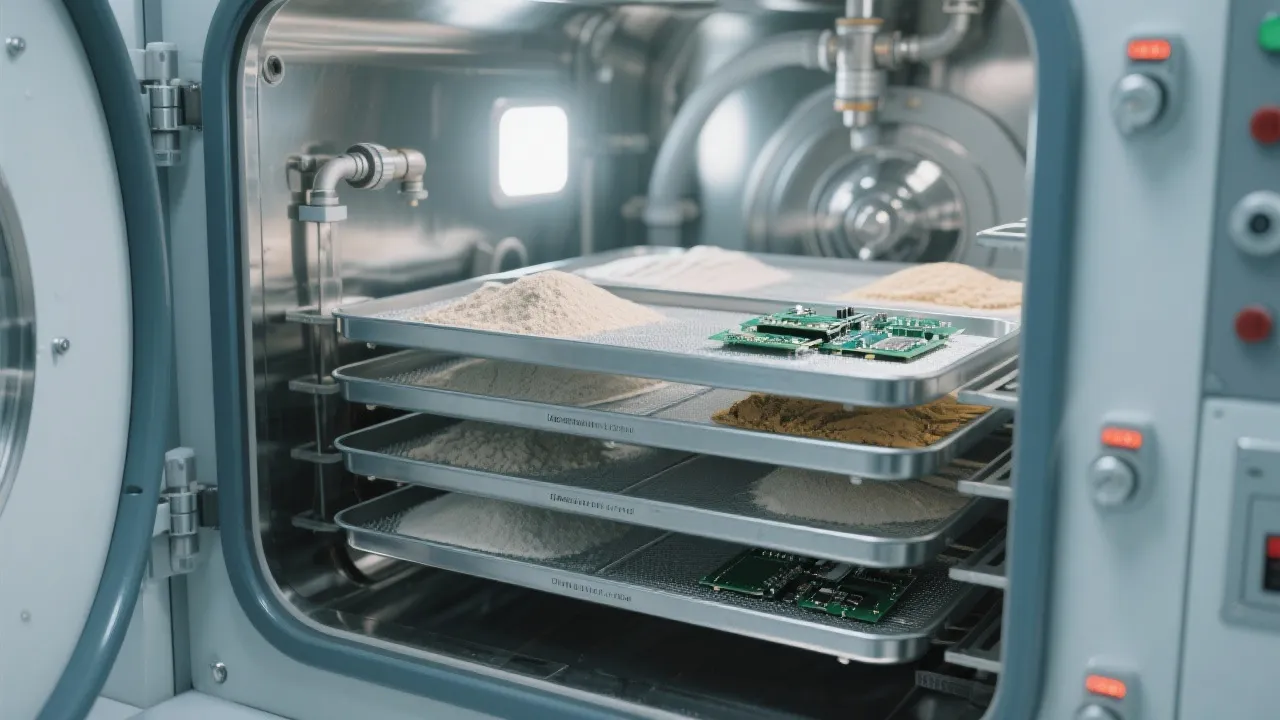
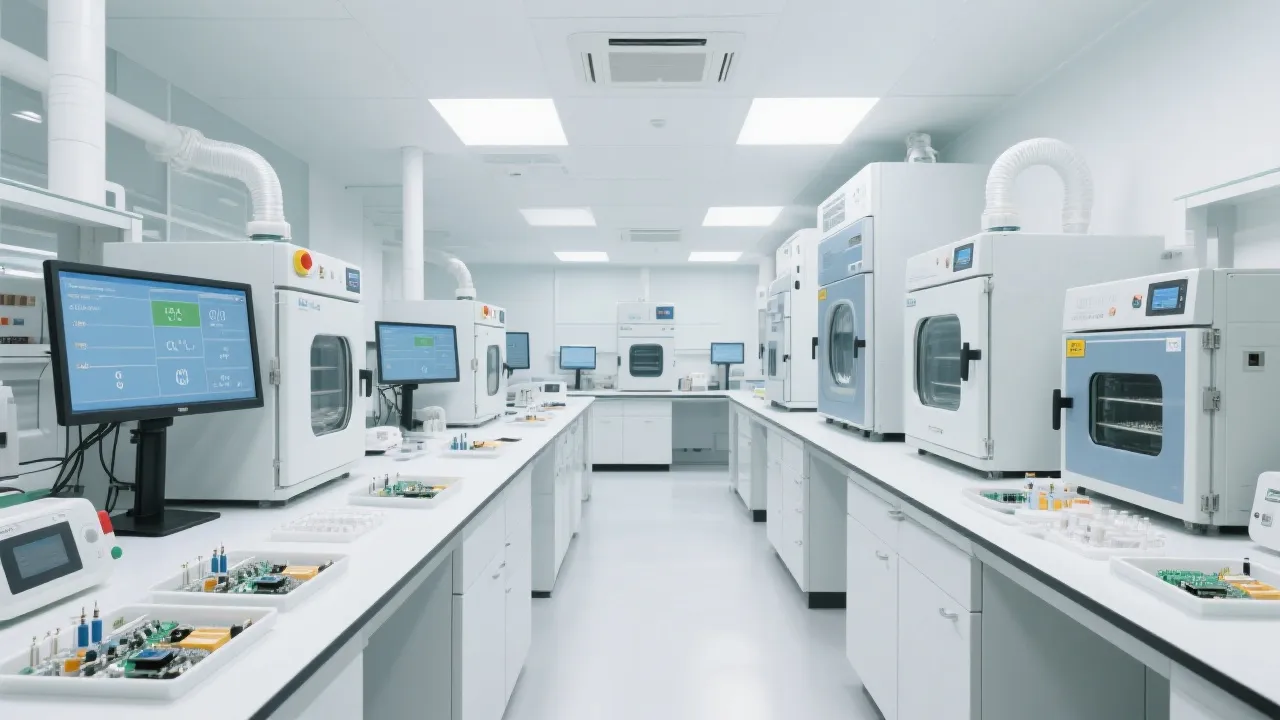
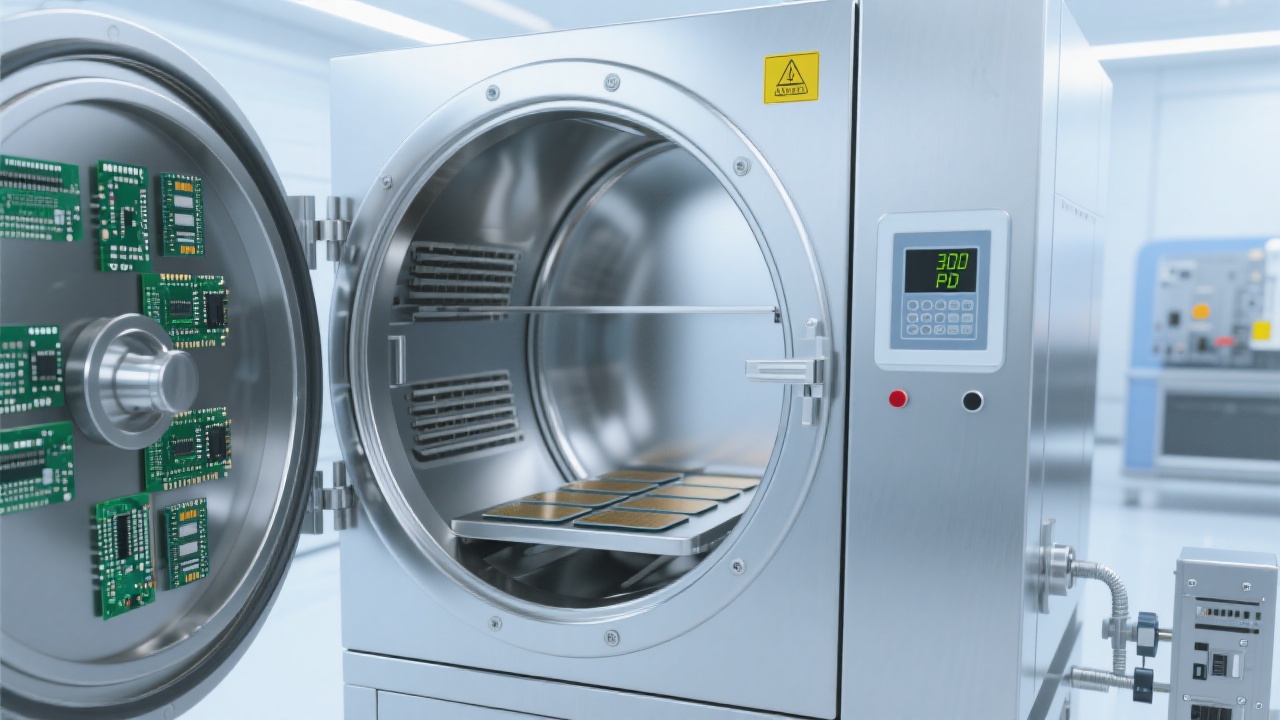
Pharma labs often require explosion-proof options (ATEX-certified) and PID temperature control for consistent drying cycles. Electronics manufacturers prefer low-outgassing materials and programmable ramping to avoid thermal shock on PCBs. Material science teams benefit from multi-stage vacuum profiles for solvent removal. Customization isn’t luxury—it’s necessity.
PID-controlled heating ensures ±0.5°C accuracy—a must for reproducible results. Energy-efficient designs reduce power consumption by up to 30% compared to older models. And built-in safety features like over-temperature protection and pressure release valves? They’re not optional—they’re essential for lab safety and regulatory audits.
Get expert guidance on selecting the right vacuum oven for your specific application—whether it's for R&D, QA/QC, or production-scale drying.
Explore DZF-6020 Technical Specifications & Global Use Cases