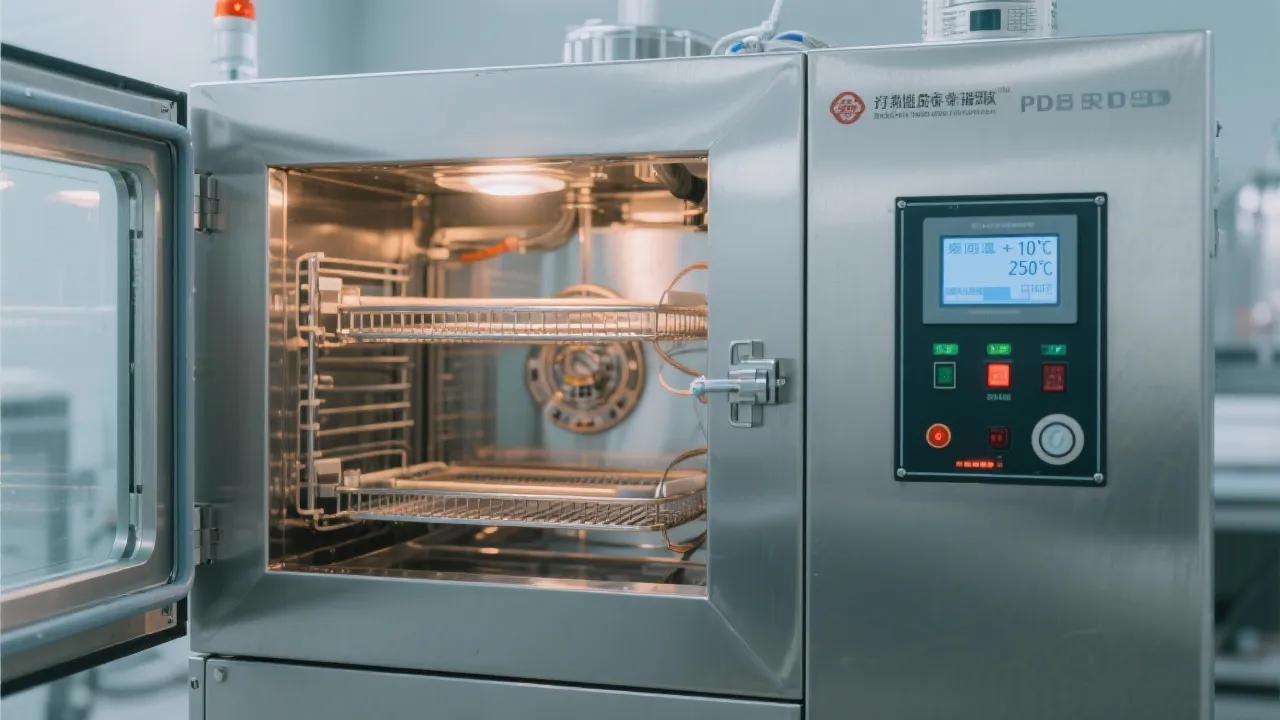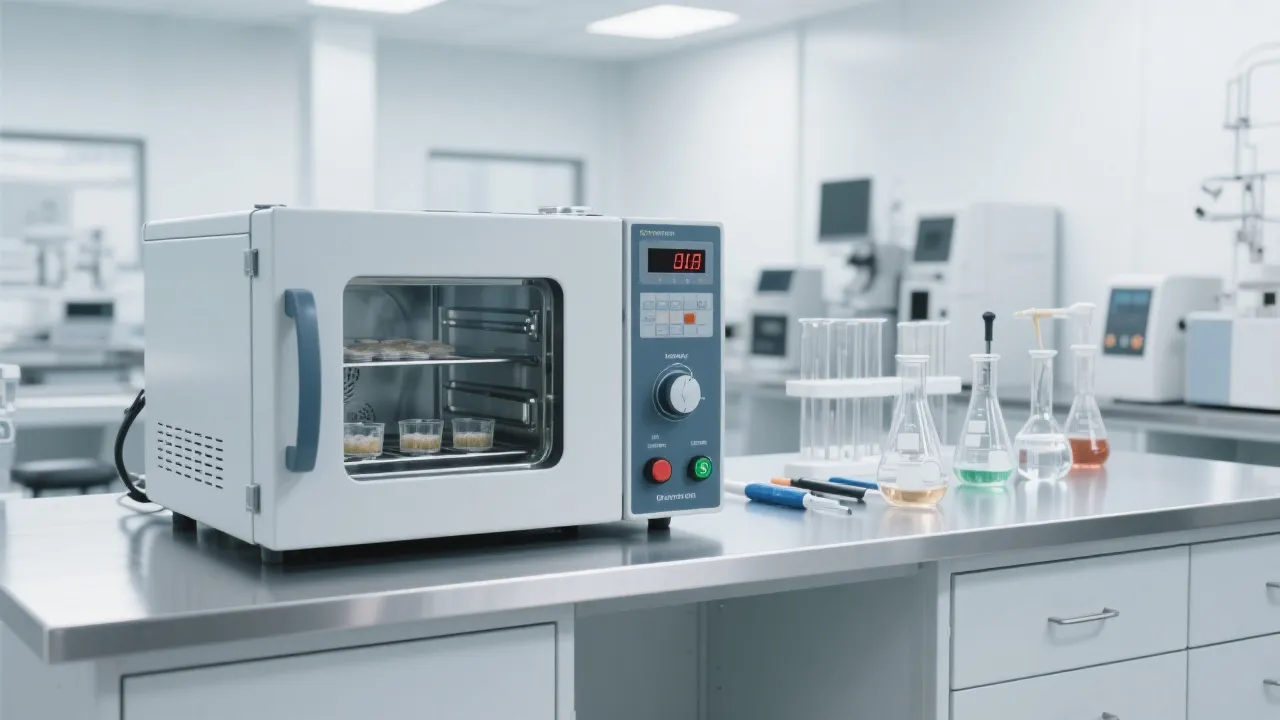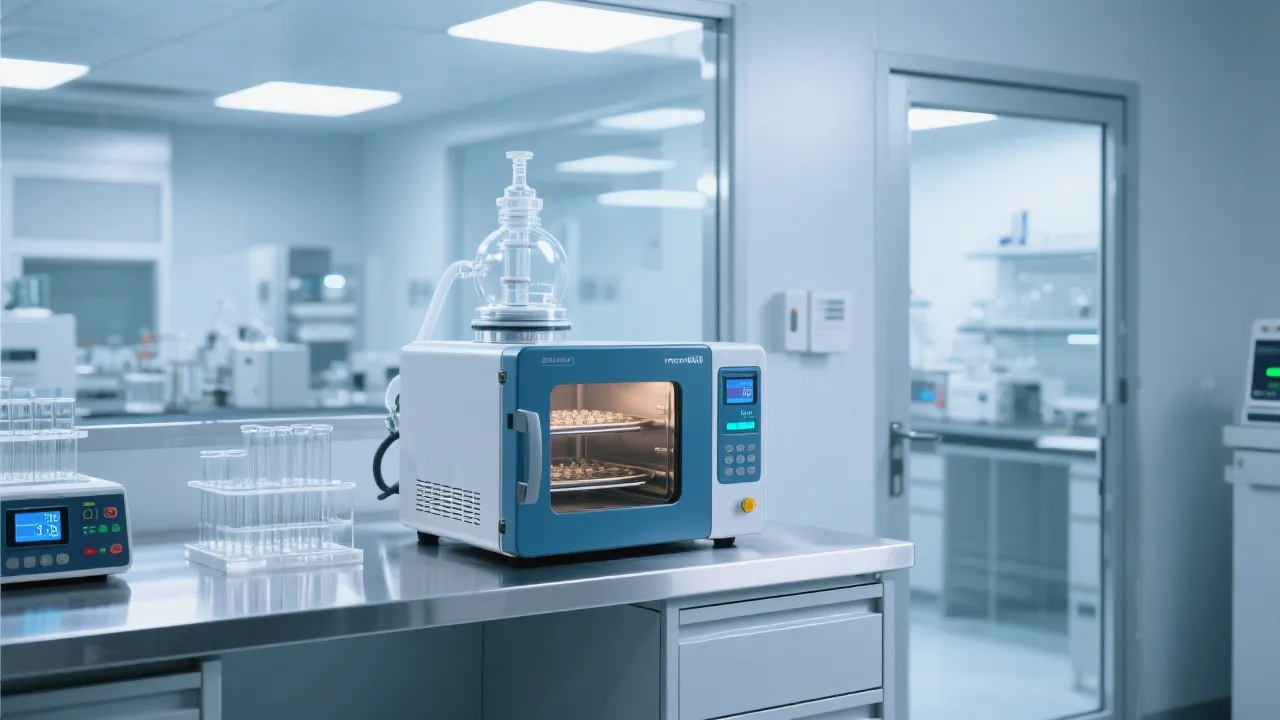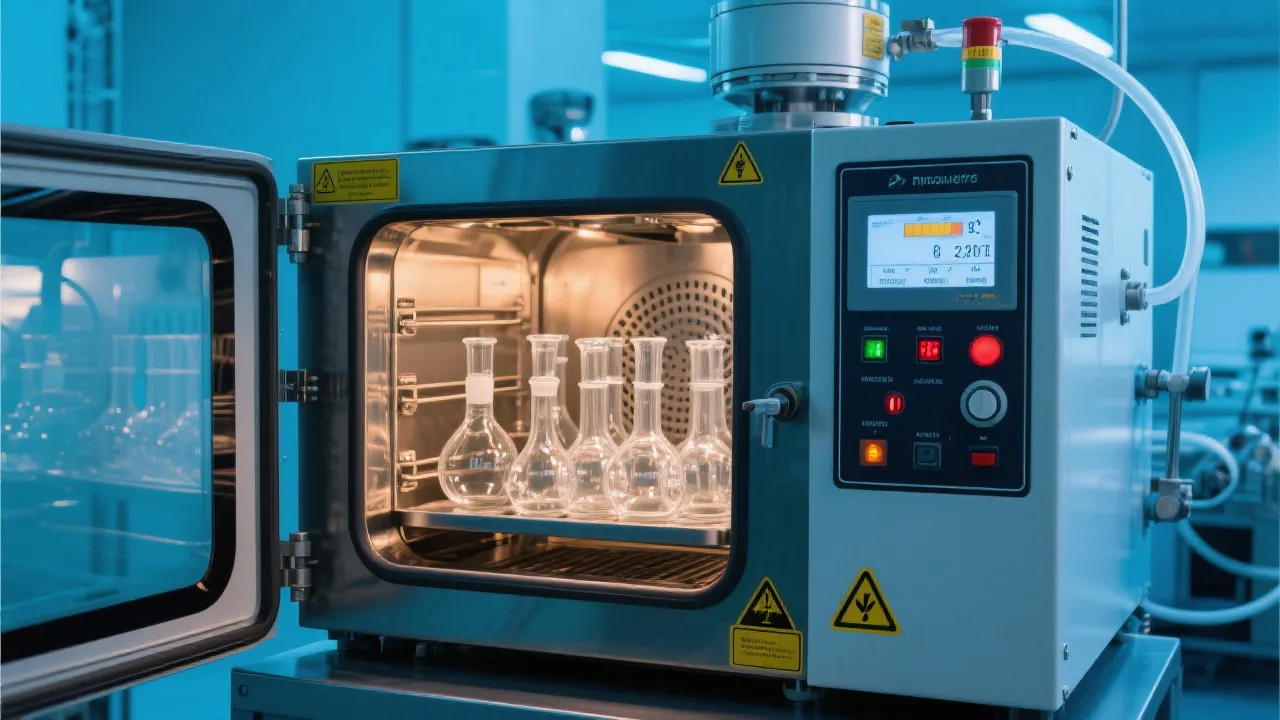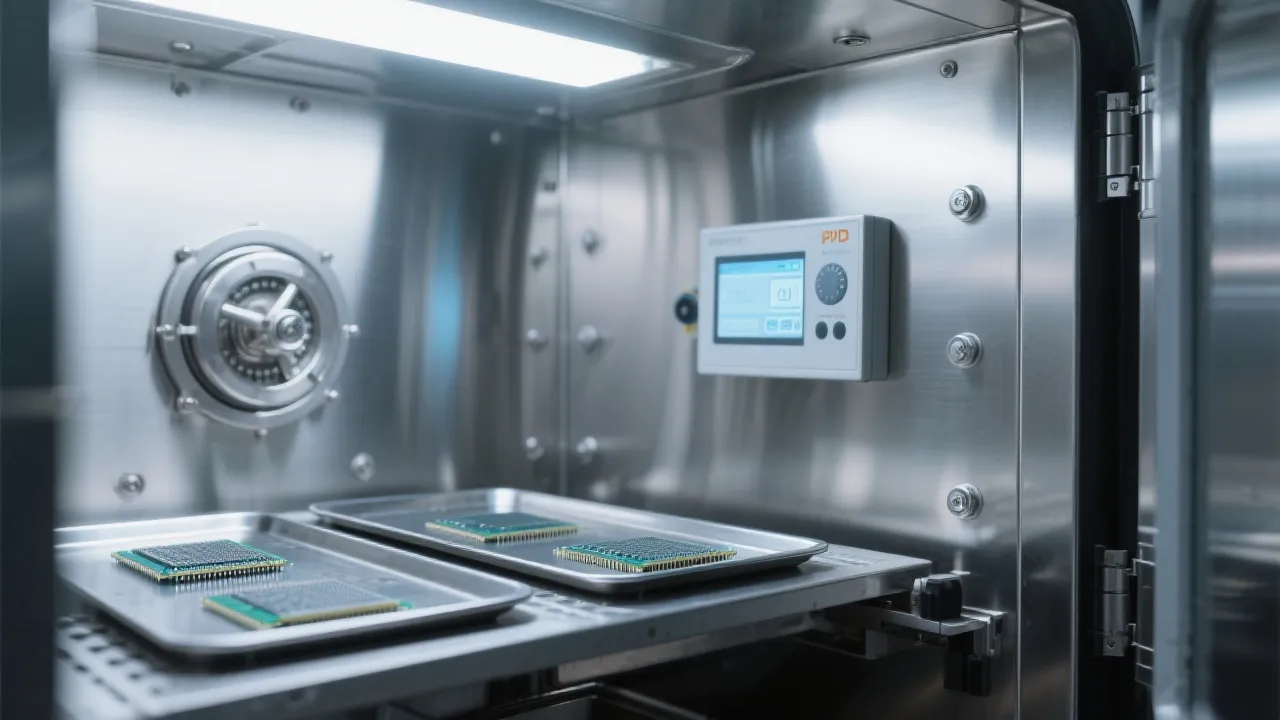
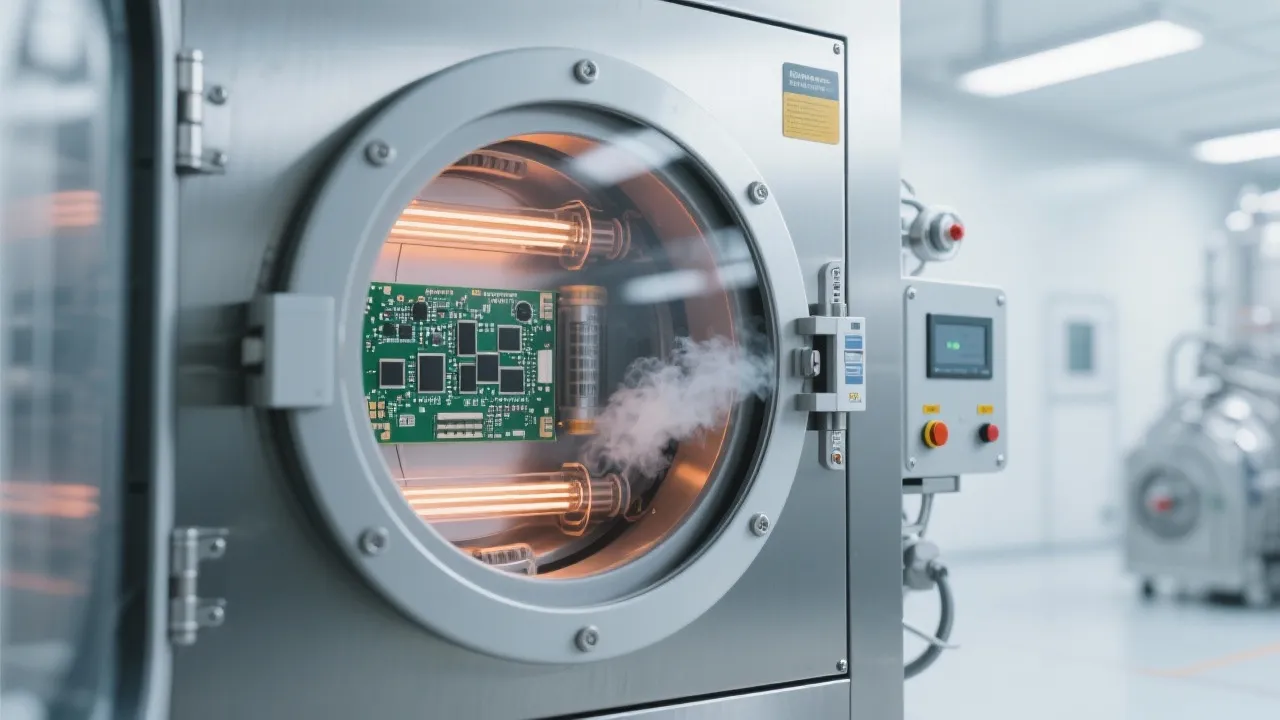
In the realm of laboratory research, vacuum drying ovens play a crucial role in ensuring the accuracy and reliability of experimental results. This guide aims to provide a comprehensive overview of the core parameter settings for these ovens, including temperature, vacuum level, and time optimization, to help researchers make informed decisions based on the characteristics of their samples.
The vacuum drying oven operates on the principle of reducing the pressure inside the chamber, which lowers the boiling point of the solvent in the sample. This allows for gentle and efficient drying without causing thermal degradation. In laboratory settings, these ovens are widely used for various applications, such as drying biological tissues, removing organic residues, and processing powder materials. By understanding the working principle, researchers can better appreciate the importance of proper parameter settings.
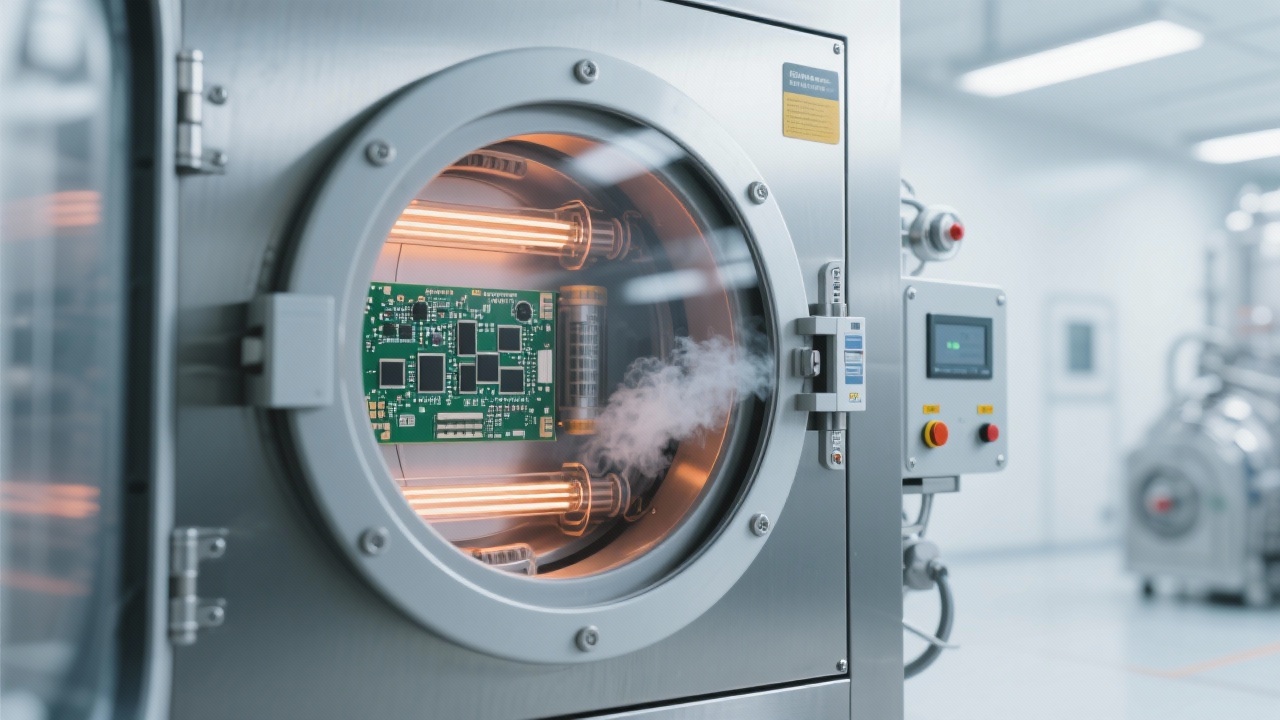
Different sample types require specific temperature, vacuum level, and time settings. For biological tissues, a lower temperature (around 40 - 50°C) and a moderate vacuum level (about 10 - 20 mbar) are recommended to prevent damage to the tissue structure. The drying time can range from several hours to a day, depending on the size and moisture content of the sample. Organic residues, on the other hand, may require a higher temperature (60 - 80°C) and a higher vacuum level (5 - 10 mbar) to ensure complete removal. Powder materials often need a more precise temperature control (e.g., 50 - 70°C) and a stable vacuum level to avoid agglomeration. The drying time for powder materials can be relatively short, typically within a few hours.
Despite the importance of proper parameter settings, many researchers make common mistakes when operating vacuum drying ovens. One of the most common mistakes is setting the temperature too high, which can lead to sample degradation. Another mistake is not maintaining a stable vacuum level, resulting in uneven drying. To address these issues, it is recommended to use a step - by - step heating strategy and a dynamic vacuum adjustment technique. For example, starting with a lower temperature and gradually increasing it can prevent sudden thermal stress on the sample. Regularly checking and adjusting the vacuum level during the drying process can ensure consistent results.
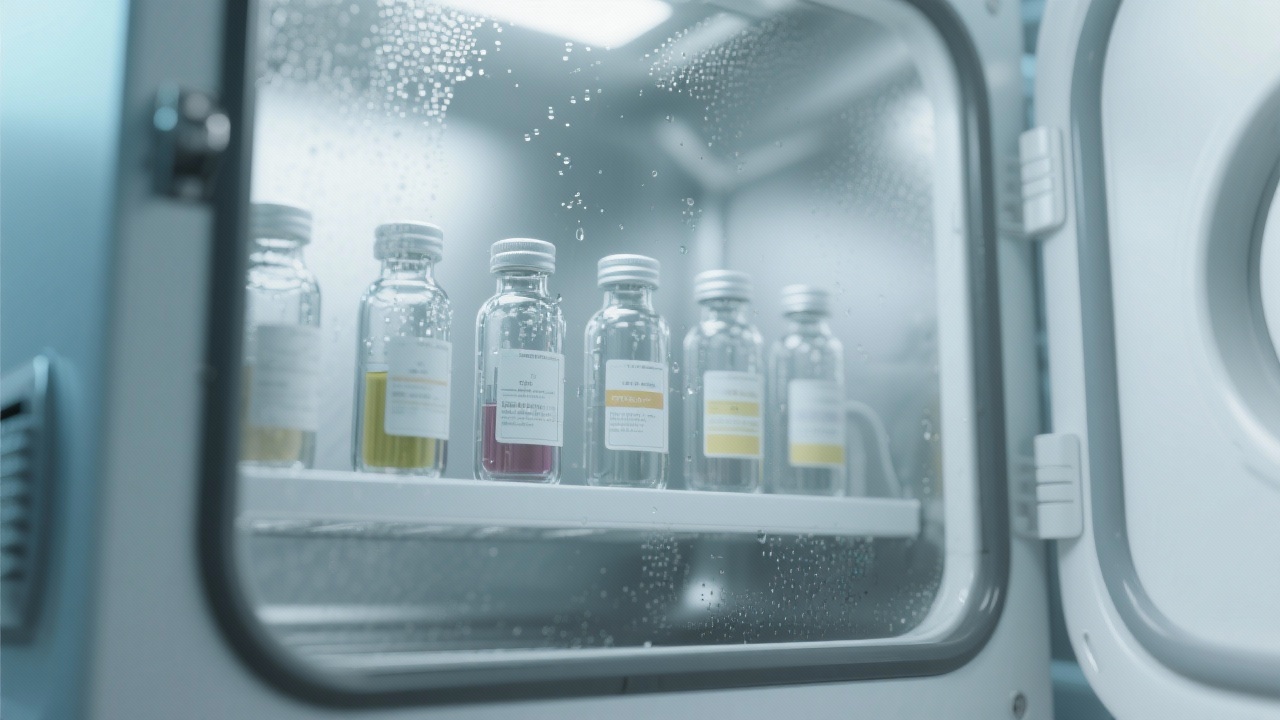
To simplify the operation of vacuum drying ovens, a practical operation process and checklist can be designed. The process should include steps such as sample preparation, parameter setting, oven pre - heating, and post - drying handling. A checklist can help users ensure that all necessary steps are completed before starting the drying process. For example, checking the integrity of the oven chamber, verifying the accuracy of the temperature and vacuum sensors, and ensuring proper ventilation are essential steps to guarantee the safety and efficiency of the operation.
Proper maintenance and care of the vacuum drying oven are crucial for its long - term performance and reliability. Regular cleaning of the oven chamber, checking the seals for leaks, and lubricating the moving parts can prevent malfunctions and extend the lifespan of the equipment. It is also recommended to perform routine calibration of the temperature and vacuum sensors to ensure accurate parameter settings. By following these maintenance procedures, researchers can minimize downtime and ensure the consistent quality of their experimental results.
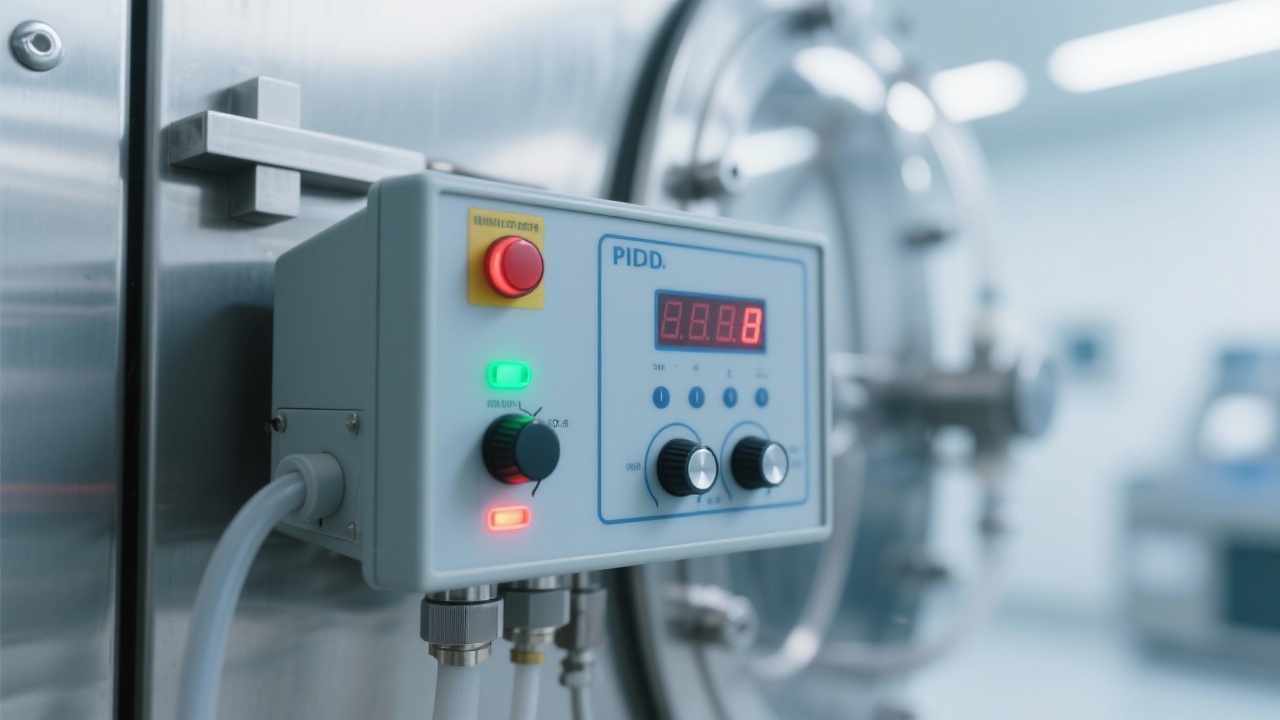
In conclusion, understanding the parameter settings of laboratory vacuum drying ovens is essential for achieving accurate and reliable experimental results. By following the guidelines provided in this article, researchers can optimize the temperature, vacuum level, and time settings based on the characteristics of their samples, avoid common operation mistakes, and ensure the proper maintenance of the equipment. If you want to learn more about advanced laboratory equipment operation and optimization, click here to explore our comprehensive resources.