Laboratory Vacuum Drying Equipment Selection Guide: Matching Temperature Range and Vacuum Level to Experimental Needs
18 02,2026
Zhengzhou Keda Mechanical Instrument Equipment Co., Ltd.
Tutorial Guide
Selecting laboratory vacuum drying equipment requires precise alignment of temperature range and vacuum level to ensure experimental success. This guide analyzes how different sample types—such as heat-sensitive materials, electronic components, and pharmaceuticals—demand specific drying conditions from ambient +10°C up to 250°C and vacuum pressures below 133 Pa. It highlights the DZ-1BCII digital vacuum drying oven, featuring dual-zone PID intelligent temperature control, imported stainless steel interior, and over-temperature alarm systems, designed to enhance drying efficiency, operational safety, and data reliability. Whether you are choosing equipment for the first time or optimizing existing processes, this article provides clear, data-driven criteria to support your decision-making.
Laboratory Vacuum Drying Equipment Selection Guide: Matching Temperature Range and Vacuum Level to Your Experimental Needs
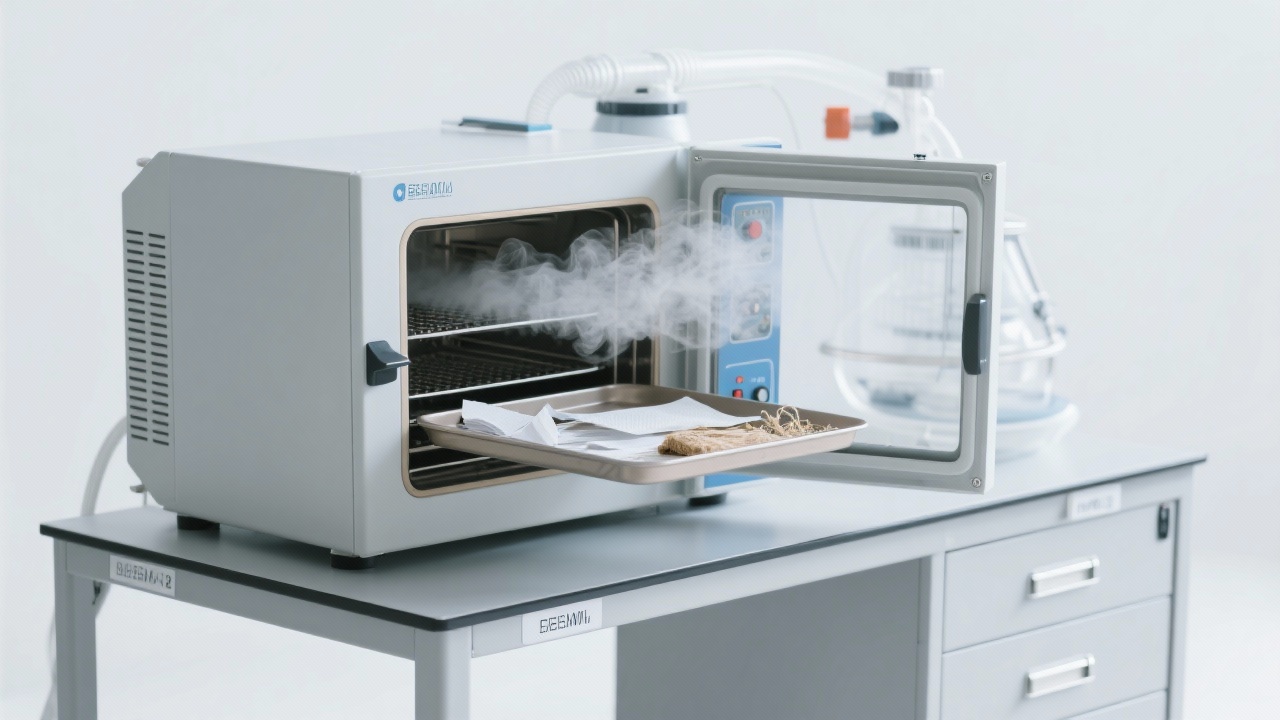
When it comes to selecting laboratory vacuum drying equipment, aligning the temperature range and vacuum degree with your specific experimental requirements is critical. Whether you are drying heat-sensitive materials, electronic components, pharmaceuticals, or other samples, precision in these parameters can make the difference between success and failure. This guide presents an in-depth exploration of how to match optimal drying temperatures (from ambient +10°C up to 250°C) and vacuum conditions (below 133 Pa) to your laboratory processes. We will also highlight the advantages of the DZ-1BCII digital vacuum drying oven, a professional-grade device equipped with dual-zone PID intelligent temperature control, imported stainless steel interiors, and over-temperature alarm systems to ensure safety and stable data.
Understanding the Core Value of Vacuum Drying Technology in Laboratories
Vacuum drying technology plays a pivotal role in achieving efficient moisture removal without exposing samples to damaging high temperatures or oxidation. By reducing the ambient pressure below atmospheric levels to under 133 Pa, the boiling point of moisture lowers substantially, enabling drying at lower temperatures. This is essential for preserving the integrity of sensitive molecules and components.
How Temperature Range Impacts Drying Outcomes for Different Materials
Selecting the appropriate temperature range is dictated by the nature of your samples. For instance:
- Heat-sensitive materials such as biological samples typically require drying temperatures near ambient +10°C up to 60°C to prevent denaturation.
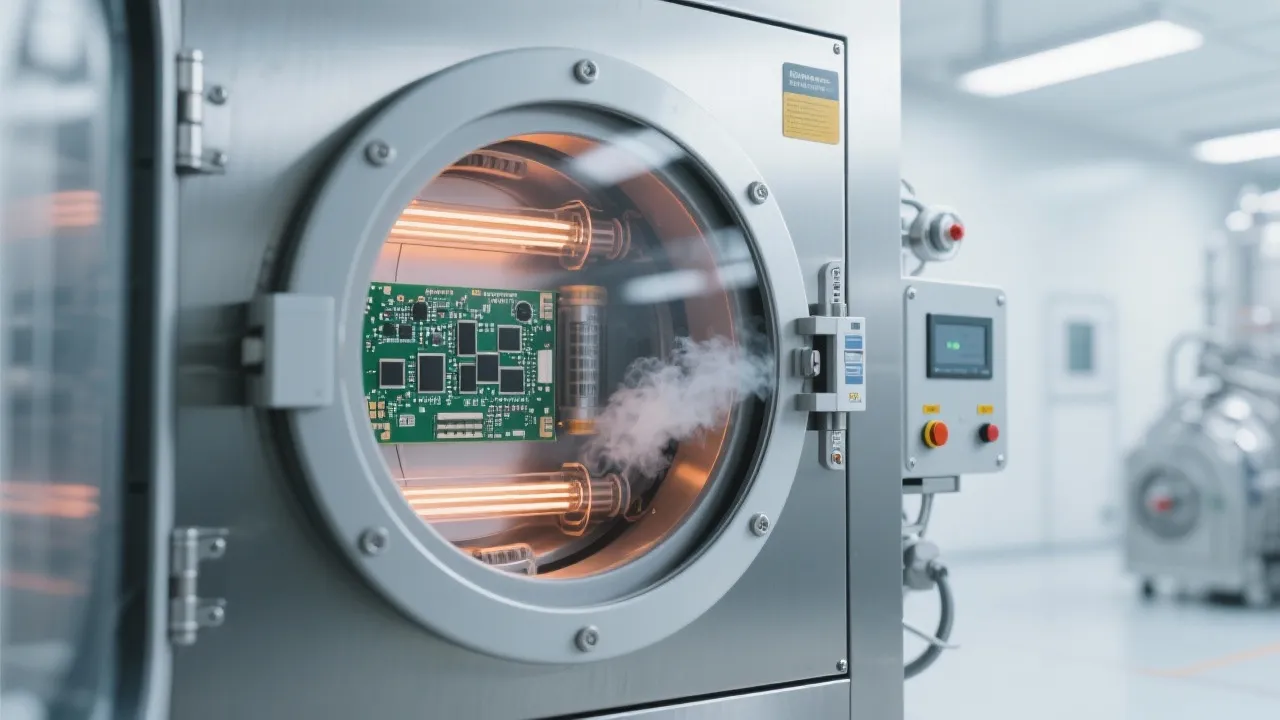
- Electronic components need moderate temperature control, generally between 80°C and 120°C, reducing moisture without risking component damage.
- Pharmaceutical products often utilize higher temperature ranges, from 120°C up to 250°C, ensuring effective drying while preserving chemical stability.
Your Experiment, Your Configuration: What range suits your sample? Explore and adjust your parameters accordingly.
The Role of Vacuum Degree (≤ 133 Pa) in Preventing Oxidation and Enhancing Drying Efficiency
Achieving vacuum levels under 133 Pa drastically minimizes the presence of oxygen and other reactive gases, thus preventing oxidation reactions that could degrade your samples. Additionally, such low pressures enable moisture evaporation at significantly lower temperatures, accelerating drying cycles and reducing thermal stress on samples.
| Vacuum Level (Pa) |
Approximate Boiling Point of Water (°C) |
Implication for Drying Process |
| 101325 (Atmospheric) |
100 |
Standard boiling point; longer drying times and potential heat damage |
| 133 |
~38 |
Enables drying at lower temperatures, protecting samples |
| 50 |
~27 |
Accelerated drying, ideal for highly heat-sensitive materials |
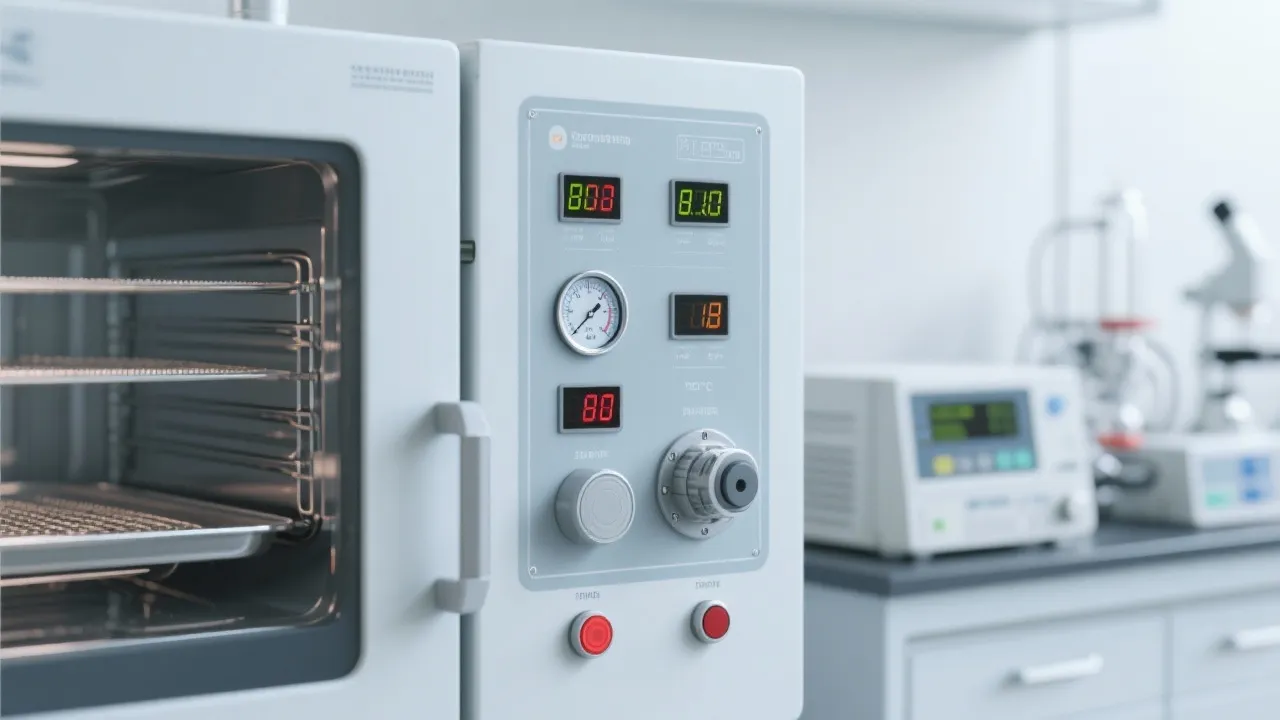
Why Choose DZ-1BCII Digital Vacuum Drying Oven for Versatile Laboratory Applications
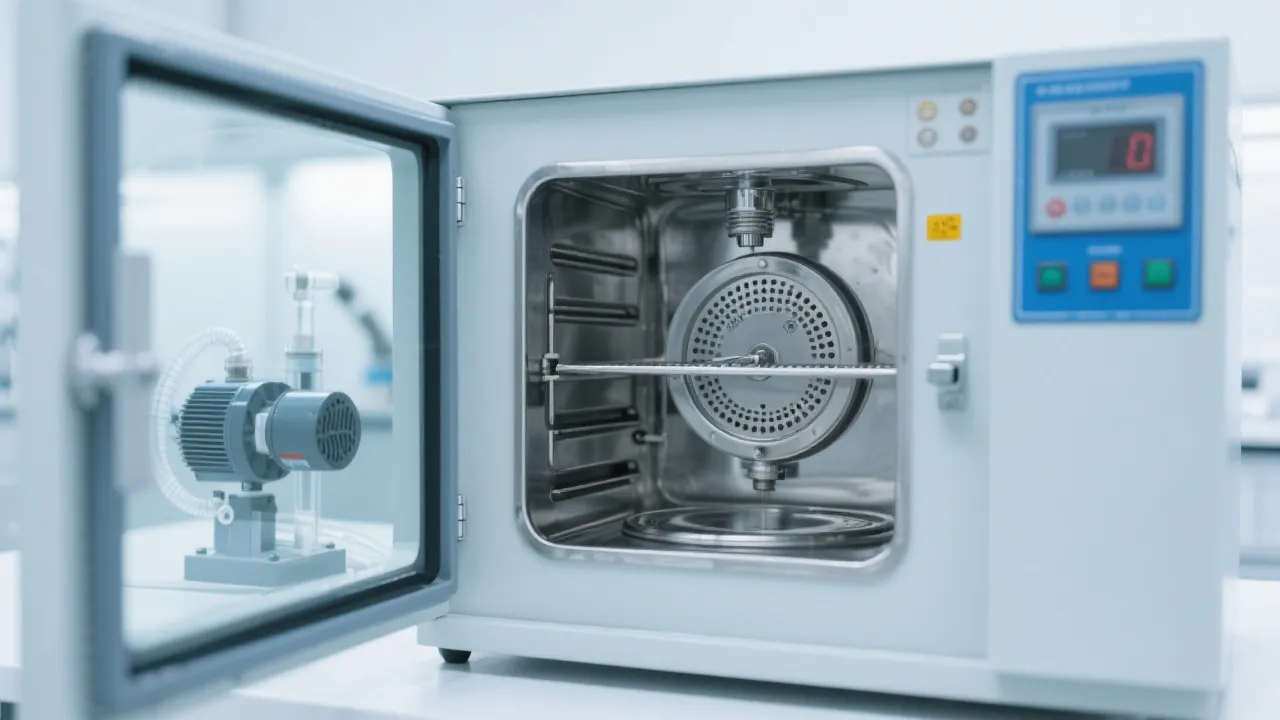
The DZ-1BCII sets a new standard in vacuum drying with its advanced features:
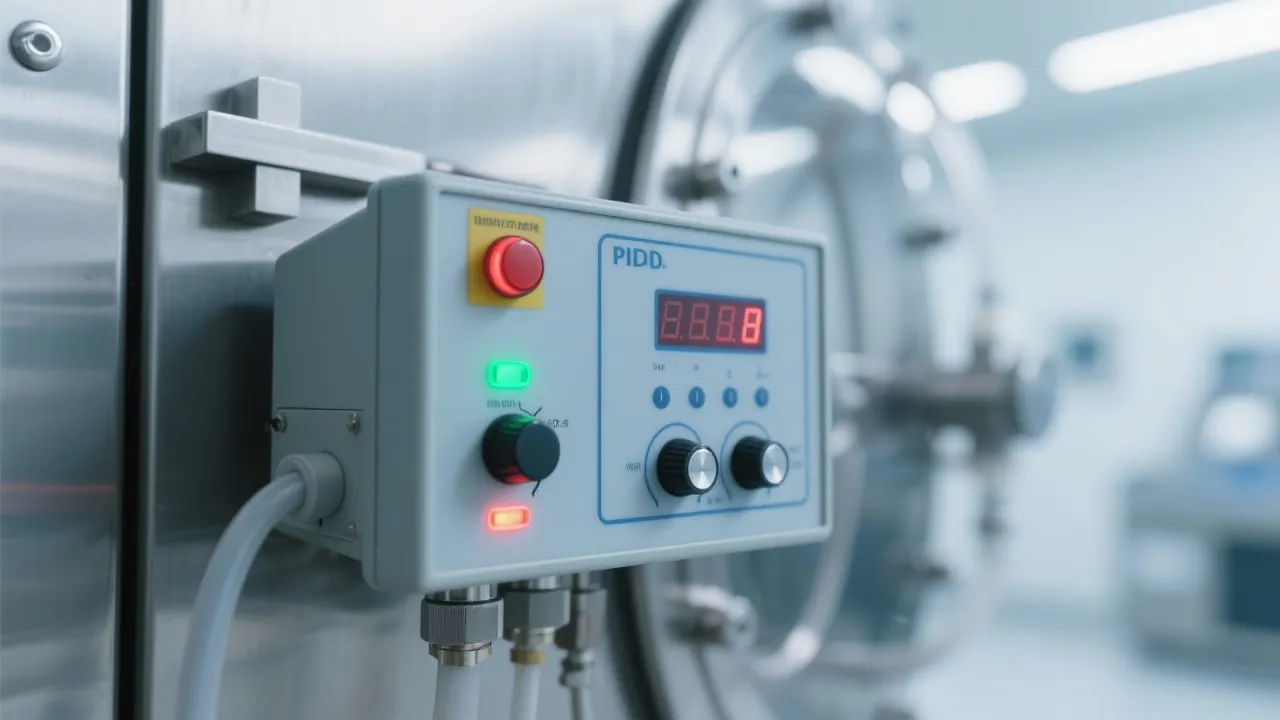
- Dual-zone PID intelligent temperature control, providing precise and uniform heating across different sample zones.
- Imported stainless steel inner chamber ensuring durability, corrosion resistance, and easy cleaning.
- Integrated over-temperature alarm system for enhanced operational safety.
- Wide temperature range from ambient +10°C to 250°C, suiting a broad spectrum of materials.
- Reliable and stable vacuum maintenance under 133 Pa, optimizing drying efficiency while preserving sample quality.
Professional-grade equipment, making every drying process precisely controllable.
Practical Tips for Efficient Use of Vacuum Drying Equipment
To maximize results and longevity of your vacuum drying oven, consider these operational best practices:
- Preheating: Always preheat the chamber to the target temperature before sample loading to ensure uniform drying conditions.
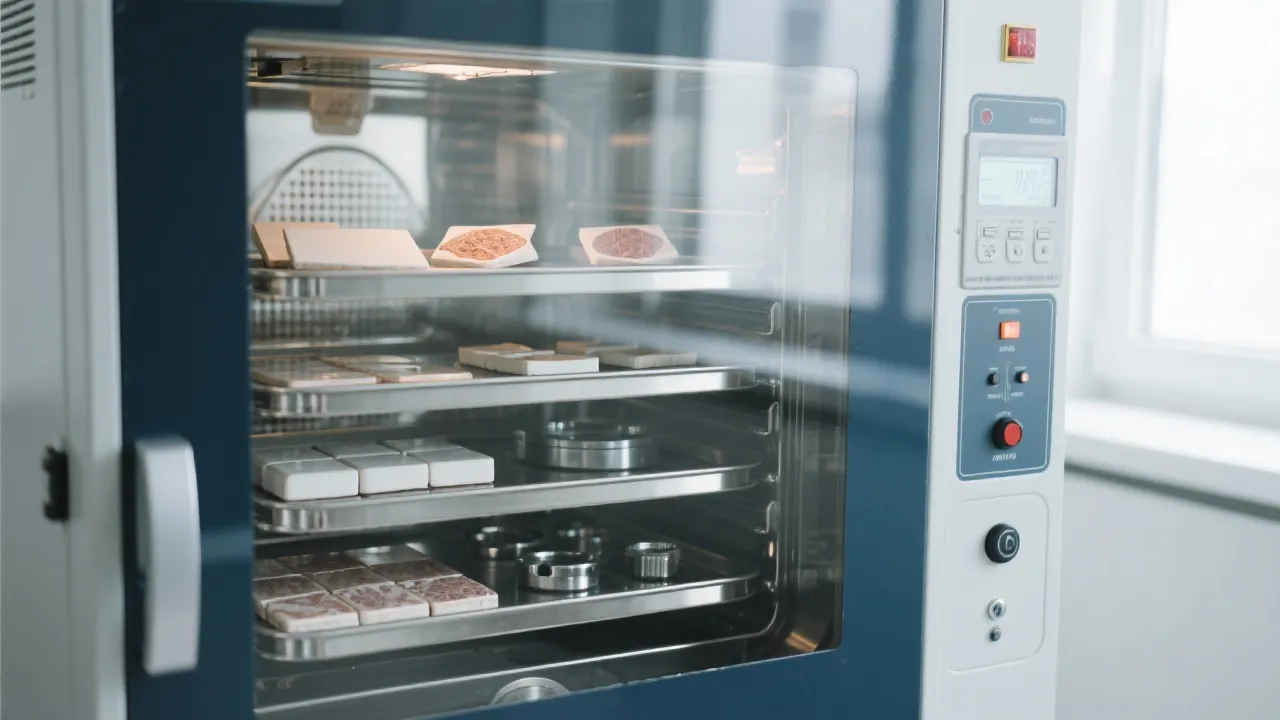
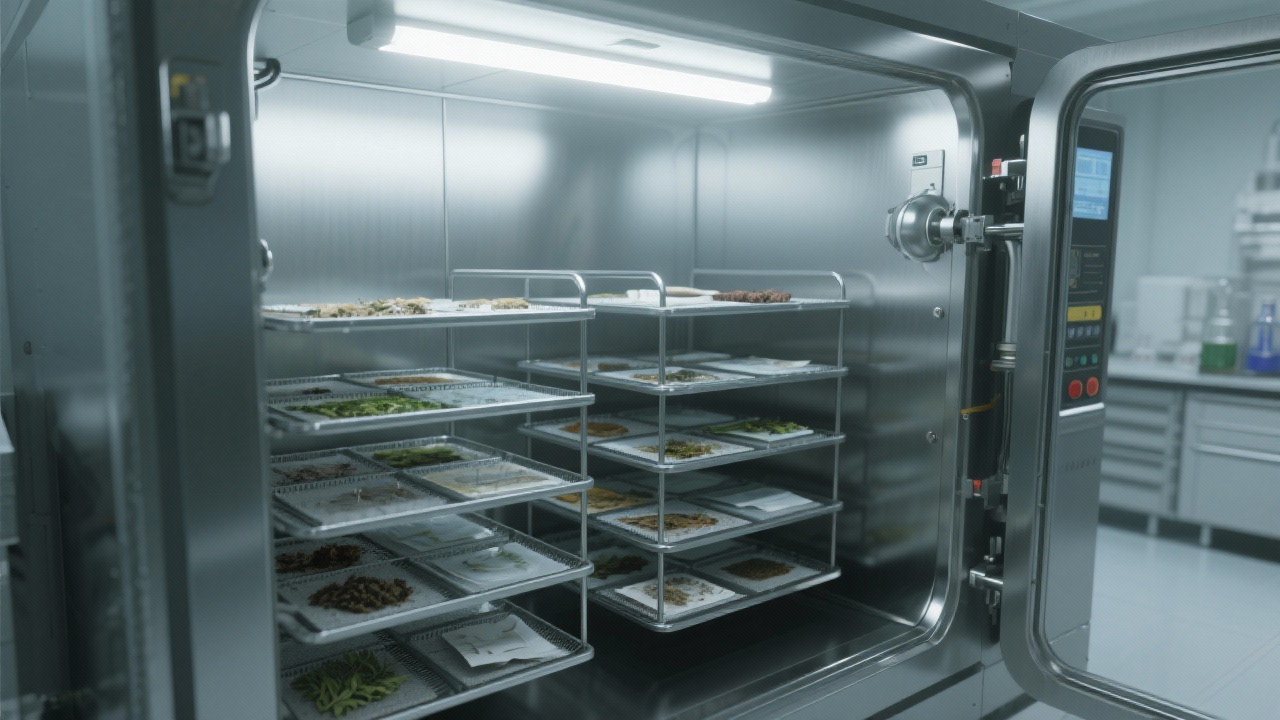
- Sample Loading: Arrange samples evenly to avoid obstructing airflow and ensure consistent vacuum exposure.
- Data Recording: Utilize automatic or manual recording of temperature and vacuum data for process validation and reproducibility.
- Regular Maintenance: Periodically check and clean vacuum seals and inner chambers to prevent leaks and contamination.
Real-World Feedback: Laboratory Success Stories
Numerous research labs worldwide have reported significant improvements using the DZ-1BCII vacuum drying oven. For example, a pharmaceutical lab reduced their drying cycle from 8 hours to 5 hours while maintaining product integrity. An electronics manufacturer noted decreased component failure rates due to consistent low-temperature drying under stable vacuum.
Interactive Insight: What Configuration Fits Your Experiment?
Ask yourself these questions to optimize your vacuum drying equipment choice:
- What is the thermal sensitivity of your sample?
- Is oxidation a concern during your drying process?
- What drying throughput and time constraints do you have?
- Do you require multi-zone temperature control for varied sample sets?
Tailor your equipment settings accordingly, and let precision be the cornerstone of your experimental success.
Maintenance Essentials to Prolong Equipment Life and Guarantee Safety
Even the most advanced vacuum drying ovens require routine attention. Follow these maintenance highlights:
- Inspect vacuum seals monthly to prevent leaks and maintain stable pressure.
- Clean the stainless steel inner chamber regularly to avoid contamination or corrosion.
- Test the over-temperature alarm system quarterly to ensure reliable safety monitoring.
- Schedule professional servicing annually to maintain optimal PID controller calibration and vacuum pump efficiency.