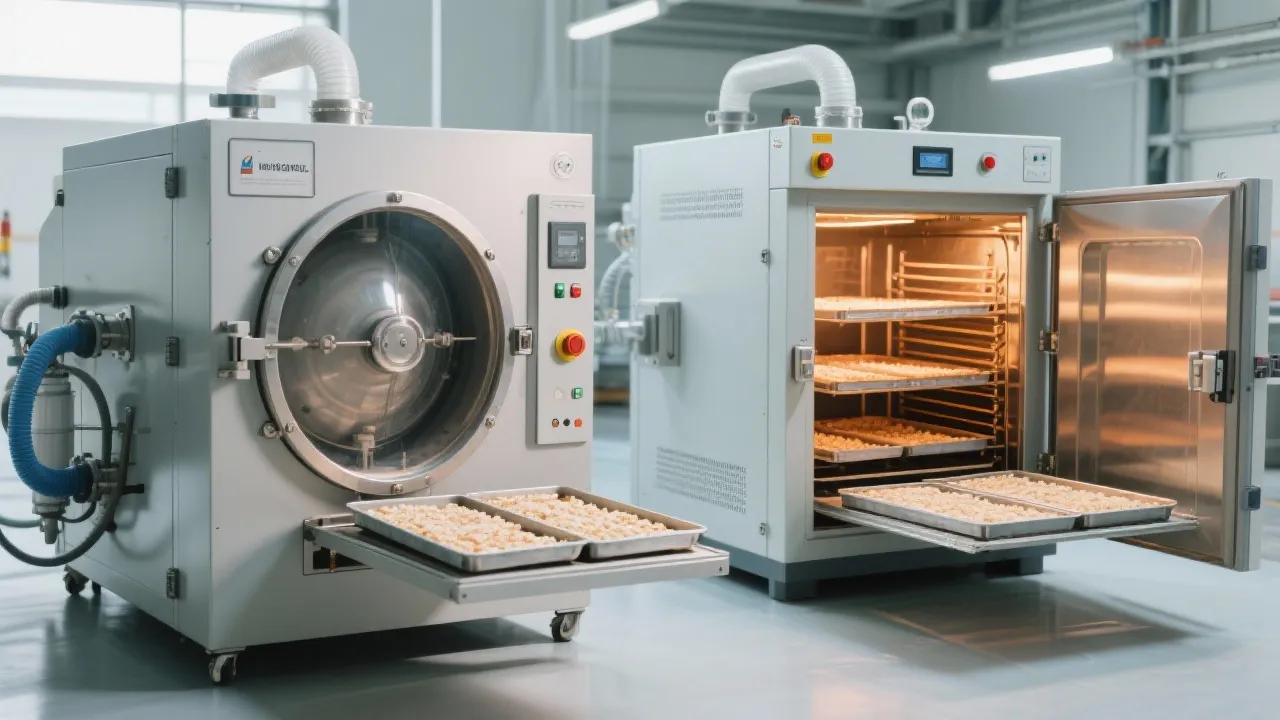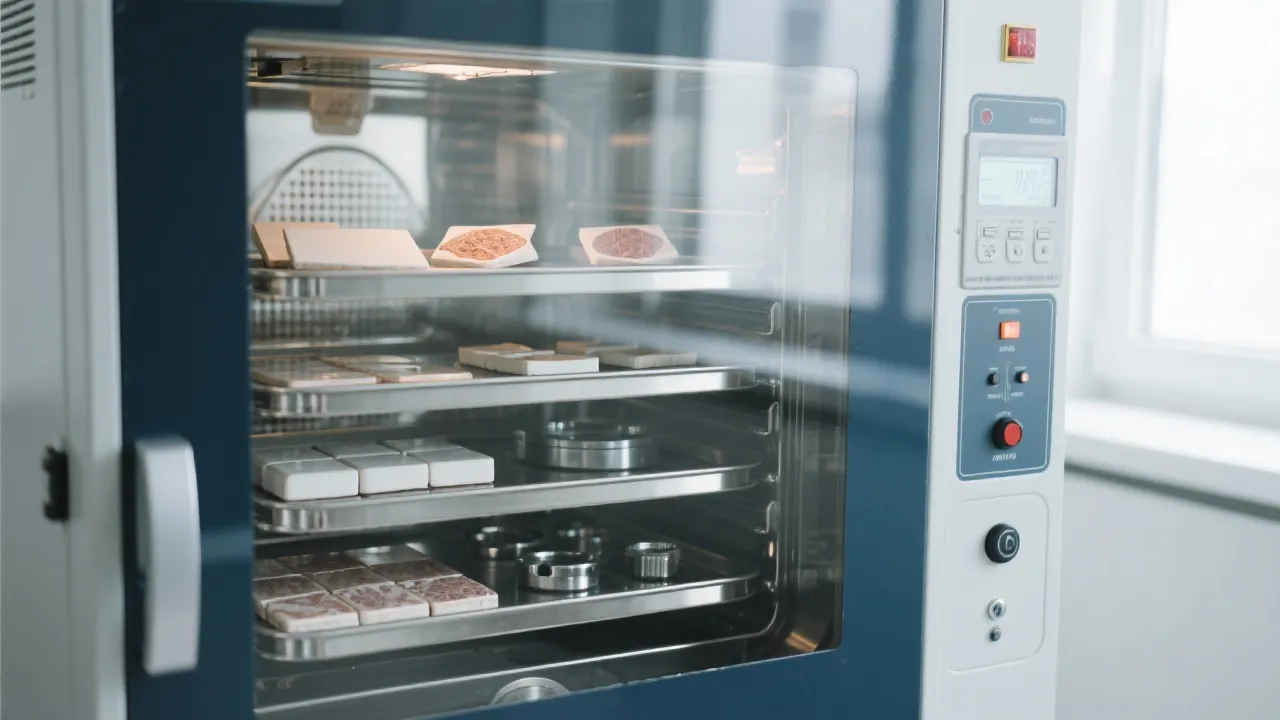
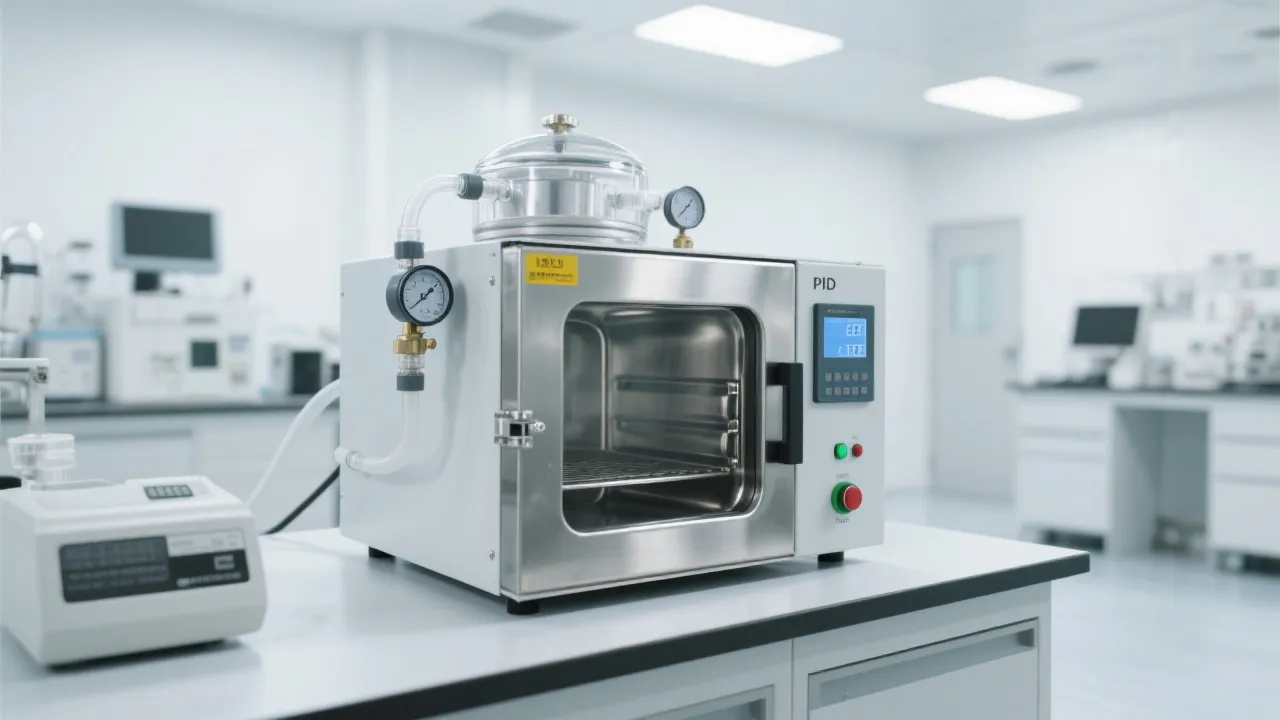
Selecting the right vacuum drying equipment can significantly impact your research outcomes, process efficiency, and operational costs. This comprehensive guide explores the critical parameters that define laboratory vacuum drying performance, with practical insights for optimizing your selection based on specific application requirements.
Vacuum drying has become indispensable in modern laboratories, offering precise control over the drying environment that traditional methods cannot match. When evaluating vacuum drying equipment, two parameters stand above the rest: temperature range and vacuum level. These factors directly influence drying efficiency, sample integrity, and energy consumption.
Key Industry Insight:
According to a 2023 survey by Laboratory Equipment Magazine, 78% of research professionals identified precise temperature control and adjustable vacuum levels as the most critical factors when selecting drying equipment for sensitive materials.
The optimal temperature range varies significantly across different laboratory applications. While some materials require gentle drying at ambient temperatures, others demand higher heat to achieve efficient moisture removal without compromising structural integrity.
| Application | Optimal Temperature Range (°C) | Primary Concern |
|---|---|---|
| Pharmaceutical Compounds | 30 - 60 | Preserving chemical structure |
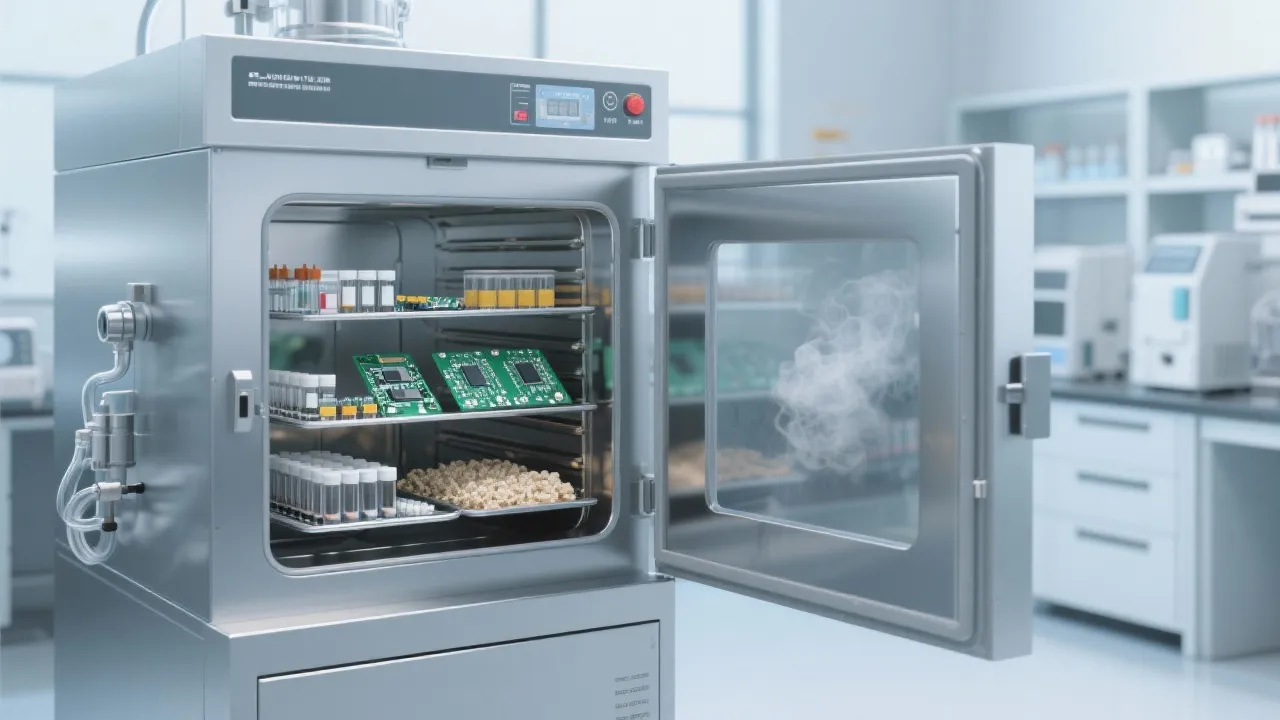
| Electronic Components | 40 - 80 | Preventing thermal damage |
| Heat-Sensitive Biological Samples | 20 - 45 | Maintaining biological activity |
| Advanced Materials Testing | 60 - 120 | Accelerated drying without degradation |
Vacuum level, typically measured in mbar or Torr, determines the boiling point of water and other solvents within the drying chamber. Lower pressure reduces boiling points, enabling effective drying at lower temperatures—a critical advantage for heat-sensitive materials.
Most laboratory vacuum drying applications require vacuum levels between 1 and 20 mbar. However, specialized applications such as lyophilization may demand pressures as low as 0.01 mbar. The key is selecting equipment that offers both wide-range vacuum control and stability, as pressure fluctuations can compromise results.
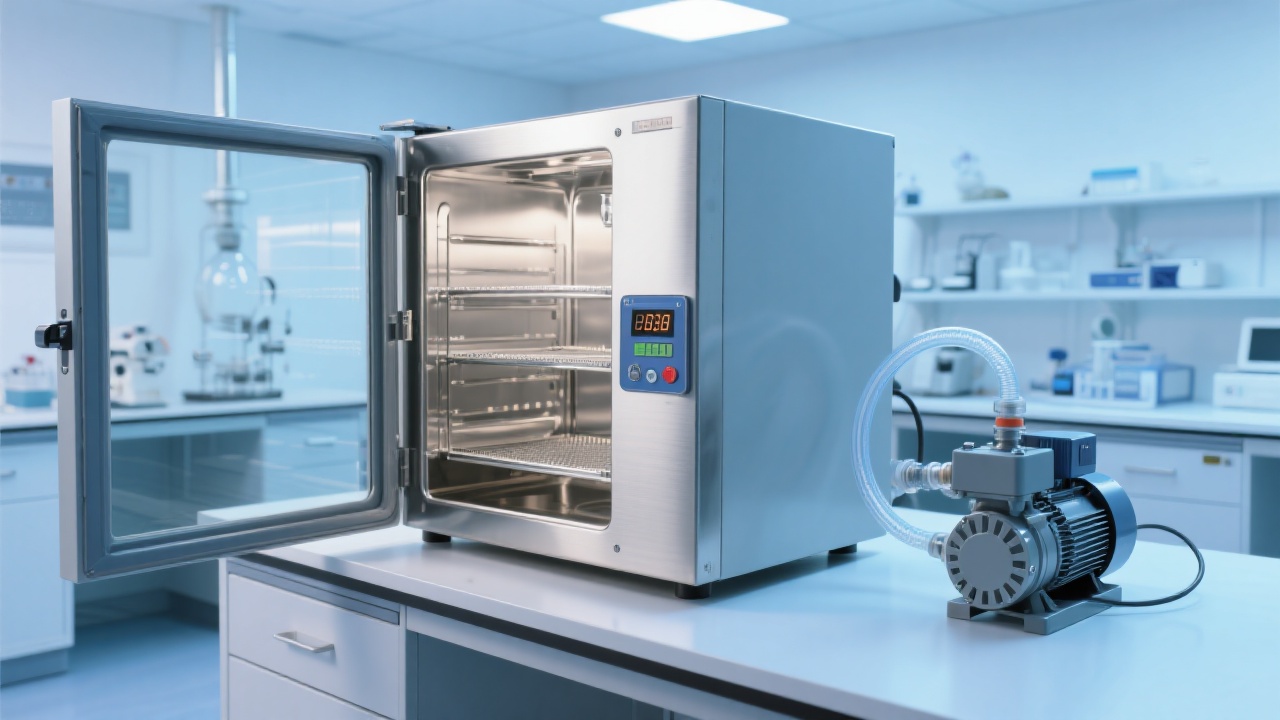
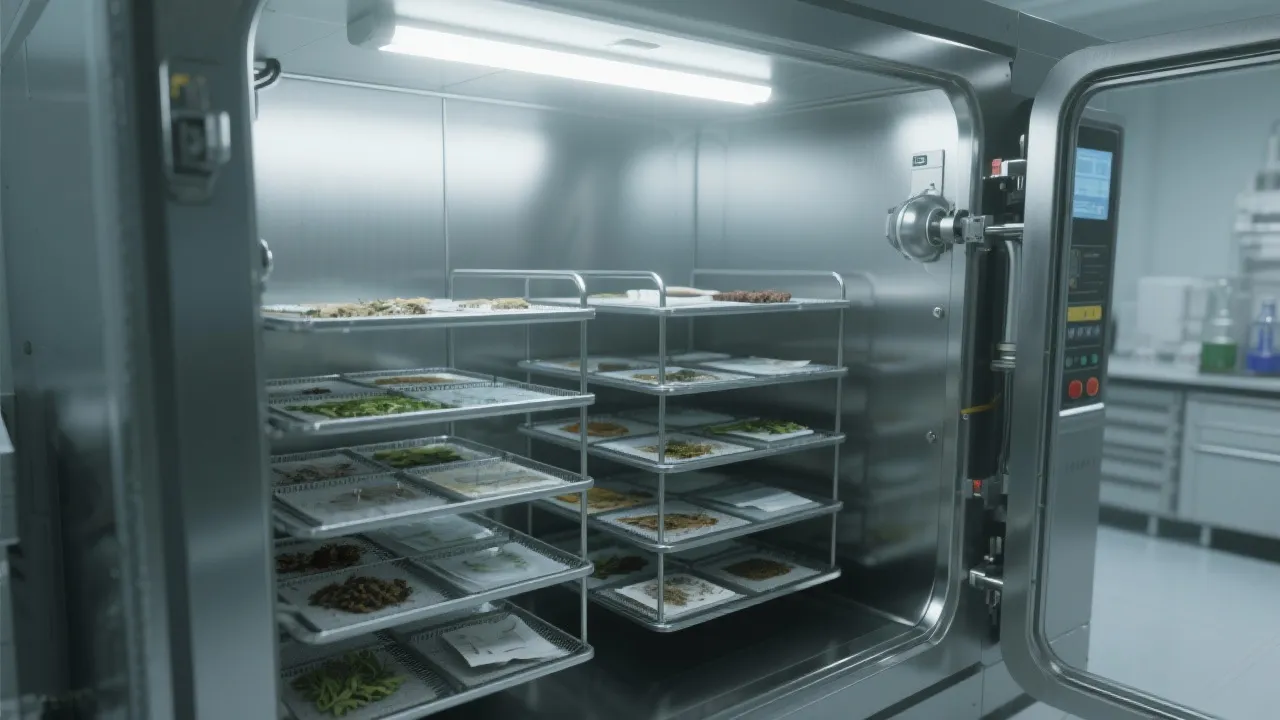
Beyond temperature and vacuum parameters, material construction plays a vital role in equipment performance and longevity. The drying chamber and internal components must resist corrosion from solvents and chemical reactions with samples.
Proper operation and maintenance are essential for maximizing drying efficiency, ensuring safety, and extending equipment lifespan. Implementing a structured approach to equipment care can reduce downtime and maintain consistent performance over time.
Preheating the chamber before loading samples can reduce overall cycle times by up to 20%, according to industry studies. Additionally, regular inspection of vacuum seals and periodic calibration of temperature sensors ensures accuracy and prevents performance degradation.
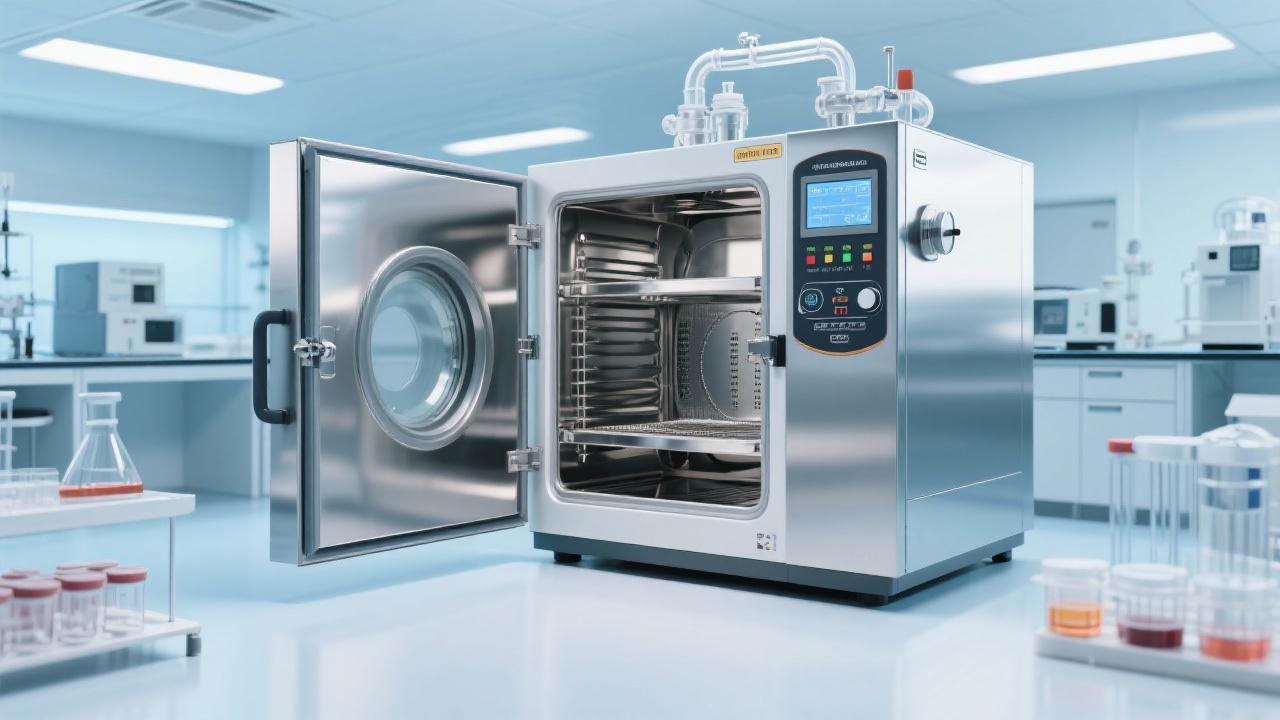
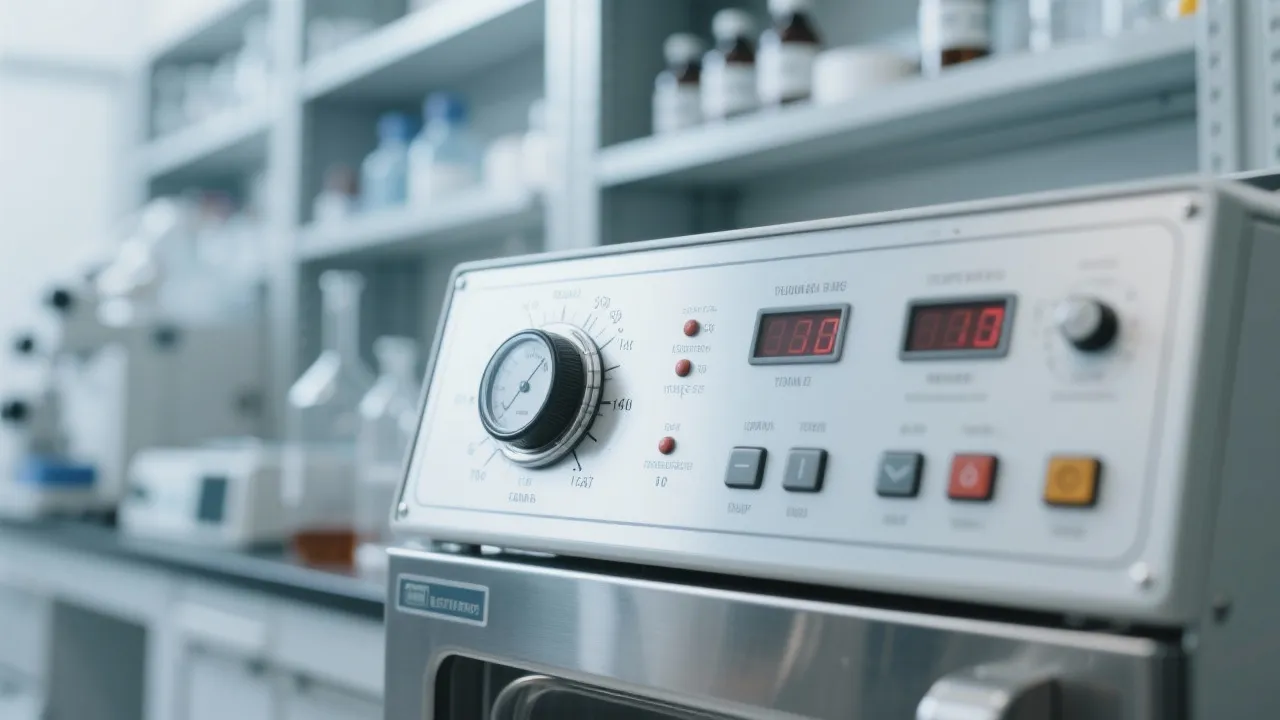
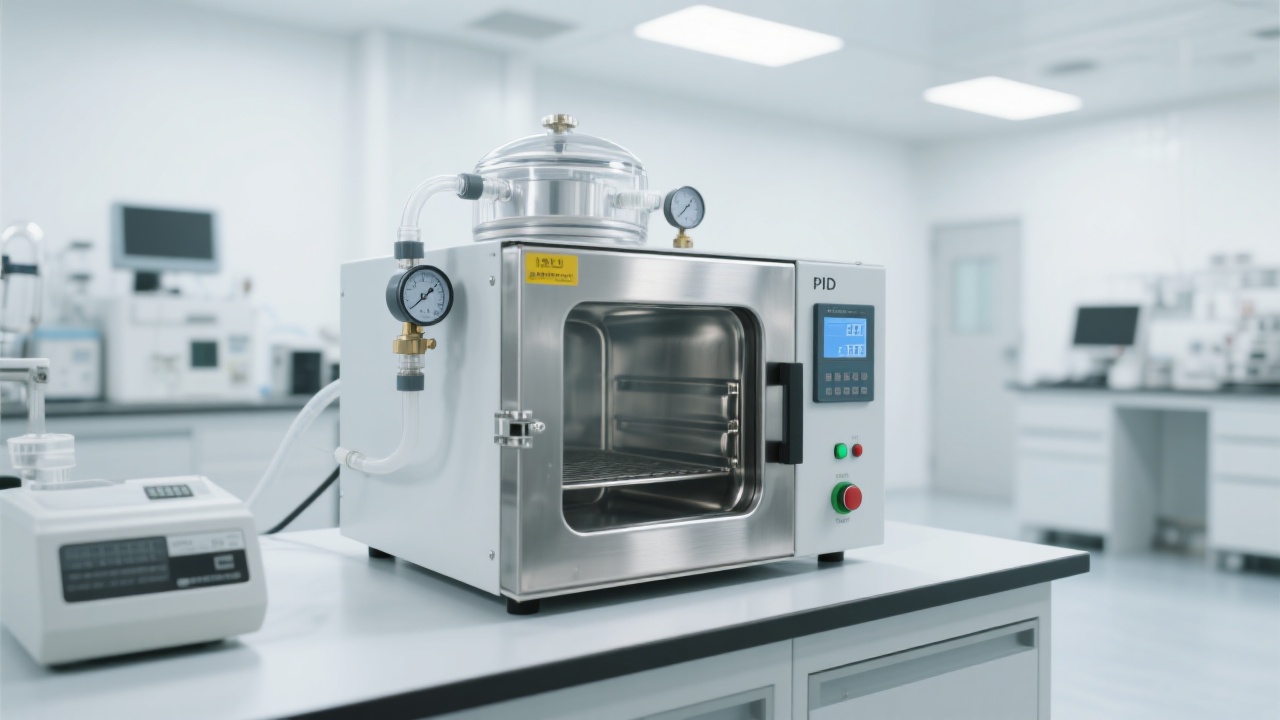
The DZ-1BCII represents the pinnacle of laboratory vacuum drying technology, combining precision control with user-friendly operation. Its advanced digital control system allows for precise regulation of both temperature (ranging from ambient +5°C to 200°C) and vacuum levels (as low as 1 mbar), making it suitable for a wide range of applications from pharmaceutical research to advanced materials testing.
What truly distinguishes the DZ-1BCII is its innovative heat distribution system, which achieves uniform temperature control within ±1°C across the entire chamber. This level of precision ensures consistent drying results even with complex sample configurations, while the intuitive touchscreen interface simplifies programming and monitoring of drying cycles.
Discover how the DZ-1BCII can enhance your research outcomes with precise control, reliability, and efficiency.
Request Technical Specifications & Application ConsultationMany leading research institutions and pharmaceutical companies have already integrated the DZ-1BCII into their workflows, reporting significant improvements in drying efficiency and sample quality. Its robust construction and advanced features make it an investment that delivers consistent returns through improved results and reduced operational costs.
When selecting vacuum drying equipment, consider not just your current needs but also future research directions. The versatility of the DZ-1BCII ensures it can adapt to evolving laboratory requirements, making it a valuable asset for any research facility looking to maintain a competitive edge in today's fast-paced scientific landscape.