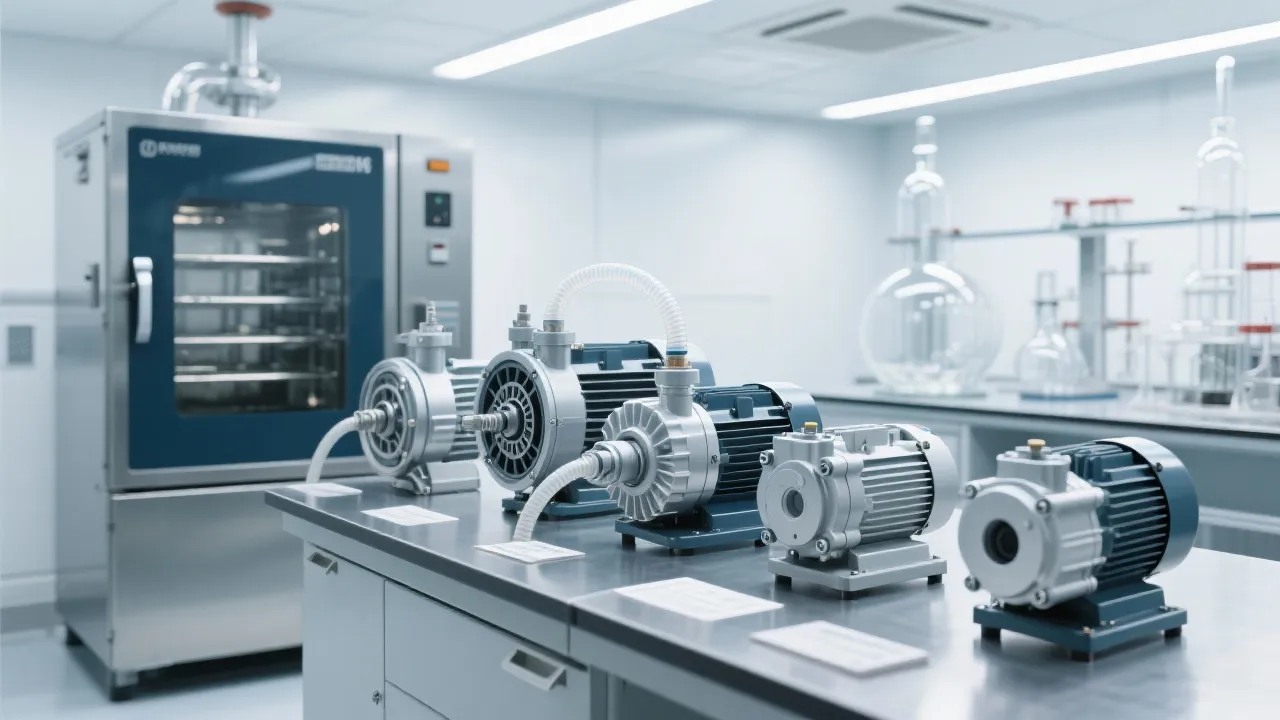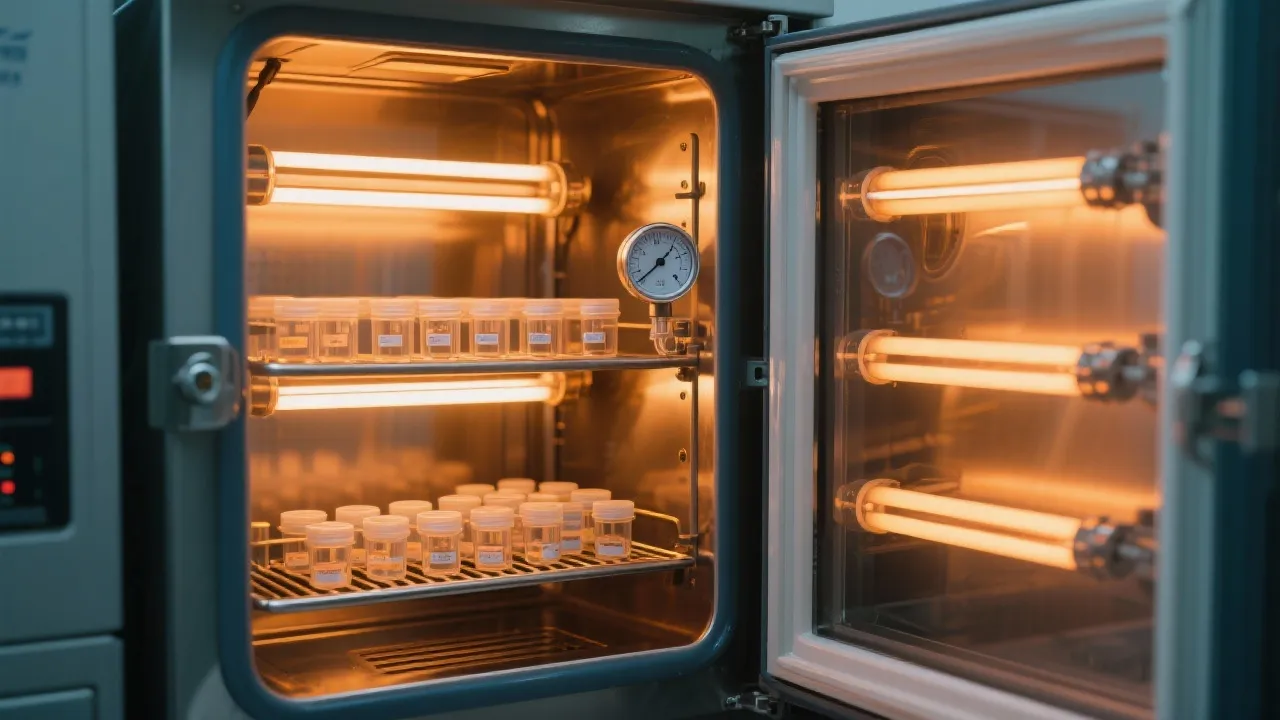
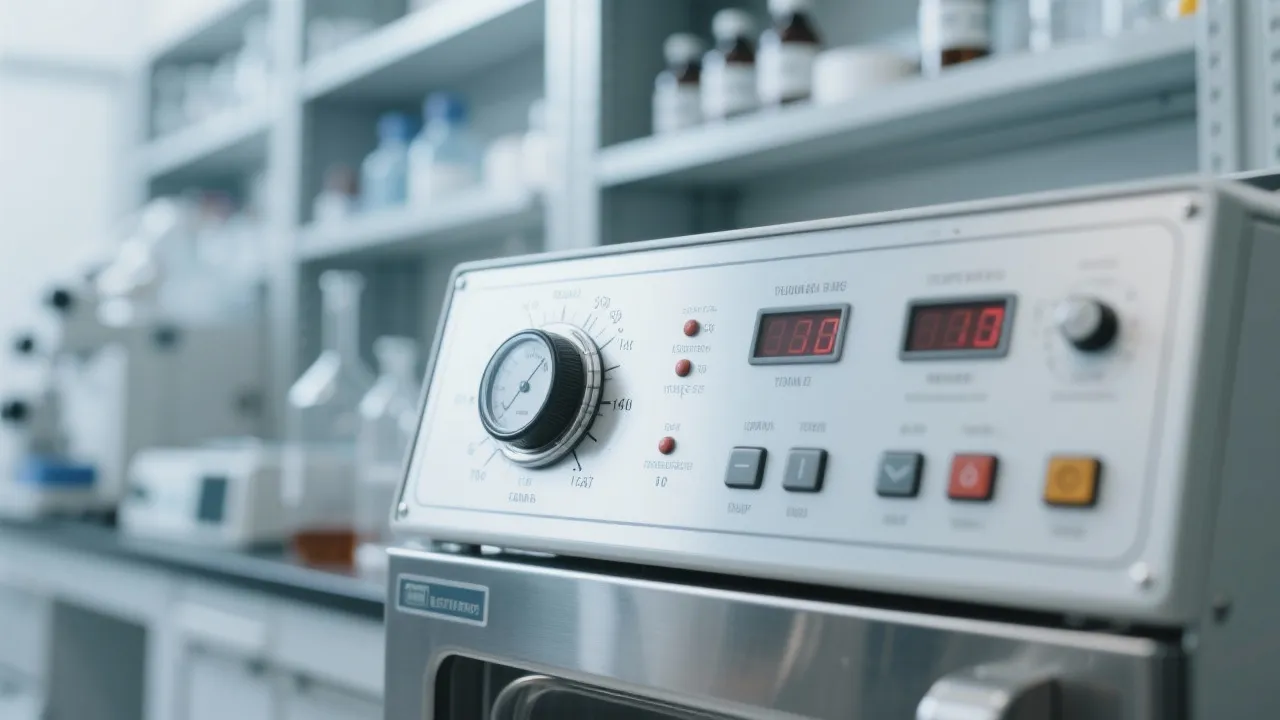
In the world of scientific research and industrial quality control, even the smallest temperature fluctuation can compromise weeks of work and invalidate critical results. Studies show that temperature variations beyond ±2°C can lead to a 35% increase in experimental error rates for sensitive materials, according to research published in the Journal of Laboratory Automation.
Imagine spending three weeks preparing a batch of pharmaceutical compounds, only to discover your drying oven's temperature drifted by 4°C overnight. This isn't just a hypothetical scenario—laboratories worldwide report losing approximately $2.3 million annually due to equipment-related experimental failures, with temperature control issues accounting for 42% of these incidents, according to a 2023 survey by the International Laboratory Equipment Association.
Dr. Emily Chen, a materials scientist at Stanford University, recounts her experience: "We were struggling with inconsistent results in our battery electrode research until we upgraded our drying equipment. The difference was night and day—our data variability decreased by 68% simply by achieving stable ±1°C temperature control."
Proportional-Integral-Derivative (PID) control systems represent the pinnacle of temperature management technology, offering advantages that traditional on-off thermostats simply can't match. Unlike basic controls that repeatedly overshoot and undershoot the target temperature, PID systems continuously adjust heating elements based on three critical factors:
This sophisticated algorithm results in temperature stability of ±1°C or better, which the International Organization for Standardization (ISO) identifies as the minimum requirement for reliable results in pharmaceutical and semiconductor testing (ISO 17025:2017).
"Precision temperature control isn't just a convenience—it's the foundation of reproducible science. Our research on nanomaterial synthesis requires consistent drying conditions, and the ±1°C stability of our vacuum oven has reduced our experimental repetition rate by 52%."
— Dr. Michael Rodriguez, Nanomaterials Research Lab, MIT
Different scientific disciplines face unique challenges that demand precise temperature control. Let's examine how accurate drying equipment transforms results across key industries:
Active pharmaceutical ingredients (APIs) require precise drying to maintain potency and stability. Temperature variations as small as 2°C can alter crystalline structures, reducing efficacy by up to 23% in sensitive compounds.
Moisture control during wafer processing directly impacts yield rates. The DZF-6010's vacuum capability combined with precise temperature control has been shown to improve chip production yields by an average of 18%.
Polymer testing and composite material development rely on consistent drying to ensure accurate material property measurements. Research facilities report a 40% reduction in data variance after implementing precision drying equipment.
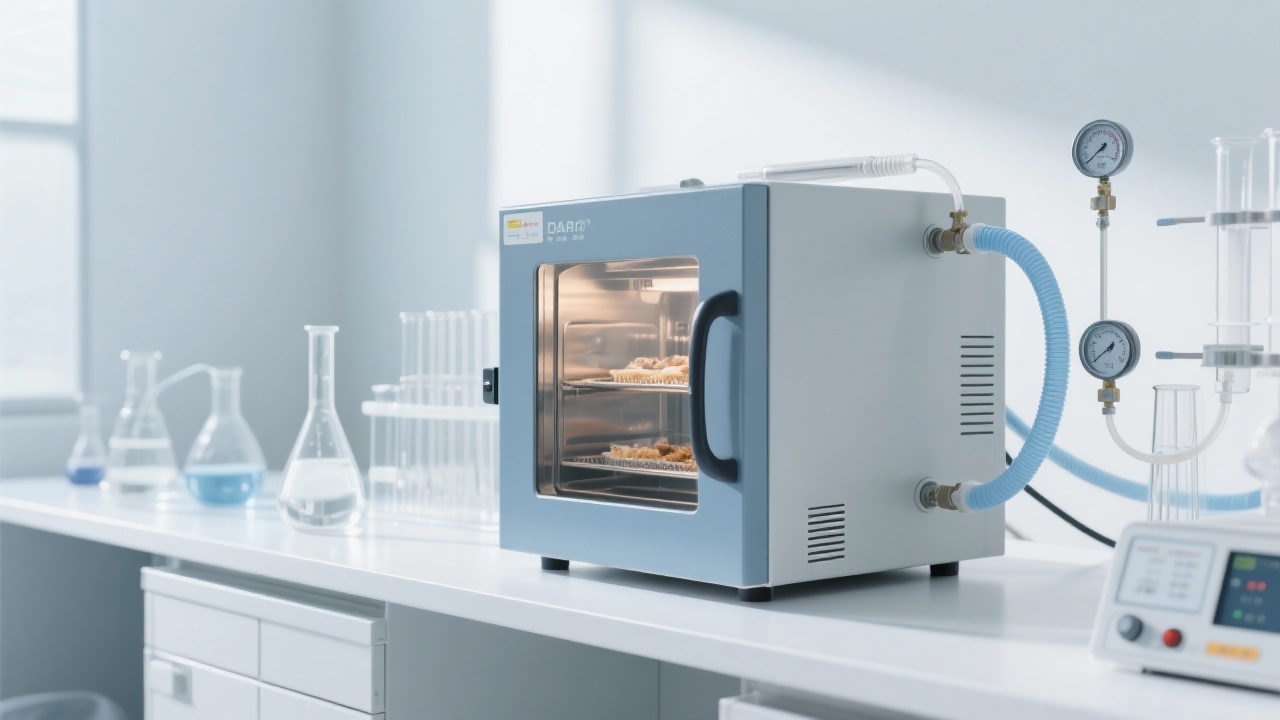
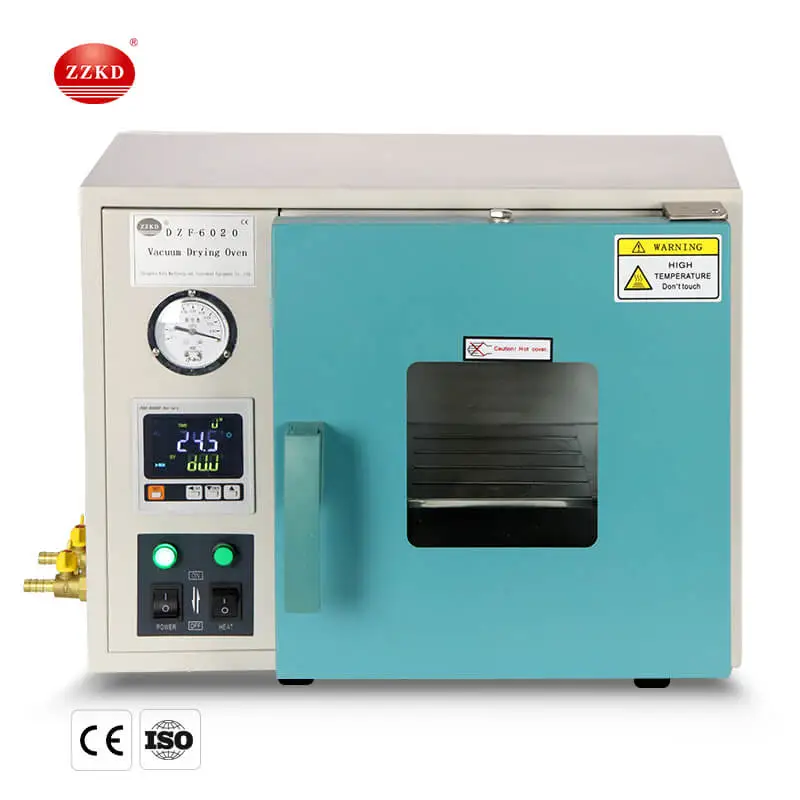
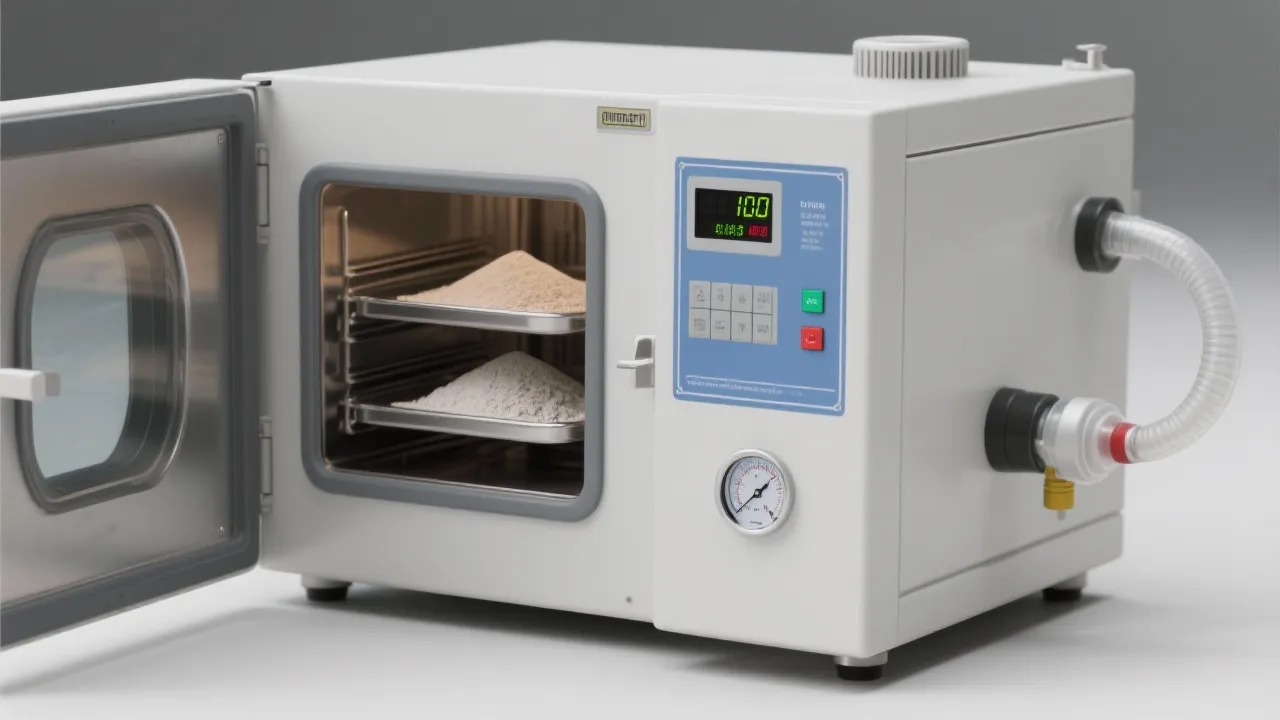
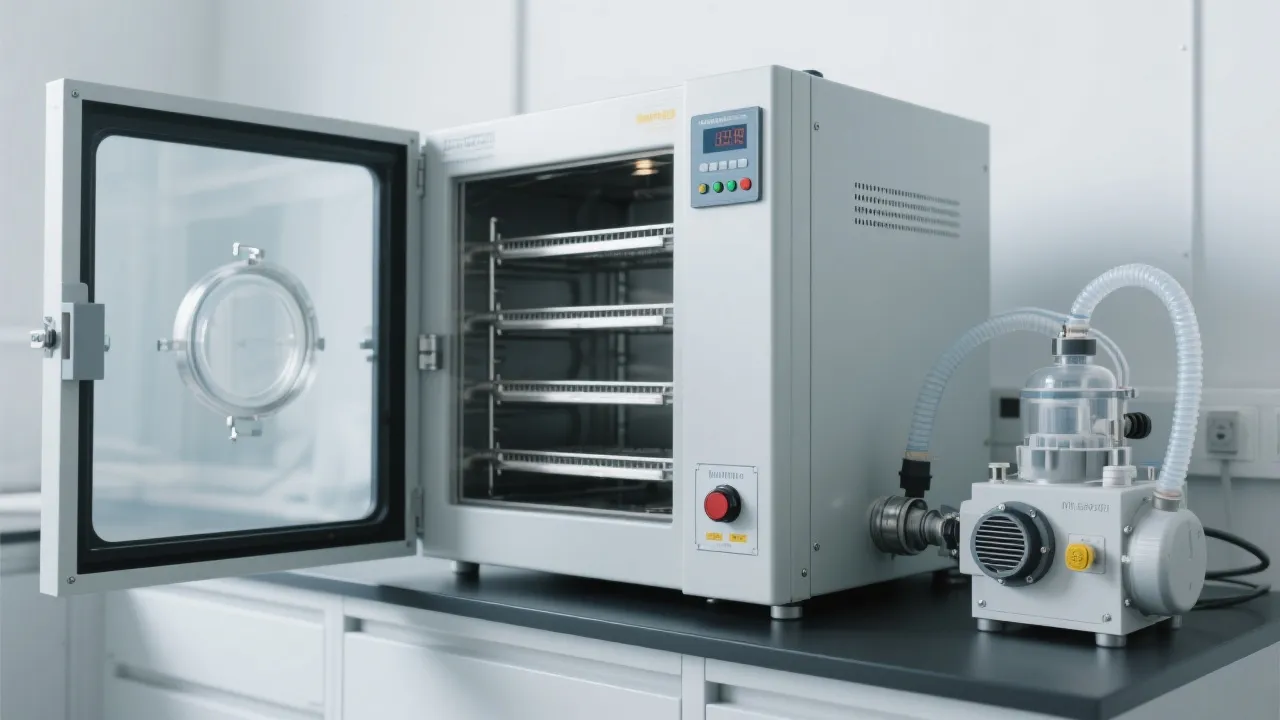
While many manufacturers claim precision, the DZF-6010 mini vacuum oven stands apart through its comprehensive approach to laboratory drying challenges:
In today's competitive research landscape, the difference between breakthrough results and inconclusive data often comes down to equipment reliability. The DZF-6010 doesn't just dry samples—it preserves the integrity of your research investment.
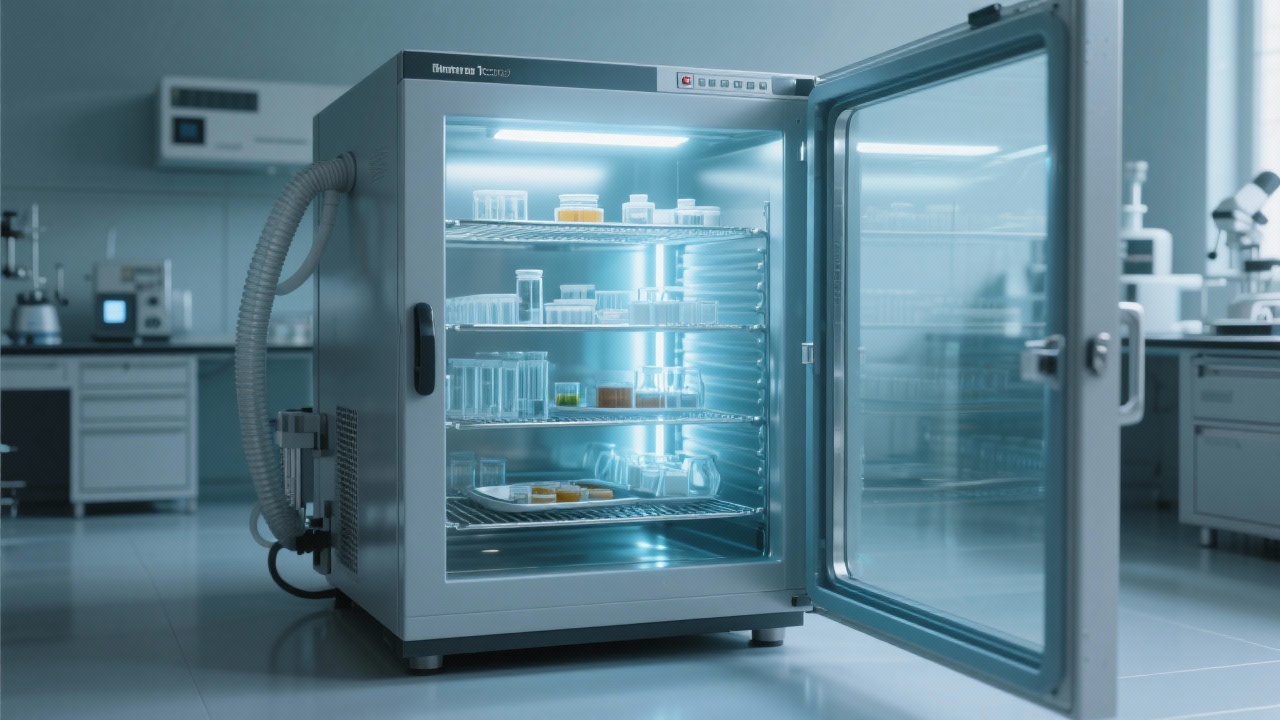
When evaluating laboratory drying equipment, consider not just the initial purchase price but the long-term cost of inconsistent results. A study by the Laboratory Equipment Efficiency Council found that precision ovens like the DZF-6010 deliver a return on investment within 9-12 months through reduced experimental repetition, improved data quality, and enhanced researcher productivity.
Professor Sarah Williams from the University of California, Berkeley notes: "We've standardized on precision vacuum ovens for our materials research. The initial investment was offset by the elimination of failed experiments and the ability to publish more reliable data faster."
Experience the difference that ±1°C temperature control can make in your sensitive drying applications
Discover the DZF-6010 Vacuum OvenWhether you're working with pharmaceuticals, advanced materials, or electronic components, the foundation of reliable research begins with precise temperature control. By selecting equipment that prioritizes stability, safety, and repeatability, you're not just purchasing an oven—you're investing in the integrity of your scientific discoveries and the efficiency of your laboratory operations.