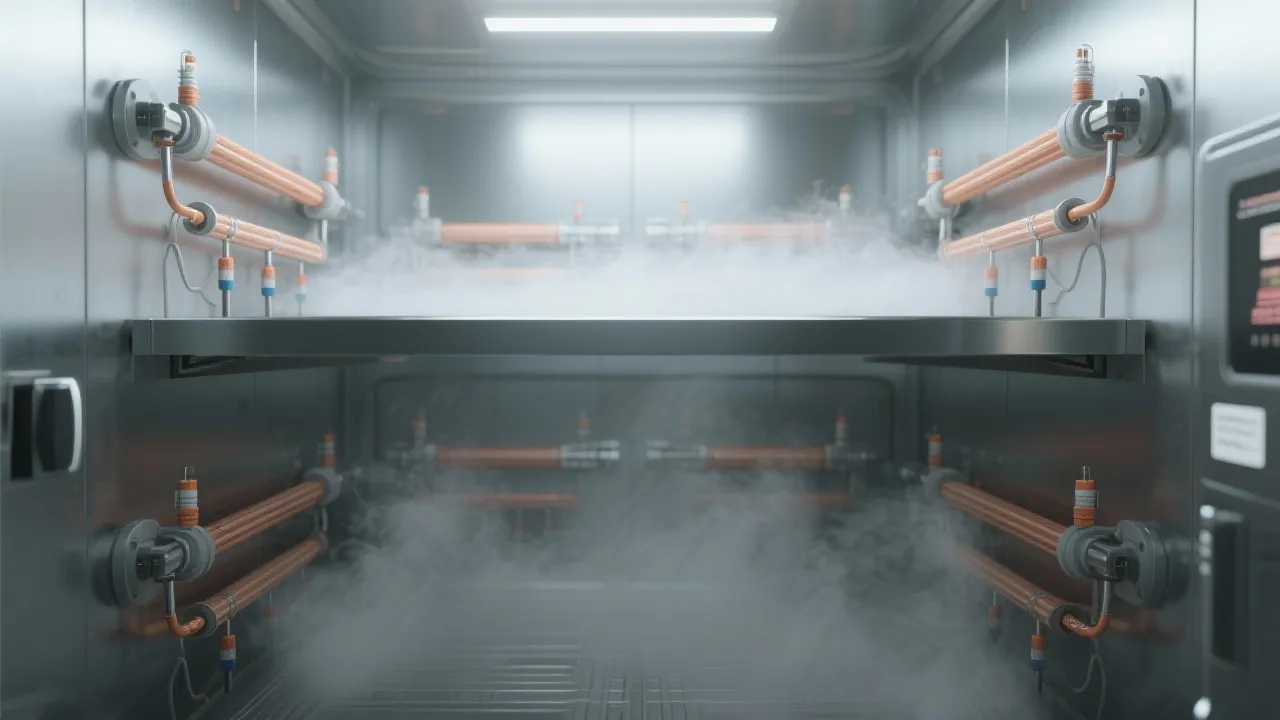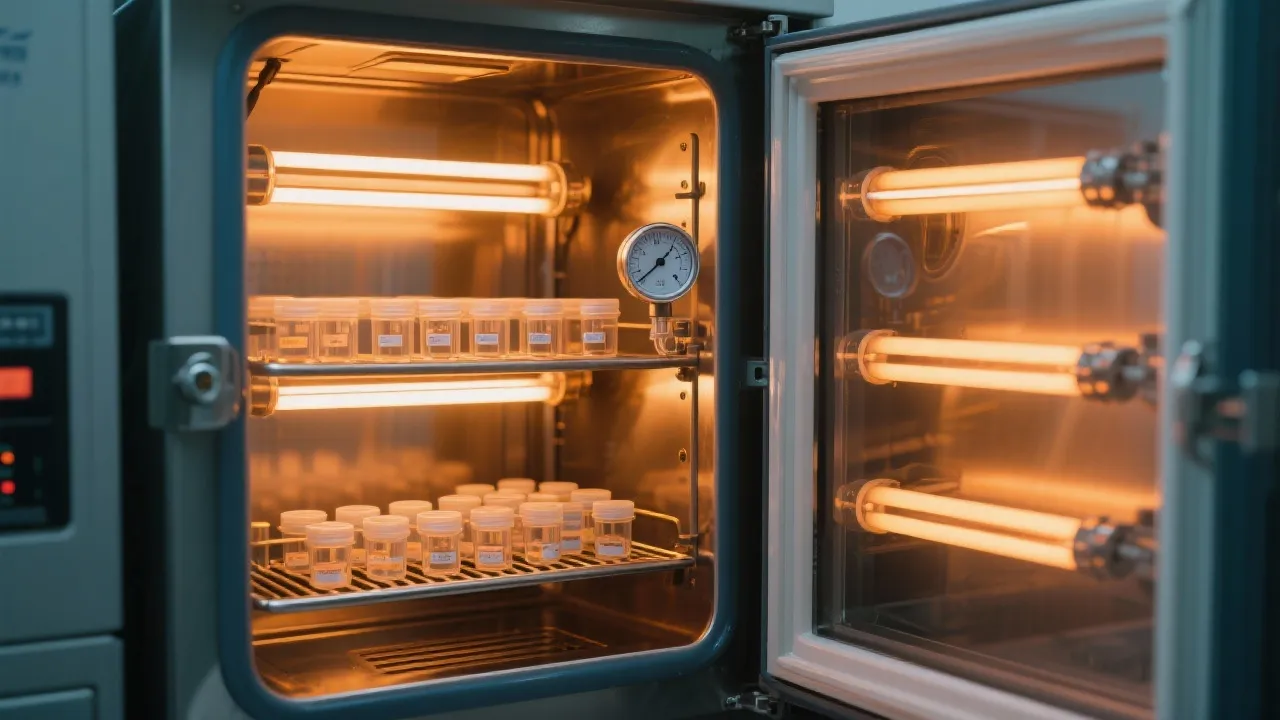

Selecting the right laboratory drying equipment is a critical decision for researchers and industrial professionals working with thermal-sensitive materials, electronic components, and pharmaceutical raw ingredients. At the heart of this choice lies one paramount factor: the precision of temperature control. Even minor fluctuations in temperature can compromise the integrity of experimental results, leading to costly setbacks or erroneous conclusions. This article explores why high-precision PID (Proportional-Integral-Derivative) intelligent temperature control systems are indispensable for ensuring drying accuracy and data reliability in laboratory environments.
Drying processes involving heat-sensitive substances demand stringent temperature stability. For example, pharmaceutical raw materials may degrade at a mere 1-2°C temperature deviation, while delicate electronic components risk damage from uneven heating. Such sensitivity necessitates temperature control systems that maintain fluctuations within ±0.1°C or better to guarantee reproducibility and validity in test outcomes.
Furthermore, temperature precision directly influences drying time consistency and energy efficiency — optimizing throughput without sacrificing sample integrity. In contrast, traditional ON/OFF controllers often cause temperature oscillations of ±3°C or greater, unsuitable for demanding laboratory applications. Therefore, the adoption of advanced PID-based controllers has become industry best practice.
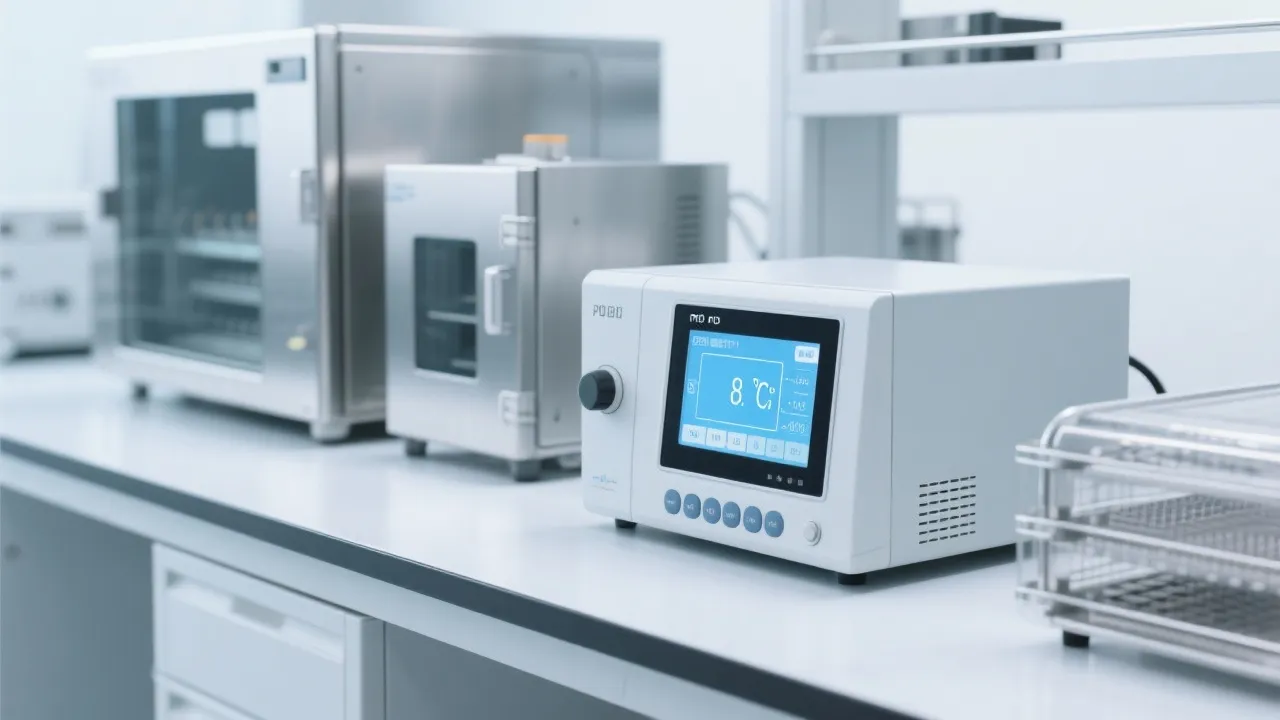
The PID intelligent temperature control system continuously measures the actual temperature and dynamically adjusts heating input by calculating proportional, integral, and derivative components. This closed-loop feedback mechanism enables fine-tuned responsiveness that minimizes temperature overshoot and undershoot.
Leading industrial laboratories specializing in electronic component testing have reported a 20% increase in throughput accuracy after integrating PID-controlled drying ovens, minimizing scrap and rework. Similarly, university research centers conducting drug formulation experiments emphasize the necessity of precise temperature control to ensure data consistency across multiple test batches.
For example, a materials science lab using PID-controlled drying equipment observed enhanced retention of microstructural integrity in polymer samples — a result unattainable with conventional controllers.
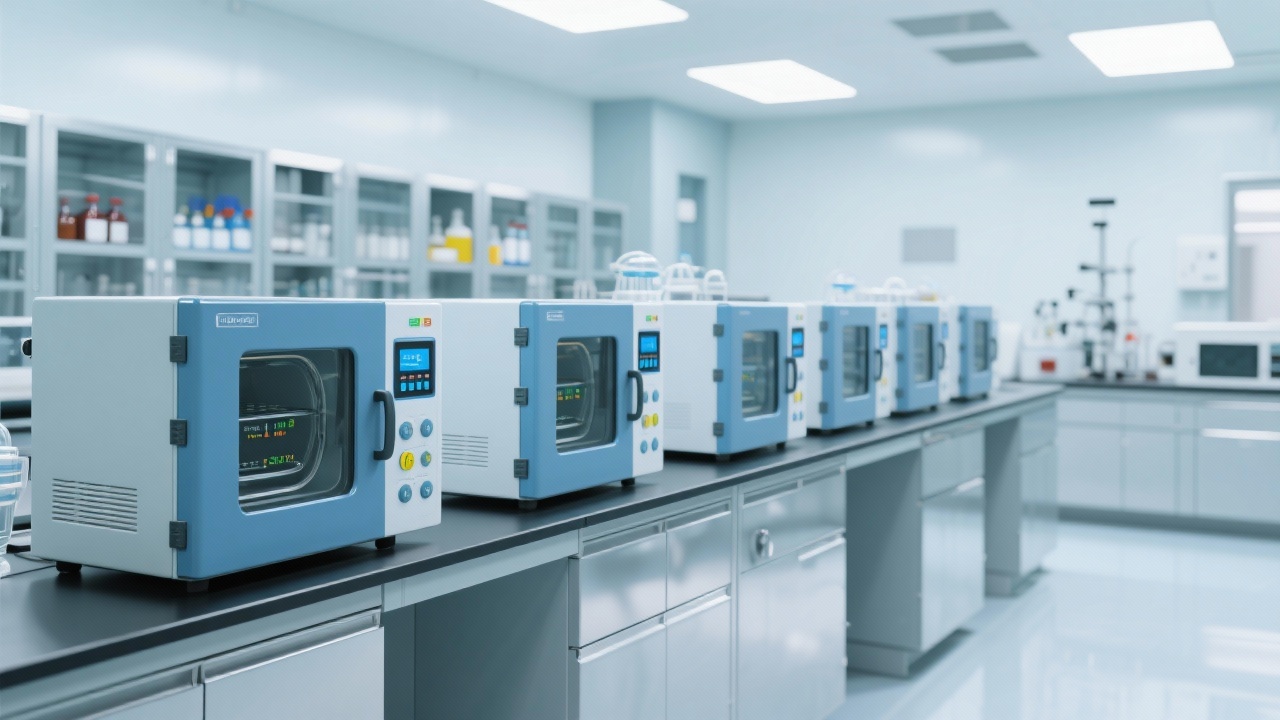
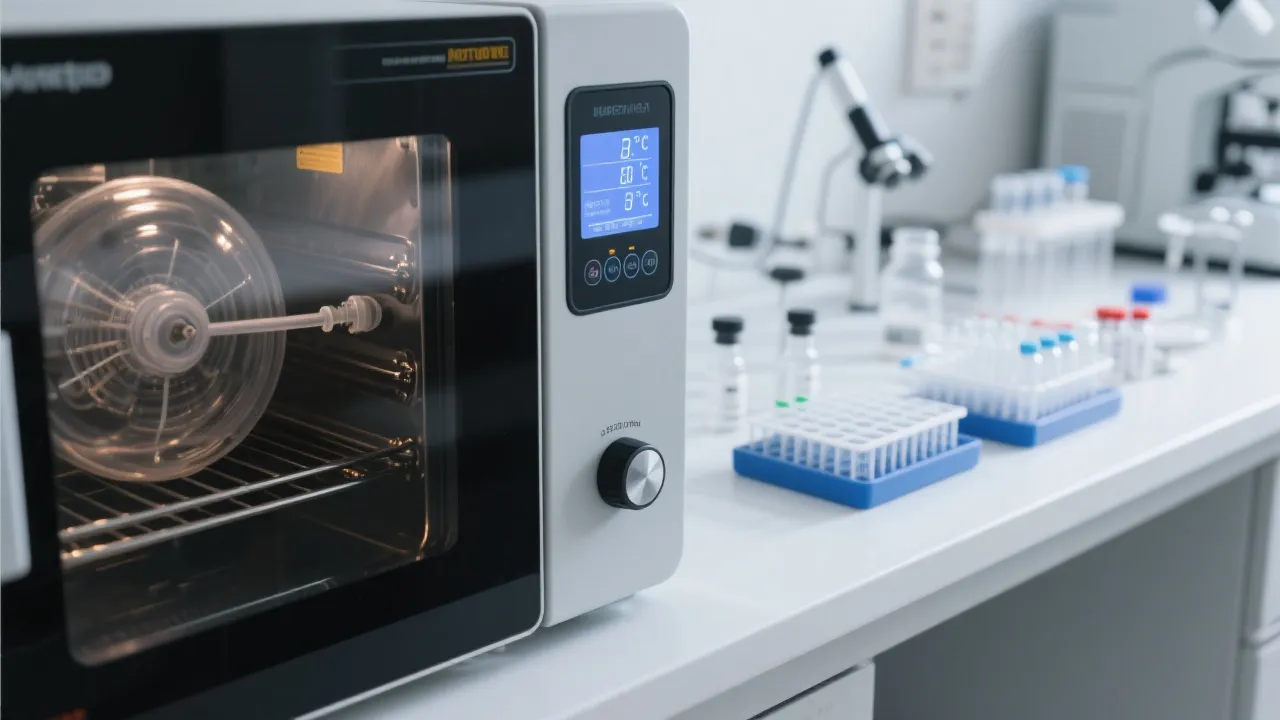
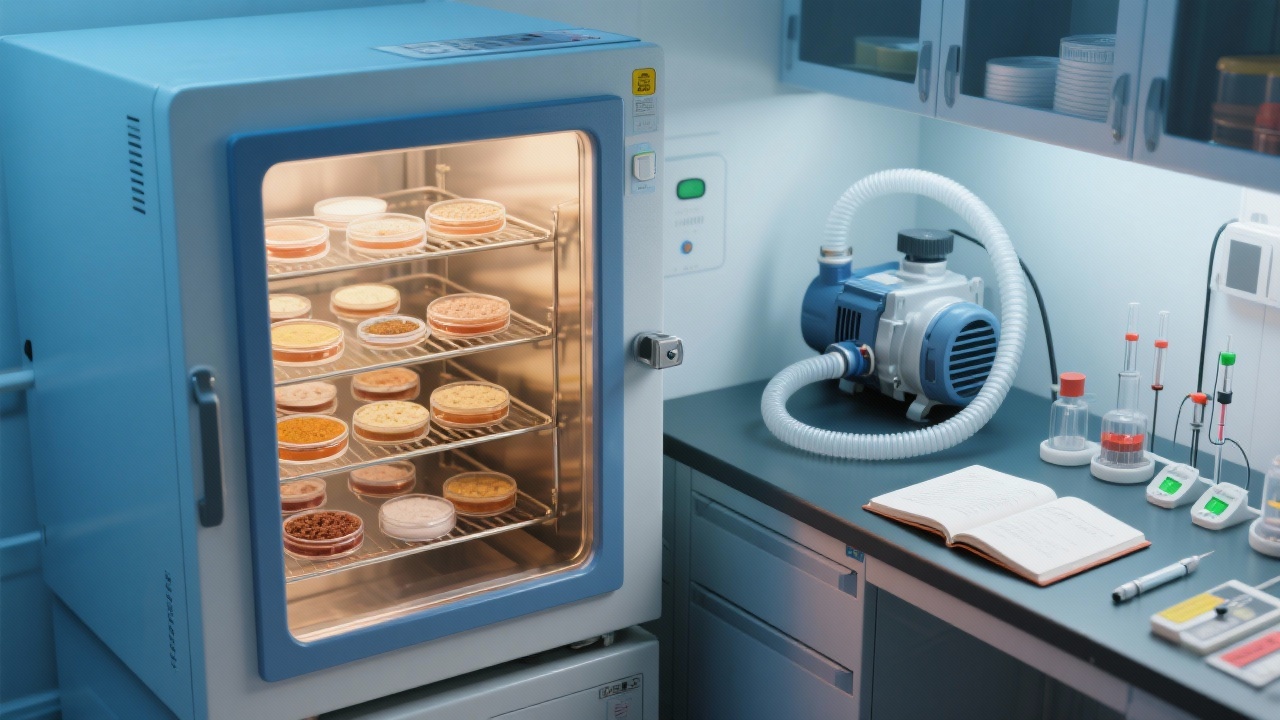
Among the top-tier laboratory drying solutions, the DZF-6010 Mini Vacuum Oven integrates superior materials and technology to meet the pressing demands of precision drying applications:
| Feature | Specifications & Advantages |
|---|---|
| Inner Chamber | Constructed from 304 stainless steel for corrosion resistance and easy cleaning |
| Temperature Control | Advanced PID controller maintaining ±0.05°C accuracy |
| Safety Features | Explosion-proof design compliant with international safety standards |
| Vacuum Performance | High-efficiency vacuum pump enabling stable low-pressure environment for moisture-sensitive materials |
| User Interface | Intuitive touchscreen panel with real-time parameter display |
Compared with conventional drying ovens and vacuum chambers, the DZF-6010 offers unmatched temperature uniformity and safety configurable even for highly sensitive sample batches.
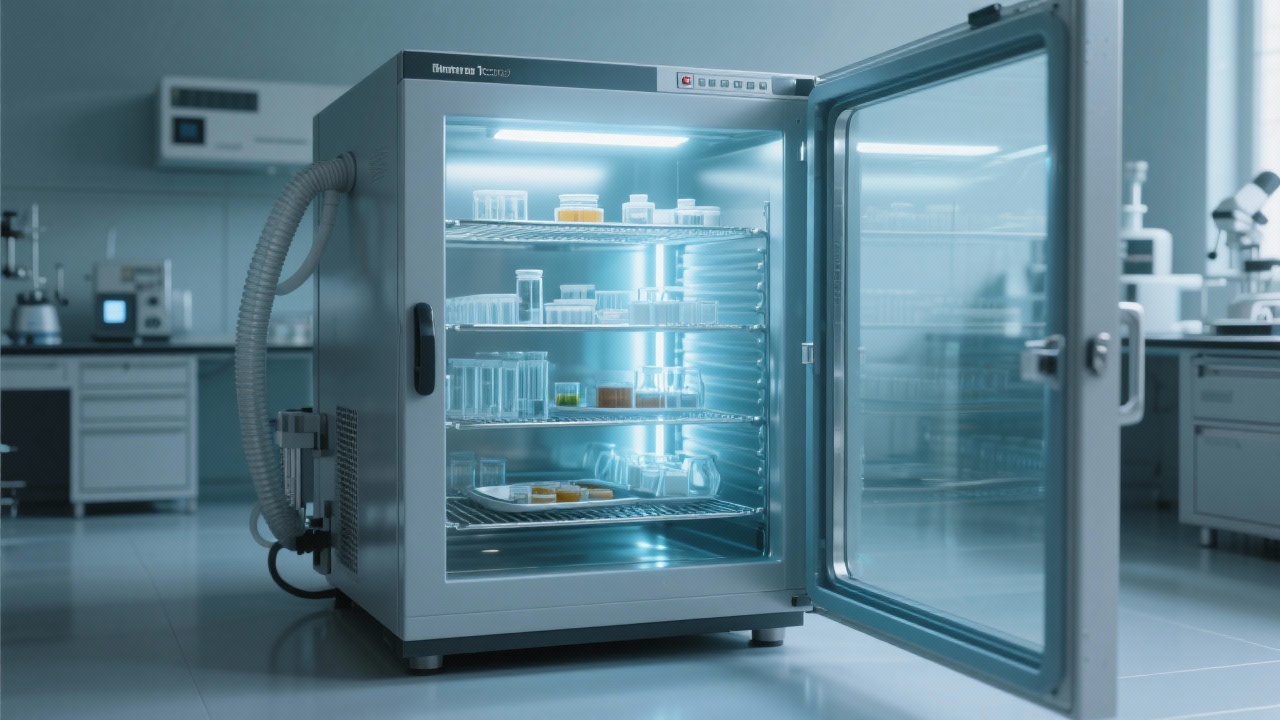
The robust vacuum system not only improves drying efficiency but also safeguards against oxidation or contamination—crucial for pharmaceutical and electronic materials. Users have praised the DZF-6010’s ergonomic design allowing effortless sample loading and cleaning, while its programmable PID settings simplify replicating experiments with consistent results.
Achieving such performance benefits directly translates to accelerated R&D cycles and enhanced product quality assurance.
Engage with a growing community of laboratory professionals and researchers who share practical tips, troubleshooting advice, and innovative drying techniques. Your feedback on drying challenges and equipment performance helps refine product designs that better meet evolving experimental demands.