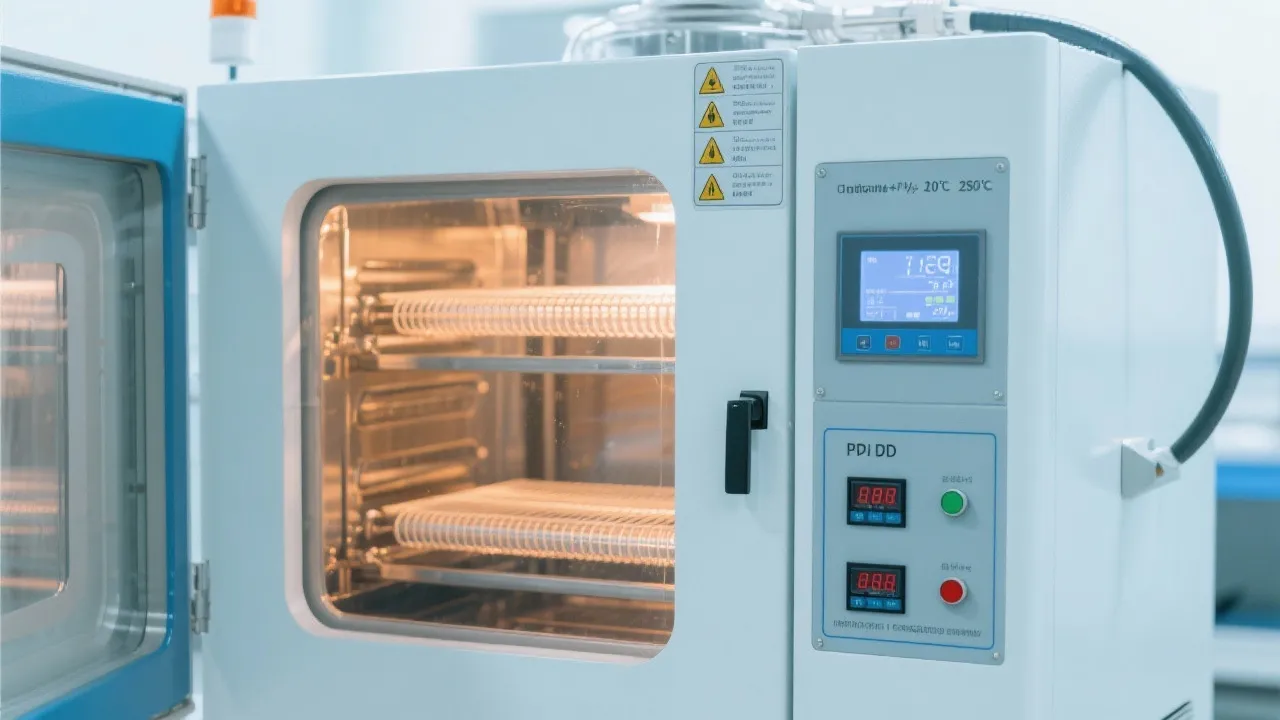
Selecting Laboratory Drying Equipment: Why High-Precision PID Temperature Control Matters

20 02,2026
Zhengzhou Keda Mechanical Instrument Equipment Co., Ltd.
Tutorial Guide
This article provides an in-depth guide to selecting laboratory drying equipment, emphasizing the critical role of high-precision PID temperature control technology in ensuring stable and accurate experimental conditions. Addressing challenges in drying heat-sensitive materials and electronic components, it illustrates how PID control enhances data reliability and reproducibility. The discussion highlights the technical advantages of the DZF-6010 mini vacuum oven—including precise temperature regulation, robust vacuum capability, explosion-proof design, and user-friendly operation. These insights help researchers and industry professionals make informed choices, improving experiment efficiency and outcomes with reliable drying solutions.
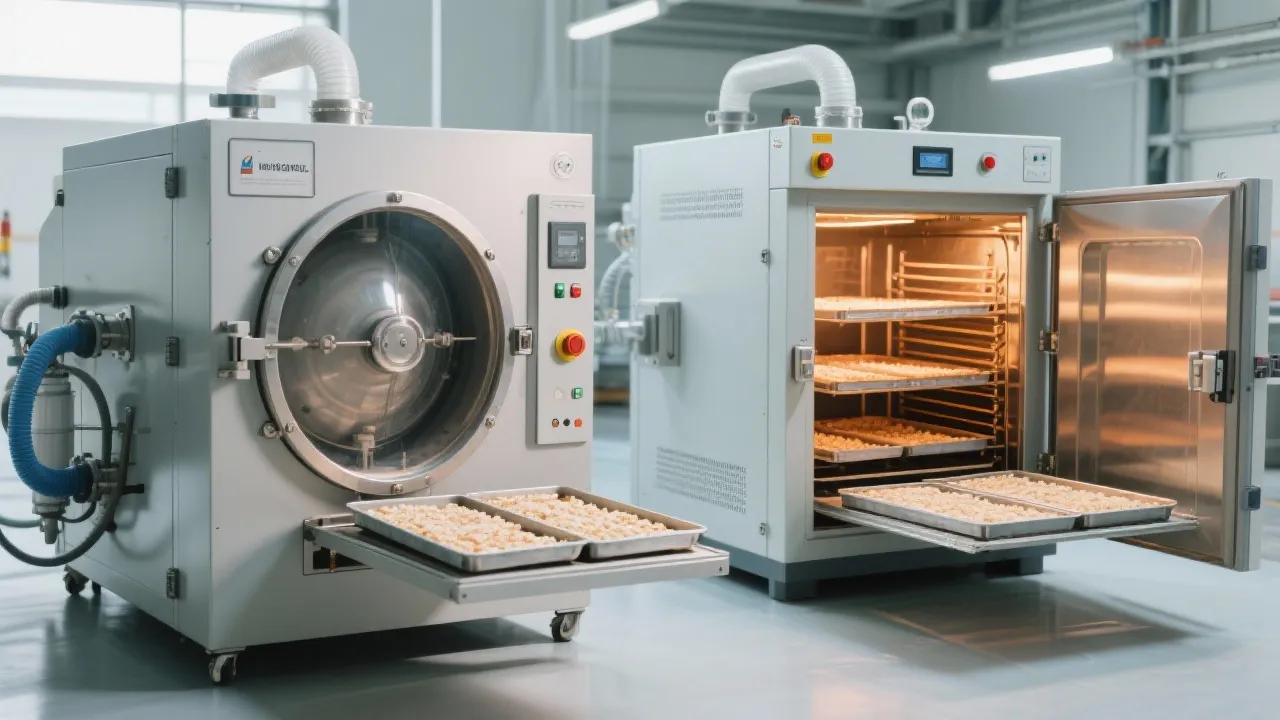
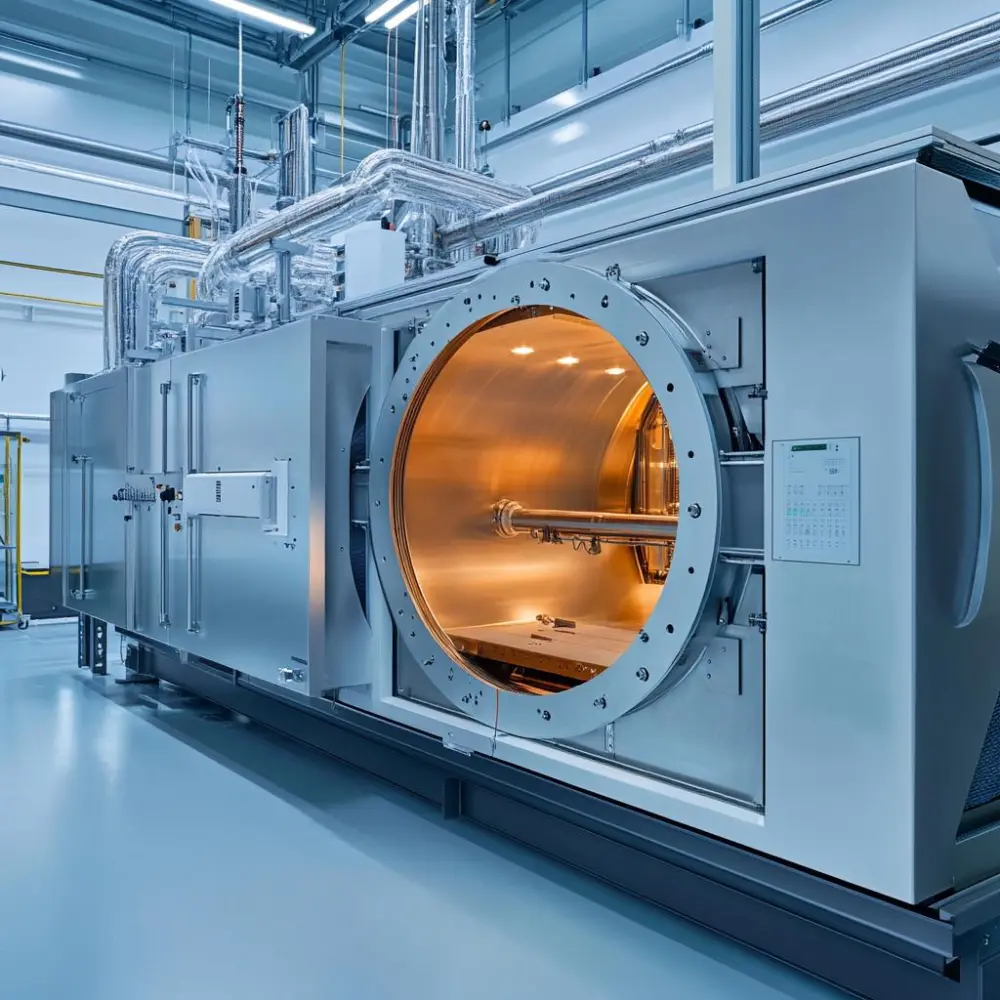
Graph showing temperature stability improvement with PID control in laboratory drying

How to Choose Laboratory Drying Equipment? The Crucial Role of High-Precision Temperature Control

Selecting the right laboratory drying equipment is essential to ensure the accuracy and reliability of experimental results. Among various factors influencing the selection, high-precision temperature control stands out as the key to maintaining stability during temperature-sensitive processes. This article dives into the advantages of advanced PID temperature control technology, demonstrating its impact on drying sensitive materials and electronic components. We will also introduce the DZF-6010 Mini Vacuum Oven as an exemplary device integrating cutting-edge temperature management and vacuum drying capabilities.

Why Temperature Stability Matters in Lab Drying

Laboratory drying is a critical process in scientific research and industrial testing, often involving heat-sensitive materials like thermolabile compounds or electronic parts prone to overheating. Even minor temperature fluctuations (±1°C or more) can affect the integrity of specimens, skew test results, and reduce reproducibility. According to industry reports, stable temperature control can improve experimental consistency by up to 25%, enhancing reliability across multiple runs.

Understanding High-Precision PID Temperature Control

The Proportional-Integral-Derivative (PID) temperature control system is a sophisticated algorithm that continuously calculates temperature error values and makes real-time adjustments to reduce overshoot and optimize stability. It surpasses traditional on/off thermostats by delivering precise modulation of heating elements, achieving temperature accuracy within ±0.1°C in advanced setups.

Key performance indicators for high-precision PID temperature controllers include:

  • Temperature control accuracy: ±0.1°C to ±0.3°C
  • Response time: Less than 1 second to temperature changes
  • Stable operation across wide temperature ranges (up to 250°C or higher)
  • Adaptability for vacuum drying and various load sizes

Application Case Studies: Impact of PID Control on Experimental Reliability

Industrial laboratories drying electronic components noted a 30% reduction in defective units after upgrading to PID-controlled ovens. Similarly, academic research involving thermosensitive polymers observed enhanced reproducibility due to reduced thermal cycling variance. These improvements translate directly into cost savings, shorter turnaround times, and elevated confidence in experimental data.
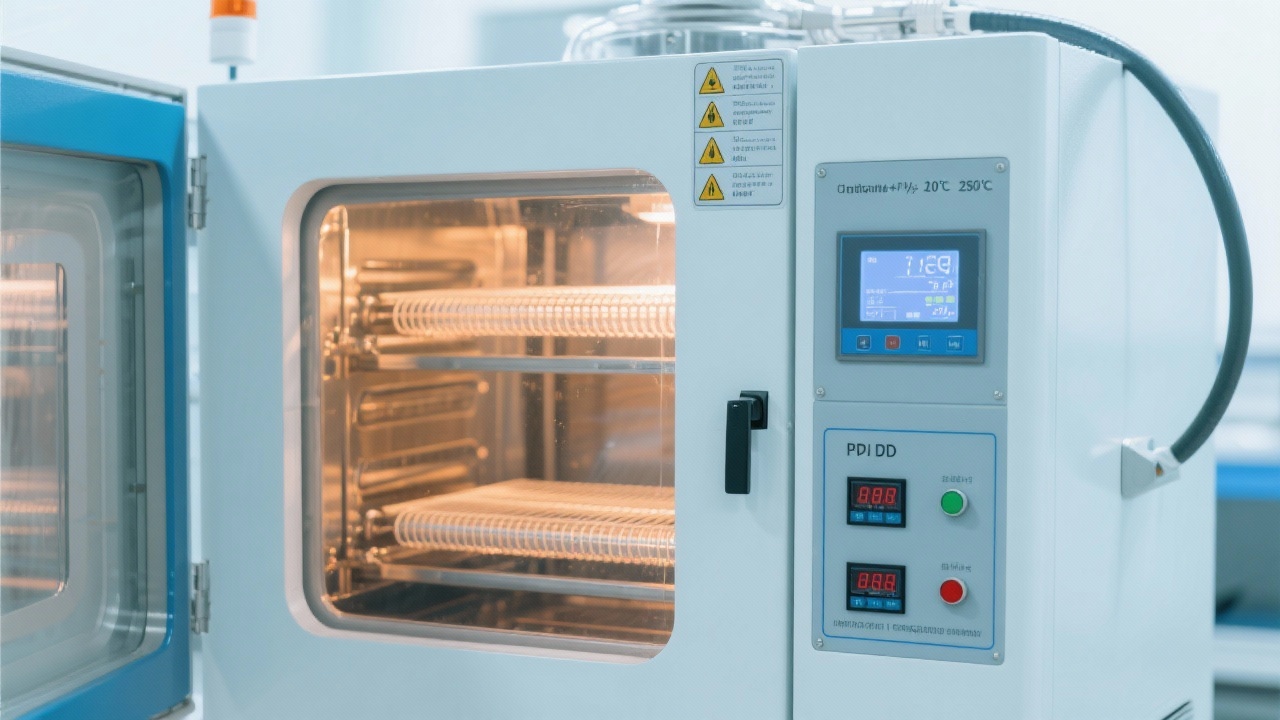
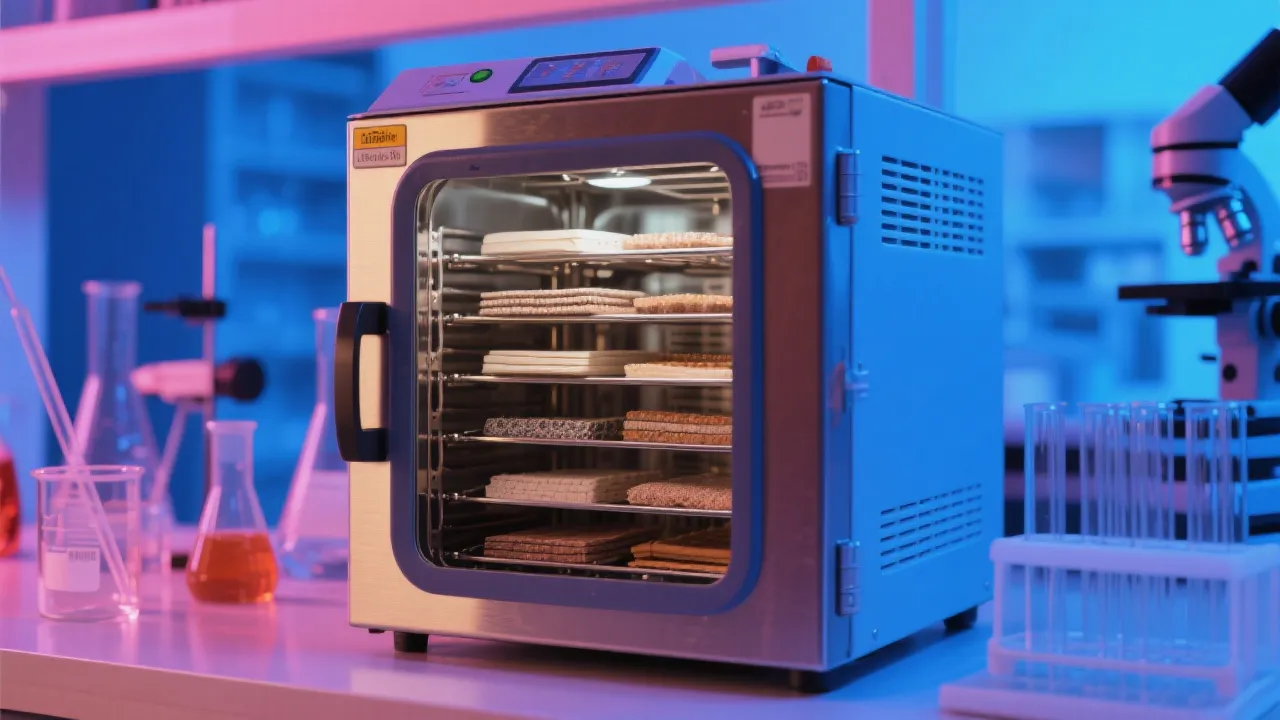
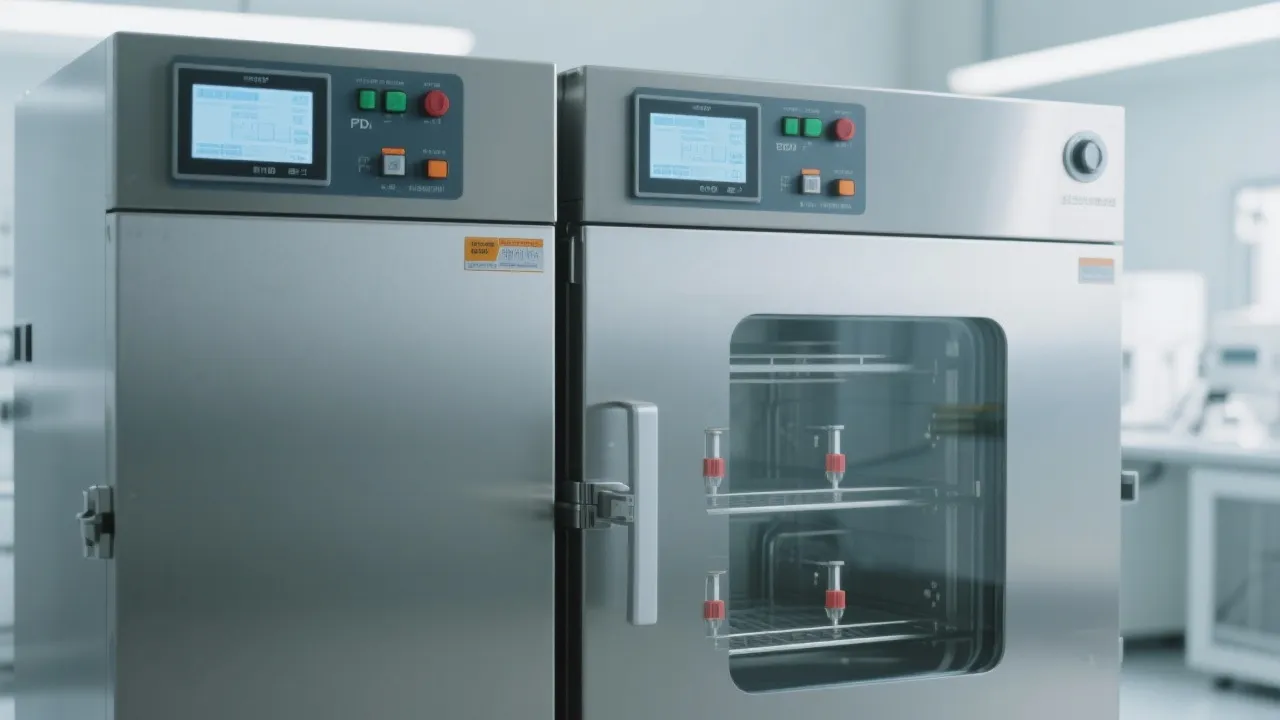
Graph showing temperature stability improvement with PID control in laboratory drying

The DZF-6010 Mini Vacuum Oven: Precision Meets Safety and Usability

The DZF-6010 is a standout choice for users seeking a compact, high-performance vacuum drying solution with unmatched temperature accuracy. Key technical advantages include:

  • Precision PID Temperature Control: Maintains tight ±0.2°C control to safeguard delicate samples.
  • Vacuum Capabilities: Achieves strong vacuum levels to effectively lower boiling points and shorten drying cycles.
  • Durable 304 Stainless Steel Chamber: Ensures corrosion resistance and longevity.
  • Explosion-Proof Safety Features: Meets rigorous safety standards to mitigate hazards.
  • User-Friendly Interface: Simplified digital controls enhance operational efficiency.

This blend of features aligns perfectly with rigorous scientific and industrial standards, illustrating why the DZF-6010 is trusted worldwide.
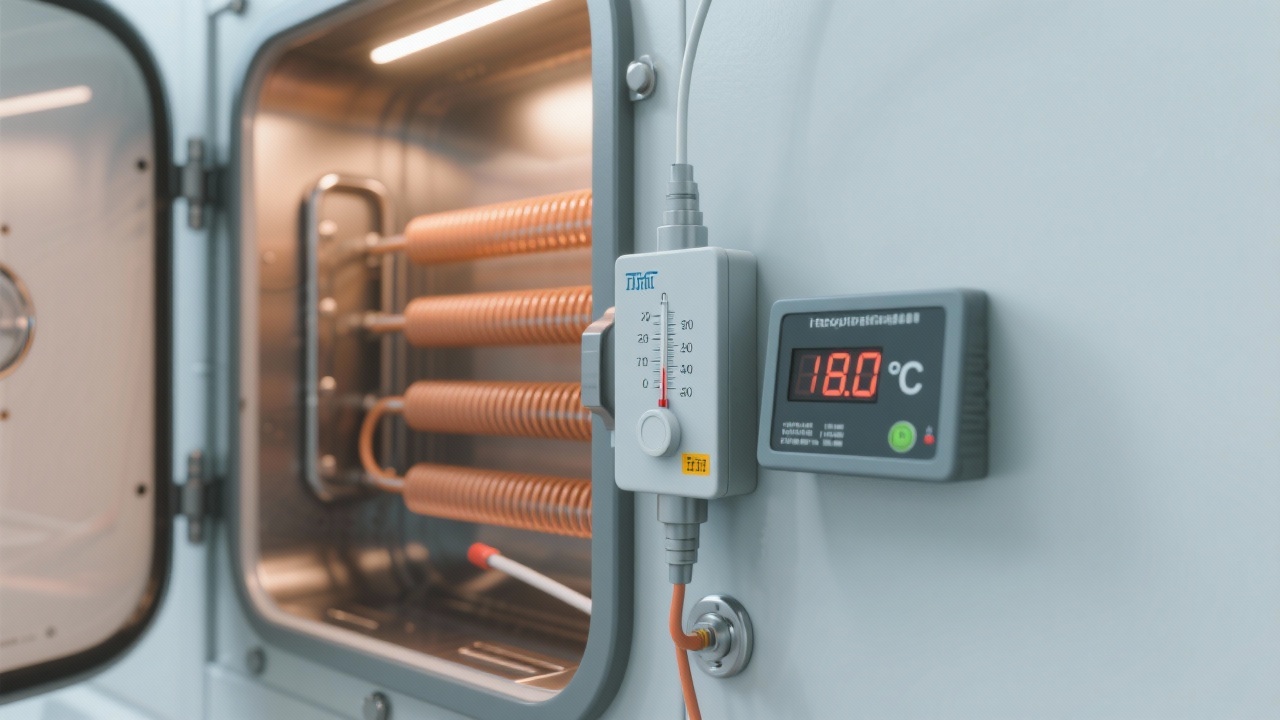
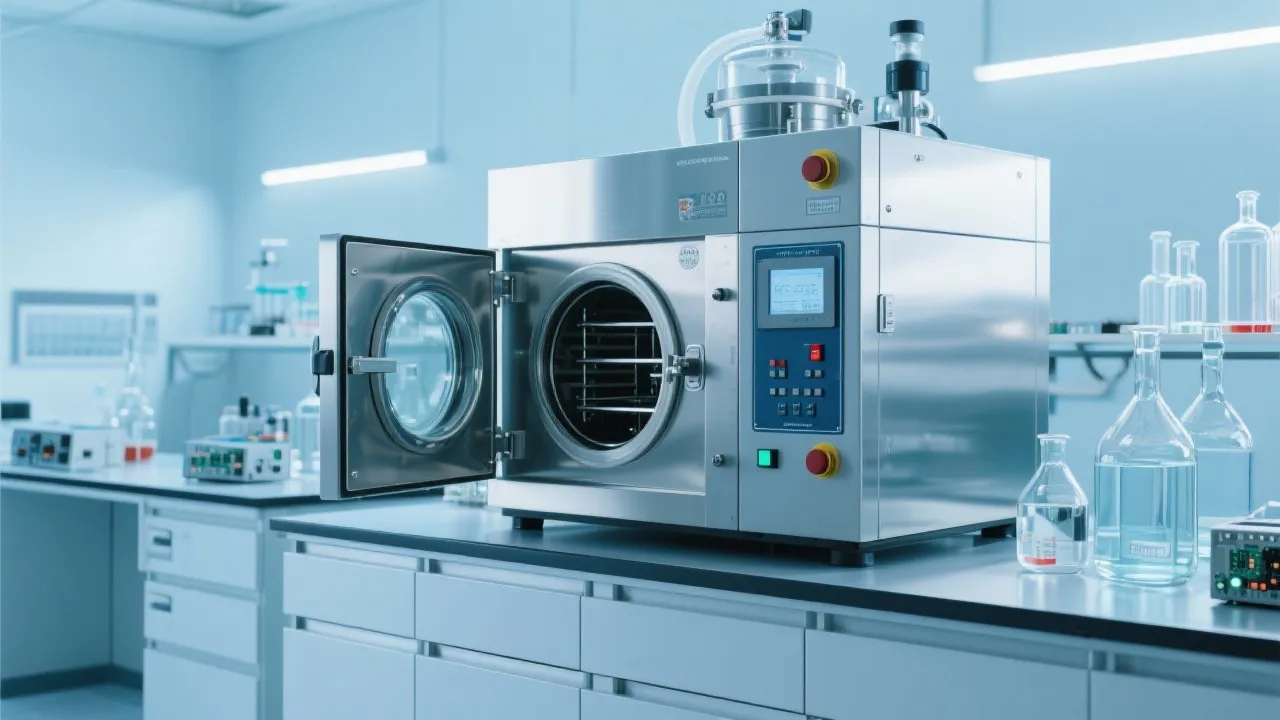
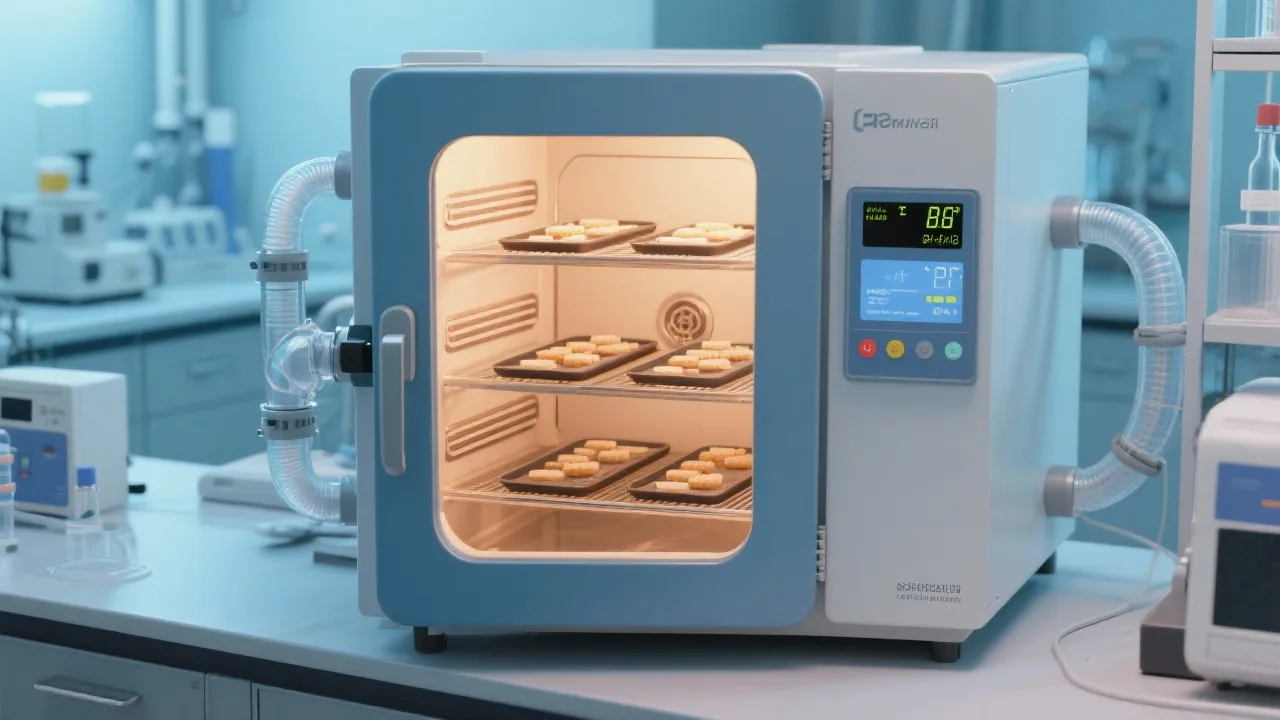
DZF-6010 Mini Vacuum Oven showcasing stainless steel interior and control panel

Optimizing Your Lab Equipment Selection Strategy

When evaluating laboratory drying equipment, prioritize:

  1. Temperature Accuracy & Stability: Check if the system uses advanced PID controllers and achieves accuracy better than ±0.3°C.
  2. Vacuum Performance: If working with sensitive samples, high vacuum capability minimizes drying temperature requirements.
  3. Safety Certifications: Verify explosion-proof and material compatibility compliance.
  4. User Interface & Maintenance: Ease of operation and cleaning cannot be underestimated in daily laboratory workflows.

Thoughtful investment in these parameters safeguards experimental integrity while maximizing productivity.
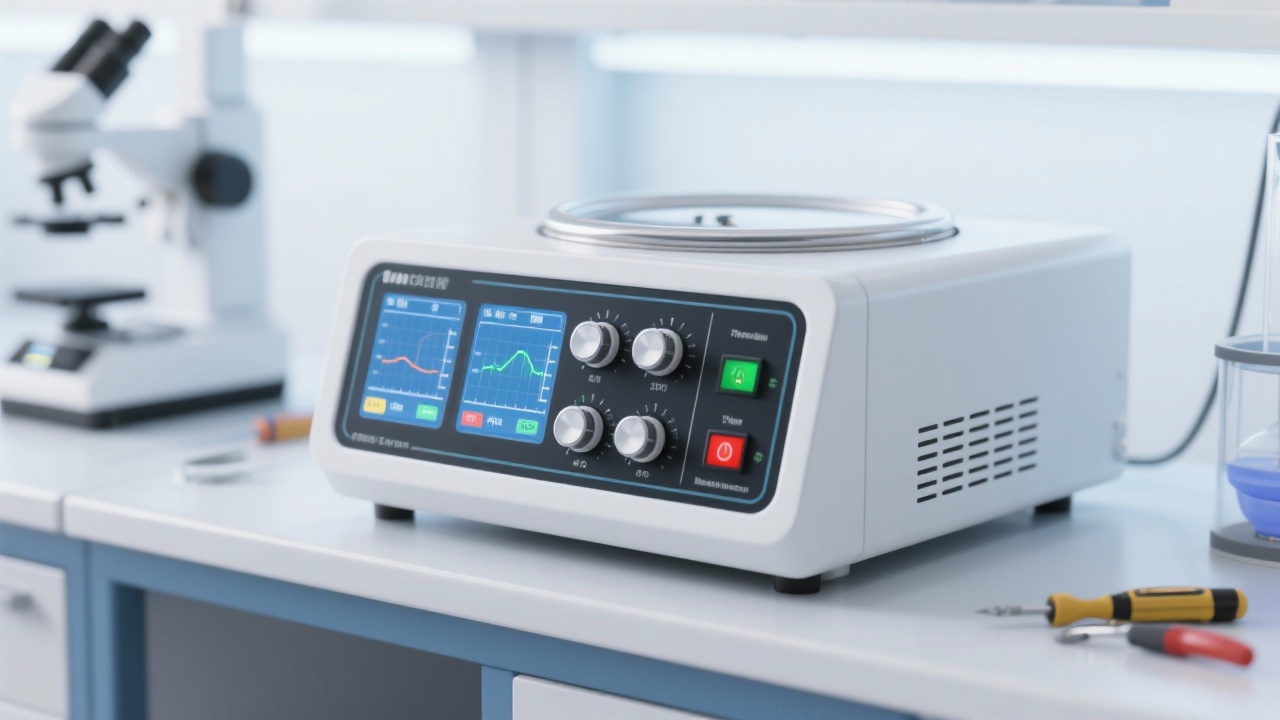
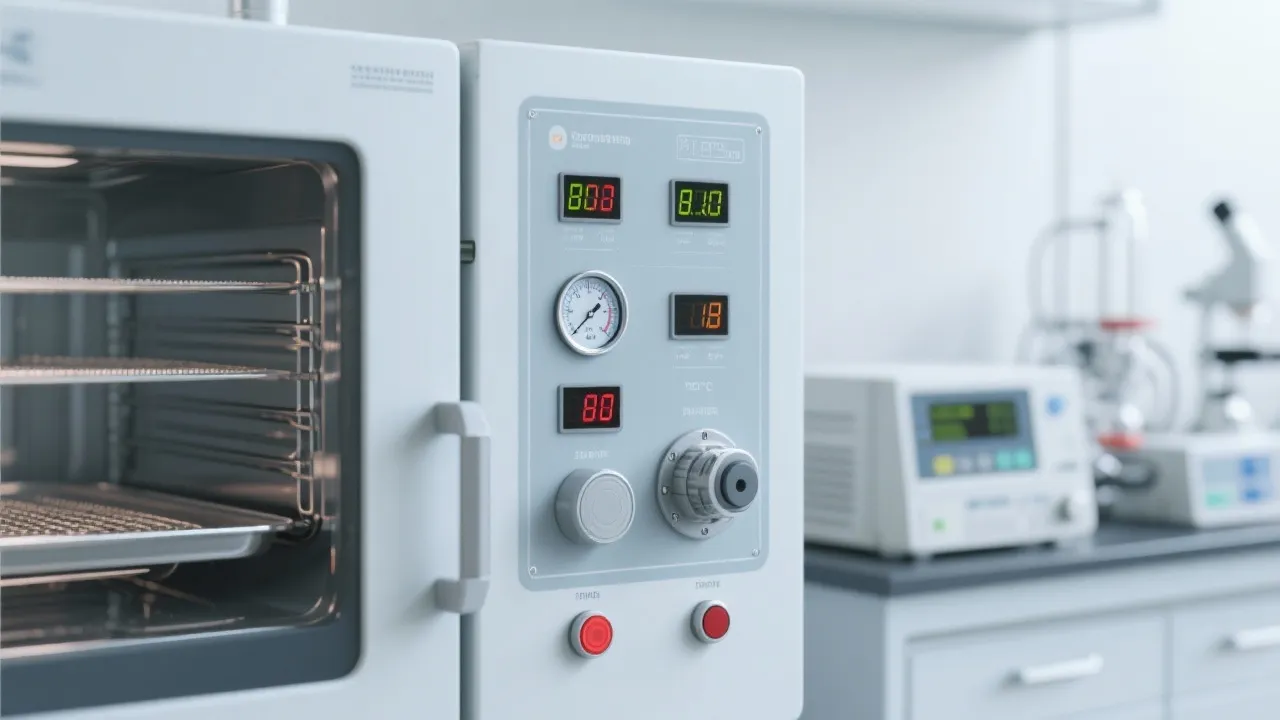
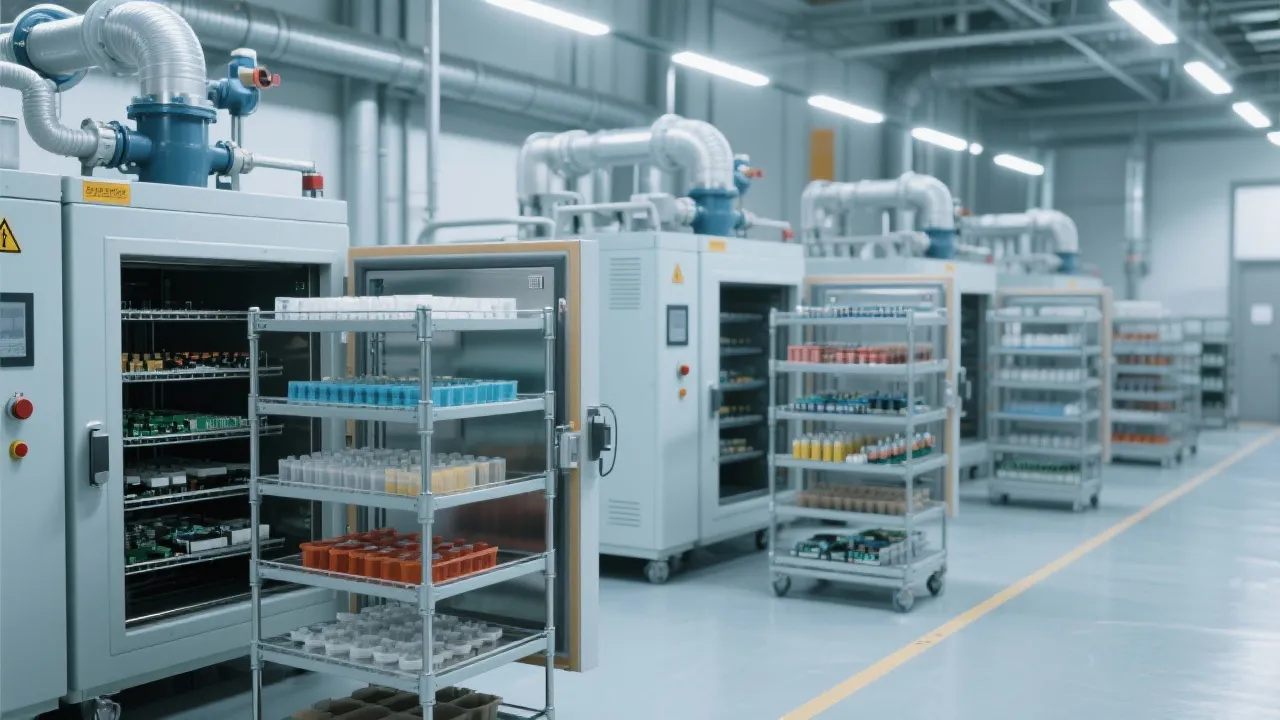
Infographic detailing key features to consider when selecting laboratory drying equipment

Join the Conversation

Share your experiences and challenges with laboratory drying equipment in the comments below. What features have made the biggest difference in your workflow?

Discover the Cutting-Edge Performance of the DZF-6010 Mini Vacuum Oven

Elevate your laboratory drying process with precision PID temperature control, superior vacuum performance, and robust safety features. Experience the confidence of reliable, reproducible results for your most demanding applications.

Name *
Email *
Message*

Recommended Products

Popular articles
Recommended Reading

Related Reading

Contact us
Contact us
https://shmuker.oss-cn-hangzhou.aliyuncs.com/tmp/temporary/60ec5bd7f8d5a86c84ef79f2/60ec5bdcf8d5a86c84ef7a9a/thumb-prev.png