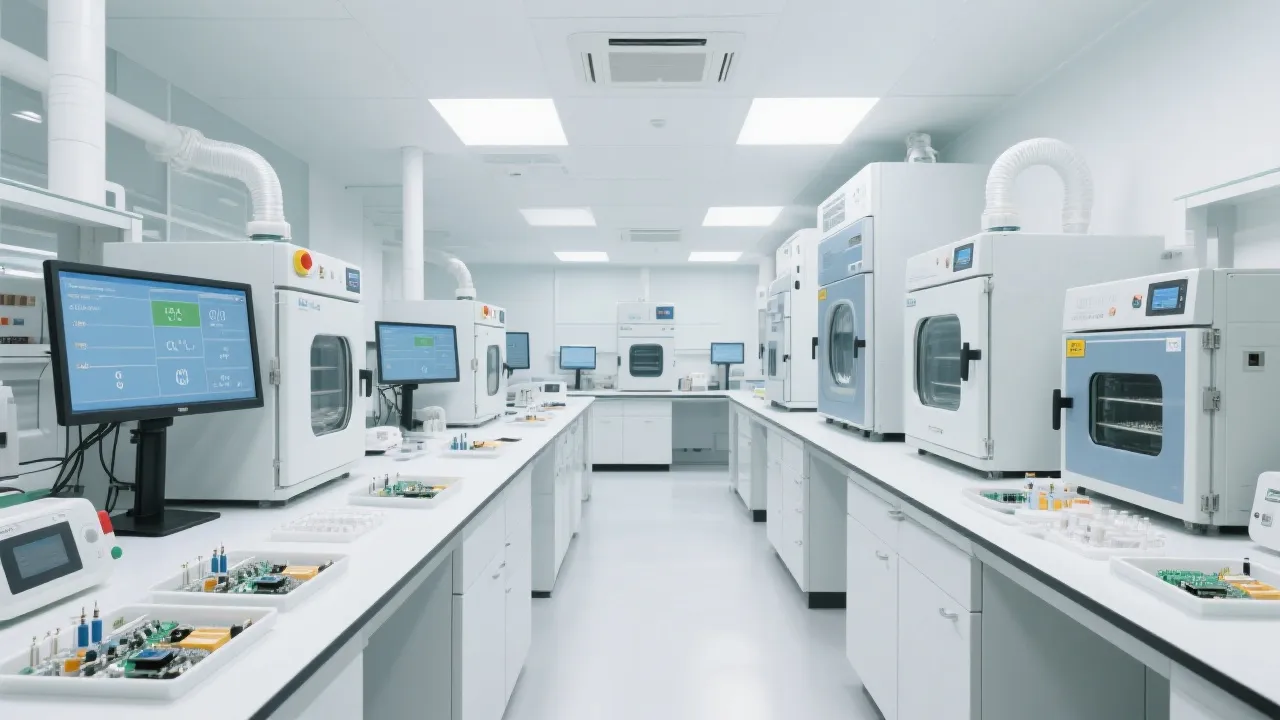
Every year, over 450 laboratory incidents involving flammable or explosive materials are reported globally—many preventable with proper equipment selection and procedural discipline. This guide offers a structured, science-backed approach to handling such samples safely—from initial risk assessment to final disposal.
Start by classifying your sample type using the Globally Harmonized System (GHS). For example, solvents like acetone, ether, or certain organic peroxides require specialized containment due to low flash points (<23°C) and high vapor pressure. According to NIOSH data, 67% of lab fires start during sample preparation, often because operators skip ventilation checks or use non-rated equipment.
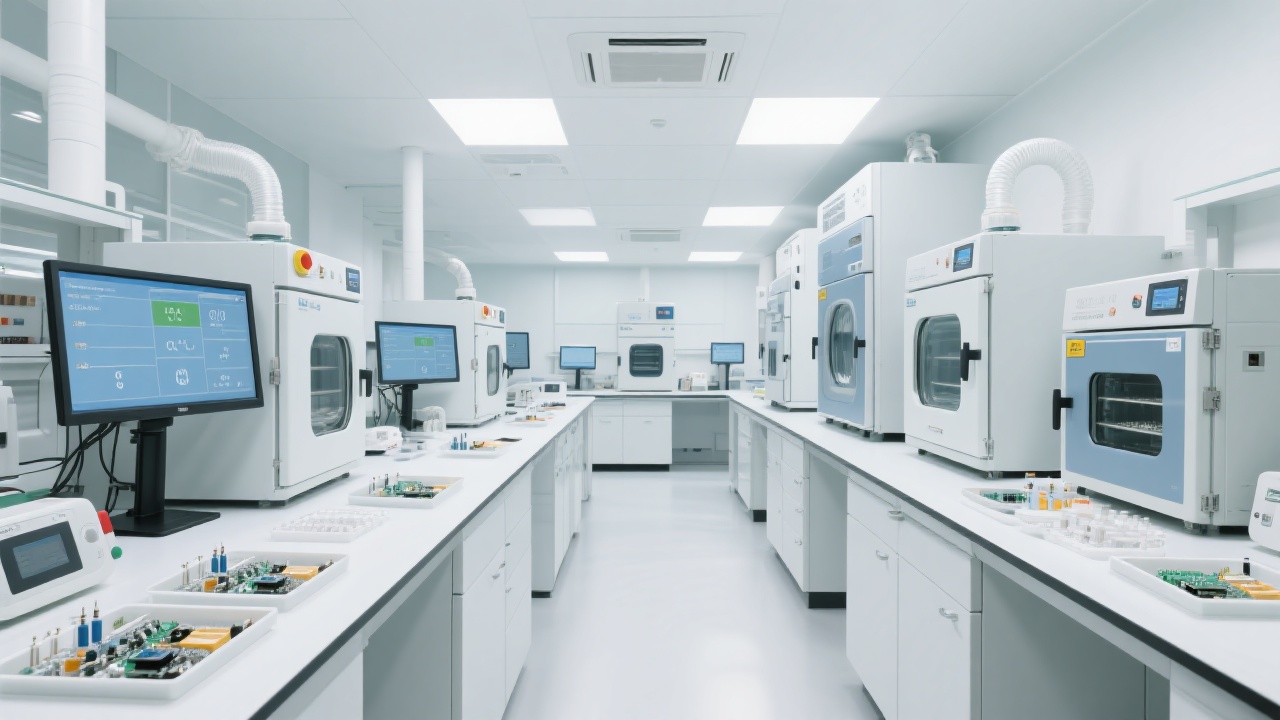
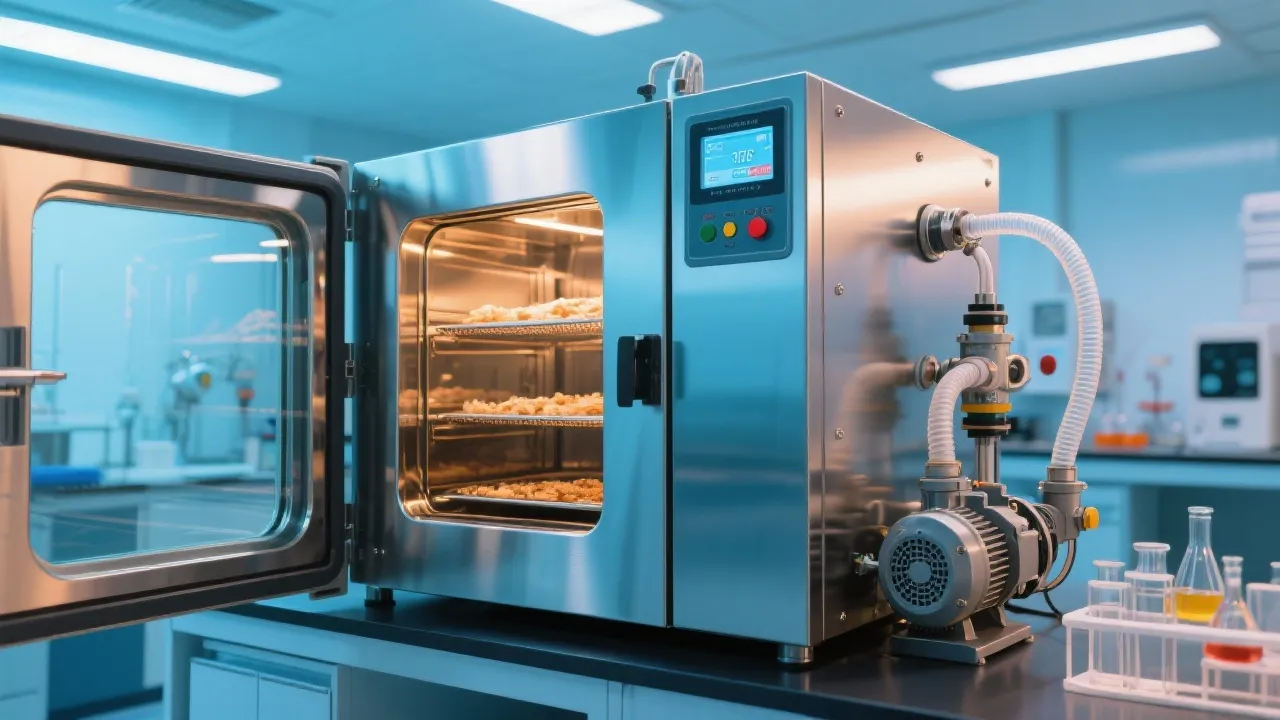
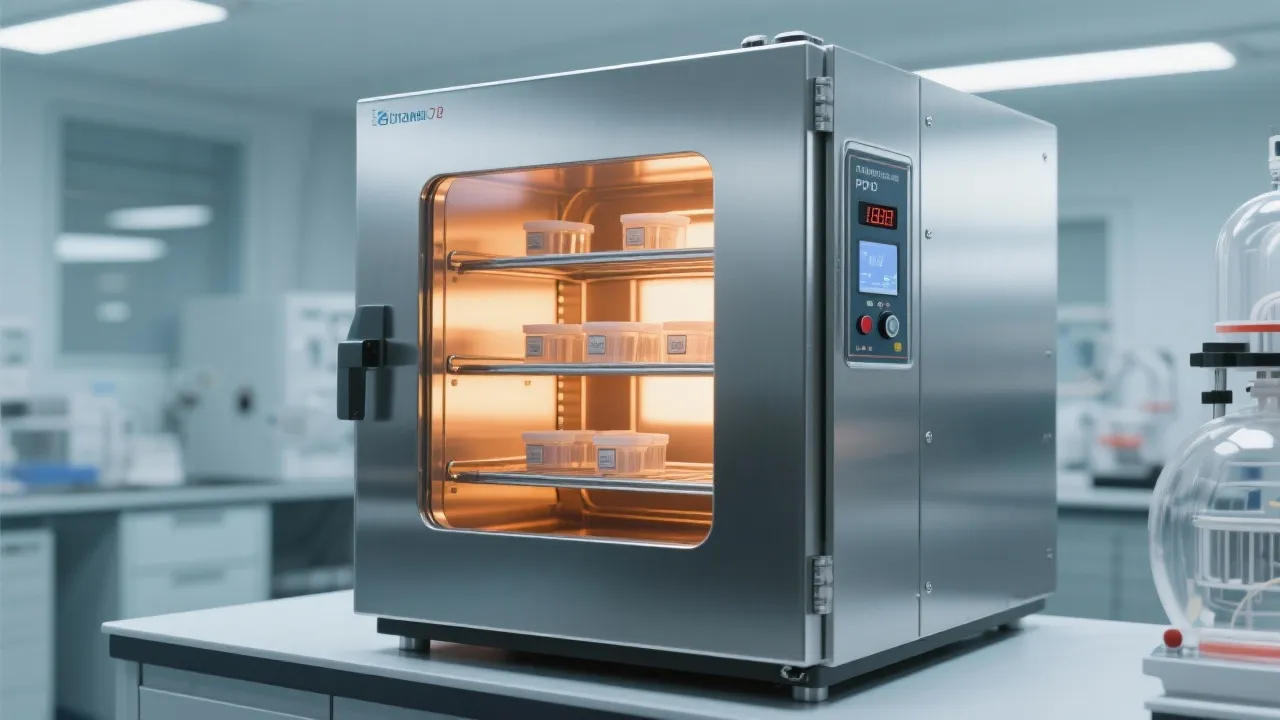
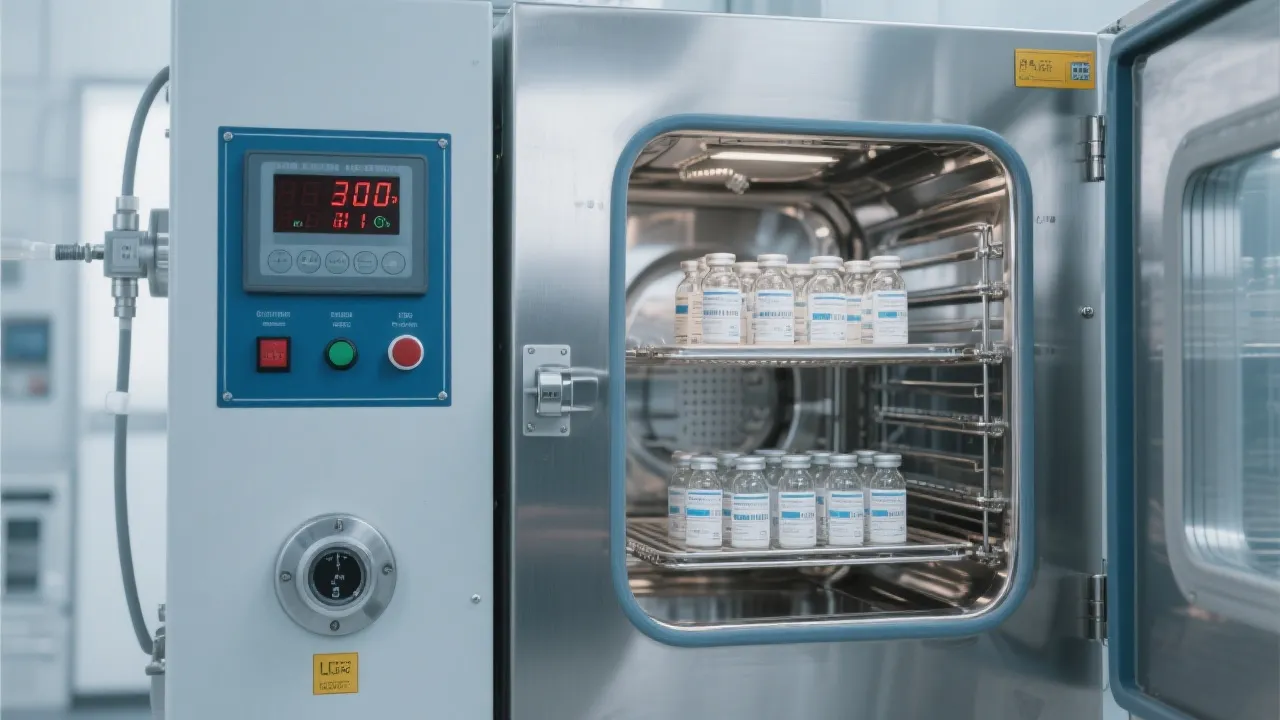
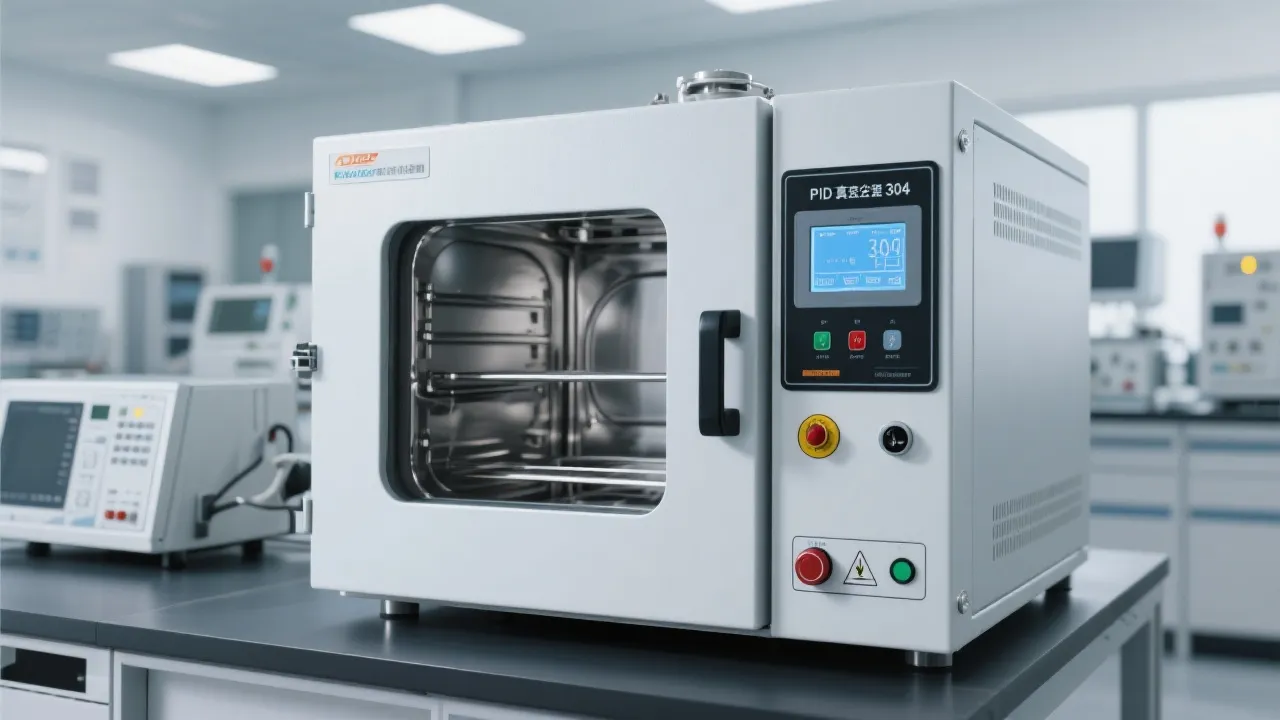
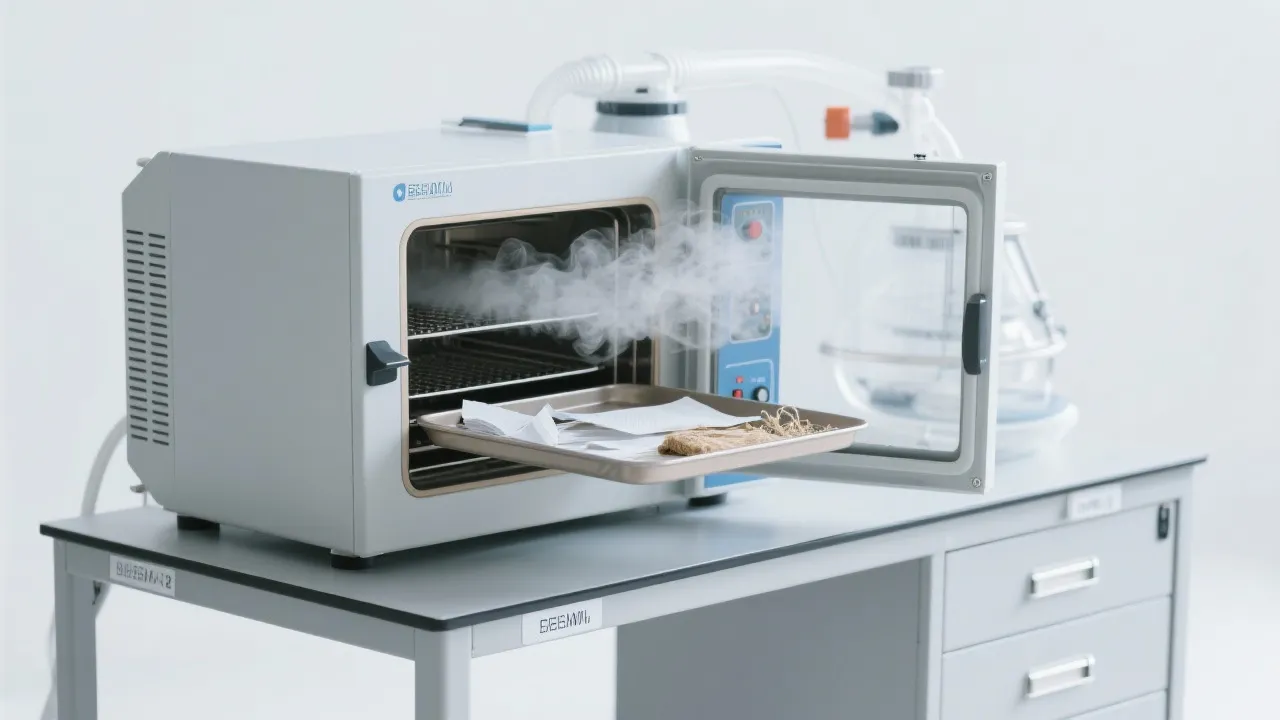
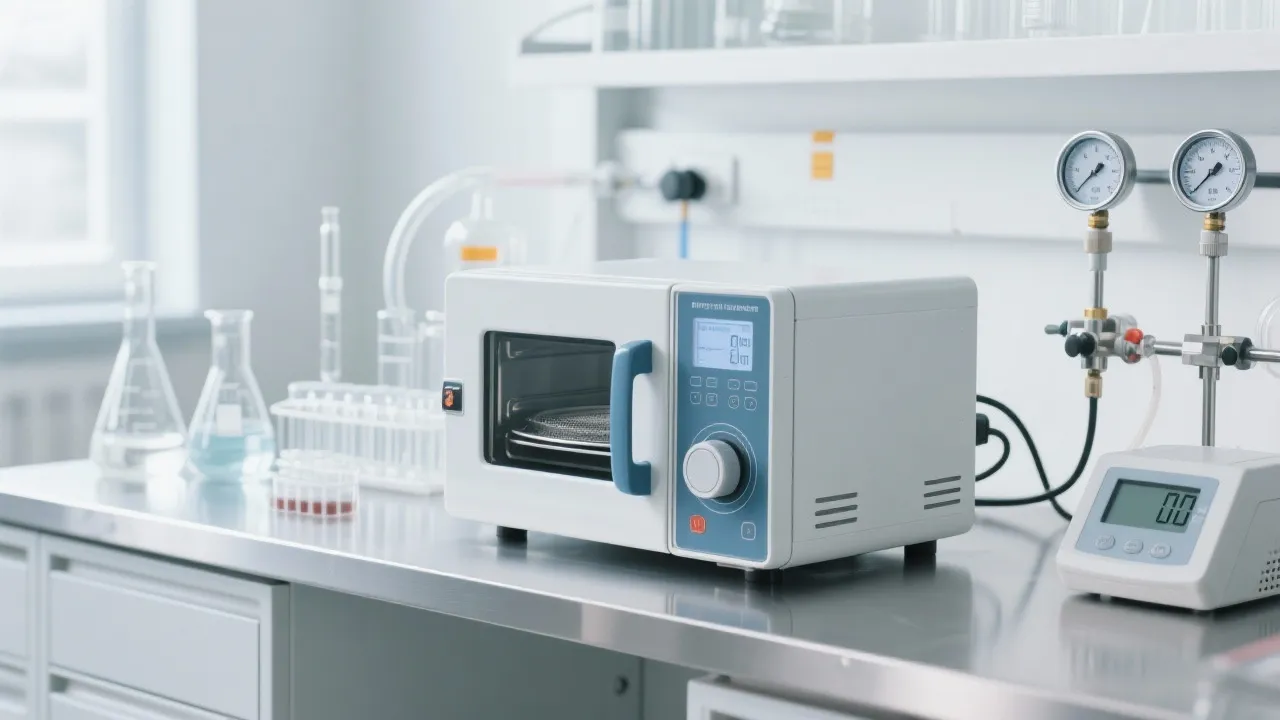
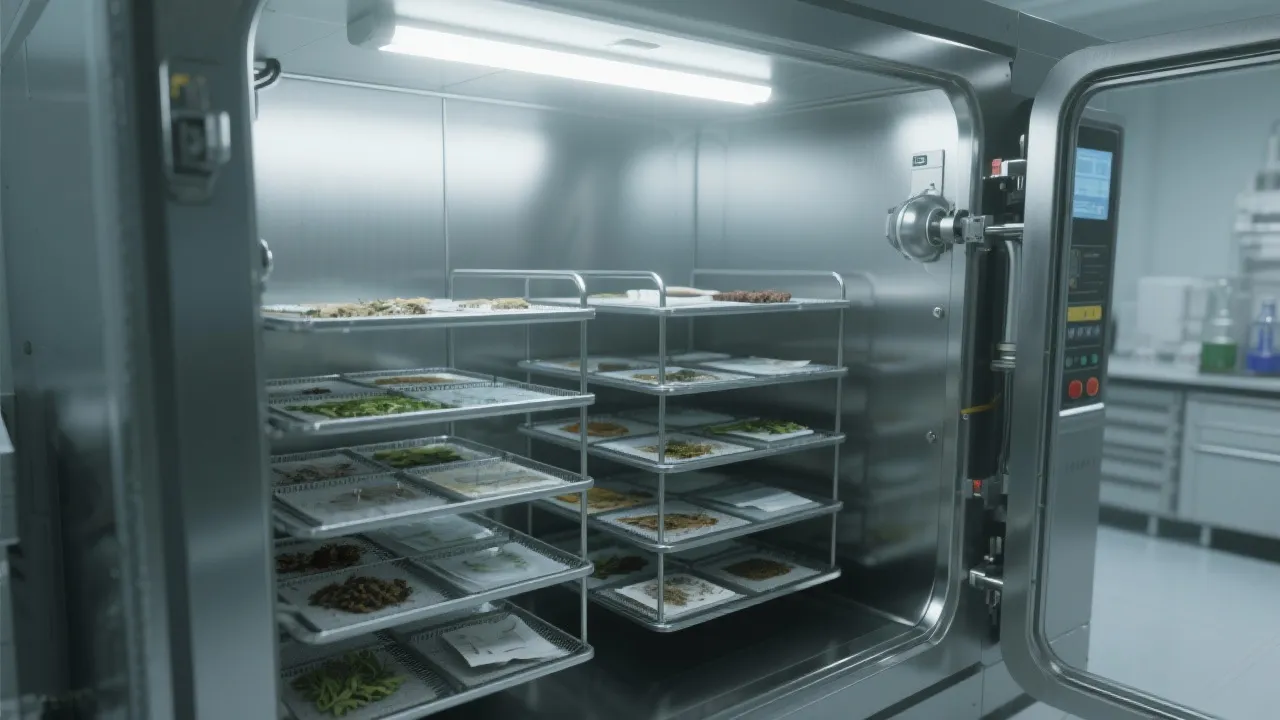
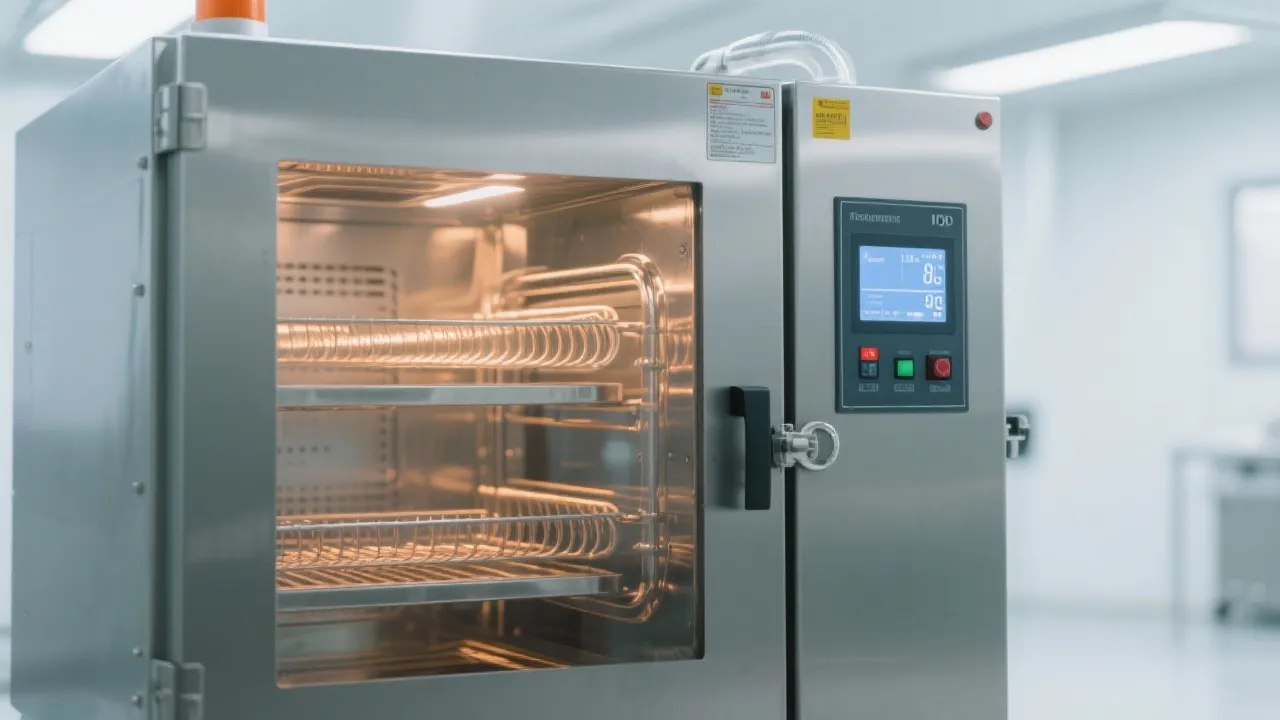
When working with heat-sensitive materials, vacuum ovens outperform standard drying chambers. A study published in Journal of Laboratory Safety found that vacuum烘箱 (vacuum ovens) reduce internal pressure and oxygen levels, lowering ignition risks by up to 89% compared to atmospheric models. Always choose devices certified to ATEX/IECEx standards if handling volatile compounds.
“The single most overlooked step is ensuring airflow isn’t compromised by poor placement of equipment near walls or exhaust outlets.” — Dr. Elena Rodriguez, Lead Safety Officer at ETH Zurich
Use fume hoods rated for Class IIIB hazardous vapors and install local exhaust systems where possible. In one case at a pharmaceutical R&D lab in Singapore, isolating the sample prep area with physical barriers reduced airborne contamination by 72%. Remember: even small leaks can accumulate in enclosed spaces—especially when dealing with pyrophoric substances.
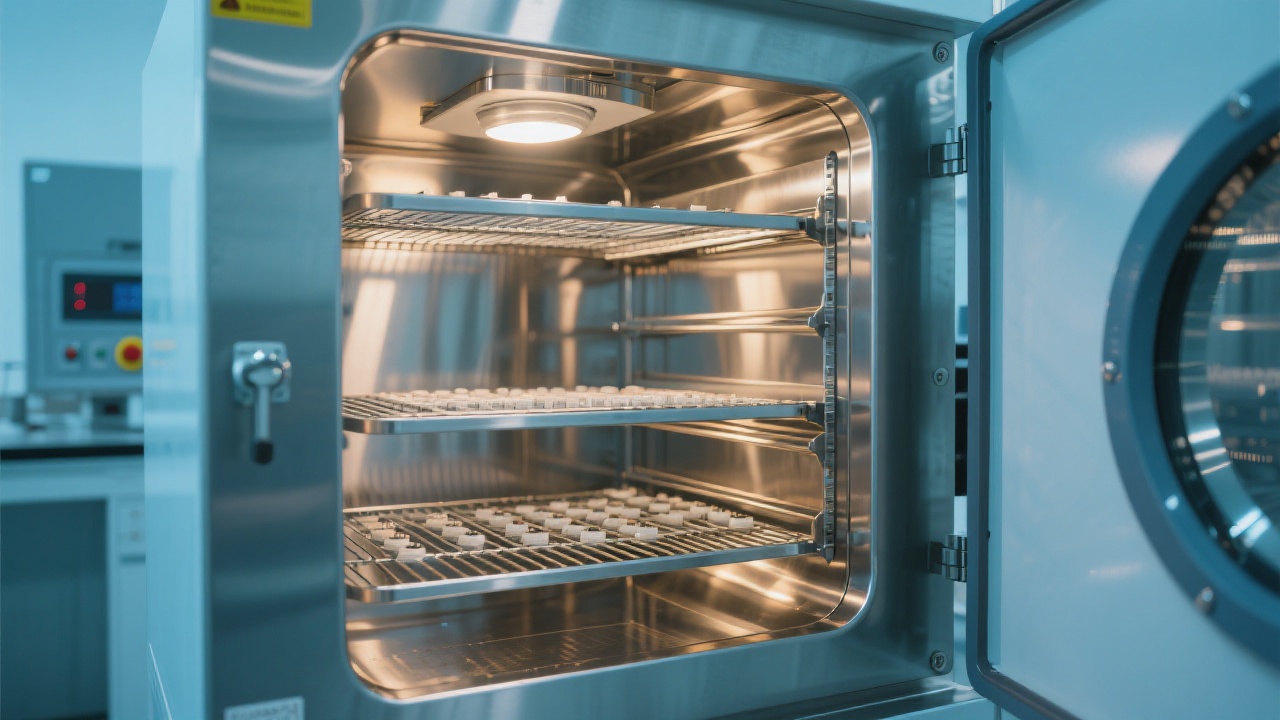
Whether you're an experimental chemist, lab manager, or procurement officer, this framework ensures everyone understands their role in maintaining a safer workspace. The goal isn’t just compliance—it’s building a culture of proactive risk management.
Download our free PDF manual with detailed checklists, equipment specs, and real-world incident analysis tailored to your lab's needs.
Get the Full Safety Manual Now →Published with support from SafeLab Solutions — trusted by labs worldwide for compliant, high-performance equipment design.