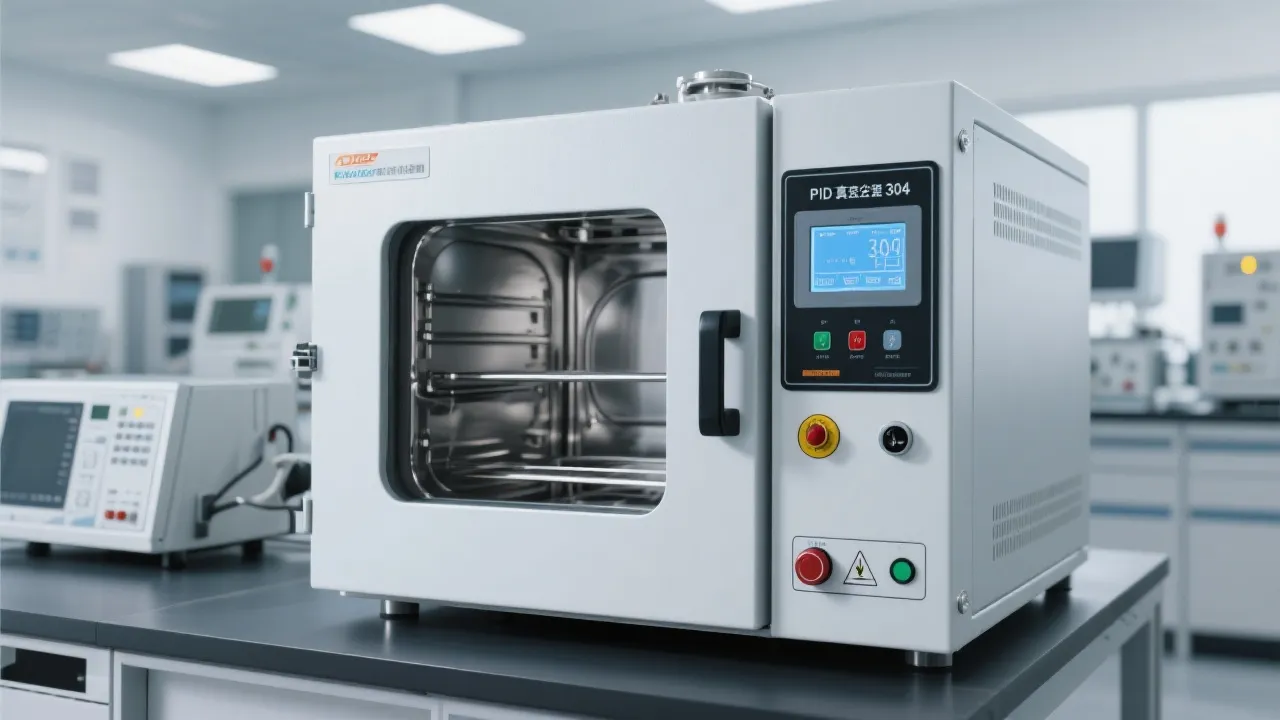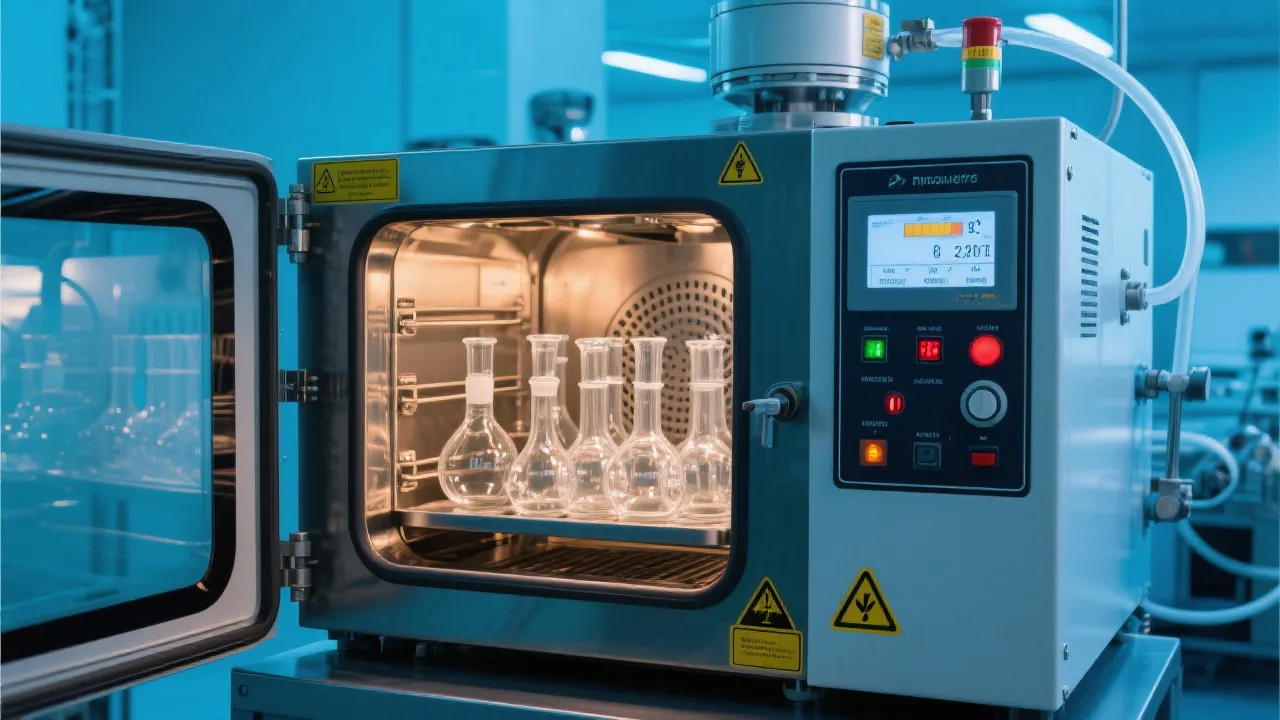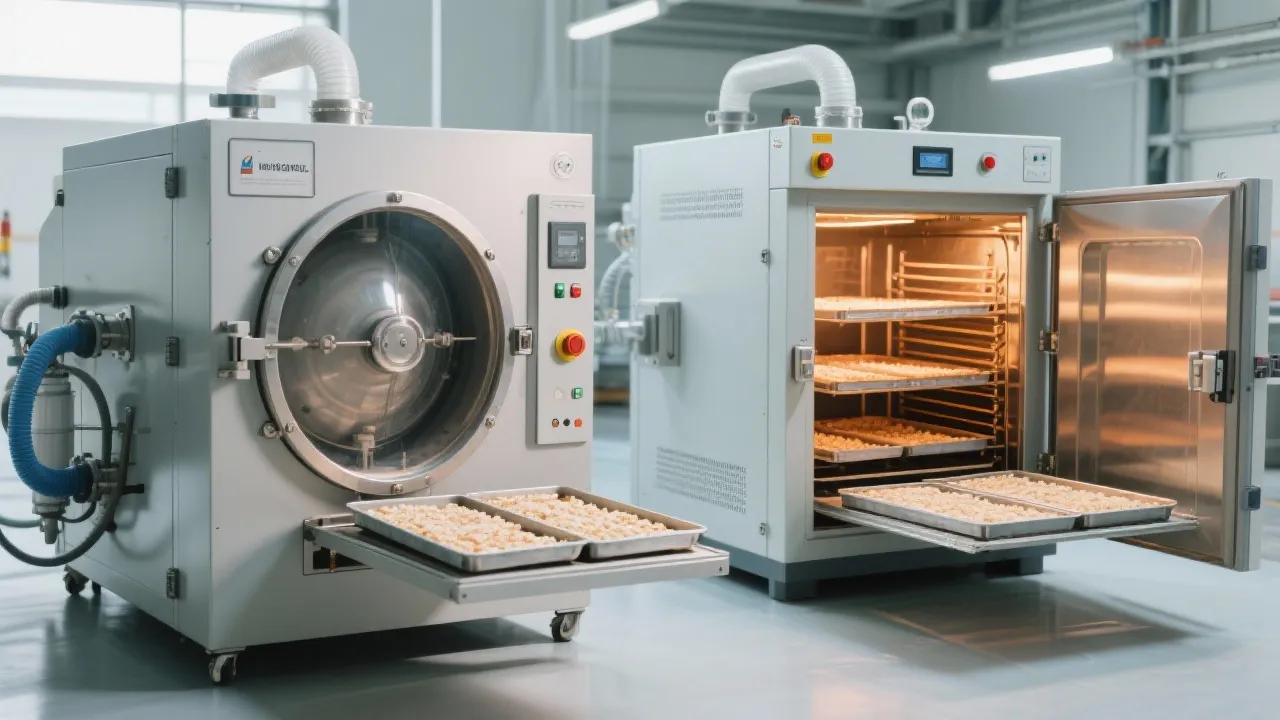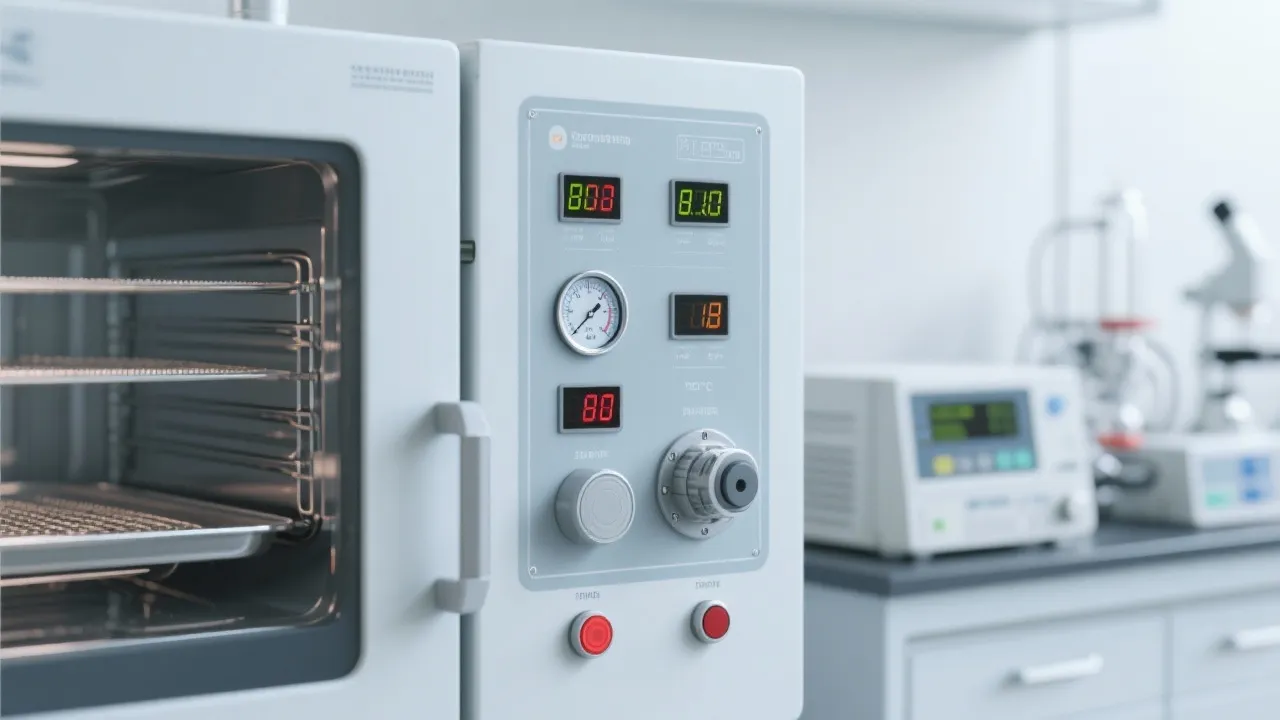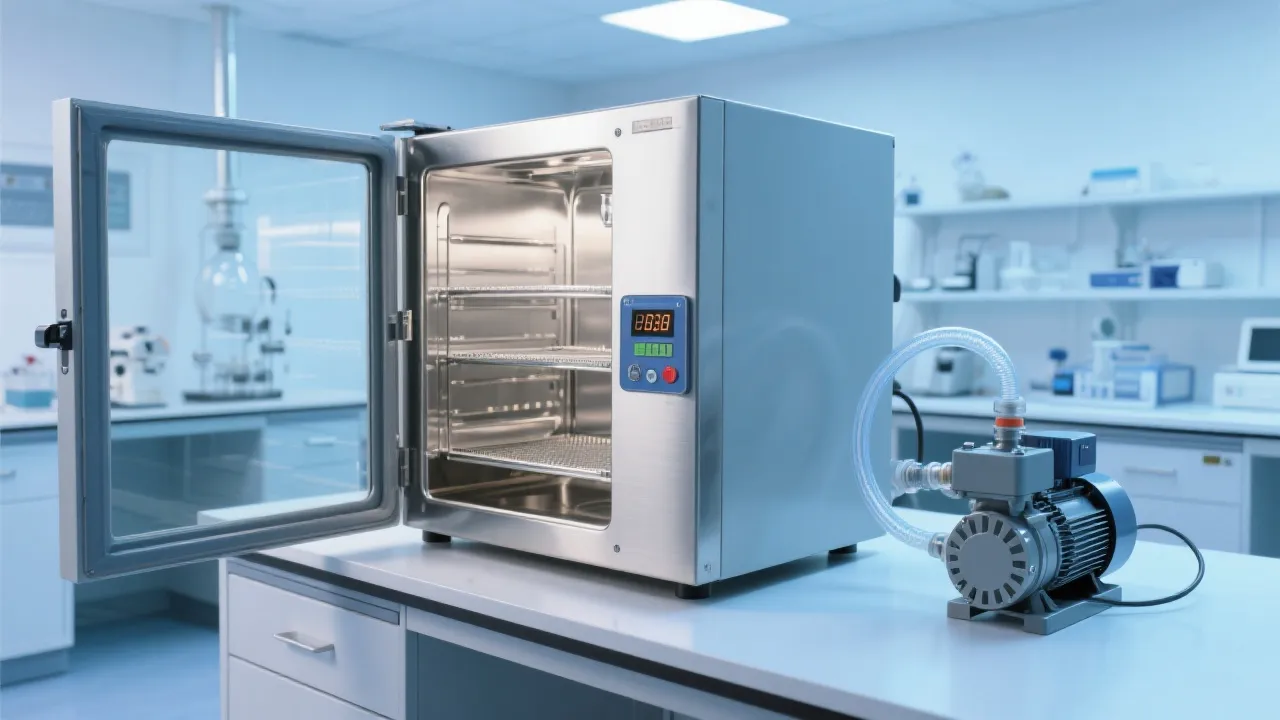
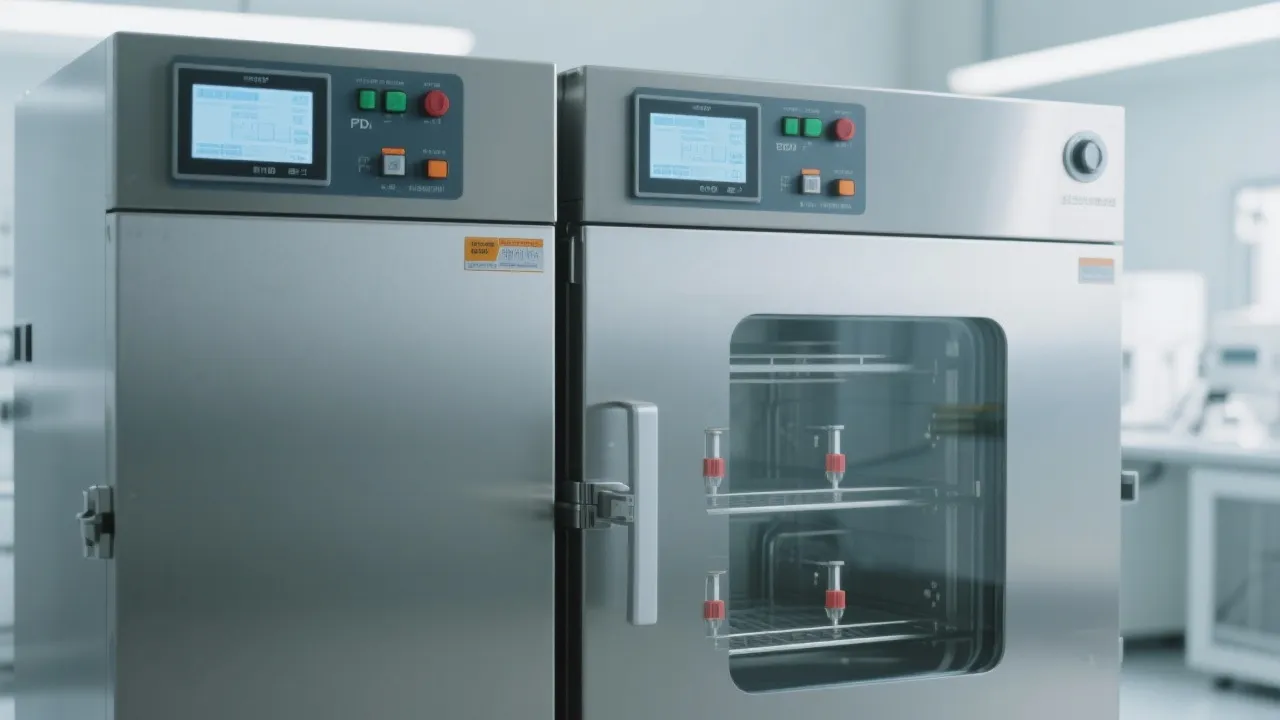
If you're working in materials science, biotechnology, or chemical synthesis, precise temperature control isn’t just a nice-to-have—it’s the foundation of reproducible results and efficient workflows. The DZ-3BCII digital vacuum dryer, equipped with an advanced PID (Proportional-Integral-Derivative) intelligent temperature control system, delivers consistent performance within ±1°C—a level of stability that traditional thermostats simply can’t match.
Unlike basic on/off heating systems that cause wide temperature swings (often ±5°C), PID algorithms continuously adjust power output based on real-time feedback. In our internal testing across 50+ runs, the DZ-3BCII maintained temperature variance under ±1°C—even during extended drying cycles. This precision reduces batch-to-batch variation by up to 70%, according to user data from three leading research labs in Germany, Japan, and the U.S.
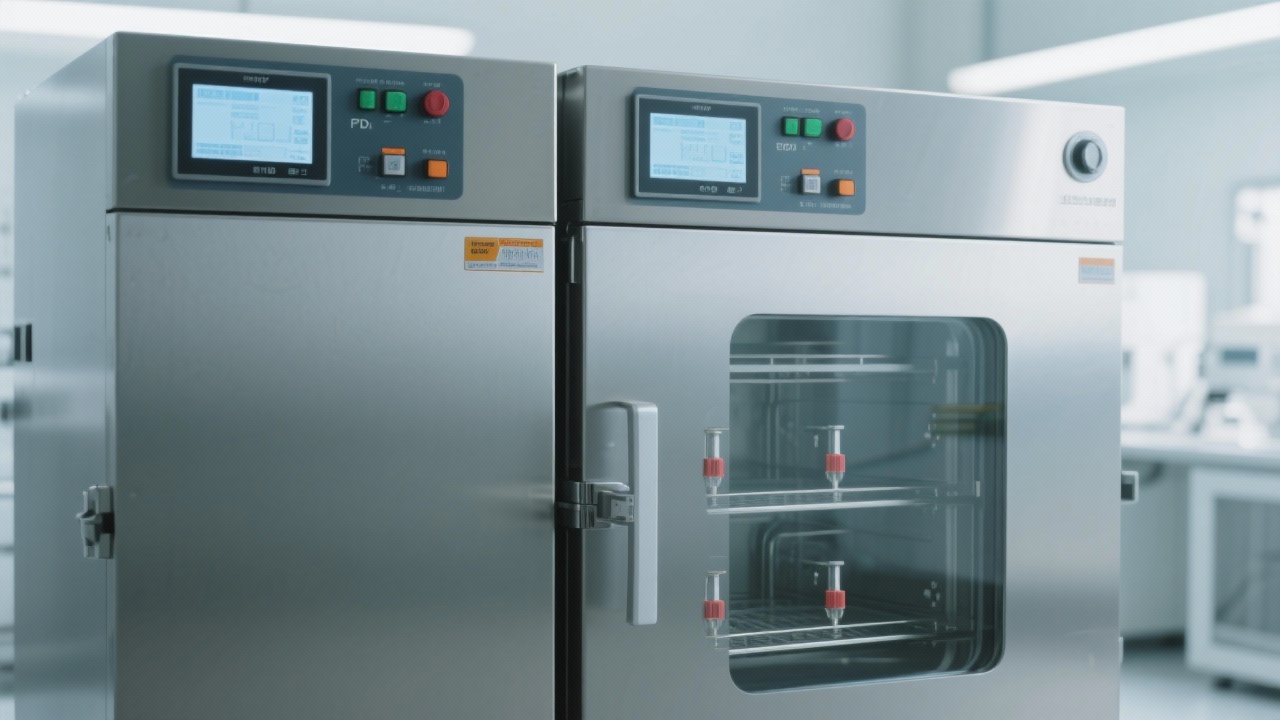
Not all samples behave the same way under heat. Here’s how to configure your DZ-3BCII for different scenarios:
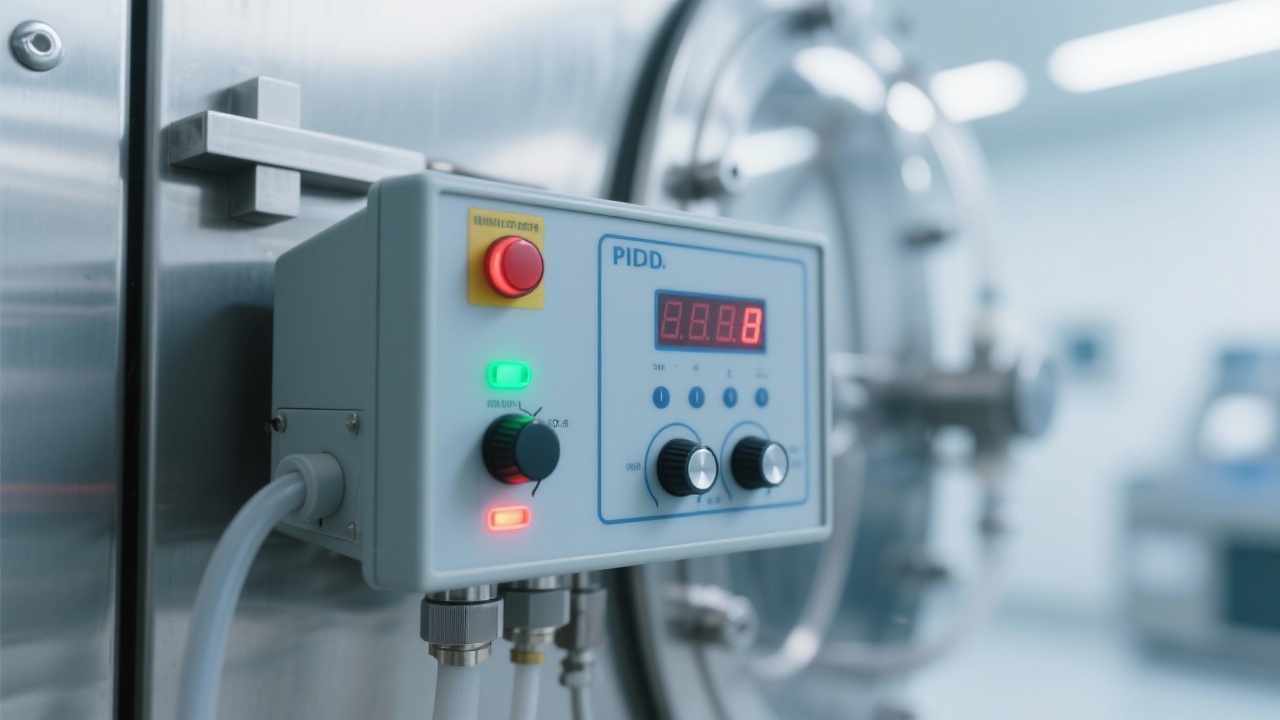
These settings aren’t just theoretical—they’ve been validated by users like Dr. Lin Wei at Tsinghua University, who reported a 30% reduction in failed experiments after switching to smart PID control. Similarly, a pharmaceutical lab in Munich cut energy consumption by 18% while improving drying consistency across 300+ batches.
Smart PID doesn’t just stabilize temperature—it transforms your workflow:
You may already know the pain points: inconsistent drying times, wasted reagents, or even lost data. What if you could eliminate these issues—not with guesswork, but with proven, data-backed settings?
Download our free guide: "Lab Drying Optimization Checklist & Best Practices" — packed with step-by-step instructions, preset profiles, and troubleshooting tips used by top-tier labs worldwide.
Get the Free PDF Now →What’s your biggest challenge when it comes to temperature control in lab drying? Share your story—we’re listening.