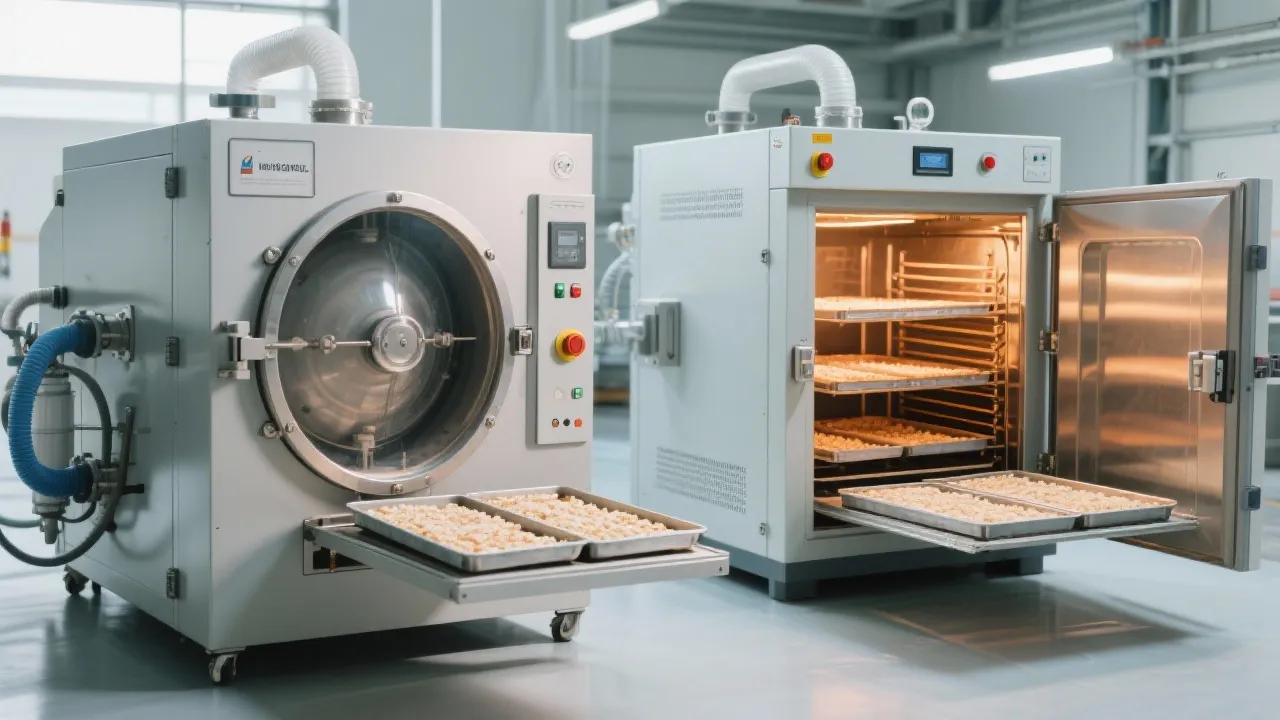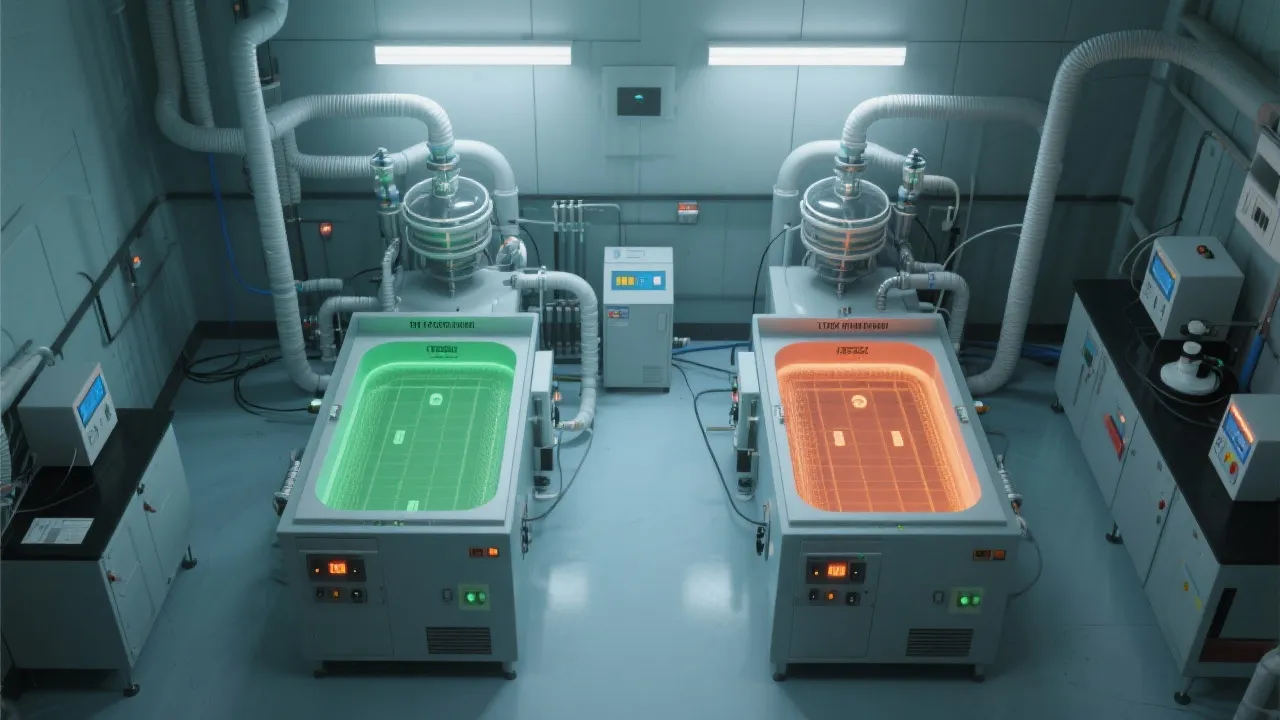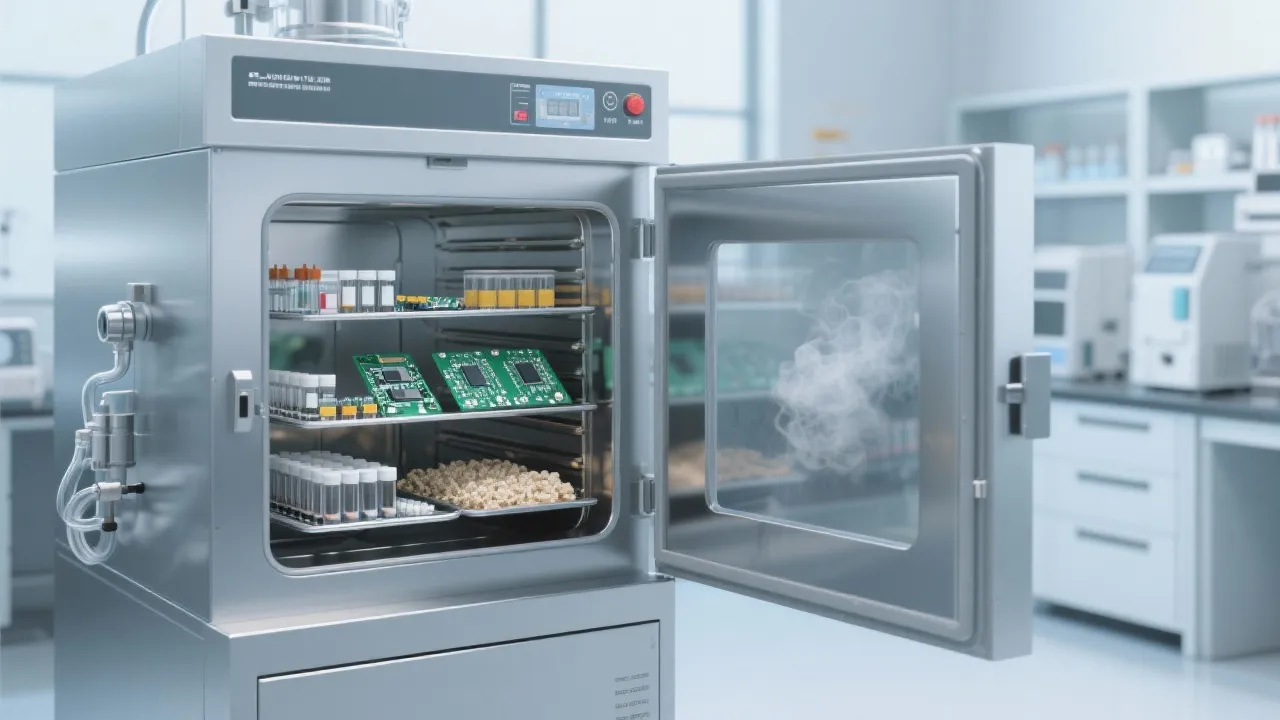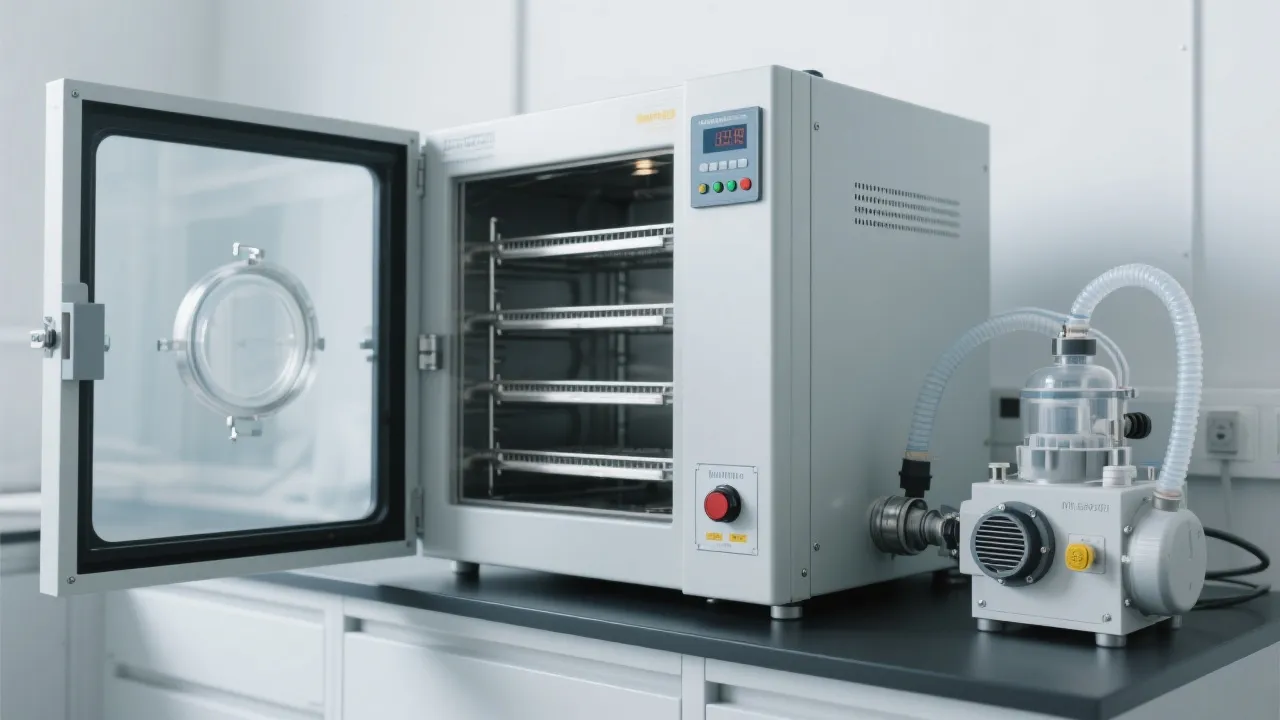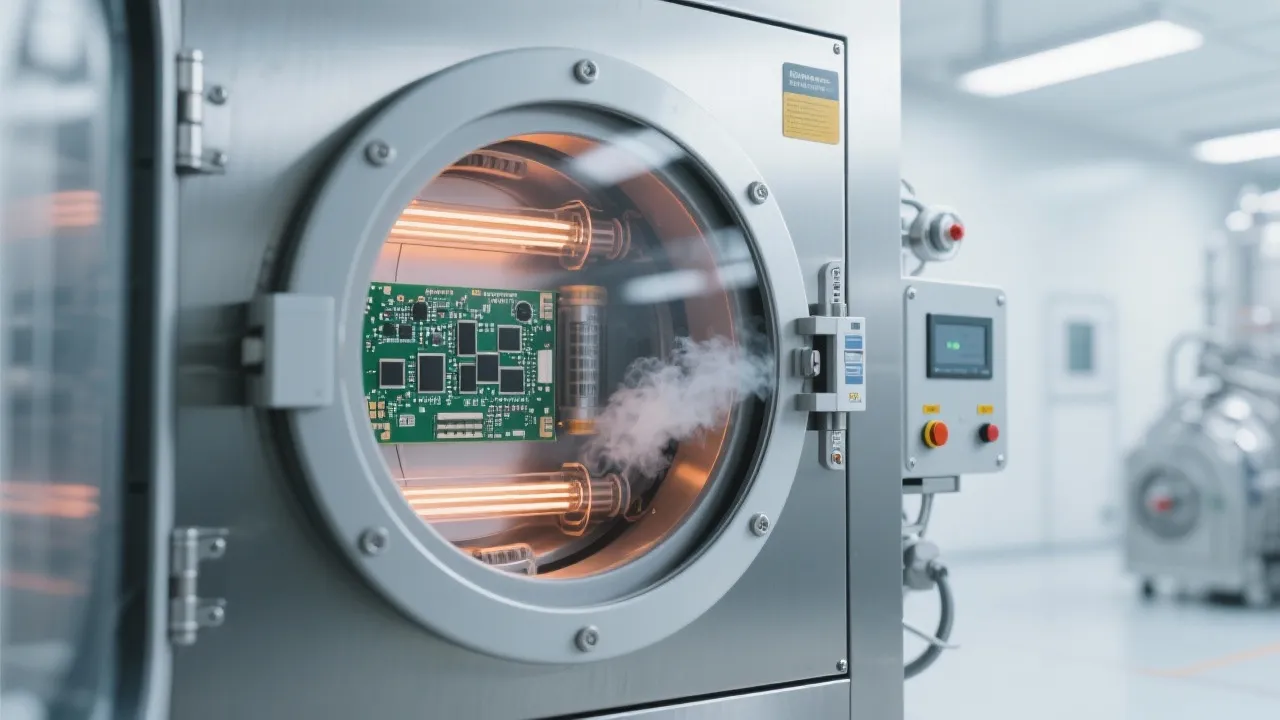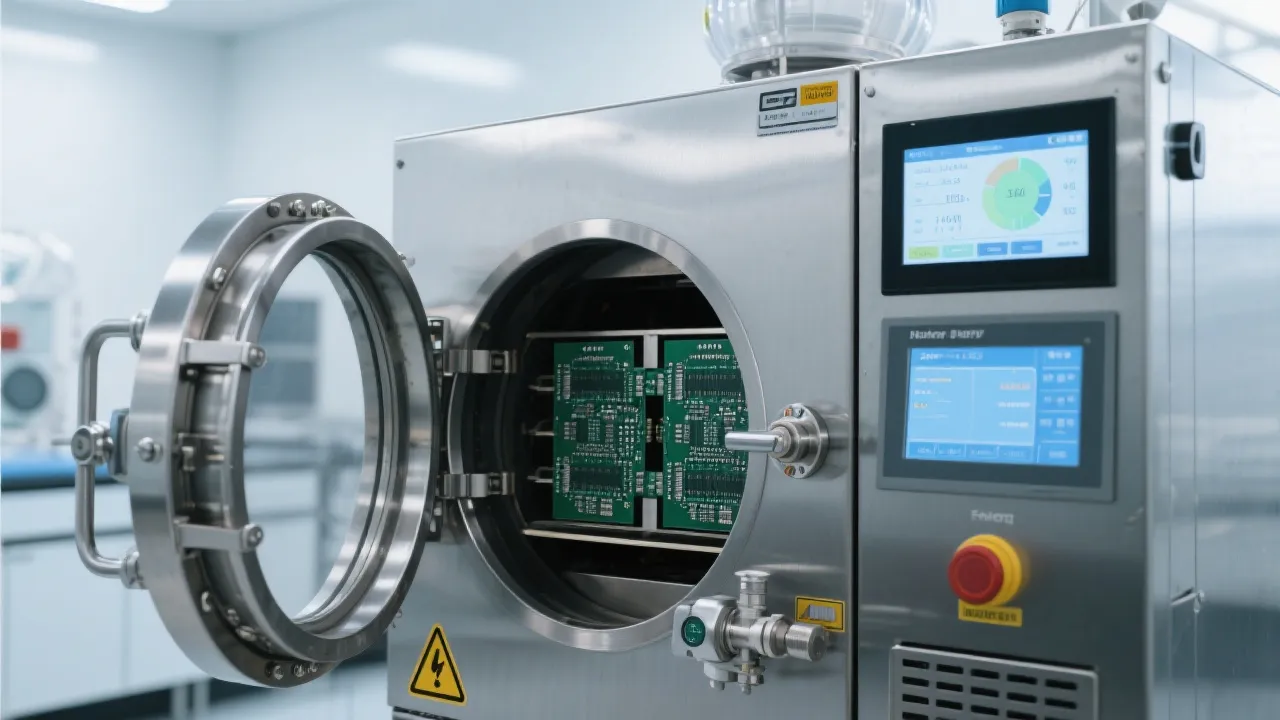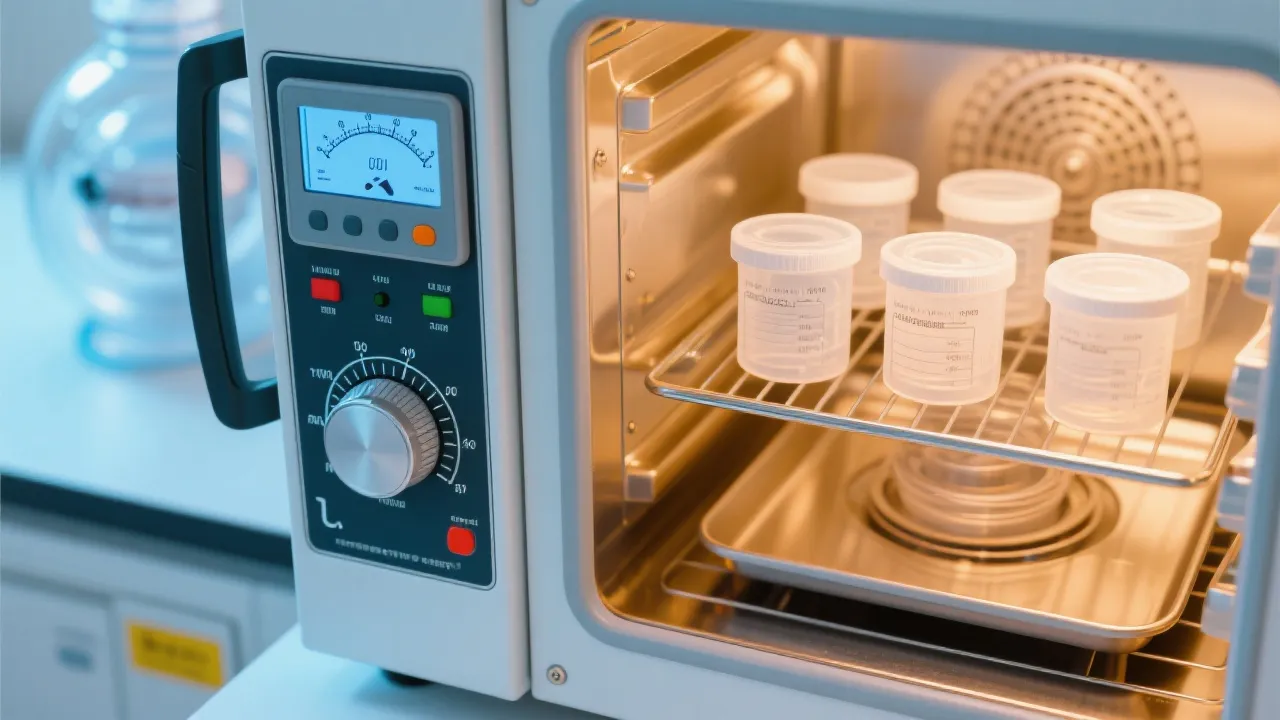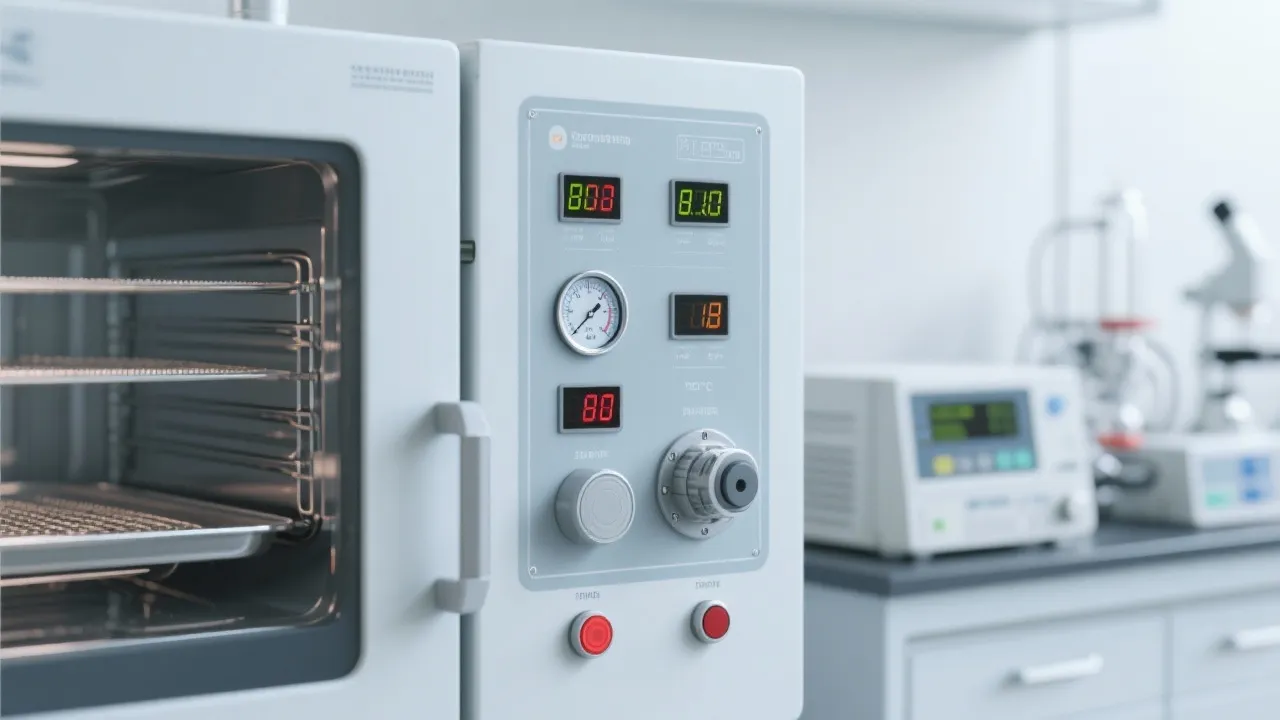
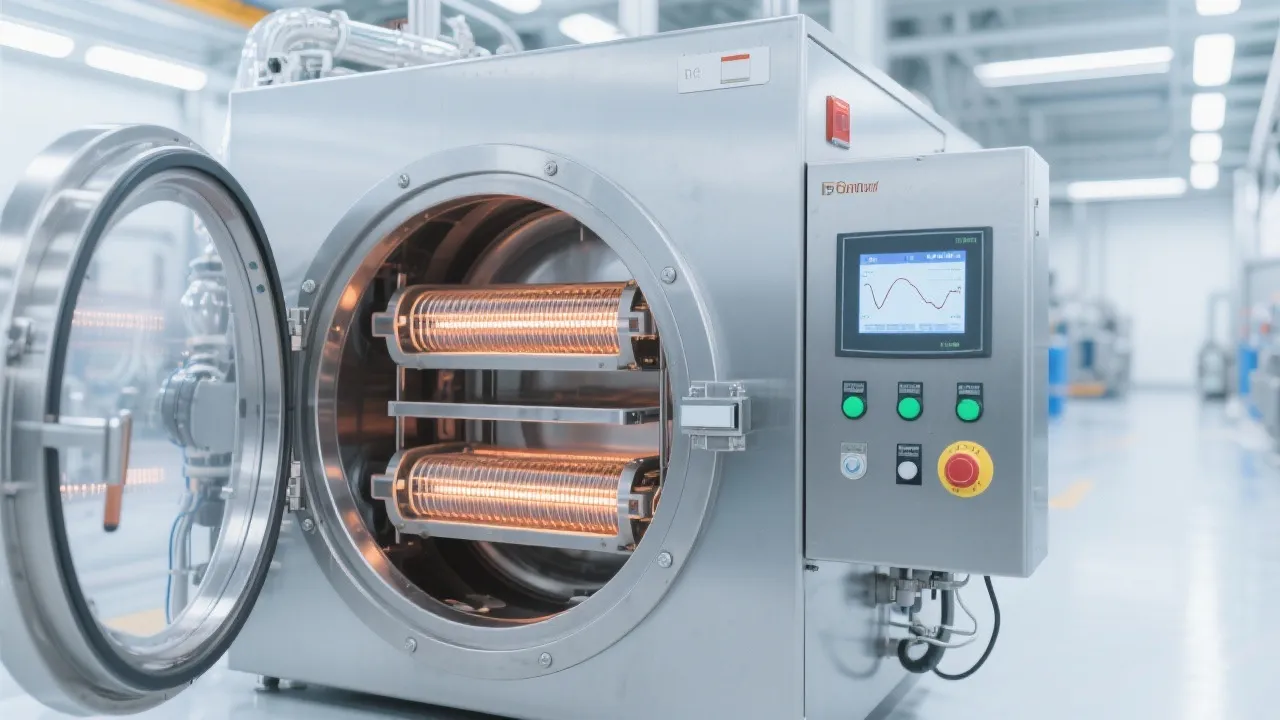
In the realm of laboratory research, the choice of high - efficiency drying equipment is crucial. Among various factors, the intelligent temperature control system stands out as a key determinant of the equipment's performance. This article will delve into the intelligent PID temperature control system in laboratory drying equipment, exploring its principles, advantages, and practical applications.
The PID (Proportional - Integral - Derivative) temperature control system is a widely used control algorithm in industrial and laboratory settings. It consists of three main components: proportional, integral, and derivative. Each part plays a unique role in temperature control.
The proportional part adjusts the output based on the current temperature error. For example, if the set temperature is 50°C and the current temperature is 40°C, the proportional control will increase the heating power proportionally to reduce the error. The integral part accumulates the temperature error over time, which helps to eliminate the steady - state error. The derivative part predicts the future temperature change based on the rate of change of the temperature error, enabling the system to respond quickly to sudden temperature fluctuations.
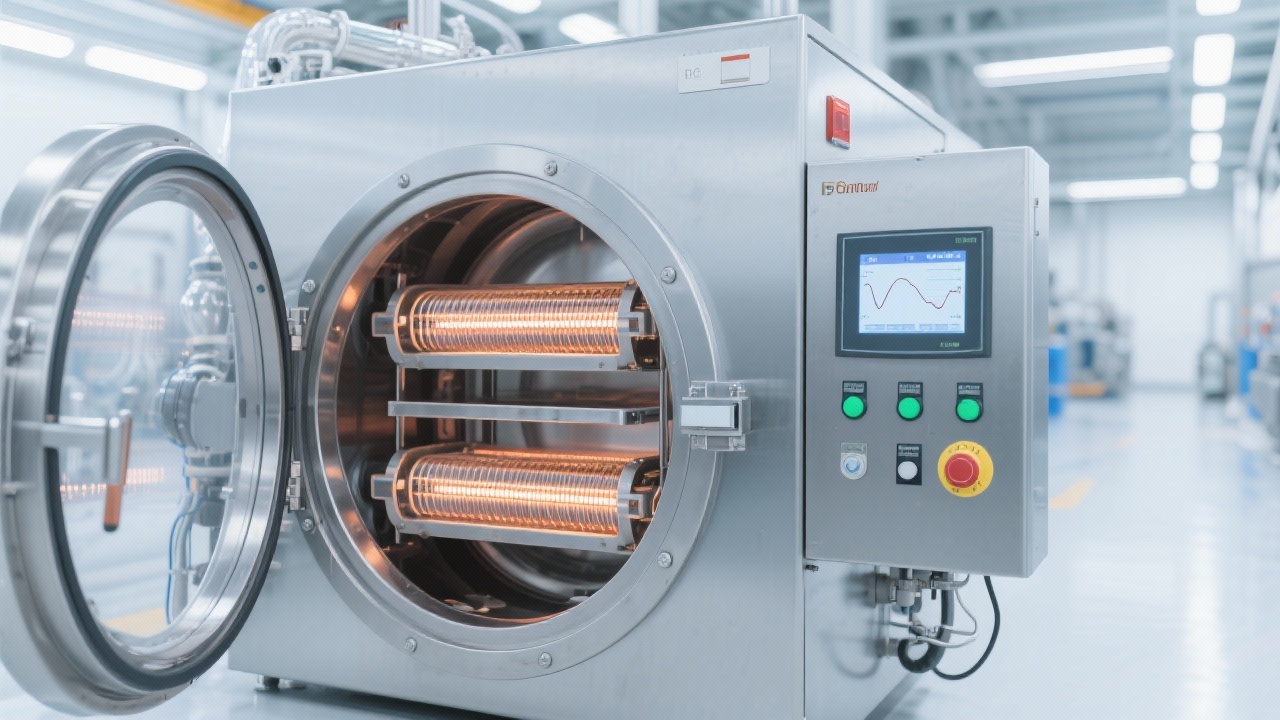
Temperature precision and uniformity are vital for the stability of experimental results. In many laboratory experiments, even a small temperature deviation can lead to significant differences in the outcomes. For instance, in a chemical reaction experiment, a temperature change of just a few degrees can alter the reaction rate and the yield of the product.
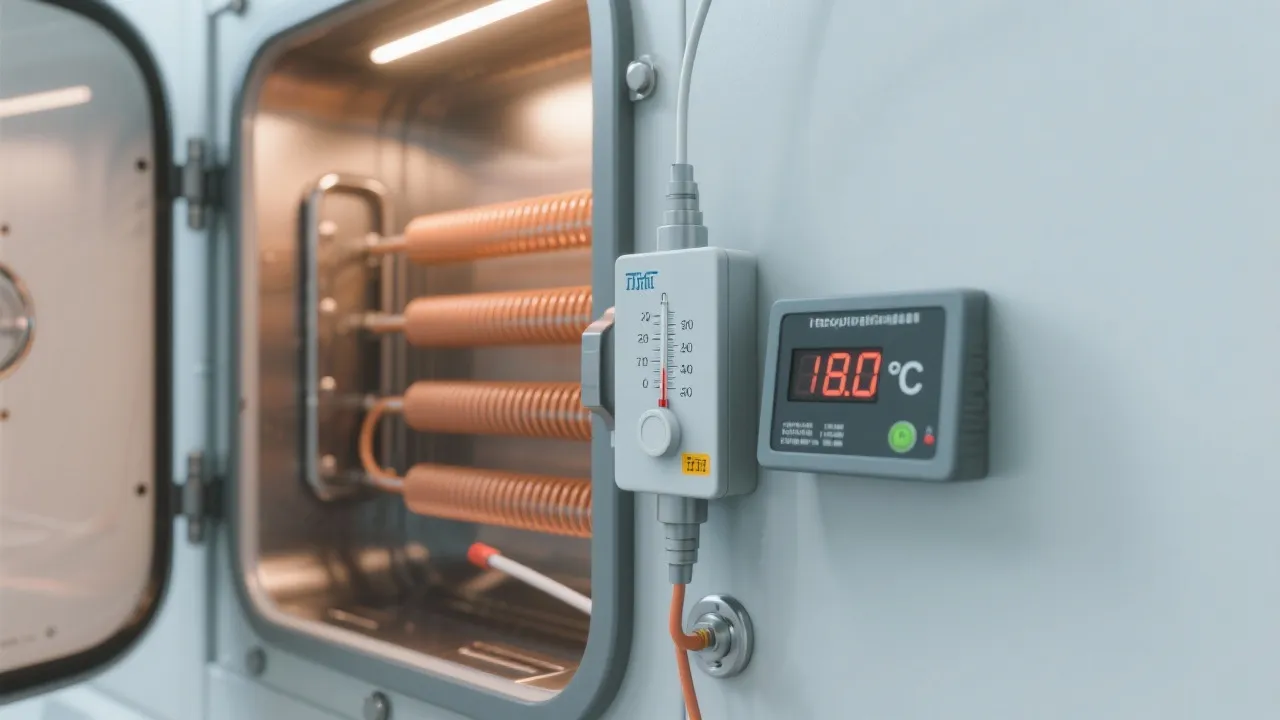
With an advanced PID temperature control system, the temperature fluctuation can be controlled within ±1°C. This high level of precision ensures that the experimental conditions remain consistent, thereby improving the repeatability of the experiments. A study conducted on a series of material science experiments showed that when the temperature fluctuation was controlled within ±1°C, the repeatability of the experimental results increased by 30% compared to experiments with larger temperature fluctuations.
The programmable timing function is another significant advantage of modern laboratory drying equipment with intelligent temperature control systems. This function allows researchers to set specific temperature profiles and time intervals according to their experimental requirements.
For example, in a biological sample drying experiment, the sample may need to be dried at a low temperature for a certain period to prevent damage to the biological components, and then the temperature can be gradually increased to complete the drying process. The programmable timing function makes such complex experimental procedures easy to implement, enhancing the flexibility and convenience of the experiments.
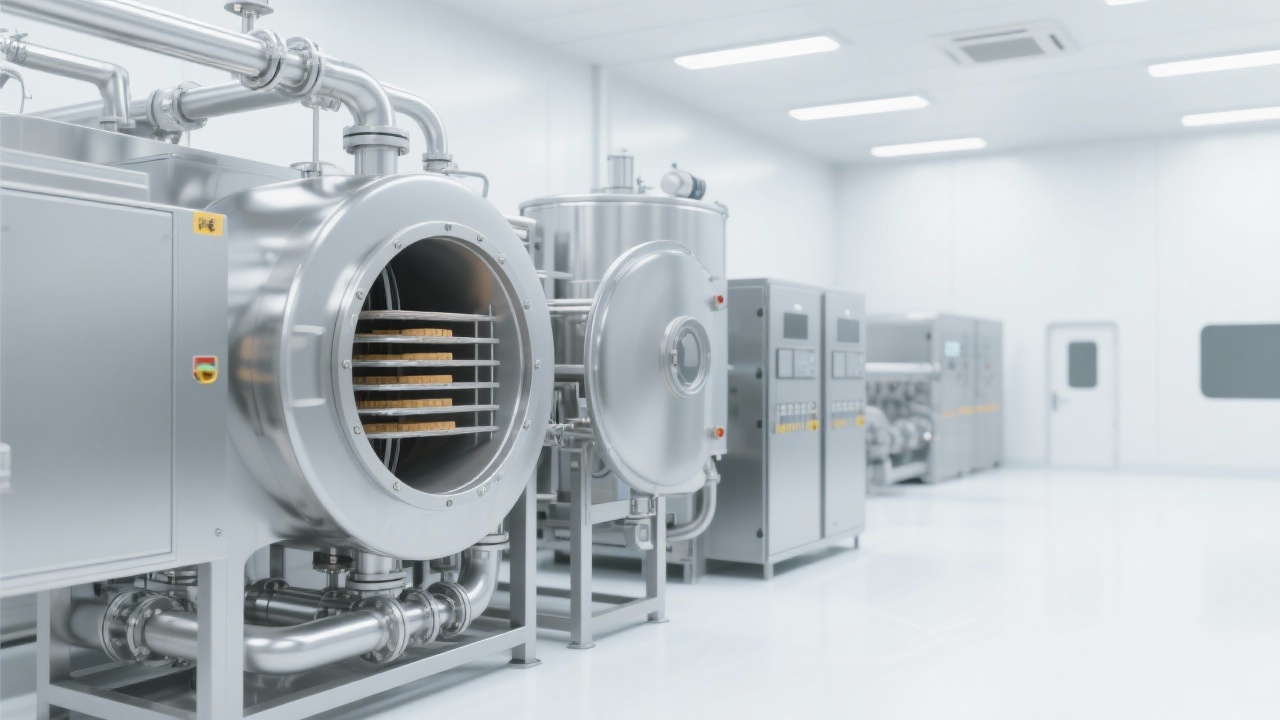
Different fields of research, such as materials science, chemistry, and biology, have unique temperature control requirements. In materials science, high - temperature and precise temperature control are often needed for processes like sintering and annealing. In chemistry, the temperature needs to be carefully regulated during chemical reactions to ensure the desired reaction conditions. In biology, low - temperature drying is crucial to preserve the biological activity of samples.
Based on these different requirements, specific temperature control and debugging schemes can be provided. For example, for materials science experiments, a high - temperature PID control system with a fast response speed can be selected, while for biological experiments, a low - temperature and stable temperature control system is more appropriate.
When choosing laboratory drying equipment with an intelligent PID temperature control system, several key technical indicators should be considered. These include the response speed of the system, which determines how quickly the system can adjust the temperature to the set value; the system stability, which ensures that the temperature remains stable during the experiment; and the user - interface experience, which affects the ease of operation of the equipment.
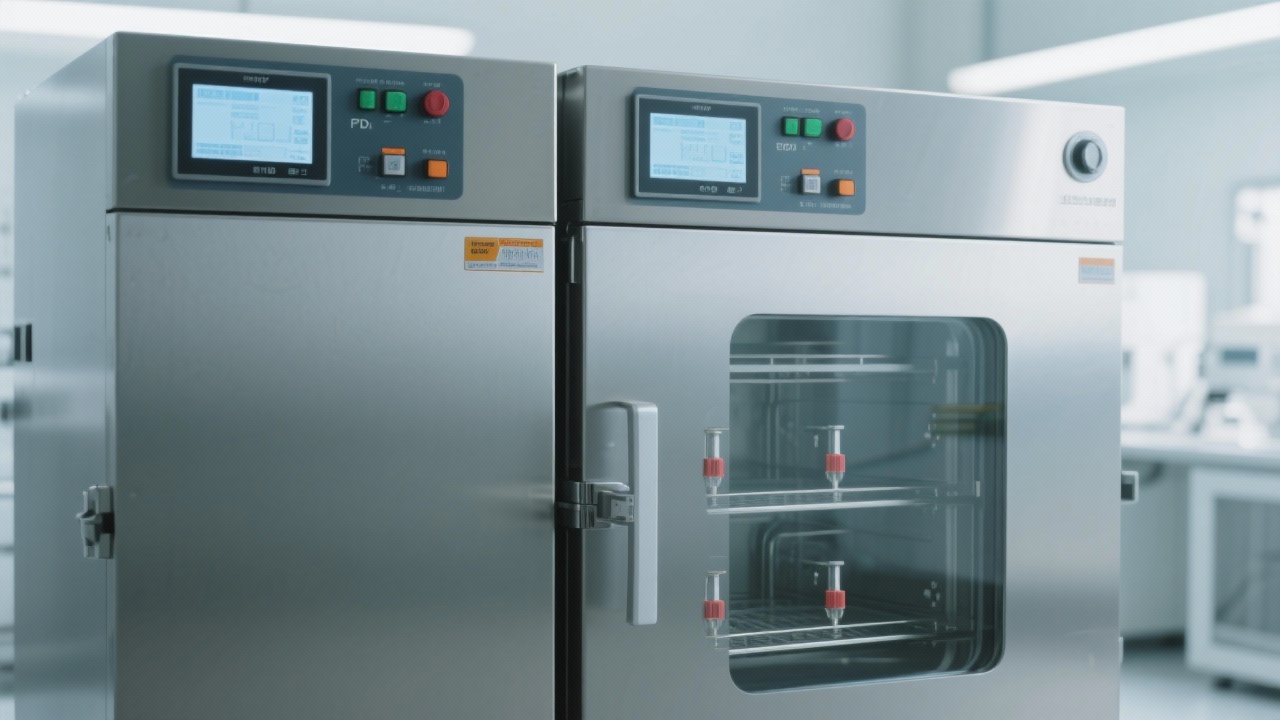
In conclusion, the intelligent PID temperature control system is an essential feature of high - efficiency laboratory drying equipment. It offers precise temperature control, uniformity, and flexibility, which are crucial for the success of various laboratory experiments. If you are looking for a reliable laboratory drying equipment solution that can meet your specific experimental needs, click here to learn more and explore our advanced equipment options.